20 Minute Honey Balsamic Tuna Veggie Bowls
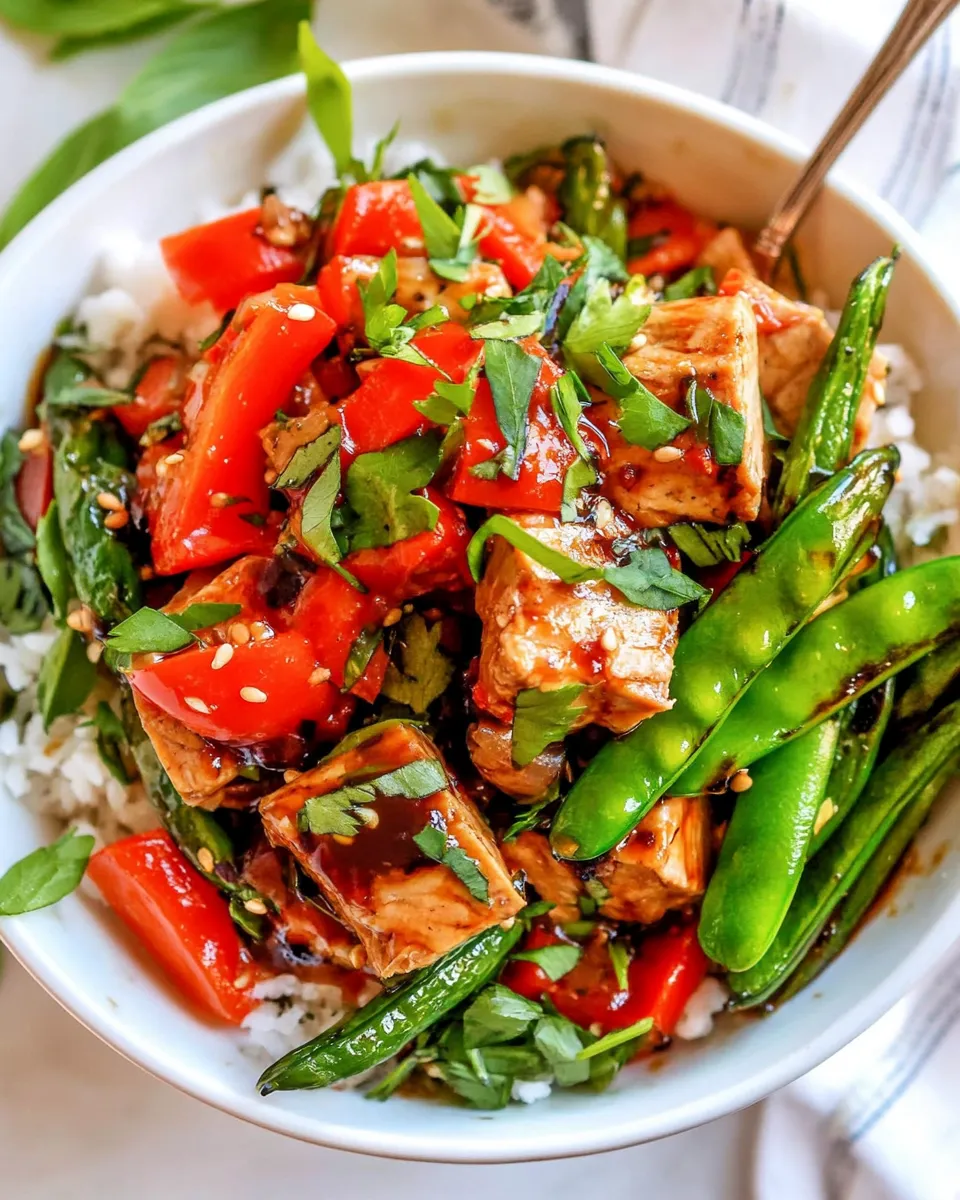
I love recipes that feel like a small victory: fast, nutritious, and somehow a little fancy. These bowls check those boxes. Bright vegetables, flaky albacore, and a quick honey-balsamic sauce come together in about 20 minutes. They’re the kind of weekday meal I make when I want something fresh without babysitting the stove.
There’s no long list of steps or special prep. A single skillet, a whisk, and a can opener are all you need. The sauce is tiny but mighty — a tablespoon of balsamic and a tablespoon of honey transform the tuna and veggies into something savory-sweet and satisfying.
As a food writer who values flavor and efficiency, I keep this recipe in regular rotation. It’s adaptable, forgiving, and stores well. Read on for the ingredient notes, exact cooking steps, swaps, and tips to make it your go-to quick bowl.
What’s in the Bowl
Ingredients
- 12.5 oz. Chicken of the Sea® Solid White Albacore in Water in EZ-Open can, drained — main protein; drains and flakes easily for quick folding into the pan.
- 1 tablespoon olive oil — for sautéing the vegetables without sticking.
- 1 large shallot, chopped — offers a sweeter onion note and caramelizes quickly.
- 1 large carrot, peeled, sliced — adds color, sweetness, and bite.
- 8 oz. fresh green beans, trimmed, halved — crisp-tender texture and fresh green flavor.
- 1 red bell pepper, chopped — bright color and natural sweetness.
- 1 garlic clove, minced or more to taste — base aromatics; adjust to your liking.
- ¼ cup salted roasted cashews or more to taste — crunchy finish and savory richness.
- 1 tablespoon balsamic vinegar — acidic backbone of the sauce.
- 1 tablespoon honey — balances the balsamic with sweetness.
- 1 teaspoon Dijon mustard — emulsifies and adds tang.
- ½ tsp EACH chili powder, salt, dried basil — chili adds subtle heat; basil contributes herbal notes; salt seasons everything.
- 1/4 tsp EACH dried oregano, pepper — oregano deepens the herb profile; pepper seasons.
- 1/2 teaspoon cornstarch — thickens the sauce so it clings to the tuna and veggies.
- 5-6 cups cooked Brown rice or quinoa — the grain base; choose brown rice for chew or quinoa for protein and lightness.
20 Minute Honey Balsamic Tuna Veggie Bowls Cooking Guide
- In a small bowl, whisk together 1 tablespoon balsamic vinegar, 1 tablespoon honey, 1 teaspoon Dijon mustard, 1/2 teaspoon chili powder, 1/2 teaspoon salt, 1/2 teaspoon dried basil, 1/4 teaspoon dried oregano, 1/4 teaspoon pepper and 1/2 teaspoon cornstarch until smooth. Set the Honey Balsamic sauce aside.
- Drain the 12.5 oz can of Chicken of the Sea® Solid White Albacore in Water and flake the tuna with a fork; set aside.
- Heat 1 tablespoon olive oil in a large skillet over medium-high heat.
- Add the chopped large shallot, 8 oz trimmed and halved green beans, and the peeled, sliced large carrot to the skillet. Sauté, stirring occasionally, for 3 minutes.
- Add the chopped red bell pepper and 1 clove minced garlic to the skillet. Continue to cook, stirring, for 2 minutes.
- Add the flaked tuna and the reserved Honey Balsamic sauce to the skillet. Stir gently to combine and cook 1–2 minutes, until the sauce warms and begins to thicken and the vegetables reach your desired crisp-tenderness.
- Stir in 1/4 cup salted roasted cashews, then remove the skillet from the heat.
- Divide 5–6 cups cooked brown rice or quinoa among bowls. Top each bowl with the tuna and vegetable mixture.
- Taste and, if desired, season with additional freshly cracked salt and pepper to taste before serving.
What Makes This Recipe Special
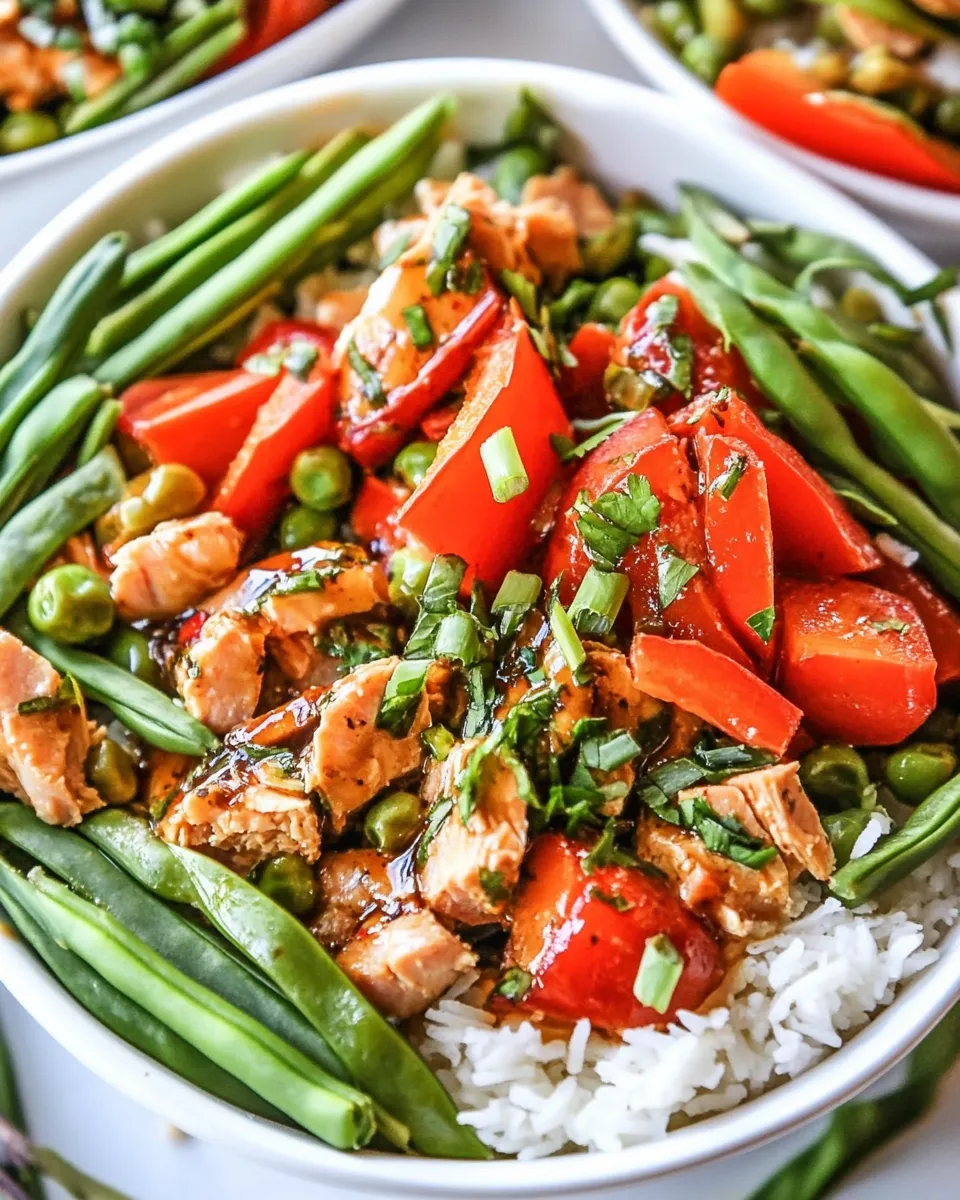
The sauce is the star here. It’s tiny in volume but big on contrast — balsamic vinegar gives acid and depth, honey brings immediate sweetness, Dijon ties everything together, and cornstarch pulls it into a glossy, clingy glaze. That glaze transforms simple canned tuna into something near-saucy and restaurant-ready.
The vegetables are cooked crisp-tender so they still provide texture against the flaky tuna and soft grain. The cashews add the final bit of texture and a toasty, salted pop that elevates each bite. It’s a balanced bowl: protein, vegetables, grain, fat, and a bright sauce — all in about 20 minutes.
Quick Replacement Ideas
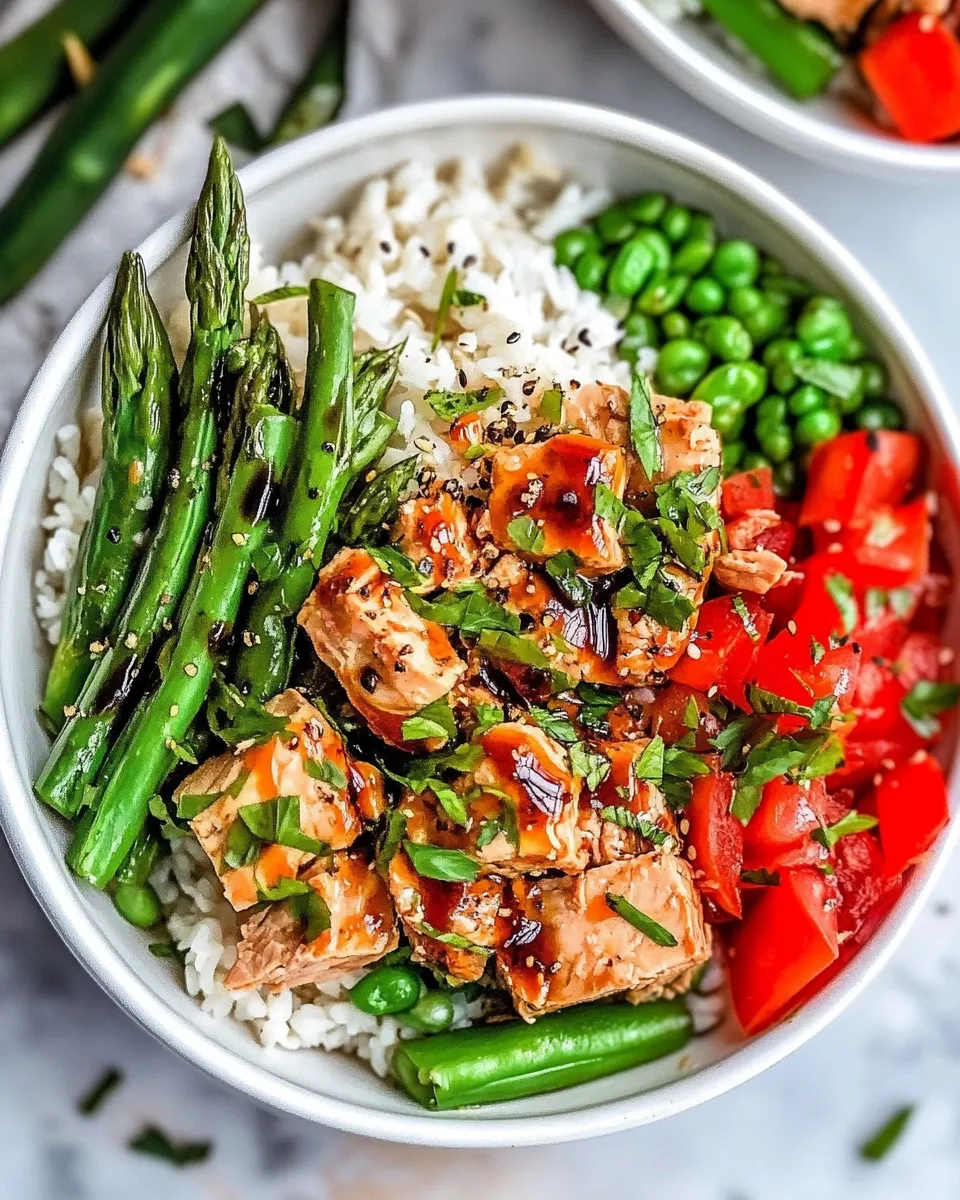
- Protein swaps: Use canned salmon or chickpeas if you prefer plant-based protein. Keep the same amount by volume for a similar texture.
- Grain options: Substitute cooked white rice, bulgur, or cauliflower rice if you’re cutting carbs.
- Nut options: Swap cashews for toasted almonds or sunflower seeds for a nut-free crunch.
- Veg swaps: Use snap peas, asparagus tips, or frozen mixed vegetables (thawed) if green beans aren’t available.
- Flavor tweaks: If you like more heat, stir in a pinch of red pepper flakes or a squirt of sriracha at the end.
What’s in the Gear List
- Large skillet — wide surface helps quickly sauté the veggies and fold in the tuna.
- Small bowl and whisk — to emulsify the honey-balsamic sauce and dissolve the cornstarch.
- Can opener or EZ-open can — easy-access can makes this faster.
- Sharp knife and cutting board — for quick prep of shallot, carrot, green beans, and bell pepper.
- Spoon or spatula — to stir and gently combine tuna without breaking it into mush.
Common Errors (and Fixes)
- Vegetables overcooked: If they turn mushy, next time reduce the sauté time and use medium-high heat so you get a quick sear and crisp-tender finish.
- Tuna falls apart too much: Flake gently. Fold the tuna in at the very end and stir only briefly so you keep pleasant chunks instead of a mash.
- Sauce too thin: Make sure you whisk the cornstarch into the sauce completely before adding. If it’s still thin, continue to cook another minute; heat will activate the cornstarch and thicken it.
- Sauce clumps: If cornstarch hits the pan unmixed it can clump. Always mix it fully with the vinegar/honey before adding to the skillet.
- Too salty: Taste before adding extra salt; the cashews are salted and canned tuna can carry some salt too. Adjust after assembling bowls.
Warm & Cool Weather Spins
In summer, serve this at room temperature or chilled. The cooked veggies and tuna hold up well, and the sauce keeps its flavor cold. Pack it for a picnic or pack the components separately and toss before eating.
In cooler months, make it extra cozy by swapping quinoa for warm brown rice, adding a drizzle of toasted sesame oil at the end, or stirring in a handful of baby spinach at the last minute so it wilts into the warm mix. A quick squeeze of lemon or a few torn basil leaves brightens a winter bowl as well.
Pro Tips & Notes
Timing & Texture
Prep everything first — chop the shallot, slice the carrot, trim the beans, and chop the pepper. Once the oil is hot, the recipe moves quickly. Because the tuna is already cooked, treat it gently; you’re warming it, not cooking it through.
Flavor Balance
The honey and balsamic should taste balanced. If yours is too tart, add a tiny extra splash of honey. If it’s too sweet, a squeeze of lemon or an extra pinch of salt will sharpen it.
Leftover Grain
Use leftover brown rice or quinoa for speed. If reheating cold rice, add a splash of water when warming to prevent dryness.
Refrigerate, Freeze, Reheat
Refrigerate: Store leftovers in an airtight container for up to 3 days. Keep the grain separate from the tuna and veggies if you want the best texture on reheating.
Freeze: I don’t recommend freezing assembled bowls — tuna and roasted veg textures degrade with freezing. If you must, freeze the tuna-vegetable mixture only in a shallow airtight container for up to 1 month; thaw overnight in the fridge.
Reheat: Warm gently in a skillet over medium-low heat, adding a splash of water to loosen the sauce. Avoid microwave blasts that overcook the veggies and dry out the tuna. Alternatively, reheat the grain and serve the tuna-veg warm on top.
Helpful Q&A
Can I use fresh tuna instead of canned? Yes. If using fresh tuna steaks, sear them quickly and slice or flake to top the bowls. Adjust cooking times accordingly, and skip the gentle warming step for canned tuna.
Is this spicy? Not by default — the chili powder adds mild warmth. Increase chili powder or add red pepper flakes if you want more heat.
How do I make it vegetarian? Replace the canned albacore with cooked chickpeas or firm tofu cubes, and follow the same steps. The sauce and vegetables adapt well.
Can I double the recipe? Yes. Use a larger skillet and increase sauce components proportionally. Keep an eye on cooking times for the vegetables so they stay crisp-tender.
The Last Word
This bowl is proof that quick meals can still be thoughtful. A simple honey-balsamic glaze turns pantry tuna into something vibrant. The vegetables keep the dish fresh, the cashews add crunch, and brown rice or quinoa makes it filling. It’s easy to scale, swap, and store — which is exactly how I like my weeknight dinners. Try it tonight; it’s a small, delicious win.
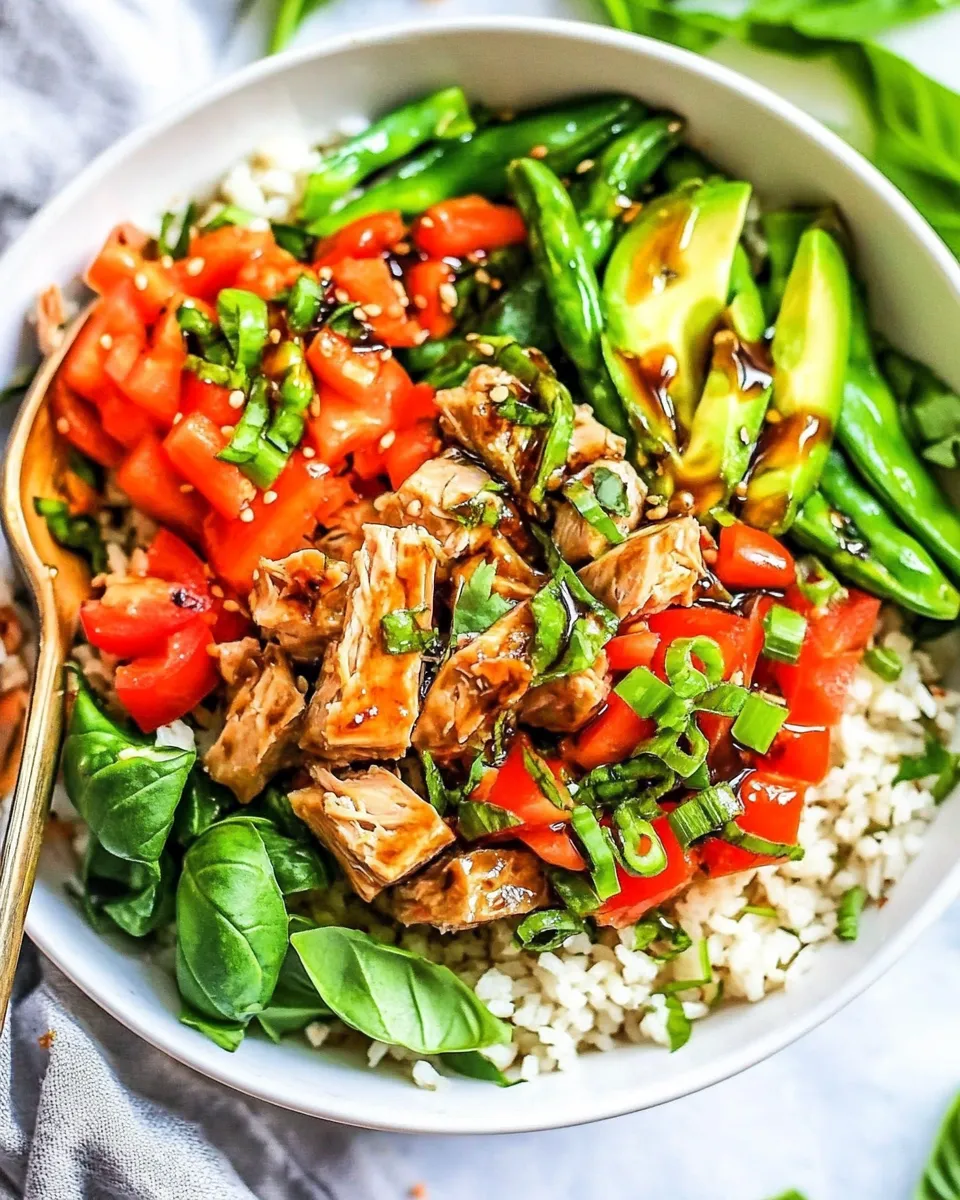
20 Minute Honey Balsamic Tuna Veggie Bowls
Ingredients
Equipment
Method
- In a small bowl, whisk together 1 tablespoon balsamic vinegar, 1 tablespoon honey, 1 teaspoon Dijon mustard, 1/2 teaspoon chili powder, 1/2 teaspoon salt, 1/2 teaspoon dried basil, 1/4 teaspoon dried oregano, 1/4 teaspoon pepper and 1/2 teaspoon cornstarch until smooth. Set the Honey Balsamic sauce aside.
- Drain the 12.5 oz can of Chicken of the Sea® Solid White Albacore in Water and flake the tuna with a fork; set aside.
- Heat 1 tablespoon olive oil in a large skillet over medium-high heat.
- Add the chopped large shallot, 8 oz trimmed and halved green beans, and the peeled, sliced large carrot to the skillet. Sauté, stirring occasionally, for 3 minutes.
- Add the chopped red bell pepper and 1 clove minced garlic to the skillet. Continue to cook, stirring, for 2 minutes.
- Add the flaked tuna and the reserved Honey Balsamic sauce to the skillet. Stir gently to combine and cook 1–2 minutes, until the sauce warms and begins to thicken and the vegetables reach your desired crisp-tenderness.
- Stir in 1/4 cup salted roasted cashews, then remove the skillet from the heat.
- Divide 5–6 cups cooked brown rice or quinoa among bowls. Top each bowl with the tuna and vegetable mixture.
- Taste and, if desired, season with additional freshly cracked salt and pepper to taste before serving.