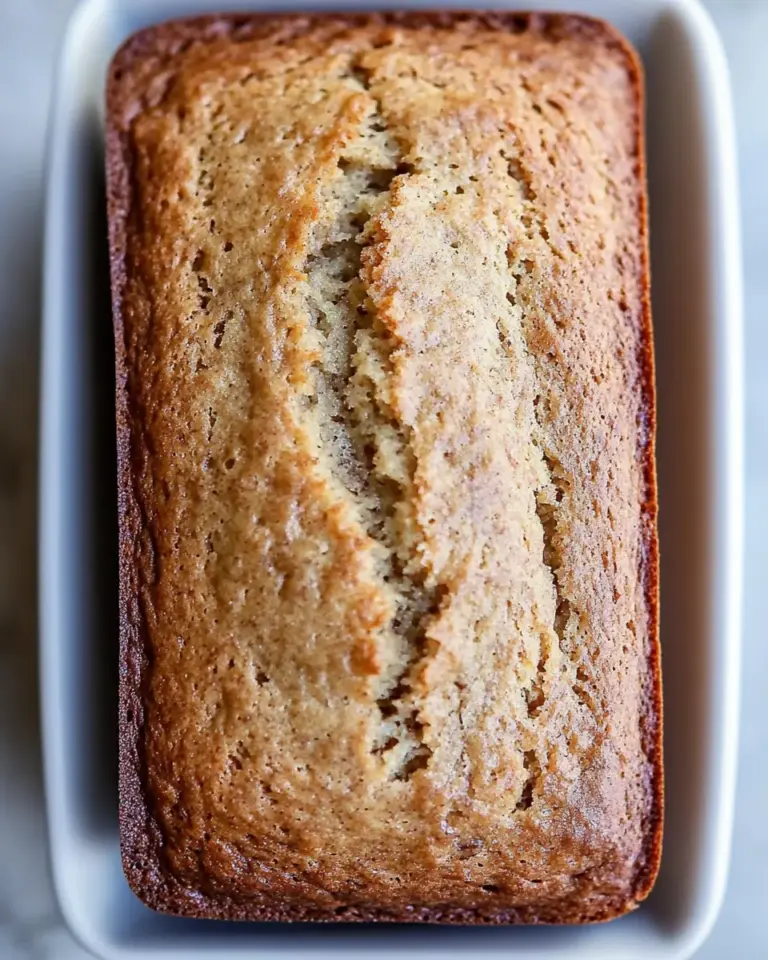
3-Ingredient Biscuits Recipe
I love simple recipes that actually deliver. These biscuits are exactly that: three ingredients, fast hands, and a hot oven. They come together in minutes and reward you with tender, flaky rounds that are at home with butter, jam, or a saucy weeknight stew.
There’s a practical reason this recipe is a keeper. It relies on two reliable ingredients for structure and lift, and one flexible binder. That tiny ingredient list makes shopping and timing easier, so you get fresh biscuits without fuss.
Below I walk you through what to buy, how to handle the dough, common mistakes I see at home, and a few small adjustments that preserve the simple spirit while giving you options. Read the ingredients, then the steps, and you’ll have warm biscuits in under 20 minutes.
Ingredients

- 2 cups self-rising flour — provides the structure and the built-in leavening; if it’s packed, gently fluff it before measuring.
- 1/2 cup butter, cold, cut into pea-sized cubes — cold butter creates pockets of steam for flaky layers; keep it chilled until you cut it in.
- 6 tablespoons milk, plus more if needed — binds the dough; start with 6 tablespoons and add tiny amounts if the dough is dry.
Your Shopping Guide
Buy a single bag of self-rising flour and a stick or two of butter—nothing fancy required. For best results pick a butter with a higher fat content (European-style if you like richer flavor) but regular unsalted butter will work fine. If you only find salted butter, pause before adding extra salt elsewhere: the biscuit batter here doesn’t call for it.
Choose milk you already use and like. Whole milk gives a slightly richer finish; lower-fat milks thin the dough a bit and can still work because the recipe allows adding a splash more if needed. Keep your butter in the coldest part of the fridge until you use it.
Tools matter less than technique, but a biscuit cutter (or a clean glass) and a pastry cutter or two knives for cutting in the butter will save time. If you don’t have a pastry cutter, a fork works—plan for a little more elbow grease.
From Start to Finish: 3-Ingredient Biscuits
- Preheat oven to 450°F. Line a baking sheet with parchment paper or a silicone mat.
- In a large bowl combine 2 cups self-rising flour and 1/2 cup cold butter (cut into pea-sized cubes).
- Use a pastry cutter, fork, or two knives to cut the butter into the flour until the mixture resembles a coarse meal with some pea-size butter pieces remaining.
- Add 6 tablespoons milk and stir until a soft dough just forms. If the dough looks dry and will not come together, add more milk 1 tablespoon at a time until it does.
- If the dough is very sticky and difficult to handle, either lightly dust your work surface and hands with a little of the flour or refrigerate the dough for 10 minutes to firm it up.
- Turn the dough onto the lightly floured surface, knead gently about 6–8 times (about 20 seconds), and press or roll the dough to 1/2-inch thickness.
- Use a biscuit cutter to cut out biscuits, pressing straight down without twisting. Gather scraps, press together gently, reroll once, and cut additional biscuits.
- Place the biscuits on the prepared baking sheet (they can touch or be spaced slightly apart) and bake for 10–12 minutes, until lightly golden on top and fragrant.
- Remove from oven and let cool briefly on the sheet for a few minutes before serving.
Why This Recipe Is Reliable
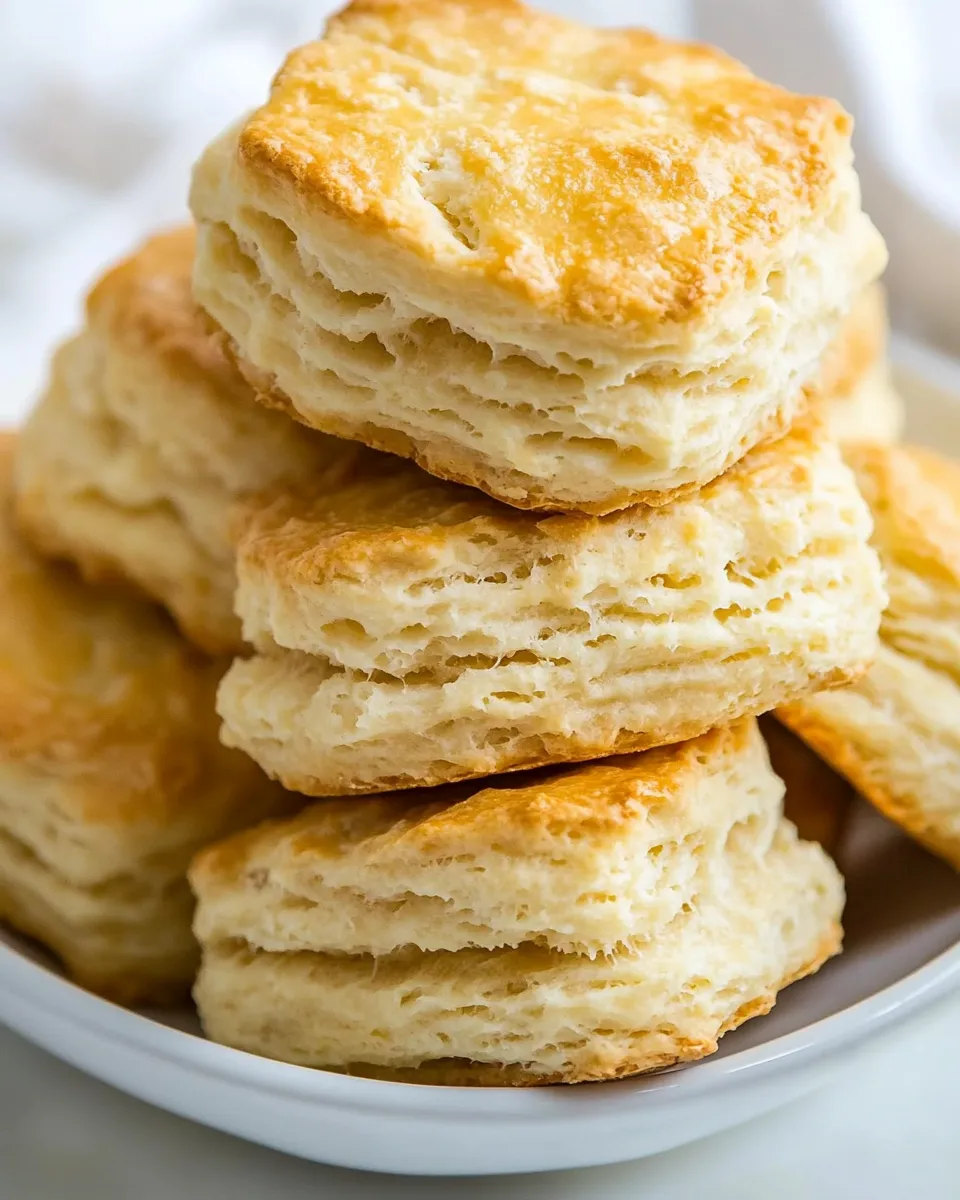
Less is more here in a good way. Self-rising flour gives consistent lift without the precision of measuring separate leaveners. Cold butter is the key to flaky layers—when it melts in the hot oven it creates steam pockets, and those pockets make the biscuit light.
The method—minimal mixing, a gentle knead, and quick handling—protects the structure. Overworking dough activates gluten and makes biscuits tough. I designed this so the dough is barely handled after the liquid goes in. That’s why it’s repeatable: the steps remove guesswork and rely on timing and texture more than exact science.
Ingredient Flex Options

Keep the core three ingredients, but you can adjust small things without changing the recipe’s spirit:
- If you like richer biscuits, use whole milk. If you want a slightly lighter crumb, a lower-fat milk works—just watch the dough and add extra milk by the tablespoon only if needed.
- Salted versus unsalted butter changes final seasoning. If your butter is salted, taste the finished biscuit before adding anything else to the plate.
- Work quickly with room temperature variations. If your kitchen is warm, chill the mixed dough briefly before cutting so the butter stays firm and you retain flakiness.
Setup & Equipment
What you really need
- Baking sheet lined with parchment paper or a silicone mat.
- Large bowl for mixing.
- Pastry cutter, two knives, or a fork to cut the butter in.
- Measuring cups and spoons accurate for the small milk additions.
- Biscuit cutter or a clean round glass to cut rounds.
Optional but helpful
- Small bench scraper for gathering scraps.
- Thin spatula for transferring cut biscuits to the sheet without squishing them.
Learn from These Mistakes
Too much handling. Knead only 6–8 times. If you knead longer, expect denser biscuits. Press the dough gently and keep movements quick.
Butter too warm. If it starts to smear rather than stay in pea-size bits, chill the mixture for 10 minutes before you roll. The pea-size pieces are what make the layers.
Twisting the cutter. When you twist a cutter, it seals the edges and inhibits rise. Press straight down and pull straight up for clean edges that bake taller.
Over-thinning. Rolling to thinner than 1/2 inch speeds baking but reduces height and fluff. Keep it at 1/2 inch for the best balance of flaky and tender.
Make It Fit Your Plan
Serving suggestions: split and slather with butter and jam for breakfast, or use as a quick base for biscuits and gravy. They’re also excellent alongside soups and slow-cooked meats.
Make-ahead and storage: cool completely, then wrap tightly and refrigerate for up to 3 days. Reheat in a 350°F oven for 5–7 minutes to refresh the exterior and warm through. For longer storage, freeze unbaked rounds on a sheet until solid, then transfer to a freezer bag and bake frozen—add a few minutes to the bake time.
Notes from the Test Kitchen
I tested these biscuits at full recipe scale and small batches. The pattern stayed the same: cold butter, minimal kneading, and a hot oven produce the best rise. I found the sweet spot for texture at exactly 1/2-inch thickness; thinner yields quicker browning but less lift.
Bake times can vary by oven. If your oven runs hot, start checking at 8 minutes. The tops should be lightly golden and fragrant; that signals doneness without overbaking. If you prefer a browner top, brush a little melted butter on the tops in the last minute of baking.
Save It for Later
Print this page or save it to a recipe folder in your browser. The recipe is compact enough to memorize after one bake, but keeping a saved copy means you won’t lose the exact milk amount if you want to replicate the texture you liked.
Consider bookmarking it with a note: “roll to 1/2 inch” or “chill if rubbing butter” so your future self gets the same results you had the first time.
Your Questions, Answered
How many biscuits does this make? It depends on the cutter size. With a 2.5-inch cutter you’ll get roughly 8–10 biscuits. If you use a smaller cutter, you’ll get more.
Can I double the recipe? Yes. Mix in a larger bowl and handle the dough in the same short, gentle manner. Bake on two sheets or in batches so the oven heat stays consistent.
What if the dough is sticky? Lightly dust with flour or chill for 10 minutes. The recipe already allows adding milk by the tablespoon if dry, and chilling will firm butter and make cutting cleaner if it’s sticky instead.
Before You Go
Keep this recipe simple on purpose. It’s a little ritual—cold butter, quick mix, hot oven—and it pays off with warm biscuits that feel like a small victory. Try it once without tweaking. If you want to experiment later, do so in small changes: another splash of milk, a different butter, or a short chill. The base method stays the same.
If you make them, tell me what you paired them with. I always love practical uses—breakfast toppings, sandwich ideas, or a soup companion that made these biscuits shine.
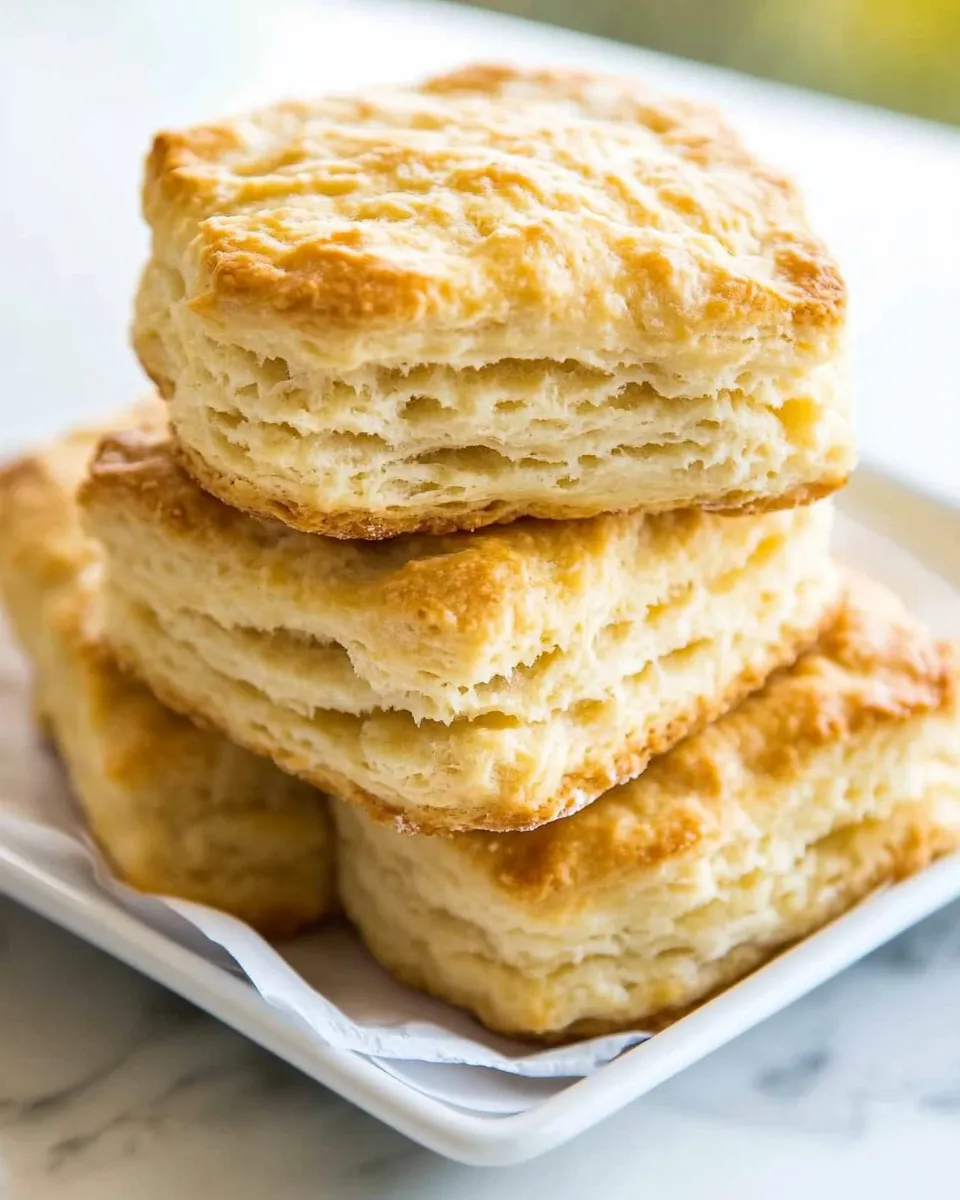
3-Ingredient Biscuits Recipe
Ingredients
Equipment
Method
- Preheat oven to 450°F. Line a baking sheet with parchment paper or a silicone mat.
- In a large bowl combine 2 cups self-rising flour and 1/2 cup cold butter (cut into pea-sized cubes).
- Use a pastry cutter, fork, or two knives to cut the butter into the flour until the mixture resembles a coarse meal with some pea-size butter pieces remaining.
- Add 6 tablespoons milk and stir until a soft dough just forms. If the dough looks dry and will not come together, add more milk 1 tablespoon at a time until it does.
- If the dough is very sticky and difficult to handle, either lightly dust your work surface and hands with a little of the flour or refrigerate the dough for 10 minutes to firm it up.
- Turn the dough onto the lightly floured surface, knead gently about 6–8 times (about 20 seconds), and press or roll the dough to 1/2-inch thickness.
- Use a biscuit cutter to cut out biscuits, pressing straight down without twisting. Gather scraps, press together gently, reroll once, and cut additional biscuits.
- Place the biscuits on the prepared baking sheet (they can touch or be spaced slightly apart) and bake for 10–12 minutes, until lightly golden on top and fragrant.
- Remove from oven and let cool briefly on the sheet for a few minutes before serving.
Notes
Cold butter:“Cold” is key. As the butter melts in the oven when the biscuits bake, it creates steam that yields a flaky, tender crumb. If preferred, you could use cold shortening instead.
Yield:This recipe makes 8 flaky biscuits. You can absolutely double the ingredients called for in this homemade biscuit recipe to bake 16 biscuits, or triple for 24.
Storage:If you’re lucky enough to have them, place any extra biscuits in an airtight container or a zip-top storage bag. Store at room temperature for up to 3 days.