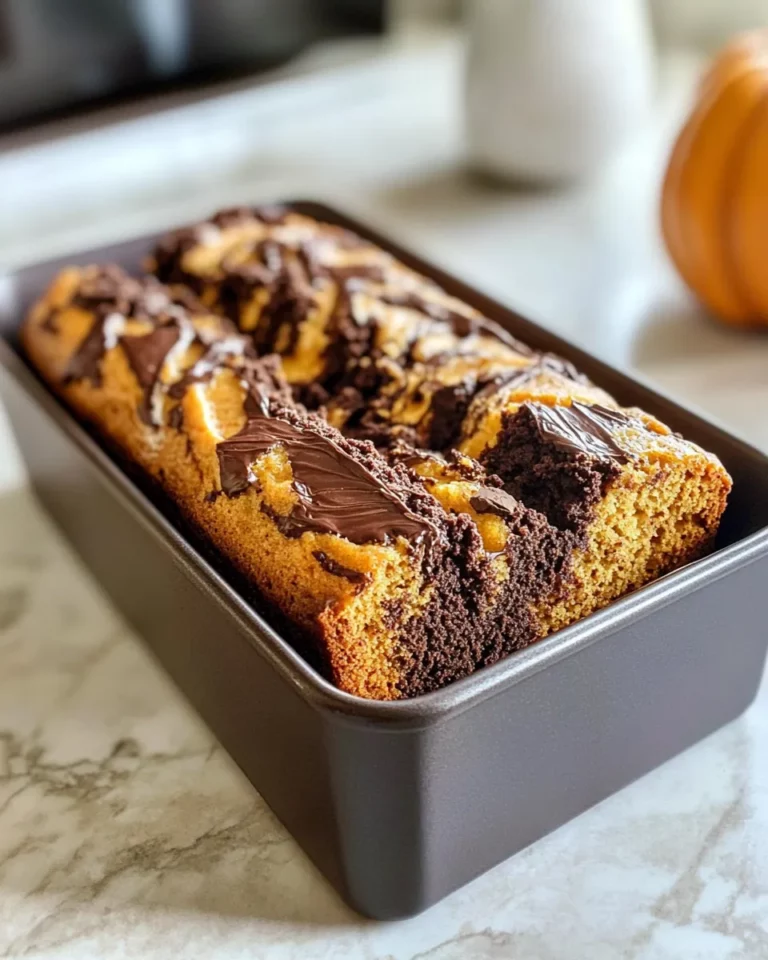
Orange Pound Cake
There’s something truly delightful about the rich, moist texture of a classic pound cake, and when you infuse it with the bright, zesty notes of fresh oranges, you elevate it to a whole new level. This Orange Pound Cake is the perfect treat for any occasion, whether it’s a sunny afternoon tea or a cozy family gathering. With its vibrant flavor and beautiful presentation, this cake is sure to impress your friends and family.
What You’ll Love About This Recipe
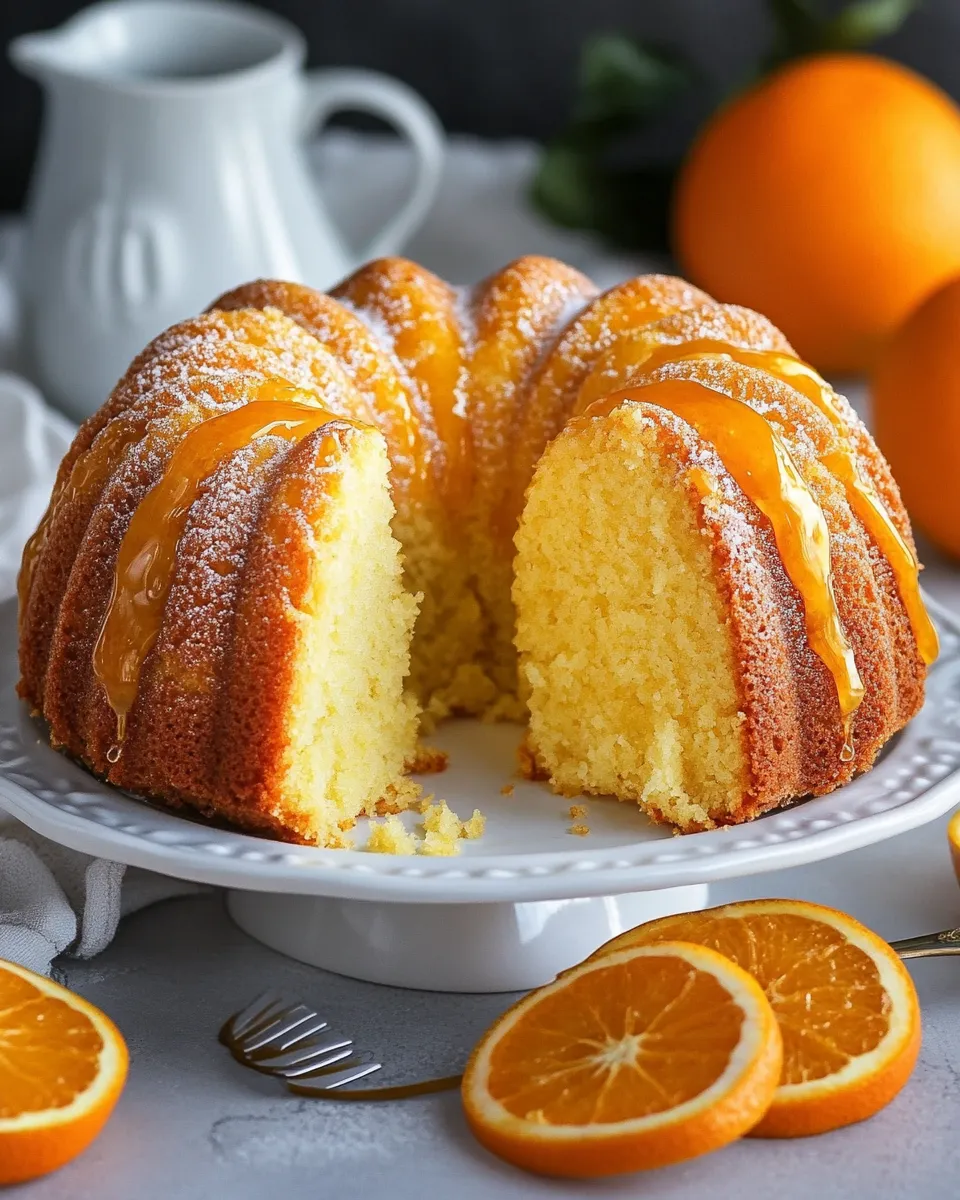
This Orange Pound Cake is incredibly easy to make and requires simple ingredients that you likely already have in your pantry. The combination of fresh orange juice and zest brings a burst of flavor that complements the buttery richness of the cake, while the buttermilk ensures a moist crumb. Not to mention, the sweet orange glaze drizzled on top adds an irresistible finishing touch. This recipe is perfect for both beginner and experienced bakers alike!
Ingredient Checklist
- 3 cups (372g) all-purpose flour
- 1 teaspoon baking powder
- 1 teaspoon salt
- 1 cup (226g) unsalted butter, softened
- 2 cups (400g) granulated sugar
- 5 large eggs
- ¾ cup (177ml) buttermilk
- ¾ cup (79ml) fresh orange juice
- 2 tablespoons orange zest (from 1-2 oranges)
- 1 teaspoon vanilla extract
- ¼ teaspoon orange extract (optional)
- ½ cup (50g) granulated sugar (for glaze)
- ¼ cup (60ml) fresh orange juice (for glaze)
- 1 cup (113g) powdered sugar (for glaze)
- 1-2 tablespoons (15-30ml) orange juice (for glaze)
- 1 tablespoon orange zest (for glaze)
Essential Tools for Success
- Mixing Bowls – For combining wet and dry ingredients.
- Electric Mixer – To achieve a light and fluffy batter.
- Measuring Cups and Spoons – For precise ingredient measurements.
- 9×5-inch Loaf Pan – The perfect size for this pound cake.
- Cooling Rack – To allow the cake to cool properly.
Orange Pound Cake: Step-by-Step Guide
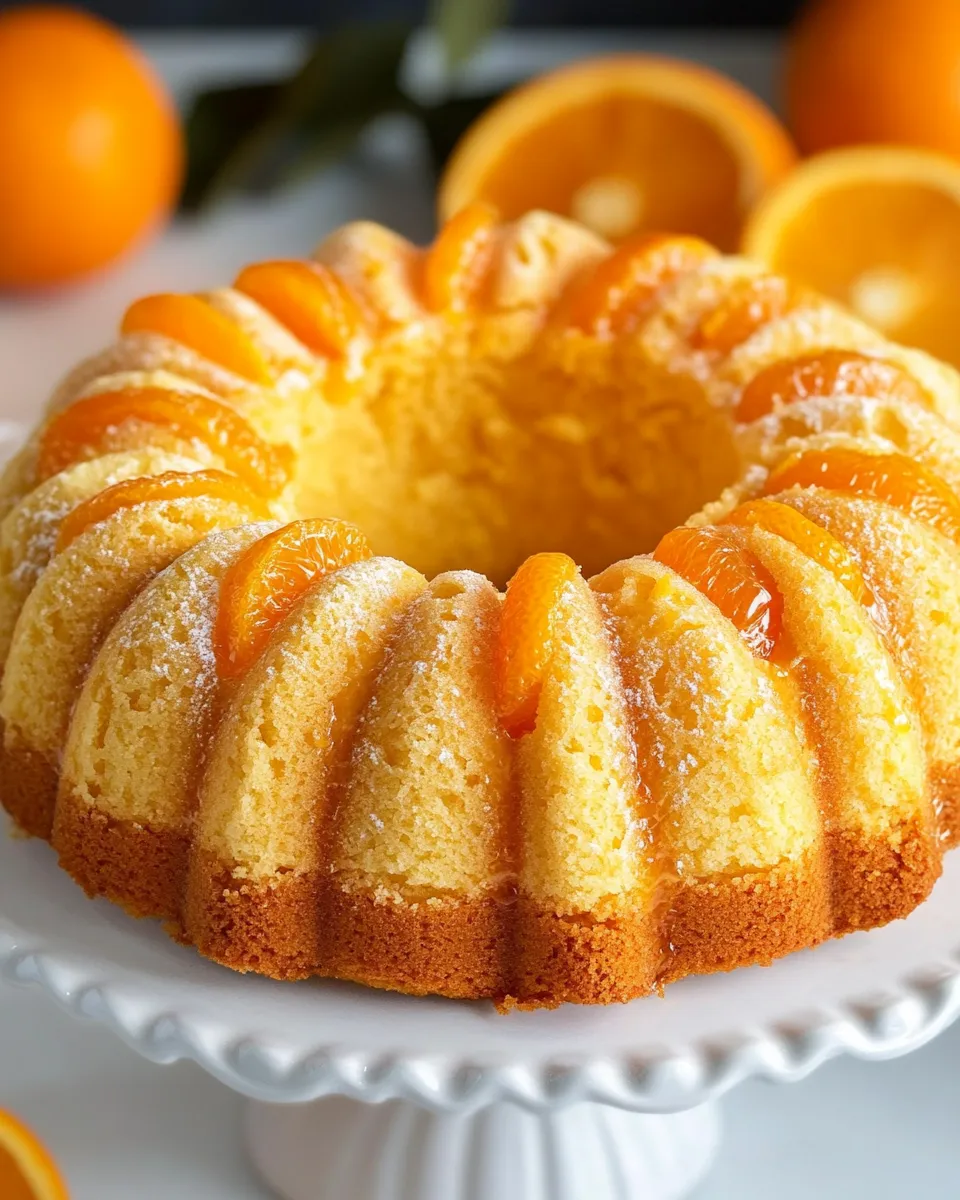
Step 1: Preheat the Oven
Begin by preheating your oven to 350°F (175°C). This ensures that the cake bakes evenly.
Step 2: Prepare the Pan
Grease your 9×5-inch loaf pan with butter or non-stick spray, then lightly dust it with flour. This will help the cake release easily after baking.
Step 3: Combine Dry Ingredients
In a medium bowl, whisk together the all-purpose flour, baking powder, and salt. Set this mixture aside as you prepare the wet ingredients.
Step 4: Cream Butter and Sugar
In a large mixing bowl, use an electric mixer to beat the softened butter and granulated sugar together until the mixture is light and fluffy, about 3-5 minutes.
Step 5: Add Eggs
Add the eggs one at a time, mixing well after each addition. This step is crucial for incorporating air into the batter, which will help the cake rise.
Step 6: Mix in Buttermilk and Orange Juice
With the mixer on low speed, add the buttermilk, fresh orange juice, orange zest, and vanilla extract. If you’re using orange extract, add it now. Mix until just combined.
Step 7: Combine Wet and Dry Ingredients
Gradually add the dry ingredient mixture to the wet ingredients, mixing until just combined. Be careful not to overmix; a few lumps are okay.
Step 8: Bake the Cake
Pour the batter into the prepared loaf pan and smooth the top with a spatula. Bake in the preheated oven for 60-70 minutes, or until a toothpick inserted into the center comes out clean.
Step 9: Prepare the Glaze
While the cake is baking, prepare the orange glaze. In a small bowl, mix together the granulated sugar, fresh orange juice, powdered sugar, and additional orange juice until smooth. Stir in the orange zest.
Step 10: Cool and Glaze the Cake
Once the cake has finished baking, let it cool in the pan for about 15 minutes before transferring it to a cooling rack. Once cooled completely, drizzle the orange glaze over the top of the cake.
Fit It to Your Goals
- For a lighter version: Substitute some of the butter with applesauce to reduce fat content.
- For a gluten-free option: Use a gluten-free all-purpose flour blend.
- Add nuts: Chopped walnuts or pecans can add a delightful crunch.
- Make it a layered cake: Use two loaf pans and stack them with frosting in between for a fun presentation.
Watch Outs & How to Fix
While baking this Orange Pound Cake, here are some common issues and how to fix them:
- If your cake is too dense, ensure not to overmix the batter once the dry ingredients are added.
- If the cake domes excessively, it may be baking too quickly; consider lowering the oven temperature slightly.
- If the cake sticks to the pan, make sure to grease and flour it properly before adding the batter.
- If the glaze is too runny, add more powdered sugar until you reach the desired consistency.
Cooling, Storing & Rewarming
Once your Orange Pound Cake is glazed and cooled, it’s best enjoyed fresh. However, should you have leftovers, store them in an airtight container at room temperature for up to 3 days. For longer storage, wrap the cake tightly in plastic wrap and refrigerate for up to a week. To rewarm, slice a piece and pop it in the microwave for about 10-15 seconds for a warm treat.
Common Questions
Can I use frozen oranges for this recipe?
While fresh oranges provide the best flavor, you can use frozen orange juice and zest if fresh isn’t available. Just ensure to thaw and measure correctly.
What can I use instead of buttermilk?
If you don’t have buttermilk on hand, you can make a substitute by mixing ¾ cup of milk with 1 tablespoon of lemon juice or vinegar. Let it sit for 5-10 minutes before using.
How can I tell if my cake is done?
The best way to check if your Orange Pound Cake is done is by inserting a toothpick in the center. If it comes out clean or with a few moist crumbs, it’s ready. If it comes out wet with batter, give it a bit more time in the oven.
Can I freeze the Orange Pound Cake?
Yes! To freeze, wrap the cooled cake tightly in plastic wrap and then in aluminum foil. It can be frozen for up to 3 months. Thaw in the refrigerator overnight before serving.
Desserts to Finish
- Lemon Drizzle Cake – A zesty alternative to brighten your day.
- Chocolate Chip Cookies – A classic favorite that never disappoints.
- Carrot Cake with Cream Cheese Frosting – Moist and flavorful, perfect for celebrations.
- Strawberry Shortcake – A light and refreshing dessert for warmer days.
Final Bite
This Orange Pound Cake is more than just a dessert; it’s a way to bring sunshine into your kitchen. With its moist texture and vibrant flavor, it’s bound to become a favorite in your household. Whether served with a cup of tea, enjoyed as a midday snack, or presented at a special gathering, this cake is sure to impress. So roll up your sleeves and dive into this delightful baking adventure—your taste buds will thank you!
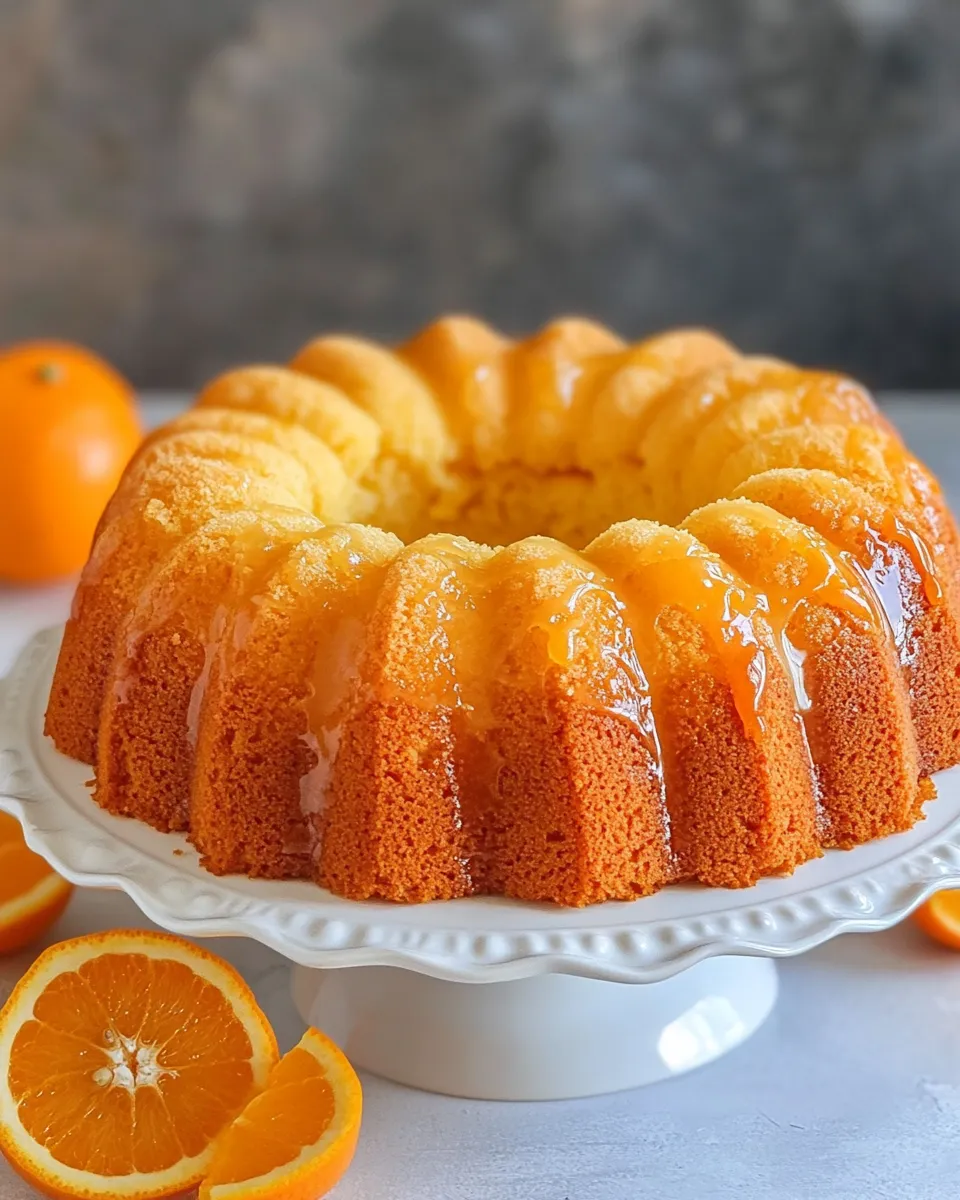
Orange Pound Cake
Ingredients
Equipment
Method
- Begin by preheating your oven to 350°F (175°C). This ensures that the cake bakes evenly.
- Grease your 9x5-inch loaf pan with butter or non-stick spray, then lightly dust it with flour.
- In a medium bowl, whisk together the all-purpose flour, baking powder, and salt. Set this mixture aside.
- In a large mixing bowl, use an electric mixer to beat the softened butter and granulated sugar together until light and fluffy, about 3-5 minutes.
- Add the eggs one at a time, mixing well after each addition.
- With the mixer on low speed, add the buttermilk, fresh orange juice, orange zest, and vanilla extract, mixing until just combined.
- Gradually add the dry ingredient mixture to the wet ingredients, mixing until just combined.
- Pour the batter into the prepared loaf pan and smooth the top with a spatula. Bake for 60-70 minutes, or until a toothpick comes out clean.
- While the cake is baking, prepare the glaze by mixing together the granulated sugar, fresh orange juice, powdered sugar, and additional orange juice until smooth. Stir in the orange zest.
- Once the cake has finished baking, let it cool in the pan for about 15 minutes before transferring it to a cooling rack. Once completely cooled, drizzle the orange glaze over the top.
Notes
- For a lighter version, substitute some of the butter with applesauce.
- Use a gluten-free flour blend for a gluten-free option.
- Add chopped nuts for extra texture.
- Use two loaf pans to create a layered cake.