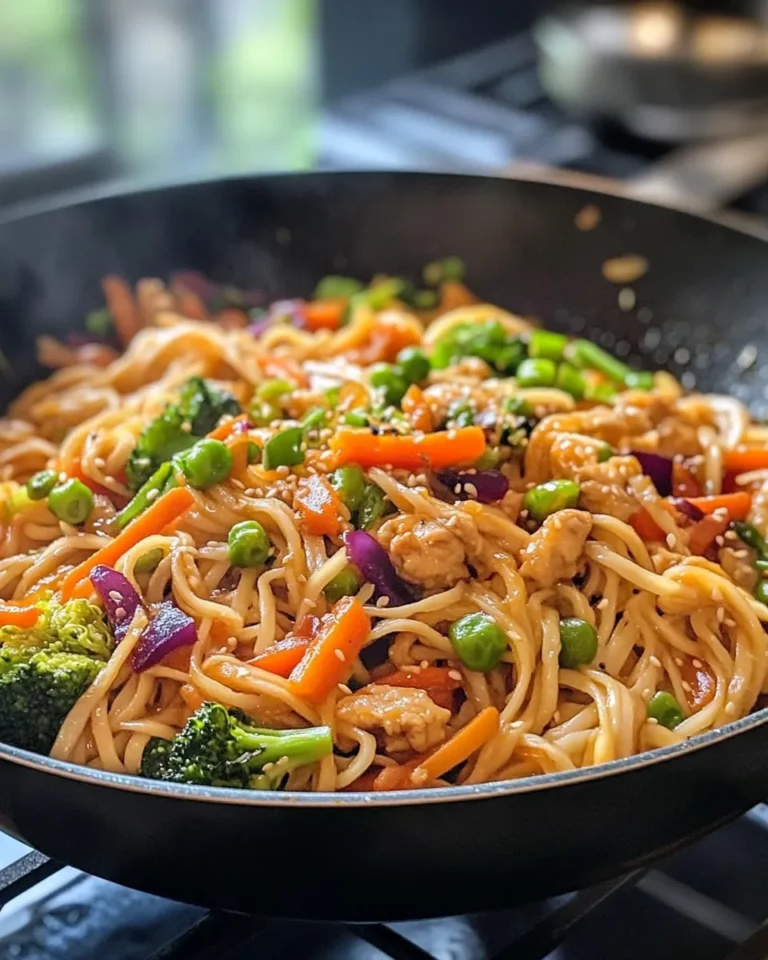
Coconut Curry Recipe
There’s something undeniably comforting about a warm bowl of coconut curry. The creamy texture of coconut milk combined with vibrant vegetables creates a dish that is not only satisfying but also bursting with flavor. Whether you’re a curry aficionado or a newcomer to the world of spices, this Coconut Curry Recipe is perfect for anyone looking to whip up something delicious and nutritious in no time. Let’s dive into this delightful dish that’s sure to become a staple in your kitchen!
Why I Love This Recipe
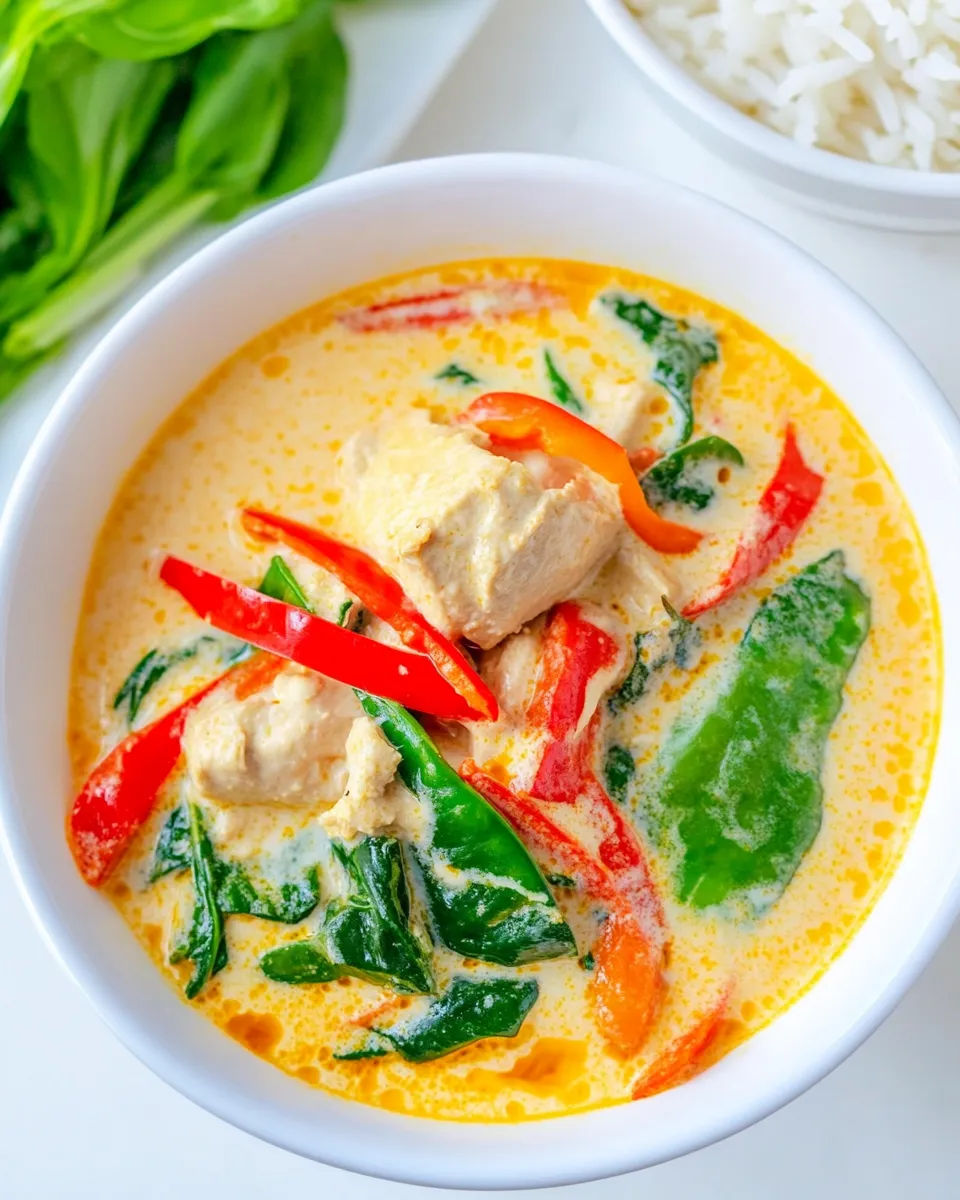
This Coconut Curry Recipe is one of my favorites for several reasons. Firstly, it’s incredibly versatile. You can customize it based on the vegetables and proteins you have on hand, making it a fantastic option for using up leftover produce. Secondly, the harmonious blend of spices and the creamy coconut milk create a rich flavor profile that is both comforting and invigorating. Lastly, it’s a quick and easy recipe that comes together in under 30 minutes, making it perfect for busy weeknights or a cozy weekend meal. Plus, it’s packed with nutrients, ensuring you get a wholesome meal without sacrificing taste!
Your Shopping Guide
Before you start cooking, here’s a handy shopping list to gather all your ingredients:
- 1 onion – Yellow or white onion works best.
- 2 chopped carrots – Adds a hint of sweetness and crunch.
- 2 sliced bell peppers – Use any color you like for a vibrant dish.
- 1 cup vegetables of choice – Options include green beans, snow peas, chopped broccoli, or diced sweet potato.
- 1 can coconut milk (13.5 oz) – Provides the creamy base for the curry.
- 1 tbsp sugar or sweetener of choice – Balances out the flavors beautifully.
- 1 tsp minced ginger or 1/4 tsp powdered – Adds warmth and depth.
- 1/2 tsp salt – Enhances all the flavors.
- 1/4 tsp ground turmeric – For a subtle earthiness and gorgeous color.
- Optional protein – Consider cubed tofu or black beans for added heartiness.
- Optional 2 tbsp green or red curry paste – For a spicier kick.
- Optional handful Thai basil – For a fresh, aromatic finish.
- Optional 1/2 cup chopped pineapple – For a sweet and tangy twist.
- Optional 4 tbsp peanut butter or handful of cashews – For a nutty flavor and extra creaminess.
Kitchen Gear Checklist
To make your cooking experience seamless, ensure you have the following kitchen gear:
- Cutting board – For prepping your vegetables.
- Sharp knife – Essential for chopping and slicing.
- Large skillet or wok – Perfect for sautéing and simmering your curry.
- Measuring spoons – To get your seasonings just right.
- Wooden spoon or spatula – For stirring everything together.
- Can opener – To easily open the coconut milk.
Step-by-Step: Coconut Curry Recipe
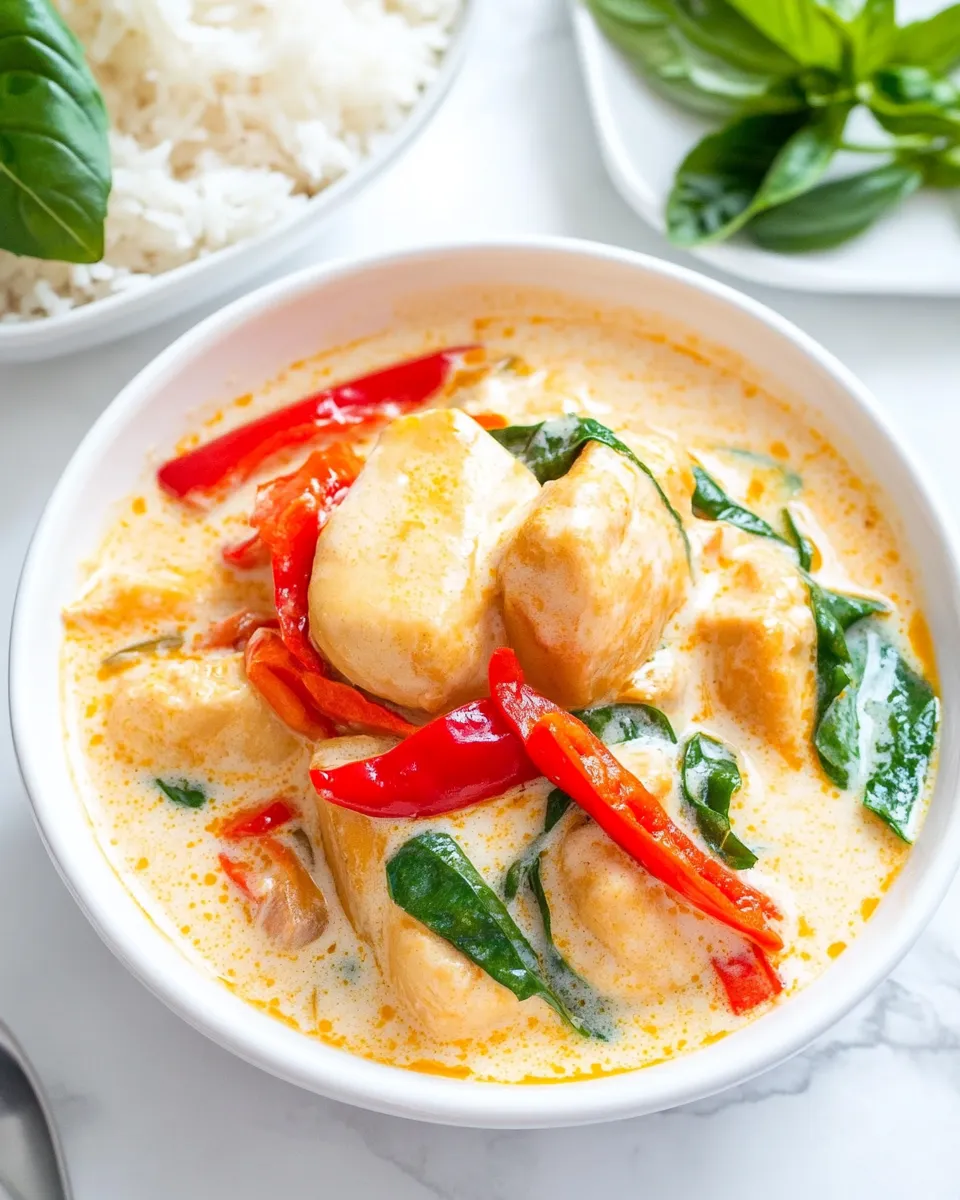
Step 1: Prepare Your Ingredients
Start by chopping the onion, carrots, and bell peppers. Make sure to have all your vegetables ready so you can easily throw them into the pan as you cook.
Step 2: Sauté the Aromatics
In a large skillet or wok, heat a tablespoon of oil over medium heat. Add the chopped onion and sauté for about 3-4 minutes until it becomes translucent. Then, stir in the minced ginger and continue cooking for another minute until fragrant.
Step 3: Add the Vegetables
Toss in the chopped carrots and sliced bell peppers. Stir everything together and let it cook for about 5-7 minutes, or until the vegetables start to soften.
Step 4: Incorporate Additional Vegetables
Now add your cup of vegetables of choice, whether it’s green beans, snow peas, or diced sweet potato. Stir well to combine all the veggies, allowing them to cook for an additional 3 minutes.
Step 5: Pour in the Coconut Milk
Open your can of coconut milk and pour it into the skillet. Stir everything together until the vegetables are well coated in the creamy milk.
Step 6: Add Flavor Enhancers
Sprinkle in the sugar, salt, ground turmeric, and if you’re using it, the curry paste. Stir well to combine all the flavors. Let the mixture simmer for about 10 minutes, allowing the veggies to absorb all the deliciousness.
Step 7: Optional Add-ins
If you’re adding protein like cubed tofu or black beans, now is the time to stir them in. You can also toss in the chopped pineapple for a sweet touch or peanut butter for creaminess. Let it simmer for an additional 5 minutes.
Step 8: Finish with Fresh Herbs
Once your curry is fully cooked, remove it from the heat and stir in a handful of Thai basil for a fresh, aromatic finish.
Step 9: Serve and Enjoy!
Serve your coconut curry warm, either on its own or over a bed of rice or quinoa. Enjoy the comforting flavors and the vibrant colors of this dish!
Dairy-Free/Gluten-Free Swaps
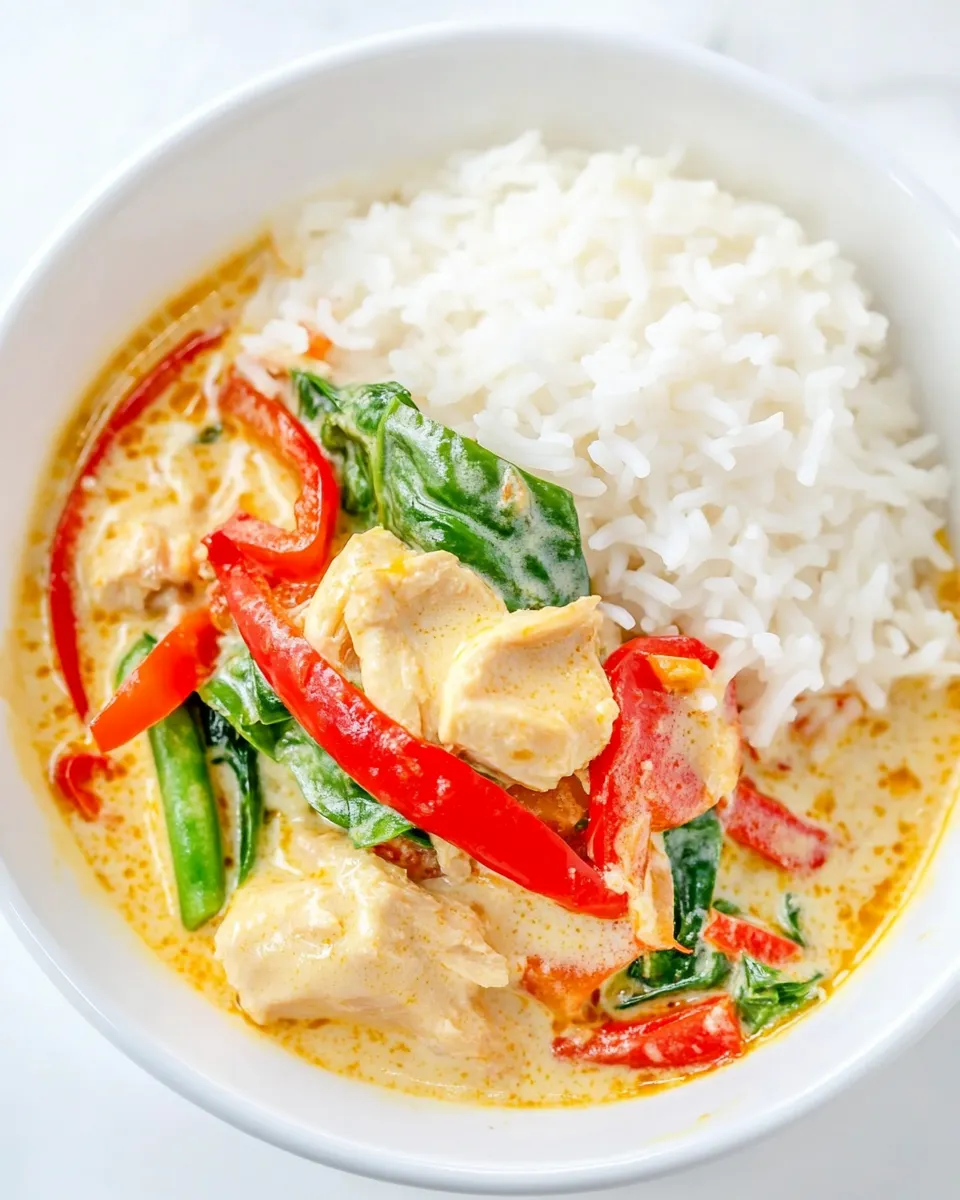
If you need to make this recipe accessible for dietary restrictions, consider these swaps:
- Dairy-Free: This recipe is already dairy-free thanks to the coconut milk. Just ensure any optional ingredients, like peanut butter, are also dairy-free.
- Gluten-Free: This recipe is naturally gluten-free. However, double-check that any sauces or pastes used are certified gluten-free.
Behind the Recipe
This Coconut Curry Recipe is inspired by the vibrant street food of Southeast Asia, where curries are celebrated for their fragrant spices and hearty ingredients. The use of coconut milk not only provides a creamy base but also balances the spices beautifully. Whether enjoyed on a chilly evening or served at a summer gathering, this dish brings warmth and joy to the dining table. It’s truly a labor of love that’s easy to make and delightful to share.
Refrigerate, Freeze, Reheat
To keep your Coconut Curry fresh and delicious, here are some storage tips:
- Refrigerate: Store leftover curry in an airtight container in the fridge for up to 4 days.
- Freeze: You can freeze this curry in a freezer-safe container for up to 3 months. Allow it to cool completely before freezing.
- Reheat: To reheat, simply warm it up on the stovetop over medium heat or in the microwave until heated through. Add a splash of water or coconut milk to loosen it up if needed.
Ask the Chef
Can I make this curry spicier?
Absolutely! You can add more curry paste or even a pinch of red pepper flakes to increase the heat level according to your preference.
What other vegetables can I use?
The beauty of coconut curry is its versatility! Feel free to use any seasonal vegetables you love or have on hand, such as zucchini, mushrooms, or spinach.
Can I use fresh ginger instead of powdered?
Yes, fresh ginger adds a wonderful zing! Use about 1 teaspoon of minced fresh ginger in place of the powdered version.
How can I make this a one-pot meal?
For a one-pot meal, serve the curry over rice or quinoa and cook the grains in the same pot as the curry during the simmering step by adding the appropriate amount of water or broth.
You Might Also Like
- Thai Green Curry with Vegetables
- Creamy Coconut Chickpea Curry
- Vegetable Massaman Curry
- Sweet Potato and Black Bean Tacos
Bring It Home
This Coconut Curry Recipe is not just a meal; it’s an experience that brings warmth to your kitchen and joy to your table. With simple ingredients and easy preparation, you can create a dish that pleases both the palate and the soul. So grab your ingredients, roll up your sleeves, and let the fragrant aroma of coconut curry fill your home. You’ll find yourself reaching for this recipe time and time again, savoring the comforting flavors and the warm memories it creates. Happy cooking!
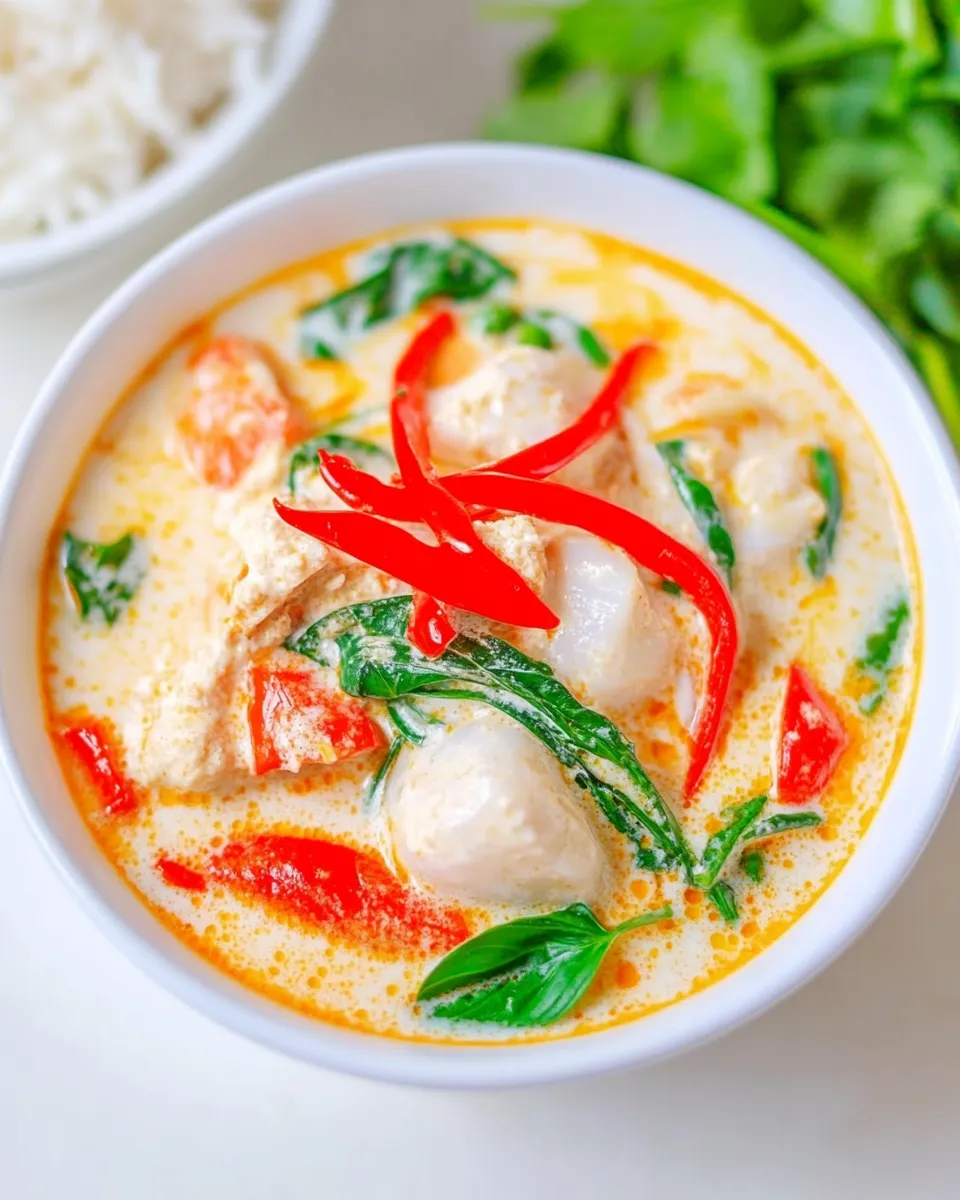
Coconut Curry Recipe
Ingredients
Equipment
Method
- Start by chopping the onion, carrots, and bell peppers. Make sure to have all your vegetables ready so you can easily throw them into the pan as you cook.
- In a large skillet or wok, heat a tablespoon of oil over medium heat. Add the chopped onion and sauté for about 3-4 minutes until it becomes translucent. Then, stir in the minced ginger and continue cooking for another minute until fragrant.
- Toss in the chopped carrots and sliced bell peppers. Stir everything together and let it cook for about 5-7 minutes, or until the vegetables start to soften.
- Now add your cup of vegetables of choice, whether it’s green beans, snow peas, or diced sweet potato. Stir well to combine all the veggies, allowing them to cook for an additional 3 minutes.
- Open your can of coconut milk and pour it into the skillet. Stir everything together until the vegetables are well coated in the creamy milk.
- Sprinkle in the sugar, salt, ground turmeric, and if you’re using it, the curry paste. Stir well to combine all the flavors. Let the mixture simmer for about 10 minutes, allowing the veggies to absorb all the deliciousness.
- If you’re adding protein like cubed tofu or black beans, now is the time to stir them in. You can also toss in the chopped pineapple for a sweet touch or peanut butter for creaminess. Let it simmer for an additional 5 minutes.
- Once your curry is fully cooked, remove it from the heat and stir in a handful of Thai basil for a fresh, aromatic finish.
- Serve your coconut curry warm, either on its own or over a bed of rice or quinoa. Enjoy the comforting flavors and the vibrant colors of this dish!
Notes
- Store leftover curry in an airtight container in the fridge for up to 4 days.
- You can freeze this curry in a freezer-safe container for up to 3 months.
- To reheat, warm it on the stovetop or in the microwave, adding a splash of water or coconut milk if needed.