
How to Make Peanut Butter
Peanut butter is a timeless spread that brings comfort and joy to many. Whether you slather it on toast, blend it into smoothies, or use it in baking, homemade peanut butter takes the experience to a whole new level. The smooth texture, rich flavor, and the ability to customize it to your liking makes this simple recipe an essential in every kitchen. Today, I’ll guide you through how to make peanut butter using just 5 cups of dry roasted peanuts, salted or honey roasted, depending on your preference. Let’s get started!
Why It Works Every Time
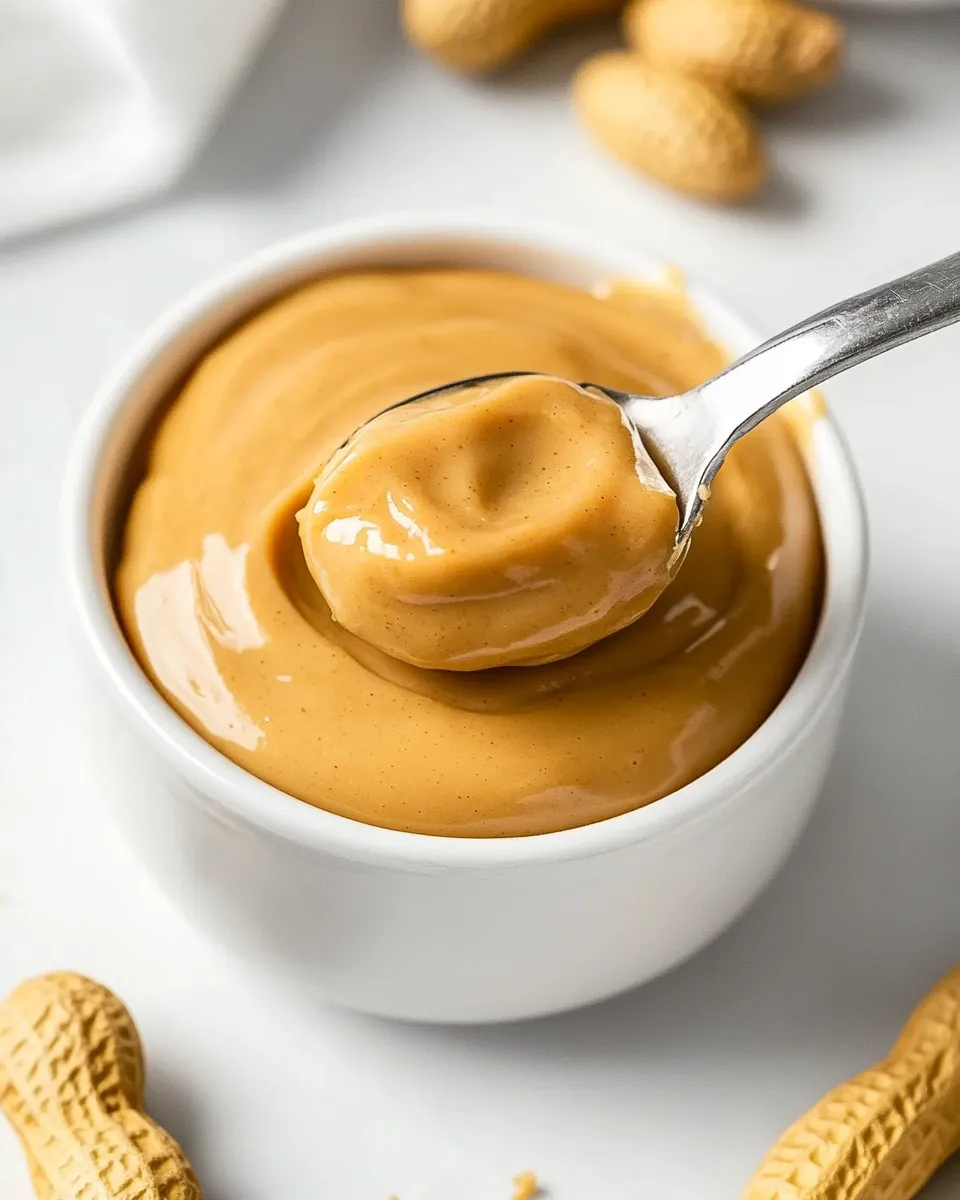
Making peanut butter at home is incredibly straightforward. The beauty of this recipe lies in the natural oils found in peanuts. When you blend them, these oils are released, transforming the solid nuts into a creamy, luscious spread. The key is to blend for the right amount of time to achieve your desired consistency. With just one ingredient, the outcome is always pure, delicious, and free of unnecessary additives.
Ingredient List
- 5 cups dry roasted peanuts (salted or honey roasted)
Equipment at a Glance
- High-powered blender or food processor: Essential for achieving a creamy texture.
- Spatula: Useful for scraping down the sides of the blender or processor.
- Storage container: A glass jar or airtight container for storing your peanut butter.
Cook How to Make Peanut Butter Like This
Step 1: Prepare Your Ingredients
Begin by measuring out 5 cups of your chosen dry roasted peanuts. If you’re using salted peanuts, the flavor will be enhanced, while honey roasted peanuts will add a touch of sweetness.
Step 2: Add Peanuts to Blender or Food Processor
Place the peanuts in your high-powered blender or food processor. Make sure not to overfill it, as this can make blending more difficult.
Step 3: Start Blending
Pulse the peanuts a few times to break them down, then switch to continuous blending. You will first notice that the peanuts turn into a coarse meal. Keep blending, stopping occasionally to scrape the sides with a spatula.
Step 4: Achieve Desired Consistency
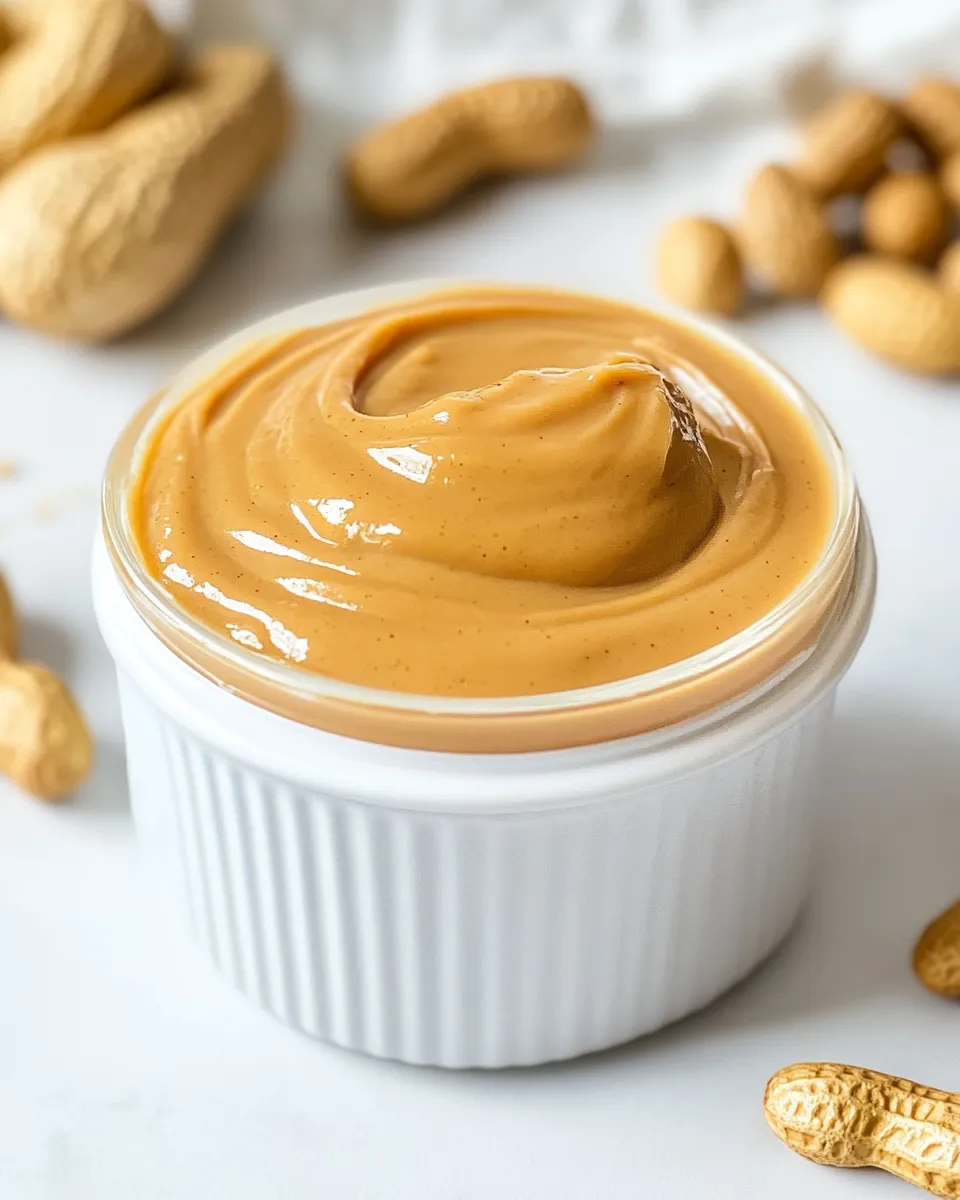
Continue blending until you reach your desired consistency. For crunchy peanut butter, blend until smooth, then add some additional peanuts and pulse a few times. For creamy peanut butter, blend until the mixture is completely smooth and velvety.
Step 5: Taste and Adjust
Once you’ve blended to your liking, give it a taste! If you want it sweeter, you can add a touch of honey or maple syrup at this point. Blend again briefly to combine.
Step 6: Store Your Peanut Butter
Transfer your homemade peanut butter into a clean, airtight container. Make sure to leave a little room at the top, as the peanut butter may expand slightly in the fridge.
International Equivalents
- US: 5 cups = approximately 1.18 liters
- UK: 5 cups = approximately 1.18 liters
- Metric: 5 cups = approximately 1,200 grams of peanuts
Chef’s Notes
- For a sweeter twist, consider adding a pinch of cinnamon or a dash of vanilla extract.
- If you prefer a smoother peanut butter, blend for an additional 1-2 minutes.
- Experiment with different types of nuts for unique flavors – almonds and cashews work wonderfully!
Refrigerate, Freeze, Reheat
Your homemade peanut butter can be stored in the refrigerator for up to 3 months. It may thicken slightly in the fridge, so just give it a good stir before using. You can also freeze it in airtight containers for up to 6 months. There’s no need to reheat, as it’s delicious straight from the fridge!
Troubleshooting Q&A
What if my peanut butter is too thick?
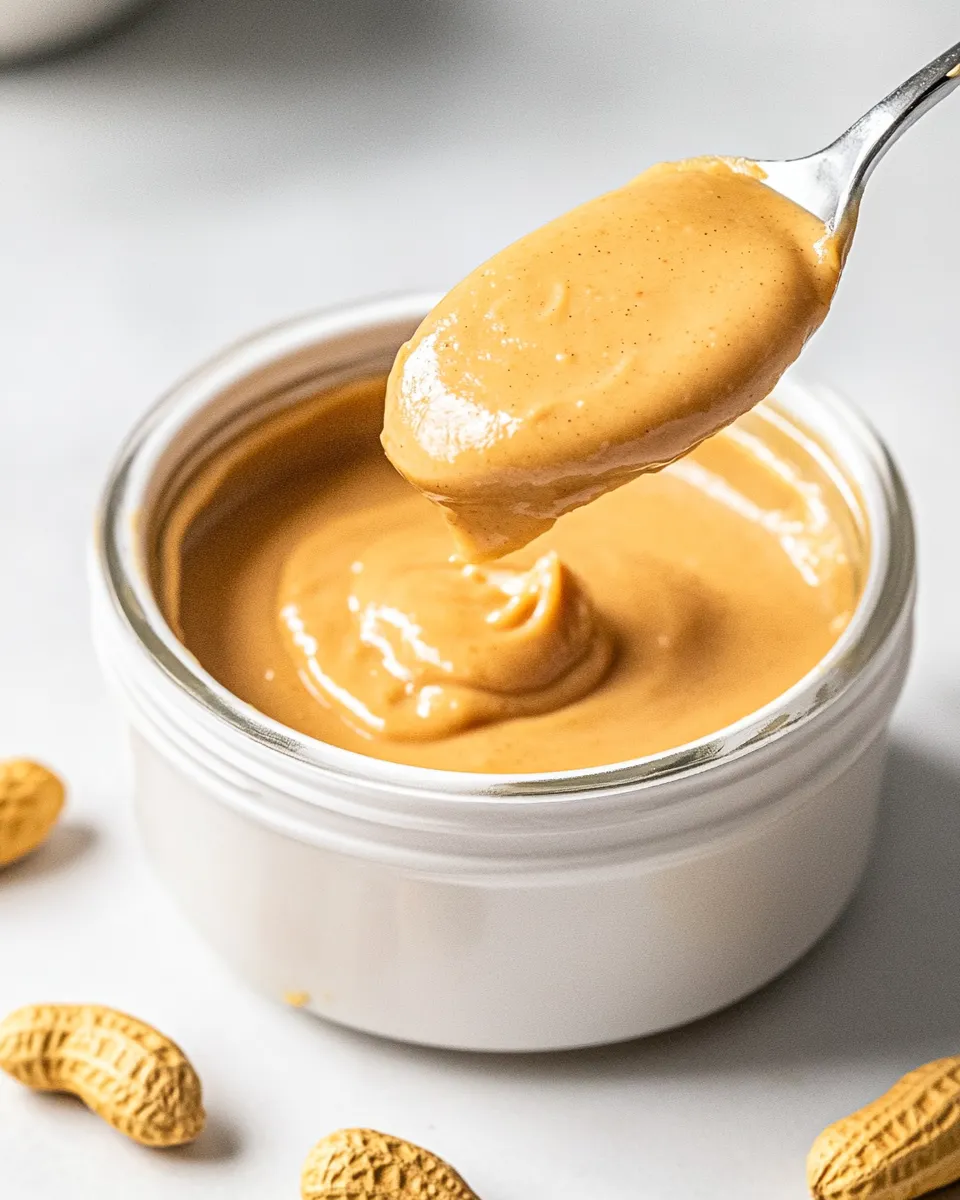
If your peanut butter turns out too thick, simply add a small amount of peanut oil or neutral oil (like vegetable oil) and blend again until you reach your desired consistency.
Why is my peanut butter gritty?
Grittiness can occur if the peanuts were not blended long enough. Just keep blending! The natural oils will eventually release and create a smooth texture.
Can I use raw peanuts instead of roasted?
Yes, you can use raw peanuts, but keep in mind that they will require longer blending and may not have the same depth of flavor as roasted peanuts.
How can I make my peanut butter crunchier?
To achieve a crunchy peanut butter, blend your mixture until smooth, then add in some additional chopped peanuts and pulse a few times to incorporate them without fully blending.
More from the Kitchen
Bring It to the Table
Homemade peanut butter is perfect for breakfast, lunch, or snacks. Spread it on toast with banana slices, swirl it into oatmeal, or use it as a dip for apple slices. The possibilities are endless, and the satisfaction of knowing exactly what’s in your peanut butter makes every bite taste even better.
You can serve it at gatherings, and it’s a fantastic addition to any charcuterie board. Pair it with fruits, crackers, or even drizzle it over desserts for a delightful twist.
Creating your own peanut butter is not only rewarding but also a fun activity to do with family or friends. It’s a simple way to add a personal touch to your meals while enjoying the deliciousness of freshly made peanut butter.
So, gather your peanuts and let’s embark on this delicious journey of homemade peanut butter. You’ll be amazed at how easy it is to make and how much better it tastes compared to store-bought varieties. Enjoy every scoop!
How to Make Peanut Butter
Ingredients
Equipment
Method
- Begin by measuring out 5 cups of your chosen dry roasted peanuts. If you’re using salted peanuts, the flavor will be enhanced, while honey roasted peanuts will add a touch of sweetness.
- Place the peanuts in your high-powered blender or food processor. Make sure not to overfill it, as this can make blending more difficult.
- Pulse the peanuts a few times to break them down, then switch to continuous blending. You will first notice that the peanuts turn into a coarse meal. Keep blending, stopping occasionally to scrape the sides with a spatula.
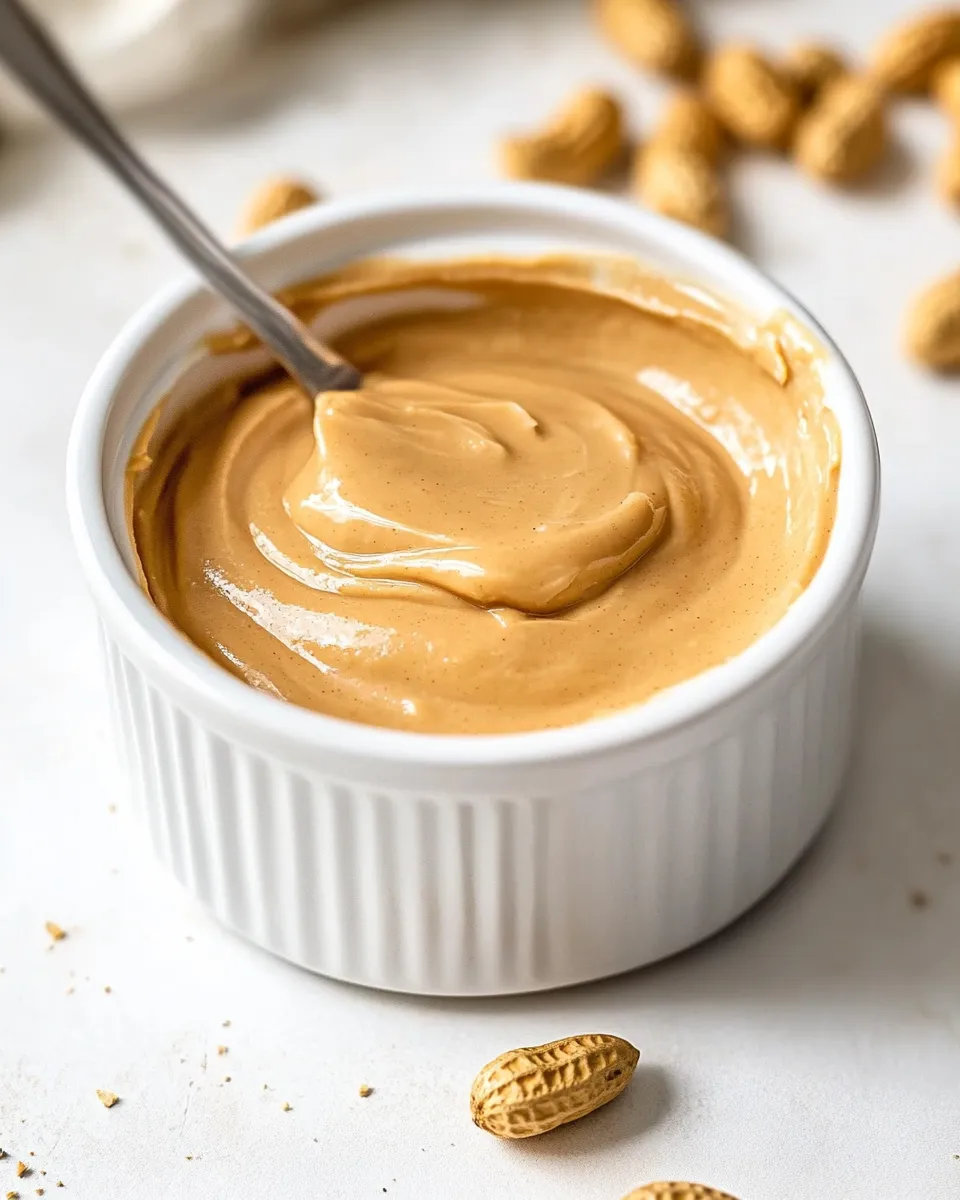
- Continue blending until you reach your desired consistency. For crunchy peanut butter, blend until smooth, then add some additional peanuts and pulse a few times. For creamy peanut butter, blend until the mixture is completely smooth and velvety.
- Once you’ve blended to your liking, give it a taste! If you want it sweeter, you can add a touch of honey or maple syrup at this point. Blend again briefly to combine.
- Transfer your homemade peanut butter into a clean, airtight container. Make sure to leave a little room at the top, as the peanut butter may expand slightly in the fridge.
Notes
- For a sweeter twist, consider adding a pinch of cinnamon or a dash of vanilla extract.
- If you prefer a smoother peanut butter, blend for an additional 1-2 minutes.
- Experiment with different types of nuts for unique flavors – almonds and cashews work wonderfully!
