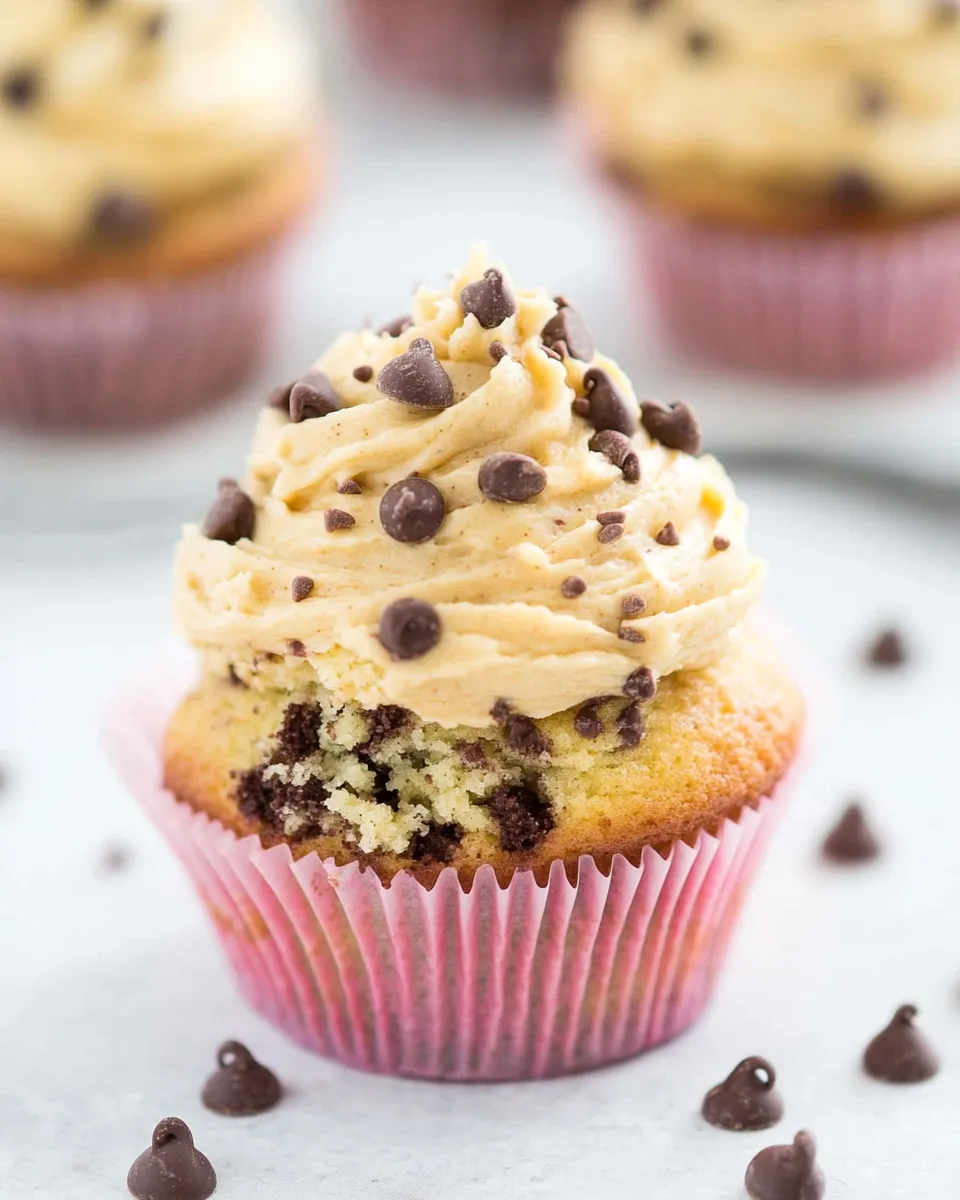
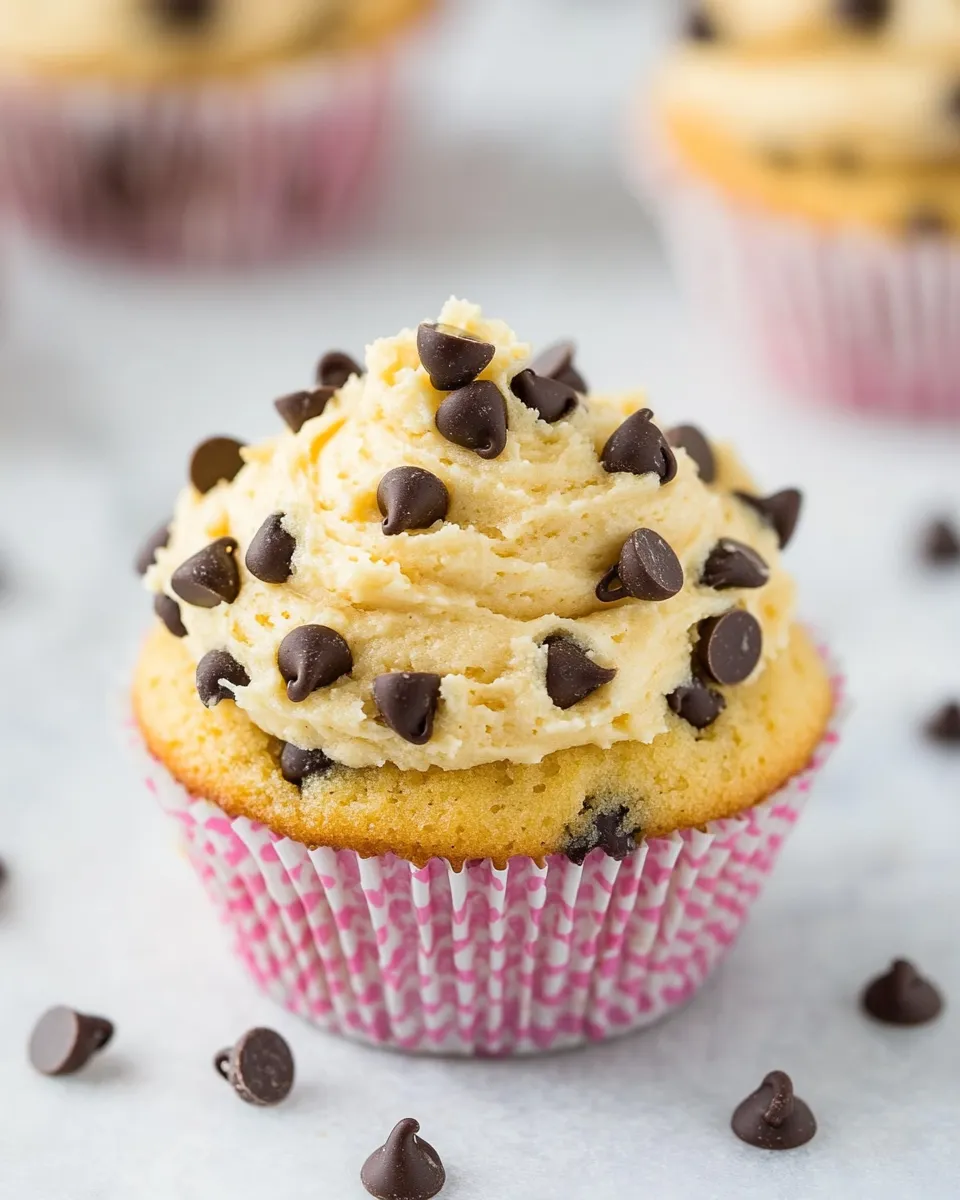
A Gluten-Free Cupcake with Chocolate Chips and Peanut Butter Frosting
I love a compact, reliable cupcake that feels indulgent without a long ingredient list. This gluten-free cupcake with chocolate chips and peanut butter frosting is exactly that: small, forgiving, and perfect when you want a single treat or are testing a batter before making a larger batch. The texture is slightly tender from the oat flour and the mini chocolate chips give just the right familiar bite.
The recipe is designed for one cupcake in a lined tin, with the other wells acting as a water bath for even baking. It’s a great technique when you want consistency in a tiny batch. The frosting is simple — natural peanut butter thinned or thickened with Greek yogurt and sweetened to taste — so you control the balance of tang and sweetness.
Below you’ll find an ingredient breakdown, step-by-step directions (exact and kept in order), troubleshooting tips, and ideas for seasonal finishes. I keep my notes practical and to the point so you can get into the kitchen and trust the result.
Ingredient Breakdown
- 1/4 cup + 2 tablespoons oat flour — Provides the gluten-free structure; oat flour is tender and slightly sweet.
- 1/4 teaspoon baking powder — Light lift so the cupcake rises gently.
- 1 pinch salt — Enhances flavor and balances the sweetness.
- 2 teaspoons unsweetened vanilla almond milk — Adds moisture and a touch of vanilla flavor without extra sweetness.
- 1 tablespoon honey — Primary sweetener in the batter; contributes moisture and caramel notes.
- 1/4 teaspoon vanilla extract — Boosts overall flavor and pairs with the honey.
- 1 egg yolk — Richness and emulsification; keeps this small cupcake tender and cohesive.
- 1 teaspoon plain Greek yogurt — Adds moisture and a little tang; helps with crumb and texture.
- 1 tablespoon mini chocolate chips plus extra for garnishing — Chocolate pockets throughout; reserve some for the top for a pretty finish.
- 1 1/2 tablespoons natural peanut butter — Base of the frosting; choose a smooth, stirred peanut butter for easier mixing.
- 1 tablespoon + 1 teaspoon Greek yogurt — Used in the frosting to adjust texture and add tang.
- Sweetener of choice to taste — For the frosting; you control sweetness. Use honey, maple, powdered sugar, or a non-sugar sweetener depending on preference.
Mastering Gluten-Free Cupcake with Chocolate Chips and Peanut Butter Frosting: How-To
- Preheat oven to 350°F. Place a paper liner in one cup of a 6- or 12-cup muffin/cupcake tin. Fill the remaining cups about halfway with water (this creates a water bath for even baking).
- In a small bowl, whisk together 1/4 cup + 2 tablespoons oat flour, 1/4 teaspoon baking powder, and 1 pinch salt.
- In a separate small bowl, whisk 2 teaspoons unsweetened vanilla almond milk, 1 tablespoon honey, 1/4 teaspoon vanilla extract, 1 egg yolk, and 1 teaspoon plain Greek yogurt until smooth.
- Pour the wet mixture into the dry ingredients and gently stir until just combined. Fold in 1 tablespoon mini chocolate chips.
- Spoon the batter into the prepared liner, filling it about 3/4 full.
- Bake for 15–20 minutes, or until a toothpick inserted into the center comes out clean.
- Remove the pan from the oven and carefully discard the water from the other cups. Let the cupcake cool in the tin until lukewarm, then transfer it (in its liner) to a wire rack to cool completely.
- In a medium bowl, mix 1 1/2 tablespoons natural peanut butter with 1 tablespoon + 1 teaspoon Greek yogurt and Sweetener of choice to taste. Adjust the thickness by adding more peanut butter to thicken or more Greek yogurt to thin.
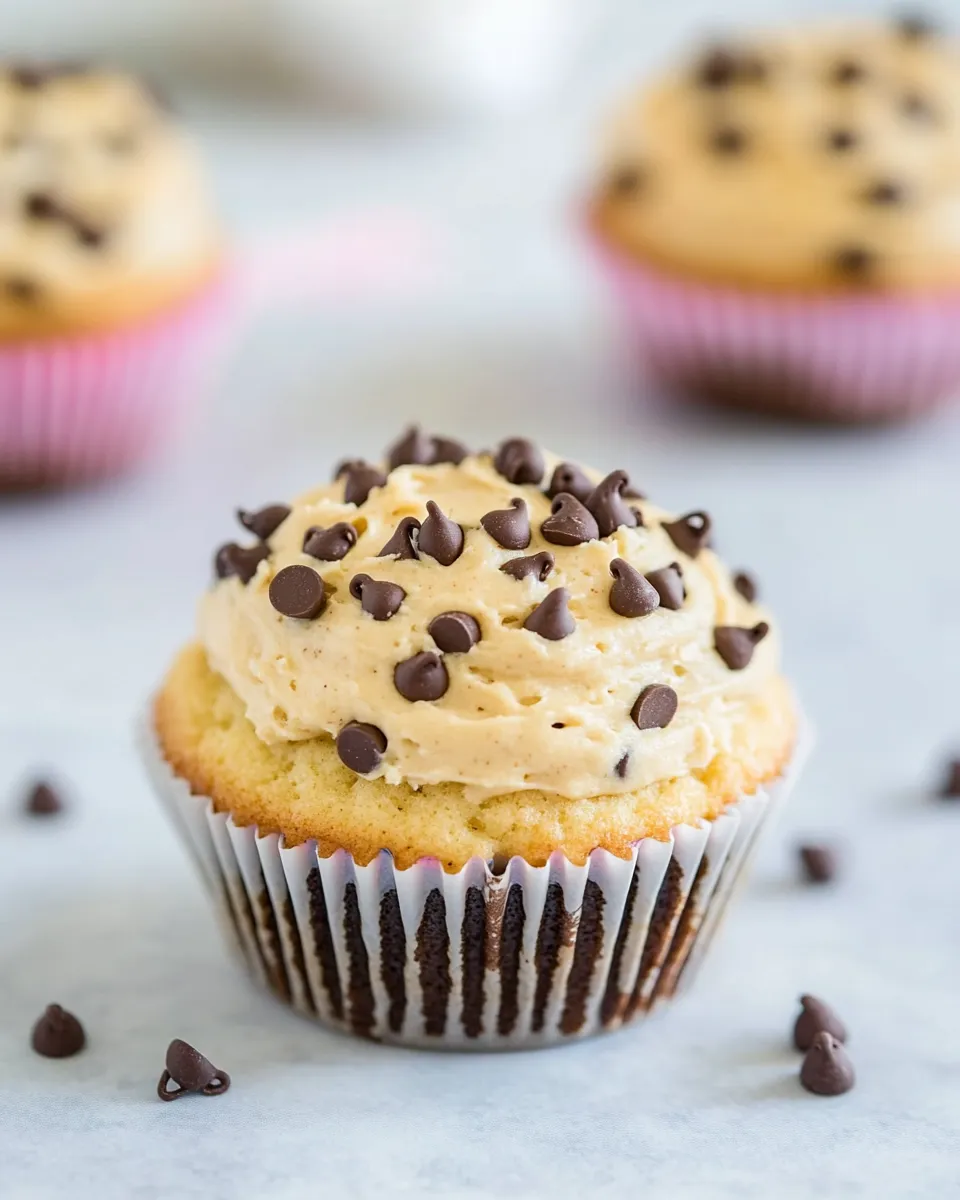
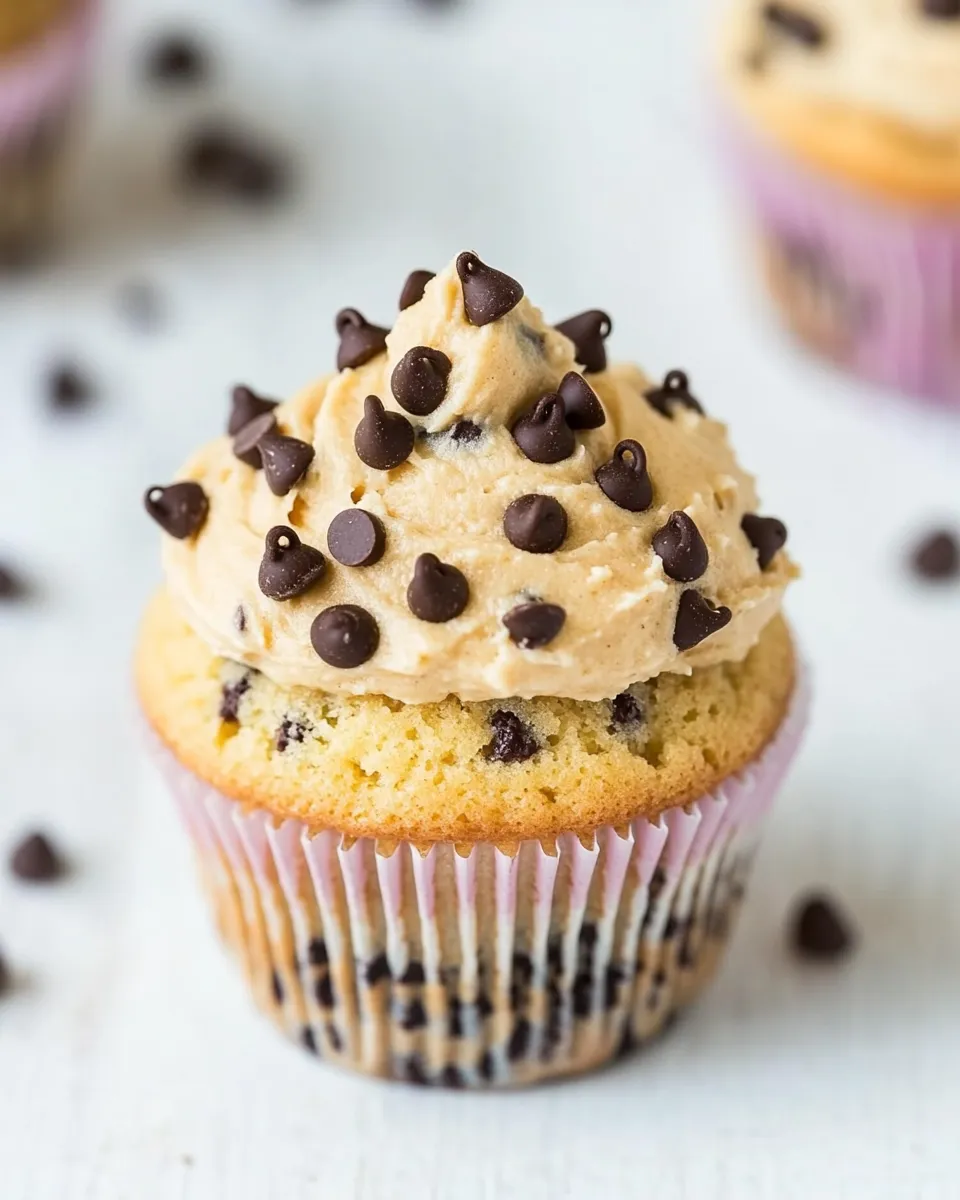
- When the cupcake is completely cool, frost it with the peanut butter frosting and garnish with extra mini chocolate chips.
Why It’s My Go-To
It’s a recipe I turn to when I want something single-serving, fuss-free, and reliably good. The oat flour keeps the crumb tender and avoids the gummy texture that can happen with some gluten-free blends when used in tiny quantities. The water bath in the tin is the trick that evens out the heat and prevents the outer edge from overbrowning while the center bakes through.
The frosting is adaptable. Natural peanut butter plus Greek yogurt is simple but clever — the peanut butter gives a rich, savory backbone while the yogurt lightens the texture and adds a subtle tang. Sweeten it to match your taste. I often prefer a little less sweetness to let the peanut flavor shine.
Easy Ingredient Swaps
- Oat flour — Swap for a 1:1 gluten-free all-purpose flour blend if you want a slightly different texture. Note: results will vary batch to batch.
- Unsweetened vanilla almond milk — Any plant milk (soy, oat, cashew) or dairy milk works. Keep the quantity the same.
- Honey — Use maple syrup for a vegan option, or agave syrup. If using a liquid sweetener, the batter consistency is similar here; no other adjustments needed.
- Egg yolk — For an egg-free version, try 1 tablespoon aquafaba or a commercial egg replacer designed for baking, though texture will shift slightly.
- Natural peanut butter — Use almond or cashew butter for a different nut profile; they’ll mix the same way with the Greek yogurt.
- Sweetener for frosting — Powdered sugar makes a thicker, sweeter frosting; liquid sweeteners will thin it and add shine.
Prep & Cook Tools
- 6- or 12-cup muffin/cupcake tin — Required for the water-bath technique; the empty wells hold water.
- Paper liner — For the single cupcake and easy release.
- Small bowls — One for dry ingredients, one for wet.
- Whisk and spoon or small spatula — For combining ingredients without overworking the batter.
- Measuring spoons and a small scale (optional) — Measuring spoons are fine for this recipe; a scale improves precision.
- Wire rack — For cooling the cupcake completely before frosting.
- Small offset spatula or spoon — To frost the cupcake cleanly.
What Not to Do
- Don’t skip the water bath. Leaving the other cups empty can cause the single cupcake to bake too quickly at the edges and remain underdone in the center.
- Don’t overmix. Stir until the dry ingredients are just incorporated. Overworking the batter makes it tough, even with oat flour.
- Don’t frost a warm cupcake. The frosting will melt and slide off. Cool completely to room temperature before applying the peanut butter frosting.
- Don’t add too many chocolate chips. Too many can weigh the batter down and affect the rise. Stick to the 1 tablespoon called for and save extras for garnish.
Holiday & Seasonal Touches
Small changes make this cupcake feel festive without extra work. Here are simple seasonal ideas that don’t require changing amounts or technique.
- Fall — Stir in a pinch of cinnamon and a tiny dash of nutmeg to the dry mix. Top with a sprinkle of toasted chopped peanuts.
- Winter holidays — Fold in a few orange zest strips for a bright, festive contrast to the peanut butter. Garnish with a dusting of cocoa powder.
- Spring — Add a few chopped freeze-dried strawberries to the top for color and tartness, or use strawberry preserves as a thin swirl into the frosting.
- Summer — Press a halved fresh raspberry or a couple of fresh blueberry atop the peanut butter frosting for freshness and balance.
Pro Perspective
Working in small-batch baking teaches you to value precision and gentle technique. With this cupcake, the two biggest factors are moisture balance and temperature. Measure the oat flour accurately — spoon it into the measuring cup or use a small scale — and don’t pack it down. If your batter looks too loose, a brief rest (5 minutes) allows the oat flour to hydrate and thicken slightly.
For even spreading of the frosting, chill the mixed frosting for 5–10 minutes if it’s too soft. That firms it slightly and makes it easier to pipe or smooth with a small spatula. If it’s too firm, thin with 1/4 teaspoon increments of Greek yogurt until it reaches spreadable consistency.
Shelf Life & Storage
- At room temperature — Store in an airtight container for up to 24 hours. The frosting is perishable due to Greek yogurt, so keep it cool if your room is warm.
- Refrigerator — Keeps 3–4 days in an airtight container. Bring to room temperature for 20–30 minutes before serving so the frosting softens and flavors open up.
- Freezing — You can freeze unfrosted baked cupcakes for up to 1 month. Wrap individually, thaw in the refrigerator overnight, then bring to room temperature and frost before serving. Frosted cupcakes don’t freeze as well because the texture of the peanut butter-Greek yogurt frosting can change.
Ask & Learn
Common questions I get:
- What if my cupcake is gummy? — It may be underbaked or the oat flour was too packed. Use a toothpick to test and give it the full 15–20 minutes. Let it cool fully before assessing texture.
- Can I make a bigger batch? — Yes. Scale the ingredients proportionally and use multiple liners rather than increasing batter per cup. The water-bath trick is especially useful for small batches but isn’t necessary for larger standard batches if you distribute batter across multiple cups.
- How do I make the frosting less tangy? — Reduce the Greek yogurt slightly and increase peanut butter or add a touch more sweetener. Taste as you adjust.
If you try any variations, tell me what you changed and how it turned out. I test and refine based on real kitchen feedback — it’s the best way to learn.
Wrap-Up
This gluten-free cupcake with chocolate chips and peanut butter frosting is a small, dependable recipe that delivers on flavor with minimal fuss. The single-cup format is perfect for experimenting — try the swaps or seasonal touches above — and the basic method gives consistent results. Measure carefully, respect the cooling time, and you’ll have a tender, chocolate-speckled cupcake topped with a creamy, tangy peanut butter frosting in under an hour from start to finish.
Happy baking. If you have questions or want troubleshooting for a specific oven or ingredient swap, leave a note — I’m here to help you get it right.
A Gluten-Free Cupcake with Chocolate Chips and Peanut Butter Frosting
Ingredients
Equipment
Method
- Preheat oven to 350°F. Place a paper liner in one cup of a 6- or 12-cup muffin/cupcake tin. Fill the remaining cups about halfway with water (this creates a water bath for even baking).
- In a small bowl, whisk together 1/4 cup + 2 tablespoons oat flour, 1/4 teaspoon baking powder, and 1 pinch salt.
- In a separate small bowl, whisk 2 teaspoons unsweetened vanilla almond milk, 1 tablespoon honey, 1/4 teaspoon vanilla extract, 1 egg yolk, and 1 teaspoon plain Greek yogurt until smooth.
- Pour the wet mixture into the dry ingredients and gently stir until just combined. Fold in 1 tablespoon mini chocolate chips.
- Spoon the batter into the prepared liner, filling it about 3/4 full.
- Bake for 15–20 minutes, or until a toothpick inserted into the center comes out clean.
- Remove the pan from the oven and carefully discard the water from the other cups. Let the cupcake cool in the tin until lukewarm, then transfer it (in its liner) to a wire rack to cool completely.
- In a medium bowl, mix 1 1/2 tablespoons natural peanut butter with 1 tablespoon + 1 teaspoon Greek yogurt and Sweetener of choice to taste. Adjust the thickness by adding more peanut butter to thicken or more Greek yogurt to thin.
- When the cupcake is completely cool, frost it with the peanut butter frosting and garnish with extra mini chocolate chips.