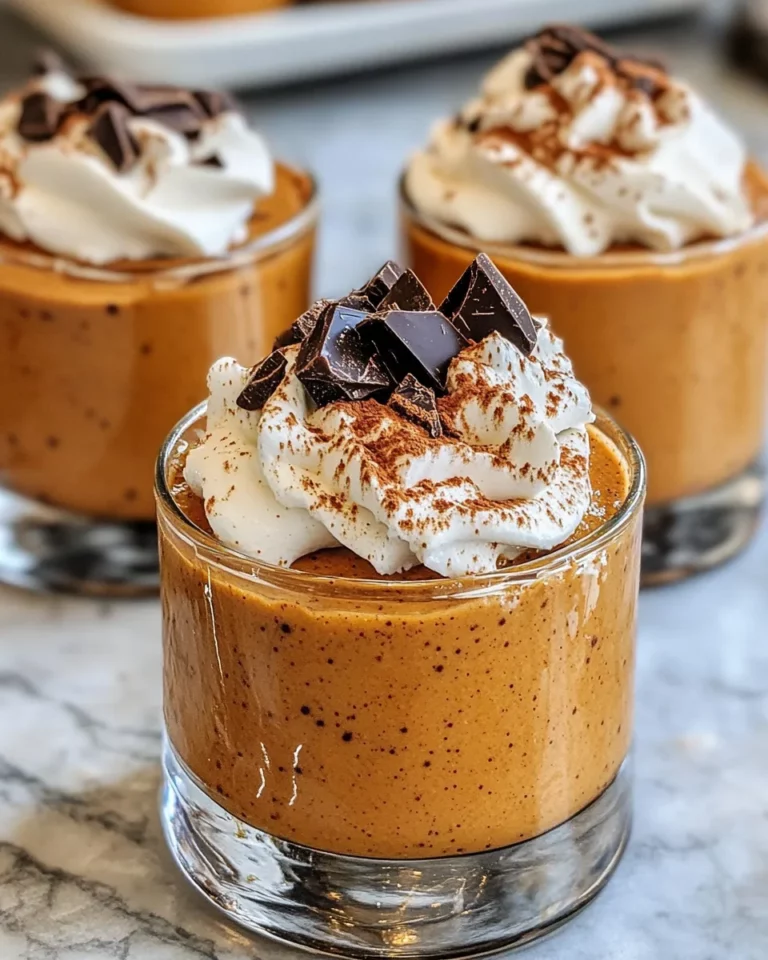
Almond Toffee
This Almond Toffee is a straightforward, old-fashioned candy with a clear three-layer promise: crackly butter-toffee, glossy chocolate, and crunchy almonds. It doesn’t hide behind elaborate flavors. It relies on timing, a candy thermometer, and a few simple, quality ingredients. Follow the steps and you’ll have glossy, snappy toffee pieces that store well and travel even better.
I write this as a practical guide — what to expect, where people usually slip up, and how to rescue or finish the batch if things don’t go exactly as planned. The technique is forgiving if you pay attention to heat and timing. I keep the commentary plain and useful so you can focus on the pan and the thermometer.
Read through the equipment and the ingredient notes before you begin. When you’re ready: set up, move deliberately, and work with heatproof tools. Toffee is quick in its final moments, so preparation makes the whole process calm and successful.
Ingredient Rundown
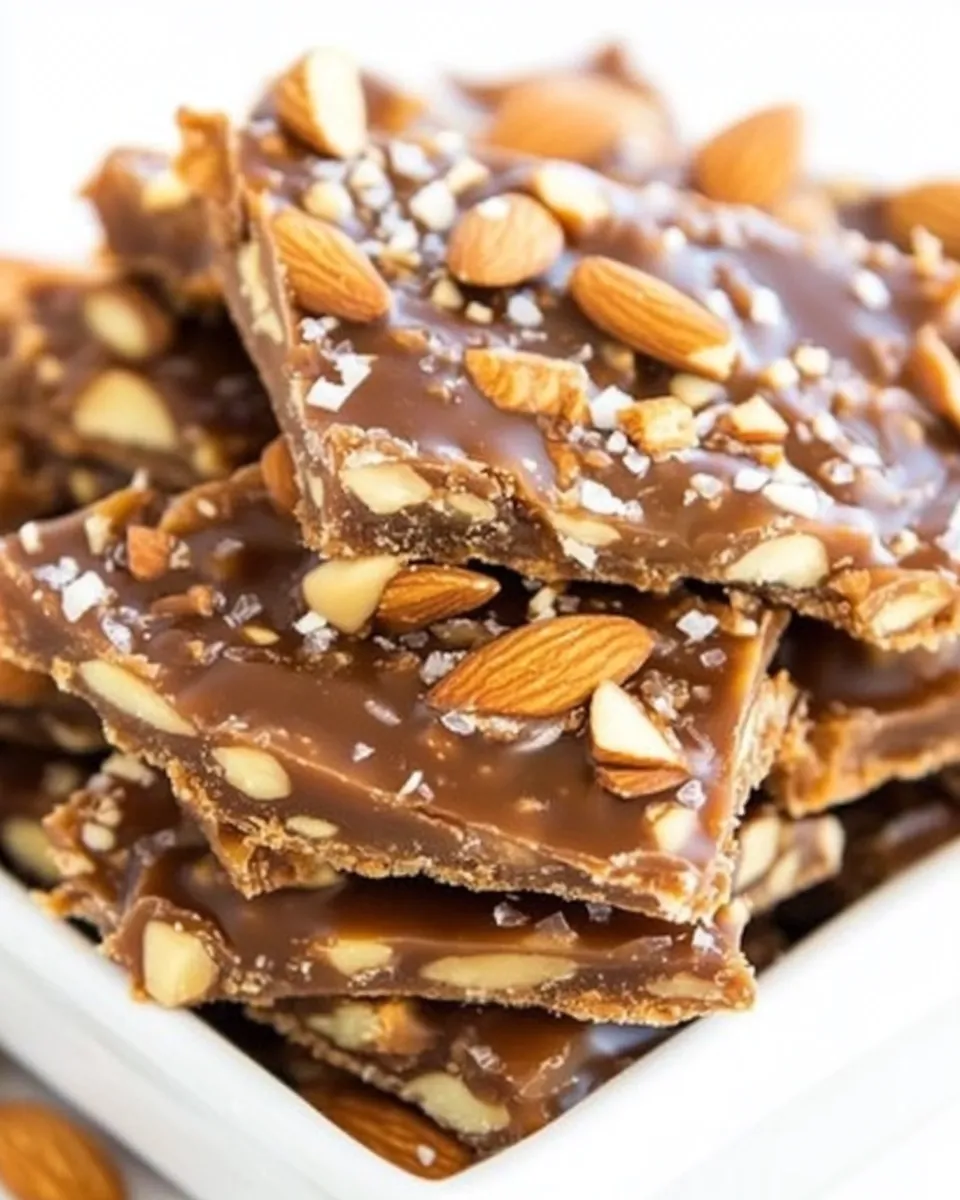
This section gives a quick, practical look at what each ingredient does and why it matters in Almond Toffee. Think of it as the short version of the recipe’s chemistry so you don’t overthink while you cook.
Ingredients
- 2 cups unsalted butter — provides the fat base and flavor; unsalted lets you control the salt level in the final toffee.
- 2 cups granulated sugar — melts and caramelizes to form the brittle structure; use plain white sugar for predictable caramelization.
- 1/4 teaspoon salt — balances sweetness and enhances depth; stick to the amount for classic toffee flavor.
- 2 cups mini semisweet chocolate chips — melts into a thin chocolate layer that contrasts the toffee; mini chips soften and spread quickly.
- 1 cup almonds, chopped — gives the top crunch and a toasty note; press gently so they adhere to the chocolate.
Almond Toffee Cooking Guide
- Line a rimmed baking pan with parchment paper and set it nearby. Clip a candy thermometer to a heavy-bottomed saucepan so the tip will sit in the center of the pan.
- Add 2 cups unsalted butter, 2 cups granulated sugar, and 1/4 teaspoon salt to the saucepan. Cook over medium heat, stirring and scraping the bottom and sides often, until the mixture melts, turns amber in color, and reaches 300°F (150°C) on the candy thermometer.
- Remove the pan from heat immediately and pour the hot toffee evenly into the prepared parchment-lined pan. Use a heatproof spatula to spread it as evenly as you can.
- Immediately sprinkle 2 cups mini semisweet chocolate chips evenly over the hot toffee. Let the chips sit undisturbed for a minute or two until they soften and begin to melt.
- Use a spatula to smooth the melted chocolate into an even layer over the toffee.
- Sprinkle 1 cup chopped almonds evenly over the melted chocolate and press the nuts gently with the back of a spatula so they adhere.
- Refrigerate the pan until the toffee and chocolate are fully set. When set, lift the parchment to remove the toffee, break it into pieces, and serve.
Reasons to Love Almond Toffee
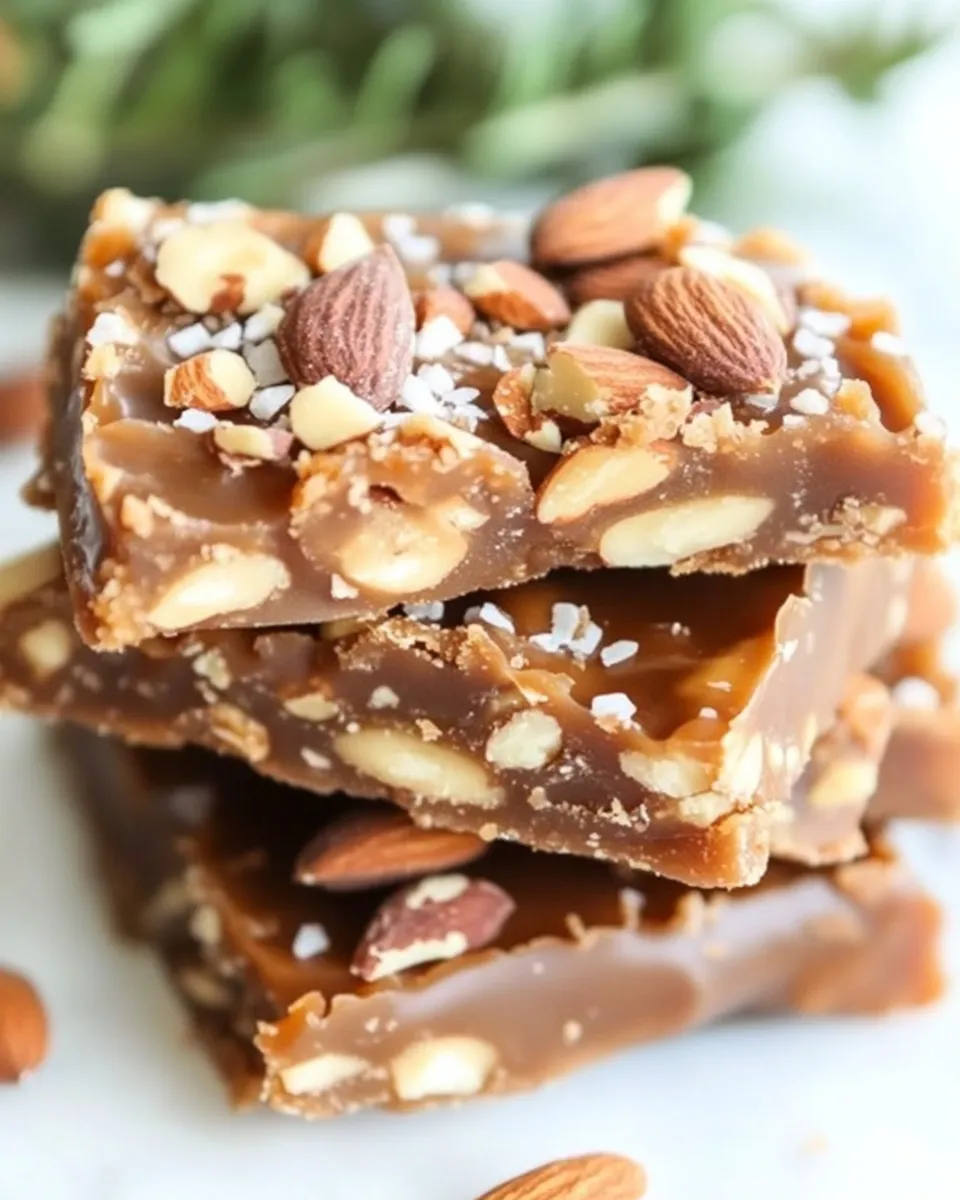
Almond Toffee is one of those desserts that feels celebratory without requiring a lot of fuss. It’s textural: brittle toffee, a silk of chocolate, and the snap from almonds. That contrast is immediate and satisfying on the first bite.
It’s also very giftable. Once broken into irregular, attractive pieces, it looks artisanal without specialized tools. Wrap small batches in cellophane or tuck them into tins with wax paper. The toffee keeps well at cool room temperature for a few days and longer refrigerated, making it excellent for holiday boxes or last-minute hostess gifts.
Finally, the flavor profile is simple and crowd-pleasing. Butter and caramelized sugar anchor the base. Semisweet chocolate adds balance, and almonds bring a toasty finish. Because it’s straightforward, you can scale it confidently and focus on heat control rather than complex technique.
Texture-Safe Substitutions
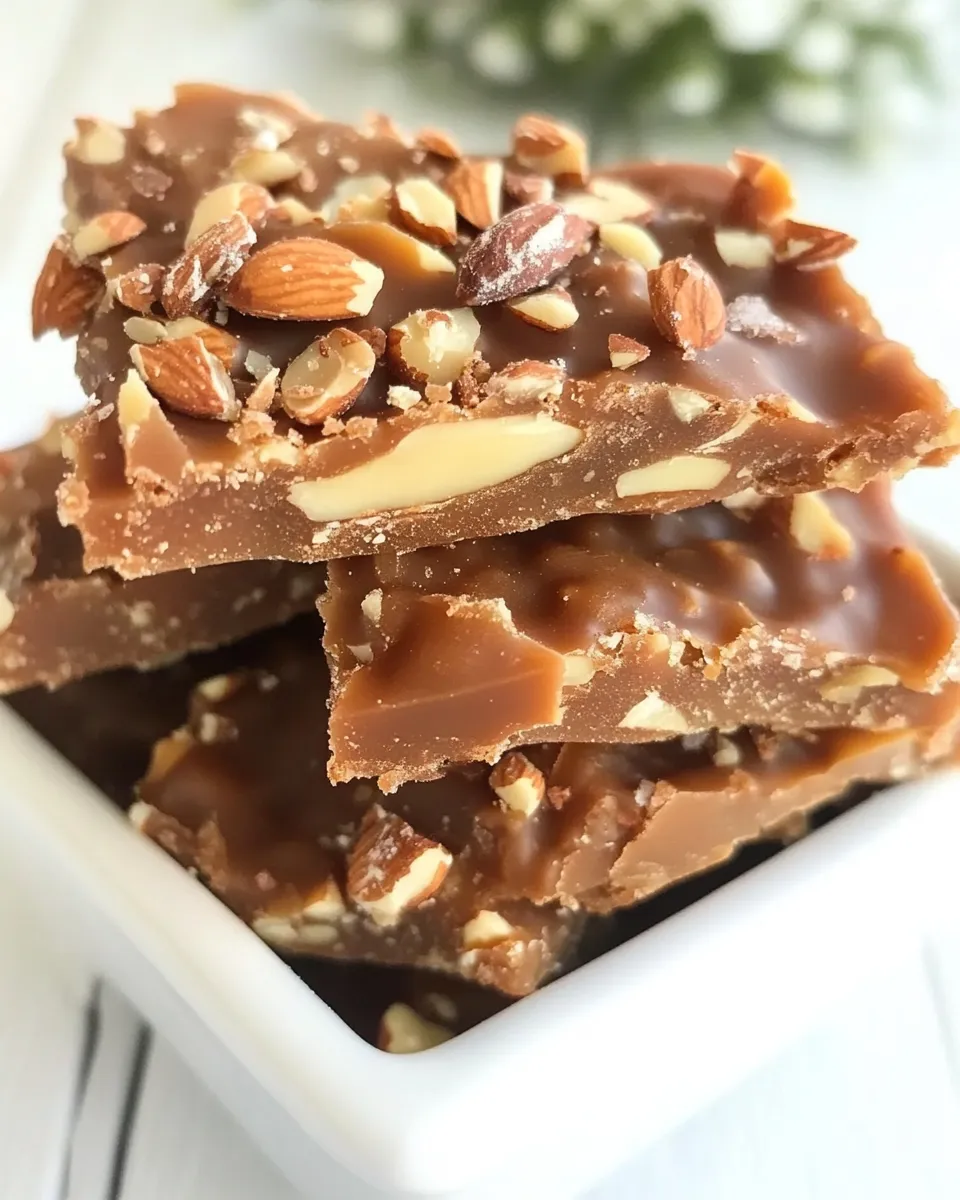
If you need to tweak something for dietary reasons or pantry limitations, prioritize texture-preserving swaps so you don’t end up with a chewy or grainy finish.
- Unsalted butter — you can use salted butter, but reduce or omit the added 1/4 teaspoon salt to avoid an overly salty toffee.
- Granulated sugar — caster sugar or superfine sugar will behave similarly, but brown sugar will change texture and moisture (avoid if you want the classic brittle).
- Mini semisweet chocolate chips — standard-size chips will work but take longer to melt and may not spread as smoothly; chopped chocolate bars melt nicely but require stirring off heat.
- Almonds — any toasted nut (pecans, hazelnuts) can stand in, but chop them into similar-size pieces so they adhere consistently and create even crunch.
Before You Start: Equipment
Gather these items before you heat anything. Toffee moves quickly once it reaches the hard-crack stage, and a missing tool will slow you down.
- Heavy-bottomed saucepan — promotes even heat and reduces hot spots that can cause burning.
- Candy thermometer clipped so the tip sits in the center of the pan — accuracy matters; calibrate if you’re unsure.
- Rimmed baking pan lined with parchment paper — the rim lets you carry the hot toffee safely; parchment helps with removal.
- Heatproof spatula — for spreading hot toffee and smoothing chocolate.
- Small scoop or measuring cup — to pour the hot mixture evenly into the pan if needed.
Slip-Ups to Skip
Here are the common mistakes that turn a promising batch into a disappointing one, and how to avoid them.
1) Not using a heavy-bottomed pan. Thin pans have hot spots; thin spots burn the sugar. Use a sturdy pan and keep the heat moderate.
2) Removing the pan too soon. The recipe calls for 300°F (150°C). If you skim under that temperature, the toffee will be soft and chewy; if you overshoot by a lot, it can taste bitter and burn. Watch the color and trust the thermometer.
3) Stirring too aggressively or not scraping sides frequently. Sugar can crystallize on the sides and cause graininess. Stir and scrape gently and regularly so everything heats evenly.
4) Trying to speed the chocolate layer. Chips need a minute or two to soften on hot toffee. If you try to spread unmelted chips aggressively, you’ll tear the toffee surface and create uneven layers. Let them soften, then smooth.
Season-by-Season Upgrades
Small seasonal tweaks give this toffee a fresh twist without changing the core technique.
- Winter — sprinkle a light dusting of flaky sea salt after adding almonds for a cozy sweet-salty finish. Add a tiny pinch of ground cinnamon in the toffee for warmth.
- Spring — fold in a few drops of orange extract to the melted chocolate layer before it sets for a bright citrus note.
- Summer — chop and press in toasted coconut along with or in place of some almonds for a tropical lift.
- Autumn — swap half the almonds for chopped toasted pecans, or add a whisper of pumpkin-pie spice to the toffee while cooking for seasonal aroma.
Chef’s Rationale
The method is intentionally simple. The cooking step drives the structure: reaching 300°F (150°C) produces the hard-crack stage, the point where the toffee will set crisp and shatter cleanly. The butter and sugar are the only structural agents here; no corn syrup or glucose is included, which keeps the flavor bright and purely caramelized. That makes temperature control and even heating the critical variables.
Mini chocolate chips are used because they melt fast into a thin, even chocolate sheet without needing tempering. Pressing chopped almonds into still-wet chocolate locks them in place without smearing the toffee surface. Refrigeration speeds the setting of the chocolate and makes breakage clean. Each step is chosen to protect texture: a crisp base, a smooth chocolate layer, and a crunchy nut top.
Leftovers & Meal Prep
Toffee stores well if you keep it dry. Once fully set and broken into pieces, layer it between sheets of parchment in an airtight container. Store at cool room temperature for up to one week or in the refrigerator for up to three weeks. Bring refrigerated toffee to room temperature before serving so the chocolate softens slightly and flavors open up.
If you need to freeze it, wrap individual pieces in parchment and place in a freezer-safe container for up to three months. Thaw in the refrigerator overnight, then sit at room temperature for an hour before serving to avoid condensation on the chocolate.
Ask the Chef
Q: My toffee is sticky and not brittle — what happened?
A: It didn’t reach 300°F (150°C) or it wasn’t cooked long enough. Return it to the pan, reheat carefully, and bring it to the correct temperature. If you overshot and it’s burnt, start over.
Q: The chocolate looks streaky after I spread it. Can I rescue it?
A: If the chocolate didn’t fully melt, warm a spatula briefly and go slowly to smooth it. If streakiness is due to rapid cooling, let it set and then lightly run a warm knife along the surface to even it if needed — but avoid heating too much, which can melt the toffee below.
Q: Can I skip the refrigeration step?
A: You can let it set at room temperature, but refrigeration ensures a quicker, firmer set and prevents chocolate bloom if your kitchen is warm. In a cool kitchen, room temperature setting works fine but requires more time.
See You at the Table
Almond Toffee rewards attention rather than complexity. The biggest favors you can do the recipe are accurate temperature, steady stirring, and simple prep. Make sure your pan, thermometer, and parchment are ready before you heat the butter and sugar. When the toffee comes together, you’ll hear and see the difference: a deep amber color, a glossy surface, and a quick, satisfying snap when broken.
Whether you’re making a batch for a party, a gift, or just because, this recipe scales and stores well. Keep notes on your first few tries — slight variations in cook time and temperature happen based on your stove and pan. Once you’ve dialed it in, Almond Toffee becomes a dependable, impressive treat to have in your rotation.
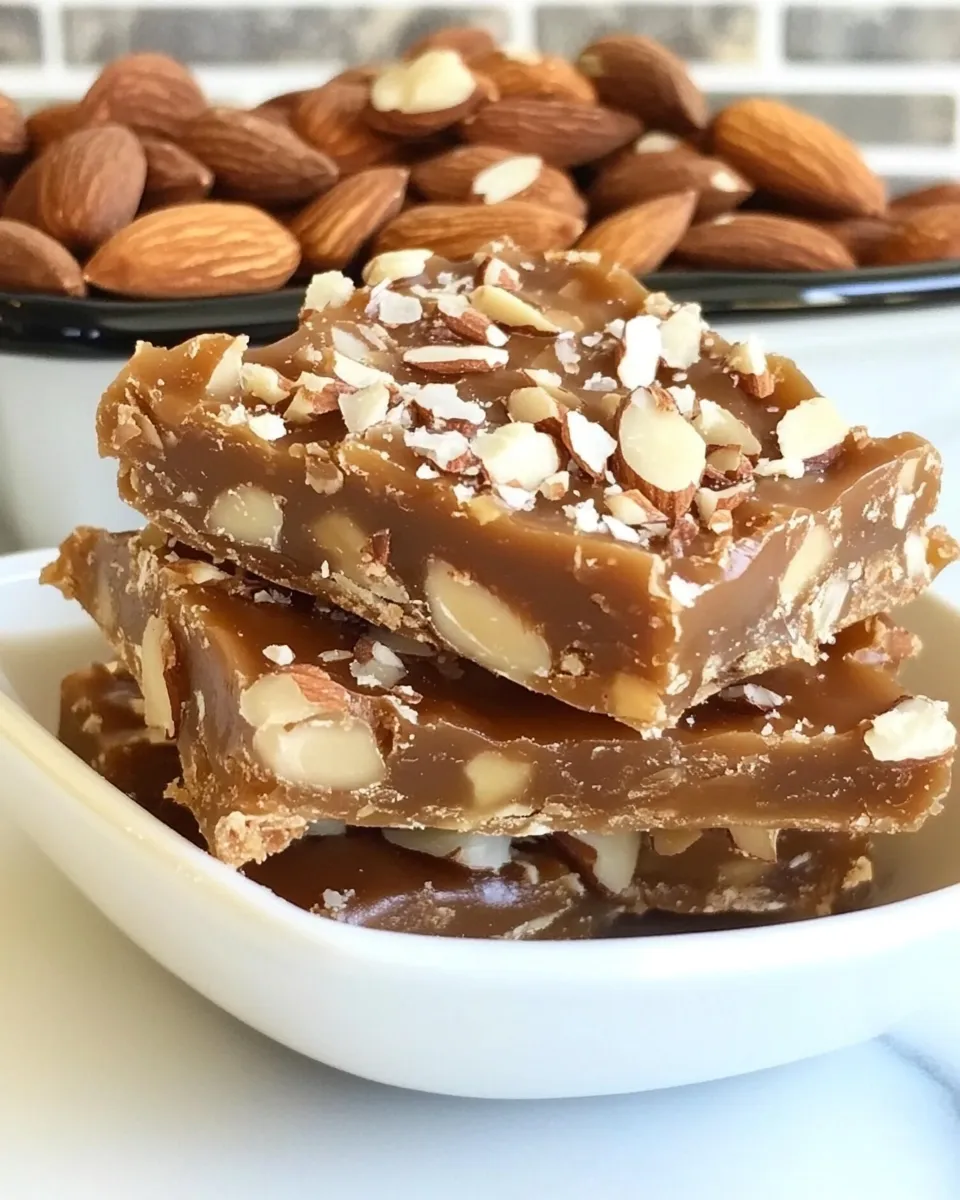
Almond Toffee
Ingredients
Equipment
Method
- Line a rimmed baking pan with parchment paper and set it nearby. Clip a candy thermometer to a heavy-bottomed saucepan so the tip will sit in the center of the pan.
- Add 2 cups unsalted butter, 2 cups granulated sugar, and 1/4 teaspoon salt to the saucepan. Cook over medium heat, stirring and scraping the bottom and sides often, until the mixture melts, turns amber in color, and reaches 300°F (150°C) on the candy thermometer.
- Remove the pan from heat immediately and pour the hot toffee evenly into the prepared parchment-lined pan. Use a heatproof spatula to spread it as evenly as you can.
- Immediately sprinkle 2 cups mini semisweet chocolate chips evenly over the hot toffee. Let the chips sit undisturbed for a minute or two until they soften and begin to melt.
- Use a spatula to smooth the melted chocolate into an even layer over the toffee.
- Sprinkle 1 cup chopped almonds evenly over the melted chocolate and press the nuts gently with the back of a spatula so they adhere.
- Refrigerate the pan until the toffee and chocolate are fully set. When set, lift the parchment to remove the toffee, break it into pieces, and serve.
Notes
Store the toffee in an airtight container.