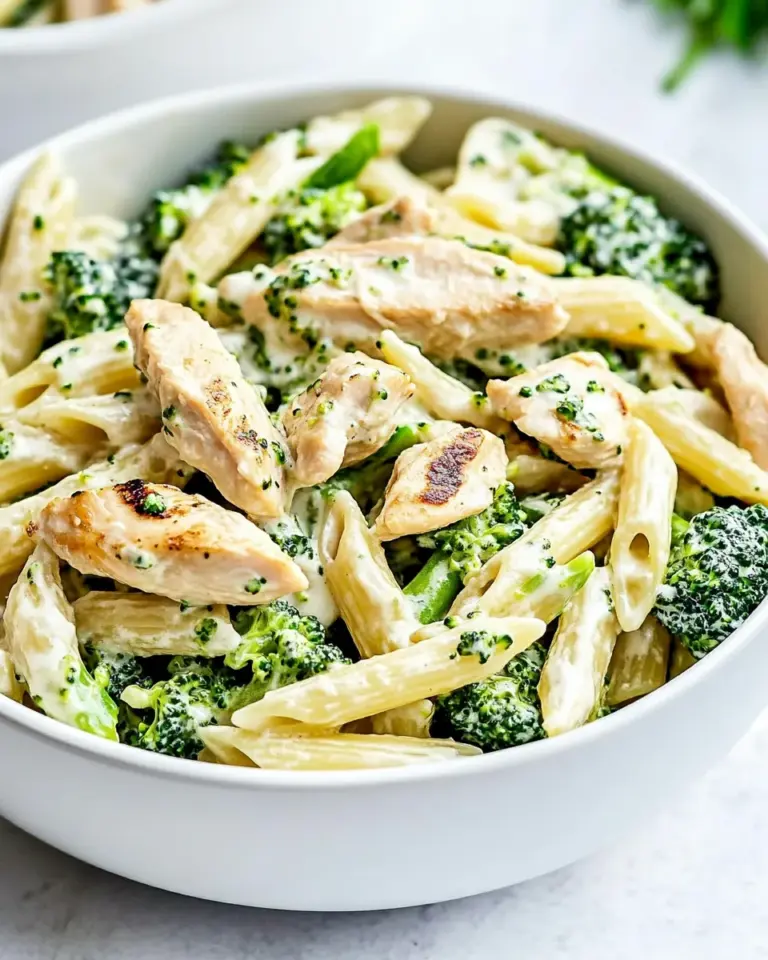
Arrabbiata Sauce with Penne
Arrabbiata is all about honest heat, ripe tomatoes, and a quick finish that tastes like a meal you made with confidence. This version pairs a robust San Marzano tomato base with plenty of garlic, a serious splash of olive oil, and the kick of crushed red pepper flakes. It’s straightforward, fast, and perfect for weeknights or dinner guests who like a little attitude on their plate.
I wrote this recipe to be practical: no steps that ask for special skills, no weird ingredients hiding in the pantry. You’ll learn how to coax sweetness from canned whole tomatoes, control the spice, and use pasta water to make the sauce cling to penne. The result is bright, spicy, and just saucy enough to slugged copious amounts of grated cheese.
Read the ingredient notes, follow the stepwise directions exactly as written, and use the tips that follow to tweak heat, texture, and timing to your taste. This post includes storage advice, substitutions, and answers to the questions I get most often about Arrabbiata.
The Ingredient Lineup
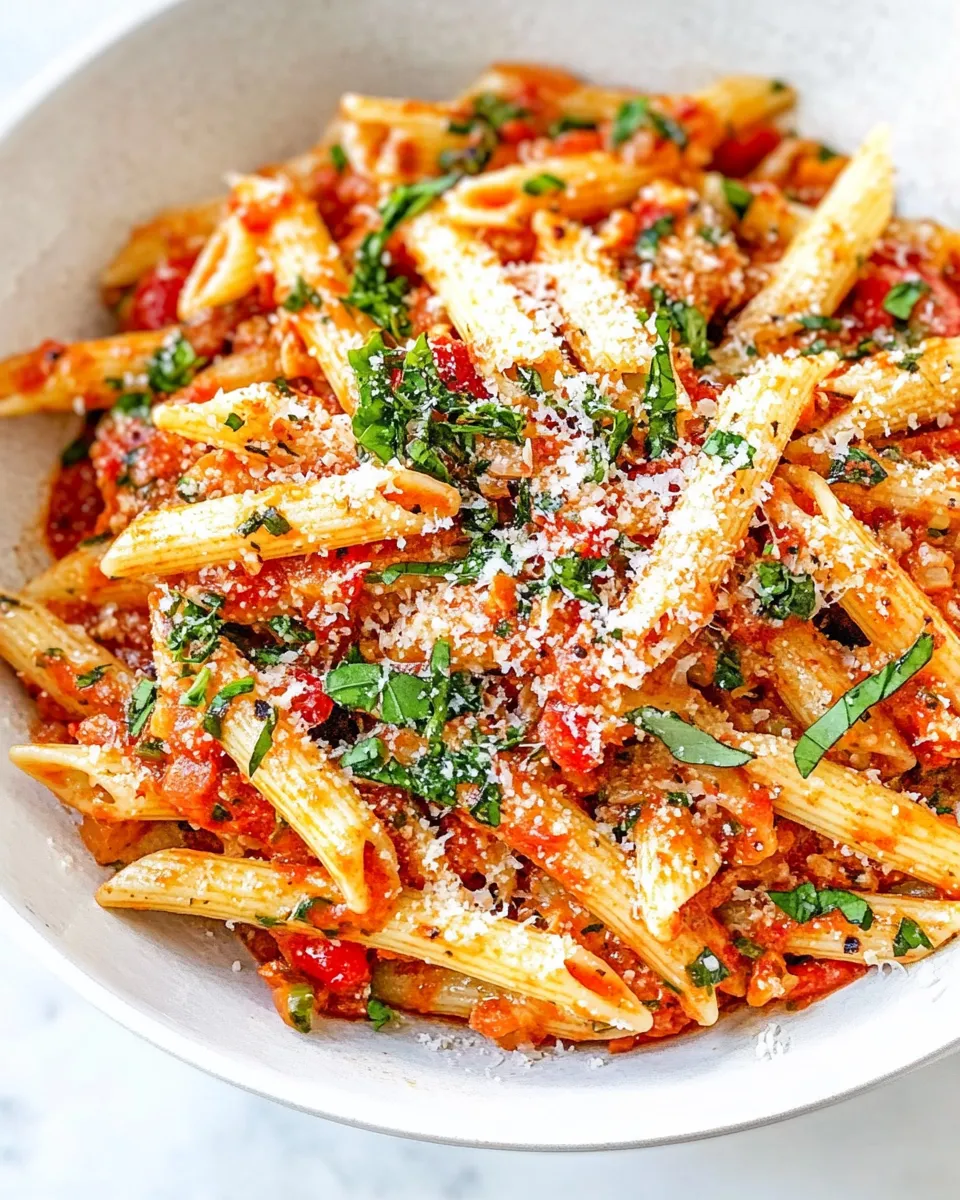
- 1 pound penne — the tube shape catches sauce; cook al dente so it finishes in the sauce without turning mushy.
- 1/4 cup extra virgin olive oil — builds a silky base and carries the garlic and chile flavors; don’t skip quality here.
- 1/2 yellow onion, diced (or 1 teaspoon onion powder) — adds background sweetness when sautéed; onion powder is the shortcut for speed.
- 6-8 cloves garlic, minced — the aromatics backbone; adjust up or down depending on how much garlic you love.
- 1-3 teaspoons crushed red pepper flakes (or as much as you can handle) — primary heat source; start low and increase after tasting.
- 2 tablespoons tomato paste — deepens tomato flavor and adds body to the sauce.
- 128 oz. can San Marzano whole tomatoes with juices — the tomato base; whole tomatoes give better texture when broken up than crushed do.
- 1 teaspoon dried oregano — adds herbal warmth without overpowering the chile.
- 1/2 tsp each dried thyme, salt — thyme gives a subtle savory note; salt tempering is essential—add carefully and taste.
- 3 tablespoons minced fresh basil (or 1 tablespoon dried) — fresh basil brightens the finished sauce; dried is a backup.
- 2 tablespoons minced fresh parsley (or 2 teaspoons dried) — fresh parsley adds freshness and balance to the herbs.
- Pecorino Romano or Parmesan cheese for serving — salty, savory finishing touch; grate at the table so people can add to taste.
Arrabbiata Sauce with Penne Made Stepwise
- Bring a large pot of heavily salted water to a boil. Add 1 pound penne and cook until just al dente according to package directions. Before draining, reserve 1/2 cup pasta water. Drain the pasta and set aside (do not rinse).
- While the pasta cooks, heat 1/4 cup extra virgin olive oil in a large saucepan, braiser, or Dutch oven over medium-high heat until shimmering.
- If using fresh onion: add 1/2 yellow onion, diced, and sauté 5–7 minutes until softened. If using 1 teaspoon onion powder instead of fresh onion, do not sauté onion now—you will add the onion powder later with the tomatoes.
- Add 6–8 cloves minced garlic and 1–3 teaspoons crushed red pepper flakes (start with less and increase to taste). Sauté for 1 minute, stirring so the garlic does not brown.
- Add 2 tablespoons tomato paste and cook, stirring, for 1 minute.
- Add the entire 128 oz can San Marzano whole tomatoes with juices, 1 teaspoon dried oregano, 1/2 teaspoon dried thyme, and 1/2 teaspoon salt. If you are using onion powder, add the 1 teaspoon now. Break up the whole tomatoes with a potato masher or wooden spoon until the sauce reaches your preferred texture.
- Bring the sauce to a vigorous simmer, then reduce heat to maintain a gentle simmer. Cook uncovered for 15–20 minutes, stirring occasionally and mashing tomatoes as needed. If the sauce becomes too thick, add a few tablespoons of the reserved pasta water to thin it.
- Stir in 3 tablespoons minced fresh basil (or 1 tablespoon dried) and 2 tablespoons minced fresh parsley (or 2 teaspoons dried).
- Add the drained penne to the sauce and toss gently to coat, adding more reserved pasta water a tablespoon at a time if needed to achieve the desired consistency. Cook together 1–2 minutes so the pasta absorbs the sauce.
- Taste and adjust heat by adding more crushed red pepper flakes if desired, and add additional salt only if needed. Serve immediately with plenty of freshly grated Pecorino Romano or Parmesan cheese.
Why Cooks Rave About It
This dish is unapologetically simple and honest. The concentrated tomato flavor from the San Marzano can, combined with tomato paste, gives a bright yet deep salsa that isn’t masked by cream or butter. Garlic and chile bring forward personality, while herbs lift the final bite. The technique—reserving pasta water and finishing the pasta in the sauce—creates a silky, cohesive dish rather than two separate elements stacked on a plate.
It’s also forgiving. You can scale heat up or down, use onion powder if you’re in a hurry, and still end up with a sauce that tastes like it took longer than it did. That’s the kind of weeknight magic every home cook enjoys.
Smart Substitutions
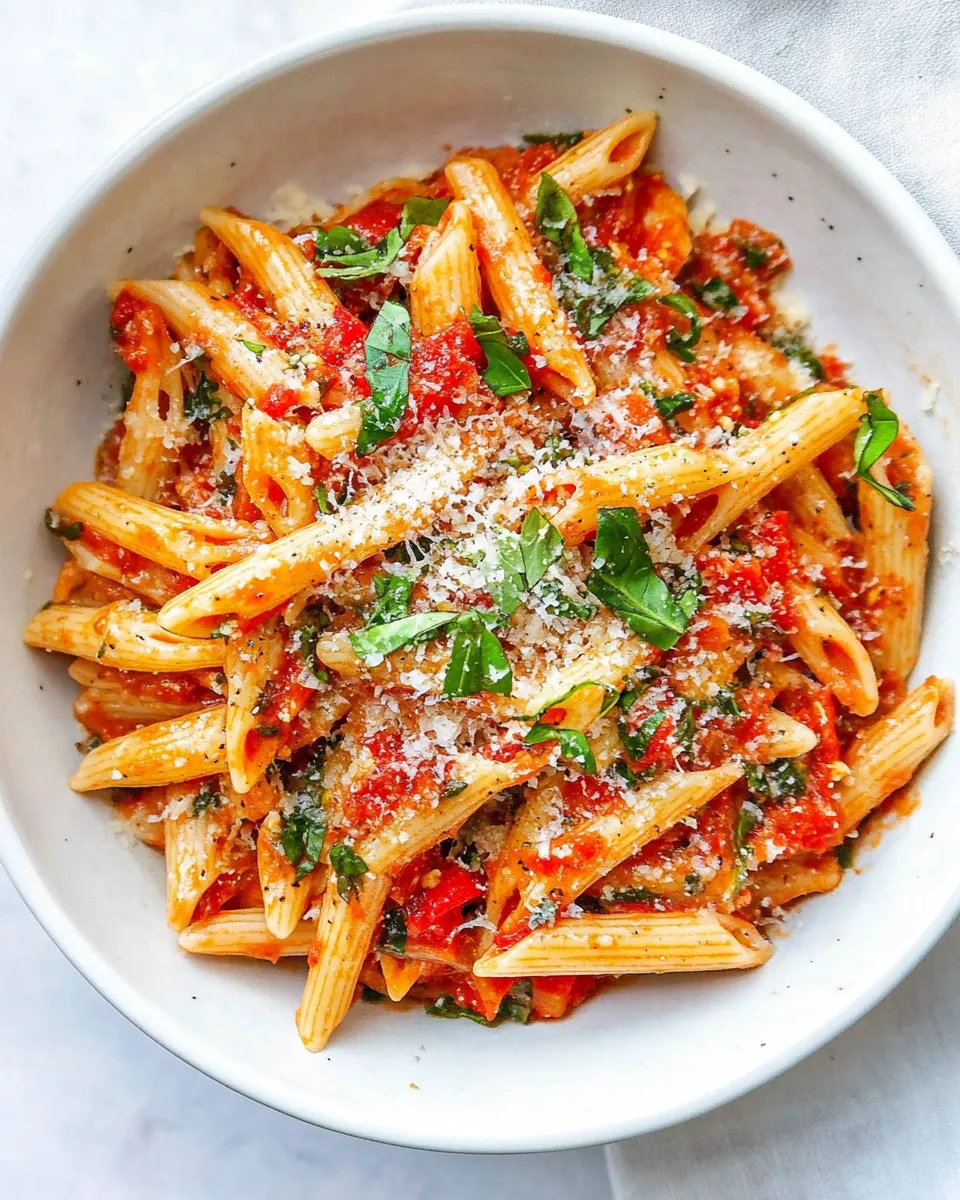
- Pasta: Use gluten-free penne if needed. The cooking time will differ—follow package instructions and still reserve pasta water.
- Onion: If you don’t have fresh onion, the recipe already allows 1 teaspoon onion powder—add it with the tomatoes per the directions.
- Tomatoes: If San Marzano whole tomatoes aren’t available, use any high-quality whole plum tomatoes in juice. Avoid watery, low-quality canned tomatoes—flavor suffers.
- Herbs: Fresh basil and parsley are preferred, but if you only have dried, the recipe provides the equivalents.
- Cheese: Omit for dairy-free, or use a grated vegan hard cheese substitute. Finish with a drizzle of extra virgin olive oil for richness if skipping cheese.
Recommended Tools
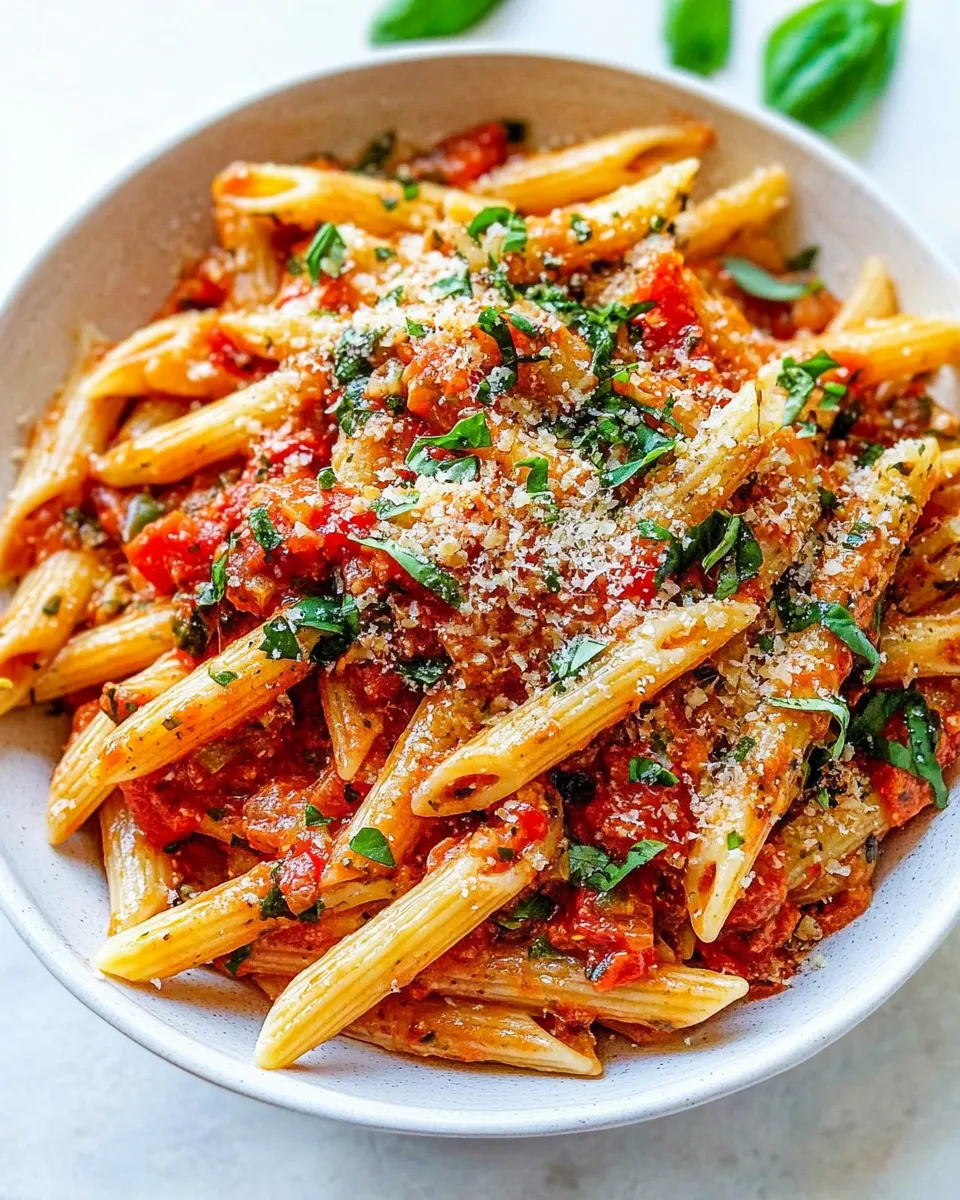
- Large pot — for boiling pasta with plenty of space to prevent sticking and to get the best reserved pasta water.
- Large saucepan, braiser, or Dutch oven — for making the sauce; a wide surface helps evaporation during the simmer.
- Potato masher or wooden spoon — for breaking up whole canned tomatoes to your preferred texture.
- Colander — for draining pasta while saving a measured 1/2 cup of pasta water.
- Microplane or box grater — for grating Pecorino or Parmesan at the table.
Errors to Dodge
- Overbrowning garlic: Garlic should be translucent and fragrant, not brown. If it browns, it tastes bitter—lower the heat.
- Skipping reserved pasta water: That starchy water is the bridge that turns a loose sauce into one that clings. Don’t skip it.
- Undercooking tomatoes: A short simmer is needed to meld flavors and reduce acidity. The recipe’s 15–20 minutes is the sweet spot.
- Add salt blindly: Salt levels change as the sauce reduces. Taste late in the process before adding more.
- Rinsing pasta: Don’t rinse. Rinsing removes the starch that helps sauce adhere to the noodles.
Make It Diet-Friendly
Vegetarian? This recipe already is. For vegan, skip the cheese or use a vegan hard cheese alternative and finish with a drizzle of olive oil for richness.
Low-sodium? Use no-salt-added canned tomatoes and reduce or omit the added 1/2 teaspoon of salt; adjust at the end. For lower fat, reduce the olive oil slightly, but know that the olive oil contributes to mouthfeel and flavor.
Gluten-free
Use gluten-free penne and follow the same technique. The only change is watching the pasta’s cook time and using the appropriate reserved pasta water volume if the pasta releases different starch amounts.
Pro Tips & Notes
- Taste as you go: Start with 1 teaspoon crushed red pepper flakes if you’re unsure, then add more at the end. Heat compounds over time.
- Texture control: If you like a chunkier sauce, mash the tomatoes lightly. For a smoother finish, keep mashing as the sauce simmers or pulse gently with an immersion blender for a few seconds.
- Tomato paste trick: Cooking the tomato paste for about a minute before adding the tomatoes deepens flavor and removes raw paste notes.
- Use fresh herbs last: Stirring basil and parsley in at the end preserves their bright color and flavor.
- Cheese at the table: Freshly grated Pecorino Romano or Parmesan has sharpness and texture that elevate the dish—let guests add to taste.
How to Store & Reheat
Cool any leftover sauce to room temperature within two hours of cooking. Store in an airtight container in the refrigerator for up to 4 days.
To reheat: gently warm in a skillet over medium-low heat, adding a splash of water or reserved pasta water to restore silky consistency. If reheating in the microwave, stir every 30–45 seconds and add a tablespoon of water if the sauce tightens up.
Freeze cooled sauce (without pasta) in airtight containers or freezer bags for up to 3 months. Thaw overnight in the refrigerator before reheating. Cook fresh pasta and combine just before serving for the best texture.
Handy Q&A
- Q: Can I use crushed tomatoes instead of whole? A: Yes, but whole tomatoes let you control the texture better when you mash them. Use a good-quality crushed if that’s what you have.
- Q: Is 128 oz. one can? That seems large. A: The recipe calls for the entire 128 oz can as listed in the source of truth. Use that amount; it yields a generously sauced pasta or enough for leftovers.
- Q: My sauce tastes flat—what now? A: Finish with fresh herbs and a splash of reserved pasta water; sometimes a bit more salt or cheese at the end brings it to life.
- Q: How spicy will this be? A: With 1–3 teaspoons crushed red pepper flakes, you control it. Start at 1 teaspoon and add more after tasting—heat increases slightly while simmering.
Next Steps
If you enjoyed this Arrabbiata, try making a batch without pasta and freezing it in portions for quick weeknight meals. When you need a fast dinner, boil some penne and toss with a warmed portion of sauce—finish with fresh basil and grated cheese. Invite friends, pair with a simple green salad and crusty bread, and enjoy the kind of bright, spicy tomato pasta that feels like a small celebration any night of the week.
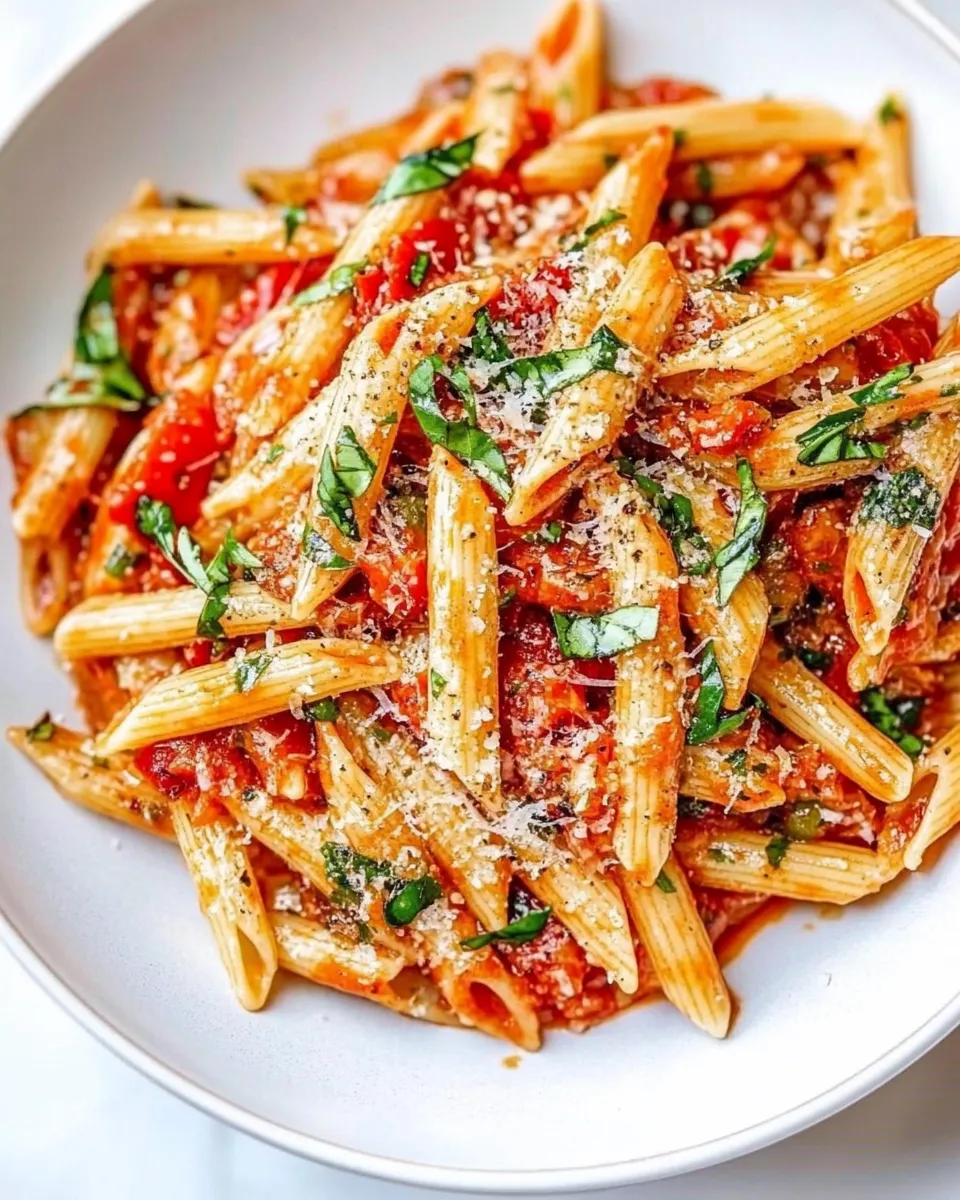
Arrabbiata Sauce with Penne
Ingredients
Equipment
Method
- Bring a large pot of heavily salted water to a boil. Add 1 pound penne and cook until just al dente according to package directions. Before draining, reserve 1/2 cup pasta water. Drain the pasta and set aside (do not rinse).
- While the pasta cooks, heat 1/4 cup extra virgin olive oil in a large saucepan, braiser, or Dutch oven over medium-high heat until shimmering.
- If using fresh onion: add 1/2 yellow onion, diced, and sauté 5–7 minutes until softened. If using 1 teaspoon onion powder instead of fresh onion, do not sauté onion now—you will add the onion powder later with the tomatoes.
- Add 6–8 cloves minced garlic and 1–3 teaspoons crushed red pepper flakes (start with less and increase to taste). Sauté for 1 minute, stirring so the garlic does not brown.
- Add 2 tablespoons tomato paste and cook, stirring, for 1 minute.
- Add the entire 128 oz can San Marzano whole tomatoes with juices, 1 teaspoon dried oregano, 1/2 teaspoon dried thyme, and 1/2 teaspoon salt. If you are using onion powder, add the 1 teaspoon now. Break up the whole tomatoes with a potato masher or wooden spoon until the sauce reaches your preferred texture.
- Bring the sauce to a vigorous simmer, then reduce heat to maintain a gentle simmer. Cook uncovered for 15–20 minutes, stirring occasionally and mashing tomatoes as needed. If the sauce becomes too thick, add a few tablespoons of the reserved pasta water to thin it.
- Stir in 3 tablespoons minced fresh basil (or 1 tablespoon dried) and 2 tablespoons minced fresh parsley (or 2 teaspoons dried).
- Add the drained penne to the sauce and toss gently to coat, adding more reserved pasta water a tablespoon at a time if needed to achieve the desired consistency. Cook together 1–2 minutes so the pasta absorbs the sauce.
- Taste and adjust heat by adding more crushed red pepper flakes if desired, and add additional salt only if needed. Serve immediately with plenty of freshly grated Pecorino Romano or Parmesan cheese.
Notes
San Marzano whole tomatoes.These tomatoes are grown in the rich volcanic soils of San Marzano, Italy and are highly prized for their sweet, intense tomatoey flavor and lower acidity. In fact, they are so sweet, you shouldn’t even have to add any sugar to the sauce! I recommend the brands San Marzano and Muir Glen. If you see other brands claiming to be San Marzano tomatoes, take an extra step and check to see if they are DOP-certified – usually visible on the front or the back of the can. This is a protective seal that guarantees authenticity.
Variations:See post for lots of variations such as adding vegetables, protein, cream, etc.
Storage:Transfer arrabbiata to an airtight container and store in the refrigerator for up to 5 days. To freeze, transfer to freezer bags or freezer-safe containers to up to 6 months. Please note that sauce will likely stain plastic containers. To thaw, place in the fridge overnight.