Asian Orange Vinaigrette With Ginger
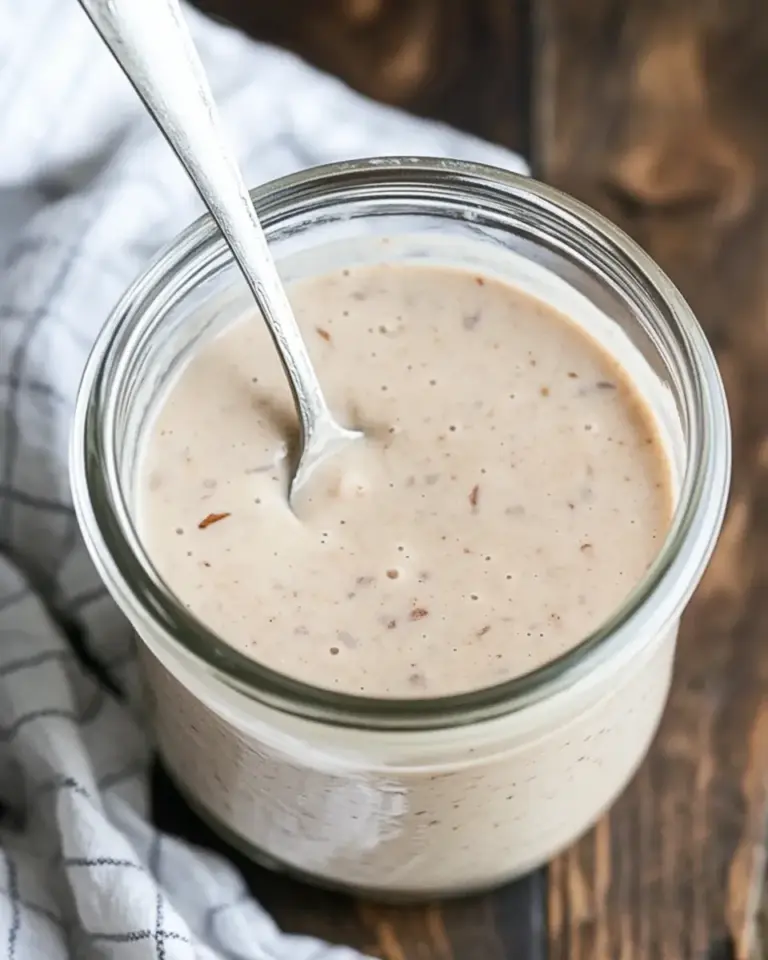
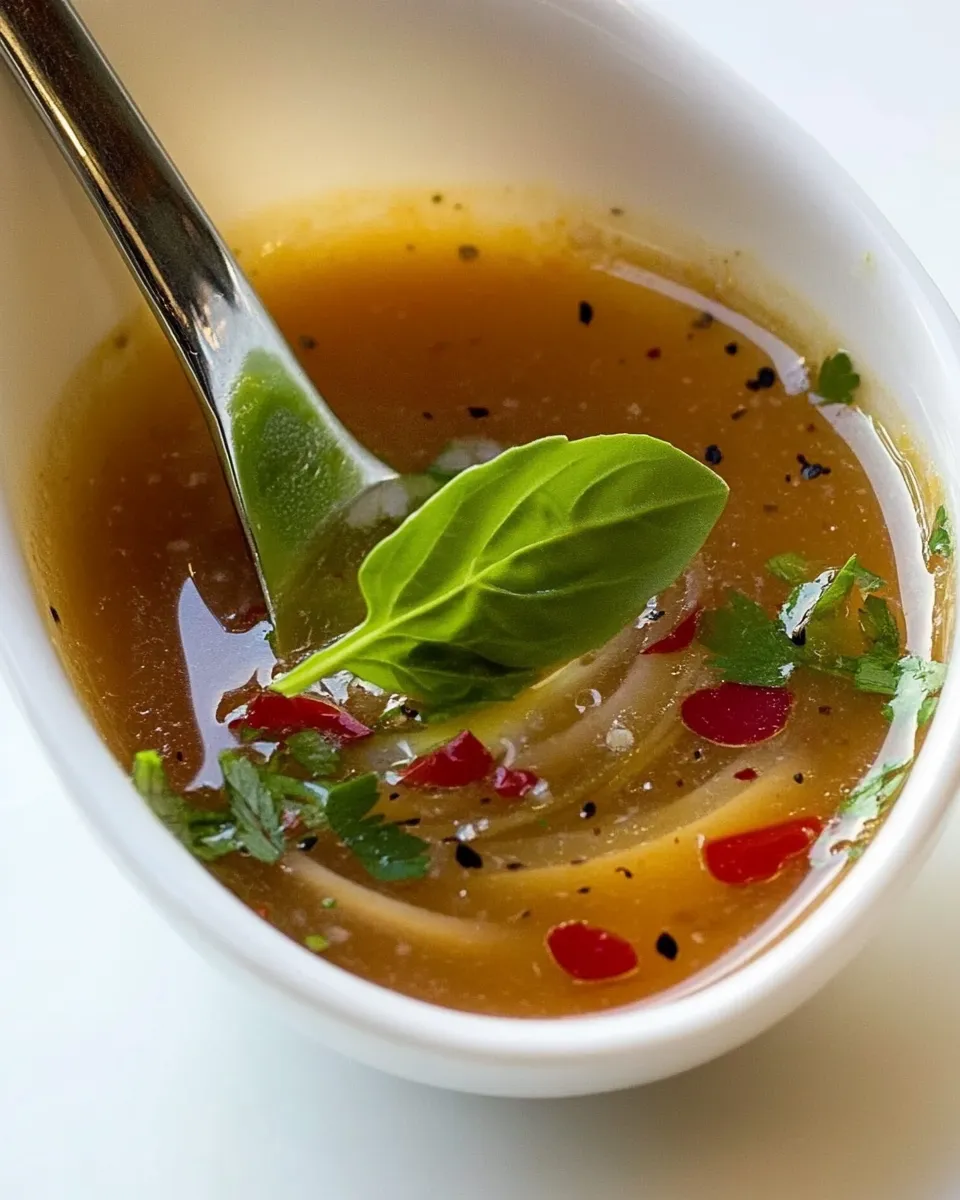
I make this Asian Orange Vinaigrette With Ginger whenever I want a dressing that feels bright, clean, and a little bit special without any fuss. It plays beautifully with crisp greens, roasted vegetables, and even as a finishing sauce for quick pan-seared fish. The balance of fresh orange and ginger keeps it lively, while the seasoned rice vinegar and honey bring the familiar sweet-tang of Asian-style dressings.
The recipe is short and exact, and it comes together in under five minutes if your orange is ready. You’ll notice the orange zest gives a concentrated citrus perfume that juice alone can’t provide, and the ginger adds a warm, slightly peppery edge. Emulsifying the oil in keeps the dressing silky and clingy—perfect for salads that need a little more texture.
Below I walk you through the ingredients, the step-by-step method straight from the recipe, substitutions, troubleshooting, storage, and a few practical uses. Read through the notes and tips before you start; a small tweak or two will make this vinaigrette sing for your kitchen.
The Ingredient Lineup
Ingredients
- 1 teaspoon orange zest — concentrated orange oil; adds bright citrus aroma without extra liquid.
- 1/2 each orange, juiced — fresh acidity and natural sweetness; use fresh, not bottled.
- 1 teaspoon finely grated fresh ginger — gives warmth and a hint of spice; grate right before mixing for the best flavor.
- 2 tablespoons seasoned rice vinegar — provides tang and a touch of umami; I prefer Mitsukan brand for consistent flavor.
- 1 teaspoon honey — rounds acidity and balances ginger; dissolves easily into the vinegar and juice.
- 1/8 tsp sea salt to taste — brings flavors forward; start with the amount listed and adjust after tasting.
- ¼ cup light vegetable oil — neutral oil that emulsifies and carries the citrus and ginger; keeps the dressing smooth and glossy.
Asian Orange Vinaigrette With Ginger Made Stepwise
- Zest the orange to measure 1 teaspoon of orange zest, then juice 1/2 orange and set the juice aside.
- In a medium bowl combine 1 teaspoon orange zest, the juice of 1/2 orange, 1 teaspoon finely grated fresh ginger, 2 tablespoons seasoned rice vinegar, 1 teaspoon honey, and 1/8 teaspoon sea salt. Whisk briefly to mix.
- While whisking continuously, slowly drizzle in 1/4 cup light vegetable oil until the dressing is fully blended and slightly thickened (about 30–60 seconds). Alternatively, put all ingredients in a jar, add the oil, close the lid tightly and shake vigorously until emulsified.
- Taste and adjust seasoning if desired (add a little more salt if needed). Use immediately or refrigerate.
Why This Recipe Belongs in Your Rotation
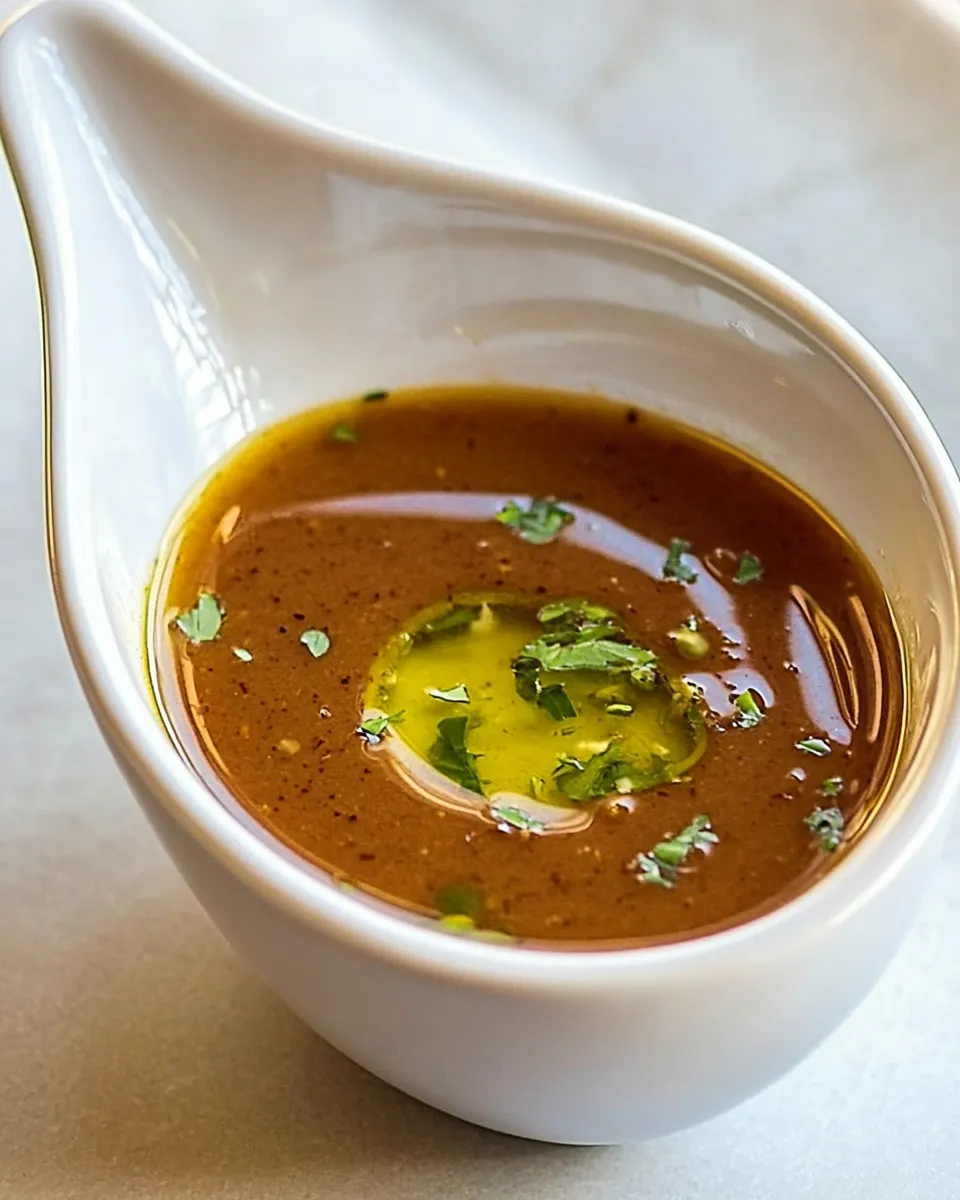
This dressing is a go-to because it’s fast, versatile, and delivers big flavor with minimal effort. It’s a pantry-friendly vinaigrette that leans fresh thanks to citrus and ginger, so it brightens heavy winter salads and complements summer greens equally well. The recipe is short but flexible: one orange gives citrus notes without overpowering other ingredients, and the rice vinegar ties it into Asian-style flavor profiles.
It also plays well with proteins. Drizzle it over grilled shrimp, roast chicken, or pan-seared tofu. Use it to dress a slaw for texture and snap, or whisk it into a grain bowl to lift roasted vegetables and rice. Because the oil is neutral, the orange and ginger remain front and center—no competing flavors.
Substitutions by Category
Vinegar & Acid
- Seasoned rice vinegar — if you don’t have seasoned rice vinegar, plain rice vinegar plus a pinch of sugar will get you close. For a sharper profile, use apple cider vinegar sparingly; it will change the character but still work.
Oils
- Light vegetable oil — any neutral oil (canola, grapeseed, sunflower) will work. Avoid extra virgin olive oil if you want the clean, light citrus flavor to shine; its peppery notes can clash.
Sweeteners
- Honey — if you need a vegan option, use a mild maple syrup or agave. These will bring slightly different flavors but maintain balance.
Fresh Elements
- Fresh orange and ginger — bottled juice or powdered ginger will change the texture and brightness. Fresh is best, but in a pinch, use freshly squeezed lemon in a smaller quantity and add a pinch of orange zest if you have it.
What You’ll Need (Gear)
- Microplane or fine zester — to get that concentrated orange zest without the bitter pith.
- Citrus juicer or fork — fresh juice extracts quickly.
- Small bowl and whisk — for the classic emulsion method.
- Or a jar with tight-fitting lid — for shaking the vinaigrette; quick and low-mess.
- Measuring spoons and a 1/4 cup measure — to follow the recipe exactly the first time.
Problems & Prevention
Here are the few things that can go wrong and how to avoid them:
- Separation — oil and water naturally separate over time. Prevent this by emulsifying well: whisk continuously while adding the oil slowly, or shake vigorously in a jar right before using.
- Bitter pith in the zest — only zest the colored part of the skin. The white pith underneath is bitter and will spoil the bright citrus flavor.
- Overpowering ginger — fresh ginger varies in intensity. Start with the listed teaspoon and taste; if your ginger is especially pungent, use a touch less.
- Sour or flat dressing — always taste at the end. The listed 1/8 teaspoon sea salt is a starting point; salt lifts flavors, so add a pinch more if needed. If it’s too sharp, a tiny extra bit of honey will smooth it out.
Customize for Your Needs
Make this vinaigrette work for your meal or dietary needs without changing the core method. Want it thicker? Use a small amount of mayonnaise or Greek yogurt as an emulsifier, but add sparingly—this is best as a light dressing. Need it oil-free? Omit the oil and use an immersion blender on the juice-vinegar-honey-ginger base; it won’t be the same texture, but it will be bright and usable.
For a smoky twist, add a few drops of toasted sesame oil (start with 1/4 teaspoon) at the end—this changes the flavor profile toward sesame-ginger while keeping the orange brightness. If you like heat, a tiny pinch of red pepper flakes or a few drops of chili oil will give the vinaigrette a pleasant kick.
Pro Tips & Notes
- Use room-temperature oil — it emulsifies more easily than cold oil straight from the fridge.
- Zest before juicing — zesting is easier when the orange is whole; once cut, the peel is harder to handle cleanly.
- Grate ginger finely — a microplane gives the best texture and releases more juice and aromatics into the dressing.
- Shake just before serving — even well-emulsified vinaigrettes can separate after refrigeration; a quick shake restores texture.
- Scale up carefully — if you double the recipe, whisk or shake longer to ensure the larger volume emulsifies properly.
Cooling, Storing & Rewarming
Store this vinaigrette in a sealed jar or bottle in the refrigerator. The dressing will keep for up to 5 days; beyond that, fresh citrus and ginger begin to lose brightness and can develop off-flavors. If the dressing solidifies a bit in cold temperatures (the oil may thicken), let it sit at room temperature for a few minutes and shake or whisk to reincorporate.
Do not freeze. The fresh citrus and ginger won’t stand up well to freezing and thawing, and the emulsion will break. If you’re planning ahead, make the dressing up to 48 hours ahead for the best result.
Handy Q&A
- Q: Can I use bottled orange juice?
A: Fresh is best. Bottled juice lacks the volatile aromatics from zest. If you must use bottled, add a touch of orange zest to mimic the fresh brightness. - Q: Is seasoned rice vinegar necessary?
A: It gives a familiar sweet-tang that pairs nicely with the orange. If you don’t have it, plain rice vinegar plus a pinch of sugar will work. - Q: How do I make this vegan?
A: Substitute honey with maple syrup or agave. Flavor will be slightly different but still balanced. - Q: Can I make a larger batch for meal prep?
A: Yes, but for best flavor make batches that will be consumed within 3–5 days. Always store in the fridge and shake before use.
Final Thoughts
This Asian Orange Vinaigrette With Ginger is one of those small recipes that multiplies flavor across many dishes. It’s quick, forgiving, and bright—perfect when you want to lift a meal without spending much time. Keep the core method the same: zest, juice, combine, then emulsify. From there you can tweak sweet, salty, or spicy notes to match what’s on your plate.
Make a jar, keep it chilled, and use it to finish salads, slaws, grilled proteins, or even roasted vegetables. It’s simple, delightful, and I come back to it again and again for a reason: it just works.
Asian Orange Vinaigrette With Ginger
Ingredients
Equipment
Method
- Zest the orange to measure 1 teaspoon of orange zest, then juice 1/2 orange and set the juice aside.
- In a medium bowl combine 1 teaspoon orange zest, the juice of 1/2 orange, 1 teaspoon finely grated fresh ginger, 2 tablespoons seasoned rice vinegar, 1 teaspoon honey, and 1/8 teaspoon sea salt. Whisk briefly to mix.
- While whisking continuously, slowly drizzle in 1/4 cup light vegetable oil until the dressing is fully blended and slightly thickened (about 30–60 seconds). Alternatively, put all ingredients in a jar, add the oil, close the lid tightly and shake vigorously until emulsified.
- Taste and adjust seasoning if desired (add a little more salt if needed). Use immediately or refrigerate.
Notes
You can choose different citrus to use in the dressing.
Store vinaigrettes in a jar or other container with a tight lid so that it's easy to shake it up again when you need it.
Generally speaking, any oils labeled "vegetable oil" or "salad oil" are fine for making a basic vinaigrette. You could also use any light, neutral-flavored oil like safflower, canola, or soybean oil.
Ideally, you'd prepare the vinaigrette in advance and then let it sit for anywhere from 1 to 3 hours. Just don't refrigerate it during this time!