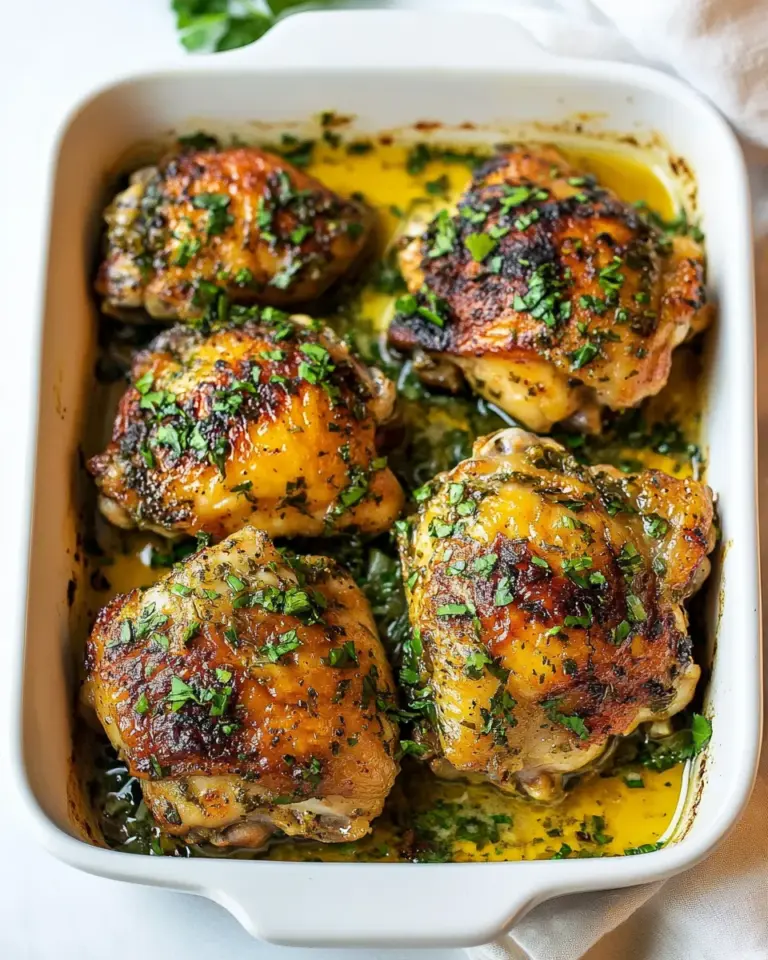
Authentic Homemade Alfredo Sauce Recipe
There’s a reason this sauce lives in the comfort-food hall of fame: it’s rich, silky, and astonishingly simple. With just butter, Parmesan, hot pasta water, and a little elbow grease, you get a sauce that clings to every strand of fettuccine and feels indulgent without fuss. I make this when I want something quick, unfussy, and deeply satisfying.
This version stays true to the classic technique — emulsifying butter, cheese, and starchy pasta water to create a glossy coating without cream. The timing matters more than the ingredients. A little attention while the pasta finishes cooking turns those few pantry staples into something restaurant-worthy.
Below I lay out the ingredient notes, the exact method, smart swaps, and the things I wish I’d known the first time I tried this. Read through once, then keep the page open while you cook. It’s the kind of recipe you can absolutely make from memory after one good try.
Ingredient Notes
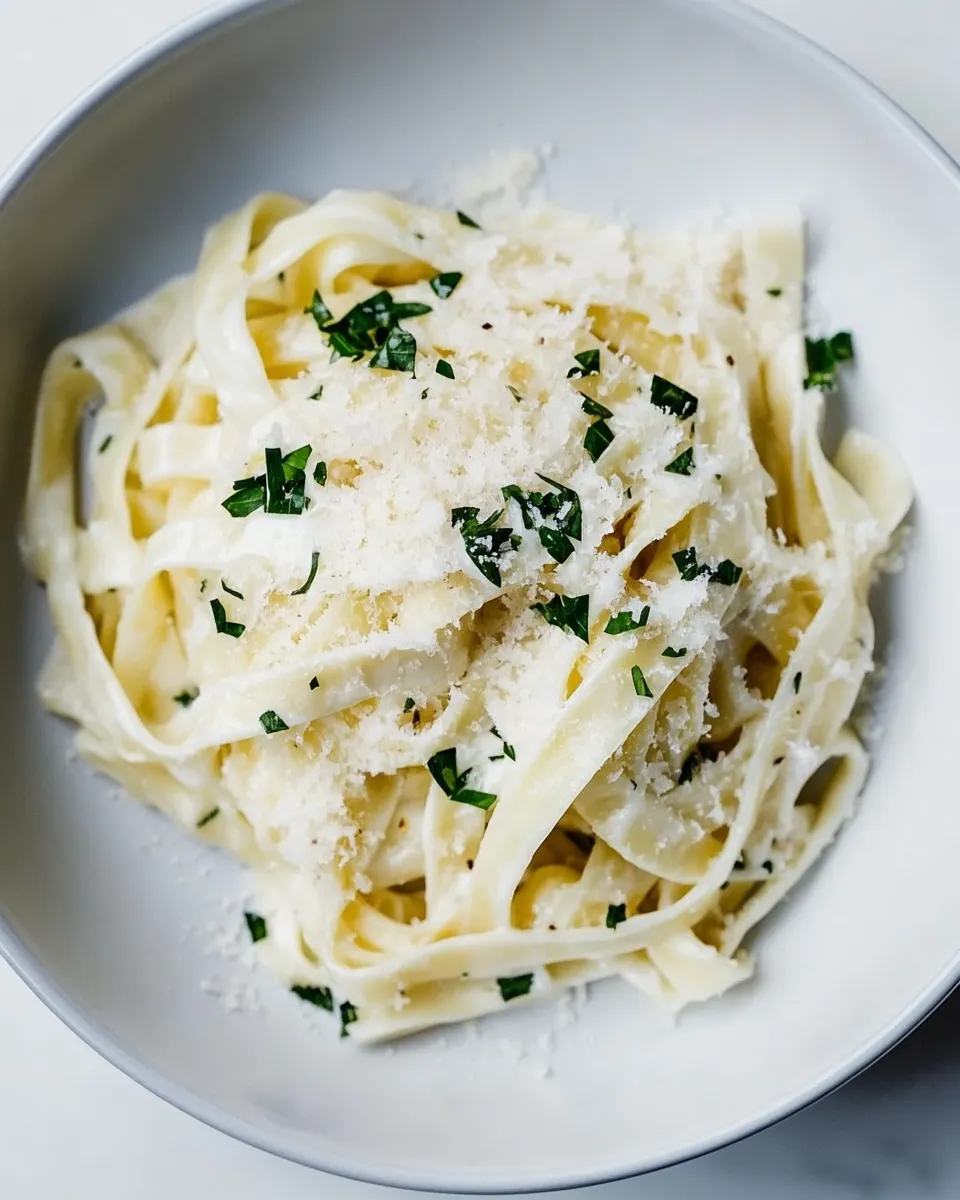
Before you start, a few practical notes about what you’re using and why. This sauce depends on texture and temperature: warm, starchy pasta water and gently melted butter are the glue that binds the Parmesan into a smooth emulsion. Use freshly grated cheese if you can — it melts more cleanly than pre-grated mixes. And don’t rush the tossing; the motion helps the sauce come together.
Ingredients
- 8tablespoonsunsalted butter,cubed — melts into the base of the sauce; keep over low heat so it doesn’t brown.
- ¾cupfreshly grated parmesan cheese + ¼ cup for garnish — freshly grated gives the best melt and flavor; reserve the ¼ cup for finishing contrast.
- ½cupof hot pasta water — starchy and hot, it loosens and emulsifies the sauce; add gradually.
- 1pounddried fettuccine or — standard portion for a crowd; takes longer to cook than fresh.
- 1 ½poundsfresh fettuccine pasta — cooks quickly and yields silkier texture; adjust cooking time accordingly.
- sea salt and pepper to taste — salt the pasta water generously; finish with freshly ground black pepper.
Make Authentic Homemade Alfredo Sauce: A Simple Method
- Bring a large pot of water to a rolling boil and add sea salt (enough to season the pasta water).
- Add the fettuccine to the boiling water. Cook dried fettuccine 7–8 minutes for al dente, or fresh fettuccine 90 seconds–2 minutes for al dente. Stir occasionally.
- While the pasta cooks, place the 8 tablespoons cubed unsalted butter in a large skillet over low heat and melt gently; do not brown.
- Before draining, scoop out and set aside ½ cup of the hot pasta cooking water.
- Drain the pasta briefly and immediately transfer the hot pasta to the skillet with the melted butter.
- Sprinkle about half of the ¾ cup freshly grated Parmesan over the pasta and begin tossing to combine (use tongs or two forks).
- Add some or all of the reserved ½ cup hot pasta water a little at a time while tossing, until the sauce becomes smooth and coats the pasta.
- While continuing to toss, add the remaining portion of the ¾ cup Parmesan and mix until incorporated. Taste and season with sea salt and freshly ground black pepper to taste.
- Serve the pasta and sprinkle the reserved ¼ cup Parmesan over each plate as garnish.
Why This Authentic Homemade Alfredo Sauce Stands Out
This recipe keeps the focus on technique rather than a long ingredient list. No cream, no thickening agents — just butter, Parmesan, and pasta water. The magic happens when starchy water meets fat and finely grated cheese; heat and motion force those elements to meld into a glossy emulsion. It feels decadent, but it’s actually a minimalist celebration of texture and timing.
Freshness plays a big role. Freshly grated Parmesan melts faster and creates a silkier mouthfeel than pre-grated varieties. Also, using the right amount of hot pasta water is crucial: too little and the sauce will be grainy; too much and it’s thin. Tossing actively helps distribute heat and encourages the ingredients to combine into a smooth coating rather than a clumpy mass.
Finally, flavor balance. Sea salt in the pasta water seasons the pasta from the inside out. The finishing sprinkle of reserved Parmesan adds contrast — a little textural bite and a visual cue that this is freshly plated, not just tossed and served.
Quick Replacement Ideas
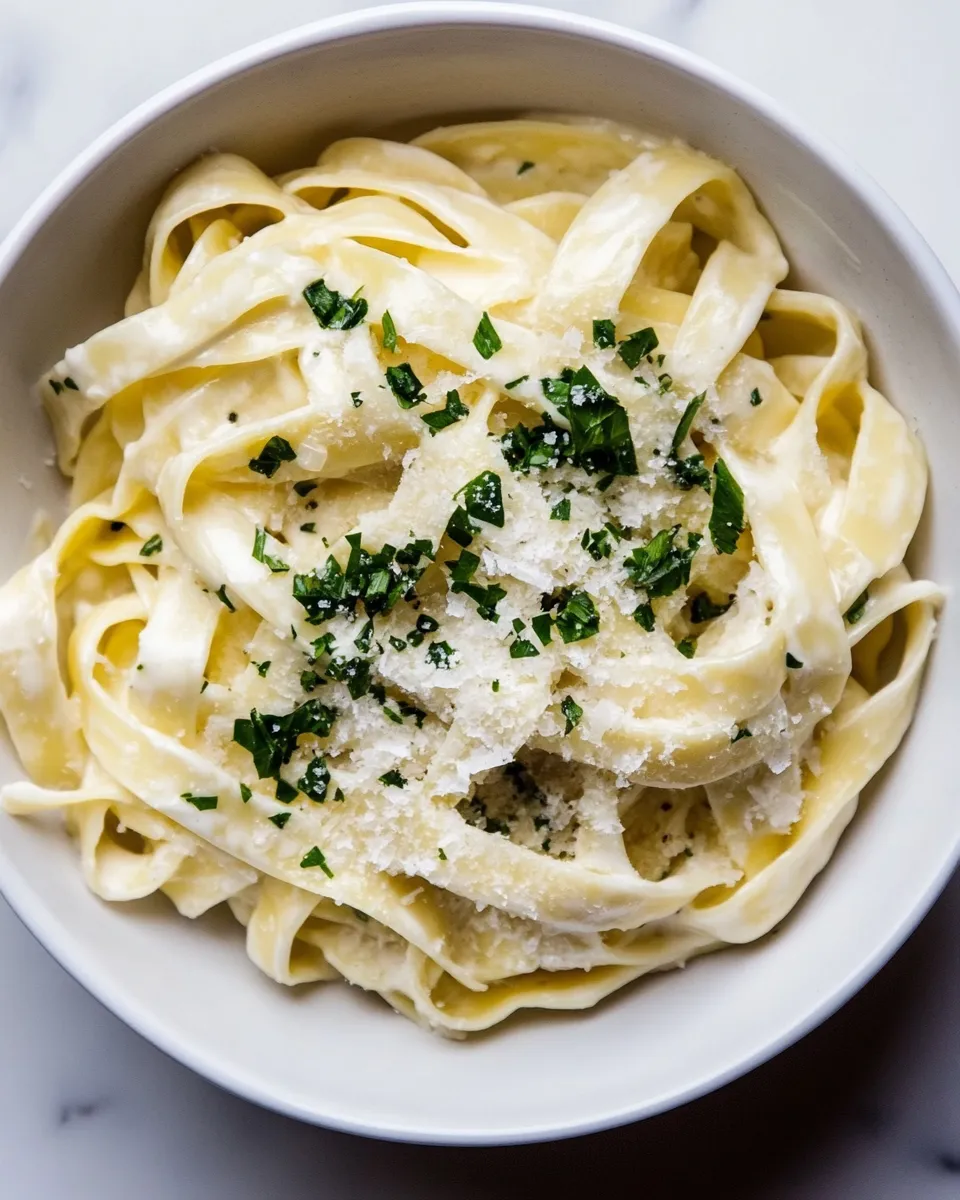
Depending on what you have on hand or dietary preferences, here are simple swaps that work well without complicated measurements.
- Cheese — swap part (or all) of the Parmesan with Pecorino Romano for a sharper, saltier edge. Taste as you go.
- Pasta — use tagliatelle, linguine, or another long ribbon pasta in place of fettuccine. Fresh or dried both work; adjust cooking time.
- Butter — if you only have salted butter, reduce any added finishing salt. The texture will be essentially the same.
- Extra richness — if you prefer a looser, creamier finish, stir in a small splash of cream or milk at the end while tossing until you reach the desired texture.
Gear Up: What to Grab
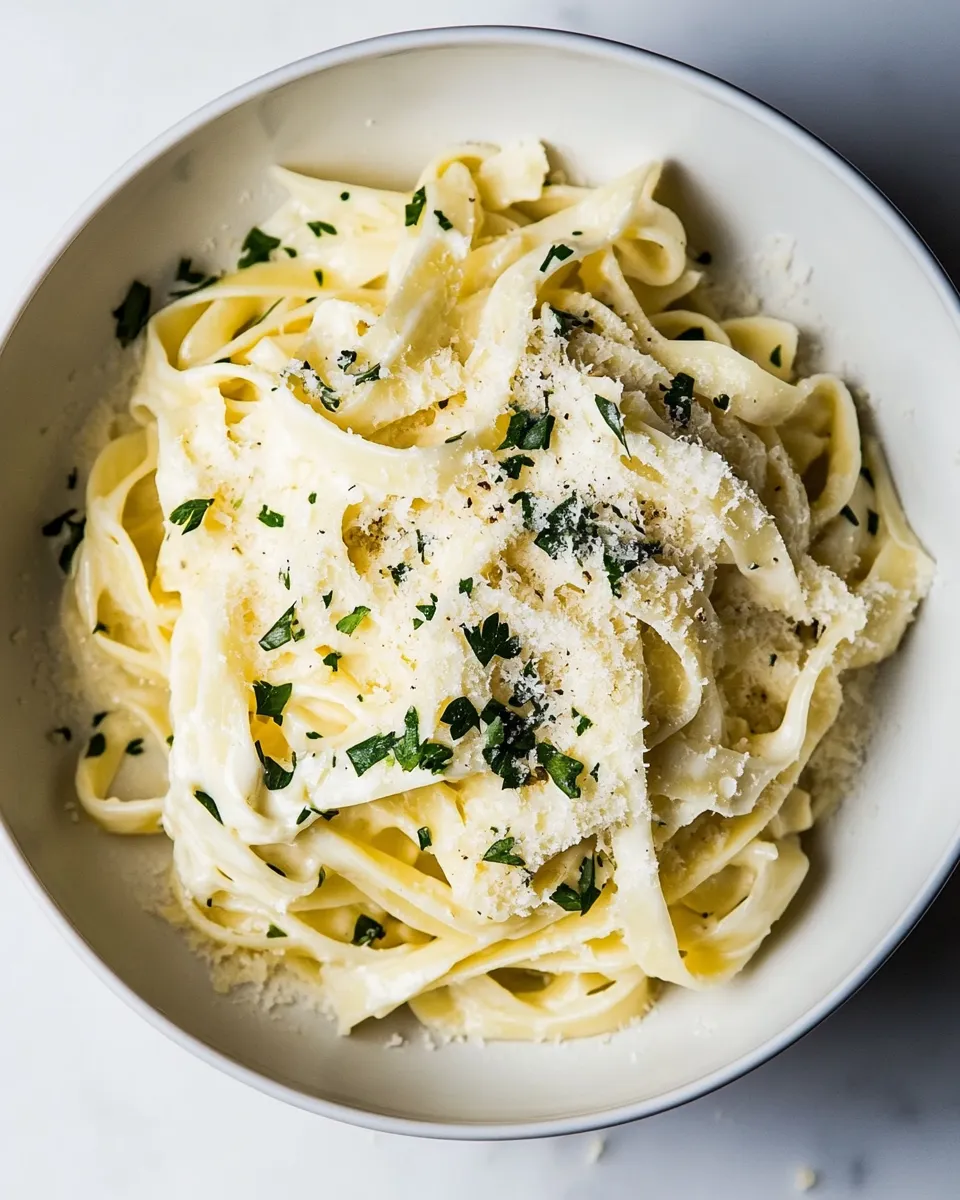
You don’t need fancy tools for this, but a few pieces of equipment make the job cleaner and easier.
- Large pot — for boiling the pasta; big enough so the pasta can move freely.
- Large skillet — wide and shallow works best to toss the pasta and let the sauce coat each strand.
- Tongs or two forks — for tossing; tongs give the most control.
- Box grater or microplane — for freshly grating Parmesan; a microplane produces fine, melting-friendly shavings.
- Measuring cups — to reserve exactly ½ cup pasta water and portion cheese.
What Not to Do
There are a few easy missteps that can wreck the texture. Avoid these and you’ll end up with a glossy, coat-every-strand sauce.
- Don’t boil the butter. Browning changes the flavor and reduces the clean, buttery base needed for the emulsion.
- Don’t grate pre-shredded Parmesan. Those packets often include anti-caking agents that prevent smooth melting.
- Don’t pour cold water into the pan. The reserved pasta water must be hot to help dissolve the cheese and bind the sauce.
- Don’t skip the tossing. Stirring won’t bring the same glossy emulsion; you need the motion and heat contact that tossing provides.
Seasonal Spins
This sauce is a blank canvas for seasonal additions that complement without overpowering.
- Spring — stir in blanched asparagus tips or peas for brightness and snap. Finish with lemon zest for lift.
- Summer — add quick-sautéed cherry tomatoes and a scattering of basil leaves right before serving.
- Fall — fold in sautéed mushrooms and a grind more black pepper to deepen the savory profile.
- Winter — toss with roasted root vegetables or crisp pancetta for warmth and richness.
Flavor Logic
Understanding why each component matters helps you adapt the sauce with confidence.
Butter provides fat and flavor; it’s the vehicle that carries the cheese. Parmesan supplies salt and umami; freshly grated, it melts into a silky coating. Hot pasta water contains dissolved starches that act like a binder — the starch molecules help the fat and cheese blend into a stable emulsion. Salt in the boiling water seasons the pasta itself, so every bite is balanced. Pepper adds a finishing bite that cuts through the richness.
Storage & Reheat Guide
Alfredo-style sauces are best right away. If you have leftovers, follow these steps so the texture stays pleasant.
- Short-term storage — place cooled pasta in an airtight container and refrigerate for up to 2 days. The sauce will thicken as it cools.
- Reheating — reheat gently over low heat in a skillet, adding a splash of warm pasta water (or milk/cream if you prefer) and tossing until silky again. Avoid high heat; it can separate the sauce and make it grainy.
- Freezing — not recommended. The emulsion and cheese texture suffer in the freezer and after thawing.
Authentic Homemade Alfredo Sauce Q&A
Q: Can I make this ahead of time? A: You can cook the pasta slightly under al dente and keep it refrigerated, but for best texture, combine pasta and sauce just before serving.
Q: Why did my sauce turn grainy? A: Graininess often comes from mixing cheese into liquid that’s either too cool or too hot, or using pre-grated cheese with anti-caking agents. Make sure the pasta water is hot and that you add cheese gradually while tossing.
Q: Can I use other cheeses? A: Yes — Pecorino Romano gives a sharper, saltier profile. Mixing cheeses works, but keep them finely grated so they melt quickly.
Q: How much should I salt the pasta water? A: It should taste like seawater — well-seasoned, because that’s your main chance to infuse seasoning into the pasta itself.
Q: Is there a dairy-free version? A: You can approximate the texture with plant-based butter and a nut-based grated “cheese,” but results will differ from this authentic take.
The Takeaway
This is a short, confident recipe that rewards attention to detail. Use good butter, freshly grated Parmesan, and the reserved hot pasta water. Toss actively and season carefully. The result is a deceptively simple plate: luscious, comforting, and very satisfying. Make it once exactly as written to understand the rhythm, then adapt with seasonal add-ins or cheese swaps once you feel comfortable with the technique.
Serve with a simple salad and a glass of something crisp. Invite friends. This is the kind of sauce that inspires seconds.
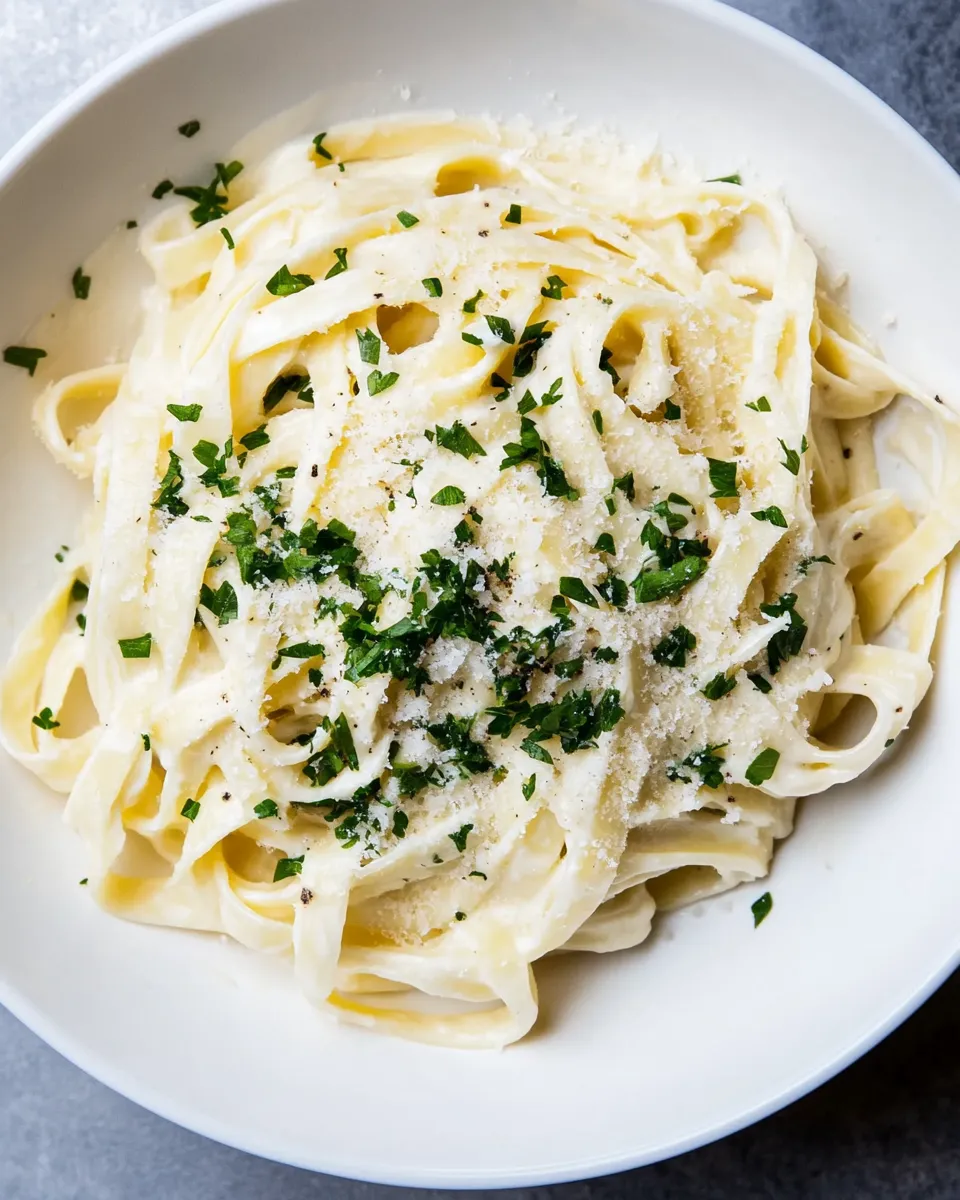
Authentic Homemade Alfredo Sauce Recipe
Ingredients
Equipment
Method
- Bring a large pot of water to a rolling boil and add sea salt (enough to season the pasta water).
- Add the fettuccine to the boiling water. Cook dried fettuccine 7–8 minutes for al dente, or fresh fettuccine 90 seconds–2 minutes for al dente. Stir occasionally.
- While the pasta cooks, place the 8 tablespoons cubed unsalted butter in a large skillet over low heat and melt gently; do not brown.
- Before draining, scoop out and set aside ½ cup of the hot pasta cooking water.
- Drain the pasta briefly and immediately transfer the hot pasta to the skillet with the melted butter.
- Sprinkle about half of the ¾ cup freshly grated Parmesan over the pasta and begin tossing to combine (use tongs or two forks).
- Add some or all of the reserved ½ cup hot pasta water a little at a time while tossing, until the sauce becomes smooth and coats the pasta.
- While continuing to toss, add the remaining portion of the ¾ cup Parmesan and mix until incorporated. Taste and season with sea salt and freshly ground black pepper to taste.
- Serve the pasta and sprinkle the reserved ¼ cup Parmesan over each plate as garnish.
Notes
Make-Ahead:
This recipe is meant to be served as soon as it is done cooking.
How to Store:
Cover and keep in the refrigerator for up to 4 days. This will not freeze well.
How to Reheat:
Add the desired amount of alfredo sauce to a medium size pan over low heat along with ¼ cup of water and heat until creamy and hot. Toss in fresh pasta and serve.
You should
use
Fresh Pasta Dough Recipe
, but if not, you can easily swap it out for dried.
The main
reason there are clumps of cheese in the pasta is that the pan gets too hot. Be sure to stir constantly, and make sure to turn the heat off if the cheese begins to clump. You can remove the clumps by carefully bringing down the temperature.
If Parmesan
is not available, then substitute with Pecorino Romano.
The technique
of stirring the pasta is very similar to stir-frying.
You may
need more pasta water so ensure it stays creamy and the pasta noodles don’t suck up too much of the sauce.
Al dente
means
to the tooth
. The pasta should be firm but not hard or chalky.