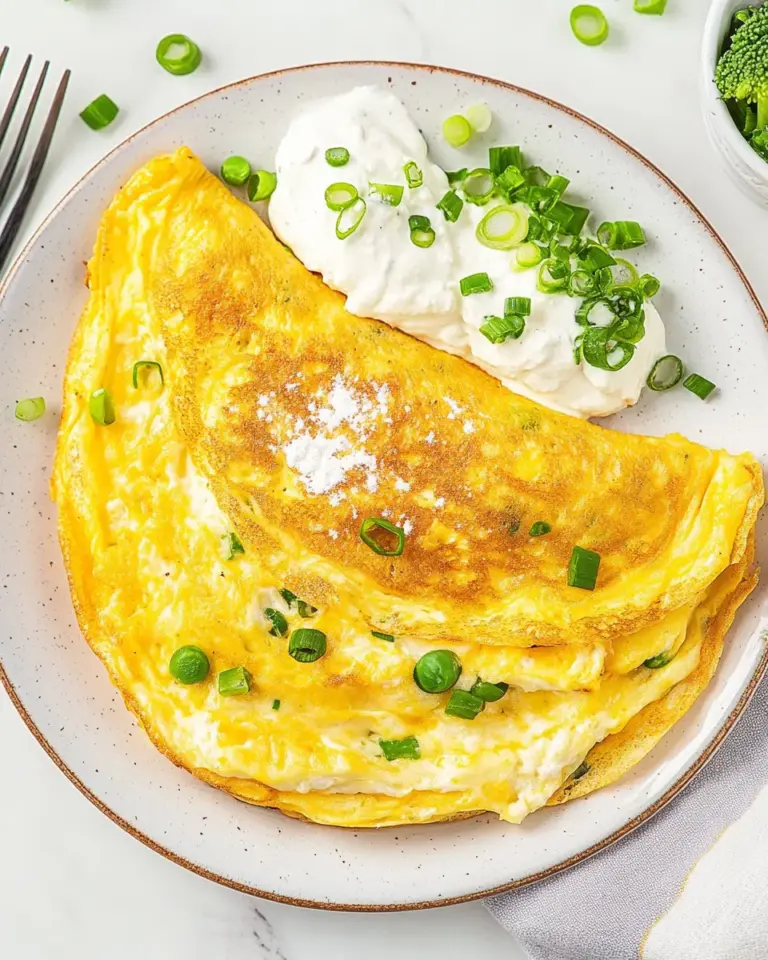
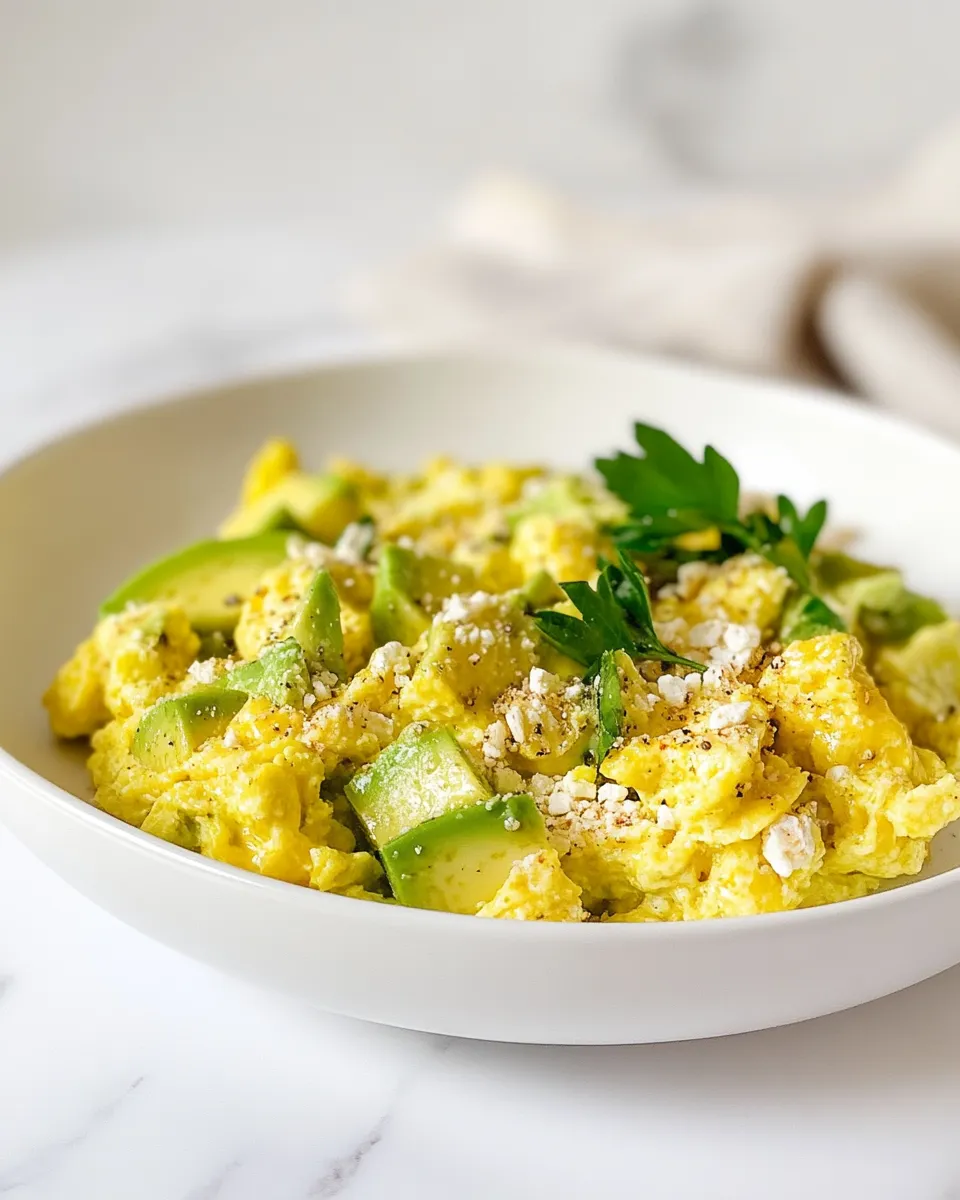
Avocado Scrambled Eggs
I make scrambled eggs a little differently now that I discovered how gentle heat and a ripe avocado change everything. This is the kind of breakfast that feels indulgent without any fuss—two textures, a little cream, and the comfort of eggs cooked slow enough to stay tender. I reach for it on rushed mornings and lazy weekends alike.
There’s a small rhythm to it: whisk, melt, pour, fold. It’s forgiving but precise where it counts—temperature and timing. If you follow the steps below exactly, you’ll end up with soft, silky curds and just enough avocado to add cooling creaminess without weighing the eggs down.
I’ll walk you through the exact ingredient notes, step-by-step instructions, and the practical tips I learned testing this recipe over and over. No fluff. Just what works, why it works, and how to fix common hiccups so you get great results every time.
The Ingredient Lineup
- 4 large eggs — the base of the dish; use fresh eggs for the best texture and flavor.
- 2 tablespoons milk — loosens the eggs slightly so they stay tender; whole milk adds richness but any milk works.
- 1/4 teaspoon salt — seasons the eggs from the start so they develop flavor as they cook.
- 1 tablespoon unsalted butter — gives a glossy finish and prevents sticking; melt gently to avoid browning.
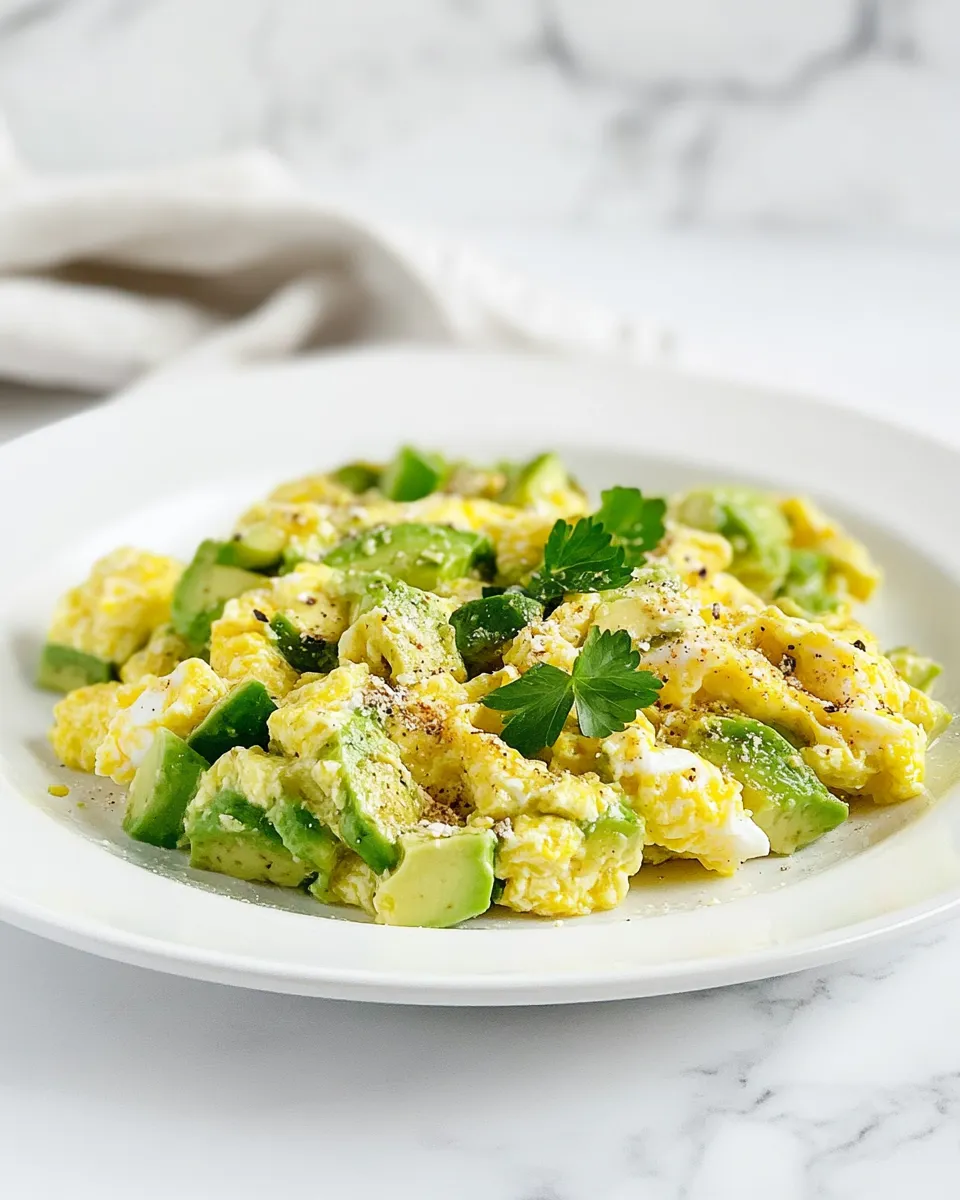
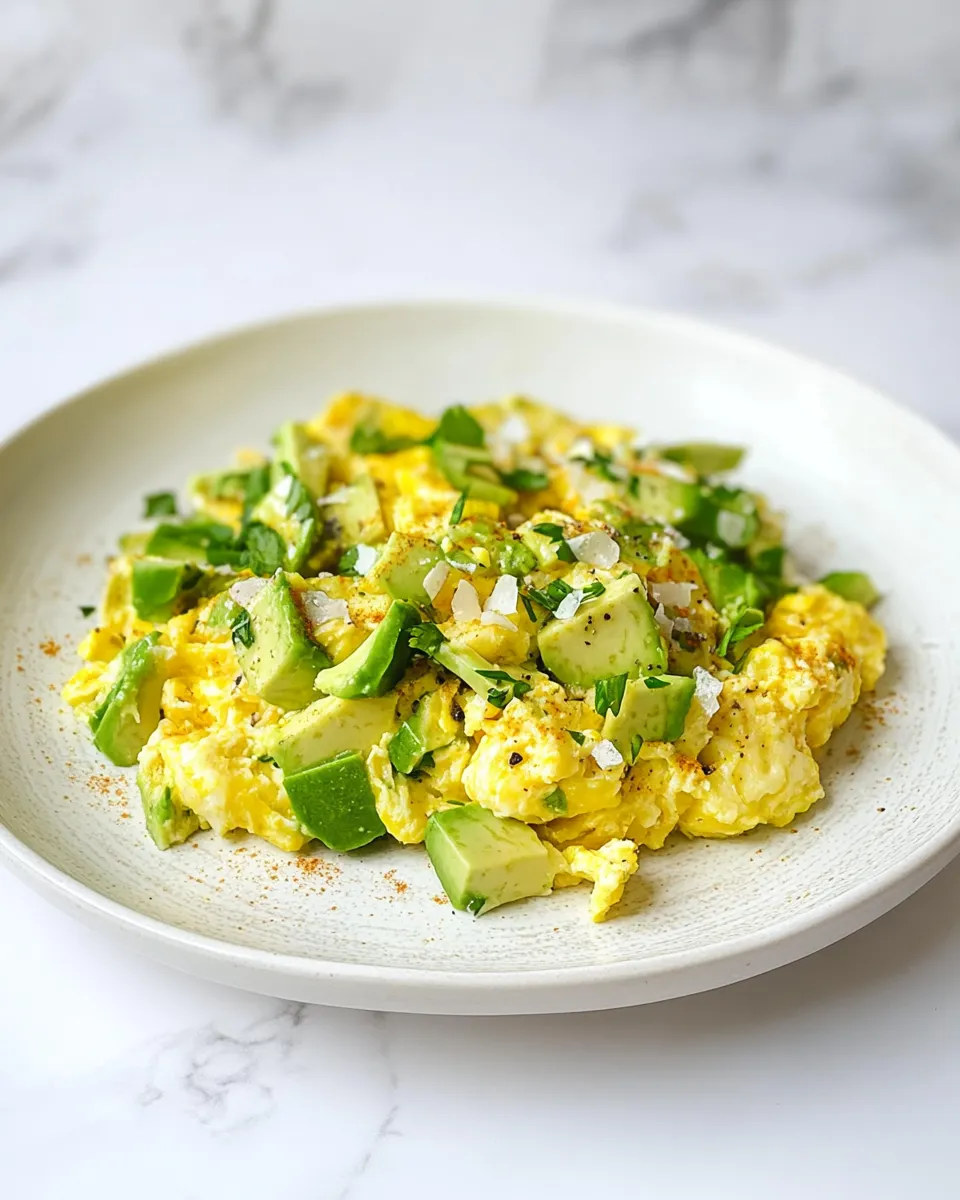
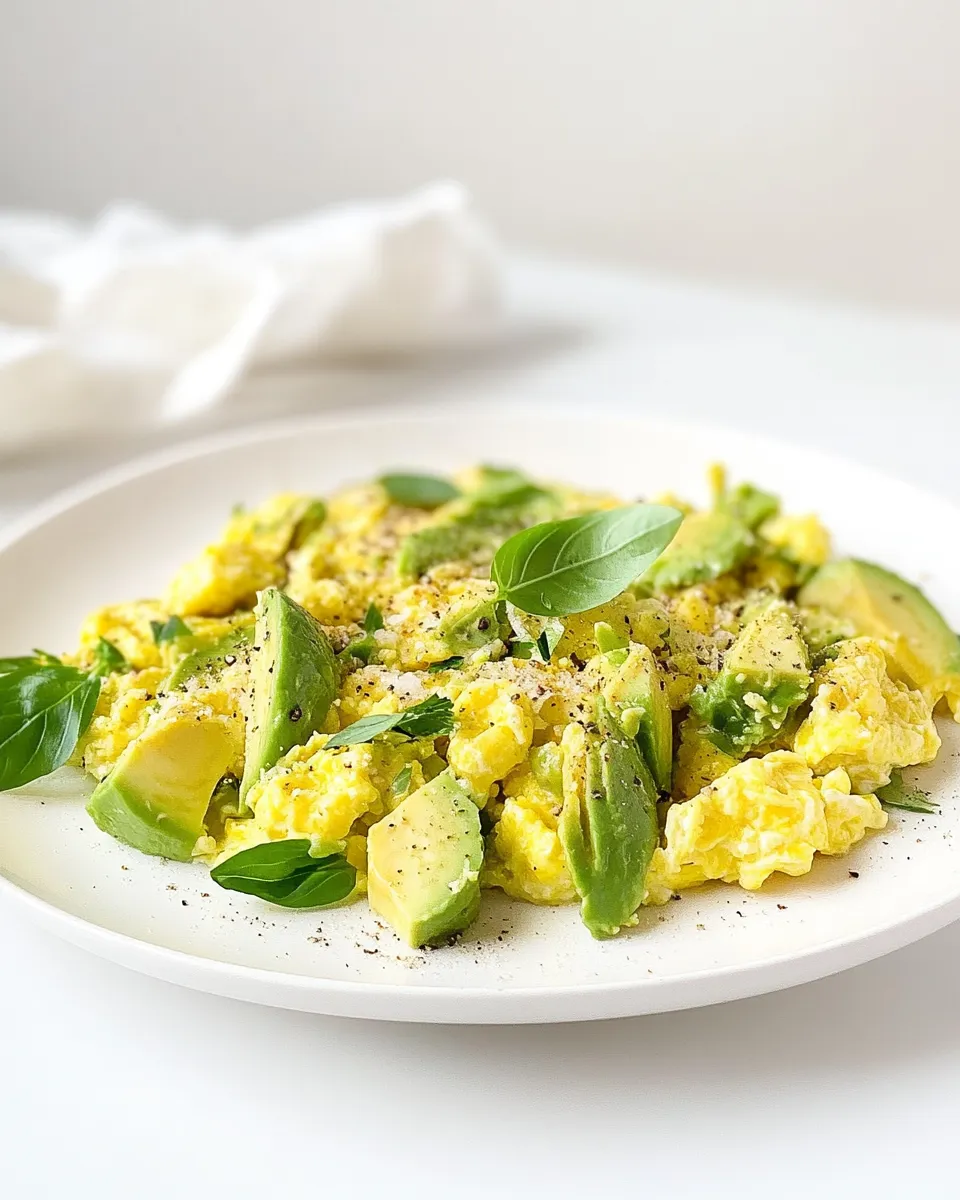
- 1 large ripe avocado, chopped into ½-inch cubes — adds creaminess and contrast in texture; keep the cubes firm so they don’t melt into the eggs.
- Freshly ground pepper to taste — finishes the dish with a peppery lift; add after cooking to preserve aroma.
- 1 teaspoon chopped chives (optional) — bright, oniony garnish; chop fine and add at the end for color and freshness.
Mastering Avocado Scrambled Eggs: How-To
- Crack 4 large eggs into a bowl; add 2 tablespoons milk and 1/4 teaspoon salt. Whisk until the mixture is smooth and slightly frothy.
- If the 1 large ripe avocado is not already prepared, pit and peel it, then chop into 1/2-inch cubes; set the avocado aside.
- Place a nonstick skillet over medium-low heat. Add 1 tablespoon unsalted butter and let it melt, tilting the pan to coat the surface evenly.
- Pour the egg mixture into the skillet. Let it sit undisturbed for about 10–15 seconds, then gently stir and fold the eggs with a spatula, scraping the bottom and sides.
- When the eggs are about halfway set but still soft and slightly runny, add the avocado cubes and continue to cook, stirring gently, until the eggs are soft, fluffy, and no visible liquid egg remains.
- Remove the skillet from the heat. Season with freshly ground pepper to taste, gently fold once to distribute, and transfer the eggs to plates.
- Sprinkle 1 teaspoon chopped chives over the eggs if desired, and serve immediately.
Why This Recipe Is Reliable
This method removes guesswork and centers on two principles: low heat and timing. Medium-low heat prevents the butter and eggs from overheating, so the curds form slowly and stay tender. The short rest at the start (10–15 seconds) encourages gentle coagulation so you get larger, silkier curds rather than tiny dry flakes.
Adding milk and salt into the beaten eggs before cooking ensures even seasoning and a silkier texture. The avocado is added when the eggs are partially set so it warms without becoming mushy. Those small timing choices—when to stir, when to add avocado, when to pull off the heat—are what make the difference between dry scrambled eggs and something you’d want to eat every morning.
International Equivalents
- Eggs: 4 large eggs — universal; use the size common in your country if “large” is not standard.
- 2 tablespoons milk — approximately 30 ml.
- 1/4 teaspoon salt — approximately 1.25 ml.
- 1 tablespoon unsalted butter — approximately 14–15 grams or 15 ml.
- Avocado: 1 large ripe avocado — fruit sizes vary by market; choose one that yields about 150–200 g of flesh if you prefer metric guidance.
- 1 teaspoon chopped chives — approximately 5 ml if you measure volume; a small pinch by feel if you don’t.
Tools & Equipment Needed
- Nonstick skillet, 8–10 inches — provides even heat and makes stirring gentle curds easy.
- Heatproof spatula — flexible enough to scrape the pan, sturdy enough to fold without tearing the curds.
- Mixing bowl and whisk — for beating eggs until slightly frothy; a fork works in a pinch.
- Sharp knife and cutting board — for halving, pitting, and dicing the avocado into uniform ½-inch cubes.
- Measuring spoons — to ensure the salt and milk are accurate, especially when you’re dialing in the texture.
Troubleshooting Tips
Texture problems and fixes
- Eggs too dry or crumbly: You likely cooked at too high a temperature or stirred too aggressively. Next time lower the heat and fold more gently. Remove the pan from heat slightly before the eggs look done; residual heat will finish them.
- Eggs runny after plating: If you’re seeing visible liquid after you remove from heat and plate, cook just a touch longer in the pan before transferring. Small, controlled heat increases are safer than high heat.
- Avocado turned mushy: The avocado cubes were either overripe or added too early. Use a ripe but slightly firm avocado and add it when the eggs are about halfway set, exactly as the steps direct.
Seasonal Adaptations
- Spring: Finish with a few fresh herbs (chives or parsley) to brighten the plate; add them at the very end so they don’t wilt.
- Summer: Serve with citrus on the side (a wedge of lime or lemon) to cut through the richness; squeeze lightly over the eggs just before eating.
- Autumn/Winter: Let the avocado come fully to room temperature to feel richer; consider serving alongside warm, buttered toast to add comfort without changing the recipe.
Notes from the Test Kitchen
We tested this over multiple heats and pan materials. The key takeaway: nonstick pans and low, consistent heat create the best texture. Stainless steel produced faster coagulation and smaller curds, which some people prefer, but it required tighter attention.
On avocado ripeness: underripe fruit stays crisp but lacks creaminess; overripe fruit collapses into the eggs. The sweet spot is an avocado that yields slightly when squeezed—a gentle give without feeling squishy. Chop into ½-inch cubes and set them aside so the temperature difference between pan and cubes is minimal.
Chives are optional. We preferred the dish without them for a pure cream-and-egg flavor, but the bright green and mild onion note are a lovely counterpoint if you want color and a hint of bite.
Storing Tips & Timelines
- Refrigeration: Store leftover scrambled eggs in an airtight container for up to 2 days. Keep the avocado-integrated eggs cool; avocado will darken but stay edible.
- Reheating: Reheat gently over low heat in a nonstick pan, stirring occasionally, or microwave in short 15–20 second bursts, stirring between bursts to avoid overcooking.
- Avocado appearance: If the avocado darkens in storage, a quick squeeze of lemon or lime before serving will help mask color change and refresh the flavor.
Common Questions
- Q: Can I omit the milk?
A: Yes. Milk adds a touch of looseness and cream; omitting it will yield slightly firmer curds. You may need to adjust cooking time by a few seconds. - Q: Can I use oil instead of butter?
A: Butter adds flavor and gloss; a neutral oil will work for cooking but changes mouthfeel. If you prefer oil, use a small amount and keep the heat low. - Q: What if I don’t like chives?
A: The chives are optional. You can skip them or substitute with a tiny sprinkle of mild fresh herbs if you like, but the recipe stands strong without any garnish. - Q: How ripe should the avocado be?
A: It should yield slightly to pressure—soft but not mushy. If it’s too soft, the cubes will break down into the eggs and change the texture. - Q: Can I make this for one?
A: The quantities work best for two servings. To halve the recipe, reduce everything proportionally—2 eggs, 1 tablespoon milk, pinch of salt, and half the butter—then adjust cook time a little since less volume cooks faster.
Save & Share
If you try this, take a photo and save it to your brunch folder. Tag a friend who needs a gentle, reliable breakfast idea. I love hearing how people tweak it—small changes in heat or avocado ripeness make big differences. Keep notes, and you’ll have your perfect version in no time.
Avocado Scrambled Eggs
Ingredients
Equipment
Method
- Crack 4 large eggs into a bowl; add 2 tablespoons milk and 1/4 teaspoon salt. Whisk until the mixture is smooth and slightly frothy.
- If the 1 large ripe avocado is not already prepared, pit and peel it, then chop into 1/2-inch cubes; set the avocado aside.
- Place a nonstick skillet over medium-low heat. Add 1 tablespoon unsalted butter and let it melt, tilting the pan to coat the surface evenly.
- Pour the egg mixture into the skillet. Let it sit undisturbed for about 10–15 seconds, then gently stir and fold the eggs with a spatula, scraping the bottom and sides.
- When the eggs are about halfway set but still soft and slightly runny, add the avocado cubes and continue to cook, stirring gently, until the eggs are soft, fluffy, and no visible liquid egg remains.
- Remove the skillet from the heat. Season with freshly ground pepper to taste, gently fold once to distribute, and transfer the eggs to plates.
- Sprinkle 1 teaspoon chopped chives over the eggs if desired, and serve immediately.