Baba Ganoush
I make baba ganoush as often as eggplants are in season. It’s straightforward, smoky, and forgiving—one of those recipes that rewards patience more than precision. Roast the eggplants until they collapse, blend with tahini and lemon, and you have a dip that plays well with warm pita, crisp veggies, or as a spread on sandwiches.
This post is practical and tested. I’ll give you the exact steps I use every time, the small adjustments that matter, and ways to rescue or improve the final texture and flavor. No fluff—just what works in a busy kitchen.
Ingredient List
- 2 medium eggplants — the base: pick firm, smooth-skinned fruit for fewer seeds and better flesh.
- 3 tablespoons tahini — provides creaminess and the nutty backbone; measure it, don’t guess.
- 2 cloves garlic, pressed — sharpness and bite; press or grate for even distribution.
- 1 lemon, juiced — brightens and balances richness; add fresh juice just before blending.
- 1 teaspoon kosher salt — seasons the whole batch; use kosher for even dissolution.
- 1 teaspoon extra virgin olive oil — a finishing drizzle that adds silk and aroma.
- paprika — a finishing dust for color and a hint of sweetness or smoke.
- mint, parsley or cilantro — fresh garnishes to lift the dip; mince right before serving.
Baba Ganoush: How It’s Done
- Preheat the oven to 450°F. Use a sharp knife to poke several holes in each eggplant skin so they don’t burst while roasting.
- Line a baking sheet with foil and place the 2 medium eggplants on it. Roast about 30 minutes, turning once halfway through, until the skin is blistered and the flesh is very soft.
- Remove the baking sheet from the oven and let the eggplants cool until they are easy to handle.
- Cut each eggplant in half and peel away and discard the skin. Use a spoon to scoop out the flesh and gently remove and discard any large seeds. Transfer the flesh to a blender jar or food processor.
- Add 3 tablespoons tahini, 2 cloves pressed garlic, the juice of 1 lemon, and 1 teaspoon kosher salt to the eggplant in the blender. Process until smooth.
- Taste and adjust seasoning only with more kosher salt if needed.
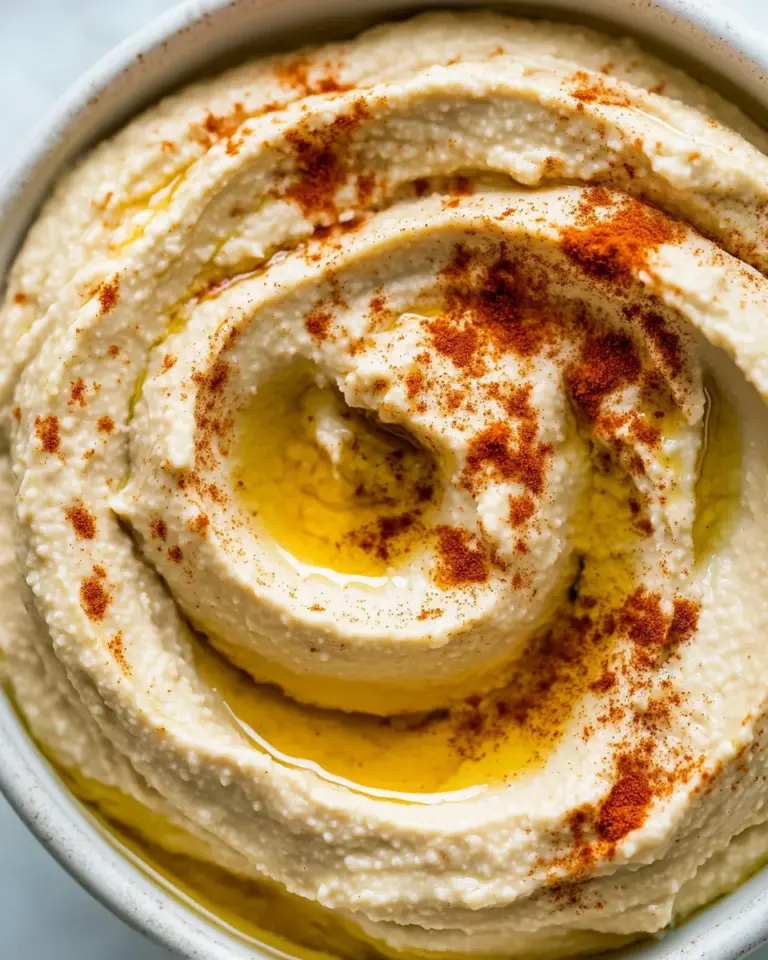
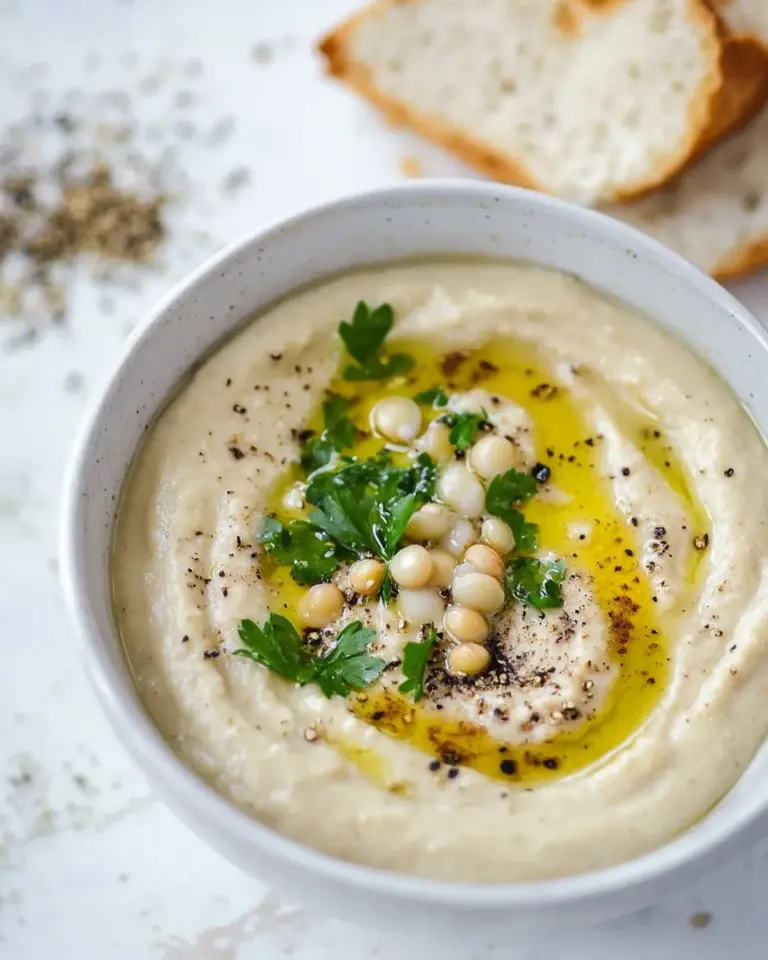
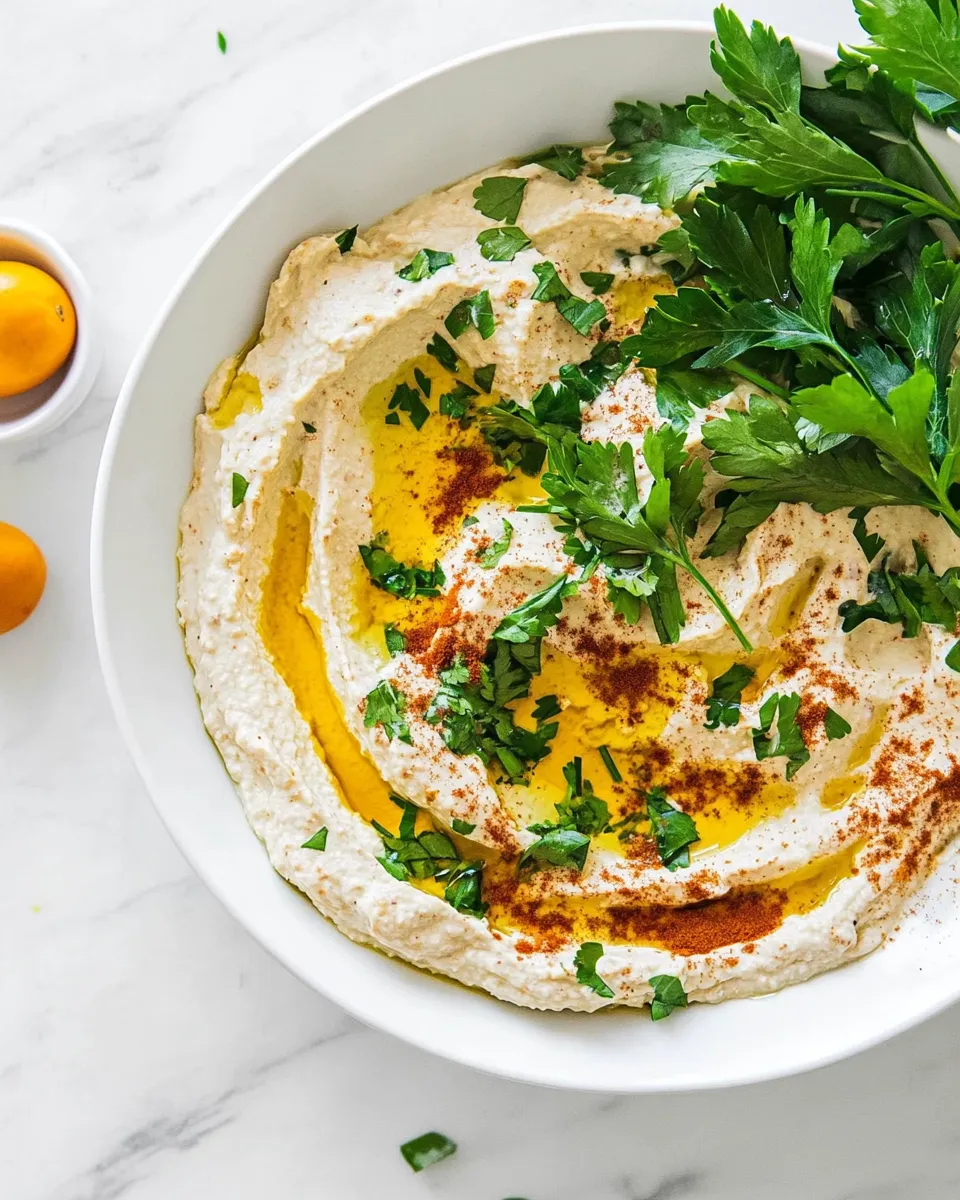
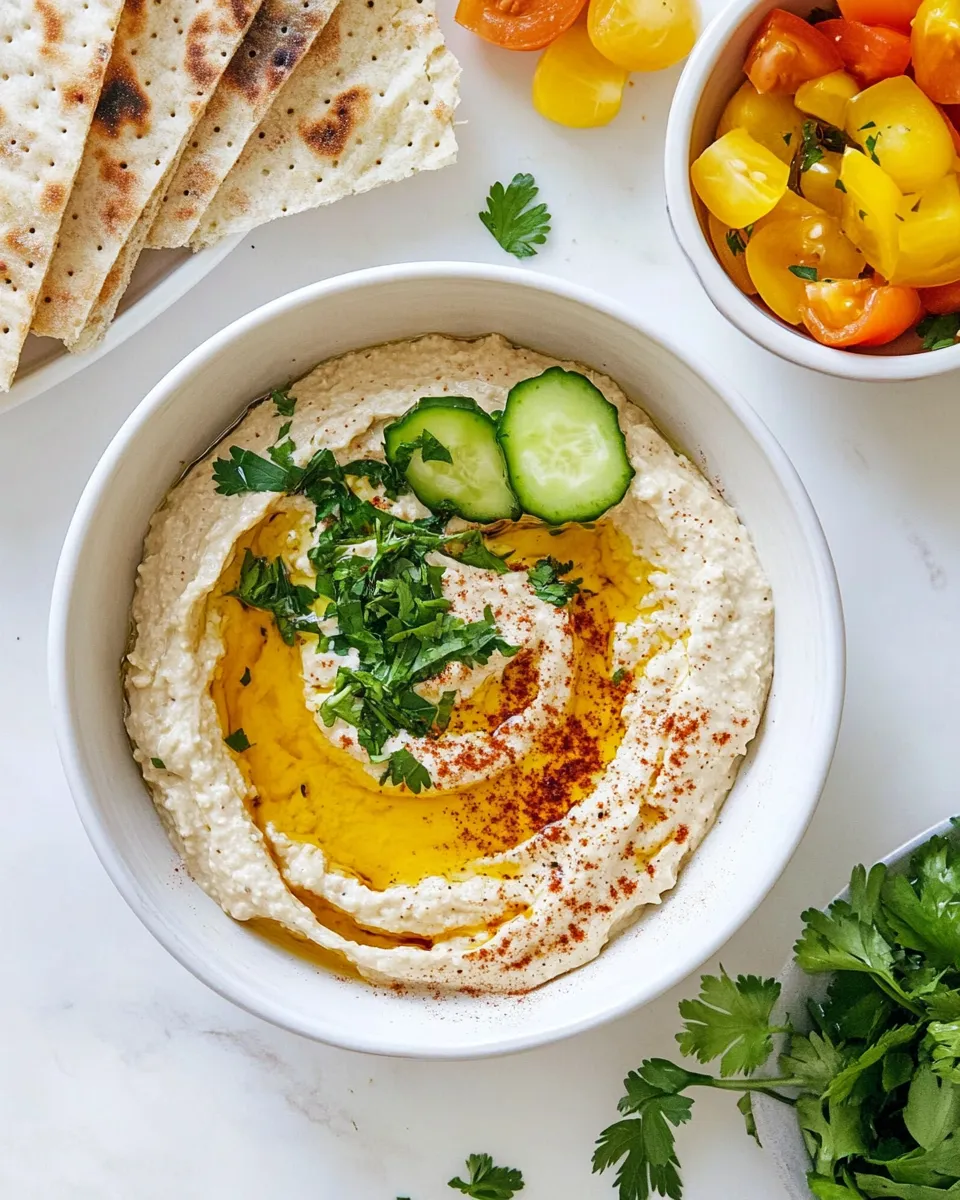
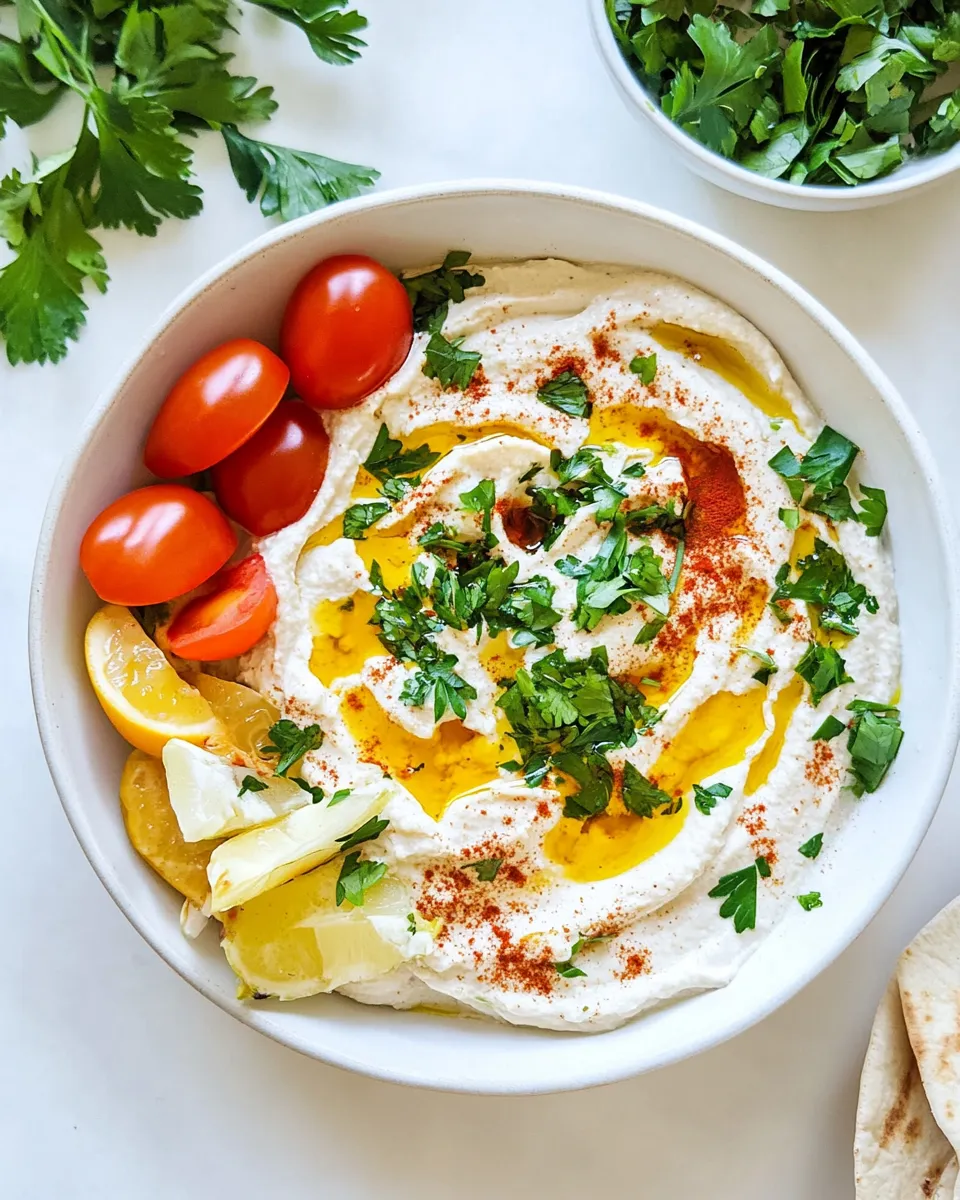
- Spoon the baba ganoush into a serving bowl and use the back of the spoon to create a shallow swirl on the surface. Drizzle with 1 teaspoon extra virgin olive oil, sprinkle with paprika to taste, and garnish with minced fresh mint, parsley, or cilantro.
Why Baba Ganoush is Worth Your Time
This dip delivers big flavor for very little fuss. Roasting the eggplant at high heat creates a deep, slightly caramelized vegetable base with a faintly smoky note. That flavor, combined with tahini and lemon, becomes complex and layered without complicated steps.
It’s also versatile. Serve it as part of a mezze spread, use it instead of mayo on sandwiches, or spoon it over grilled fish or roasted vegetables. It stores well, travels, and improves after a day in the fridge as the flavors mingle. For a home cook, it’s a reliable go-to for feeding a crowd or making weekday lunches feel thoughtful.
Swap Guide
- Tahini swaps — if you’re out, a mild sesame paste or a small amount of plain yogurt can add creaminess, though flavor will change. Start with small amounts and taste as you go.
- Acidity options — lemon is bright and fresh; a splash of red wine vinegar can work in a pinch but use less and adjust to taste.
- Garlic variations — raw pressed garlic is sharp. If you want a gentler garlic note, roast a clove with the eggplants and add that in place of one raw clove.
- Smokiness — you can intensify smoke by briefly charring the eggplants on a gas burner before roasting. Turn them until the skin blackens unevenly, then finish in the oven.
- Garnish choices — paprika adds color and a touch of sweetness. Use smoked paprika if you want a stronger smoky finish, or finely chopped herbs for freshness.
Gear Up: What to Grab
- Baking sheet and foil — foil catches the drips and makes cleanup faster.
- Sharp knife — for poking and halving the eggplants safely.
- Spoon — for scooping the flesh; a sturdy metal spoon works best.
- Blender jar or food processor — either will give you a smooth texture; use the processor for a bit more rustic body.
- Citrus reamer or juicer — gets the most juice from the lemon and avoids seeds.
- Small serving bowl and spoon — for the final swirl and drizzle presentation.
Slip-Ups to Skip
- Skipping the holes — failing to poke the eggplant can lead to burst skins and a mess in the oven. Don’t skip this small step.
- Undercooking — if the flesh isn’t very soft, the texture will be fibrous and watery. Roast until the eggplant collapses when pressed.
- Over-blending — blitzing for too long warms the dip and can thin it. Pulse to reach a smooth but cool texture.
- Adding too much lemon or salt at once — acid and salt concentrate as the flavors meld. Add moderate amounts and adjust after tasting.
- Removing all seeds aggressively — you should discard large, bitter seeds, but excessive fussing may waste silky flesh. Scoop gently and remove only the noticeable large seeds.
Better-for-You Options
Baba ganoush is already a relatively healthy choice: it’s vegetable-forward and low in saturated fat. Small switches can make it lighter or more nutrient-dense.
- Reduce oil — the recipe finishes with 1 teaspoon of olive oil. You can skip the drizzle entirely and add a bit of extra lemon to maintain brightness.
- Lower sodium — use a smaller amount of kosher salt initially, then adjust after chilling; flavors often mellow during refrigeration.
- Boost fiber — serve with raw veg sticks instead of pita to increase fiber and lower calories per bite.
Testing Timeline
Follow this timeline to keep the process smooth and predictable.
- Preheat and prep — 5 minutes to preheat the oven and poke holes in the eggplants.
- Roast — about 30 minutes; turn once halfway so both sides blister evenly.
- Cool — 10–15 minutes until the eggplants are easy to handle. Cooling also lets the flesh firm slightly, which helps when scooping.
- Assemble and blend — 5–7 minutes to scoop, combine, and process.
- Final seasoning and plating — 2–3 minutes. Taste, adjust salt, spoon into a bowl, and finish with oil, paprika, and herbs.
Storing, Freezing & Reheating
Store baba ganoush in an airtight container in the refrigerator. It keeps well for 3–4 days; flavors deepen over time. If separation occurs (the oil rising or liquids pooling), stir gently before serving.
Freezing is possible but not ideal for texture. If you must freeze, transfer to a freezer-safe container and leave a small headspace. Freeze for up to 2 months. Thaw in the fridge overnight, then stir and adjust seasoning—acid and salt may need a quick tweak. Avoid microwaving; instead, bring to room temperature or warm gently in a small saucepan over low heat, stirring often to prevent scorching.
Baba Ganoush Q&A
Q: Why did my baba ganoush turn out watery?
A: Undercooked eggplant often releases excess water. Make sure the flesh is very soft and roasted through. Also, pulse to blend—over-processing can break down structure and thin the dip.
Q: How do I get a smoky flavor without a grill?
A: Roast at high heat until the skin blisters and flesh collapses. For extra smoke, char the whole eggplants briefly over a gas flame before finishing in the oven.
Q: Can I use jarred roasted eggplant?
A: You can, but jarred eggplant often contains extra oil and brine and may alter the texture and salt level. Taste first and reduce added salt and oil accordingly.
Q: Is tahini necessary?
A: Tahini gives the dip its signature nuttiness and creaminess. If you omit it, expect a different texture and flavor—consider a small neutral yogurt or a seed butter as a last resort, and adjust quantities carefully.
Serve & Enjoy
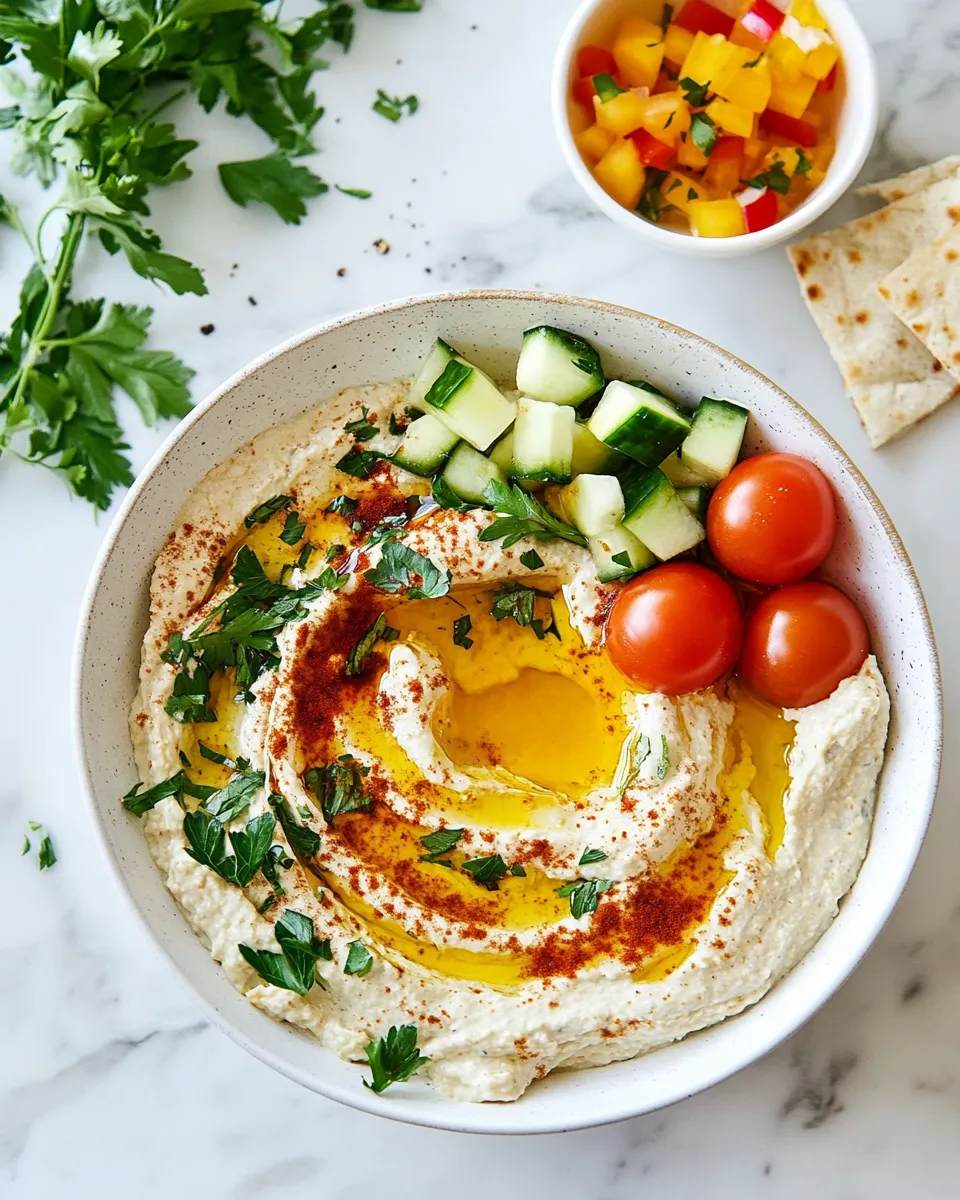
Spoon baba ganoush into a shallow bowl and create that signature swirl. Drizzle with the reserved teaspoon of extra virgin olive oil, dust with paprika, and scatter minced herbs across the top. Serve with warm pita, flatbread, or a crisp assortment of vegetables.
It’s also excellent spread on toast with sliced cucumber and a pinch of flaky salt for a quick lunch. Keep a container in the fridge for simple snacks or as a flavorful component in wraps and grain bowls. Once you start making it this way, it becomes a staple—easy to scale and simple to adapt.
Baba Ganoush
Ingredients
Equipment
Method
- Preheat the oven to 450°F. Use a sharp knife to poke several holes in each eggplant skin so they don't burst while roasting.
- Line a baking sheet with foil and place the 2 medium eggplants on it. Roast about 30 minutes, turning once halfway through, until the skin is blistered and the flesh is very soft.
- Remove the baking sheet from the oven and let the eggplants cool until they are easy to handle.
- Cut each eggplant in half and peel away and discard the skin. Use a spoon to scoop out the flesh and gently remove and discard any large seeds. Transfer the flesh to a blender jar or food processor.
- Add 3 tablespoons tahini, 2 cloves pressed garlic, the juice of 1 lemon, and 1 teaspoon kosher salt to the eggplant in the blender. Process until smooth.
- Taste and adjust seasoning only with more kosher salt if needed.
- Spoon the baba ganoush into a serving bowl and use the back of the spoon to create a shallow swirl on the surface. Drizzle with 1 teaspoon extra virgin olive oil, sprinkle with paprika to taste, and garnish with minced fresh mint, parsley, or cilantro.