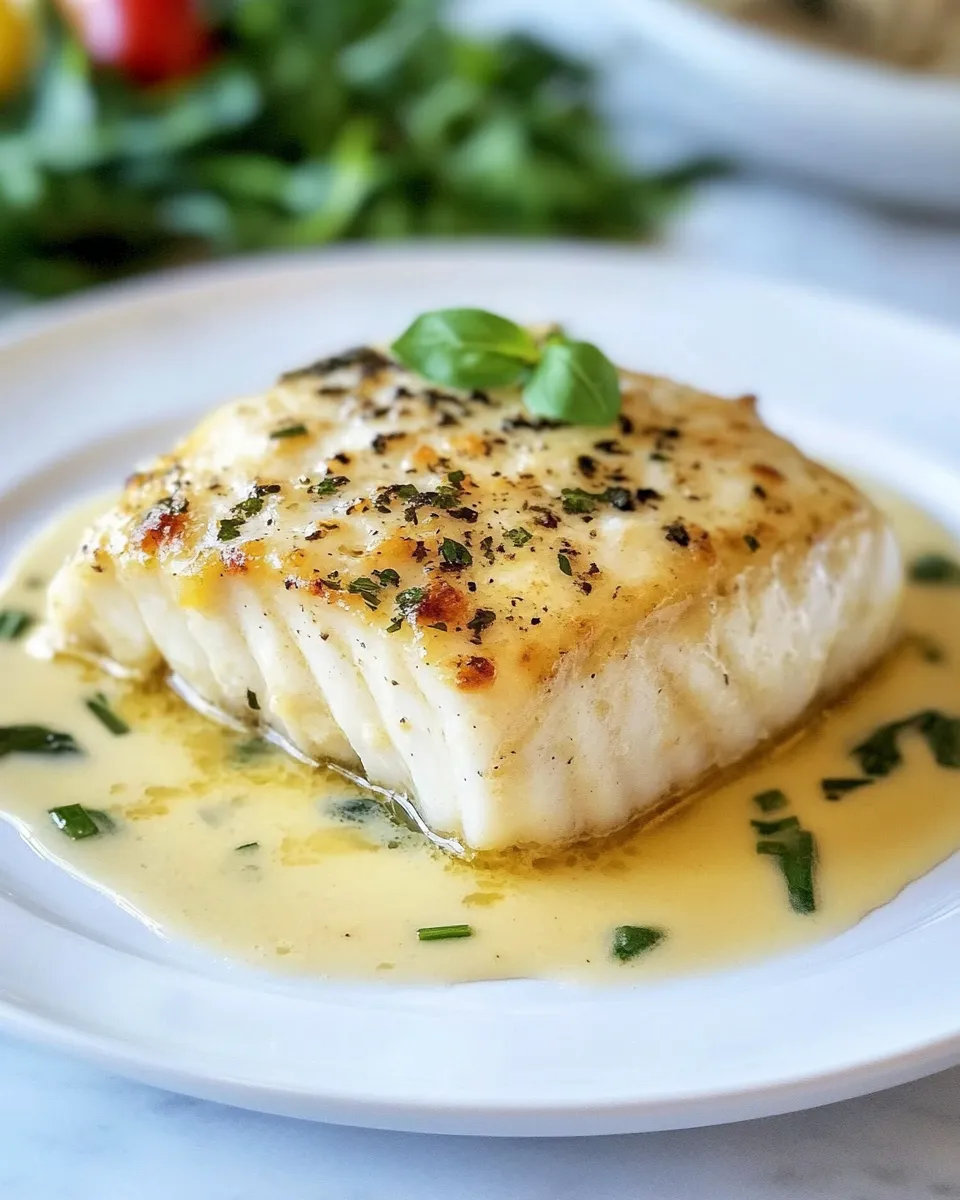
Baked Chilean Sea Bass
I fell in love with this dish the first time I tasted that buttery, almost velvet-like flesh paired with a bright hit of lemon and a silky beurre blanc. It feels elegant without demanding a Michelin kitchen; it’s the sort of recipe you can make on a weeknight and still feel proud to have served. The technique is straightforward and the payoff is big.
This post is practical: clear steps, the exact ingredients used, and the fix-it advice I wish someone had told me the first time I tried baking delicate fish. I’ll also include texture-safe options, seasonal serving ideas, and storage tips so you can enjoy this again without guessing.
Keep the beurre blanc on hand or buy a high-quality prepared one if you prefer. It’s the finishing note here — simple but decisive. Ready? Let’s get the oven on and walk through this together.
What Goes In
Ingredients
- 2 chilean sea bass fillets, skin on or off, thawed if frozen — the star of the dish; choose even-sized fillets for consistent cooking.
- 1/2 teaspoon salt and pepper — enough to season both sides; adjust to taste.
- 1 teaspoon olive oil — to coat the bottom of the baking dish and prevent sticking.
- 2 garlic cloves, thinly sliced — add aromatic depth; slice thin so they cook through.
- 4 lemon slices — sit under the fish to add brightness and keep the fillets moist.
- 2 tablespoons fresh oregano or any herb — fresh oregano gives a Mediterranean lift; parsley, thyme, or tarragon work too.
- 2 teaspoons butter, unsalted is best — dotted on each fillet to baste as it bakes.
- 1/4 cup beurre blanc sauce — finished sauce to pour over the hot fillets; it’s rich and tangy.
Method: Baked Chilean Sea Bass
- Preheat the oven to 425°F (220°C).
- Ensure the 2 Chilean sea bass fillets are thawed if frozen, then pat them dry with paper towels.
- Season both sides of the fillets with the listed 1/2 teaspoon salt and pepper (or to taste).
- Pour the listed 1 teaspoon olive oil into a baking dish and spread it to coat the bottom.
- Arrange the 4 lemon slices in a single layer on the oiled bottom of the dish. Scatter the 2 garlic cloves (thinly sliced) and the 2 tablespoons fresh oregano (or the herb of your choice) over the lemon slices.
- Place the seasoned fillets on top of the lemon/herb/garlic layer (skin-side down if the fillets have skin).
- Place 1 teaspoon butter on top of each fillet (total 2 teaspoons).
- Bake in the preheated oven for about 20 minutes, until the fish is opaque and flakes easily with a fork. If using a thermometer, the internal temperature should read about 135–140°F.
- Remove the dish from the oven and immediately drizzle the listed 1/4 cup beurre blanc sauce over the hot fillets.
- Let the fish rest in the dish for 3 minutes, then transfer to plates and serve with any remaining beurre blanc sauce on the side.
Reasons to Love Baked Chilean Sea Bass
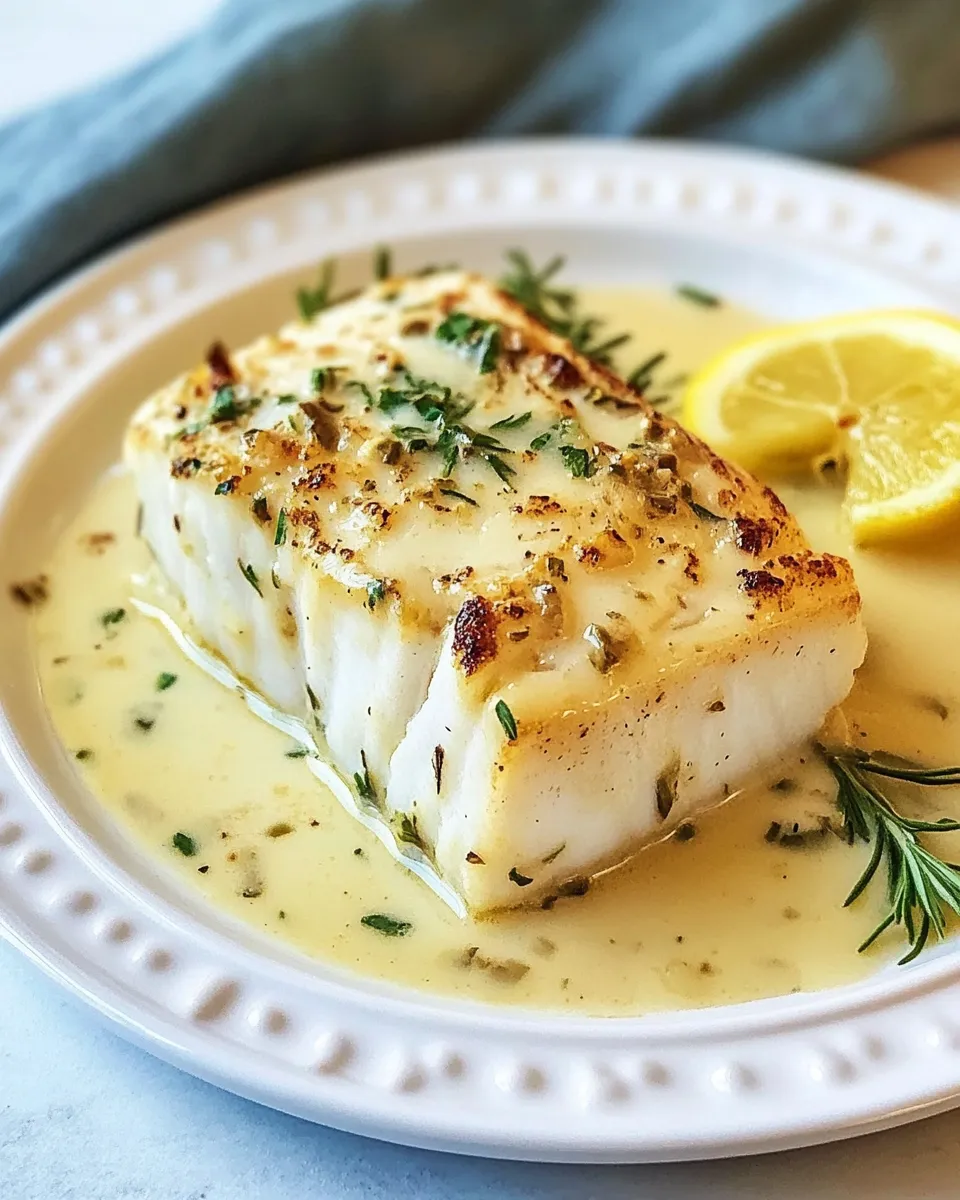
This recipe hits a few very satisfying points. The sea bass itself is rich and tender; it flakes without drying out when treated gently. Roasting on lemon slices and herbs keeps the fish moist and infuses subtle citrus and herbal notes without overpowering the delicate flavor.
Another reason: it’s fast. Active hands-on time is minimal — most of the work is simple prep and a short bake. The beurre blanc finishes it with a restaurant-level gloss: a creamy, slightly tangy sauce that elevates every bite but doesn’t compete with the fish.
Finally, the components are flexible. Swap herbs, change the citrus, or use pre-made beurre blanc for a quicker route. It’s a versatile template that delivers consistent luxury without drama.
Texture-Safe Substitutions
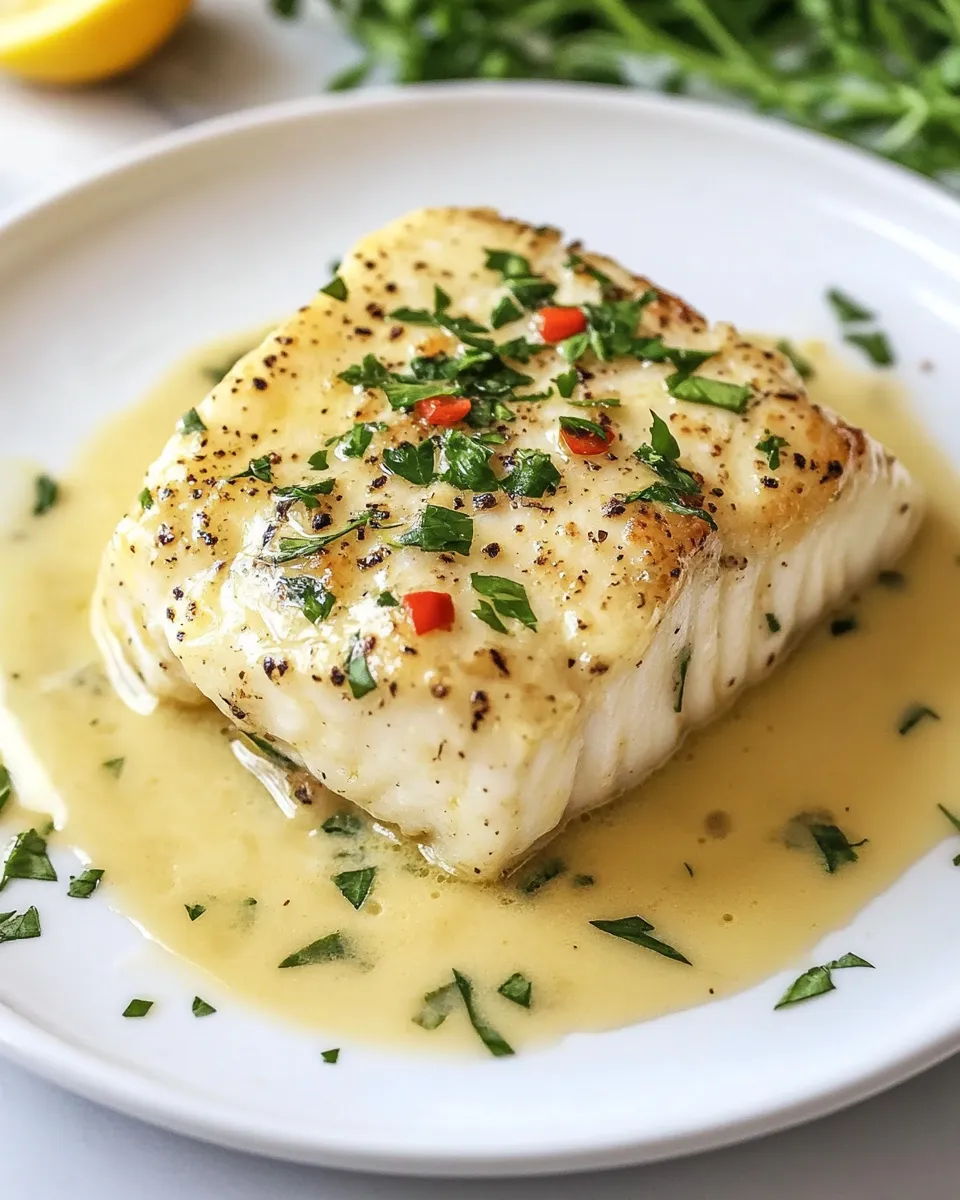
For those who prefer different textures
- If you find Chilean sea bass too rich, try a firm white fish such as halibut or cod for a flakier, lighter bite.
- If you prefer a denser mouthfeel, use a thicker, steak-like cut such as swordfish; bake times will vary—watch internal temperature.
- For a softer texture, steam the fillets instead of baking and finish with the beurre blanc; they’ll be even more tender but less roasted on the exterior.
- Swap beurre blanc for a light lemon butter or herb vinaigrette if you need a sauce with less emulsified richness—this reduces the creamy mouth-coating sensation.
Recommended Tools
- Oven with reliable temperature control — 425°F (220°C) matters here.
- Baking dish large enough to hold fillets in a single layer without crowding.
- Sharp chef’s knife for slicing garlic and trimming fillets if needed.
- Paper towels — for patting fillets completely dry.
- Instant-read thermometer — optional but ideal to hit 135–140°F without overcooking.
- Spoon or small ladle — for drizzling the beurre blanc evenly over hot fillets.
Missteps & Fixes
Common problem: overcooked, dry fish
Fix: Remove the fish from the oven as soon as it’s opaque and flakes easily; a thermometer reading of 135–140°F is your target. Carryover heat will finish the job during the 3-minute rest.
Problem: unevenly cooked fillets
Fix: Choose fillets of similar thickness. If one is noticeably thicker, tent a little foil over that side for a few minutes or place it on the cooler edge of the baking dish so both finish together.
Problem: bland result
Fix: Ensure you season both sides with the 1/2 teaspoon salt and pepper. The lemon slices and beurre blanc add bright finishing notes, so don’t skip either. Fresh herbs matter—dried will be muted.
Problem: garlic burns
Fix: Thin slices cook fast. Scatter them under the fish, as instructed, so they’re protected by the lemon slices and the fish’s juices. If you prefer, mince rather than thin-slice and scatter less—garlic flavor will still be present.
Spring–Summer–Fall–Winter Ideas
Spring
Serve with a light spring salad: young greens, shaved fennel, radish, and a lemon vinaigrette. Add a few steamed new potatoes tossed in olive oil and fresh herbs.
Summer
Brighten the plate with grilled asparagus, heirloom tomatoes, and a chilled cucumber-dill salad. The beurre blanc pairs beautifully with the sweetness of summer tomatoes.
Fall
Lean into root vegetables—roasted baby carrots, parsnips, and a butternut purée make a cozy bed. Finish with a sprinkle of fresh oregano or thyme.
Winter
Keep it warm and comforting: braised fennel or roasted Brussels sprouts with pancetta if you eat pork. A side of lemony mashed potatoes takes the edge off the richness.
Pro Perspective
In a professional kitchen we’d watch the fish like a hawk. The oven rack position matters: middle rack gives the most even heat. Use a light film of oil to prevent sticking, and trust residual heat after removing from the oven; the fish will continue to rise in temperature a few degrees.
Beurre blanc should be warm when applied, not boiling. If it sits cold, it will congeal on the surface rather than glide. If you must reheat beurre blanc, do so gently over very low heat while whisking to maintain emulsification. If it breaks, a few drops of cold water and vigorous whisking can sometimes bring it back.
For plating, spoon some beurre blanc onto the plate, lay the fillet on top, then finish with a small fresh herb garnish or microgreens. Keep the presentation simple—the fish is the show.
Storage Pro Tips
Leftover cooked sea bass keeps in the refrigerator for 2 days in an airtight container. Store the beurre blanc separately if possible to preserve texture. Reheat gently: a low oven (250–275°F) covered with foil for 8–12 minutes or a brief steam in a skillet with a splash of water to avoid drying.
Raw fillets should be used within 1–2 days of purchase or kept frozen. Thaw frozen fillets in the refrigerator overnight; do not thaw at room temperature. Pat dry before seasoning and baking—moisture is the enemy of a good sear or even roasting.
Common Questions
- Can I substitute the beurre blanc? — Yes. A lemon-butter sauce or light vinaigrette will work, but the flavor profile will shift from a creamy tang to something lighter. Serve the sauce on the side if unsure.
- What if my fillets are thicker or thinner? — Thicker fillets may need a few extra minutes; thinner ones less. Use the fork-flake test and aim for an internal temperature of about 135–140°F.
- Is Chilean sea bass sustainable? — Availability and sustainability vary. If you’re concerned, check current seafood guides and opt for a sustainable alternative like certified white fish.
- Can I braise instead of bake? — You can, but braising will produce a different texture. If you braise, reduce the beurre blanc or skip it, as the cooking liquid will already add richness.
In Closing
This Baked Chilean Sea Bass is a straightforward recipe that looks and tastes like a special occasion without demanding special skills. Follow the steps, respect the brief bake time, and let the beurre blanc do the finishing work. With a few simple sides and fresh herbs, you’ll have an elegant meal that’s reliably impressive.
Make it once exactly as written, then tweak herbs and sides to make it yours. Enjoy the buttery flakes and the bright citrus lift—this one becomes a go-to when you want an easy, beautiful dinner.
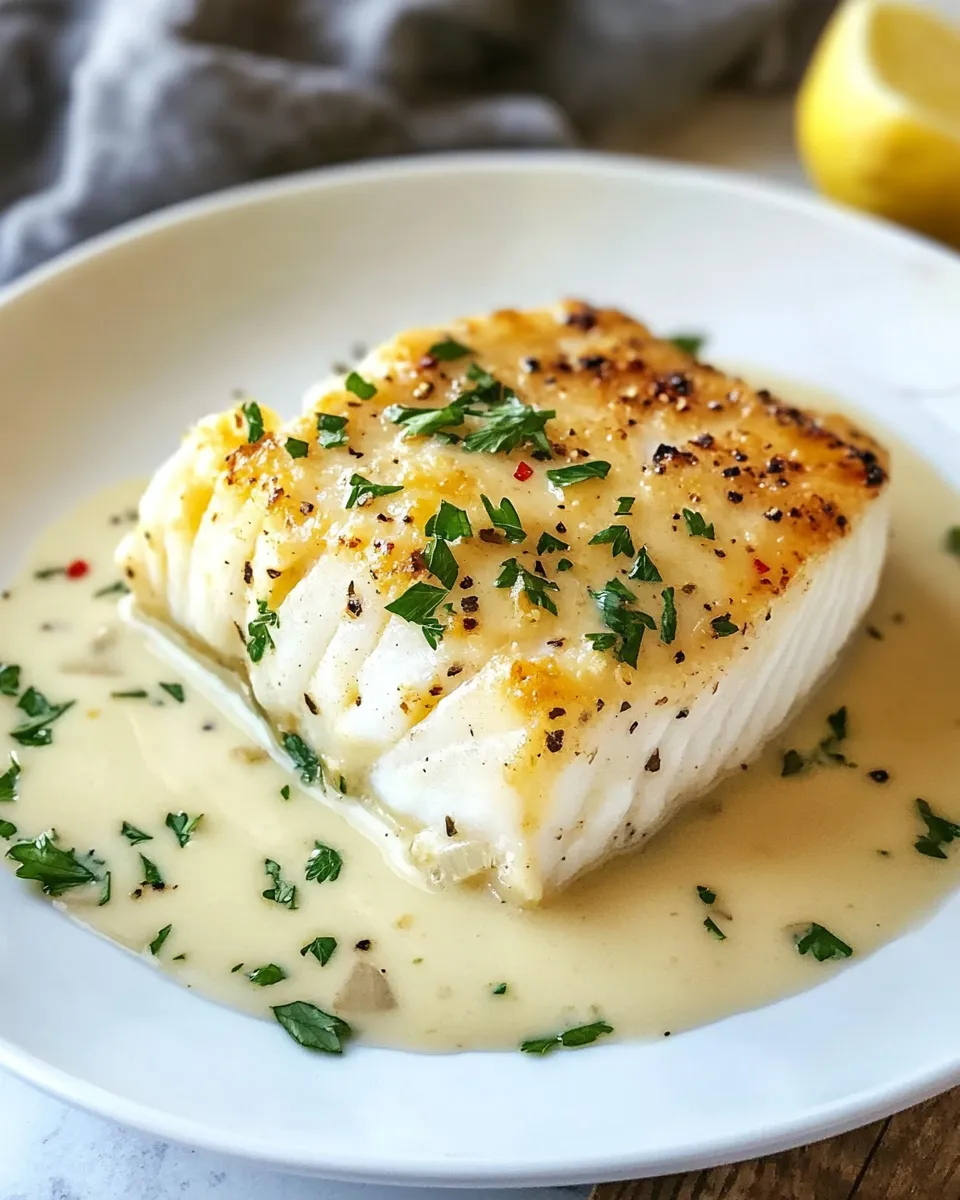
Baked Chilean Sea Bass
Ingredients
Equipment
Method
- Preheat the oven to 425°F (220°C).
- Ensure the 2 Chilean sea bass fillets are thawed if frozen, then pat them dry with paper towels.
- Season both sides of the fillets with the listed 1/2 teaspoon salt and pepper (or to taste).
- Pour the listed 1 teaspoon olive oil into a baking dish and spread it to coat the bottom.
- Arrange the 4 lemon slices in a single layer on the oiled bottom of the dish. Scatter the 2 garlic cloves (thinly sliced) and the 2 tablespoons fresh oregano (or the herb of your choice) over the lemon slices.
- Place the seasoned fillets on top of the lemon/herb/garlic layer (skin-side down if the fillets have skin).
- Place 1 teaspoon butter on top of each fillet (total 2 teaspoons).
- Bake in the preheated oven for about 20 minutes, until the fish is opaque and flakes easily with a fork. If using a thermometer, the internal temperature should read about 135–140°F.
- Remove the dish from the oven and immediately drizzle the listed 1/4 cup beurre blanc sauce over the hot fillets.
- Let the fish rest in the dish for 3 minutes, then transfer to plates and serve with any remaining beurre blanc sauce on the side.
Notes
Often other methods of baking chilean sea bass involve pan searing at first. Pan searing created a maillard reaction and rich flavor but we felt it was an unnecessary step.
You can cook chilean sea bass entirely stove top using thisChilean Sea Bass Recipe. Or broil it using thisMiso Sea Bassrecipe.
When baking the fish, make sure to layer the flavors at the baking dish, and finish off with a dab of butter on top. You don't need to add harsh flavoring here, just a mild flavor as the fish has a sweet buttery taste you don't want to dominate.
This recipe pairs well with so many sauces, especially buttery rich sauces.Lemon Garlic Butter Sauceor theCitrus Beurre Blancas we did here.
If the fillets are very thick, you can add an extra 10 minutes of baking time.
Make sure to drench the fish in the sauce as soon as it's out of the oven and still HOT. This maximizes absorption of the butter sauce into the fish.
If you are concerned about availability and sustainability of Chilean Sea bass, there are conflicting articles. A great substitute would beBlack Codalso known as Sablefish.i
Citrus Beurre Blanc
Miso glaze
Lemon Garlic Butter Sauce
Basil Pesto
Fish turned dry:Although unusual because the fish is high in fat, but you most likely over baked it.
Skin stuck to dish:Make sure to layer the lemon slices, herbs and garlic with a teaspoon of olive oil at the bottom of the dish. Also when the fish is out of the oven, let it sit for 3 minutes to rest in the pan before removing.
No brown crust:Make sure you pat dry the fish thoroughly, and you can finish off with 2 minutes of broiling if you want an extra golden crust.
A hot oven of 425°F if great. Depending on the thickness of the fish, you may need to bake them for 15-20 minutes. Use an instant thermometer if you're unsure, and aim for 130 degrees F.
Yes you can have a quick sear (skin side down first) to create color and flavor. However we don't feel it is necessary. You can still achieve great results by baking only.
This depends really on the thickness of the fish, but overall between 15-20 minutes.
Lemon Garlic Butter SauceandCitrus Beurre Blancare our favorites!
Yes! Out favorite is sablefish which is known asblack codfor its similar high fat content. You can also follow the BakedHalibutrecipe.
The flesh should be opaque and flake easily. To be safe, make sure to use an instant-read thermometer and remove at 130°F.