Baked Lemon Donuts with Lemon Glaze
Bright, tender donuts that bake in a pan — yes, please. These baked lemon donuts are exactly what I reach for when I want something sunny and quick without the fuss of frying. They come together with pantry staples, a pop of lemon, and a simple glaze that sets in minutes.
I like these because they’re forgiving. The batter is forgiving of gentle handling, the donut holes bake fast, and the glaze hides a multitude of small mistakes. They’re perfect for a casual brunch, a school bake sale, or a weekday treat. If you want the lemon flavor to sing, follow the notes about lemon extract and zest.
Below you’ll find a clear ingredients list, step-by-step instructions exactly as written, troubleshooting tips, sensible swaps, and storage notes so you can make these reliably every time.
Ingredient Checklist
Ingredients
- 1 large egg — provides structure and helps bind the batter.
- 3/4 cup granulated sugar — sweetens and helps with tender crumb.
- 6 ounces Greek yogurt — adds moisture and tang; I used 0% fat Fage (sour cream may be substituted).
- 1/4 cup canola or vegetable oil — keeps the donuts tender and moist.
- 1 tablespoon lemon zest — fresh brightness and lemon aroma.
- 1 tablespoon lemon extract — concentrated lemon flavor (measure 1 tablespoon — use lemon extract, not lemon juice or lemon oil).
- a few drops of yellow food coloring, optional — purely for a sunshiny color if desired.
- 1 1/4 cups all-purpose flour — provides structure; don’t overpack the measuring cup.
- 1/2 teaspoon baking powder — primary leavening lift.
- 1/2 teaspoon baking soda — reacts with yogurt for extra lift.
- 1/4 teaspoon salt — balances sweetness and enhances flavor.
- 1 cup confectioners’ sugar — base for the lemon glaze.
- 3 tablespoons lemon juice — thins the glaze and adds freshness; adjust as necessary for consistency.
Baked Lemon Donuts with Lemon Glaze — Do This Next
- Preheat oven to 350°F. Spray one 6-count nonstick donut pan and one mini muffin pan (for donut holes) with cooking spray or grease them; set pans aside.
- In a large bowl whisk together 1 large egg and 3/4 cup granulated sugar until combined. Add 6 ounces Greek yogurt, 1/4 cup canola or vegetable oil, 1 tablespoon lemon zest, 1 tablespoon lemon extract (measure 1 tablespoon — use lemon extract, not lemon juice or lemon oil), and a few drops of yellow food coloring if using. Whisk until the mixture is smooth.
- In a separate bowl combine 1 1/4 cups all-purpose flour, 1/2 teaspoon baking powder, 1/2 teaspoon baking soda, and 1/4 teaspoon salt. Add the dry ingredients to the wet ingredients and fold with a spatula or stir gently with a spoon until just combined. Do not overmix.
- Transfer batter to the prepared pans. Fill each donut cavity about 3/4 full. You can spoon batter directly into the pan or put batter into a large zip-top bag, seal, cut a corner, and pipe into the cavities. For the donut holes, use a 2-tablespoon cookie scoop and fill each scoop with about 1 heaping tablespoon of batter before releasing into the mini muffin pan.
- Bake at 350°F for about 13 to 16 minutes, or until the donuts and donut holes are set and springy to the touch. Donut holes may finish slightly sooner (they were done at 14 minutes in the original test). Ovens vary, so check for doneness.
- Remove pans from the oven and allow the donuts and donut holes to cool in the pans for about 5 minutes. Then remove them from the pans and let them cool further on a wire rack or plate while you make the glaze. They can be glazed warm or at room temperature.
- To make the glaze: put 1 cup confectioners’ sugar in a small bowl. Slowly drizzle in 3 tablespoons lemon juice while whisking until smooth and the glaze reaches your desired consistency. You may adjust slightly (a little more lemon juice for thinner glaze, or a bit more confectioners’ sugar for thicker glaze) as needed.
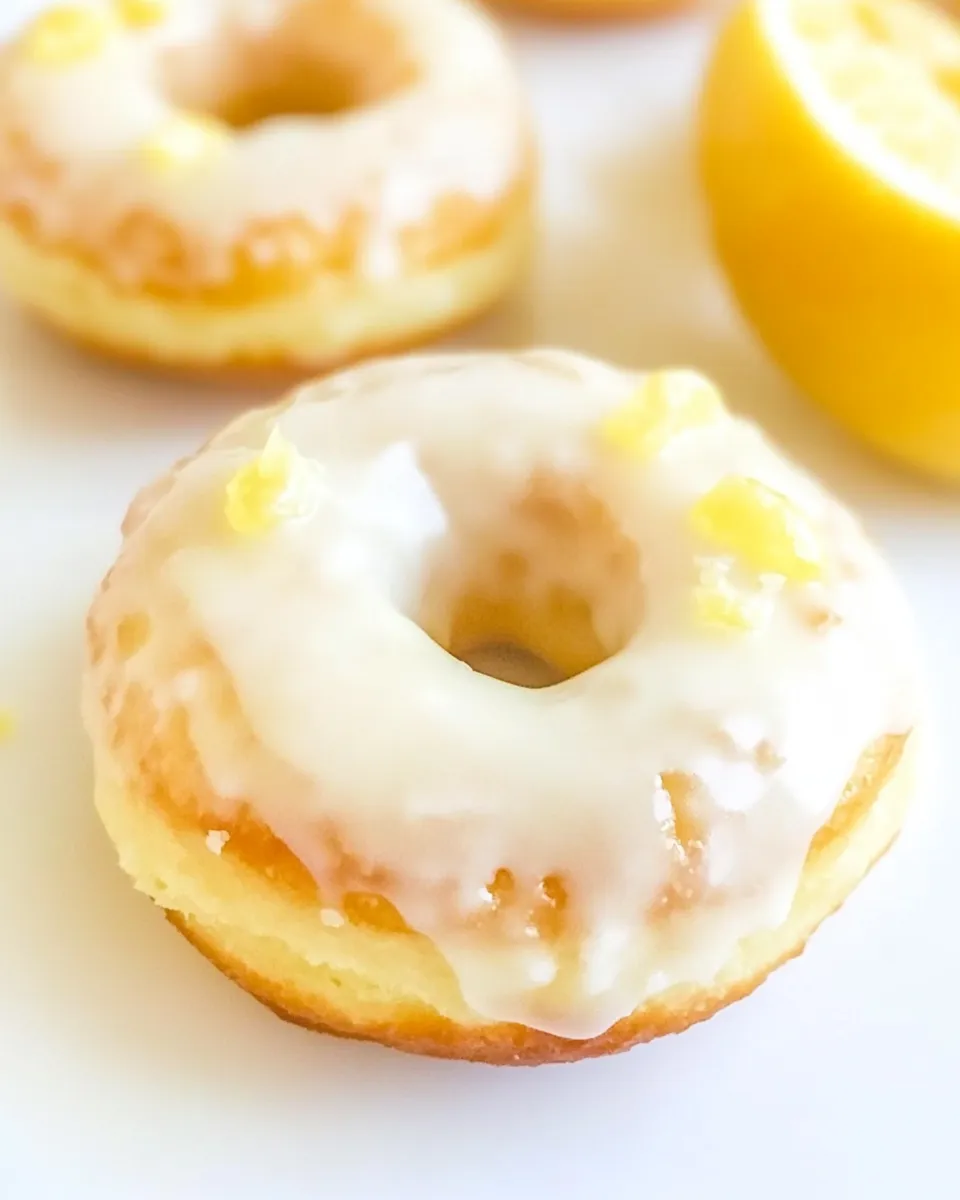
- Dip the top of each donut and donut hole into the glaze, letting excess drip back into the bowl. Place glazed donuts on a wire rack or plate and allow the glaze to set for a few minutes before serving.
Why This Recipe Works
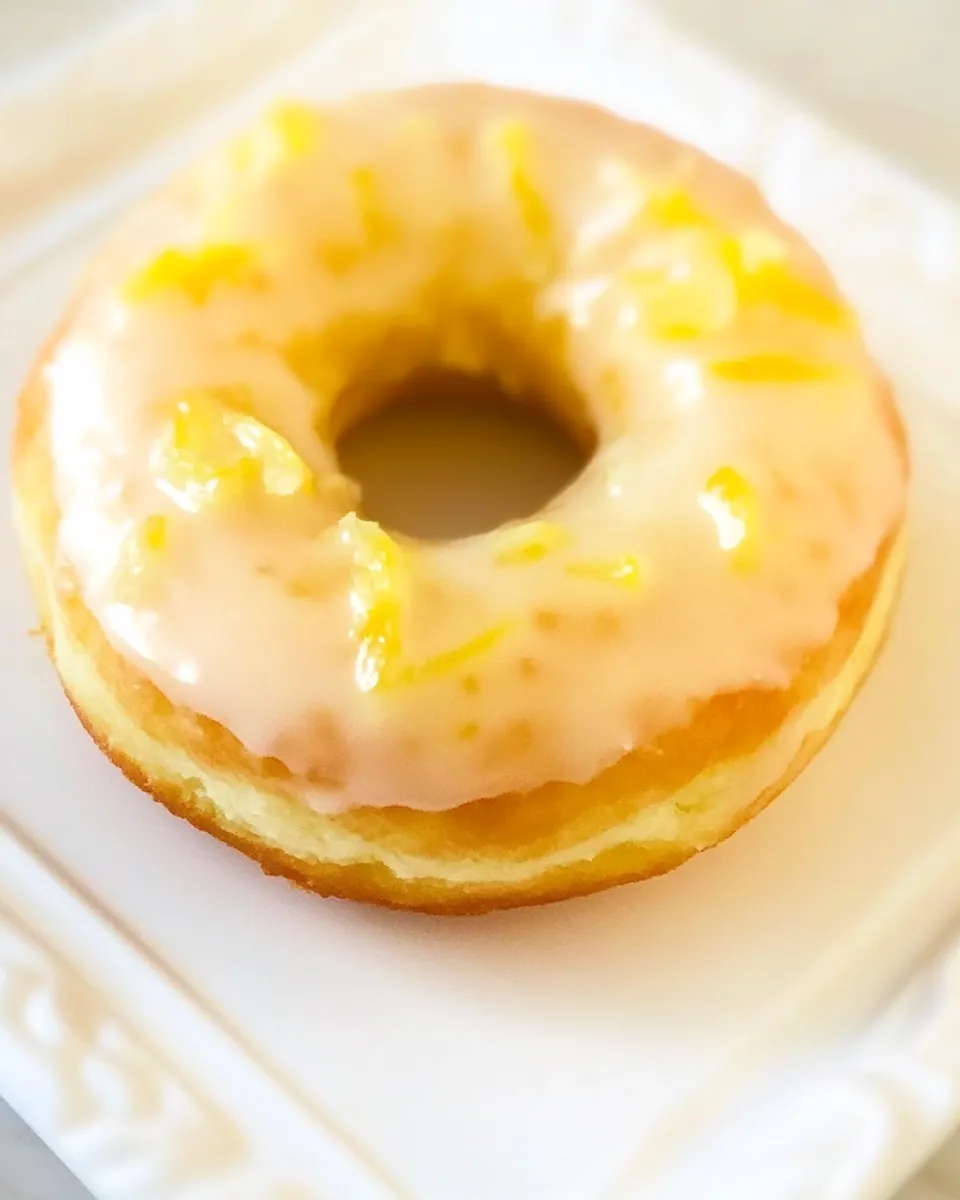
This recipe balances moisture, lift, and lemon flavor in a way that’s reliable in most home ovens. The Greek yogurt supplies acidity and moisture; that acidity reacts with the baking soda to help lift the donuts without needing a lot of fat. The oil keeps the crumb tender in a way butter sometimes doesn’t for baked donuts, because it remains liquid at room temperature.
The combination of baking powder and baking soda gives a steady, even rise. Baking powder provides a general lift and structure while the baking soda reacts immediately with the yogurt for a lighter texture. The instruction to mix the wet and dry ingredients until just combined preserves air in the batter; overmixing will develop gluten and yield dense donuts.
Lemon zest contributes volatile oils and aroma that you won’t get from juice alone, while the lemon extract supplies concentrated, consistent lemon flavor. The glaze uses confectioners’ sugar for smoothness and lemon juice for brightness; its thickness is easy to tweak so you can get either a thin sheen or a sticky topcoat.
Budget & Availability Swaps

- Use store-brand Greek yogurt to reduce cost — it behaves the same in the recipe. Sour cream is an acceptable swap for a slightly richer, tangier bite (as noted in the ingredient list).
- If lemon extract is hard to find, you can amplify the lemon zest by a bit and rely on the lemon juice in the glaze for acidity. Expect a milder lemon scent; extract delivers a concentrated punch.
- Skip the yellow food coloring. The donuts will still be pale and lovely; the color is strictly cosmetic.
- Canola or vegetable oil are interchangeable here; both are neutral and inexpensive. Olive oil will change the flavor profile, so use a very light one only if you like that savory note.
- Make the glaze with more or less lemon juice to suit your taste and budget — confectioners’ sugar and lemon juice are economical and pantry-friendly.
Gear Checklist
- 6-count nonstick donut pan
- Mini muffin pan for donut holes
- Mixing bowls (one large for wet, one for dry)
- Whisk and spatula
- 2-tablespoon cookie scoop or tablespoon measure for even donut holes
- Large zip-top bag (optional) or piping bag for neater filling
- Wire cooling rack and a small bowl for glaze
- Oven preheated to 350°F
Problems & Prevention
Dense donuts: The most common cause is overmixing once you add the dry ingredients. Fold until just combined; a few streaks are okay. Also, check your baking powder and baking soda dates — stale leaveners will give weak rise.
Donuts stick to the pan: Grease well and spray if your pan is older or the nonstick has worn. Let donuts cool 4–5 minutes in the pan before removing; flipping them too soon increases the risk of tearing.
Glaze too runny or too thick: Start with 3 tablespoons lemon juice for 1 cup confectioners’ sugar. If the glaze is too thin, add a bit more confectioners’ sugar a tablespoon at a time. If too thick, add a few drops of lemon juice. Always adjust gradually.
Bitter or artificial lemon flavor: If extract is used at the correct tablespoon measure, it should be bright. Avoid using lemon oil or adding excessive extract — it can taste harsh. Fresh lemon zest cuts through and makes the flavor fresher and cleaner.
Adaptations for Special Diets
Gluten-free
Use a 1-to-1 measure-for-measure gluten-free all-purpose flour blend designed to replace wheat flour cup-for-cup. The texture will be slightly different and may be a bit more crumbly; adding a teaspoon of xanthan gum can help if your blend doesn’t already include it.
Dairy-free
Replace the Greek yogurt with an equal amount of plain plant-based yogurt (soy or coconut-based). Expect slightly different tang and tenderness depending on the yogurt’s thickness; a thicker nondairy yogurt will mimic the original texture best.
Vegan notes
This recipe as written uses an egg and dairy yogurt. For a vegan version you’ll need an egg replacer and a plant-based yogurt. Those swaps will alter texture and likely require testing to get the rise and crumb you prefer; start by replacing the yogurt 1:1 with a thick nondairy yogurt and try a commercial egg replacer according to its package directions.
Author’s Commentary
I make these when I want a bright, uncomplicated dessert that doesn’t require watching oil or fiddly frying. The lemon extract makes a big difference — it gives a clean lemon punch without diluting the batter. If you’re nervous about the tablespoon measurement, trust it; it levels the flavor across the batch.
The donut holes are my personal favorite because they bake quickly and glaze beautifully. Kids tend to favor them, and they’re the easiest to pack for school lunches when cooled and wrapped.
Save for Later: Storage Tips
- Room temperature, unglazed: Store in an airtight container for up to 24 hours to preserve tenderness.
- Glazed: Keep glazed donuts in a single layer in an airtight container in the fridge for 2–3 days. The glaze will become slightly tacky but still tasty.
- Freezing: Freeze unglazed donuts or donut holes in a single layer on a sheet until firm, then transfer to a freezer bag for up to 1 month. Thaw at room temperature and glaze just before serving.
- Reheating: Warm gently in a 300°F oven for 3–5 minutes to refresh texture. Avoid microwaving for long periods; it makes them gummy.
Reader Questions
Q: Can I use lemon juice instead of the lemon extract in the batter?
A: The recipe specifies 1 tablespoon lemon extract in the batter because it gives concentrated, consistent flavor without adding liquid. You can increase lemon zest if you don’t have extract, but expect a subtly different profile. The glaze uses lemon juice as intended.
Q: Is sour cream a valid substitute for the Greek yogurt?
A: Yes. Sour cream was noted in the ingredient list as an acceptable substitute. It will add a touch more richness and tang.
Q: My donuts came out slightly flat. What happened?
A: Likely causes are overmixing, expired leaveners, or under-measuring flour (pack the measuring cup lightly and level). Also confirm your oven is at 350°F; an oven thermometer is a good investment.
Q: Can I double the recipe?
A: Yes, double everything and work with multiple pans or bake in batches. The timing may shift slightly if your oven is full, so start checking for doneness a minute or two earlier and go by springiness.
Ready to Cook?
Preheat that oven to 350°F, grease your pans, and gather the ingredients. Follow the steps above in order, and you’ll have bright, tender lemon donuts in about 20–30 minutes from start to finish. If you try this recipe, take a photo and savor that first glaze-coated bite — it’s worth it.
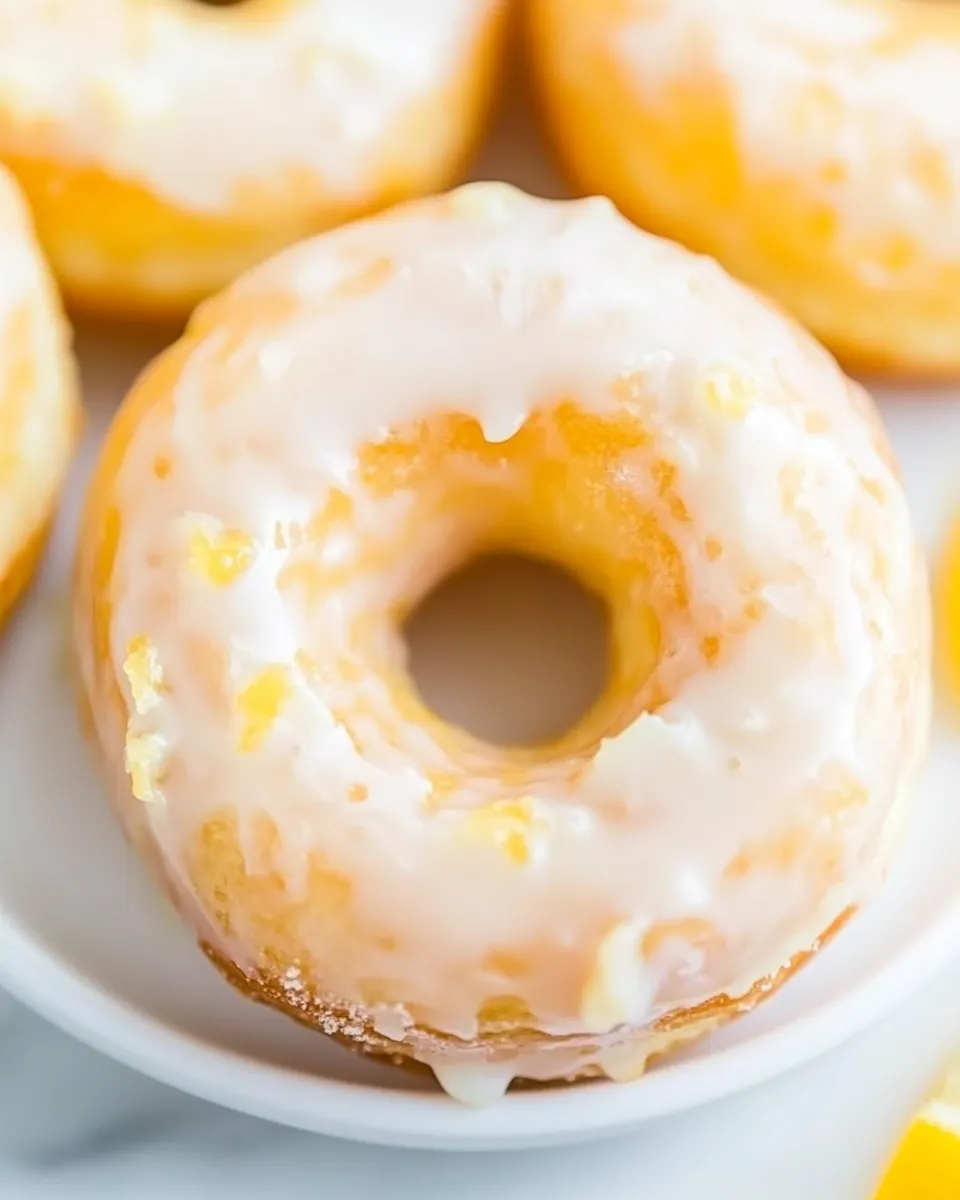
Baked Lemon Donuts with Lemon Glaze
Ingredients
Equipment
Method
- Preheat oven to 350°F. Spray one 6-count nonstick donut pan and one mini muffin pan (for donut holes) with cooking spray or grease them; set pans aside.
- In a large bowl whisk together 1 large egg and 3/4 cup granulated sugar until combined. Add 6 ounces Greek yogurt, 1/4 cup canola or vegetable oil, 1 tablespoon lemon zest, 1 tablespoon lemon extract (measure 1 tablespoon — use lemon extract, not lemon juice or lemon oil), and a few drops of yellow food coloring if using. Whisk until the mixture is smooth.
- In a separate bowl combine 1 1/4 cups all-purpose flour, 1/2 teaspoon baking powder, 1/2 teaspoon baking soda, and 1/4 teaspoon salt. Add the dry ingredients to the wet ingredients and fold with a spatula or stir gently with a spoon until just combined. Do not overmix.
- Transfer batter to the prepared pans. Fill each donut cavity about 3/4 full. You can spoon batter directly into the pan or put batter into a large zip-top bag, seal, cut a corner, and pipe into the cavities. For the donut holes, use a 2-tablespoon cookie scoop and fill each scoop with about 1 heaping tablespoon of batter before releasing into the mini muffin pan.
- Bake at 350°F for about 13 to 16 minutes, or until the donuts and donut holes are set and springy to the touch. Donut holes may finish slightly sooner (they were done at 14 minutes in the original test). Ovens vary, so check for doneness.
- Remove pans from the oven and allow the donuts and donut holes to cool in the pans for about 5 minutes. Then remove them from the pans and let them cool further on a wire rack or plate while you make the glaze. They can be glazed warm or at room temperature.
- To make the glaze: put 1 cup confectioners’ sugar in a small bowl. Slowly drizzle in 3 tablespoons lemon juice while whisking until smooth and the glaze reaches your desired consistency. You may adjust slightly (a little more lemon juice for thinner glaze, or a bit more confectioners’ sugar for thicker glaze) as needed.
- Dip the top of each donut and donut hole into the glaze, letting excess drip back into the bowl. Place glazed donuts on a wire rack or plate and allow the glaze to set for a few minutes before serving.
Notes
Pan note:
Alternatively, use the pans you have available including mini donuts, full-size muffins, etc. and adjusting baking times accordingly.
Lemon extract substitutes:
Do NOT use lemon oil and lemon extract interchangeably because they’re not the same; oil is much more potent and intense. Don’t use lemon juice in place of lemon extract because it’s not flavorful enough and the acidity will alter the overall results.
Storage:
Donuts and donut holes are best warm and fresh but will keep airtight at room temp for up to 4 days.
Adapted from
The Best Lemon Loaf (Better-Than-Starbucks Copycat)
and
Banana Bread Donuts.