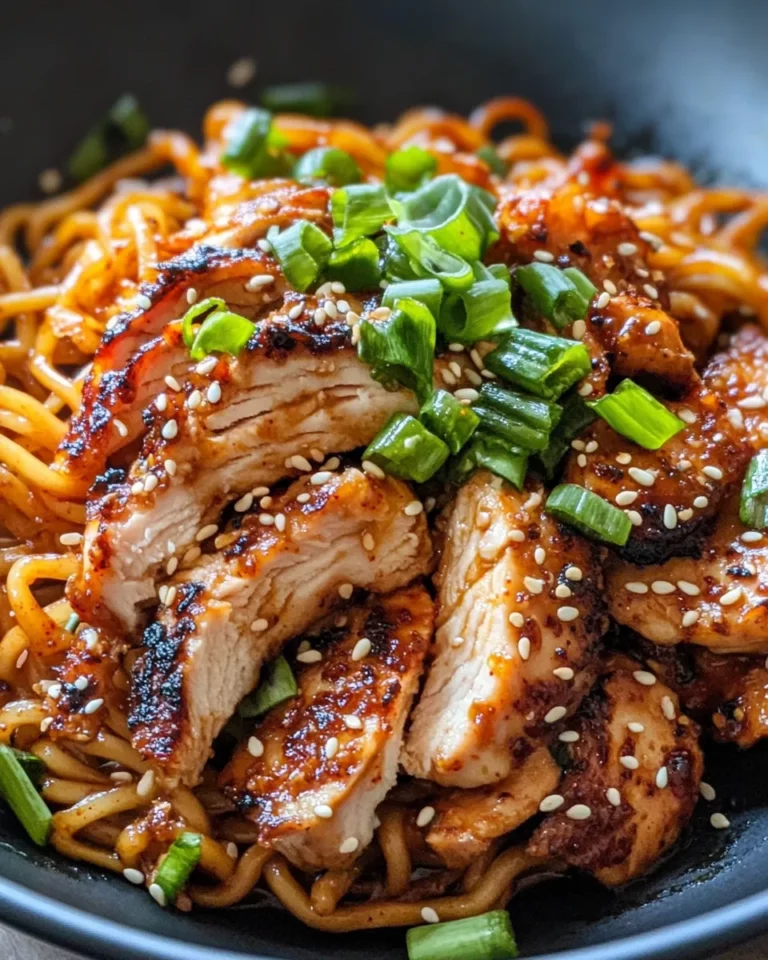
Balsamic Glazed Chicken Tenders
These chicken tenders are the kind of weeknight dish I turn to when I want flavor without drama. Sweet balsamic and honey combine with a little heat from cayenne and red pepper flakes to create a glossy glaze that clings to each strip of chicken. It feels special, but it’s genuinely quick and forgiving.
I like that this recipe asks for just a short marinade and a single pan to finish the dish. The glaze reduces right in the skillet, so you get concentrated flavor and a lightly sticky finish without a separate sauce step. There’s room to tweak the heat or the shine, and I’ll walk you through the small moves that make it consistently good.
Read on for a clear ingredients list, step-by-step instructions taken exactly from the recipe, troubleshooting tips, and ways to keep texture and flavor where they belong. If you want something that looks composed but behaves like a true household favorite, this one’s for you.
Ingredients
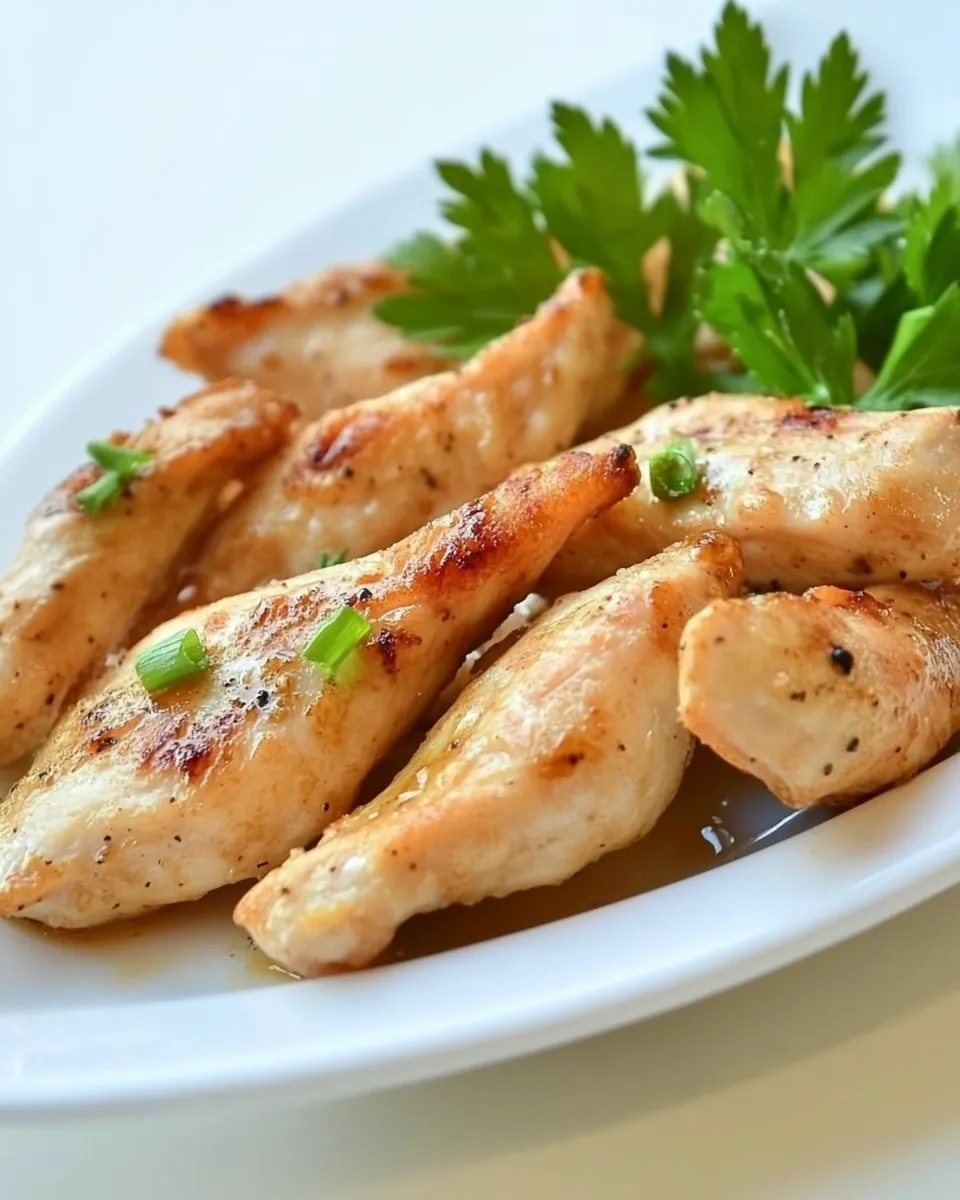
- 3 boneless and skinless chicken breasts cut into 1 inch strips — the main ingredient; cutting into 1‑inch strips speeds cooking and creates pieces that pick up the glaze evenly.
- 1/4 cup balsamic vinegar — provides acidity and depth; reduces into the signature tangy glaze.
- 1/4 cup honey — balances the vinegar with sweetness and helps the glaze caramelize.
- 1/4 teaspoon cayenne pepper — adds focused heat; a little goes a long way here.
- 1/4 teaspoon red pepper flakes — contributes texture and flecks of spiciness through the glaze.
- 1/2 teaspoon garlic powder — gives savory backbone without extra prep.
- 1/2 teaspoon onion powder — rounds the savory profile and deepens flavor.
- 1/2 teaspoon black pepper — brightens the glaze and seasons the chicken.
The Essentials
Yield and timing are straightforward here: plan on about 1 hour of marinating time and roughly 10–15 minutes of active cooking. That brief marinade is enough for the strips to pick up flavor without needing an overnight wait. A single large skillet is all you need to go from fridge to plate.
Texture is the deal-breaker with glazed chicken: you want tender meat with a glossy, slightly sticky surface. The technique is simple—coat, rest, cook in a single layer as much as possible, and let the marinade reduce. If you follow the order of steps in the recipe, you’ll get a nice balance between caramelization and juiciness.
How to Prepare Balsamic Glazed Chicken Tenders
- In a large mixing bowl, whisk together 1/4 cup balsamic vinegar, 1/4 cup honey, 1/4 teaspoon cayenne pepper, 1/4 teaspoon red pepper flakes, 1/2 teaspoon garlic powder, 1/2 teaspoon onion powder, and 1/2 teaspoon black pepper until smooth.
- Add the 3 boneless and skinless chicken breasts cut into 1‑inch strips to the bowl and toss to coat evenly with the marinade. Cover and refrigerate for 1 hour.
- When ready to cook, heat a large skillet over medium heat. Add the chicken strips and all of the marinade to the skillet, arranging the strips in a single layer as much as possible.
- Cook, turning or stirring occasionally so the chicken browns evenly and the marinade reduces into a glaze. Continue until chicken is cooked through and no pink remains in the center, about 10–15 minutes (or until an instant‑read thermometer reads 165°F/74°C). Reduce heat if the glaze starts to burn.
- Remove from heat and let the chicken rest for 2–3 minutes so the glaze thickens slightly. Serve warm. Optional: mix some of the honey and balsamic vinegar from the ingredients to make a dipping sauce to taste.
Why Balsamic Glazed Chicken Tenders is Worth Your Time
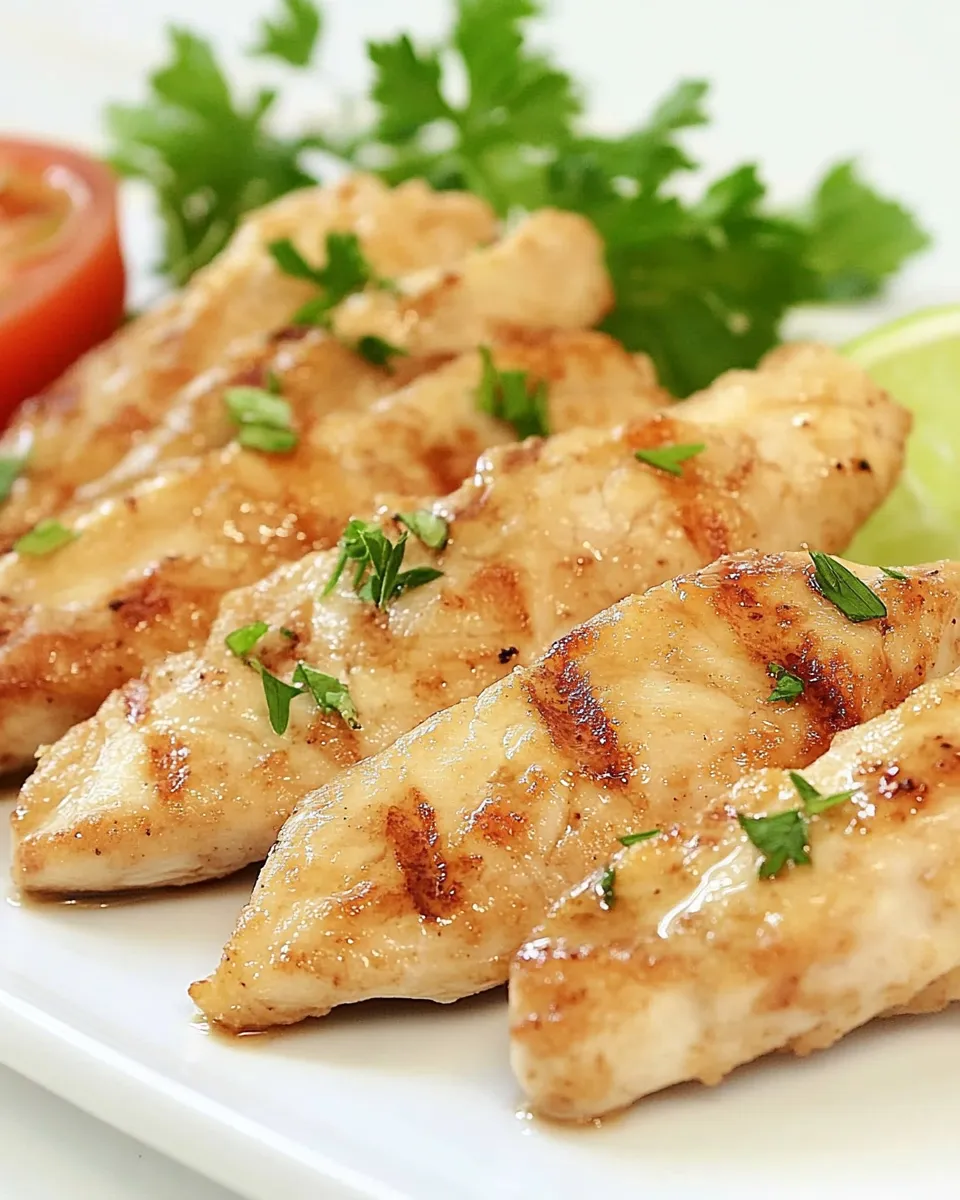
This recipe delivers big flavor with minimal fuss. The balsamic brings a rich, slightly sweet acidity that honey amplifies into a glossy finish. That interplay gives the chicken a restaurant-quality shine and flavor without a complex sauce or extra pans.
It’s also forgiving. The chicken strips cook quickly, and the glaze helps mask small timing errors. If you’re a home cook with limited time, this recipe gives you a composed weeknight meal that still feels intentional. The short ingredient list and single-pan finish keep cleanup easy—another practical win.
Texture-Safe Substitutions
Focus substitutions on preserving texture rather than changing flavor components. Because this method relies on quick, high-heat cooking and glaze reduction, choose options that behave similarly in a hot skillet.
Protein adjustments
If you need different shapes or sizes, keep them thin. Thinner strips cook faster and get more glaze contact; thicker pieces take longer and risk drying. If you prefer larger pieces, increase cooking time gradually and monitor with an instant-read thermometer so the interior reaches 165°F/74°C without overcooking the exterior.
Sugar and glaze considerations
The honey in the recipe helps with browning and shine. If you reduce the amount for sweetness reasons, expect the glaze to be less glossy and to reduce less readily. To maintain texture when cutting back on honey, allow extra reduction time in the pan so the glaze concentrates and clings to the chicken.
Must-Have Equipment
Keep equipment minimal but practical. You’ll need a large mixing bowl for the marinade and a large skillet to cook the strips in a single-ish layer. A sturdy spatula or tongs helps you turn pieces without tearing the crusting glaze. An instant-read thermometer is the single best tool for reliable doneness—165°F/74°C is the target.
If you have a splatter screen, it’s useful since the sugars in the marinade can sputter when they hit the hot oil or pan. But it’s not essential if you’re comfortable managing heat and stirring occasionally.
Problems & Prevention
Glaze burning: the biggest risk is the glaze burning before the interior is cooked. Prevent this by keeping heat at medium and reducing it if you see smoke or darkening that happens too fast. The directions even remind you to reduce the heat if the glaze starts to burn—take that seriously.
Undercooked centers: cutting into strips speeds cooking, but thick pieces can still be underdone. If you’re unsure, use an instant-read thermometer to confirm 165°F/74°C. Alternatively, start with slightly larger strips and finish the pan in a lower oven for a couple of minutes if needed.
Too-thin glaze: if your glaze stays watery, give it more time in the pan after the chicken is done, off heat or at reduced heat, so it can concentrate. Letting the chicken rest 2–3 minutes as the recipe specifies also helps the glaze thicken and adhere.
Seasonal Flavor Boosts
Seasonality can guide small, safe adjustments that won’t break the texture. In cooler months, serving the tenders with a warm grain or roasted vegetables feels cozy; in warmer months, a simple green salad or light slaw complements the richness. Use the recipe’s honey-and-balsamic dipping suggestion to brighten each bite—mix to taste for a quick, seasonal tweak.
When citrus is in season and you want brightness, a squeeze of fresh lemon or a small splash of orange juice into the reserved dipping sauce (not the main glaze) can lift the flavors without changing cooking behavior. Add it sparingly so the glaze chemistry doesn’t shift dramatically.
Author’s Commentary
I find this recipe hits the balance I look for on a busy evening: straightforward technique, pantry-forward ingredients, and a reliable finish that looks like you put in more time than you did. I usually halve the recipe when I’m cooking for one, but keeping the ratios and steps unchanged makes it scalable.
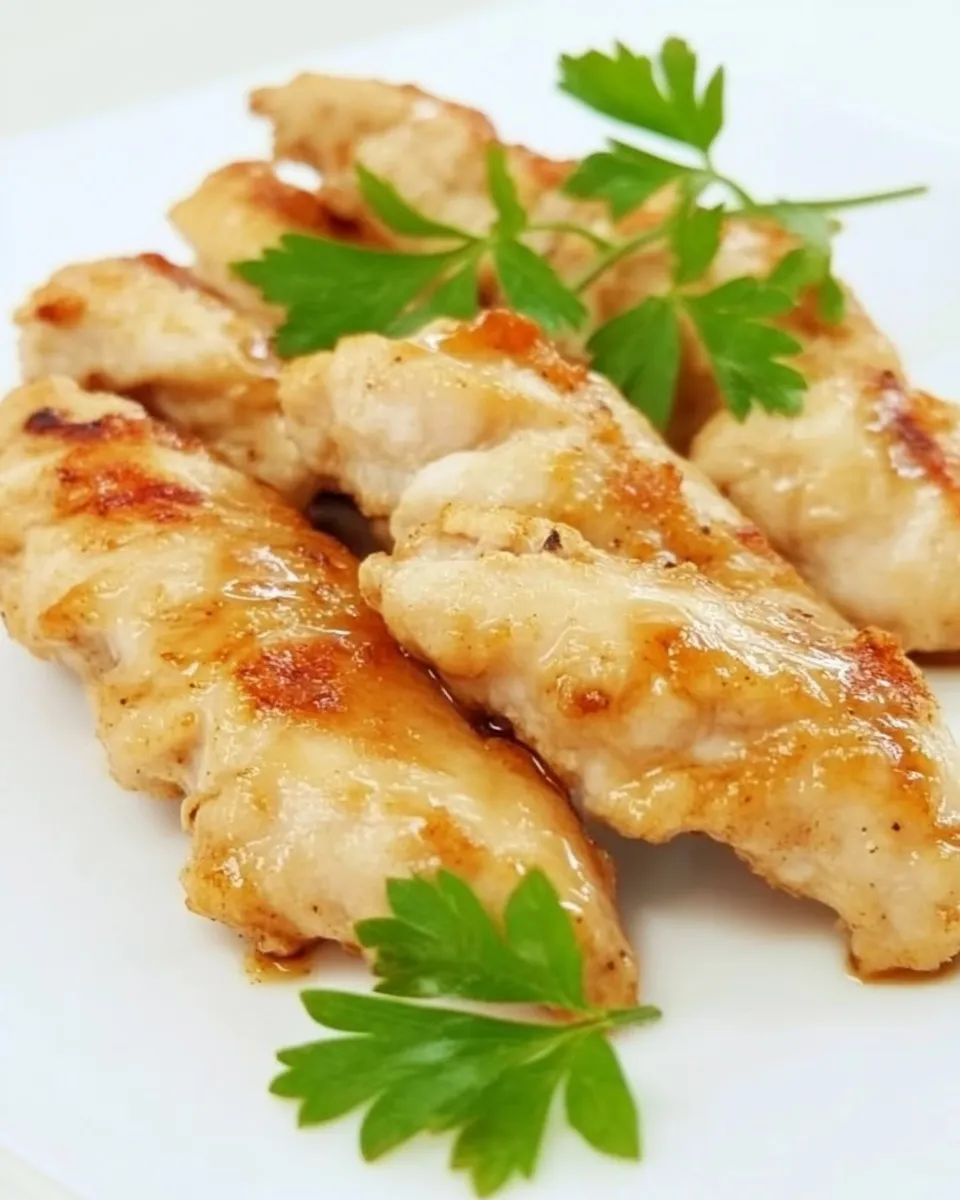
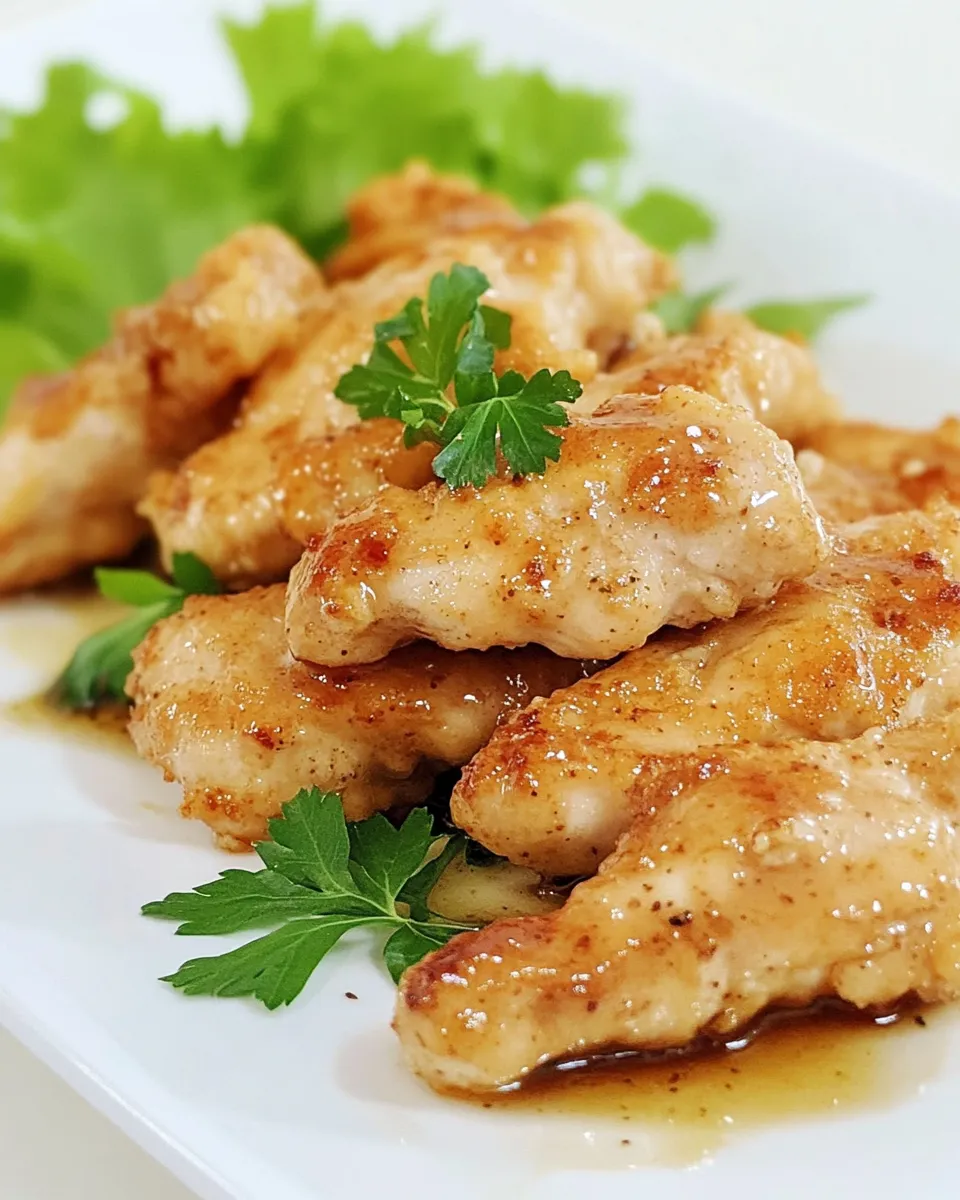
I also appreciate the visual cue of the glaze—once it’s shiny and clings to the chicken, you know you’ve achieved the target. If you’re nervous about the heat, start at medium and watch the pan; the sugars give an audible change as they caramelize. That’s your cue to stir and monitor doneness.
Storage & Reheat Guide
Cool the chicken slightly, then store in an airtight container in the refrigerator for up to 3 days. The glaze will set as it cools; it can be a little tacky once chilled but loosens back up when reheated.
To reheat and preserve texture, gently warm in a skillet over low-to-medium heat. Add a teaspoon of water or a splash of balsamic vinegar if the glaze seems too thick, and toss to loosen it. Use medium heat and keep the chicken moving so the glaze softens without burning. Microwaving is possible but risks toughening; if you must, do short intervals and stir between them.
Helpful Q&A
Q: Can I skip the 1-hour marinate? A: You could, but the short marinade time gives the strips a noticeable flavor lift. If you’re short on time, even 15–20 minutes will help the surface pick up the glaze components, but for best flavor, stick to 1 hour when you can.
Q: Will the glaze thicken enough in the pan? A: Yes—the recipe’s method of cooking the chicken with all of the marinade in the skillet reduces the liquid into a glaze. If it’s still thin at the end, rest the chicken off heat for the suggested 2–3 minutes; the glaze will tighten. You can also reduce a little longer on low heat after removing the chicken if you want it thicker.
Q: How spicy is this? A: The combined 1/4 teaspoon cayenne and 1/4 teaspoon red pepper flakes add gentle heat that accents the sweet and tangy notes. If you prefer milder flavors, reduce or omit the cayenne and red pepper flakes; if you like more kick, increase them carefully and taste the marinade before cooking.
Q: Can I make the dipping sauce ahead? A: The optional dipping sauce is simply extra honey and balsamic mixed to taste. You can mix it ahead and store it in the refrigerator; bring it to room temperature or warm slightly before serving so the honey isn’t overly stiff.
See You at the Table
Keep this recipe in your short list for when you want a simple but confident weeknight dinner. The glaze gives it polish; the steps keep it reachable. When you try it, focus on the temperature and the look of the glaze more than exact times—the pan will tell you what it needs. Enjoy, and come back if you want variations or plating ideas—I love hearing how readers make a dish their own.
Balsamic Glazed Chicken Tenders
Ingredients
Equipment
Method
- In a large mixing bowl, whisk together 1/4 cup balsamic vinegar, 1/4 cup honey, 1/4 teaspoon cayenne pepper, 1/4 teaspoon red pepper flakes, 1/2 teaspoon garlic powder, 1/2 teaspoon onion powder, and 1/2 teaspoon black pepper until smooth.
- Add the 3 boneless and skinless chicken breasts cut into 1‑inch strips to the bowl and toss to coat evenly with the marinade. Cover and refrigerate for 1 hour.
- When ready to cook, heat a large skillet over medium heat. Add the chicken strips and all of the marinade to the skillet, arranging the strips in a single layer as much as possible.
- Cook, turning or stirring occasionally so the chicken browns evenly and the marinade reduces into a glaze. Continue until chicken is cooked through and no pink remains in the center, about 10–15 minutes (or until an instant‑read thermometer reads 165°F/74°C). Reduce heat if the glaze starts to burn.
- Remove from heat and let the chicken rest for 2–3 minutes so the glaze thickens slightly. Serve warm. Optional: mix some of the honey and balsamic vinegar from the ingredients to make a dipping sauce to taste.