Best Coconut Cake
This coconut cake is the one I turn to when I want a dessert that feels special without being fussy. It layers coconut flavor into both the batter and the frosting, giving that tropical, tender crumb most of us crave. The technique is straightforward, and the payoff is a moist, fluffy cake with a bright coconut profile.
You’ll notice the recipe separates egg whites and yolks and folds whipped whites into the batter. That step takes a little patience, but it makes the texture lighter than a standard yellow cake. Little choices—softened butter, room-temperature eggs, and the right cream of coconut—add up to a cake that slices cleanly and tastes fresh.
Read through the steps before you start. Timing matters for cooling and frosting. Once you make this a couple times, you’ll see how fast it comes together and how reliably it performs for birthdays, showers, or a simple weekend indulgence.
The Essentials
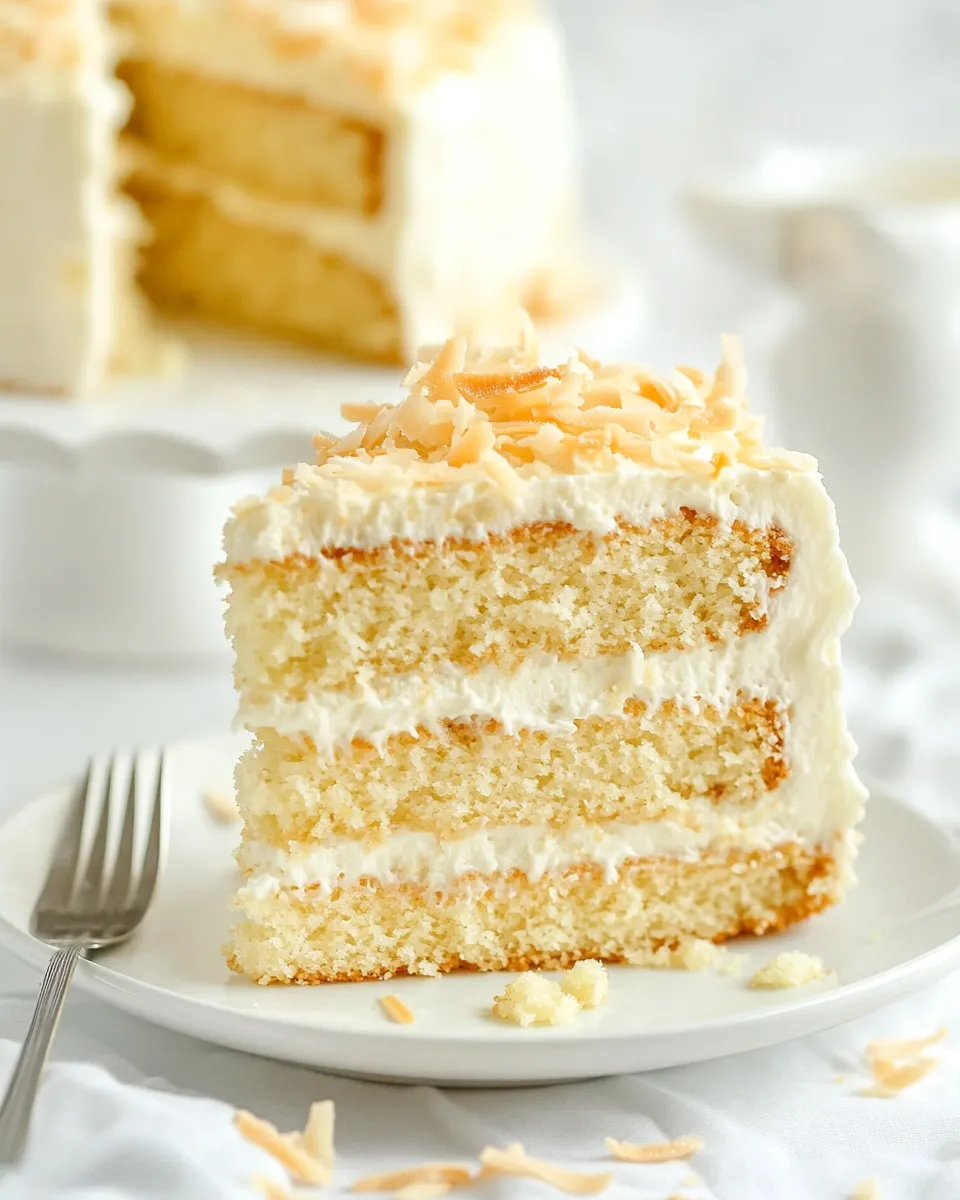
What you need to know up front: this recipe makes two 9-inch layers and bakes at 350°F (175°C) for 30–35 minutes. It uses a combination of butter and coconut oil for flavor and lift, plus whipped egg whites folded in at the end for extra air and tenderness. The frosting is a cream cheese–butter blend brightened with coconut extract and cream of coconut for sweetness and a silky finish.
Plan ahead for a short rest: cool the cakes at least 10 minutes in the pans, then cool completely on wire racks before frosting. If you try to frost warm layers the frosting will slide. Also, measure the flour accurately (spoon into the cup and level) and keep your mixing bowl free of grease when whipping egg whites—any fat will prevent them from reaching stiff peaks.
Ingredients
- 2¾ cups all-purpose flour — provides the cake’s structure; measure by spooning into the cup and leveling for accuracy.
- 1 teaspoon baking powder — gives lift and lightness.
- ½ teaspoon baking soda — helps with rise and browning.
- ½ teaspoon salt — balances sweetness and enhances flavor.
- 4 room temperature egg whites — whipped to stiff peaks to lighten the batter.
- ½ cup butter, softened — adds richness and flavor; bring to soft but not melted.
- ½ cup coconut oil — boosts coconut flavor and keeps the crumb tender; use solid or softened.
- 1¾ cups sugar — primary sweetener; creamed with fat for aeration.
- 1 cup cream of coconut (sweetened, not coconut milk) — concentrated coconut sweetness and moisture.
- 4 egg yolks — add richness and emulsify the batter.
- 1 teaspoon vanilla extract — rounds the flavor.
- 1 cup buttermilk — provides acidity and tenderness; keeps the crumb moist.
- 4 ounces cream cheese, softened — base of the frosting for tang and stability.
- 5 tablespoons butter, softened — adds richness and a smooth frosting texture.
- 1 pinch salt — balances the frosting sweetness.
- ½ teaspoon coconut extract — concentrates coconut aroma without excess sweetness.
- 3 cups powdered sugar — sweetens and structures the frosting; add gradually to control consistency.
- 1–2 tablespoons cream of coconut (sweetened) — used to thin and flavor the frosting; start with 1 tbsp and add up to 2 as needed.
Coconut Cake: Step-by-Step Guide
- Preheat the oven to 350°F (175°C). Grease two 9-inch cake pans with cooking spray.
- In a small bowl, whisk together 2¾ cups all-purpose flour, 1 teaspoon baking powder, ½ teaspoon baking soda, and ½ teaspoon salt. Set aside.
- In a clean, dry bowl (free of any grease), beat 4 room-temperature egg whites with an electric mixer until stiff peaks form. Transfer the whipped egg whites to a separate bowl and set aside.
- In a large mixing bowl, beat ½ cup softened butter, ½ cup coconut oil, and 1¾ cups sugar together on medium speed until light and creamy.
- Beat in 1 cup cream of coconut, then beat in 4 egg yolks and 1 teaspoon vanilla extract until combined.
- Add the dry ingredient mixture to the butter mixture in two additions, alternating with 1 cup buttermilk: add half the dry ingredients, then half the buttermilk, then the remaining dry ingredients, and finish with the remaining buttermilk. Beat only until just combined after each addition.
- Gently fold the whipped egg whites into the batter in two additions, using a spatula and folding motions, until no white streaks remain. Do not overmix.
- Divide the batter evenly between the two prepared 9-inch pans and smooth the tops. Bake for 30–35 minutes, or until a toothpick inserted into the center comes out clean.
- Let the cakes cool in their pans for about 10 minutes, then invert onto wire racks and cool completely before frosting.
- For the frosting, beat 4 ounces softened cream cheese and 5 tablespoons softened butter together until smooth and creamy.
- Beat in ½ teaspoon coconut extract and 1 pinch salt. Gradually add 3 cups powdered sugar and beat until the mixture is smooth.
- Add 1 to 2 tablespoons cream of coconut (start with 1 tablespoon, add up to 2 tablespoons as needed) and beat until the frosting reaches a spreadable consistency.
- Level the top of each cake layer with a serrated knife if needed. Place one layer on a serving plate, spread about 1 to 1½ cups of the frosting evenly over the top, then place the second layer on top.
- Spread the remaining frosting over the top and sides of the assembled cake. Chill briefly if desired to set the frosting before serving.
The Upside of Coconut Cake
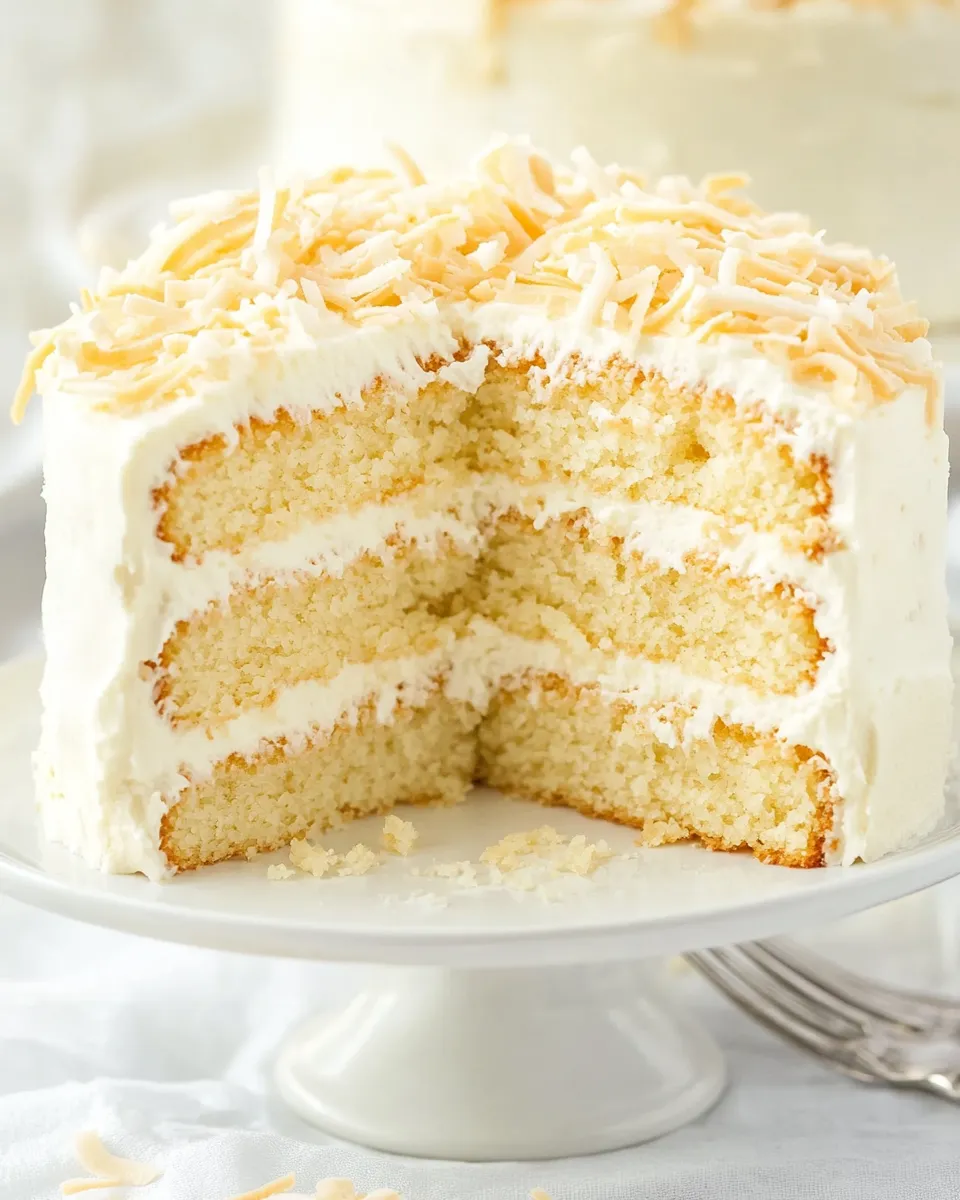
This Coconut Cake is textured and flavored to showcase coconut without being cloying. Using both cream of coconut in the batter and a touch in the frosting creates layers of coconut flavor rather than a single hit. The whipped egg whites keep the crumb airy while the yolks and fats give it richness—so you get a cake that feels light yet satisfying.
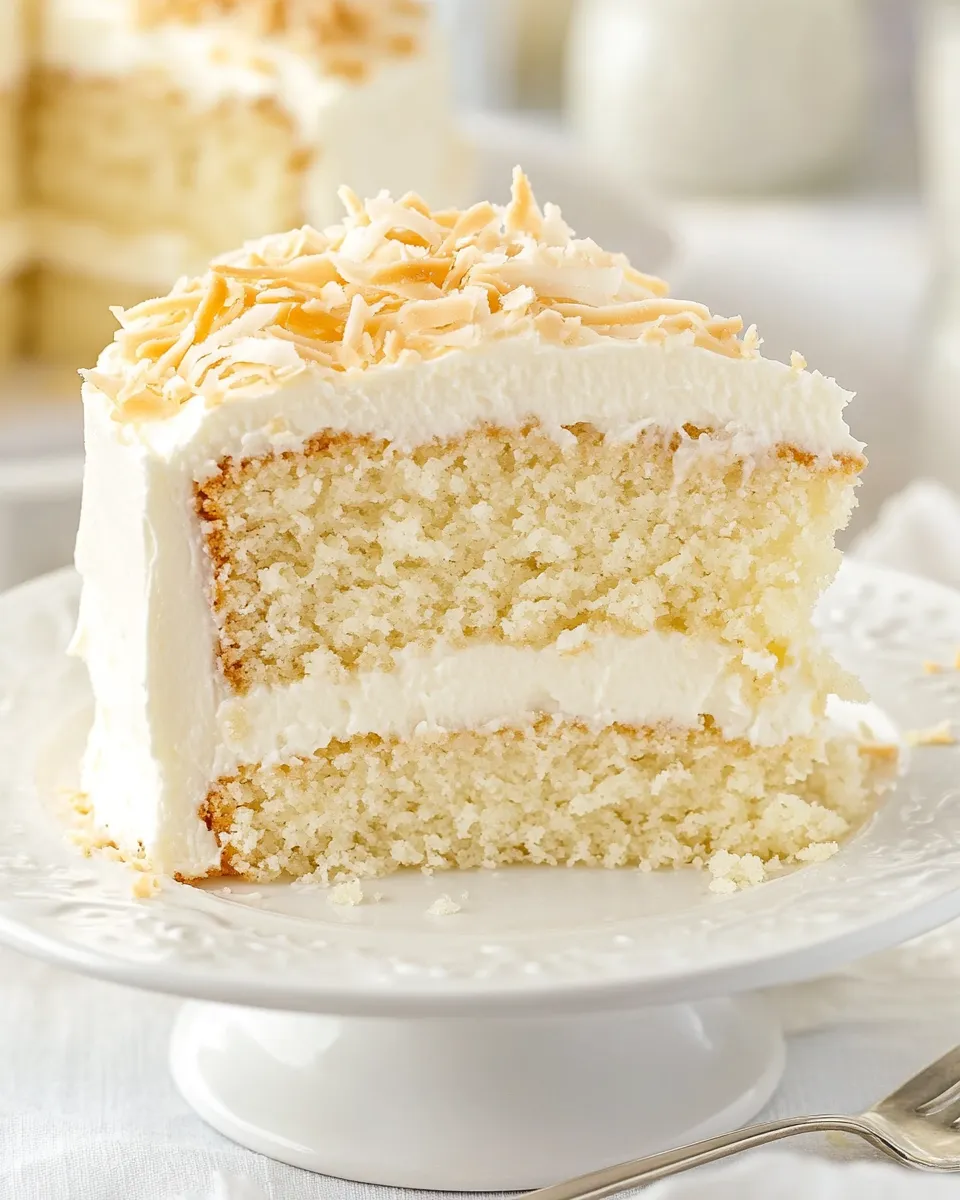
It’s versatile: dress it up with toasted coconut on the outside, fresh fruit on top, or leave it simple and elegant. The cream cheese in the frosting adds a slight tang that cuts the sweetness, which many people appreciate. Finally, the cake holds up well for parties because the structure is stable; it slices neatly and looks attractive on the plate.
Low-Carb/Keto Alternatives
If you want to adapt this idea for a lower-carb approach, consider these strategy notes rather than a strict recipe conversion. Replace all-purpose flour with a blend of almond flour and a small amount of coconut flour—but keep in mind coconut flour absorbs a lot of liquid, so you’ll need to adjust eggs and liquids. Use a granular erythritol or monk fruit sweetener that measures like sugar for the batter and powdered form for the frosting.
Substituting dairy is optional: full-fat cream cheese and butter provide the mouthfeel you want in the frosting. Coconut oil stays appropriate for low-carb versions. Because these swaps change texture and moisture substantially, expect to experiment with binding agents (eggs) and bake time; start with smaller test cakes.
Hardware & Gadgets
Good tools make this recipe smoother and more consistent:
- 9-inch cake pans (two) — even heat and identical pans give uniform layers.
- Electric mixer (stand or hand) — needed to whip egg whites and to cream butter and sugar.
- Mixing bowls — one clean, dry bowl exclusively for stiff egg whites.
- Rubber spatula — for gentle folding.
- Serrated knife or cake leveler — for leveling tops before stacking.
- Wire racks — cool cakes fully before frosting to prevent melting.
- Offset spatula — makes frosting smooth and even.
Mistakes That Ruin Coconut Cake
Greasy bowl when whipping whites. Any fat or even a drop of yolk prevents whites from forming stiff peaks. Always use a clean, dry bowl and beaters. Underwhipping or overwhipping can both cause issues—stop once stiff peaks form.
Frosting warm cake layers. If the layers are even slightly warm the frosting will slide and the crumb can mix into the frosting. Cool completely, then level and frost.
Measuring flour by scooping. Spoon flour into the measuring cup and level it. Too much flour dries the cake.
Overmixing after adding flour. Once the dry ingredients go in, mix only until combined. Overmixing develops gluten and yields a dense cake.
In-Season Swaps
Use fresh fruit as a topping when in season—mango, pineapple, or sliced strawberries pair beautifully with coconut. For a winter version, top with toasted pecans and a sprinkle of cinnamon for a warm contrast. Add a thin layer of fruit preserves between the layers for an extra flavor note that won’t make the cake soggy if kept minimal.
Testing Timeline
Quick checklist to keep your bake on track:
- Day before: Bring butter and eggs to room temperature, soften cream cheese in the fridge overnight if needed.
- Start: Preheat oven and prep pans so everything is ready when batter is mixed.
- Bake: 30–35 minutes. Check at 30 minutes with a toothpick—don’t overbake.
- Cool: 10 minutes in pans, then invert to cool completely on racks (often 45–60 minutes to cool enough for frosting).
- Frost: Prepare frosting while cakes cool. If frosting becomes too soft, chill briefly to firm before spreading.
Keep It Fresh: Storage Guide
Store the assembled cake covered in the refrigerator for up to 3–4 days. The cream cheese frosting benefits from refrigeration. If you prefer room temperature, cover and keep in a cool spot and consume within 24 hours. For longer storage, freeze individual slices wrapped tightly; thaw in the refrigerator overnight.
Popular Questions
Can I use coconut milk instead of cream of coconut? No. Cream of coconut is sweetened and thick—coconut milk is much thinner and unsweetened. Using coconut milk will change moisture, sweetness, and structure.
Why separate eggs? Separating lets you whip the whites to stiff peaks, which incorporates air and lightens the batter. The yolks stay in the batter to provide richness and emulsification.
Can I make this ahead? Yes. Bake the layers and wrap them tightly; refrigerate for up to 48 hours before frosting. You can also freeze layers for longer storage—thaw in the fridge before leveling and frosting.
Is toasted coconut necessary? No, but it adds texture and an extra layer of coconut flavor. If you toast coconut, do it until golden and cool before sprinkling on the frosted cake.
Ready, Set, Cook
Follow the steps and take your time with the egg whites and cooling phases; the patience pays off with a cake that’s light, richly coconutty, and reliably sliceable. Use the tips in the Essentials and Mistakes sections to avoid common traps. When you plate a slice of this Coconut Cake, you’ll see why it’s a go-to for celebrations and simple weekend baking alike. Happy baking—send a photo if you try it; I love seeing results and small tweaks you discover along the way!
Best Coconut Cake
Ingredients
Equipment
Method
- Preheat the oven to 350°F (175°C). Grease two 9-inch cake pans with cooking spray.
- In a small bowl, whisk together 2¾ cups all-purpose flour, 1 teaspoon baking powder, ½ teaspoon baking soda, and ½ teaspoon salt. Set aside.
- In a clean, dry bowl (free of any grease), beat 4 room-temperature egg whites with an electric mixer until stiff peaks form. Transfer the whipped egg whites to a separate bowl and set aside.
- In a large mixing bowl, beat ½ cup softened butter, ½ cup coconut oil, and 1¾ cups sugar together on medium speed until light and creamy.
- Beat in 1 cup cream of coconut, then beat in 4 egg yolks and 1 teaspoon vanilla extract until combined.
- Add the dry ingredient mixture to the butter mixture in two additions, alternating with 1 cup buttermilk: add half the dry ingredients, then half the buttermilk, then the remaining dry ingredients, and finish with the remaining buttermilk. Beat only until just combined after each addition.
- Gently fold the whipped egg whites into the batter in two additions, using a spatula and folding motions, until no white streaks remain. Do not overmix.
- Divide the batter evenly between the two prepared 9-inch pans and smooth the tops. Bake for 30–35 minutes, or until a toothpick inserted into the center comes out clean.
- Let the cakes cool in their pans for about 10 minutes, then invert onto wire racks and cool completely before frosting.
- For the frosting, beat 4 ounces softened cream cheese and 5 tablespoons softened butter together until smooth and creamy.
- Beat in ½ teaspoon coconut extract and 1 pinch salt. Gradually add 3 cups powdered sugar and beat until the mixture is smooth.
- Add 1 to 2 tablespoons cream of coconut (start with 1 tablespoon, add up to 2 tablespoons as needed) and beat until the frosting reaches a spreadable consistency.
- Level the top of each cake layer with a serrated knife if needed. Place one layer on a serving plate, spread about 1 to 1½ cups of the frosting evenly over the top, then place the second layer on top.
- Spread the remaining frosting over the top and sides of the assembled cake. Chill briefly if desired to set the frosting before serving.
Notes
Recipe inspired by
Broma Bakery
.