Best Hummus Recipe
I make hummus more times than I can count — for dinner parties, weekday snacks, and those evenings when I want something comforting without a lot of fuss. This recipe is the version I return to because it’s simple, forgiving, and reliably creamy. No specialty ingredients, no long soak times if you use canned chickpeas, and it still tastes like you worked a little magic in the kitchen.
There are two small technique points that make a big difference: cook canned chickpeas briefly with baking soda, and use ice-cold water as you finish processing. Those steps smooth out the texture and lift the flavor without adding complexity. I’ll walk you through the exact order I use, why each ingredient matters, and how to fix common problems.
If you want a reliable, everyday hummus that tastes at-home and restaurant-good, this is it. Read through the tips, gather your gear, and don’t be afraid to taste and adjust — hummus is happiest when it’s tailored to your lemon and salt preferences.
What’s in the Bowl
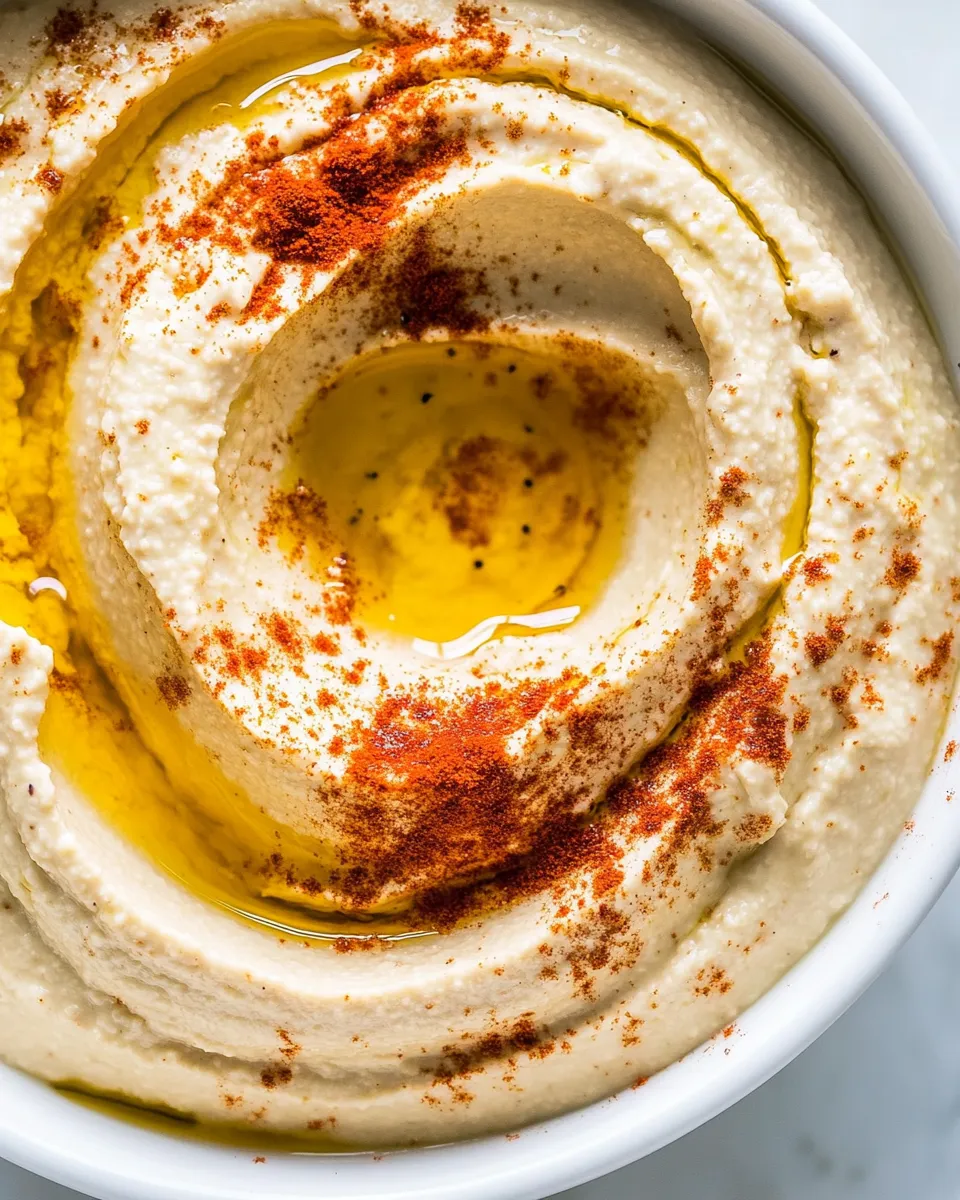
This section gives a quick sense of what you’re assembling: creamy tahini, bright lemon, savory garlic, warm cumin, and chickpeas for the base. The balance between tahini and lemon along with a touch of cold water is what creates that luxurious, scoopable texture. Below is the exact ingredient list and a short note about the role each item plays in the final hummus.
Ingredients
- 15 ounces chickpeas, drained — or 1 1/2 cups cooked chickpeas; the base of the hummus and source of body.
- 1/2 teaspoon baking soda — for canned chickpeas only; helps soften skins and speeds breakdown for creaminess.
- 1/4 cup tahini — provides richness, sesame flavor, and silky texture.
- 2-3 tablespoons lemon juice — adjust to your tastes; brightens and balances richness.
- 1 tablespoon extra-virgin olive oil — adds a layer of fruitiness and helps emulsify.
- 2 cloves garlic, minced — for aromatic savory depth; adjust if you prefer milder garlic.
- 3/4 teaspoon ground cumin — warms and rounds the flavor profile.
- 3/4 teaspoon salt — to taste; salt is essential for lifting all the flavors.
- 1 pinch black pepper — to taste; a subtle background note.
- 2 tablespoons water, ice cold — chills during processing to create a lighter, creamier texture.
- 1 pinch paprika — pinch of paprika or sumac for serving; finishing touch for color and a faint smokiness.
Hummus Recipe: Step-by-Step Guide
- If using canned chickpeas: drain and rinse the 15 ounces chickpeas. Place them in a small pot, cover with water by about 1 inch, add 1/2 teaspoon baking soda, and bring to a boil over high heat. Reduce heat to medium-high and boil until very soft, about 20–25 minutes. Drain in a fine-mesh strainer and rinse under cool running water until the water runs clear, about 20 seconds. If using 1 1/2 cups already-cooked chickpeas, skip this cooking step and make sure they are drained and cooled.
- Transfer the drained chickpeas to a food processor. Add 1/4 cup tahini, 2–3 tablespoons lemon juice (start with 2 and adjust later), 1 tablespoon extra-virgin olive oil, 2 cloves minced garlic, 3/4 teaspoon ground cumin, 3/4 teaspoon salt, and a pinch of black pepper.
- Process the mixture until it becomes mostly smooth, stopping once or twice to scrape down the sides of the bowl with a spatula so everything blends evenly.
- With the food processor running, drizzle in the 2 tablespoons ice-cold water. Continue processing until the hummus is smooth and creamy. If the hummus is too thick, continue processing and add small additional amounts of cold water as needed until you reach your desired consistency.
- Taste and adjust seasoning as desired — add more salt, cumin, or lemon juice to suit your preference.
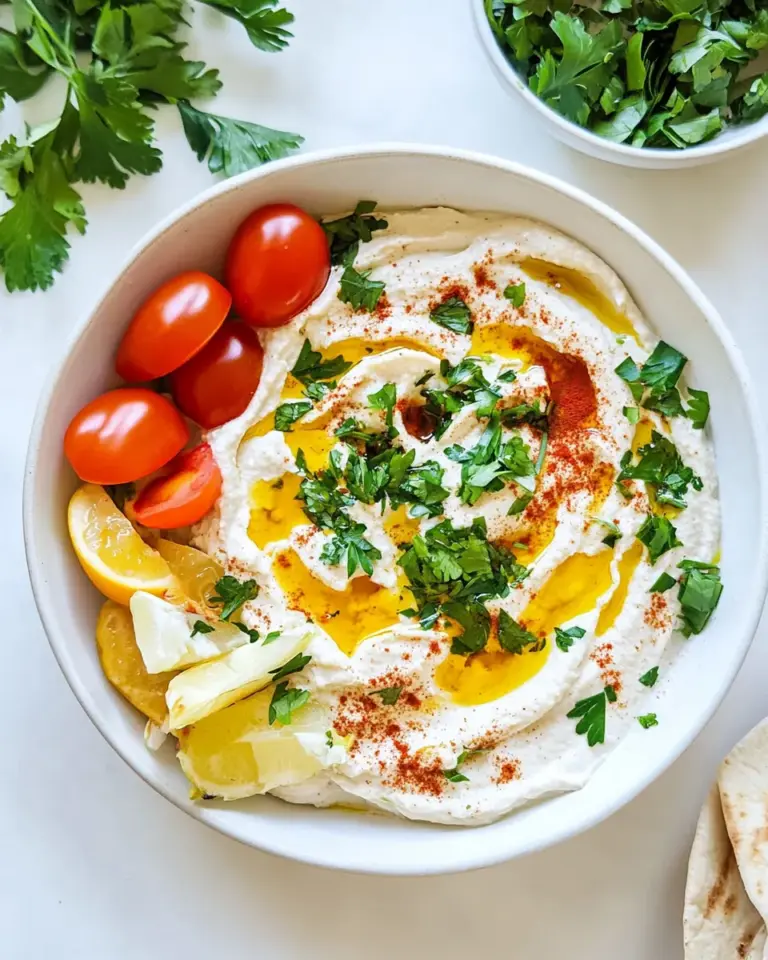
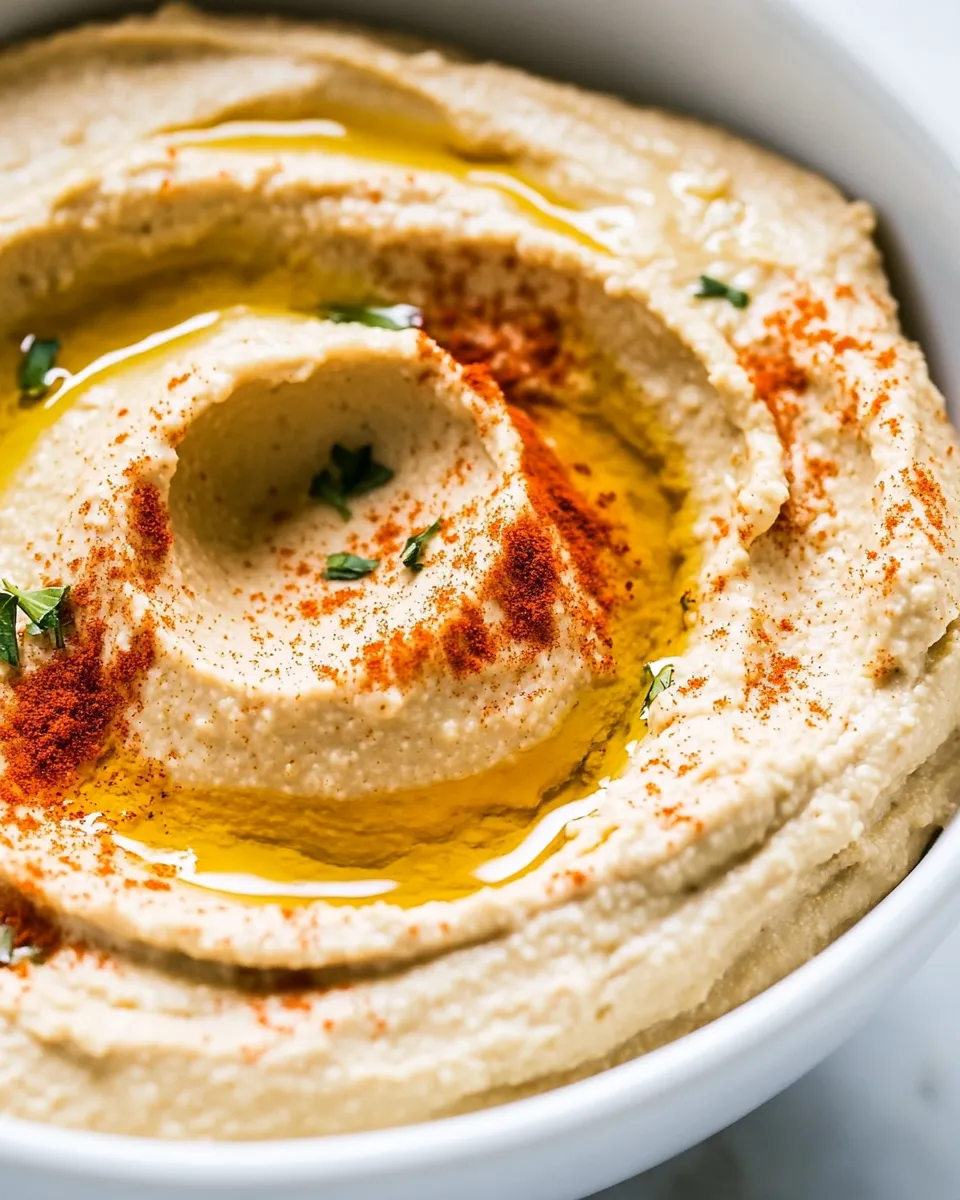
- Transfer the hummus to a serving bowl and finish with a pinch of paprika before serving.
Why It Works Every Time
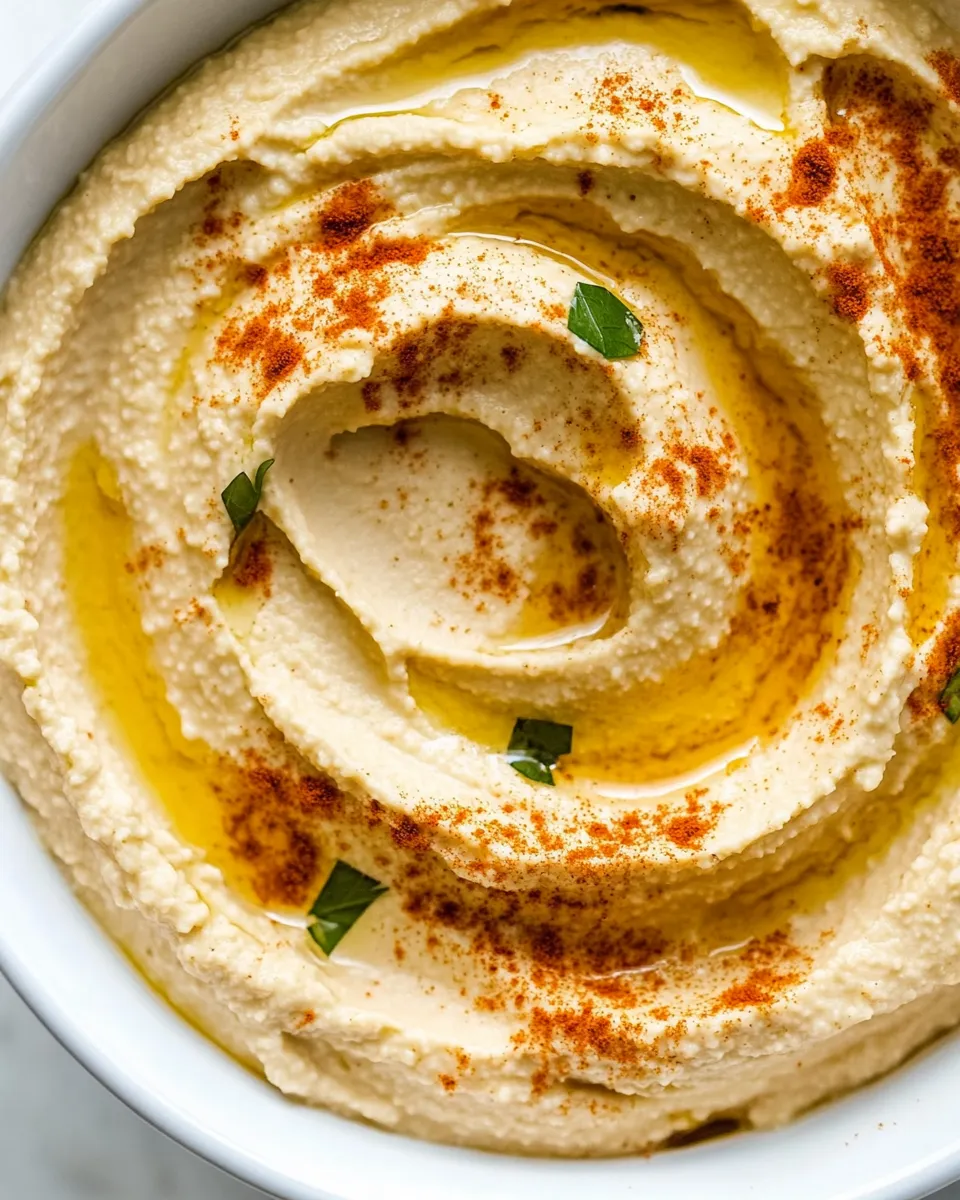
There are a few reliable technical choices in this recipe that create consistent results. First, the brief boil with baking soda for canned chickpeas softens the skins and helps the chickpeas break down more completely. That step is why you get a smoother hummus without peeling every bean by hand.
Second, the tahini-to-chickpea ratio here is modest — enough to add creaminess and sesame flavor without overwhelming the chickpeas. The cold water step is small but crucial: adding very cold water while processing helps emulsify the fats and air into the mix, giving a lighter, silkier texture than warm blending alone.
Finally, the order matters. Processing the chickpeas with tahini and aromatics first creates a uniform paste that the cold water then lifts into a spreadable, silky hummus. Taste and adjust at the end because acidity and salt reveal themselves differently after the hummus settles.
Substitutions by Category
Keep the core approach and feel free to swap within these categories depending on diet, pantry, or flavor preference.
Legumes
If you don’t have chickpeas, white beans like cannellini can produce a different but pleasant dip. Note: that’s a flavor change, not a direct hummus swap.
Fat & Texture
Tahini is key to the classic profile. If you must substitute, a smooth natural almond or sunflower seed butter can mimic the fat, but the sesame flavor will be absent. Extra-virgin olive oil is best for flavor; milder oils will work but change the finish.
Acid & Aromatics
Lemon juice is the classic brightener. You can use a splash of white wine vinegar if you’re out of lemons, but add sparingly and taste. Garlic may be softened by roasting if you prefer a milder, sweeter note — that’s a matter of taste, not technique.
Gear Checklist
Use good tools and this recipe becomes effortless.
- Food processor: essential for the smoothest texture. A high-speed blender can work but you may need more liquid.
- Small pot: for softening canned chickpeas with baking soda.
- Fine-mesh strainer: to drain the chickpeas thoroughly.
- Spatula: to scrape the bowl while processing so everything blends evenly.
- Measuring spoons and cups: for accurate amounts — particularly the 1/4 cup tahini and 2 tablespoons ice water.
Steer Clear of These
A few common missteps will make a decent hummus merely okay. Don’t skip draining and rinsing canned chickpeas — the canning liquid tastes flat and can be salty. Don’t add too much water at once; if you do, the hummus can become gluey or runny. Finally, resist the urge to under-season: hummus needs salt and acid to sing.
Allergy-Friendly Swaps
Sesame allergy? Replace tahini with sunflower seed butter or a mild almond butter; the texture will be similar but the sesame flavor will be gone. For nut-free and seed-free options where seed butter is not allowed, you can increase olive oil slightly and add a tablespoon of cooked potato or extra chickpea to help with creaminess — note that changes the flavor and mouthfeel.
What Could Go Wrong
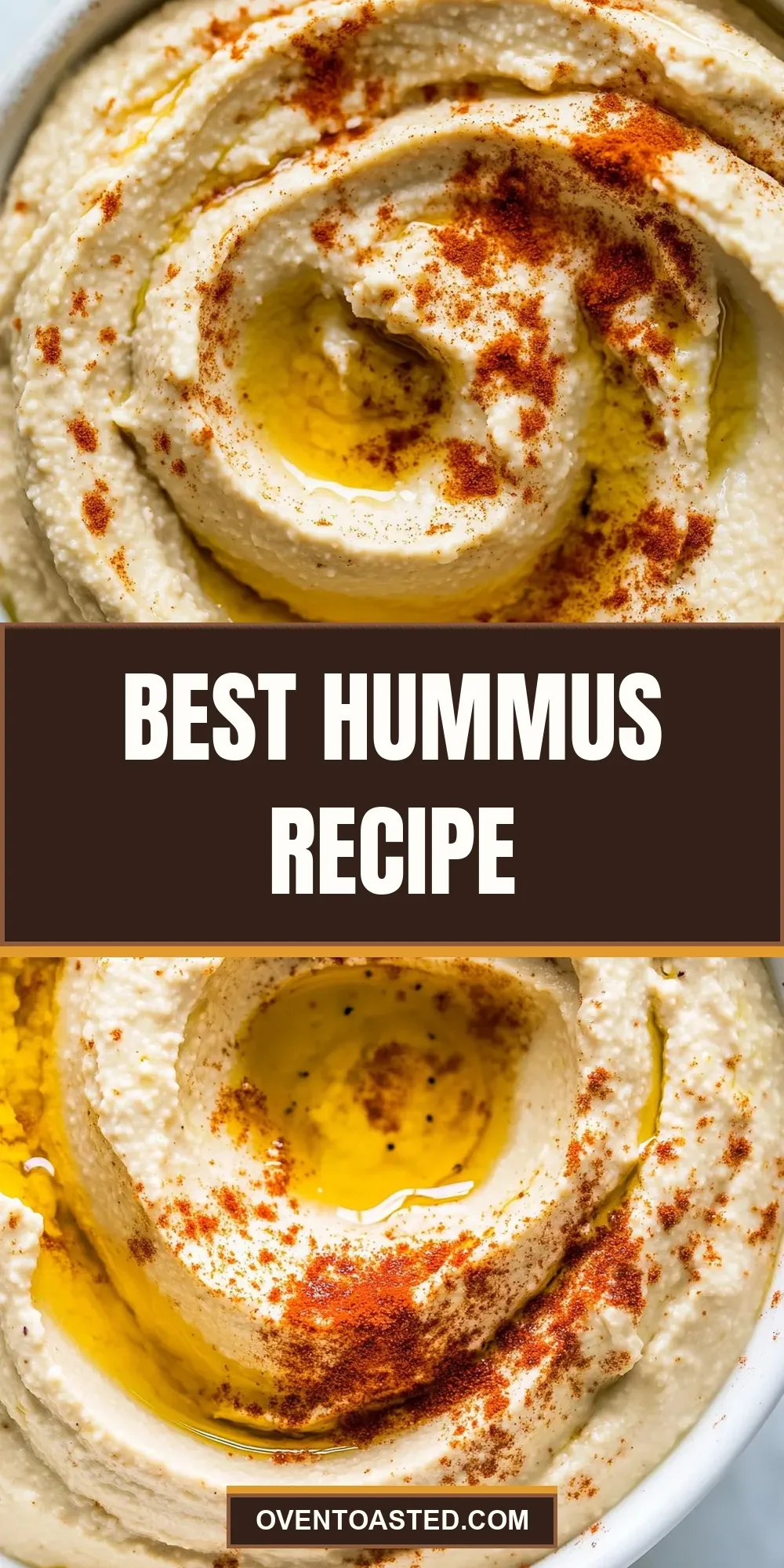
Texture too grainy: this usually means the chickpeas weren’t soft enough or the processor needs more time. If you used canned chickpeas and skipped the baking soda boil, try the brief boil next time.
Hummus too thick or pasty: add more ice-cold water in small increments while processing, or a teaspoon of extra-virgin olive oil. Keep the processor running as you add liquid so it incorporates properly.
Flavor flat or dull: taste and adjust with more salt or lemon juice. A little extra acid will brighten the whole bowl. If garlic is too sharp, balance with a touch more tahini or olive oil.
Meal Prep & Storage Notes
Hummus keeps well in an airtight container in the refrigerator for 4–5 days. The surface may dry slightly; stir in a teaspoon of olive oil or a splash of water if needed when serving. You can also freeze hummus for up to 1 month — thaw in the refrigerator and whip briefly with a spoon or in the food processor to restore the texture.
Make-ahead strategy: prepare the hummus the day before and let it rest in the fridge. Flavors meld and often taste better after some resting time. Bring to room temperature before serving for the best mouthfeel, or drizzle a little olive oil and leave it out while guests arrive.
Your Questions, Answered
Q: Can I use dried chickpeas? A: Yes. Cook them until very tender following your usual method; they’ll work beautifully and may require no baking soda step. Drain and cool before processing. Measure cooked beans as 1 1/2 cups if substituting for the canned amount.
Q: How lemony should hummus be? A: Start with 2 tablespoons lemon juice and taste. I often add the third tablespoon if the chickpeas are on the milder side. Lemon is one of the easiest ways to brighten the dip, so adjust to preference.
Q: Can I make this oil-free? A: You can omit the tablespoon of olive oil; the hummus will still be creamy thanks to the tahini, but the mouthfeel will be slightly different. Consider a touch more tahini if you skip the oil.
Let’s Eat
Serving suggestions: drizzle extra-virgin olive oil, sprinkle paprika or sumac, and scatter chopped parsley. Serve with warm pita, crisp vegetables, or use as a spread on sandwiches. Hummus is also a great companion to roasted vegetables or grilled meats.
Make a batch, taste as you go, and don’t be afraid to tweak salt and lemon at the end. This hummus is forgiving and meant to be made regularly. I hope this becomes your go-to, simple recipe for quick, delicious dips that everyone loves.
Best Hummus Recipe
Ingredients
Equipment
Method
- If using canned chickpeas: drain and rinse the 15 ounces chickpeas. Place them in a small pot, cover with water by about 1 inch, add 1/2 teaspoon baking soda, and bring to a boil over high heat. Reduce heat to medium-high and boil until very soft, about 20–25 minutes. Drain in a fine-mesh strainer and rinse under cool running water until the water runs clear, about 20 seconds. If using 1 1/2 cups already-cooked chickpeas, skip this cooking step and make sure they are drained and cooled.
- Transfer the drained chickpeas to a food processor. Add 1/4 cup tahini, 2–3 tablespoons lemon juice (start with 2 and adjust later), 1 tablespoon extra-virgin olive oil, 2 cloves minced garlic, 3/4 teaspoon ground cumin, 3/4 teaspoon salt, and a pinch of black pepper.
- Process the mixture until it becomes mostly smooth, stopping once or twice to scrape down the sides of the bowl with a spatula so everything blends evenly.
- With the food processor running, drizzle in the 2 tablespoons ice-cold water. Continue processing until the hummus is smooth and creamy. If the hummus is too thick, continue processing and add small additional amounts of cold water as needed until you reach your desired consistency.
- Taste and adjust seasoning as desired — add more salt, cumin, or lemon juice to suit your preference.
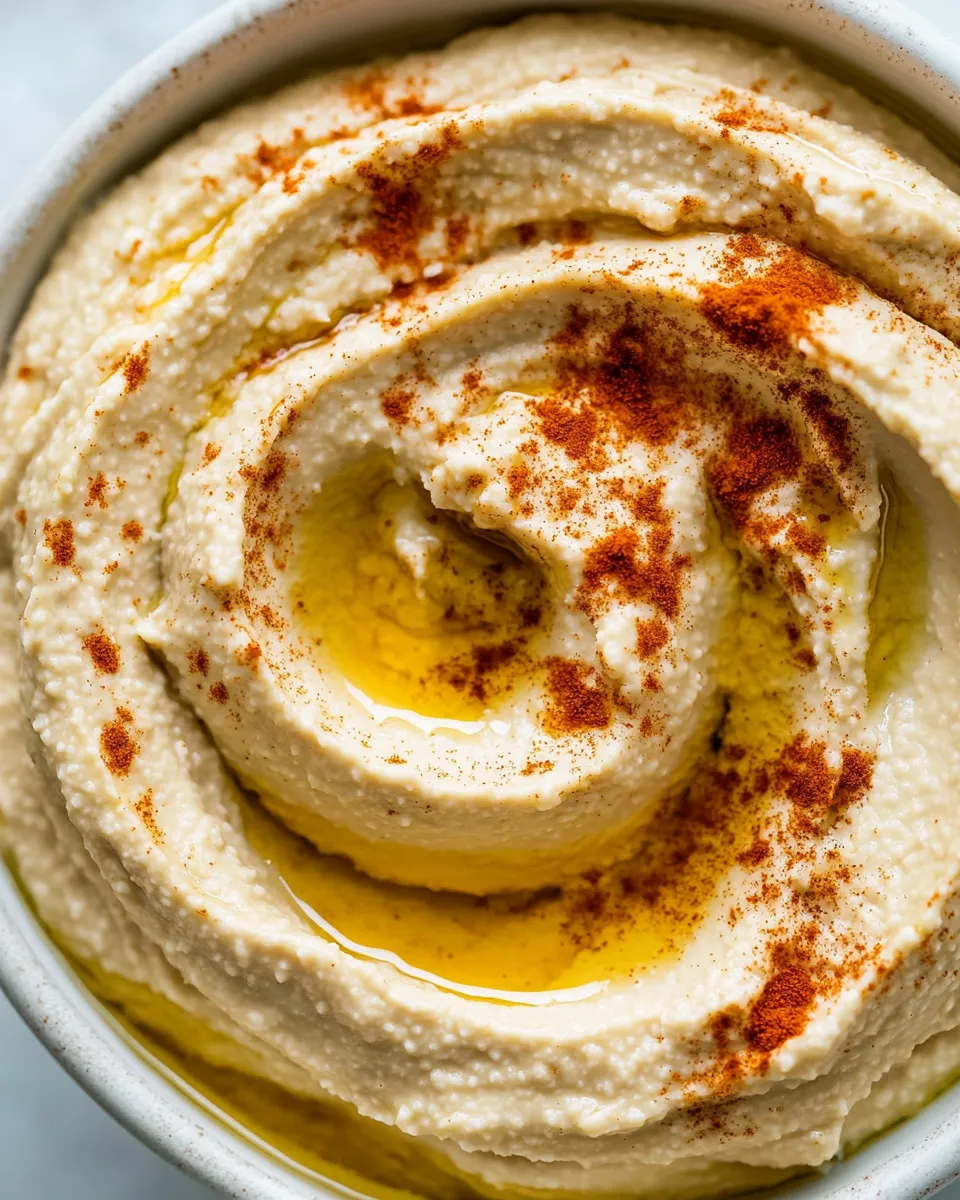
- Transfer the hummus to a serving bowl and finish with a pinch of paprika before serving.
Notes
Sprinkle with paprika for an extra flavour hit.