Best Recipe for Roasted Cauliflower
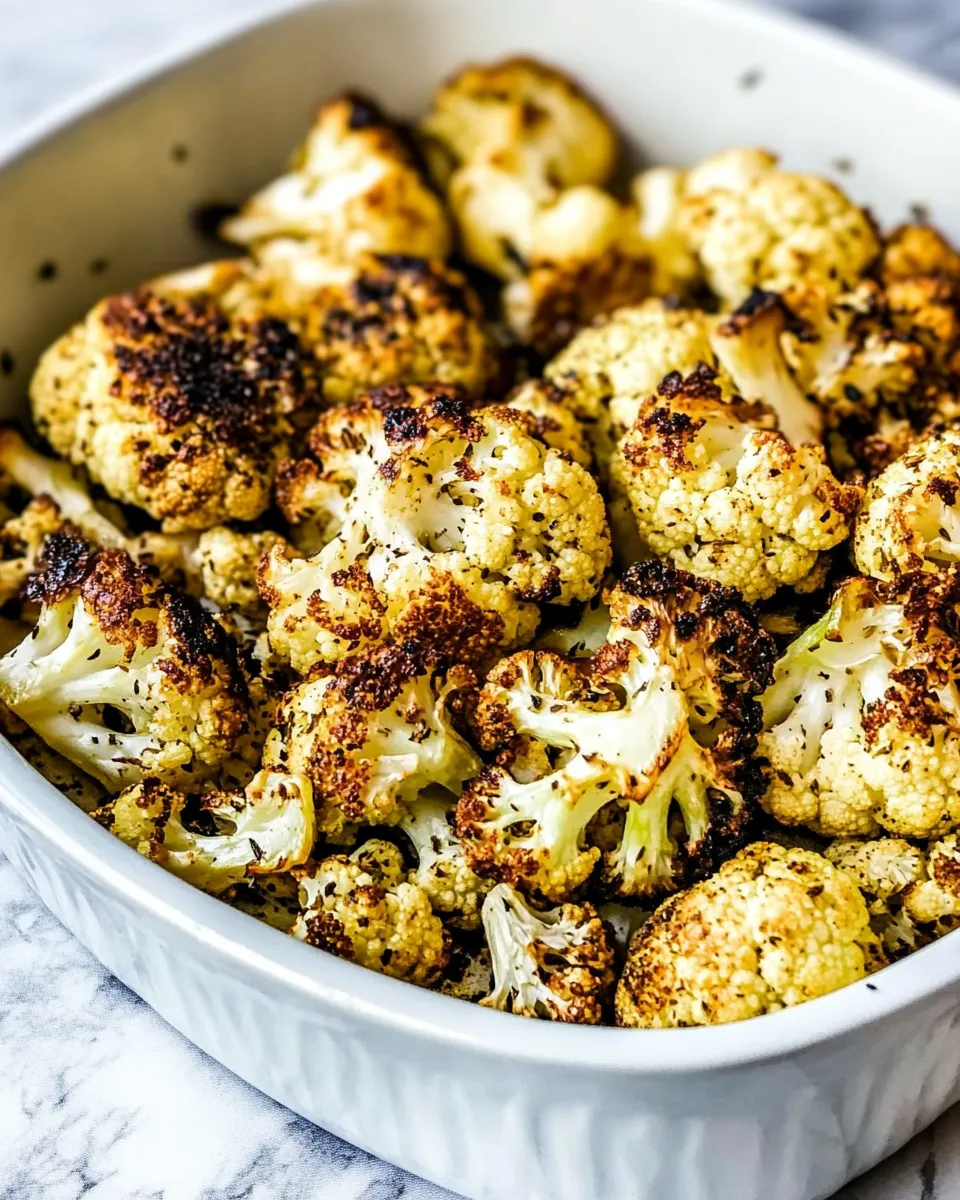
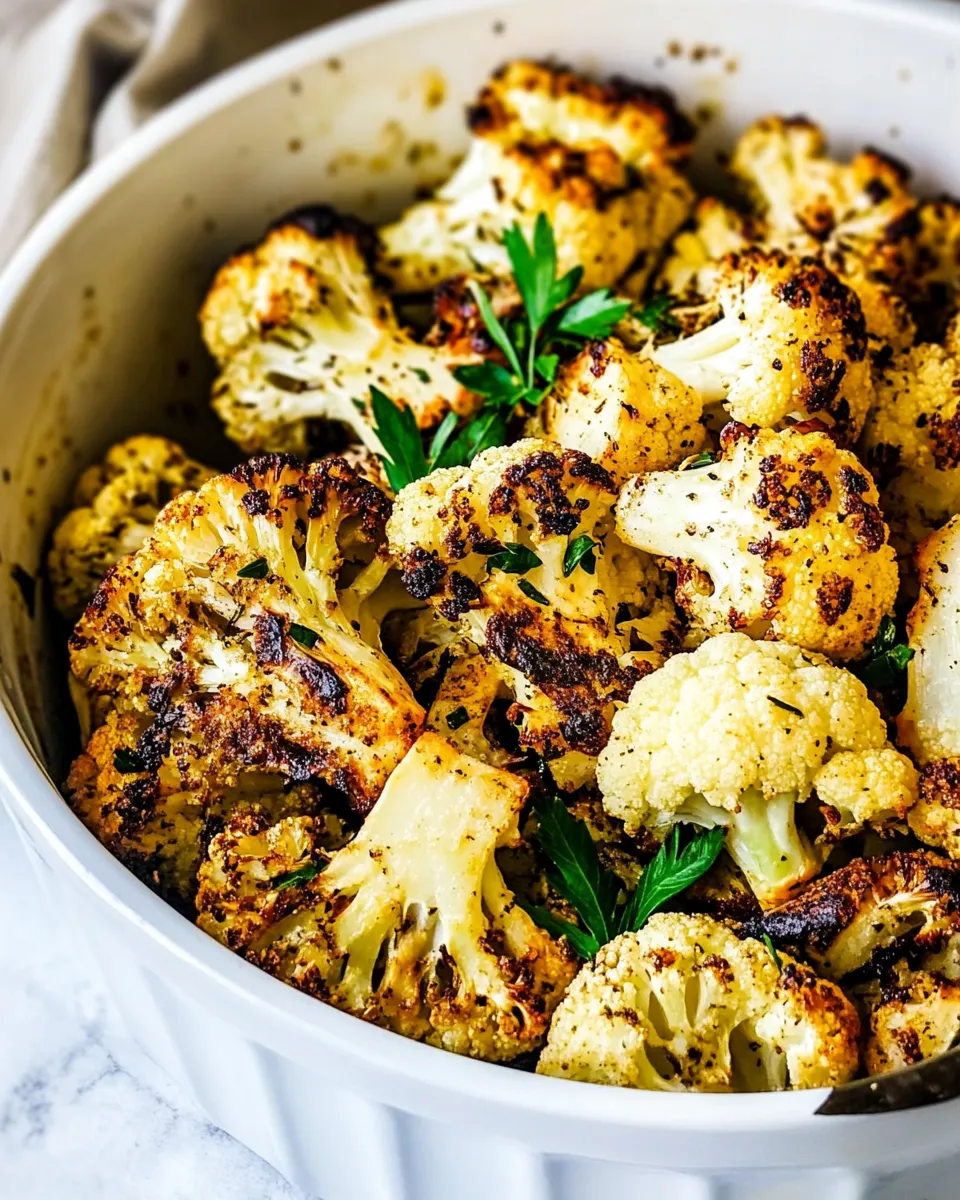
Roasted cauliflower is one of those simple triumphs: a humble head of cauliflower transformed in the oven into tender, slightly sweet florets with golden, caramelized edges. This version keeps things straightforward — olive oil, a few pantry spices, and an optional touch of yellow curry powder if you want a warm, savory note. It’s a fast side, a crowd-pleaser, and a base you can tweak to match the rest of your meal.
I test and retest this method until the texture and timing felt reliably perfect across different ovens. The goal here is crisp edges without a dry center. You’ll find notes below on how to space the florets, when to flip (and when you can skip it), and small flavor swaps that don’t complicate the process. If you want an effortless but impressive vegetable, this is the one to keep in your rotation.
Make a sheet at a time and serve immediately. The results are best fresh from the oven, but I’ve included a few reliable tips for leftovers and meal prep so those extra florets don’t go to waste. Let’s get into the pantry basics, then build Roasted Cauliflower step by step.
Ingredients
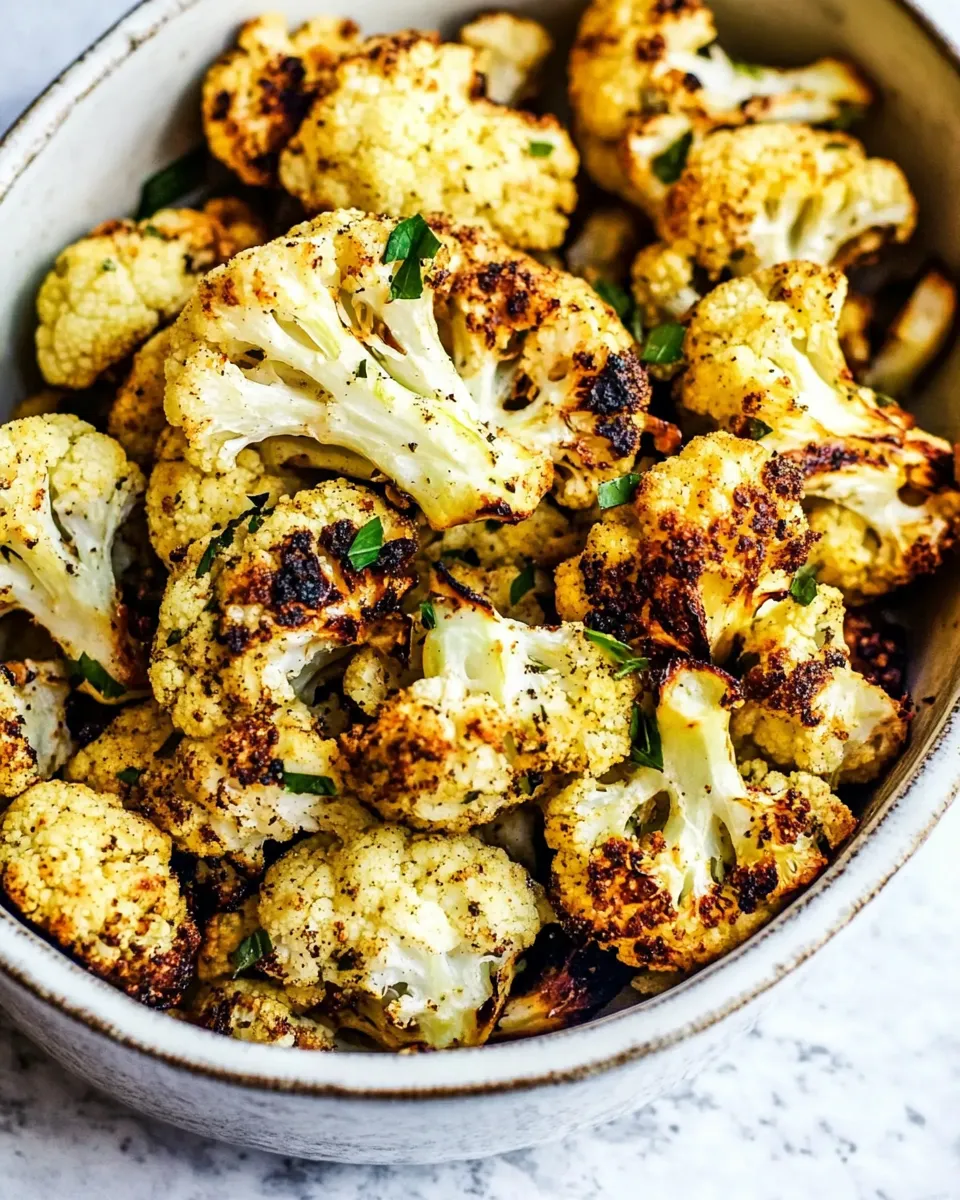
- 1 large head cauliflower (cut into bite-size florets, about 7–8 cups) — The star; aim for similar-sized florets so everything cooks evenly.
- 3 tablespoons extra virgin olive oil — Coats and helps the florets brown; you can use a neutral oil if you prefer.
- 1 teaspoon yellow curry powder — Optional — adds warmth and color; leave it out for a milder profile.
- 1/2 teaspoon salt — Essential for seasoning; adjust to taste after cooking if needed.
- 1/4 teaspoon pepper — Adds a little bite; freshly ground is best.
- 1/4 teaspoon garlic powder — Provides savory depth without burning like fresh garlic might at this roast temperature.
Your Shopping Guide
Choose a firm, heavy head of cauliflower with tight, creamy-white curds and minimal browning. Smaller heads can mean denser florets — if yours is compact, cut it into slightly larger pieces so the interior has time to get tender before the exterior chars. If the cauliflower looks loose or already wet, it’s past its prime.
Buy a decent bottle of extra virgin olive oil for flavor. You don’t need the most expensive bottle, but a fresh, bright oil makes a noticeable difference in the final taste and mouthfeel. The yellow curry powder is optional but pleasing; if you don’t have it, a pinch of smoked paprika or ground cumin will also work.
Salt and pepper are non-negotiable. I keep a jar of garlic powder for roasting because fresh garlic can burn and turn bitter at 425°F. If you want a garlic punch, roast the cauliflower plain and add a quick toss with sautéed fresh garlic at the end.
Build Roasted Cauliflower Step by Step
- Preheat oven to 425°F. Line a baking sheet with foil and lightly spray with cooking spray.
- Place 1 large head cauliflower (cut into bite-size florets, about 7–8 cups) in a large bowl.
- Drizzle 3 tablespoons extra virgin olive oil over the florets.
- Sprinkle 1/2 teaspoon salt, 1/4 teaspoon pepper, 1/4 teaspoon garlic powder, and 1 teaspoon yellow curry powder (optional) over the cauliflower.
- Toss the florets until they are evenly coated with oil and seasonings.
- Spread the cauliflower in an even single layer on the prepared baking sheet so the florets aren’t touching; use a second sheet if needed.
- Bake at 425°F for 25–30 minutes, or until the cauliflower is fork-tender and the edges are slightly charred (stir or flip once halfway through if desired for more even browning).
- Remove from oven and serve immediately.
Why I Love This Recipe
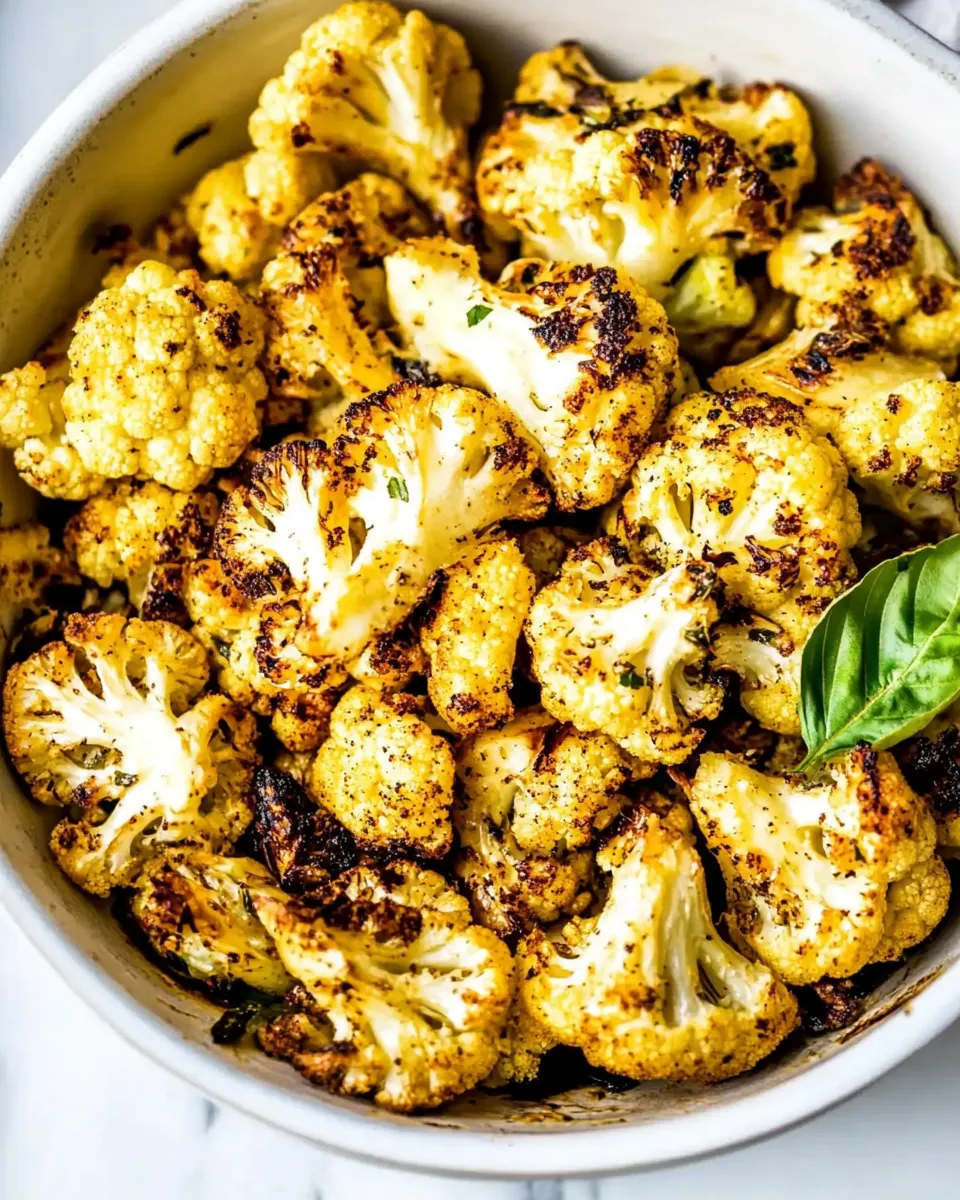
It’s fast and forgiving. You don’t need a lot of technique to get great results — a hot oven, even spacing, and a good toss of oil are the real secrets. The high heat encourages caramelization, which brings out the cauliflower’s natural sweetness and gives you those irresistible browned edges.
This recipe also acts as a blank canvas. The base seasoning is balanced enough to pair with roasted meats, grain bowls, or a simply dressed salad. Add a splash of lemon or a scattering of herbs at the end, and it shifts easily from weeknight side to something that feels special on a weekend table.
Ingredient Flex Options
- Curry powder omitted: Stick to salt, pepper, and garlic powder for a more neutral profile that pairs with anything.
- Oil swaps: Use avocado or light olive oil for a higher smoke point; coconut oil will add sweetness and pair nicely with curry powder.
- Extra seasoning: Add 1/2 teaspoon smoked paprika, 1/4 teaspoon ground cumin, or a pinch of red pepper flakes for heat.
- Finishing touches: Toss with lemon zest, grated Parmesan, or chopped parsley right after roasting for brightness.
Toolbox for This Recipe
Must-haves
- Large rimmed baking sheet — a rimmed sheet prevents oil and juices from spilling and allows more even airflow.
- Large mixing bowl — for tossing florets with oil and seasonings.
- Oven that reliably holds 425°F — consistent heat yields consistent browning.
Nice-to-haves
- Silicone spatula or tongs — helpful for turning florets halfway through.
- Cooling rack on the sheet — lifts florets slightly for air circulation, though it’s optional.
- Digital thermometer — not necessary, but useful if you roast other items and want to monitor oven temp precisely.
Steer Clear of These
Avoid crowding the pan. If florets are touching or piled up, they steam instead of roast and you lose those caramelized edges. Use a second baking sheet rather than compressing everything into one crowded tray.
Don’t use too much oil. You want each floret lightly coated, not swimming. Excess oil prevents browning and makes the cauliflower soggy. Also, avoid adding fresh garlic before roasting at this temperature — it burns easily and turns bitter. Use garlic powder like the recipe says, or add fresh garlic at the end over hot cauliflower.
Variations by Season
Spring: Toss roasted florets with fresh lemon juice, chopped mint, and a drizzle of olive oil. Add toasted pine nuts and a sprinkle of feta for a light seasonal salad.
Summer: Keep flavors simple — lemon zest, flaky sea salt, and a few chopped herbs like basil or parsley. Serve alongside grilled proteins and fresh tomatoes.
Fall/Winter: Embrace warmer spices. Use the optional yellow curry powder, or replace it with ground cumin and smoked paprika. Finish with a drizzle of tahini or a handful of toasted almonds for a heartier side.
Testing Timeline
Timing is straightforward: preheat to 425°F and roast 25–30 minutes. I find 25 minutes works for smaller florets and for ovens that run hot; 30 minutes yields deeper char and a sweeter, more caramelized flavor. If you prefer a softer bite, aim for the lower end; if you like pronounced browning, let it reach 30 minutes while checking once or twice.
Flip or stir once halfway through if your tray is crowded or your oven has hot spots. For the crispiest edges, leave them undisturbed until the halfway point; for even color across all sides, a single gentle toss at 12–15 minutes does the job.
Leftovers & Meal Prep
Leftover roasted cauliflower keeps well in the fridge for 3–4 days in an airtight container. Reheat in a 400°F oven or in a hot skillet with a little oil to bring back some of the crispness. Microwaving works for speed but will soften the texture.
Meal prep ideas:
- Grain bowls: Add leftover florets to quinoa or rice, a protein, and a tahini or yogurt dressing.
- Salads: Cool roasted cauliflower and toss with greens, roasted beets, or chickpeas for a quick lunch.
- Wraps: Combine florets with hummus, pickled veggies, and fresh herbs in a flatbread for an easy dinner.
Frequently Asked Questions
Q: Can I roast frozen cauliflower? A: You can, but frozen florets release moisture and won’t brown as well. Thaw and pat dry first, then roast at the same temperature, watching for moisture. Expect longer cooking and less caramelization.
Q: Is 425°F necessary? A: The higher temperature encourages caramelization. You can roast at 400°F if needed, but increase the time and watch for doneness — you’ll lose some of the surface browning that makes roasted cauliflower so appealing.
Q: Can I use fresh garlic? A: Not at the start. Fresh garlic burns at this temperature. If you want that fresh flavor, add minced garlic to a quick sauté and toss with the cooked florets right after roasting.
Q: What if my florets are browning too quickly? A: Your oven may run hot, or the florets might be too small. Lower the oven to 400°F, or remove the tray a few minutes earlier. Alternatively, space the florets a bit farther apart so they roast rather than intensely char.
Hungry for More?
If you liked this straightforward roasted cauliflower, try adapting the same method to broccoli, Brussels sprouts, or chunks of winter squash. The technique — high heat, even oil coating, and single-layer spacing — applies across many vegetables. Bookmark this post and make it your go-to when you want a dependable, flavorful veg side with minimal fuss.
Want more recipes like this? I post seasonal, practical vegetable recipes and quick weeknight mains that pair well with roasted vegetables. Save this one, and come back when you need a reliable, flexible side that always performs.
Best Recipe for Roasted Cauliflower
Ingredients
Equipment
Method
- Preheat oven to 425°F. Line a baking sheet with foil and lightly spray with cooking spray.
- Place 1 large head cauliflower (cut into bite-size florets, about 7–8 cups) in a large bowl.
- Drizzle 3 tablespoons extra virgin olive oil over the florets.
- Sprinkle 1/2 teaspoon salt, 1/4 teaspoon pepper, 1/4 teaspoon garlic powder, and 1 teaspoon yellow curry powder (optional) over the cauliflower.
- Toss the florets until they are evenly coated with oil and seasonings.
- Spread the cauliflower in an even single layer on the prepared baking sheet so the florets aren’t touching; use a second sheet if needed.
- Bake at 425°F for 25–30 minutes, or until the cauliflower is fork-tender and the edges are slightly charred (stir or flip once halfway through if desired for more even browning).
- Remove from oven and serve immediately.
Notes
Turmeric
Chinese 5 spice
Smoked paprika
Ground Cumin
Chili Powder
Red chili flakes