Best Sugar Cookies
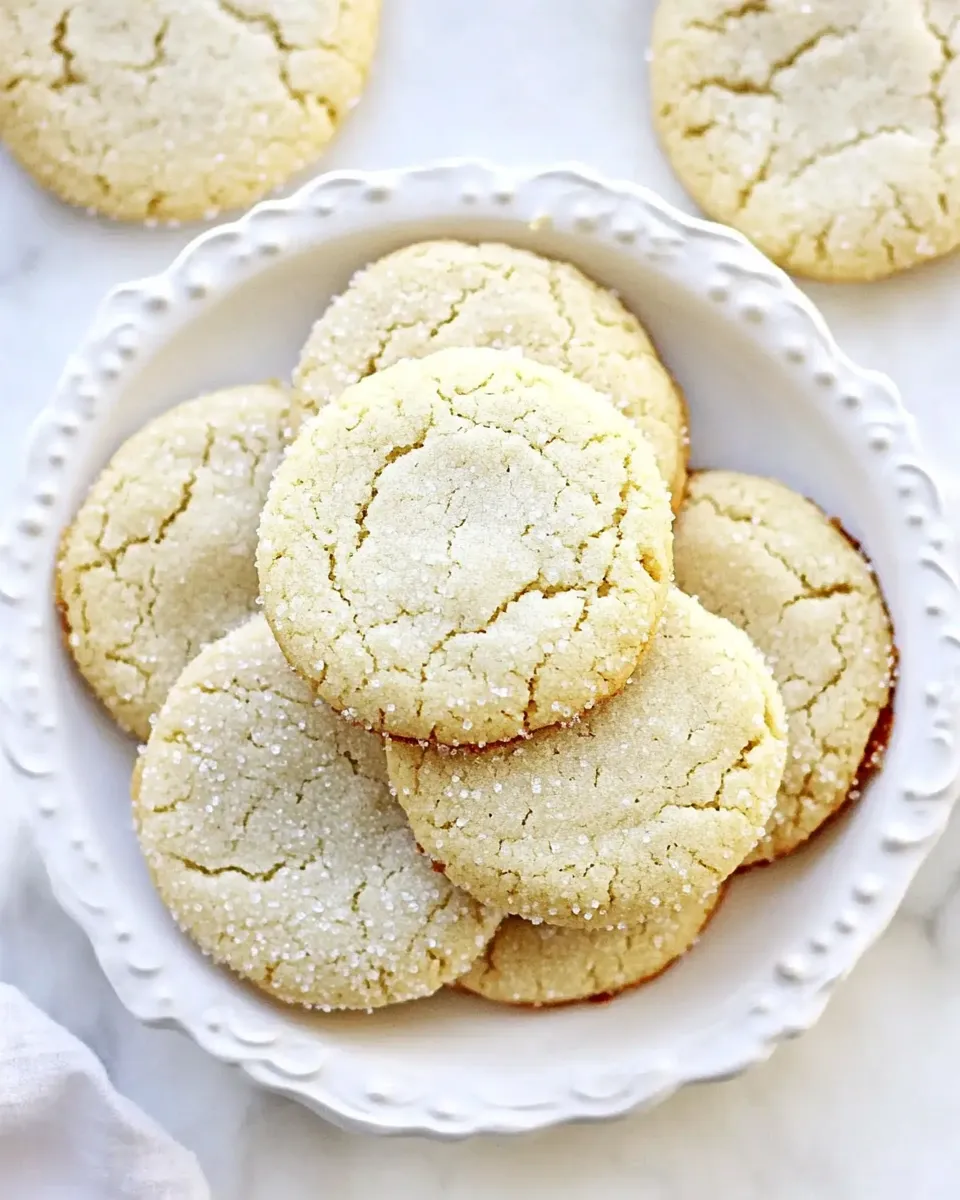
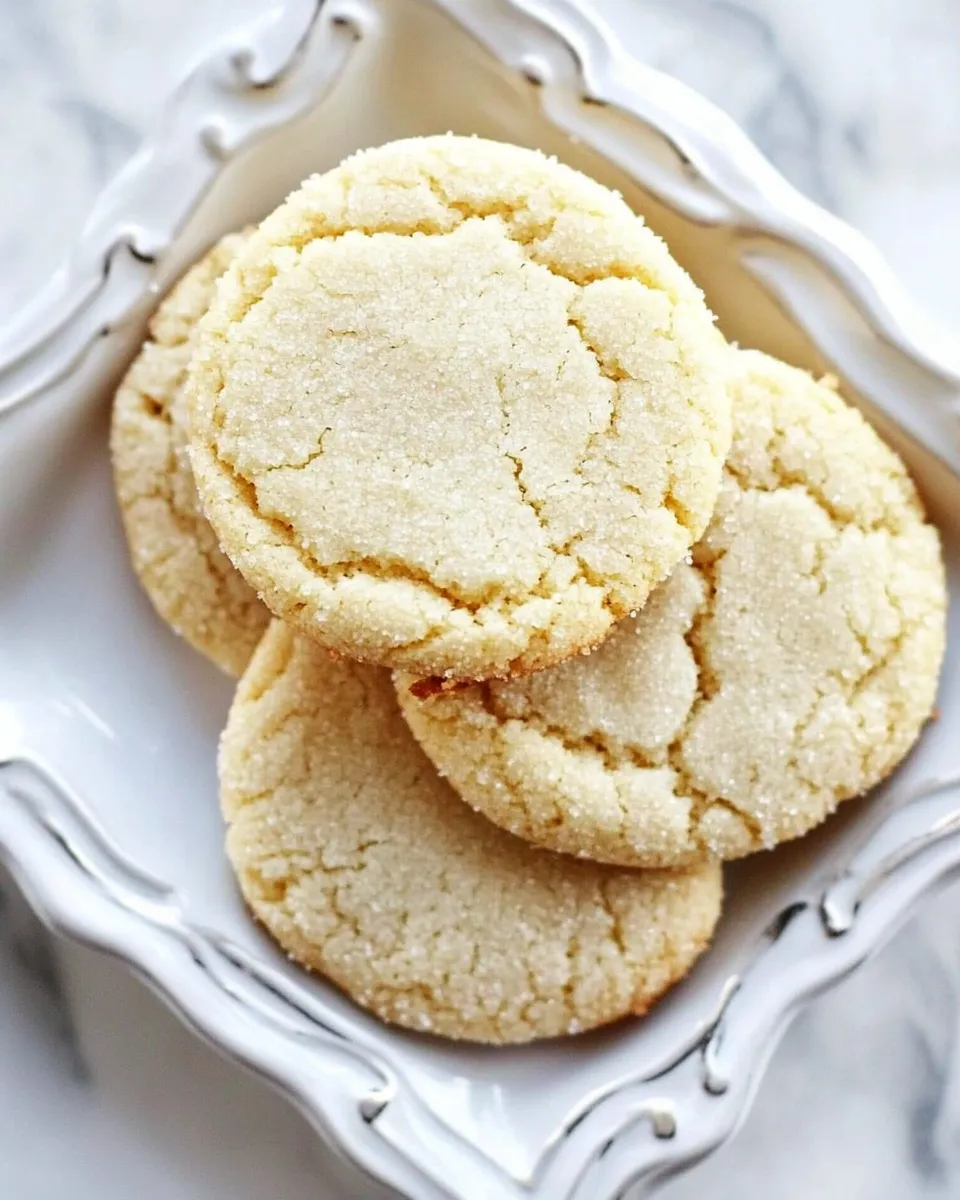
These sugar cookies are the kind I bake when I need reliably tender, lightly crisp cookies without fuss. They use a straightforward combination of sugars, butter, and a little oil to keep the texture soft, with powdered sugar folded in for body and a soft crumb. I like that the dough is forgiving—it may look crumbly, but it comes together when pressed, so you don’t need a pastry degree to get great results.
I developed this version after testing batches that were either too flat or too dry. The balance of granulated and powdered sugar plus the mix of butter and oil gives a cookie that stays tender but still gets a pleasing edge in the oven. The recipe is also quick to assemble: cream, add, whisk, roll, bake. Minimal chilling and minimal fuss.
Below I break the recipe down into a clear ingredient list, step-by-step build, common swaps, equipment notes, and troubleshooting. Read the steps once, gather your tools, and you’ll be surprised how quickly a sheet of perfect sugar cookies comes together.
Ingredient List
- 4 cups all-purpose flour — the structure of the cookie; measure by spooning into the cup and leveling for accuracy.
- 1 cup granulated white sugar — primary sweetener and helps with crisping the edges.
- 1 cup powdered sugar — adds tenderness and a finer crumb than granulated sugar alone.
- 1 cup (2 sticks) unsalted butter — at room temperature; provides flavor and richness.
- ¾ cup vegetable or canola oil — keeps the cookies soft and extends shelf life.
- 1 teaspoon baking soda — gives a little lift so cookies aren’t flat.
- 1 teaspoon cream of tartar — contributes to a tender texture and a slight chew.
- 1 teaspoon salt — balances sweetness and enhances flavor.
- 1 teaspoon vanilla extract — flavor anchor; use pure for best results.
- additional granulated white sugar, for rolling — coating that creates a light sparkle and slight crunch on the exterior.
Build Sugar Cookies Step by Step
- Preheat the oven to 350°F (use the center rack).
- In a large mixing bowl, place 1 cup granulated white sugar, 1 cup powdered sugar, and 1 cup (2 sticks) unsalted butter (room temperature). Use a hand mixer to cream them together on medium speed until light and fluffy, scraping the sides of the bowl as needed (about 2–3 minutes).
- Add 3/4 cup vegetable or canola oil and 1 teaspoon vanilla extract to the creamed mixture and mix on low speed until combined, scraping the bowl once or twice.
- In a separate bowl, whisk together 4 cups all-purpose flour, 1 teaspoon baking soda, 1 teaspoon cream of tartar, and 1 teaspoon salt until evenly distributed.
- With the mixer on low, gradually add the dry ingredients to the wet ingredients and mix just until a cohesive dough forms. The dough may be crumbly but should hold together when pressed; use your hands to press and bring it together if needed.
- Portion the dough into 1-inch balls. Roll each ball in the additional granulated white sugar (from the ingredient list) to coat.
- Place the sugared dough balls 2 inches apart on an ungreased or lined baking sheet. Flatten each ball slightly with a glass dipped in granulated sugar so the bottom of the glass does not stick to the dough.
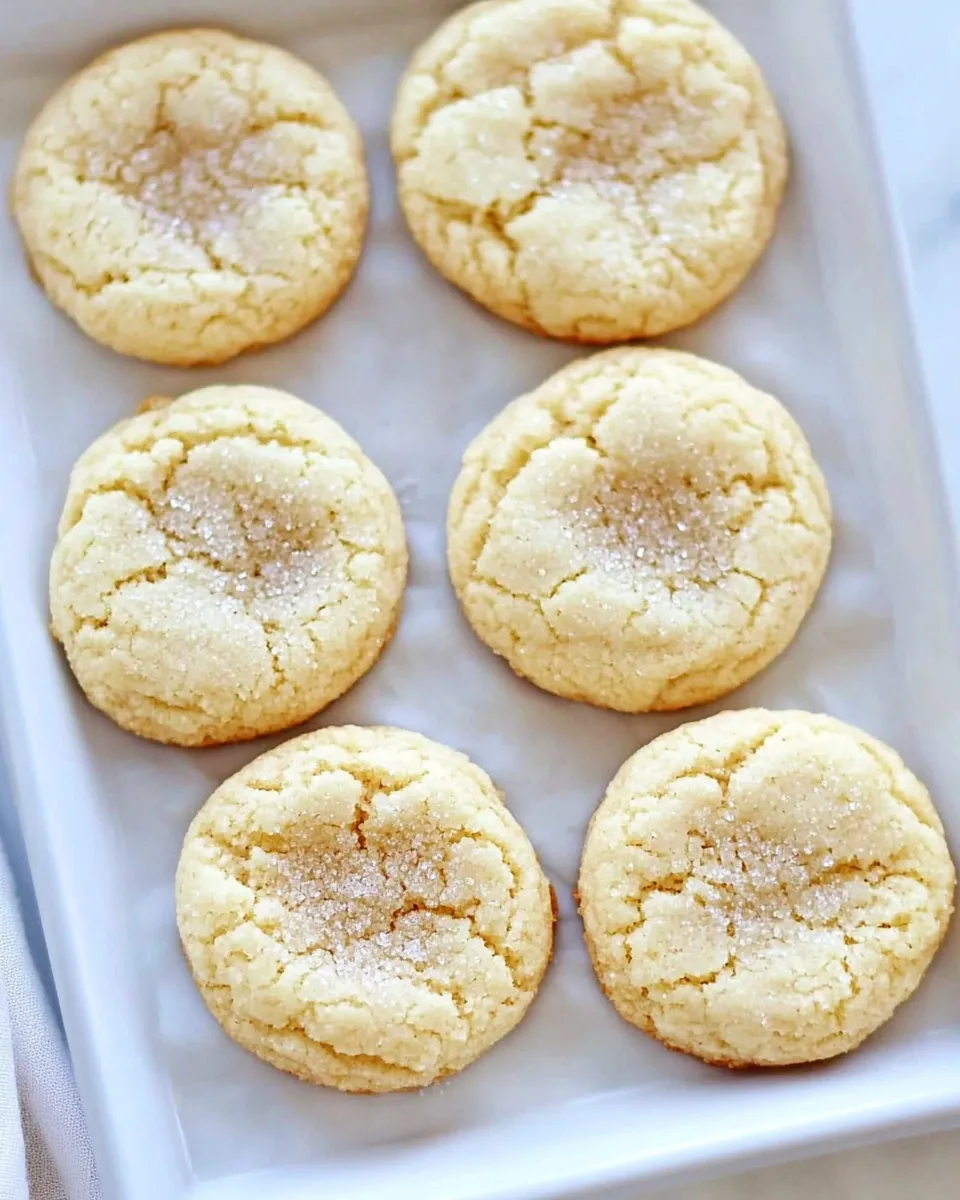
- Bake in the preheated oven for 15 minutes, or until the cookies are light brown around the edges.
- Remove the baking sheet from the oven and let the cookies cool on the sheet for 2 minutes. Transfer the cookies to a wire rack to cool completely.
- Once cooled, store the cookies in an airtight container.
Why This Recipe Is Reliable
This recipe balances two kinds of sugar—granulated for structure and powdered for tenderness—which is the core of its dependability. The butter gives flavor and flavor depth, while the oil ensures a soft interior that holds up after cooling. The small amounts of baking soda and cream of tartar provide gentle lift and a tender chew without spreading the way a high-rising cookie might.
Another reason it’s consistent: the technique is forgiving. You cream sugars and butter, add oil and vanilla, then fold in dry ingredients. If the dough looks crumbly, pressing it together by hand is part of the plan. That makes the recipe approachable for home bakers who don’t want to fuss with chilling times or precise hydration.
Ingredient Swaps & Substitutions
- Butter — swap with salted butter if needed; reduce added salt slightly or omit the 1 teaspoon salt when using salted butter, depending on preference.
- Oil — the recipe uses neutral vegetable or canola oil. For a subtle flavor shift, light olive oil can work but will add a faint oil note. Avoid strong-flavored oils.
- Flour — stick to all-purpose flour for the intended texture. Using bread flour will make the cookies denser; cake flour will make them softer and potentially fragile.
- Sugars — do not replace powdered sugar 1:1 with extra granulated sugar; the powdered sugar contributes body and tenderness that granulated cannot replicate.
- Vanilla — clear imitation vanilla will work, but pure vanilla extract gives the best aroma.
Setup & Equipment
- Large mixing bowl — for creaming and combining.
- Hand mixer — used in the recipe to cream sugars and butter; you can use a stand mixer with paddle if preferred.
- Separate bowl — for whisking dry ingredients together so they distribute evenly.
- Measuring cups and spoons — accurate measuring is important, especially for flour and leaveners.
- Baking sheet — ungreased or lined with parchment; use a half-sheet for best spacing.
- Wire rack — allows cookies to cool completely without becoming soggy.
- Glass or flat-bottomed tool — for pressing balls flat; dip the glass in sugar to prevent sticking.
Steer Clear of These
Do not overmix once the flour goes in. Overworking flour develops gluten and can make the cookies tough. Mix only until a cohesive dough forms.
Avoid pressing the dough balls so thin that they spread into one another. The recipe specifies 2-inch spacing; honor that. Also, don’t skip dipping the glass in sugar before flattening—otherwise the glass will stick and tear the tops of the cookies.
Finally, resist making substitutions to the sugar ratio without testing. Powdered sugar has different properties than granulated, and swapping them willy-nilly changes texture and spread.
Variations by Season
Spring: Add the zest of one lemon to the creamed butter and sugar for a bright lift. Lemon pairs wonderfully with the pure vanilla base.
Summer: Fold in 1/2 cup of finely chopped dried fruit (like cranberries) after the dry ingredients are mixed. The cookies keep their shape and gain a chewy contrast.
Autumn: Stir in 1 teaspoon ground cinnamon and 1/4 teaspoon ground nutmeg to the dry mix for warm, autumnal spice.
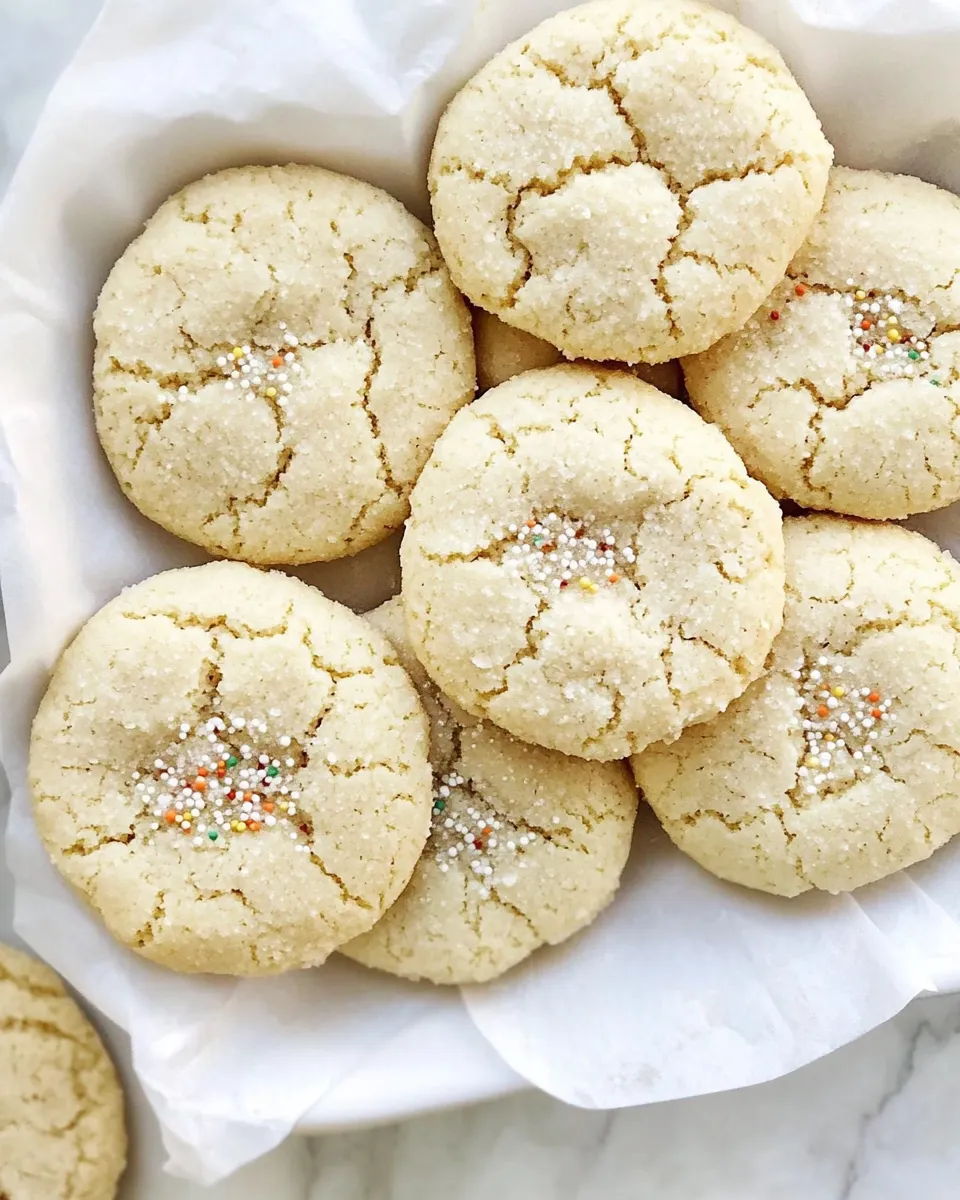
Winter: After cookies cool, dip half in melted chocolate or make a thin glaze with powdered sugar and a splash of milk. You can also press a small candy into the center before baking for a festive touch.
Chef’s Notes
Room-temperature butter is essential. If you forget to set the butter out, cut it into small cubes and let it sit for 10–15 minutes; too-cold butter won’t cream properly, and too-soft butter will create an oily creaming stage.
When the dough looks crumbly, don’t panic. The instructions explicitly expect that. Press it together with your hands; that tactile finishing brings it into a workable mass.
Use a small cookie scoop for consistent 1-inch balls. Consistent sizing equals consistent bake times and uniform appearance.
Storing, Freezing & Reheating
Store fully cooled cookies in an airtight container at room temperature for up to 5 days. Layer with parchment if stacking. The oil in the recipe helps them stay soft longer than a butter-only cookie.
To freeze raw dough: portion into 1-inch balls, roll in additional granulated sugar, place on a tray to freeze until solid, then transfer to a freezer bag. Bake from frozen; add a minute or two to the baking time and watch for the light brown edge described in the recipe.
To freeze baked cookies: cool completely, then freeze in a single layer on a tray before transferring to a freezer-safe container. Reheat gently in a 300°F oven for 4–6 minutes to restore a just-baked warmth, or let them come to room temperature.
Your Top Questions
- Can I chill the dough? Yes. Chilling will firm the dough and slightly reduce spread. If you chill, let the dough soften a few minutes at room temperature before rolling so it isn’t too hard to shape.
- Why both powdered and granulated sugars? Powdered sugar contains cornstarch and finer particles that produce a tender interior, while granulated sugar helps the edges crisp and gives structure. Together they balance texture.
- My cookies spread too much — what went wrong? Check your butter temperature (too warm) and spacing on the sheet. Also confirm baking soda amounts; though small, it contributes to spread control. Finally, use parchment or a proper baking surface rather than greying insulation trays that can overheat.
- Can I make these into cut-out cookies? This dough is not specifically a cut-out dough. It’s intended for rolled balls that are flattened. For clean cut-outs, a firmer, chilled dough is preferable.
Ready to Cook?
Gather the ingredients, set the oven to 350°F, and follow the Build Sugar Cookies Step by Step section. Keep your tools close: hand mixer, a mixing bowl, a whisk, and a baking sheet. These cookies come together quickly and reward a little attention to detail—room-temperature butter, accurate measuring, and sugar-dipped flattening. Bake a tray, let them cool, and enjoy a dozen that are tender, lightly crisp at the edge, and perfectly sweet.
Ingredients
Equipment
Method
- Preheat the oven to 350°F (use the center rack).
- In a large mixing bowl, place 1 cup granulated white sugar, 1 cup powdered sugar, and 1 cup (2 sticks) unsalted butter (room temperature). Use a hand mixer to cream them together on medium speed until light and fluffy, scraping the sides of the bowl as needed (about 2–3 minutes).
- Add 3/4 cup vegetable or canola oil and 1 teaspoon vanilla extract to the creamed mixture and mix on low speed until combined, scraping the bowl once or twice.
- In a separate bowl, whisk together 4 cups all-purpose flour, 1 teaspoon baking soda, 1 teaspoon cream of tartar, and 1 teaspoon salt until evenly distributed.
- With the mixer on low, gradually add the dry ingredients to the wet ingredients and mix just until a cohesive dough forms. The dough may be crumbly but should hold together when pressed; use your hands to press and bring it together if needed.
- Portion the dough into 1-inch balls. Roll each ball in the additional granulated white sugar (from the ingredient list) to coat.
- Place the sugared dough balls 2 inches apart on an ungreased or lined baking sheet. Flatten each ball slightly with a glass dipped in granulated sugar so the bottom of the glass does not stick to the dough.
- Bake in the preheated oven for 15 minutes, or until the cookies are light brown around the edges.
- Remove the baking sheet from the oven and let the cookies cool on the sheet for 2 minutes. Transfer the cookies to a wire rack to cool completely.
- Once cooled, store the cookies in an airtight container.