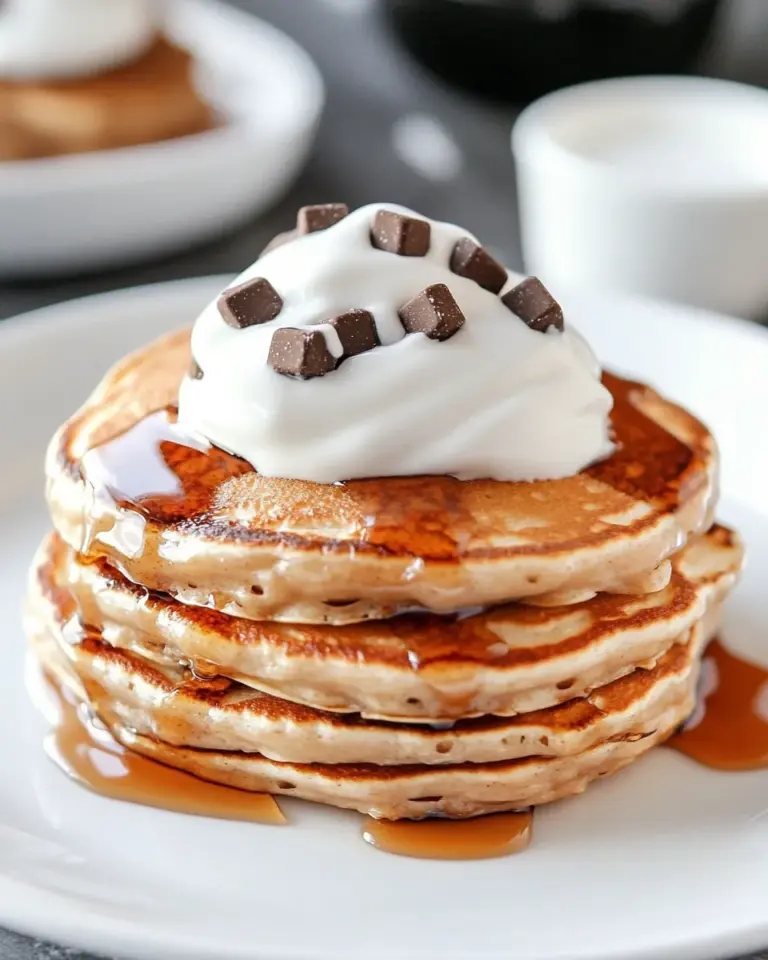
Biggest Loser Pancakes
These pancakes are one of my go-to breakfasts when I want something that feels indulgent but is straightforward and protein-forward. They come together in a blender, cook quickly on a skillet, and hold up well if you need to plate and eat later. I like that they rely on simple pantry staples and a little technique to get light, tender pancakes without fuss.
I test recipes at home the same way you would—on a weeknight when time is short and expectations are high. This version uses egg whites, oats, and cottage cheese as its backbone. The batter is forgiving: blend, rest a moment, and cook. Little adjustments to heat and timing are all you need to make them reliably good.
Below you’ll find the exact ingredient list and step-by-step directions I use, plus practical notes on equipment, common mistakes to avoid, and how to store leftovers so they taste fresh the next day. I keep tips direct and usable; no special pantry items required.
What’s in the Bowl
- 6 egg whites — primary source of lift and protein; they lighten the batter without adding yolk fat.
- 1 cup rolled oats (dry) — the bulk and texture; they soak and soften into structure when blended.
- 1 cup cottage cheese — provides moisture, tang, and additional protein to keep pancakes tender.
- 2 teaspoons sugar — a touch of sweetness to balance the tang from the cottage cheese.
- 1 teaspoon cinnamon — warm spice that adds depth; it’s subtle once cooked.
- 1 teaspoon vanilla — rounds the flavor and brightens the overall profile.
Mastering Biggest Loser Pancakes: How-To
- Add 6 egg whites, 1 cup rolled oats, 1 cup cottage cheese, 2 teaspoons sugar, 1 teaspoon cinnamon, and 1 teaspoon vanilla to a blender.
- Blend until the mixture is smooth and pourable, stopping to scrape down the sides and blending again if needed.
- Let the batter sit 1–2 minutes to allow the oats to soften (optional).
- Preheat a large nonstick skillet over medium heat and lightly spray it with nonstick cooking spray or use a well-seasoned nonstick pan.
- Pour 1/4 cup of batter per pancake into the skillet (you can cook 2–3 at a time depending on pan size).
- Cook until bubbles form on the surface and the edges look set, about 2–3 minutes, then flip and cook the other side until golden brown, about 1–2 minutes more.
- Repeat with the remaining batter, re-spraying the skillet if needed, and serve the pancakes warm.
Why Cooks Rave About It
These pancakes balance protein and carbs in a way that satisfies without weighing you down. Egg whites add lift and structure while cottage cheese contributes creaminess and a subtle tang. Rolled oats act as the flour component but keep the texture heartier and more interesting than refined flour alone.
People praise this approach because it’s forgiving. The blender does most of the work: it turns oats and cottage cheese into a batter that behaves like traditional pancake mix. For anyone managing calories or focusing on satiety, these pancakes stretch simple ingredients into filling portions without relying on processed mixes.
Another reason they’re popular is that they reheat well. Because they’re dense with protein, they don’t get gummy after refrigeration if you reheat them gently. That makes them practical for batch cooking or feeding a busy morning.
Dairy-Free/Gluten-Free Swaps
If you need to avoid dairy, replace the cottage cheese with a creamy plant-based alternative that has similar body—look for a plain, unsweetened option with a comparable consistency. For gluten-free needs, use certified gluten-free rolled oats instead of standard oats, and proceed exactly as written.
Be mindful of texture differences with substitutes. Some dairy-free alternatives will be thinner or sweeter; adjust by allowing the batter to rest slightly longer so the oats hydrate fully. If the batter seems too loose after swapping, a short extra soak or a few more seconds of high-speed blending will usually help.
Gear Checklist
Simple tools make these pancakes easy and repeatable. Use what you already have, but here are the things I rely on:
- Blender — for smooth, lump-free batter; a high-speed blender reduces blending time but a standard blender works fine.
- Large nonstick skillet — ensures even browning and minimal sticking; a well-seasoned pan can replace nonstick coating.
- Measuring cups and spoons — the recipe relies on consistent volumes for oats and cottage cheese.
- Spatula — a thin, flexible spatula helps flip the pancakes without tearing.
- Nonstick spray or light oil — prevents sticking; use sparingly to avoid frying the edges.
Errors to Dodge
Heat too high and the outsides will brown before the centers cook. Medium heat is the sweet spot; you want bubbles to form and the edges to set before flipping. If your pan is smoking, lower the heat immediately.
Over-blending the batter can make the pancakes overly thin. Blend until smooth and pourable, but stop as soon as you reach that point. If the batter seems too runny, let it rest for a minute or two so the oats absorb liquid.
Flipping too soon is another common mistake. Wait for the surface to show bubbles and for the edges to look set. A confident flip keeps the pancakes intact and yields even browning.
Warm & Cool Weather Spins
When mornings are warm, serve the pancakes at room temperature with fresh fruit you have on hand or a light drizzle of a condiment you prefer. The batter’s mild spice works well with tart or sweet accompaniments.
In cooler months, serve them hot off the pan and consider a warm topping. You can reheat a fruit compote or warmed spread to pair with the pancakes so the overall plate feels comforting without extra effort.
Cook’s Commentary
I make these pancakes when I want a breakfast that holds up through a busy morning. They travel well in a lunchbox and feel substantial without being greasy. The cinnamon and vanilla are small but important touches; they round out the dairy tang and make the flavor feel composed.
My personal tweak is to watch the batter’s thickness after blending. If it sits too long it can thicken as the oats absorb liquid, so I stir it once and work in short batches. That keeps the pancakes uniformly tender.
How to Store & Reheat
Short term (refrigerator)
Store pancakes in an airtight container for up to 3 days. Stack them with a sheet of parchment or wax paper between layers if you want to prevent sticking. When reheating, use a skillet over low heat or a toaster oven until warmed through; this preserves texture better than the microwave.
Long term (freezer)
For longer storage, freeze the pancakes in a single layer on a baking sheet until firm, then transfer to a freezer bag. They keep for up to 2 months. Reheat from frozen in a toaster oven or in a skillet over low heat; if you must use a microwave, do short bursts and check frequently to avoid rubberiness.
Your Questions, Answered
Q: Can I make the batter ahead of time?
A: You can blend the batter and refrigerate it for a few hours. The oats will hydrate and thicken the batter, so give it a quick stir and add a splash of liquid if it’s too stiff before cooking.
Q: Will whole eggs work instead of egg whites?
A: Whole eggs will change the texture and richness. The recipe is balanced for egg whites; using yolks will make the pancakes denser and richer, which may be desirable but deviates from the original profile.
Q: Can I double the recipe?
A: Yes. Blend in batches if your blender capacity is limited. Cook as directed, and keep finished pancakes warm in a low oven (around 200°F/95°C) on a tray until serving.
Make It Tonight
If you’re ready to try this tonight, gather the ingredients and preheat your skillet while the blender does the heavy lifting. The full cook time is quick: a few minutes to blend, a couple of minutes of resting if you like, and then about 10–15 minutes to pan-cook a batch. Set out your toppings or sides, keep the heat steady, and work in consistent 1/4-cup portions for even pancakes.
I make these when the week demands something fast, satisfying, and easy to scale. Follow the steps exactly the first time, then tweak heat and resting time to suit your equipment and taste. You’ll have a reliable, protein-packed pancake on the table in under 30 minutes.
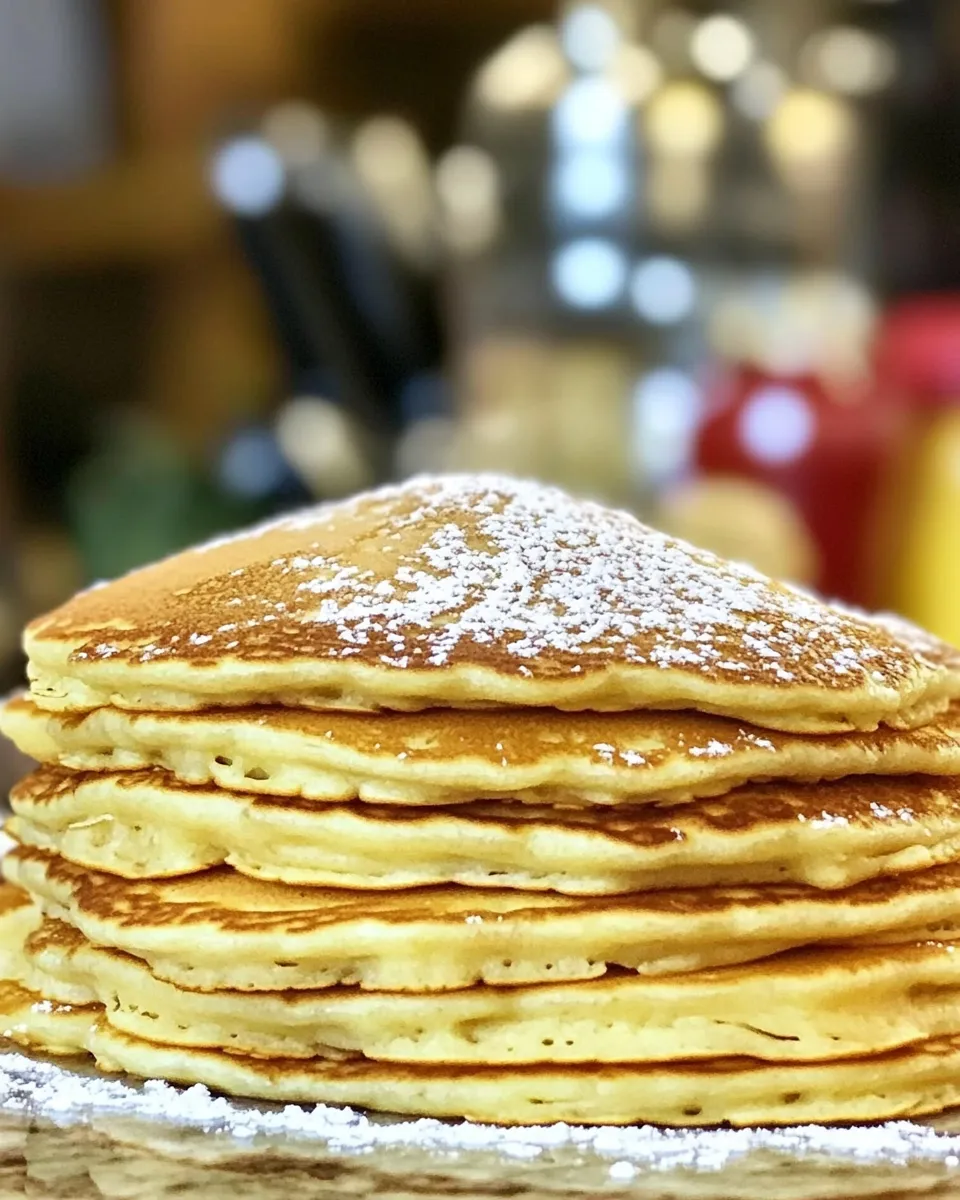
Biggest Loser Pancakes
Ingredients
Equipment
Method
- Add 6 egg whites, 1 cup rolled oats, 1 cup cottage cheese, 2 teaspoons sugar, 1 teaspoon cinnamon, and 1 teaspoon vanilla to a blender.
- Blend until the mixture is smooth and pourable, stopping to scrape down the sides and blending again if needed.
- Let the batter sit 1–2 minutes to allow the oats to soften (optional).
- Preheat a large nonstick skillet over medium heat and lightly spray it with nonstick cooking spray or use a well-seasoned nonstick pan.
- Pour 1/4 cup of batter per pancake into the skillet (you can cook 2–3 at a time depending on pan size).
- Cook until bubbles form on the surface and the edges look set, about 2–3 minutes, then flip and cook the other side until golden brown, about 1–2 minutes more.
- Repeat with the remaining batter, re-spraying the skillet if needed, and serve the pancakes warm.