Boiled Potatoes
I keep a pot of boiled potatoes in my mental recipe bank for the nights when nothing complicated will do. They feel humble, but they respond generously to small, careful moves: even cooking, a bit of butter, a finishing season. Done well, boiled potatoes are a quiet star — creamy, slightly earthy, and endlessly useful.
In this post I walk through a straightforward method that gets consistent results. I’ll cover exactly what to gather, how to time the cook, a few variations, and the small mistakes to avoid. No fuss, just reliable potatoes you can serve plain, dressed, or turned into something else.
Whether you’re making a side for weeknight dinner or prepping a base for salads, this is the approach I reach for. It saves time, keeps texture intact, and leaves room for last-minute flavoring.
What You’ll Gather
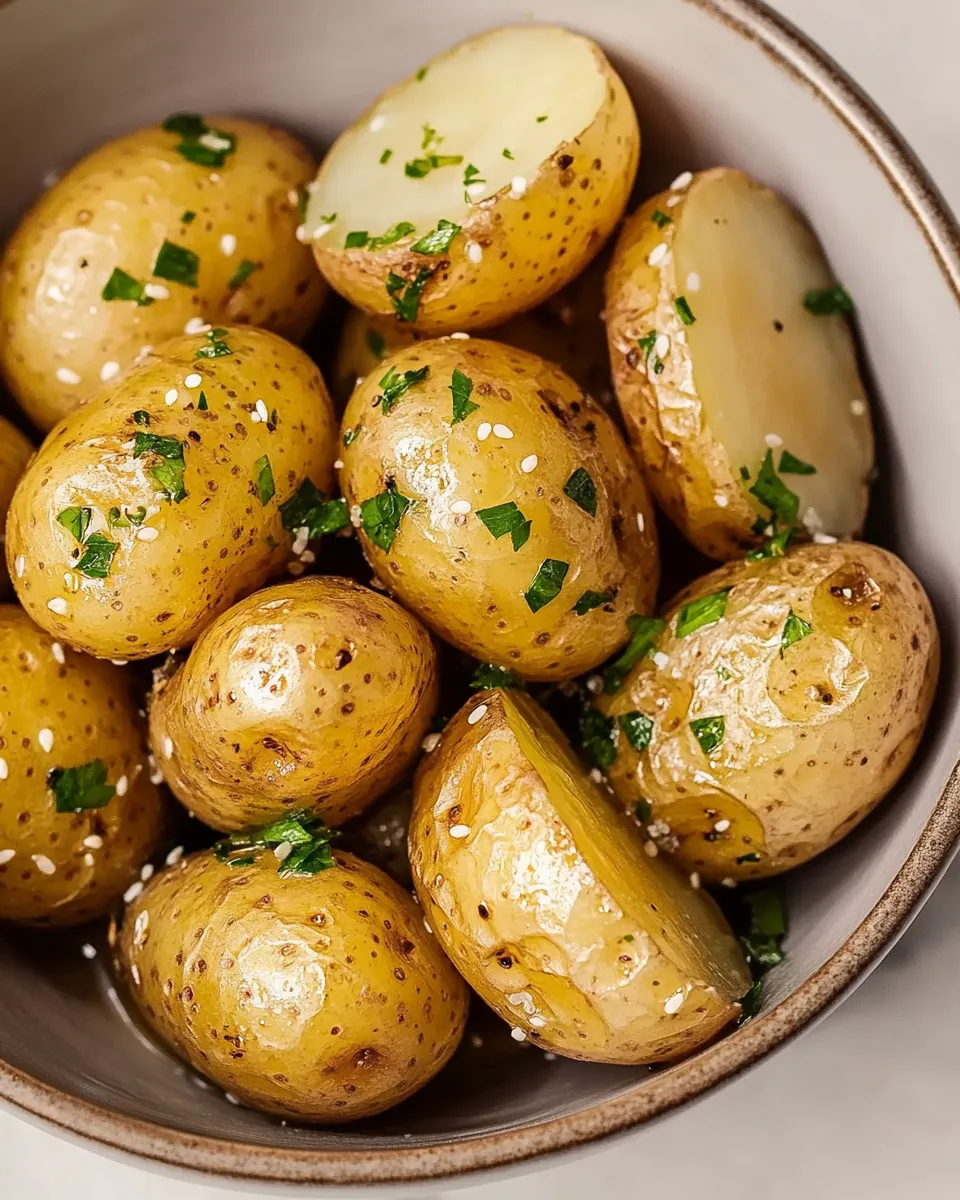
This recipe is intentionally simple: a short ingredient list and basic equipment. The goal is to keep the potatoes the focus and make sure every step supports a tender interior and intact exterior. Read through the ingredients and the steps once before you start so you don’t scramble mid-cook.
Ingredients
- 1 1/2 pounds small new potatoes — washed and scrubbed; cut in halves or quarters if large. These are the main ingredient and set the cooking time.
- 1 tablespoons salt — for the water. This seasons the potatoes from the inside as they cook.
- 3 tablespoons unsalted butter — melted. Added after draining for flavor and a light coating.
- Kosher salt to taste — for seasoning the potatoes after cooking.
- Freshly ground black pepper to taste — for finishing and a little bite.
- Fresh parsley or green onions — chopped (optional garnish). Brightens the dish and adds color.
Boiled Potatoes, Made Easy
- If any potatoes are large, cut them into halves or quarters so pieces are roughly uniform. Place 1 1/2 pounds small new potatoes (washed and scrubbed) in a large pot and cover with cold water by at least 1 inch.
- Add 1 tablespoon salt to the water. Place the pot over high heat and bring the water to a boil.
- Once boiling, reduce the heat to maintain a gentle simmer. Cook the potatoes until fork-tender, about 12–18 minutes, depending on size.
- While the potatoes cook (or just before draining), melt 3 tablespoons unsalted butter in a small pan or in the microwave.
- Drain the potatoes in a colander and return them to the pot off the heat or transfer them to a serving bowl.
- Drizzle the melted unsalted butter over the drained potatoes. Season with kosher salt to taste and freshly ground black pepper to taste.
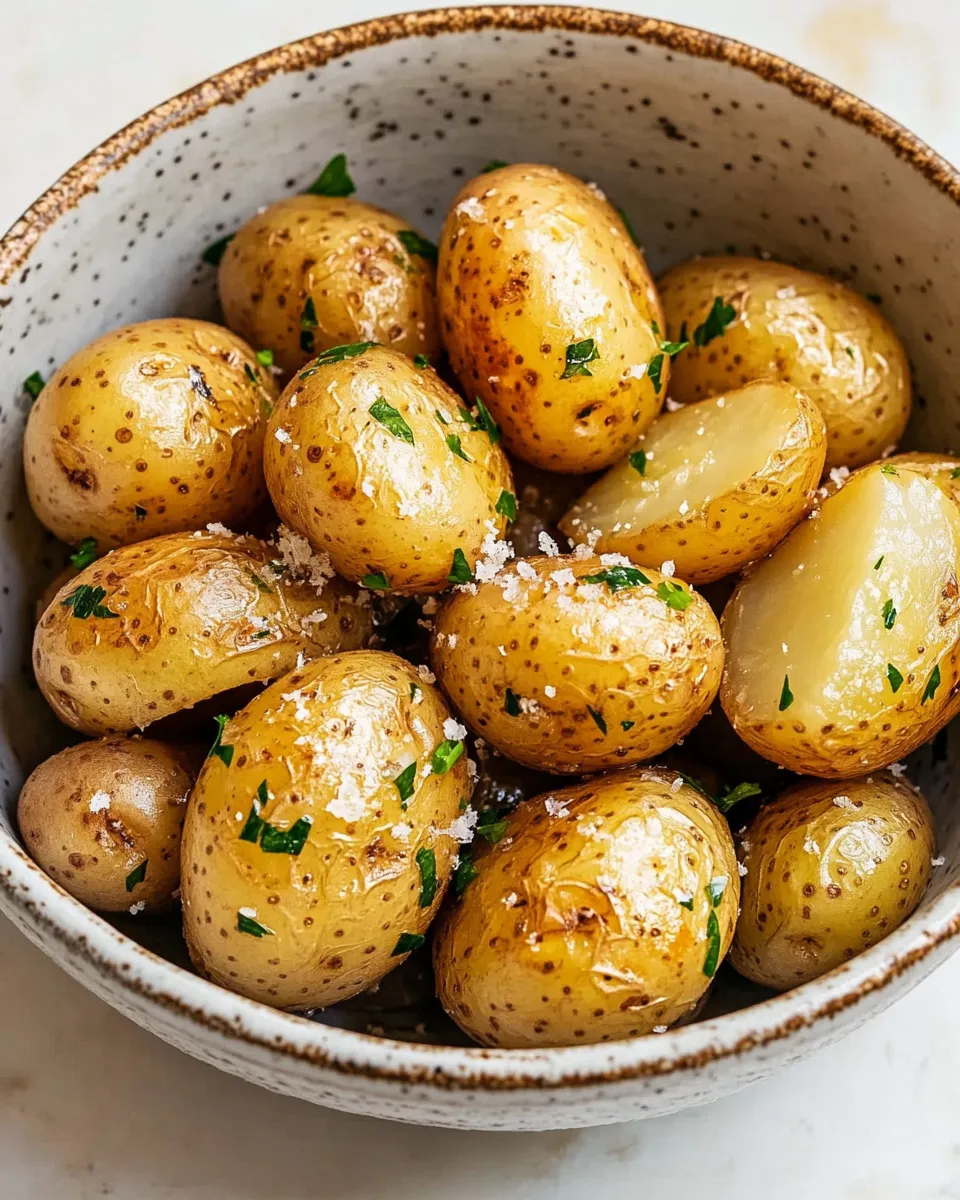
- Gently toss the potatoes to coat evenly, being careful not to break them. If desired, garnish with chopped fresh parsley or chopped green onions before serving.
Why This Recipe Belongs in Your Rotation
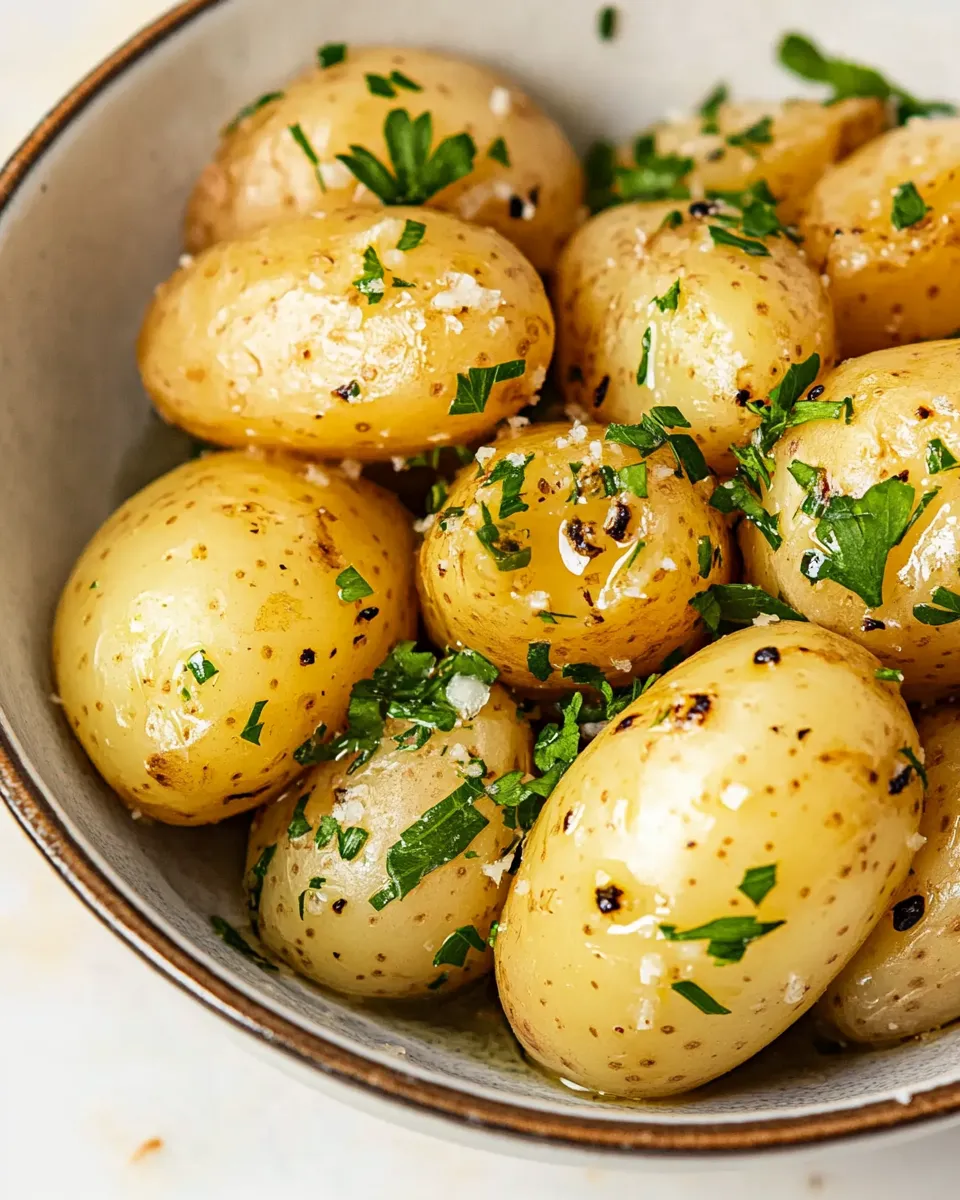
Boiled potatoes are quick, forgiving, and compatible with many mains. They take less active time than roasting and are less fussy than frying. A small investment of time — washing, a simmer, and a taste for seasoning — yields a side that can anchor a meal or turn into many other dishes.
The method here emphasizes even cooking and minimal handling. That keeps the skin intact and the flesh pillowy. You’ll get consistent results whether you serve them simply as a side with butter and herbs or use them as the base for a composed salad, a smashed-potato dish, or a quick mash.
Finally, because the ingredients are few, focusing on technique makes a big difference: uniform piece size, cold start to the pot, and the gentle simmer are the small choices that deliver big returns.
Ingredient Flex Options
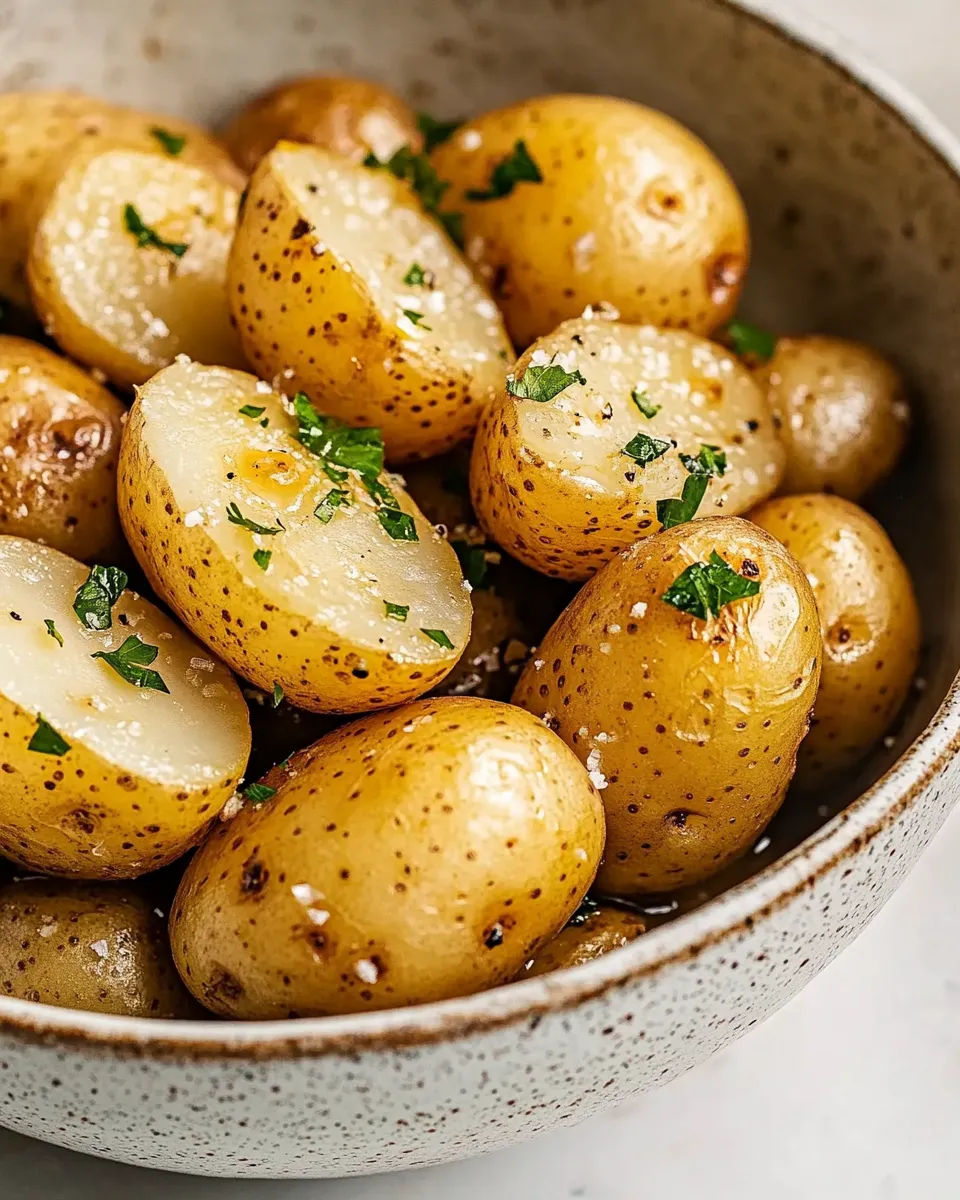
There’s room to adapt without changing the core method. Keep the potato-to-water ratio and season the cooking water; that’s key. Here are practical, tested swaps and additions you can try.
- Different potatoes: If you can’t find small new potatoes, use Yukon Golds for a naturally buttery texture. Increase cooking time slightly for larger pieces.
- Butter alternatives: Use olive oil for a lighter, Mediterranean profile. You won’t get the same richness, but it’s a fine swap, especially with herbs or lemon.
- Herb options: Parsley and green onions are classic. Dill, chives, or a scatter of thyme work well too. Add herbs at the end so they stay bright.
- Seasoning additions: A squeeze of lemon, a dash of smoked paprika, or a teaspoon of Dijon mustard whisked into the melted butter give the potatoes a distinct twist.
Setup & Equipment
You don’t need anything fancy: a large pot, a heat source, a colander, and a bowl or the same pot for tossing. Still, a couple of small conveniences make the process smoother.
- Large pot: Big enough so the water covers the potatoes by an inch and they aren’t overcrowded. Crowding causes uneven cooking.
- Colander: For quick draining so the potatoes don’t sit in water and lose texture.
- Small pan or microwave-safe bowl: To melt the butter while the potatoes finish cooking.
- Instant-read fork or small knife: For testing doneness without overcooking.
Avoid These Traps
There are a few common mistakes that turn a simple recipe into a soggy or mealy disappointment. Watch for them and you’ll be fine.
- Starting with hot water: Putting potatoes into already boiling water can cook the outside too quickly and leave the center underdone. Begin with cold water so they come up to temperature evenly.
- Boiling too hard: A rolling boil tosses the potatoes and can break skins. Reduce to a gentle simmer once the water reaches a boil.
- Overcooking: A fork should slide in with little resistance. Overcooked potatoes turn mushy and can fall apart when tossed.
- Skipping salt in the cooking water: You’ll miss internal seasoning; the potatoes will taste flat even after finishing with salt.
- Draining and leaving in the colander too long: If you leave them exposed to air, they can cool and dry out. Return them to the pot or a bowl promptly to dress with butter.
Make It Fit Your Plan
Use this recipe for weeknight meals, as prep for salads, or as the starting point for quick mashed potatoes. Here’s how I adapt it depending on timing and meal plans.
- Weeknight side: Cook while you finish a main — butter and herbs right before serving. Total hands-on time is minimal.
- Meal prep: Boil and cool completely, then store in an airtight container for up to 3 days. Dress just before serving to keep them fresh.
- For a salad: Slightly undercook if you plan to chill them; they’ll firm up in the fridge and hold shape when tossed with dressing.
- For smashed potatoes: Boil until tender, cool briefly, then gently smash and roast or pan-fry to crisp edges.
Recipe Notes & Chef’s Commentary
A few small decisions change the final character of the dish. I prefer to add salt to the cooking water rather than relying only on finishing salt — it seasons through. I also melt the butter separately so I can control the temperature and avoid clumping.
When tossing the potatoes, use a gentle hand. The aim is even coating without breaking the skin. If you want a glossy finish, a little extra butter helps, but for a lighter result, toss with a tablespoon of olive oil and lemon zest instead.
Garnishes are more than decoration. Chopped parsley adds freshness and a bit of color; green onions bring subtle sharpness. If you’re serving something rich like braised meat or sausages, a bright herb finish cuts through the richness.
Storage & Reheat Guide
Boiled potatoes store well but change texture over time. Follow these practical tips for storing and reheating so they stay pleasant.
- Refrigerate: Cool completely and store in an airtight container for up to 3 days. If you’ve dressed them with butter and herbs, consume sooner for best texture and flavor.
- Freeze: Not ideal for dressed boiled potatoes; freezing changes texture. If you must, freeze plain boiled potatoes for up to a month, but expect them to be better used in cooked dishes after thawing.
- Reheat gently: Warm in a skillet over medium-low heat with a little butter or oil to refresh the exterior. Microwave works in a pinch but can make them gummy.
- Refresh in the oven: Spread on a sheet, warm at 400°F (200°C) for 8–12 minutes to re-crisp edges.
Troubleshooting Q&A
Here are quick answers to problems you might run into.
- My potatoes fell apart when I tossed them — why? Most likely overcooked or boiled too vigorously. Next time reduce to a simmer and test early for fork-tenderness.
- They taste bland — what did I miss? Either the cooking water wasn’t salted, or you didn’t finish with enough kosher salt. Add a pinch, taste, and adjust.
- The skin is wrinkly or dry after cooling — how to prevent? Don’t let them sit in the colander. Return them to the pot off the heat or a bowl and dress quickly to retain moisture.
- Can I boil them from frozen? You can, but it changes the texture and increases breakage. Thaw briefly or start from cold for best results.
Bring It Home
Boiled potatoes are one of those foundational recipes that repay attention. The steps are few but meaningful: uniform pieces, salted cold water, gentle simmer, and careful finishing. Follow them and you’ll have potatoes that are versatile, satisfying, and ready to support whatever you pair them with.
Make a batch, and you’ll find them more helpful than you expected — a simple base for salads, a quick side, or a last-minute upgrade with butter and herbs. Keep this method in your rotation; it’s uncomplicated, quick, and dependable.
Boiled Potatoes
Ingredients
Equipment
Method
- If any potatoes are large, cut them into halves or quarters so pieces are roughly uniform. Place 1 1/2 pounds small new potatoes (washed and scrubbed) in a large pot and cover with cold water by at least 1 inch.
- Add 1 tablespoon salt to the water. Place the pot over high heat and bring the water to a boil.
- Once boiling, reduce the heat to maintain a gentle simmer. Cook the potatoes until fork-tender, about 12–18 minutes, depending on size.
- While the potatoes cook (or just before draining), melt 3 tablespoons unsalted butter in a small pan or in the microwave.
- Drain the potatoes in a colander and return them to the pot off the heat or transfer them to a serving bowl.
- Drizzle the melted unsalted butter over the drained potatoes. Season with kosher salt to taste and freshly ground black pepper to taste.
- Gently toss the potatoes to coat evenly, being careful not to break them. If desired, garnish with chopped fresh parsley or chopped green onions before serving.