Brown Butter Snickerdoodle Cookie Recipe
These cookies live at the intersection of simple and exceptional. The nutty, caramel notes from properly browned butter lift the classic snickerdoodle into something richer without adding fuss. The method favors small, practical steps you can repeat on a weeknight or for a crowd.
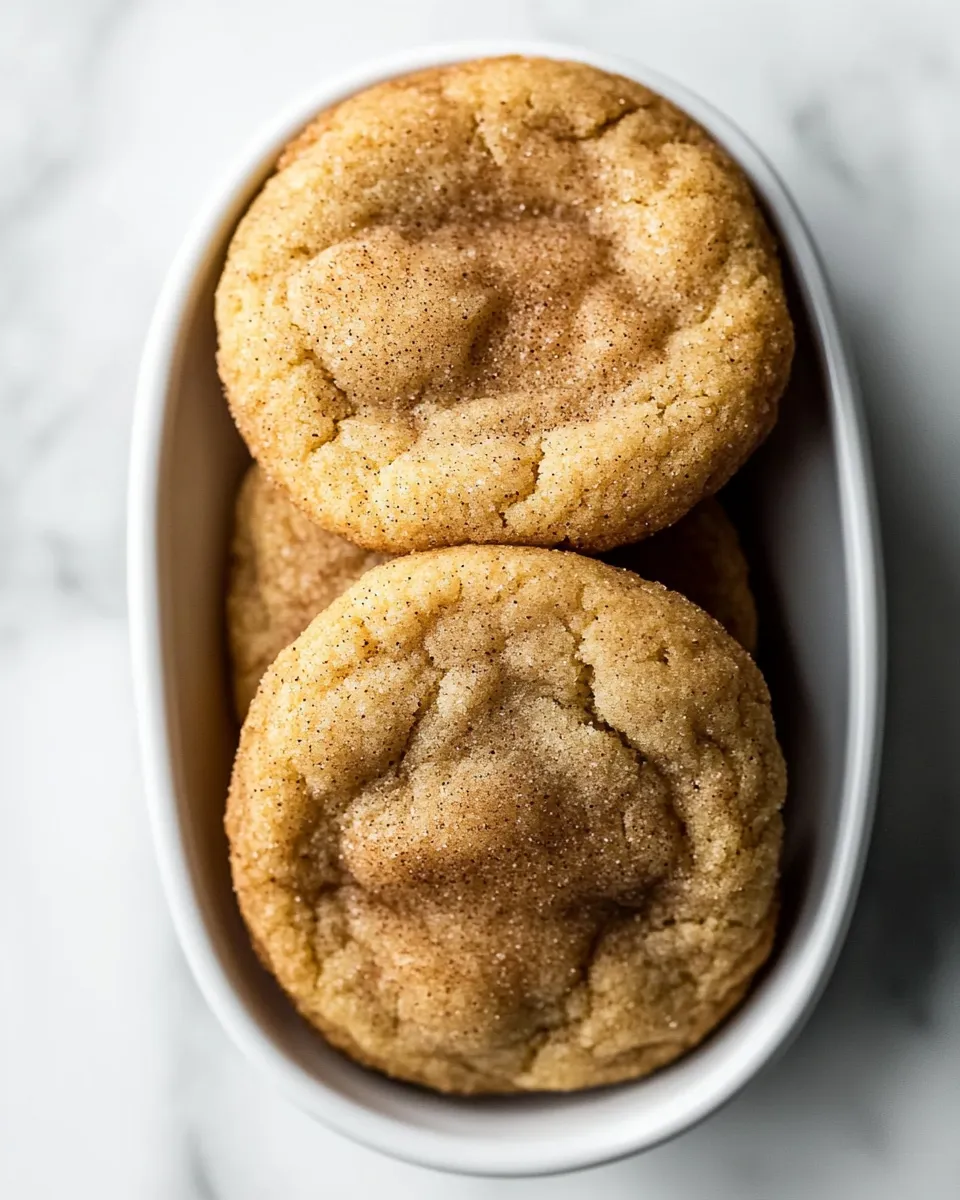
I test recipes the way most people do: I make them, note where they misbehave, and adjust so they behave reliably. This version holds shape, puffs cushy in the center, and gets tidy golden edges. It’s forgiving, and it rewards patience—especially when the dough gets a short chill.
Below you’ll find everything you need: a clear ingredients list, exact steps pulled from the recipe’s source, troubleshooting notes, and sensible ways to work with the dough. If you want cookies that taste elevated but still feel like something you can bake on a Tuesday, this is the one to keep in rotation.
What’s in the Bowl
Ingredients
- 1 cup browned butter — gives a toasty, caramel backbone; should be warm but not hot when mixed.
- 1 cup white sugar — adds sweetness and helps edges crisp.
- ½ cup brown sugar — brings moisture and a touch of molasses flavor.
- 2 eggs — provide structure and lift when beaten into the butter and sugar.
- 2 teaspoons vanilla extract — rounds flavors and enhances sweetness.
- 2 3/4 cups all-purpose flour — the main structure; measure by spooning into the cup and leveling for consistency.
- 2 teaspoons cream of tartar — important in snickerdoodles for that classic tang and chew.
- 1 teaspoon baking soda — gives the dough a gentle rise and helps set the edges.
- 1/2 teaspoon salt — balances sweetness and heightens the browned butter notes.
- 4 tablespoons white sugar — for rolling; creates the crackled, sugared exterior.
- 1 tablespoon ground cinnamon — mixed with the rolling sugar for the signature snickerdoodle coating.
Brown Butter Snickerdoodle Cookie, Made Easy
- Preheat oven to 375°F (190°C). Line baking sheets with parchment paper or a silicone baking mat; set aside.
- If using freshly made browned butter, transfer 1 cup browned butter to a heatproof bowl and allow it to cool slightly until warm but not hot.
- In a large bowl, combine 1 cup browned butter, 1 cup white sugar, and 1/2 cup brown sugar. Beat or stir until the sugars are well incorporated and the mixture is uniform, scraping down the sides of the bowl as needed.
- Add 2 eggs and 2 teaspoons vanilla extract to the butter-sugar mixture. Beat until the mixture is pale and thick.
- In a separate bowl, whisk together 2 3/4 cups all-purpose flour, 2 teaspoons cream of tartar, 1 teaspoon baking soda, and 1/2 teaspoon salt.
- Add the dry ingredients to the wet ingredients and mix just until combined; avoid overmixing.
- Cover the dough and chill for 45 minutes or refrigerate overnight.
- In a small bowl, mix 4 tablespoons white sugar and 1 tablespoon ground cinnamon for rolling.
- Scoop or measure dough into balls about 1.5 tablespoons each. Roll each ball in the cinnamon-sugar mixture to coat.
- Place the coated dough balls 2 inches apart on the prepared baking sheets.
- Bake 8 to 10 minutes, until the edges are set and golden and the centers are puffed.
- Let cookies cool on the baking sheet for about 5 minutes, then transfer to a wire rack to cool completely.
Why You’ll Keep Making It
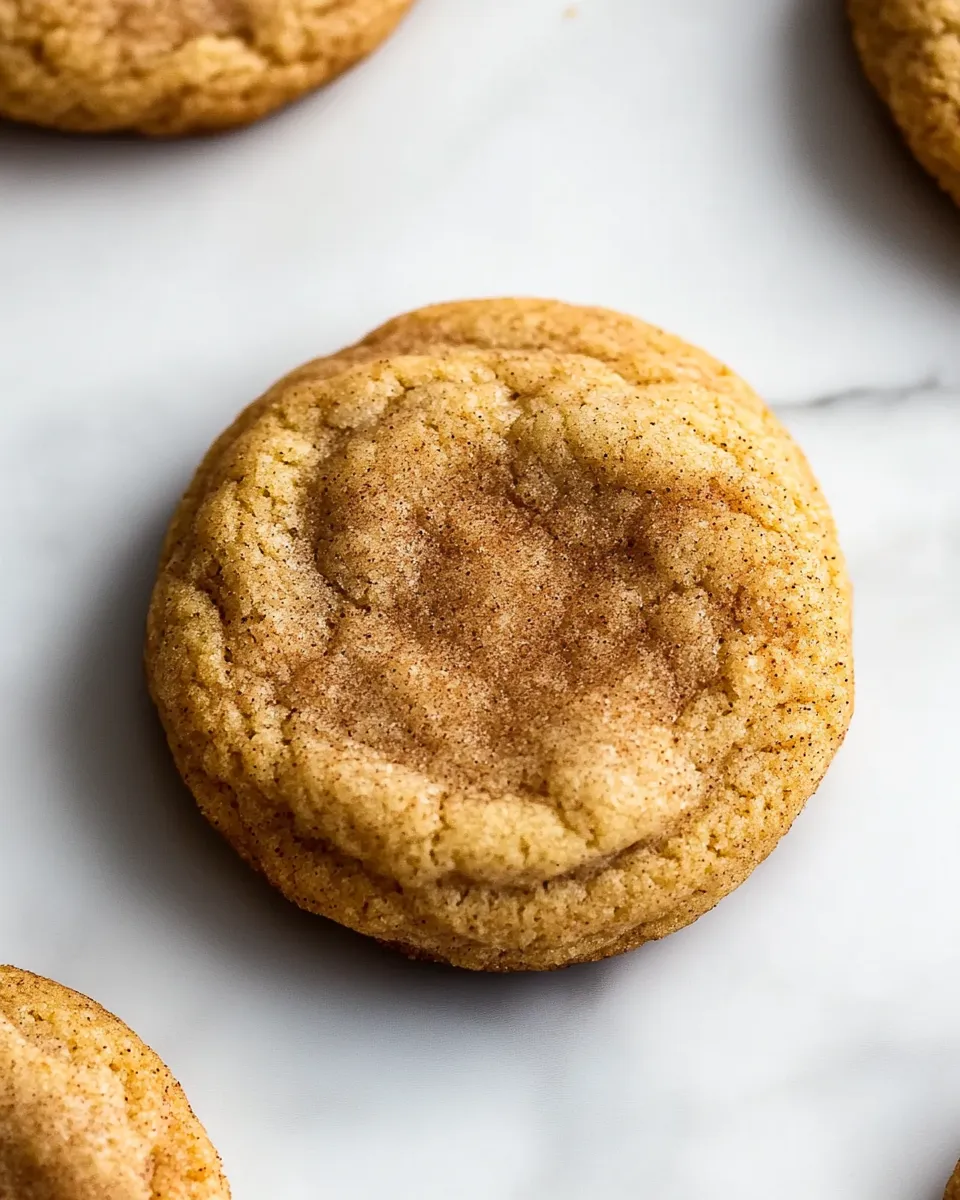
This recipe hits the sweet spots: approachable technique, clear results, and a flavor shift that feels worthwhile. Browned butter is a small extra step that adds exponential return—there’s a roasted, toffee-like character that turns a familiar cookie into something you reach for again.
The dough is forgiving. It tolerates a brief overmix better than many egg-forward cookies; chilling firms it up for neat shaping and controls spread. Make the dough ahead and bake fresh whenever you want warm cookies; the overnight rest often makes the flavor deeper.
Finally, the texture balances crisp edges with pillowy centers. You don’t have to choose between chew and crunch. The combination of cream of tartar with baking soda gives the classic snickerdoodle tang and that tender chew under the browned-butter richness.
Flavor-Forward Alternatives
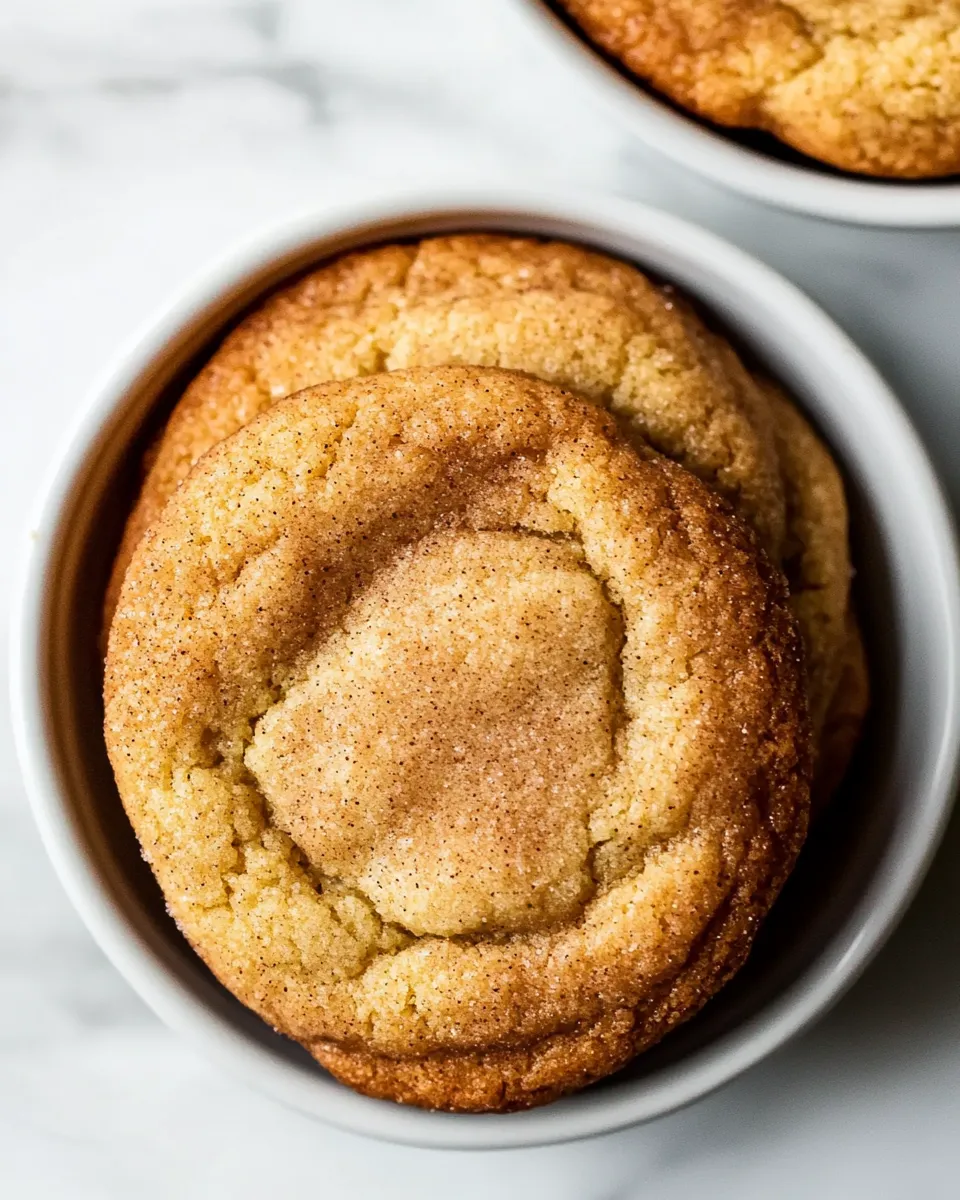
Stick to the ingredients on the list and you can still vary the expression of the cookie without reinventing it.
- Add a touch more ground cinnamon into the dough itself for a warmer, overall spice profile instead of confining it to the exterior.
- Swap a tablespoon or two of the white sugar in the dough for extra brown sugar to bump the caramel notes; it will darken the interior and add chew.
- Adjust the amount of browned butter you use by finishing the browned butter in the pan for slightly deeper notes before measuring one cup; the cookie will taste more toasty but remain the same structurally.
- For a pronounced vanilla lift, let the vanilla sit briefly with the warm browned butter (after it’s off the heat) before combining—this extracts more aroma into the fat.
- Roll only half the dough balls in the cinnamon sugar for a more subtle cinnamon kiss on some cookies and a stronger hit on others—great for variety when baking a big batch.
Toolbox for This Recipe
Keep these tools handy to streamline the process and get consistent results:
- Heavy-bottomed skillet or saucepan — for browning butter evenly.
- Heatproof bowl — to cool the browned butter safely (the recipe calls for transferring browned butter to a heatproof bowl).
- Stand mixer or hand mixer (optional) — makes beating the butter and sugars easier, but you can also stir by hand.
- Measuring cups and spoons — accuracy matters for flour and leaveners.
- Scoop or tablespoon measure — the recipe specifies about 1.5 tablespoons per cookie for even sizing.
- Parchment paper or silicone baking mat — prevents sticking and promotes even browning.
- Wire rack — for proper cooling after resting on the sheet.
Troubleshooting Tips
Cookies spread too thin
If your cookies run into each other or bake flat, check a few things. Make sure the dough was chilled as directed—warm dough spreads more. Confirm you measured flour correctly; under-measured flour gives a runny dough. Finally, if your oven runs hot, reduce the temperature slightly or shorten the bake time and test with a single tray.
Centers are raw or too gooey
Bake times vary by oven and sheet type. If centers look underdone after the lower end of the bake window, bake for the full 10 minutes and check again. The cookies will set further on the sheet after you remove them, so look for golden edges and puffed centers before pulling them out.
Cookies are dense
Overmixing after adding the flour can develop gluten and weigh cookies down. Mix just until the dry ingredients disappear. Also, make sure your leaveners (cream of tartar and baking soda) are fresh—old leaveners won’t give proper lift.
Make It Diet-Friendly
If you’re watching calories or sugar, you can make practical, ingredient-free swaps in how you bake and serve rather than changing what’s called for.
- Make smaller cookies. Scoop dough into smaller portions than the suggested 1.5 tablespoons. Smaller cookies satisfy a sweet craving with fewer calories per piece and bake in a slightly shorter time.
- Skip or reduce the rolling sugar. The 4 tablespoons of sugar in the roll adds a sweet, crisp shell. Rolling only some of the cookies or tapping excess sugar off before baking cuts added sugar on the surface.
- Portion control at serving. Bake the full recipe and freeze individual cookies; take out one to enjoy and keep the rest frozen. This helps avoid overindulging while still letting you enjoy a fresh-cooked cookie occasionally.
Cook’s Notes
Brown the butter carefully. Use a light-colored pan so you can see the color change and the milk solids. Swirl the pan as it foams and starts to brown; as soon as it smells nutty and amber bits appear, take it off the heat. Transfer it to a heatproof bowl to stop cooking and let it cool to warm—not hot—before using in the sugar mixture.
When combining the sugars and browned butter, don’t be alarmed if the mixture looks a little loose at first. Once you add the eggs and beat until pale, it will thicken. Scrape the bowl well; pockets of flour or butter can affect texture.
Chilling the dough tightens it and makes it easier to roll into consistently sized balls. If you chill overnight, let it sit at room temperature for a few minutes to soften before scooping if it’s too firm to shape.
Freezer-Friendly Notes
This dough and the baked cookies both freeze well.
- To freeze dough balls: Scoop and roll them in the cinnamon-sugar, then arrange in a single layer on a tray and freeze until solid. Transfer to a sealed container or bag. Bake from frozen; add a minute or two to the bake time and watch for the same visual cues (puffed center, golden edges).
- To freeze baked cookies: Cool completely, flash-freeze on a tray, then move to a sealed container. Thaw at room temperature or warm a single cookie briefly in the oven for a freshly baked feel.
Common Questions
Q: Can I use regular melted butter instead of browned butter? A: You can, but you’ll lose the toasted, caramel notes that define this version. Regular melted butter will still produce a fine cookie but with a cleaner, less nutty profile.
Q: How important is the cream of tartar? A: Very important for authentic snickerdoodle texture and flavor. It provides the slight tang and contributes to the tender, chewy crumb. Don’t omit it unless you have a planned substitute on hand.
Q: My browned butter solidifies into lumps when cooled. Is that a problem? A: Browned butter can solidify as it cools but it should remain pourable and smooth when warm. If it firms up too much in the fridge, warm it gently until it becomes spreadable, then let it cool to warm before using so it mixes smoothly with the sugars.
Q: Can I scoop larger cookies and bake longer? A: Yes. Larger cookies will need more bake time and will spread slightly more. Watch for the visual cues: set edges and puffed centers. Baking time will scale with size.
Bring It to the Table
These cookies work well straight from the rack or gently warmed for a few seconds in the oven. Serve them when they’re still slightly soft in the middle to highlight that tender center and the browned-butter aroma.
For gatherings, bake them in batches and keep extras on a tray in a warm oven (set to the lowest safe holding temperature) for a short time just before serving. If you’ve frozen dough balls, bake directly from frozen so you can deliver fresh cookies as guests arrive.
Finally, label any stored batches with the date. Baked cookies keep their best texture for a few days at room temperature in an airtight container; dough freezes for longer. Enjoy the simple ritual of a warm, lightly crackled snickerdoodle that tastes a little grown-up thanks to browned butter.
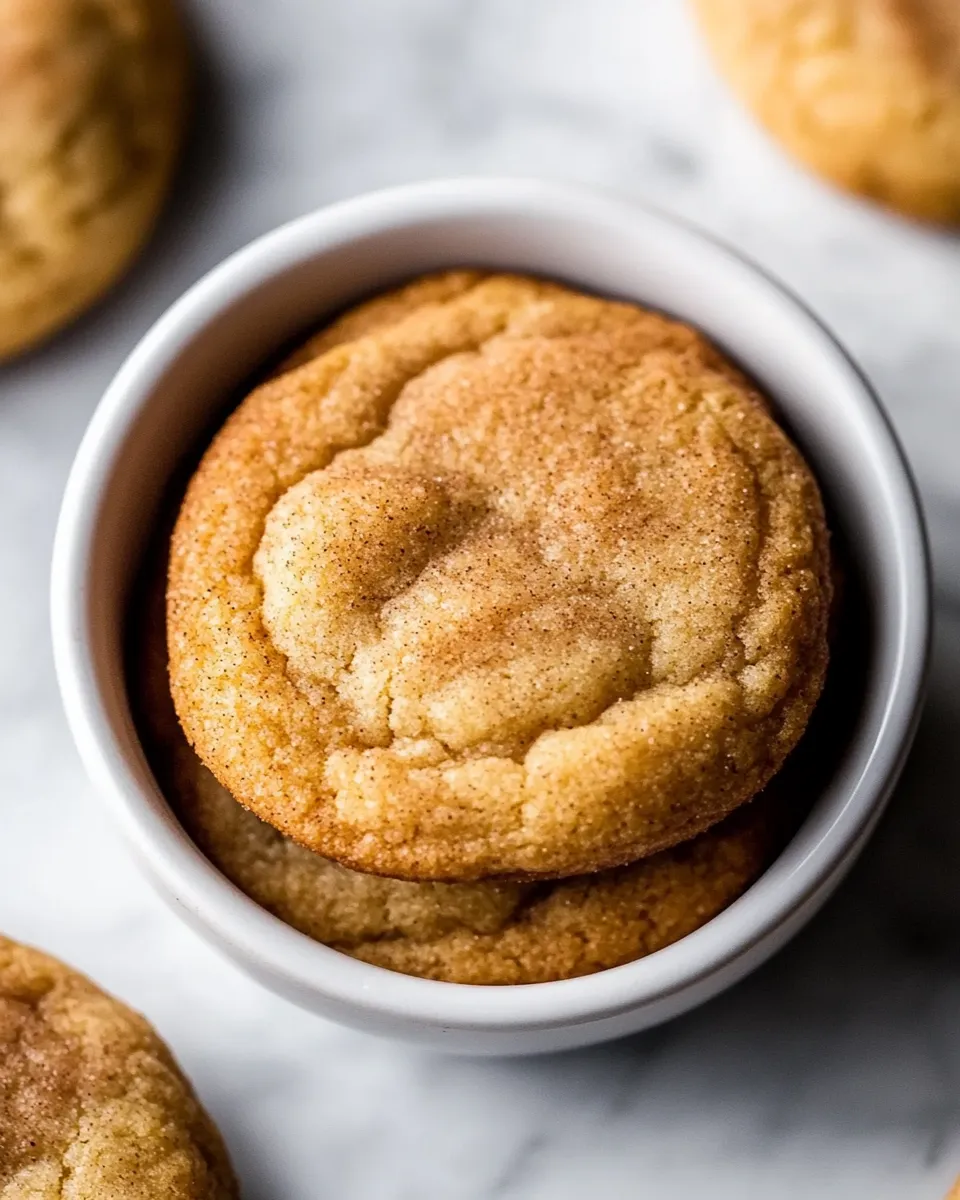
Brown Butter Snickerdoodle Cookie Recipe
Ingredients
Equipment
Method
- Preheat oven to 375°F (190°C). Line baking sheets with parchment paper or a silicone baking mat; set aside.
- If using freshly made browned butter, transfer 1 cup browned butter to a heatproof bowl and allow it to cool slightly until warm but not hot.
- In a large bowl, combine 1 cup browned butter, 1 cup white sugar, and 1/2 cup brown sugar. Beat or stir until the sugars are well incorporated and the mixture is uniform, scraping down the sides of the bowl as needed.
- Add 2 eggs and 2 teaspoons vanilla extract to the butter-sugar mixture. Beat until the mixture is pale and thick.
- In a separate bowl, whisk together 2 3/4 cups all-purpose flour, 2 teaspoons cream of tartar, 1 teaspoon baking soda, and 1/2 teaspoon salt.
- Add the dry ingredients to the wet ingredients and mix just until combined; avoid overmixing.
- Cover the dough and chill for 45 minutes or refrigerate overnight.
- In a small bowl, mix 4 tablespoons white sugar and 1 tablespoon ground cinnamon for rolling.
- Scoop or measure dough into balls about 1.5 tablespoons each. Roll each ball in the cinnamon-sugar mixture to coat.
- Place the coated dough balls 2 inches apart on the prepared baking sheets.
- Bake 8 to 10 minutes, until the edges are set and golden and the centers are puffed.
- Let cookies cool on the baking sheet for about 5 minutes, then transfer to a wire rack to cool completely.