Brown Sugar Butterscotch Cookies
These brown sugar butterscotch cookies are the kind of cookie I make when I want something uncomplicated and warmly nostalgic. The dough comes together quickly, the brown sugar gives a deep caramel note, and the butterscotch chips melt into pockets of soft sweetness. They’re approachable to bake and forgiving enough for a weeknight batch.
I like that they bridge the gap between an everyday cookie and a little celebration. The roll-in dark brown sugar gives each cookie a slightly crackled, shiny exterior and a concentrated burst of molasses flavor right when you bite in. They stay soft in the center but have enough edge for a satisfying chew.
If you’re short on time but not willing to skip homemade, these cookies are a great choice. The recipe is straightforward, and the technique rewards attention to temperature and gentle mixing more than baking prowess. Read through the equipment notes before you start, keep an eye in the oven, and you’ll have a tray of crowd-pleasers in about 20 minutes from start to finish.
What to Buy
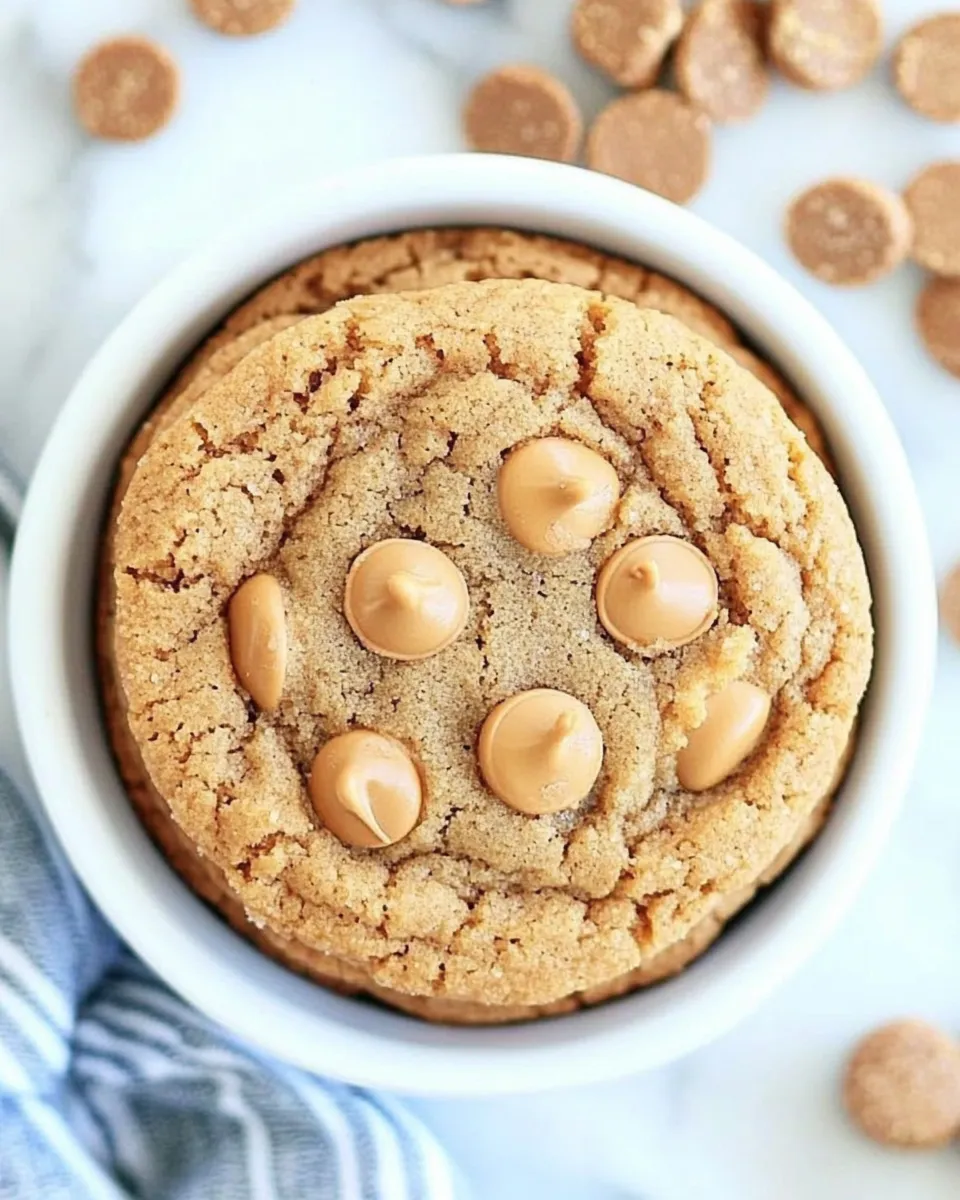
Focus on quality where it matters: good butter, fresh brown sugar, and real vanilla. You don’t need specialty equipment for these cookies, but having an accurate oven and a baking mat or parchment will pay off. Below are the exact ingredients used in the recipe — I list each with a short note so you know why it’s included and what to look for at the store.
Ingredients
- 2 1/4 cups all-purpose flour — provides structure; spoon into the cup and level for accuracy.
- 1 teaspoon baking soda — the leavening agent that helps cookies spread and lift slightly.
- 1 teaspoon cornstarch — keeps the cookies soft and tender by limiting gluten development.
- 1/2 teaspoon salt — balances the sweetness; use fine salt for even distribution.
- 1/4 teaspoon ground cinnamon — adds a warm, subtle background note that complements brown sugar.
- 3/4 cup unsalted butter, at room temperature — the fat for richness; room temperature means slightly soft but not melty.
- 1 1/4 cups dark brown sugar — deep molasses flavor and moisture; pack it gently when measuring.
- 1 large egg — binds ingredients and adds tenderness; room temperature is best for emulsion.
- 1 teaspoon vanilla extract — round, aromatic flavor; use real vanilla if you can.
- 1 cup butterscotch chips — the star pockets of flavor; fold in last to avoid melting into the dough.
- Extra dark brown sugar for rolling cookies (about ½ cup) — creates a glossy, molasses-rich coating and a lightly crisp exterior.
Cook Brown Sugar Butterscotch Cookies Like This
- Preheat oven to 350°F (175°C). Line a large baking sheet with a Silpat baking mat or parchment paper and set it aside.
- In a medium bowl, whisk together 2 1/4 cups all-purpose flour, 1 teaspoon baking soda, 1 teaspoon cornstarch, 1/2 teaspoon salt, and 1/4 teaspoon ground cinnamon. Set the dry mixture aside.
- In the bowl of an electric stand mixer (or a large bowl using a hand mixer), place 3/4 cup unsalted butter (room temperature) and 1 1/4 cups dark brown sugar. Beat on medium speed until the mixture is light and fluffy, about 3 minutes.
- Turn off the mixer and scrape down the sides and bottom of the bowl with a spatula. Add 1 large egg and 1 teaspoon vanilla extract, then beat on medium speed until just combined.
- With the mixer on low speed, add the dry ingredients to the wet ingredients in two additions, mixing only until just combined. Do not overmix.
- Remove the bowl from the mixer and fold in 1 cup butterscotch chips with a spatula until evenly distributed.
- Scoop tablespoons-size portions of dough (about 1 tablespoon each) and roll each portion into a ball. Roll each dough ball in the extra dark brown sugar (about 1/2 cup) until coated.
- Place the coated dough balls on the prepared baking sheet, spacing them about 2 inches apart to allow for spreading.
- Bake in the preheated oven for 10 to 12 minutes, or until the edges are lightly browned and the centers look set but still soft. Do not overbake.
- Remove the baking sheet from the oven and let the cookies cool on the pan for 2 minutes. Transfer the cookies to a wire cooling rack and cool completely.
- Store cooled cookies in an airtight container for up to 4 days.
Why You’ll Keep Making It
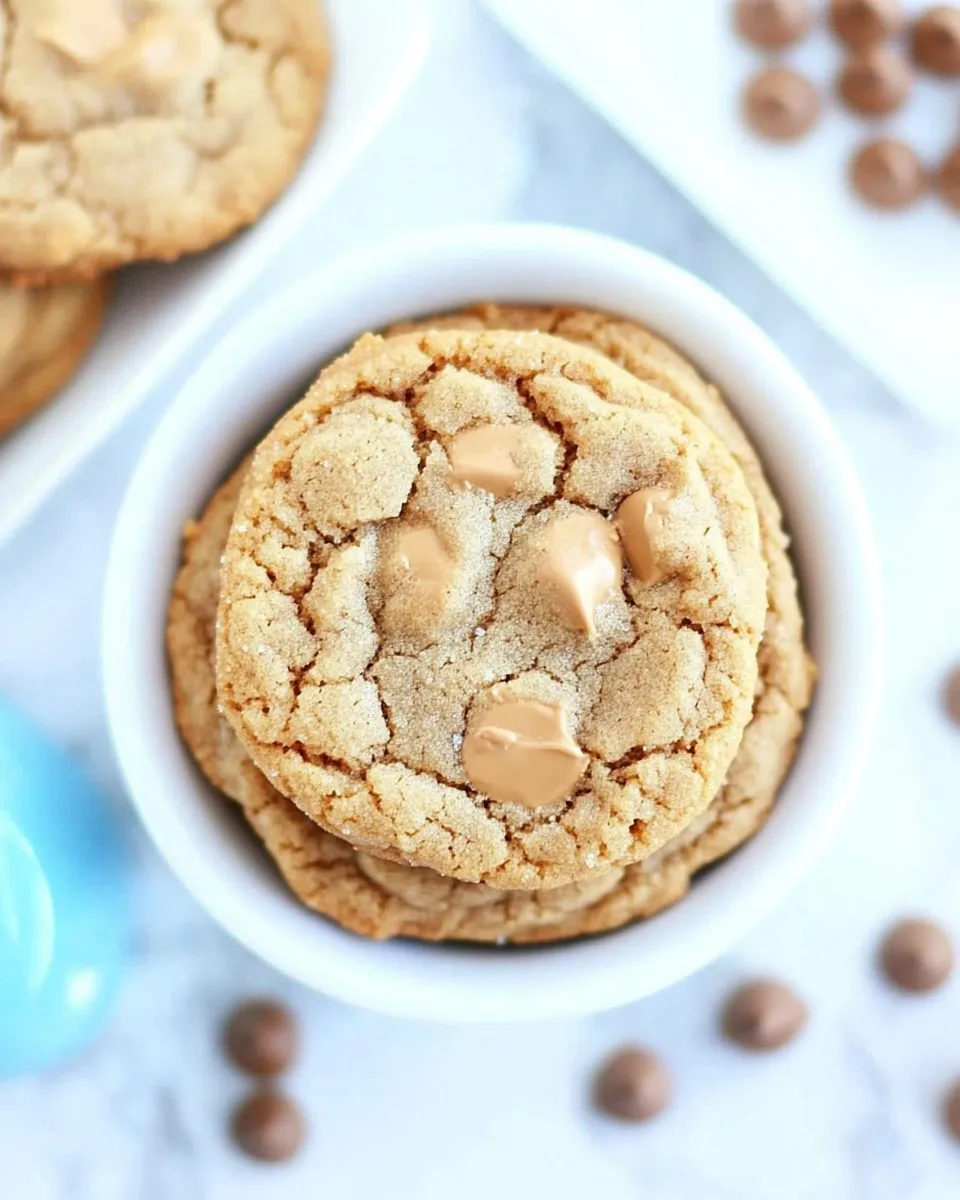
These cookies are consistently satisfying. The brown sugar backbone gives them a richer, almost caramel profile that regular sugar can’t match. Butterscotch chips add a nostalgic, buttery sweetness that pairs beautifully with the molasses notes. You get good texture contrast: slightly crisp edges and soft, tender middles. That combo keeps people coming back for another.
They’re also low-maintenance. No chilling time required, simple mixing steps, and the dough is forgiving if you mix a touch more than necessary. The roll-in dark brown sugar step is small but impactful — it intensifies the flavor and gives a visually appealing sheen. If you’d rather skip special finishing, you can drop the dough without rolling and still get a lovely cookie, but I prefer the extra step for flavor and look.
Finally, they travel well. Wrapped airtight, these cookies make excellent potluck offerings or lunchbox treats. If you like little variations, an extra pinch of flaky sea salt on top before baking, or a few chopped toasted pecans folded in, will keep you experimenting with this base recipe for a long time.
Low-Carb/Keto Alternatives
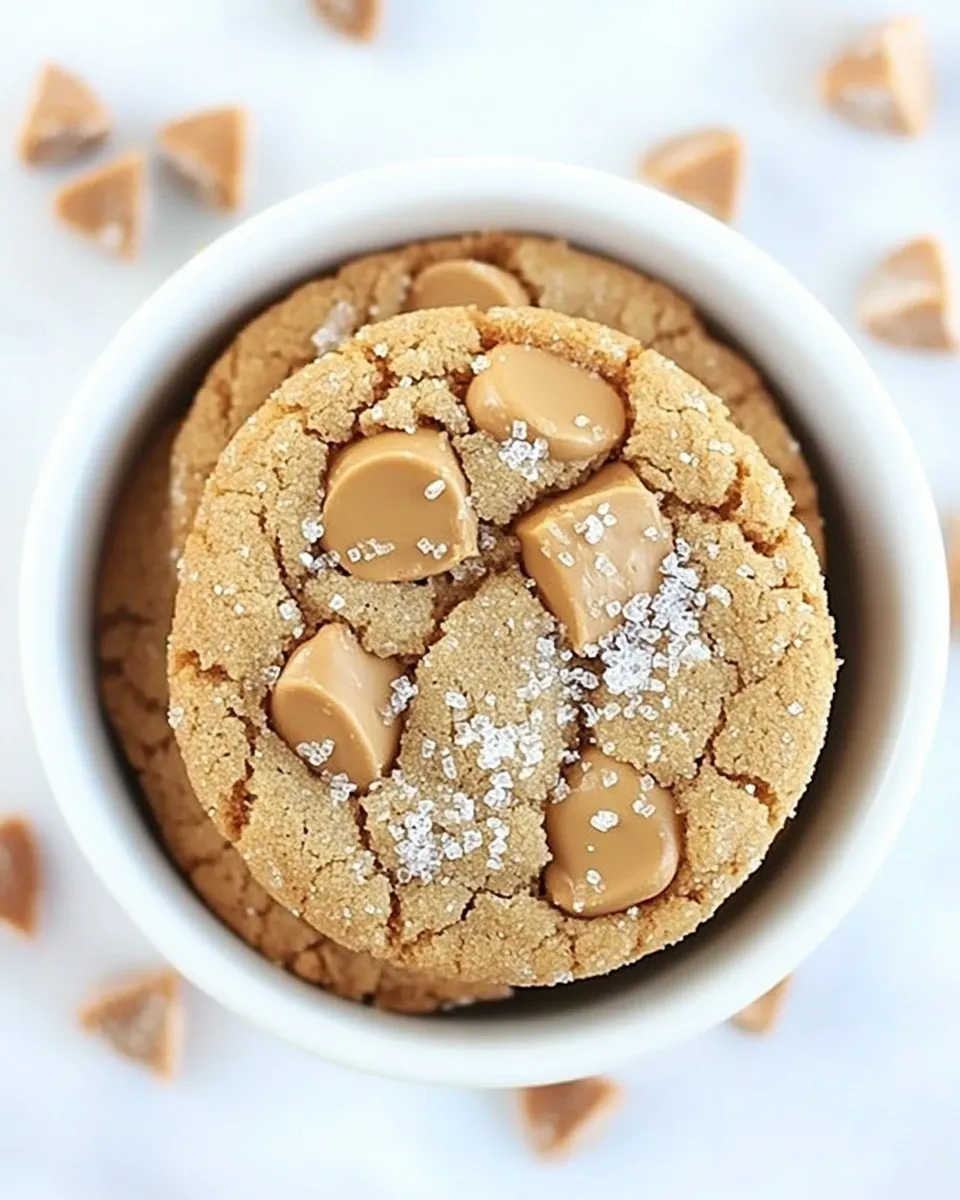
If you follow a low-carb or keto approach, these cookies will need several substitutions. The core changes are replacing the flour and the sugars. Use a blend of almond flour and a touch of coconut flour to mimic the texture, and swap dark brown sugar for a brown sugar–style erythritol blend that includes molasses flavoring or a bit of blackstrap molasses for color and depth — but use very sparingly to stay low-carb.
Butterscotch chips are typically sugar-based; look for sugar-free butterscotch drops or omit them and fold in chopped low-carb chocolate or toasted nuts for texture. Butter and egg remain the same, and you can keep the cornstarch role by using a small amount of glucomannan or arrowroot alternative to give some structure, adjusting carefully because these thickeners behave differently.
Note: I haven’t provided exact substitute amounts here because the original recipe’s structure relies on wheat flour and sugar. If you try a low-carb conversion, start with a tested low-carb cookie base and fold in butterscotch alternatives in small batches until the texture and sweetness meet your expectation.
Before You Start: Equipment
- Electric stand mixer or hand mixer — for creaming butter and sugar until light and fluffy.
- Medium mixing bowl — for the dry ingredients whisk.
- Silpat baking mat or parchment paper — ensures even baking and easy cleanup.
- Baking sheet — a rimmed sheet pan works best for heat circulation.
- Spatula — for scraping the bowl and folding in chips gently.
- Scoop or tablespoon — for consistent cookie sizing (about 1 tablespoon per cookie).
- Wire cooling rack — prevents soggy bottoms and allows cookies to cool evenly.
Pitfalls & How to Prevent Them
Overbaking is the most common mistake. The recipe specifies 10 to 12 minutes because ovens vary. Watch for lightly browned edges and centers that look set but still soft. They’ll continue to cook a touch on the hot baking sheet, so pull them at the lower end of the window if in doubt.
Another trap is using butter that’s too soft or melted. Room-temperature butter should be soft enough to press with a finger but not greasy. If your butter is too warm, the cookies will spread too much; chill the dough for 10–15 minutes if that happens.
Overmixing once the flour is added will develop gluten and turn the cookies tough. Add dry ingredients in two additions as directed and mix only until incorporated. Finally, measure flour by spooning it into the measuring cup and leveling it off; packing or scooping directly can add too much flour and dry the dough.
Seasonal Ingredient Swaps
Fall: Stir in a pinch more cinnamon and a few tablespoons of chopped toasted pecans or walnuts. A teaspoon of pumpkin pie spice in place of the cinnamon will make these feel autumnal.
Winter holidays: Fold in some chopped candied ginger or swap a handful of butterscotch chips for white chocolate chips to brighten the flavor. A dusting of flaky sea salt right out of the oven adds a festive contrast.
Summer: Add a small amount of citrus zest — orange works particularly well with brown sugar and butterscotch — or fold in chopped dried apricots for a chewy contrast.
Author’s Commentary
I test this cookie more often than I probably should, mostly because it’s so reliable. I love the dark brown sugar coating — it’s a tiny step that changes everything. It deepens the molasses flavor and gives the cookies a borderline caramelized surface that I find irresistible.
When I bake for friends, I keep a jar of the rolled dough balls in the fridge for a day; the flavor actually deepens slightly and the texture is still pleasing. That said, this recipe shines fresh from the oven. If you want an extra showstopper, press a few additional butterscotch chips into the tops as soon as they come out of the oven so they melt slightly against the warm cookie.
Freezer-Friendly Notes
You can freeze both the dough balls and the baked cookies. For dough: roll into the tablespoon-size balls, coat with the extra dark brown sugar as directed, and place them on a tray to freeze until firm. Transfer the frozen dough balls to a labeled freezer bag and bake from frozen, adding a minute or two to the baking time if needed.
For baked cookies: let them cool completely, then layer between sheets of parchment in an airtight container or freezer bag. They’ll keep well in the freezer for up to 2 months. Thaw at room temperature for about 30 minutes or warm in a low oven for a few minutes to refresh the texture.
Common Questions
Can I use light brown sugar instead of dark? Yes. Light brown sugar will work and will produce a milder molasses flavor. Dark brown sugar gives a deeper, richer taste that I prefer here.
Do I have to roll the cookies in extra brown sugar? No, but the coating adds both flavor and a pretty sheen. If you skip it, the cookies will still be delicious — just a touch less caramel-forward.
Why is there cornstarch in the recipe? Cornstarch helps keep the cookies tender by slightly softening the structure. It’s a common trick in soft cookie recipes.
Can I make the dough ahead of time? Yes. The dough can sit refrigerated for up to 24 hours. Bring it back to slightly cool room temperature if it hardens too much to scoop comfortably.
Wrap-Up
Brown Sugar Butterscotch Cookies are a dependable, simple way to satisfy cookie cravings without a lot of fuss. The texture is soft and comforting, the brown sugar backbone delivers a lovely caramel depth, and the butterscotch chips add chewy, buttery pockets of sweetness. Keep the measurements and steps as written for best results; small details like rolling in extra dark brown sugar and watching the bake time make a big difference.
Make a batch, share them, and note any small tweaks you enjoy — this recipe is a friendly base for personalization. Happy baking.
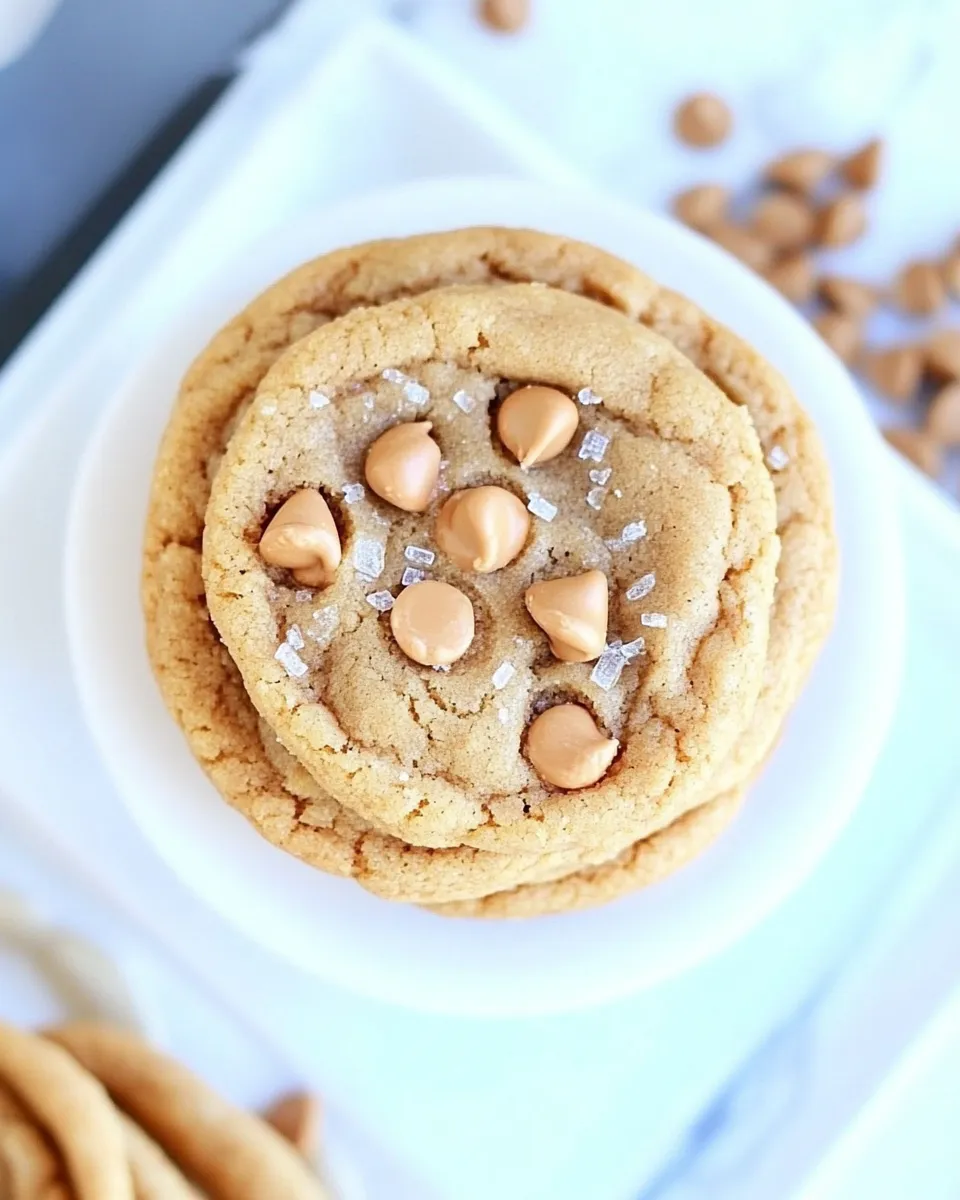
Brown Sugar Butterscotch Cookies
Ingredients
Equipment
Method
- Preheat oven to 350°F (175°C). Line a large baking sheet with a Silpat baking mat or parchment paper and set it aside.
- In a medium bowl, whisk together 2 1/4 cups all-purpose flour, 1 teaspoon baking soda, 1 teaspoon cornstarch, 1/2 teaspoon salt, and 1/4 teaspoon ground cinnamon. Set the dry mixture aside.
- In the bowl of an electric stand mixer (or a large bowl using a hand mixer), place 3/4 cup unsalted butter (room temperature) and 1 1/4 cups dark brown sugar. Beat on medium speed until the mixture is light and fluffy, about 3 minutes.
- Turn off the mixer and scrape down the sides and bottom of the bowl with a spatula. Add 1 large egg and 1 teaspoon vanilla extract, then beat on medium speed until just combined.
- With the mixer on low speed, add the dry ingredients to the wet ingredients in two additions, mixing only until just combined. Do not overmix.
- Remove the bowl from the mixer and fold in 1 cup butterscotch chips with a spatula until evenly distributed.
- Scoop tablespoons-size portions of dough (about 1 tablespoon each) and roll each portion into a ball. Roll each dough ball in the extra dark brown sugar (about 1/2 cup) until coated.
- Place the coated dough balls on the prepared baking sheet, spacing them about 2 inches apart to allow for spreading.
- Bake in the preheated oven for 10 to 12 minutes, or until the edges are lightly browned and the centers look set but still soft. Do not overbake.
- Remove the baking sheet from the oven and let the cookies cool on the pan for 2 minutes. Transfer the cookies to a wire cooling rack and cool completely.
- Store cooled cookies in an airtight container for up to 4 days.