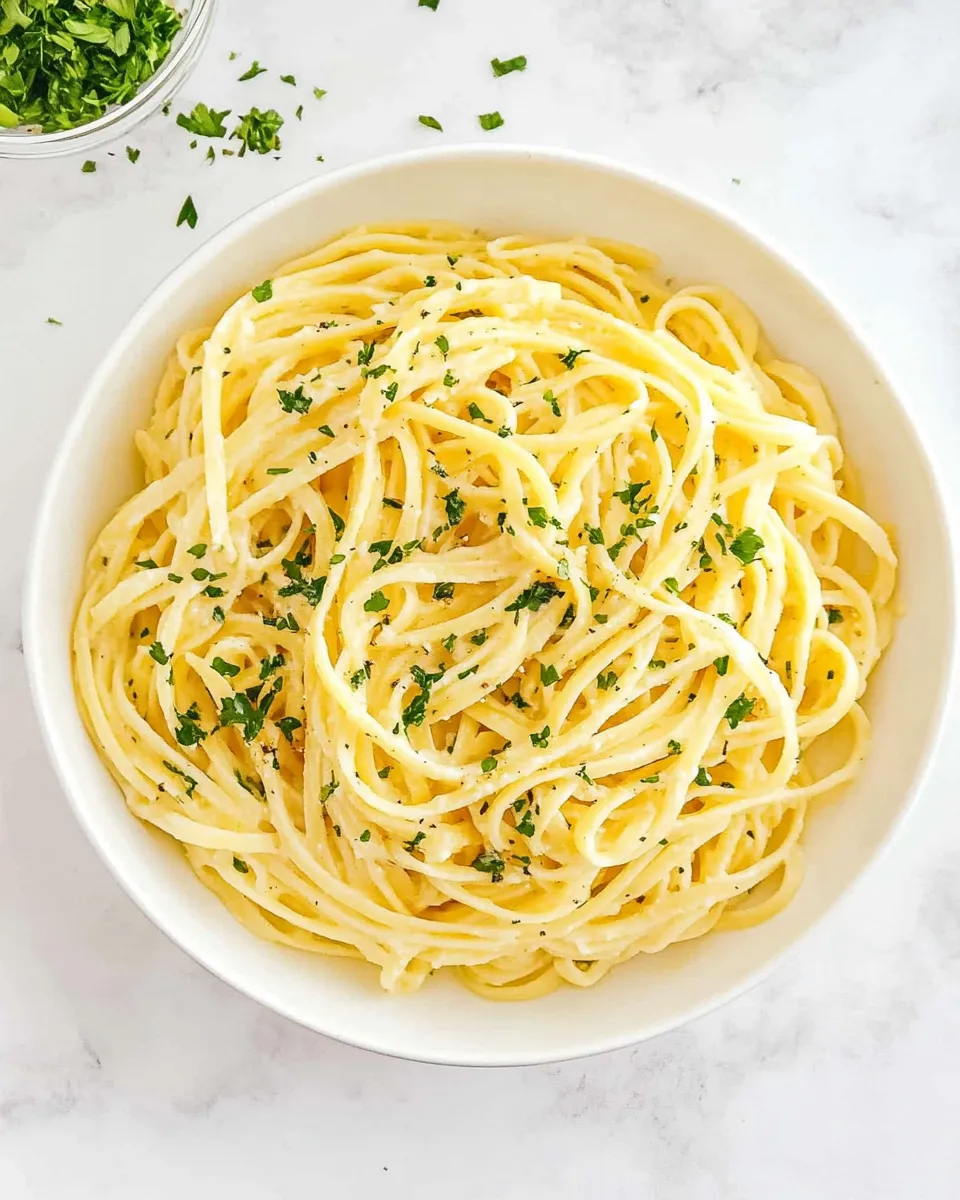
Buttered Noodles
Simple. Honest. Fast. Buttered noodles are one of those meals that feel like a tiny act of kindness — to yourself or someone you love. It’s five main ingredients, a little attention, and a bowl of glossy, comforting pasta. No tricks. No long lists. Just good technique.
I write about food because small, reliable recipes like this matter more than ever. They rescue weeknights, they pair easily with whatever protein or veg you have on hand, and they teach a basic sauce-making habit: use starch, butter, and cheese to make magic. This version leans on garlic and parsley for lift and Parmesan for that slightly salty, savory finish.
Read through once, gather your gear, and follow the steps in order. Timing is forgiving if you keep the pasta water close and the heat low when finishing the sauce. Let’s get to it.
What Goes In
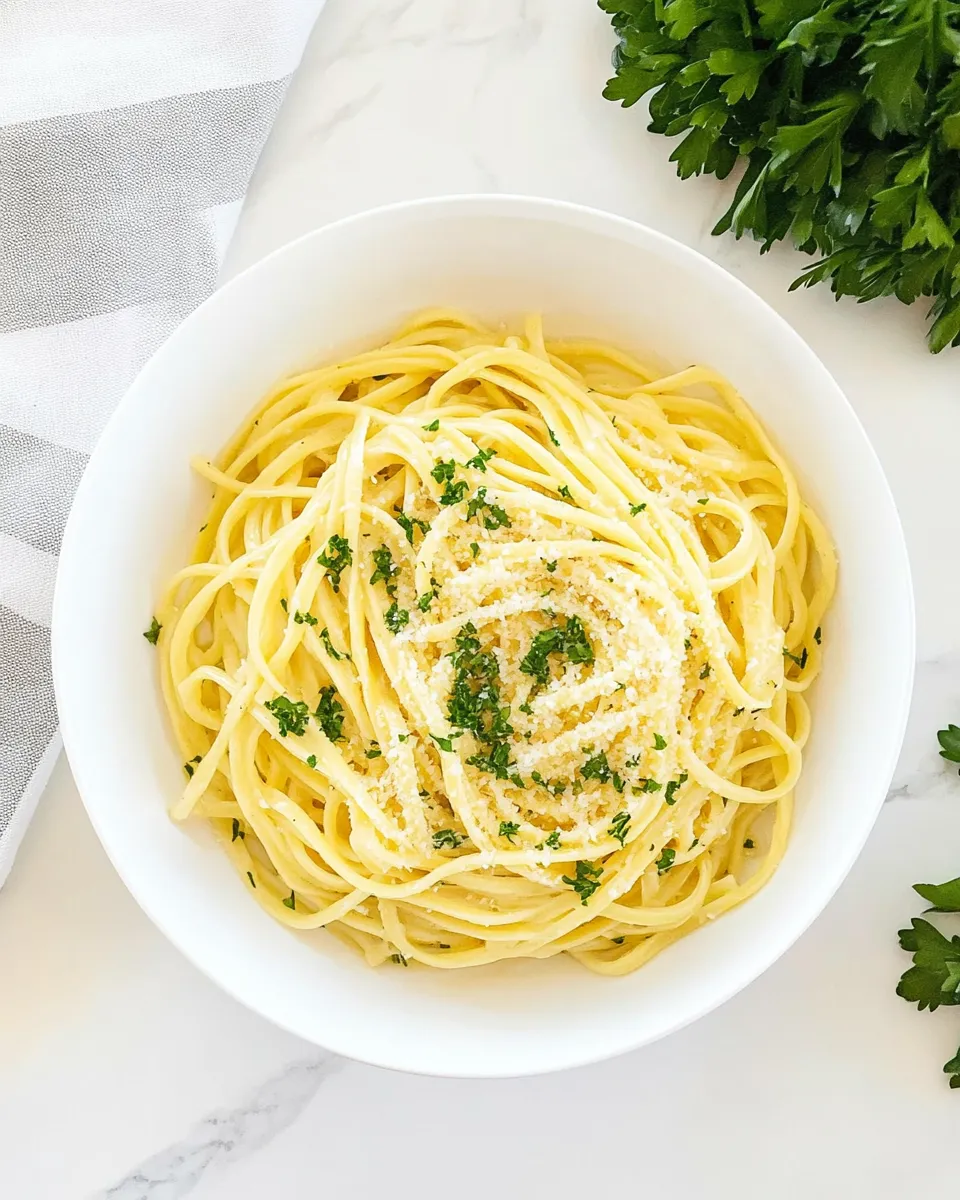
Ingredients
- 250 grams dried pasta — the base. Any long pasta or small shapes will work; the weight is what matters for sauce ratio.
- salt — seasons the cooking water and the pasta; start with a generous pinch in the pot and adjust at the end.
- 60 grams butter (4 Tablespoons) — the fat and flavor carrier. It creates the sauce base and gloss.
- 2 garlic cloves, crushed — aromatic lift. Crush or finely mince to infuse the butter without big pieces.
- 65 grams Parmesan (½ cup) — the salty, savory binder. Grate finely so it melts smoothly into the sauce.
- 1 Tablespoon parsley — freshness and color; chop finely and add at the end.
Buttered Noodles Cooking Guide
- Bring a large pot of salted water to a boil. Add 250 grams dried pasta and cook to al dente according to the packet instructions. Before draining, scoop out and reserve about 1 cup of the pasta cooking water, then drain the pasta.
- Heat a large pan over low heat.
- Add 60 grams (4 tablespoons) butter and 2 crushed garlic cloves to the pan. Cook, stirring frequently, until the butter is infused with garlic and the garlic has softened but not browned (about 1–2 minutes).
- Add the drained pasta to the pan and toss to coat thoroughly in the butter and garlic.
- Add some of the reserved pasta water, about 1/4 cup at a time, tossing after each addition, until the pasta is evenly coated and the sauce is glossy. You may not need the full cup.
- Remove the pan from the heat. Stir in 65 grams Parmesan and 1 tablespoon parsley until the cheese is melted and the sauce is creamy.
- Taste and adjust seasoning with salt as needed.
- Serve immediately.
Why This Recipe is a Keeper
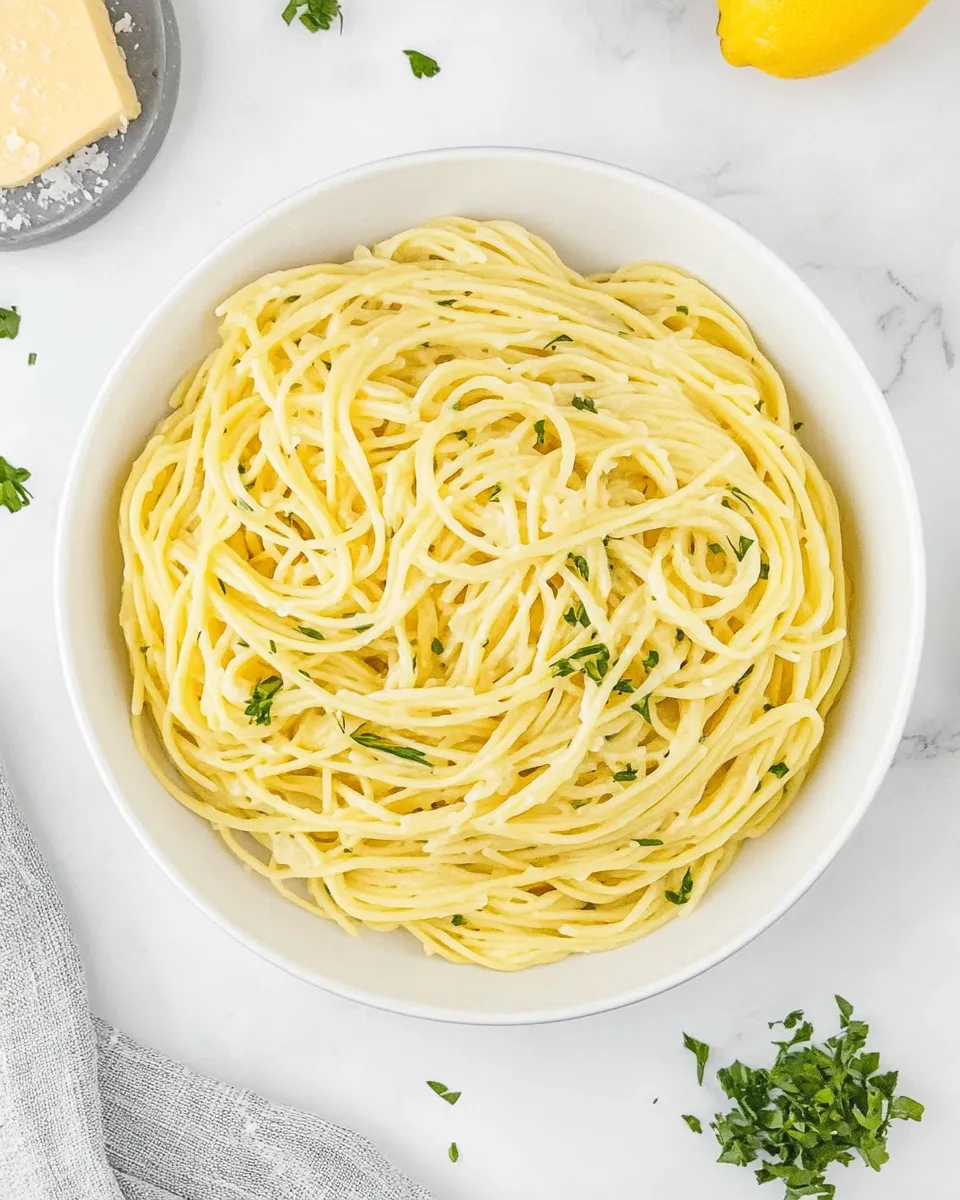
This is comfort food that respects time and ingredients. The technique—using reserved pasta water to emulsify butter and cheese—turns a few elements into a silky sauce instead of a greasy pile. It’s predictable: follow the steps and the result is reliably glossy, balanced, and satisfying.
It scales easily. Double or halve the amounts and keep the same rhythm: cook pasta, reserve water, melt butter with garlic on low, toss, and finish with cheese and herbs. It’s also a terrific building block: add a roast chicken, sautéed mushrooms, or a handful of wilted spinach to stretch it into a fuller meal.
Texture-Safe Substitutions
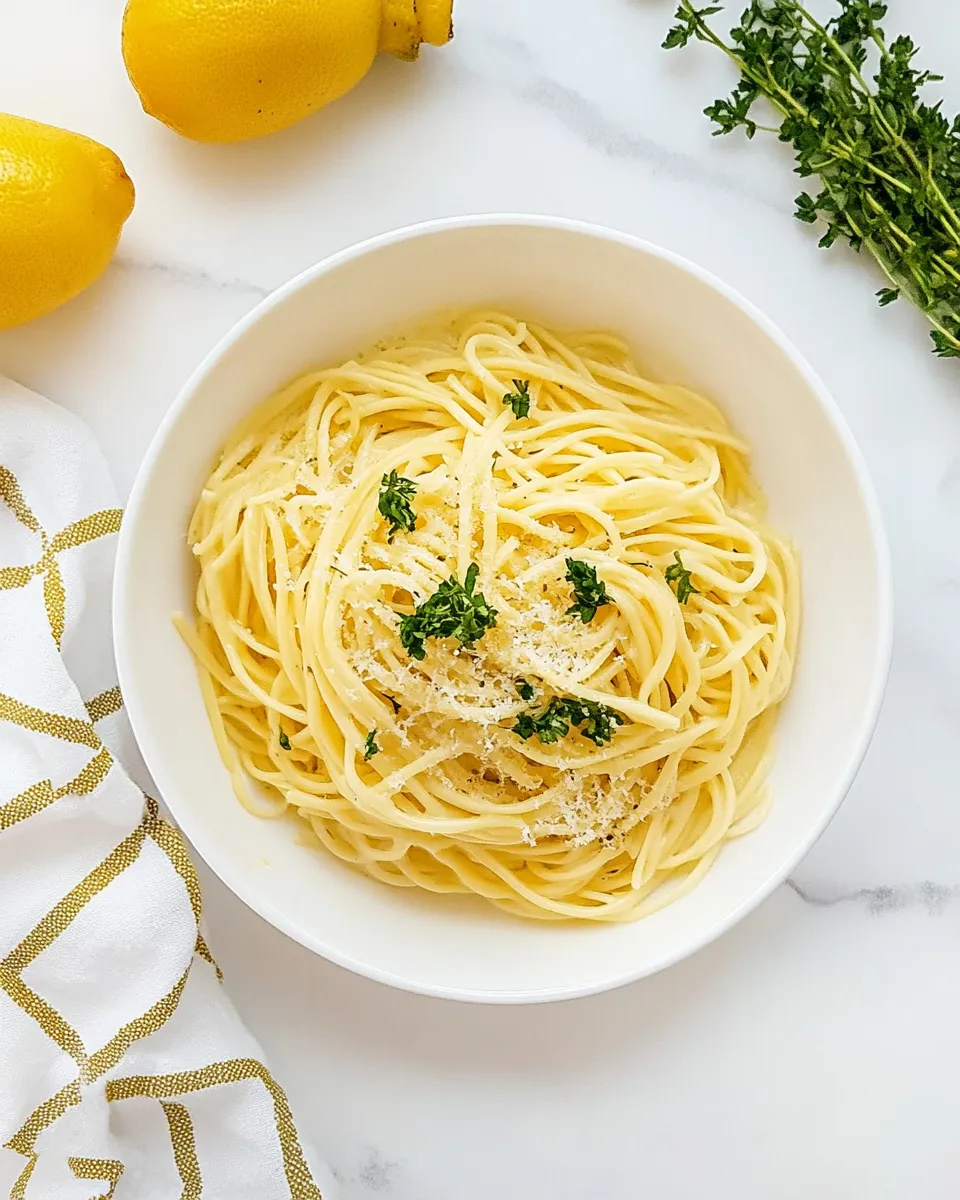
- Pasta: If you need a texture swap, short shapes like penne or shells hold the sauce well. Avoid tiny pastas that can get lost in the sauce unless you want a different mouthfeel.
- Butter: Unsalted or salted butter both work; if you use salted, reduce added salt. For a dairy-free option, use a neutral-flavored vegan butter, but expect a slightly different mouthfeel.
- Parmesan: Pecorino Romano can replace Parmesan for a sharper, saltier profile. If you need non-dairy, use a firm, finely grated vegan parmesan alternative that melts reasonably well.
- Garlic: Garlic powder can be used in a pinch (start small), but fresh crushed garlic gives the best aroma and texture without changing the sauce structure.
What’s in the Gear List
- Large pot — for boiling pasta with room for movement.
- Large pan or skillet — wide enough to toss the pasta and finish the sauce.
- Fine grater — for grating the Parmesan so it melts into the sauce.
- Measuring scales or cups — the recipe gives grams; a scale is the most precise tool.
- Wooden spoon or tongs — for tossing and coating the pasta evenly.
Common Errors (and Fixes)
Overcooking the pasta
Error: Mushy noodles that don’t hold the sauce.
Fix: Cook to the packet’s al dente time and check a minute early. Pasta continues to cook slightly when you finish it in the pan. If you overshoot, drain and rinse briefly with cold water only as a last resort, then refresh the sauce with extra butter and cheese to help the surface recoat.
Greasy sauce
Error: Too much visible oil and no creaminess.
Fix: Use reserved pasta water in small increments and toss vigorously after each addition. The starchy water emulsifies with the butter; without it, butter can separate and look greasy.
Clumpy, grainy sauce
Error: Cheese doesn’t melt smoothly and forms strings or clumps.
Fix: Remove the pan from direct heat before adding the Parmesan. Add cheese off the heat and stir quickly with a splash of pasta water to encourage a silky emulsion. Also, grate cheese finely so it melts evenly.
Seasonal Serving Ideas
- Spring: Add a handful of blanched peas and thinly sliced radishes for brightness. Finish with lemon zest if you like a lift.
- Summer: Stir in halved cherry tomatoes and torn basil leaves. Serve with a crisp green salad and chilled white wine.
- Autumn: Toss in sautéed mushrooms and a sprinkle of toasted walnuts for texture and earthiness.
- Winter: Add roasted root vegetables or top with leftover roast beef or chicken for a hearty plate.
Method to the Madness
There’s a simple logic here. Pasta water contains both salt and starch. The starch acts like a glue. When you melt butter with garlic on low, you are creating a warm, flavored fat. Adding a little pasta water and tossing energetically encourages the starch to suspend in the fat. Parmesan then dissolves into that emulsion, producing a sauce that clings to each strand of pasta.
Keep several things in mind: don’t brown the garlic, keep heat low when you finish the sauce, and add pasta water gradually. The goal is a glossy coating, not a soupy pot. Adjust with salt only at the end because Parmesan adds saltiness and the pasta was cooked in salted water.
Storage & Reheat Guide
Buttered noodles are best served immediately. That said, leftovers keep well for short-term storage.
- Fridge: Store in an airtight container for up to 3 days. Add a small splash of olive oil to prevent sticking if you have a lot of pasta packed in one container.
- Reheat on the stovetop: Place pasta in a skillet over low heat with a splash of water or broth. Toss until hot and glossy. Add a pat of butter or a bit of grated cheese to refresh the sauce.
- Microwave: Use short intervals (30 seconds), stirring in between. Add a tablespoon of water for each serving to avoid drying out.
- Do not freeze: The texture of this butter-and-cheese sauce doesn’t survive freezing well; the fat can separate and the cheese becomes grainy when thawed.
Top Questions & Answers
Q: Can I use pre-grated Parmesan?
A: Yes, but pre-grated cheese often contains anti-caking agents that reduce meltability. For the creamiest finish, grate a wedge of real Parmesan yourself.
Q: How much salt should I add to the pasta water?
A: Add enough so the water tastes like the sea — typically about 1–1.5 tablespoons of salt for a large pot of water. Exact amounts vary by pot size and personal preference.
Q: What if I want more flavor without changing texture?
A: Finish with a drizzle of good olive oil, a squeeze of lemon for brightness, or a generous crack of black pepper. Add-ins like anchovy paste or a pinch of red pepper flakes can deepen the savory profile without upsetting the sauce structure.
Q: Can I make this dairy-free?
A: Use a plant-based butter substitute and a vegan Parmesan-style product that melts reasonably well. The emulsion may be slightly different, but the approach remains the same.
See You at the Table
Buttered noodles are for when you want something quick, satisfying, and unpretentious. The steps teach a kitchen rhythm—reserve pasta water, keep heat low, and finish off the pan with cheese off the heat—that you’ll use in more complex sauces later. Treat this as a reliable friend: it shows up, it comforts, and it never asks for much in return.
Make a pot tonight. Toss it with care. Sit down and take the first bite while it’s still hot. I’ll be there, thinking about the next simple, dependable recipe to share.
Ingredients
Equipment
Method
- Bring a large pot of salted water to a boil. Add 250 grams dried pasta and cook to al dente according to the packet instructions. Before draining, scoop out and reserve about 1 cup of the pasta cooking water, then drain the pasta.
- Heat a large pan over low heat.
- Add 60 grams (4 tablespoons) butter and 2 crushed garlic cloves to the pan. Cook, stirring frequently, until the butter is infused with garlic and the garlic has softened but not browned (about 1–2 minutes).
- Add the drained pasta to the pan and toss to coat thoroughly in the butter and garlic.
- Add some of the reserved pasta water, about 1/4 cup at a time, tossing after each addition, until the pasta is evenly coated and the sauce is glossy. You may not need the full cup.
- Remove the pan from the heat. Stir in 65 grams Parmesan and 1 tablespoon parsley until the cheese is melted and the sauce is creamy.
- Taste and adjust seasoning with salt as needed.
- Serve immediately.
Notes
Buttered Noodles are such simple and familiar flavors. I like to serve my meals family style, sometimes I serve foods that my kids might not have tried before or foods they are still learning to like. Having a bowl of buttery pasta on the table means that even if they are not eating huge helpings of the new food there is still something familiar on the table that we can all enjoy together. and maybe next time will be the time they love the new food I've prepared.
Store leftovers in the refrigerator for up to four days.
I love adding a little lemon zest to this recipe especially if I am serving the noodles alongside fish, seafood or chicken
Chilli flakes are lovely with the buttered noodles as well
To make this simple dish more nutritious you can use a protein pasta made with lentils
Pasta: For this buttered noodles recipe I typically use long egg noodles such as spaghetti or fettuccine but you can of course use a short pasta shape such as penne, macaroni or farfelle if you prefer. This buttered noodles recipe works just as well with good quality gluten-free pasta.
Butter: In New Zealand we are so lucky to have delicious grass-fed butter.
Garlic:I like to use whole garlic cloves that I then crush, but you can certainly use jarred crushed garlic, or you could even add garlic powder.
Parmesan: I love the flavour grated parmesan cheese adds to pasta
Parsley: Fresh parsley or dried parsley are both fine. You can also use any fresh herbs you have in the garden, sage and basil are lovely.