Cabbage Pancake
Light, savory, and surprisingly filling — cabbage pancakes are a tiny joy that happen in one skillet. They use a few pantry staples and come together fast when you know the rhythm: slice, mix, press, and cook. This version leans on dill for brightness and keeps the ingredient list short so the cabbage sings.
I like to make one large pancake in a medium skillet; it feeds one very well or two modestly. The technique is forgiving: a bit of patience while covered on the stove and a confident flip are the two moves that make it golden and cooked through. You can dress it simply with lemon, yogurt, or a quick soy-mirin dip.
Below you’ll find the exact ingredients and method I use, followed by explanations, substitutions that preserve texture, tools that help, and common mistakes to avoid. Read the short Q&A if you’re unsure about a step — I included the questions I get most often.
What Goes Into Cabbage Pancake

Ingredients
- 8oz.cabbage — thinly sliced (as you would for coleslaw); this is the bulk and texture of the pancake.
- 2eggs — binder and richness; they help the pancake hold together and brown.
- ⅛cupchopped dill — fresh herb note; adds brightness and keeps the flavor from being one-note.
- ⅓tsp.salt (or to taste) — seasons the cabbage and draws out a little moisture; adjust to preference.
- ¼cupall-purpose flour — structure and chew; use as written so the pancake binds properly.
- 1tbsp.oil (I used grapeseed) — for frying; a neutral oil with a high smoke point works best.
Make Cabbage Pancake: A Simple Method
- Thinly slice 8 oz cabbage (as you would for coleslaw) and place it in a large mixing bowl. If the cabbage is very wet, pat or squeeze it lightly to remove excess moisture.
- Add 2 eggs, 1/8 cup chopped dill, and 1/3 tsp salt to the bowl. Stir thoroughly until the eggs are evenly distributed.
- Add 1/4 cup all-purpose flour and stir until the flour is fully incorporated and the mixture holds together when pressed.
- Heat 1 tbsp oil in a non-stick skillet over medium heat until the oil shimmers.
- Spoon the cabbage mixture into the skillet and use the back of the spoon to flatten it into a single pancake about 3/4 to 1 inch thick and roughly the size of the skillet.
- Cover the skillet and cook for 5–7 minutes, until the bottom is set and golden.
- Flip the pancake (use a spatula or invert onto a plate and slide it back into the pan) and cook the other side, covered, for another 5–7 minutes until golden and cooked through.
- Transfer the pancake to a plate, let rest briefly, then serve.
Why It Works Every Time
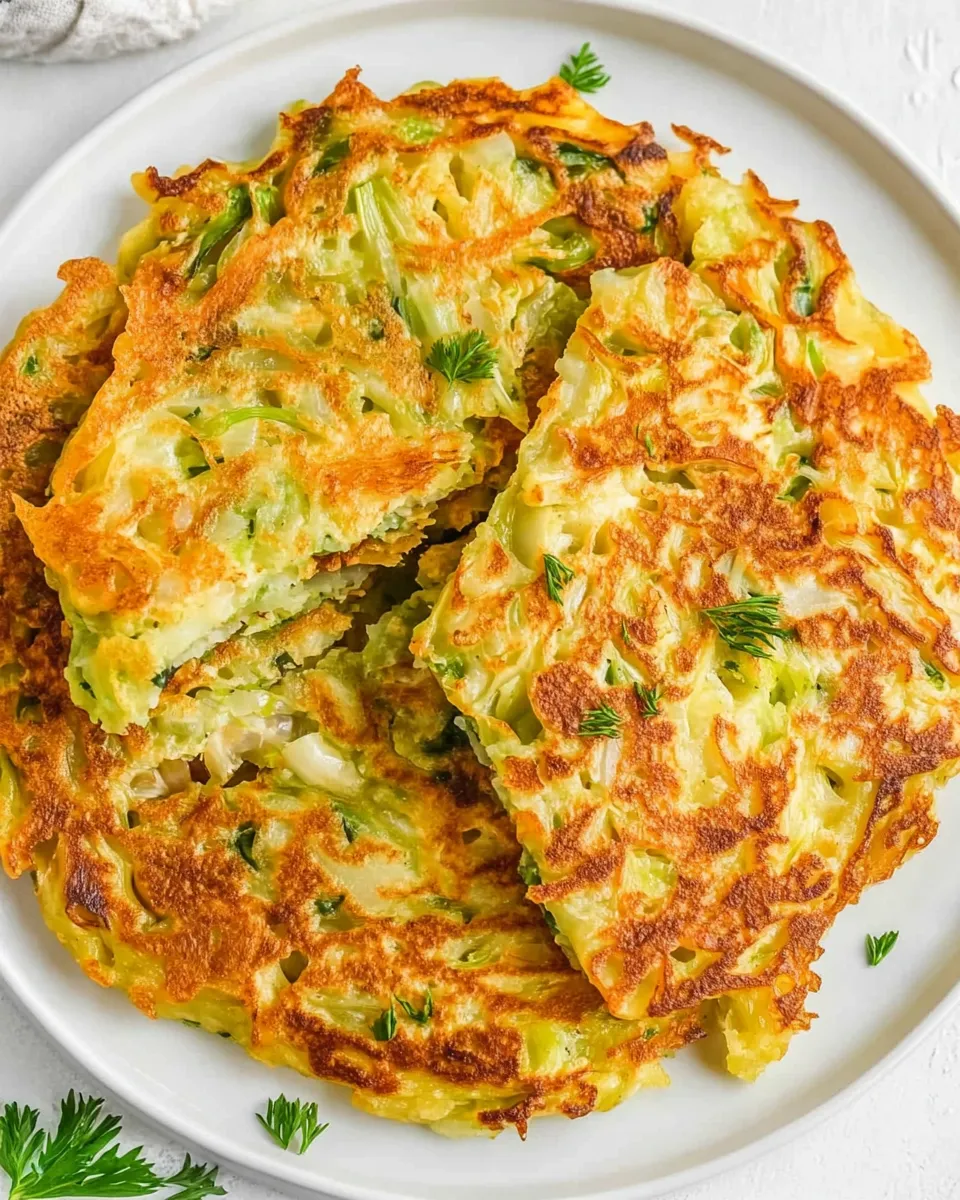
This recipe balances moisture, binder, and structure. Cabbage releases water as it cooks; removing a little upfront (patting or gently squeezing excess moisture) prevents a soggy center. Eggs and a modest amount of flour create a network that binds the shredded cabbage without making the pancake heavy.
Covering the skillet during each side’s cook traps steam and ensures the interior cooks through before the outside over-browns. Medium heat lets the outside caramelize slowly, developing that nutty, golden crust while keeping the inside tender. The dill is small but deliberate: it cuts through the cabbage’s sweetness and keeps the flavor layered.
Texture-Safe Substitutions
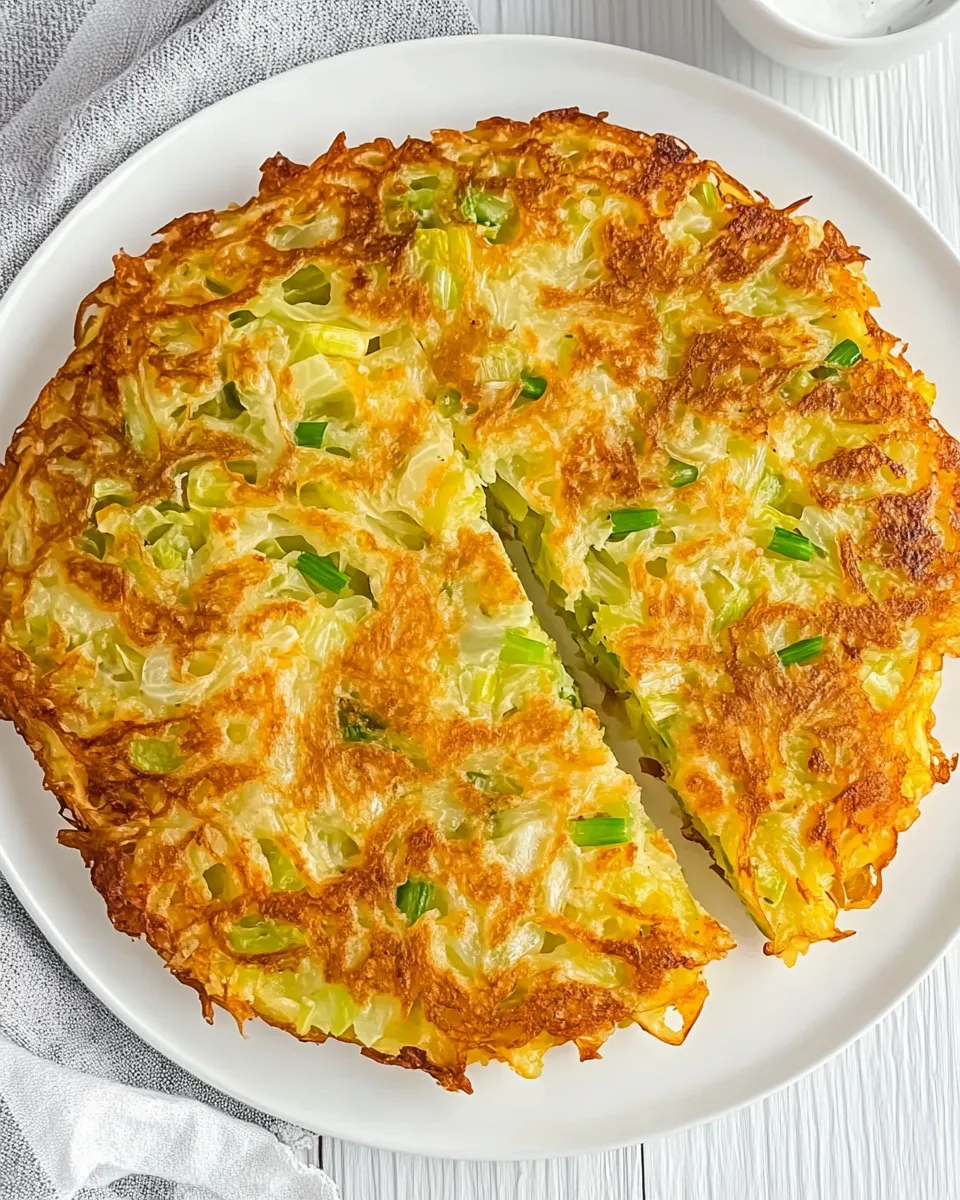
If you need to swap something, focus on texture equivalents rather than direct flavor matches. The goal is to keep the ratio of solids to binder similar so the pancake holds its shape.
- Flour: If you must replace the 1/4 cup all-purpose flour, use the same volume of another wheat flour like whole wheat pastry for a modestly denser crumb. Gluten-free blends can work but may require an extra egg or a bit more flour to match binding.
- Eggs: Two eggs provide both structure and steam. For an egg-free version, try a commercial egg replacer according to package instructions plus an extra tablespoon of flour, but expect a different texture.
- Dill: Swap with parsley or chives for a different herbal note; keep the same amount to avoid altering moisture.
- Oil: Any neutral, high-smoke-point oil (grapeseed, vegetable, sunflower) will behave the same. Butter will brown differently and may scorch on medium heat unless you lower the heat slightly.
Toolbox for This Recipe
You don’t need fancy equipment. These simple tools make the process smoother and reduce guesswork:
- Sharp chef’s knife or mandoline — for thin, even cabbage slices.
- Large mixing bowl — room to toss and press the mixture.
- Non-stick skillet (8–10 inches recommended) — helps the pancake release cleanly and browns evenly.
- Turner/spatula — a wide, sturdy spatula makes flipping easier. If flipping in the pan feels risky, invert onto a plate then slide back into the pan.
- Lid for the skillet — covering traps steam and ensures the center cooks.
Avoid These Mistakes
The most common errors are moisture, heat, and impatience. Here’s how to avoid each:
- Too wet cabbage: If you skip patting or squeezing damp cabbage, the batter will be loose and the pancake won’t set. Remove excess moisture before mixing.
- Heat too high: High heat browns the outside before the center cooks. Use medium and give the pancake time under the lid.
- Under-binding: Skimping on flour or eggs prevents the mixture from holding together. Keep the stated amounts for reliable structure.
- Overcrowding the pan: Pressing a pancake too large for your skillet can prevent even cooking. Make it roughly the size of the skillet as instructed.
Adaptations for Special Diets
Small changes can adapt this pancake for vegetarian, gluten-free, or lower-fat diets while keeping the texture close to the original.
- Vegetarian: The recipe is already vegetarian. To boost protein, add a tablespoon of grated cheese to the batter if dairy is acceptable.
- Gluten-free: Replace 1/4 cup all-purpose flour with 1/4 cup gluten-free all-purpose flour blend. You may need a touch more blend if the batter seems loose.
- Low-fat: Use a non-stick skillet with a light spray of oil instead of a full tablespoon, but watch heat carefully because less oil browns more slowly.
- Egg-free (vegan): As noted earlier, an egg replacer can bind but will change texture. Aquafaba (chickpea brine) whipped slightly can help; use about 6 tablespoons total to mimic two eggs’ binding power, and consider adding 1–2 tablespoons more flour.
Chef’s Notes
Flavor and texture tip: a very thin slice produces a more cohesive pancake with a bit of chew; roughly chop if you want a looser, more fritter-like bite. Salt to taste — 1/3 teaspoon is a good starting point, but if you top with salty condiments reduce it slightly.
Serving ideas: a squeeze of lemon and a spoonful of Greek yogurt make a quick, fresh finish. For an Asian twist, serve with a splash of soy sauce and a drizzle of sesame oil mixed with rice vinegar. Leftover pancakes reheat well in a skillet to restore crispness.
Make-Ahead & Storage
Short term
Cool the pancake completely, then wrap or place in an airtight container. Store in the refrigerator for up to 3 days. Reheat on medium-low in a skillet with a light brush of oil until warmed through and crisp on both sides.
Freezing
Wrap tightly in plastic and foil or place between parchment layers in a freezer container. Freeze for up to 1 month. Thaw in the refrigerator overnight and reheat gently in a skillet. Microwaving will work in a pinch but sacrifices crispness.
Reader Q&A
Q: Can I make smaller fritters instead of one large pancake?
A: Yes. Spoon smaller mounds into the skillet and flatten each to about 1/2 inch thick. Reduce cook time slightly — 3–4 minutes per side covered should do it, depending on size.
Q: My pancake browned but was still wet inside. What happened?
A: Likely too high heat or too much moisture in the cabbage. Lower the heat, pat the cabbage drier, and consider covering the pan for a slightly longer time so steam finishes the interior.
Q: Can I add other vegetables?
A: You can, but be mindful of moisture. Grated carrot or zucchini should be squeezed dry. Reduce added quantities so the cabbage remains the primary structure.
Ready to Cook?
You have the exact ingredients, the unambiguous method, and practical notes for success. Prep: thinly slice the cabbage, chop the dill, and measure everything out. Heat your skillet so the oil shimmers but doesn’t smoke. Follow the steps in order, and you’ll have a golden, tender Cabbage Pancake in about 20–25 minutes from start to finish.
Have a favorite topping or a tweak that worked well for you? Share it with the comments on the post — I read them and often incorporate reader ideas into future tests.

Cabbage Pancake
Ingredients
Equipment
Method
- Thinly slice 8 oz cabbage (as you would for coleslaw) and place it in a large mixing bowl. If the cabbage is very wet, pat or squeeze it lightly to remove excess moisture.
- Add 2 eggs, 1/8 cup chopped dill, and 1/3 tsp salt to the bowl. Stir thoroughly until the eggs are evenly distributed.
- Add 1/4 cup all-purpose flour and stir until the flour is fully incorporated and the mixture holds together when pressed.
- Heat 1 tbsp oil in a non-stick skillet over medium heat until the oil shimmers.
- Spoon the cabbage mixture into the skillet and use the back of the spoon to flatten it into a single pancake about 3/4 to 1 inch thick and roughly the size of the skillet.
- Cover the skillet and cook for 5–7 minutes, until the bottom is set and golden.
- Flip the pancake (use a spatula or invert onto a plate and slide it back into the pan) and cook the other side, covered, for another 5–7 minutes until golden and cooked through.
- Transfer the pancake to a plate, let rest briefly, then serve.
Notes
Use fresh herbs.In this recipe, dry herbs just won’t cut it. The flavor of fresh dill is so much better and you’ll lose a lot of that if you opt for herbs that are not fresh.
Use all-purpose flour.This glutinous flour works the best for holding the cabbage pancake together through the cooking process. If you don’t eat gluten, you can substitute this flour with a gluten-free equivalent, but it may not hold together as well.