Cauliflower Au Gratin Recipe
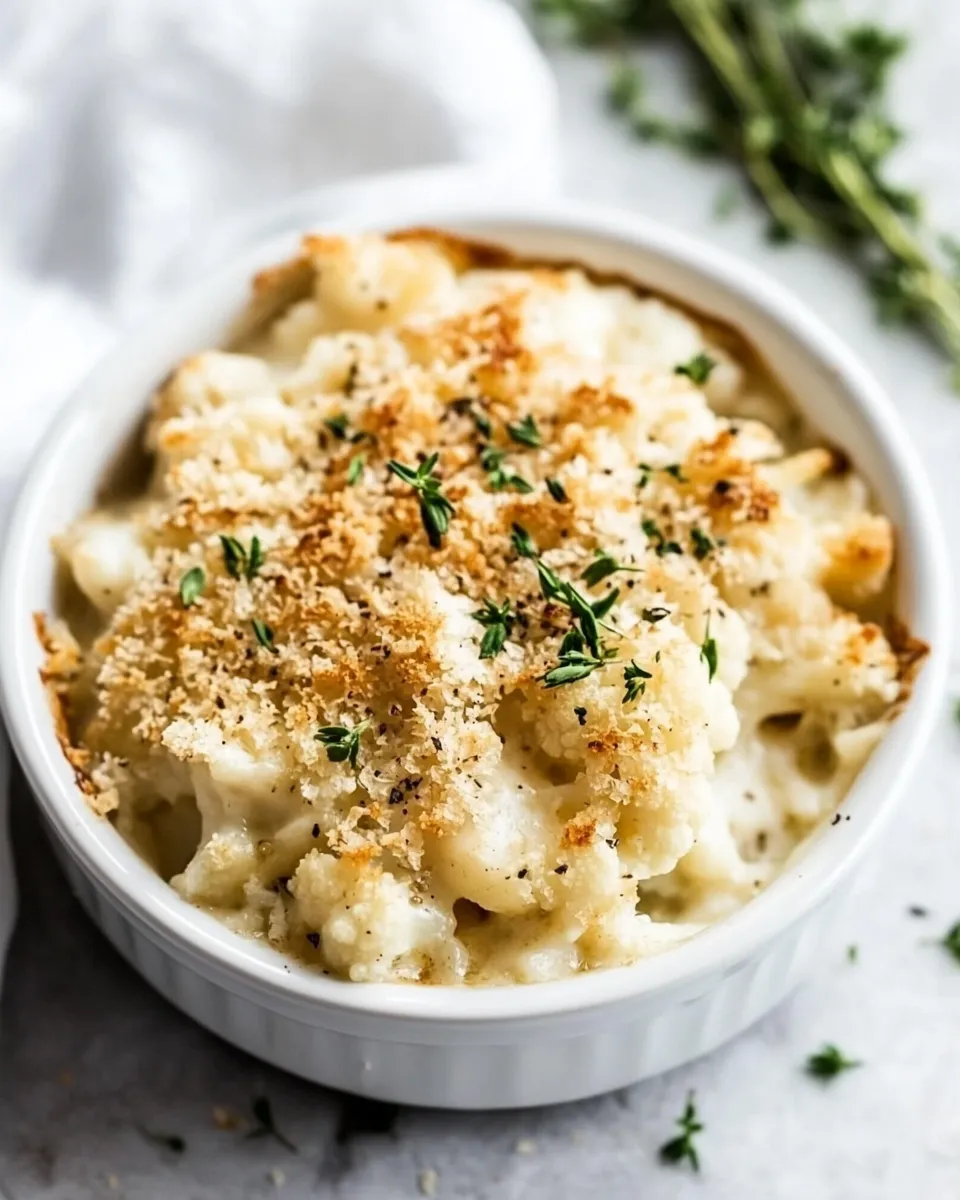
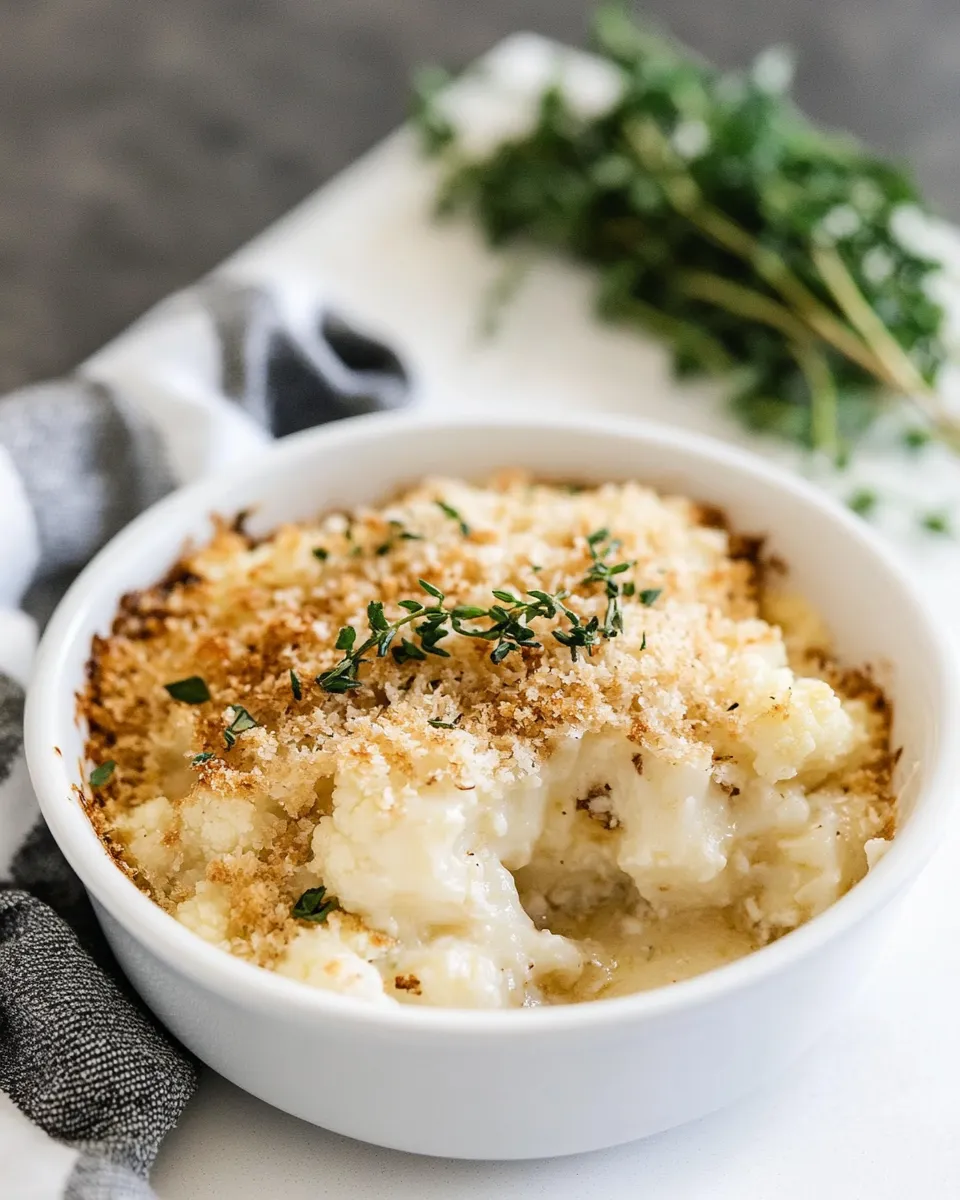
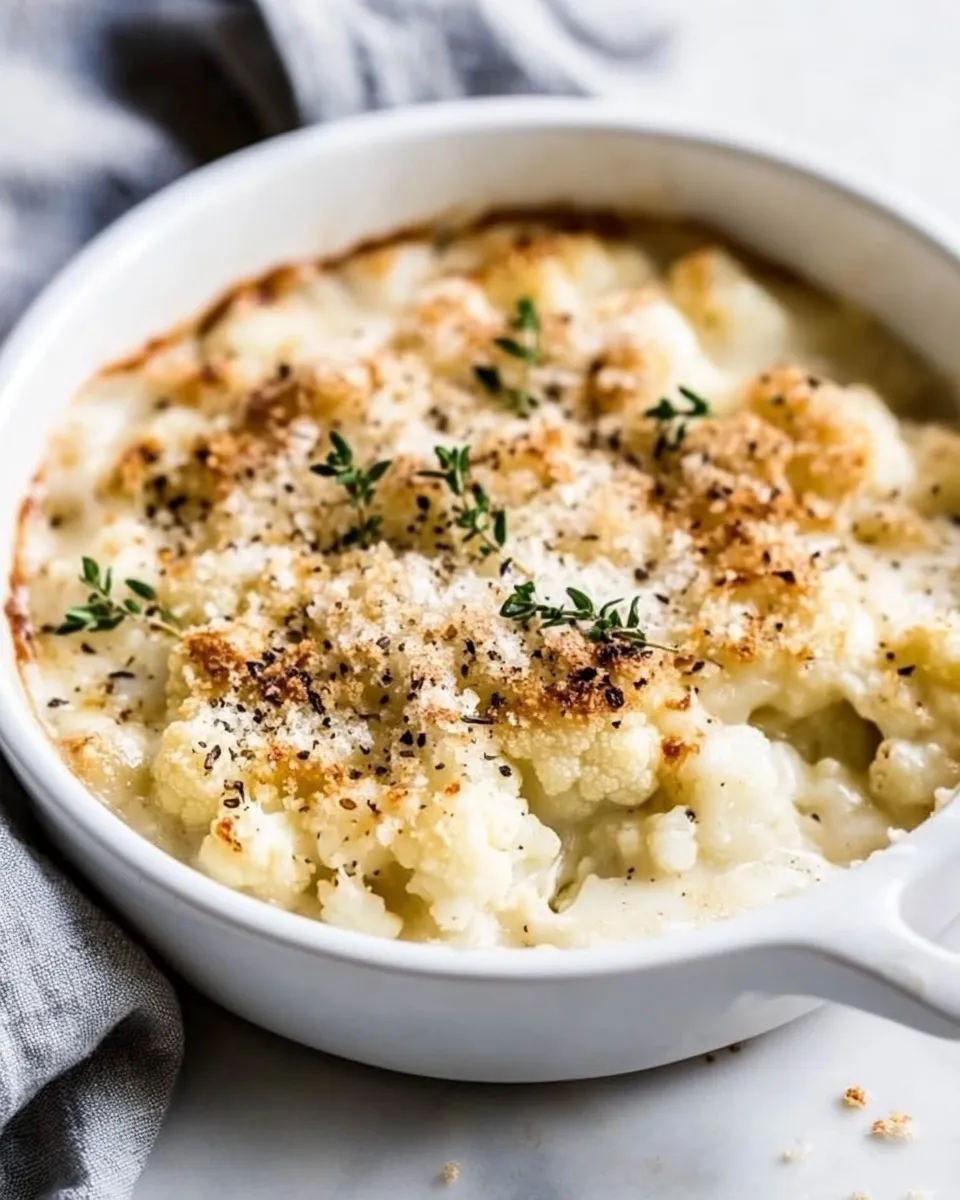
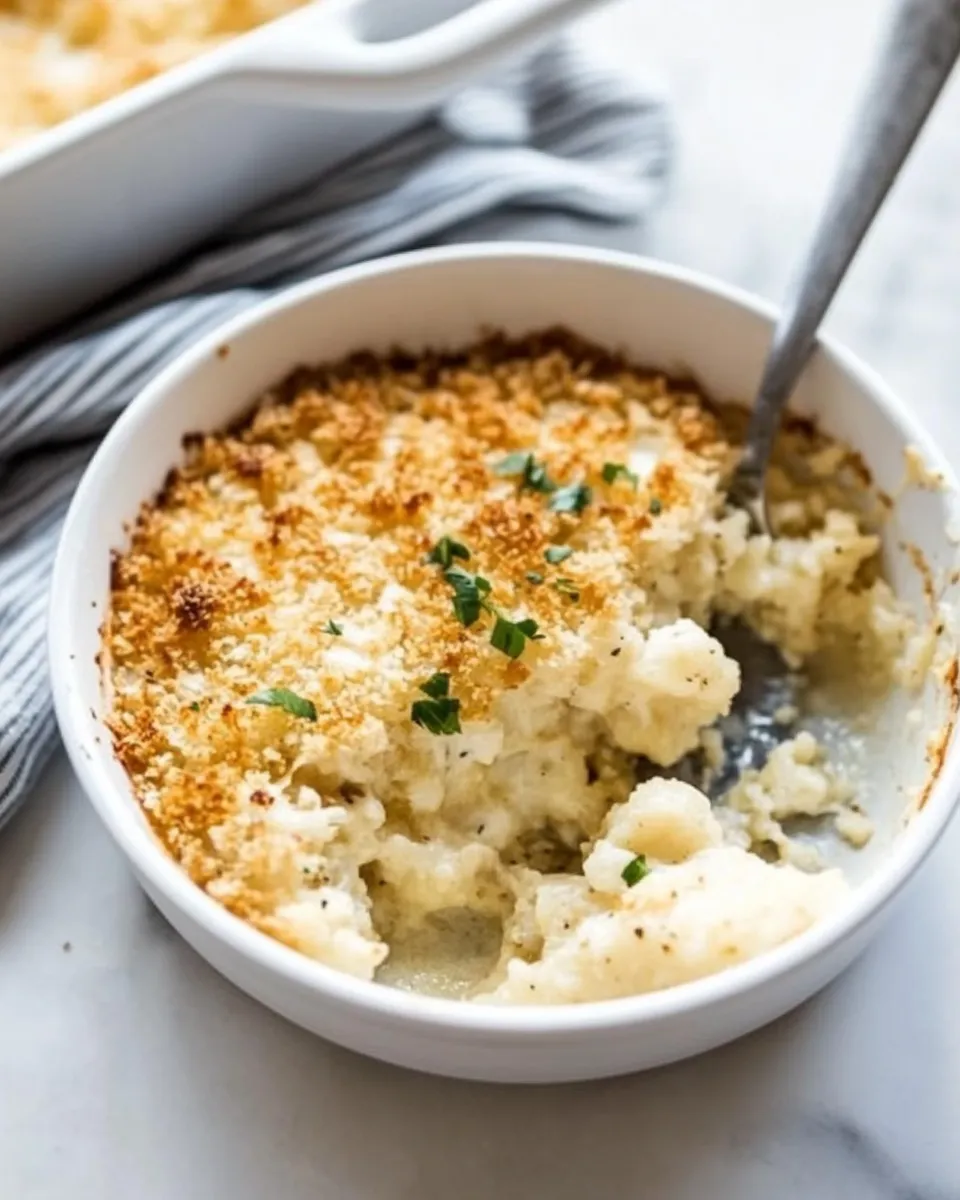
This Cauliflower Au Gratin is one of those dishes I turn to when I want something comforting, a little elegant, and reliably delicious. It’s simple to assemble, keeps well, and finishes with a crisp, golden breadcrumb top that contrasts beautifully with a silky mornay sauce. If you like a casserole-style side that can almost be a main, this fits the bill.
I keep the technique straightforward: blanch the florets so they stay tender without collapsing, drain them thoroughly to avoid a watery bake, coat them in a rich mornay, and finish under heat until bubbling and bronzed. The steps are forgiving, which is excellent for busy weeknights or a holiday table where you need one less thing to fuss over.
Below you’ll find exactly what you need, the unaltered cooking steps, and practical tips for swapping, storing, and troubleshooting. Read through once, prep your ingredients, and you’ll have a reliably beautiful Cauliflower Au Gratin on the table.
What You’ll Need
Think of this section as the short checklist before you begin. Minimal fuss, minimal equipment. The main flavor work happens in the mornay sauce, so make sure that’s ready before you assemble.
Ingredients
- 1head of cauliflower — the main vegetable; choose a firm head with tight florets for best texture.
- 1mornay recipe — the sauce that carries richness and binding; make it ahead so it’s warm when you toss the cauliflower.
- ¼cupbreadcrumbs — provides a crisp, caramelized topping; plain or lightly seasoned both work.
Cauliflower Au Gratin: From Prep to Plate
- Preheat the oven to 400°F (200°C).
- Remove the leaves and stem from the head of cauliflower and cut it into bite-size florets.
- Bring a large pot of water to a boil. Add the florets and cook for 5 minutes.
- Drain the cooked cauliflower very well in a colander; let it sit briefly or pat dry to remove excess moisture.
- Transfer the drained cauliflower to a baking dish.
- Pour the prepared mornay sauce over the cauliflower and gently toss or stir until all florets are completely coated.
- Evenly sprinkle the ¼ cup breadcrumbs over the top of the sauced cauliflower.
- Bake in the preheated oven for 20–25 minutes, until the breadcrumbs are golden brown and the sauce is bubbling around the edges.
- Remove from the oven and serve immediately.
Why Cauliflower Au Gratin is Worth Your Time
Cauliflower absorbs flavors beautifully and the texture holds up after a quick blanch. That short par-cook gives you florets that are tender through the center while still holding shape—exactly what you want under a creamy sauce. The mornay ties everything together: it’s richer than a béchamel because it usually includes cheese, which adds depth and a savory backbone.
This dish plays well in many roles. It’s a comforting side next to roasted meats, a hearty vegetarian main with a simple salad, or a make-ahead dish that travels easily to a potluck. The breadcrumb top gives a texture contrast that elevates a homely casserole into something you can serve with confidence.
Vegan & Vegetarian Swaps
Vegetarian: This recipe as written is vegetarian-friendly if your mornay is made with vegetarian rennet cheeses. To keep things strictly vegetarian, use cheeses labeled vegetarian or replace the cheese in the mornay with a flavorful mash of aged hard cheese and a touch of mustard for umami.
Vegan: Convert this to vegan by swapping the mornay for a plant-based white sauce. Use dairy-free margarine and a neutral plant milk to make a roux-based sauce, then add a tablespoon or two of nutritional yeast for cheesiness. For the breadcrumb topping, check that the crumbs don’t contain dairy or butter; use olive oil to drizzle over them to help browning.
Gluten-free: Use gluten-free breadcrumbs or crushed gluten-free crackers. If your mornay uses flour as a thickener, substitute an equal amount of rice flour or a gluten-free blend to maintain the sauce’s body.
Setup & Equipment
- Large pot — for blanching the cauliflower evenly.
- Colander — essential for draining and removing excess moisture.
- Baking dish — a 9×13-inch or similar shallow ovenproof dish works well; use what fits your yield.
- Mixing spoon or spatula — for gentle tossing so florets don’t break apart.
- Oven — preheated to 400°F (200°C) per the recipe.
Slip-Ups to Skip
- Skipping the blanch: if you don’t par-cook the florets, they’ll be underdone or require much longer baking, which dries the sauce.
- Not draining well enough: excess water from the cauliflower dilutes the sauce and makes the bake soupy.
- Overcrowding the dish: too many florets packed tightly steam rather than roast, losing crisp edges.
- Adding breadcrumbs too early: if you cover the dish or add wet toppings on top of breadcrumbs, they won’t crisp up properly.
- Using a cold sauce straight from the fridge: a cold mornay can shock the cauliflower and lower the oven temperature needed; warm it slightly before tossing.
Fresh Seasonal Changes
Cauliflower is at its best in cooler months, but you can adapt the dish across seasons. In spring, fold in lightly sautéed leeks or tender asparagus tips into the florets before saucing. In late summer or early fall, a few roasted cherry tomatoes around the edges add brightness and slight acidity to cut the richness.
Winter is perfect for adding roasted garlic to the mornay; it softens the pungency and adds depth. If you find cauliflower heads with fresh leaves, finely chop some of the tender inner leaves and mix them in for extra color and nutrients.
Chef’s Rationale
I blanch the cauliflower for exactly five minutes to achieve a consistent tender-crisp texture. That short cook time softens the vegetable enough for a short bake, so you get a creamy interior without mush. Thorough draining prevents the sauce from splitting and stops the crumbs from becoming soggy.
The breadcrumb finishing is intentional: it provides a toasted, nutty counterpoint to the lush mornay. Plain breadcrumbs allow the sauce’s flavor to shine; if you use seasoned crumbs, reduce other saltier components in your mornay.
Cooling, Storing & Rewarming
- Cooling: Let the dish cool at room temperature for no more than 1 hour before storing. Leaving it longer risks bacterial growth.
- Storing: Cover tightly and refrigerate for up to 3 days. If you freeze, portion it into airtight containers and freeze for up to 2 months; note the topping will lose some crispness.
- Rewarming: For single portions, reheat covered in a 350°F (175°C) oven until warmed through, about 12–18 minutes depending on size. To revive the crust, uncover for the last 5 minutes. From frozen, thaw overnight in the fridge before reheating.
Ask & Learn
Q: Can I make this ahead? A: Yes. Assemble through step 7, cover, and refrigerate up to 24 hours. Add the breadcrumbs just before baking, then bake per the recipe.
Q: My breadcrumbs browned too quickly. How do I prevent that? A: If the crust is browning before the sauce bubbles, tent loosely with foil and finish until the sauce is bubbling; then remove foil and toast the crumbs under the broiler for 1–2 minutes while watching closely.
Q: Do I need to squeeze the cauliflower dry? A: You don’t need to squeeze vigorously; let it drain well in a colander and pat the larger florets lightly. The goal is to remove surface moisture so the sauce remains creamy, not watery.
Ready to Cook?
Lay out the three ingredients, preheat the oven, and prepare your mornay. The steps are straightforward and forgiving, but the small details—good drainage, proper blanching, and an evenly applied breadcrumb top—make a big difference. Follow the order in the instructions, trust the timing, and you’ll have a beautiful Cauliflower Au Gratin that’s both cozy and refined.
When you try it, I’d love to hear what tweaks you made—extra herbs, a toasted nut topping, or a bold cheese choice. Cooking is about small adjustments that make a recipe your own. Enjoy.
Cauliflower Au Gratin Recipe
Ingredients
Equipment
Method
- Preheat the oven to 400°F (200°C).
- Remove the leaves and stem from the head of cauliflower and cut it into bite-size florets.
- Bring a large pot of water to a boil. Add the florets and cook for 5 minutes.
- Drain the cooked cauliflower very well in a colander; let it sit briefly or pat dry to remove excess moisture.
- Transfer the drained cauliflower to a baking dish.
- Pour the prepared mornay sauce over the cauliflower and gently toss or stir until all florets are completely coated.
- Evenly sprinkle the ¼ cup breadcrumbs over the top of the sauced cauliflower.
- Bake in the preheated oven for 20–25 minutes, until the breadcrumbs are golden brown and the sauce is bubbling around the edges.
- Remove from the oven and serve immediately.
Notes
Make-Ahead:You can make this recipe up to 1 day ahead. Simply reheat 30 minutes before serving.
How to Store:Cover and place in the refrigerator for up to 4 days.
How to Freeze:Cover and place in the freezer for up 2 months. Thaw 1 day in the refrigerator before reheating.
It is very importantthat the cauliflower be drained completely before mixing with the sauce or else it will become runny.