Cheesy brioche rolls from Angama Mara
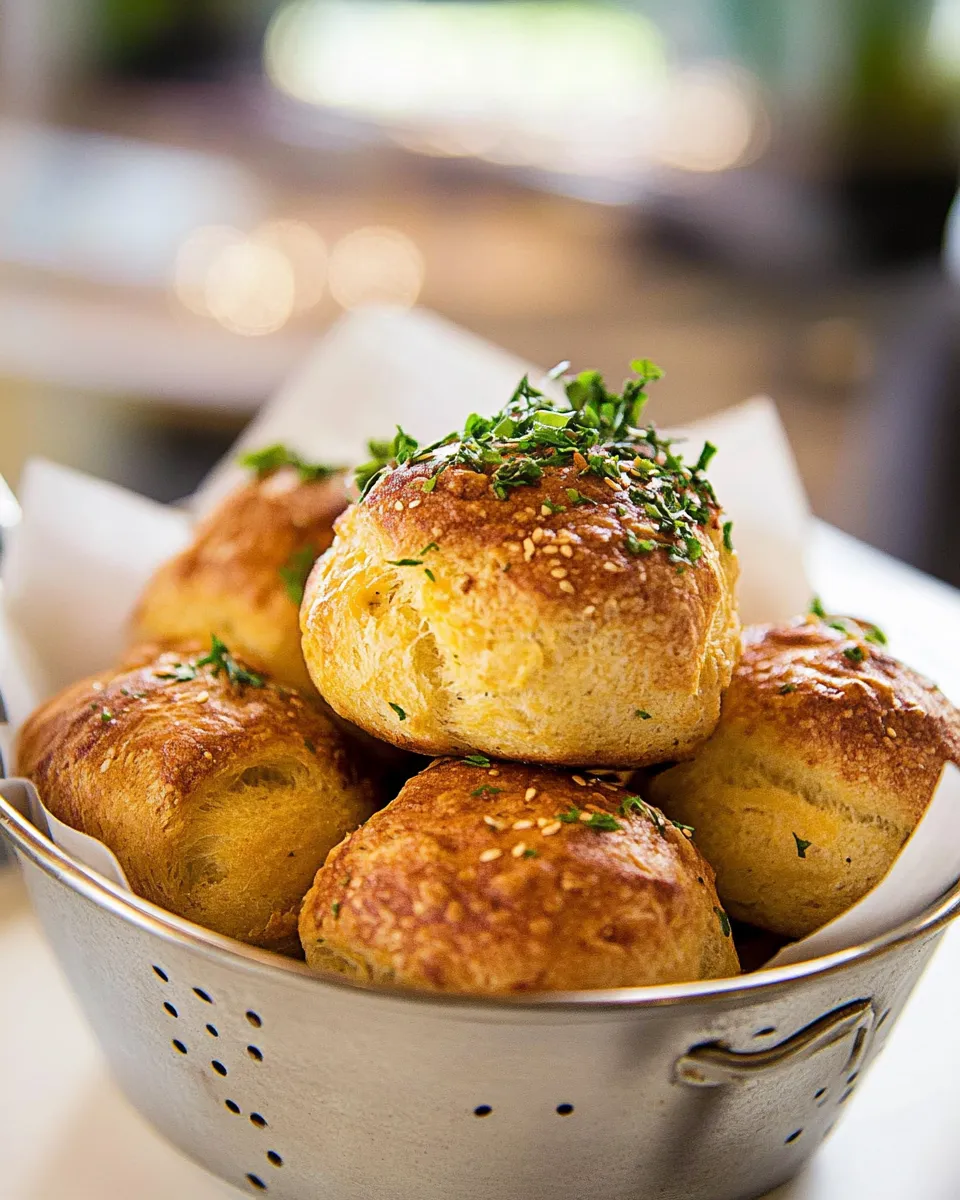
These rolls are the kind of bread you reach for when you want something indulgent but not fussy. Rich, buttery brioche enriched with sharp cheddar — they make an excellent breakfast treat, a show-stopping side for soup or a picnic-worthy snack. The recipe that follows comes from Angama Mara; it leans on time and technique rather than tricks.
I like this dough because it rewards patience. There’s a pre-ferment that develops flavor, a long cool rest in the fridge for structure, and a generous pour of butter that creates that glossy, tender crumb. The cheddar folded in gives each bite a salty, savory lift that balances the richness.
You don’t need a dozen special gadgets to succeed: a stand mixer helps, but careful timing and a warm proving spot are the real keys. Read through the steps first, gather your ingredients, and plan for the refrigeration time — then the rest is straightforward and very satisfying.
What You’ll Gather
Ingredients
- ¾ cup flour — for the pre-ferment; builds flavor and begins yeast activity.
- 4 tsp dried yeast — the rising agent; instant/dry yeast is used here.
- ½ cup lukewarm water — activates the yeast; should feel like warm bath water, not hot.
- 4 cups flour — the main dough flour; provides structure.
- 3 tsp salt — balances sweetness and tightens gluten for better texture.
- 3 Tbsp sugar — feeds yeast and gives a light, browned crust.
- 8 large eggs — enrich the dough and add moisture, color, and tenderness.
- 500 g butter — melted but not separated; the fat that gives brioche its signature richness.
- 300 g strong cheddar — grated; provides the cheesy flavor and pockets of savory interest.
Equipment
- Stand mixer with dough hook — makes incorporation of eggs and butter easier and more consistent.
- Two muffin trays — lightly oiled for shaping the rolls into neat portions.
- Plastic wrap or damp towel — to cover the pre-ferment and proving dough.
- Wire rack — for cooling so crust stays crisp.
Make Cheesy brioche rolls: A Simple Method
- In a medium bowl, stir together ¾ cup flour, 4 tsp dried yeast, and ½ cup lukewarm water until combined. Cover and let sit at room temperature for 3 hours, until bubbly and risen.
- Transfer the risen mixture (pre-ferment) to the bowl of a stand mixer fitted with the dough hook.
- With the mixer on a medium setting, add 4 cups flour, 3 tsp salt, and 3 Tbsp sugar. Mix for 5 minutes.
- Increase the mixer speed by one setting. Add 8 large eggs one at a time, allowing each egg to incorporate before adding the next.
- With the mixer running, add 500 g butter (melted but not separated) in a slow, steady stream. Continue mixing until the butter is fully incorporated and the dough is smooth and elastic.
- Add 300 g strong cheddar, grated, and mix just until the cheese is evenly distributed through the dough.
- Cover the bowl and refrigerate the dough for a minimum of 6 hours and up to 4 days.
- When ready to bake, preheat the oven to 220°C and lightly oil two muffin trays.
- Remove the dough from the fridge. If very cold, let it sit briefly until pliable. Reserve some dough to make the brioche bobble tops.
- Portion the remaining dough into golf-ball-sized balls and place them into the oiled muffin trays. Cover the trays and prove the dough until doubled in size.
- Bake the rolls at 220°C for 20 minutes, turning the trays halfway through baking, until the rolls are golden and crisp.
- Remove the trays from the oven, cool slightly, then transfer the rolls to a wire rack. Use the reserved dough pieces to form and attach the brioche bobble tops before or after baking as preferred.
Why It’s Crowd-Pleasing
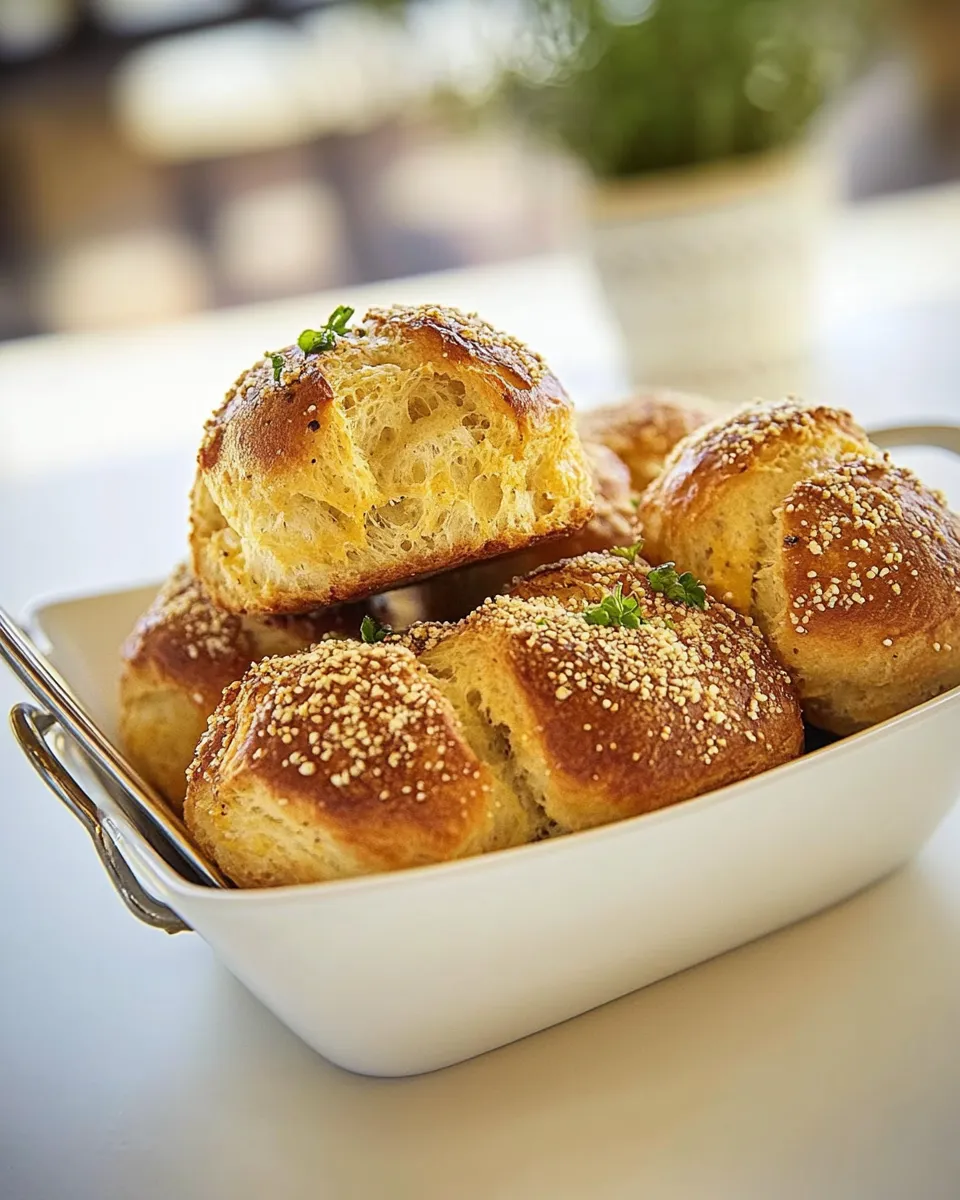
There’s an immediate emotional pull to buttery, cheese-studded bread. The texture is soft and pillowy with a slightly crisp exterior; the cheddar gives a savory backbone that keeps these rolls from tasting cloying. They travel well to gatherings and pair with so many things — from soups and salads to sliced roast meats.
The method creates depth. The pre-ferment gives subtle tang and aroma, while the slow, cool rest tightens the crumb and improves slicing and handling. When you bring a tray of warm, glossy brioche rolls to the table, people notice — and ask for seconds.
Easy Ingredient Swaps
You can tweak the cheese and fat without changing the method. Swap the strong cheddar for a milder cheddar or a mix of cheeses if you prefer a less assertive flavor. If you want a nuttier profile, try a mature cheddar. For a slightly different richness, use cultured butter instead of standard.
If you’re avoiding dairy, note that substituting the butter is tricky: butter is a structural element here. Plant-based butters can work, but texture and flavor will differ. Keep in mind the dough relies on the water content and emulsion of butter to finish correctly.
Appliances & Accessories
Stand mixer: Highly recommended. The long mixing and the gradual incorporation of butter benefit from a reliable motor and dough hook. Mixing by hand is possible, but expect a much longer, more tiring process.
Oven: Accurate temperature matters. These bake hot and fast at 220°C. If your oven runs hot or cold, use an oven thermometer and adjust accordingly.
Muffin trays and wire rack: A non-stick or well-oiled muffin tray gives the rolls a uniform base and makes turning during baking easier. A wire rack is essential for cooling so the bottom and sides don’t steam and soften.
Avoid These Mistakes
- Skipping the pre-ferment — This step builds flavor and improves the bread’s texture. Don’t rush it.
- Adding the butter too quickly — If the butter is poured too fast the dough can break and separate. Add it in a slow, steady stream as instructed.
- Using hot water for the pre-ferment — Too-hot water will kill the yeast. Lukewarm is the target.
- Over-proofing after portioning — Let the dough double, not triple. Over-proofed rolls can collapse in the oven.
- Ignoring the refrigeration step — The cold rest firms up the dough and develops flavor. Don’t skip it if you care about texture.
Smart Substitutions
Flour: If you must switch to a different flour type, be cautious. Bread flour/strong flour gives the structure this enriched dough needs. A small amount of wholegrain flour (10–20%) can add flavor, but too much will make the rolls dense.
Eggs: The recipe uses eight large eggs. If you only have medium eggs, weigh them to match the total egg weight, or expect minor differences in dough hydration. The egg count matters for richness and structure here.
Cheese: Try swapping some cheddar for Gruyère for a nuttier character, or add a small amount of Parmesan for umami. Keep the total cheese weight at 300 g to preserve dough balance.
Chef’s Rationale
This dough is intentionally rich: the eggs and butter create a tender, open crumb that is still sturdy enough to hold pockets of molten cheese. The pre-ferment does heavy lifting on flavor without adding complexity to the process. Refrigeration tightens gluten and slows fermentation so you can bake up to four days after mixing — that flexibility is practical for both home bakers and professional kitchens.
The method of adding butter slowly while mixing ensures an even emulsion. If butter is added too quickly, the fat can glob and the dough will separate; when added correctly, the butter coats the gluten strands and produces a glossy, strong dough that bakes to an irresistible crumb.
Meal Prep & Storage Notes

Prep: Make the dough up to 4 days ahead and keep it covered in the fridge. When you’re ready to bake, portion and prove as directed. This schedule suits weekend hosts who want to bake fresh on the day or cooks preparing for service.
Storing baked rolls: Keep cooled rolls in an airtight container at room temperature for 2 days. For longer storage, freeze completely cooled rolls in a sealed bag for up to 1 month. Reheat from frozen at 170°C for 10–12 minutes wrapped in foil, or thaw overnight in the fridge and refresh in a warm oven for 5–8 minutes.
Reheating tip: If you want to recover some of the original crustiness, reheat briefly on a wire rack so the bottom doesn’t steam. A quick glaze of melted butter after reheating brings back shine and flavor.
Cheesy brioche rolls FAQs
Q: Can I use instant yeast instead of dried yeast?
A: The recipe calls for dried yeast (4 tsp). If you have instant yeast, you can generally use a slightly smaller amount; however, stick with the given quantity if you want predictable results.
Q: My dough looked greasy after adding butter. Is that okay?
A: The dough should look glossy, but not greasy. Greasiness often means the butter was added too quickly or the emulsification failed. Continue mixing; the dough often comes together with more time. If it doesn’t, chill briefly and then resume mixing.
Q: Should the bobble tops be attached before or after baking?
A: The instructions note you can attach them before or after baking as preferred. Attaching before gives a classic brioche look; attaching after lets you bake the rolls and then finish them with freshly browned tops.
Q: Can I make these without a mixer?
A: Yes, but expect to knead by hand for longer. The crucial parts are proper incorporation of eggs and the slow addition of butter. Hand mixing requires patience and more elbow grease.
The Last Word
These Cheesy brioche rolls are worth the planning. They reward time with complex flavor and an indulgent texture that’s hard to beat. Follow the sequence: pre-ferment, thorough mixing, slow butter incorporation, cool rest, and a hot, short bake. That’s the formula for success.
Make them for a brunch, tuck them into picnic baskets, or serve alongside a bold stew — either way, expect compliments. Keep notes on any small tweaks you try; once you find your favorite cheese or the exact timing that fits your oven, these will become a go-to in your baking rotation.
Cheesy brioche rolls from Angama Mara
Ingredients
Equipment
Method
- In a medium bowl, stir together ¾ cup flour, 4 tsp dried yeast, and ½ cup lukewarm water until combined. Cover and let sit at room temperature for 3 hours, until bubbly and risen.
- Transfer the risen mixture (pre-ferment) to the bowl of a stand mixer fitted with the dough hook.
- With the mixer on a medium setting, add 4 cups flour, 3 tsp salt, and 3 Tbsp sugar. Mix for 5 minutes.
- Increase the mixer speed by one setting. Add 8 large eggs one at a time, allowing each egg to incorporate before adding the next.
- With the mixer running, add 500 g butter (melted but not separated) in a slow, steady stream. Continue mixing until the butter is fully incorporated and the dough is smooth and elastic.
- Add 300 g strong cheddar, grated, and mix just until the cheese is evenly distributed through the dough.
- Cover the bowl and refrigerate the dough for a minimum of 6 hours and up to 4 days.
- When ready to bake, preheat the oven to 220°C and lightly oil two muffin trays.
- Remove the dough from the fridge. If very cold, let it sit briefly until pliable. Reserve some dough to make the brioche bobble tops.
- Portion the remaining dough into golf-ball-sized balls and place them into the oiled muffin trays. Cover the trays and prove the dough until doubled in size.
- Bake the rolls at 220°C for 20 minutes, turning the trays halfway through baking, until the rolls are golden and crisp.
- Remove the trays from the oven, cool slightly, then transfer the rolls to a wire rack. Use the reserved dough pieces to form and attach the brioche bobble tops before or after baking as preferred.