Cheesy Pesto Garlic Bread
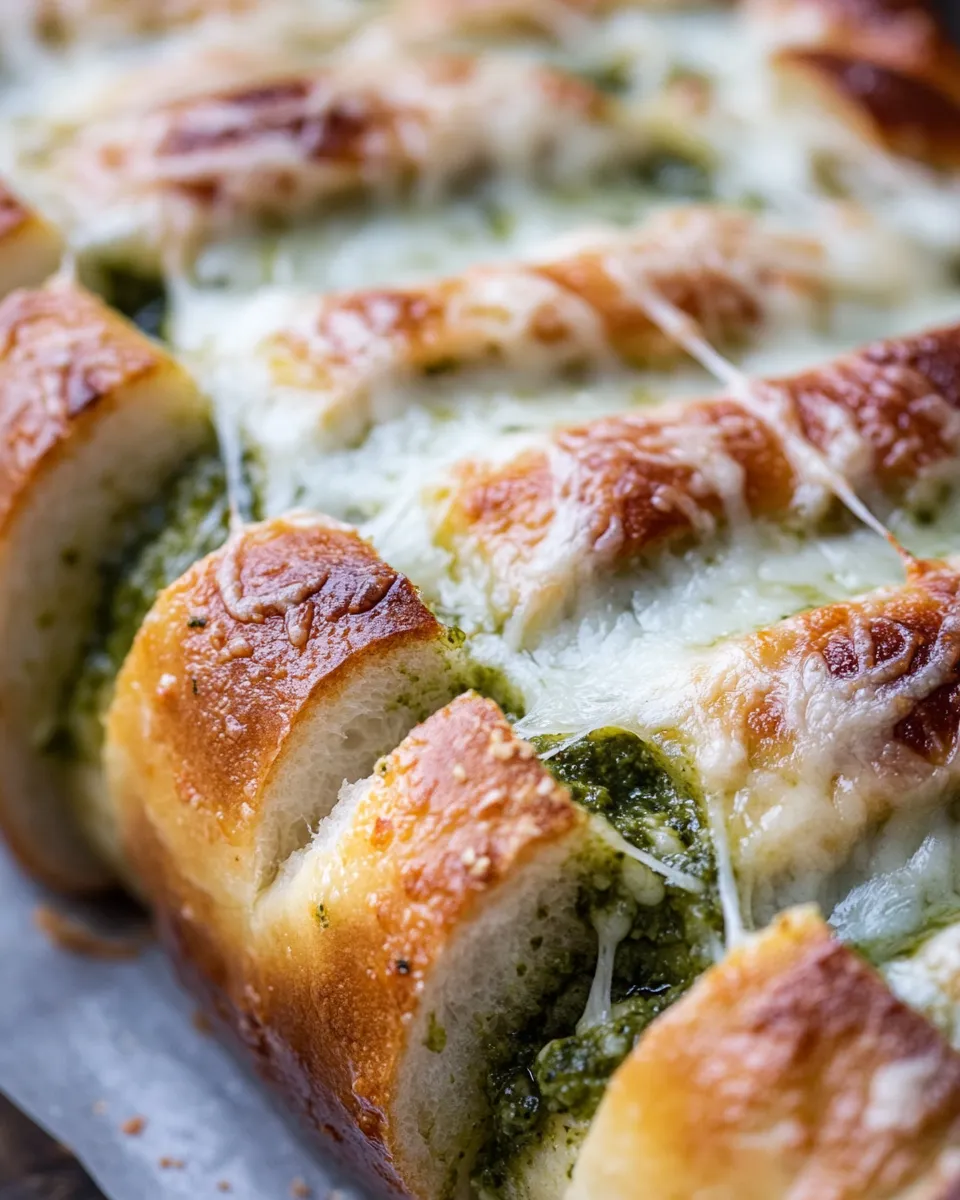
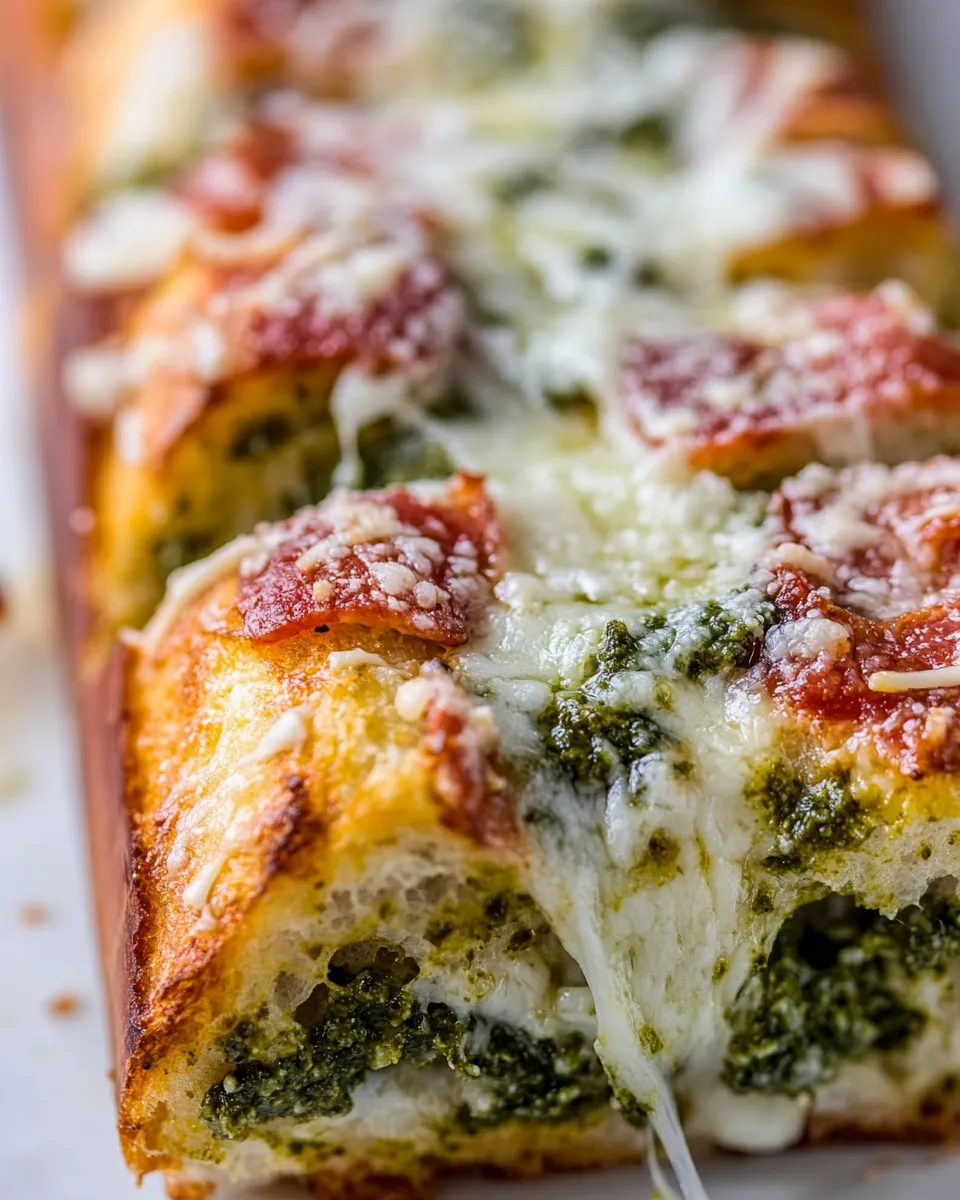
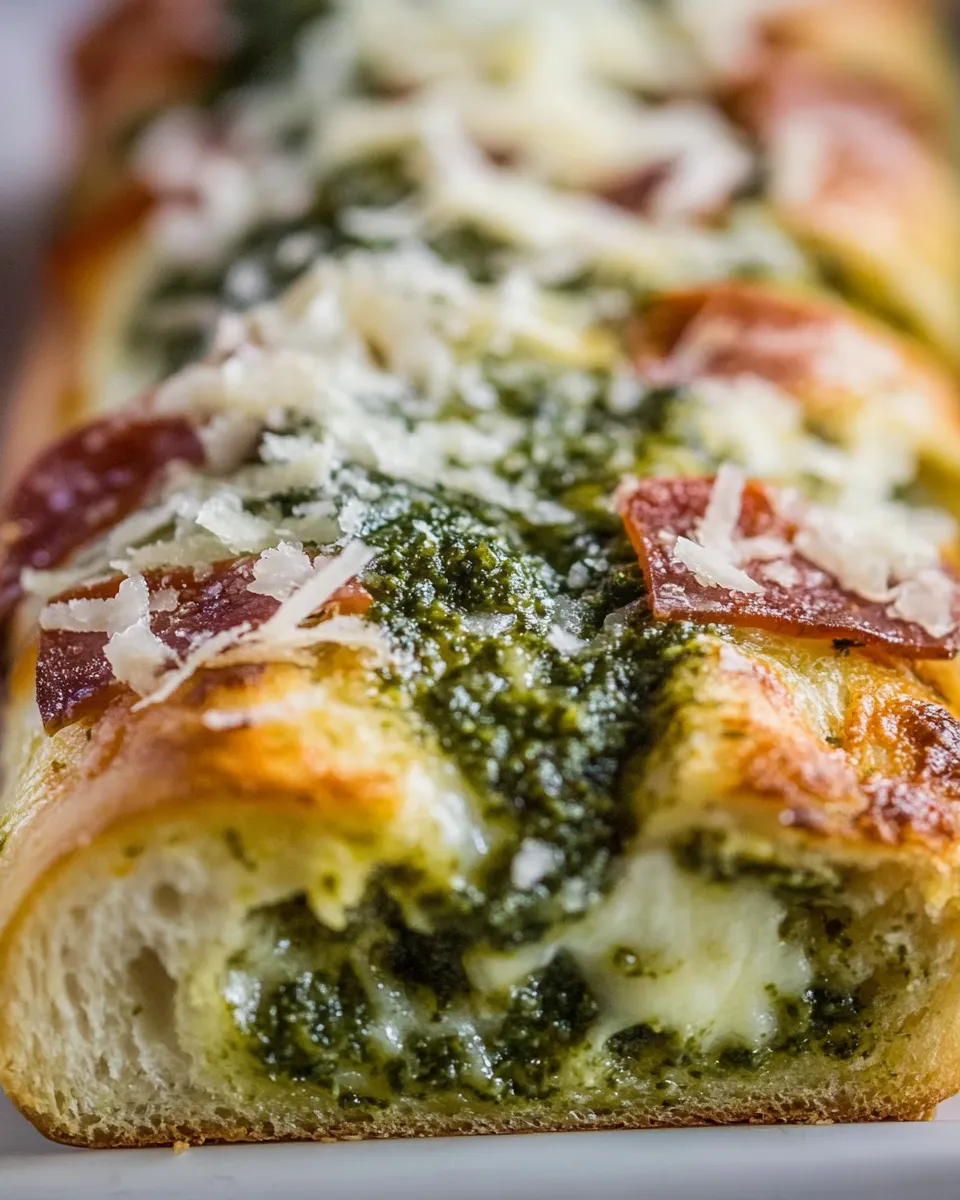
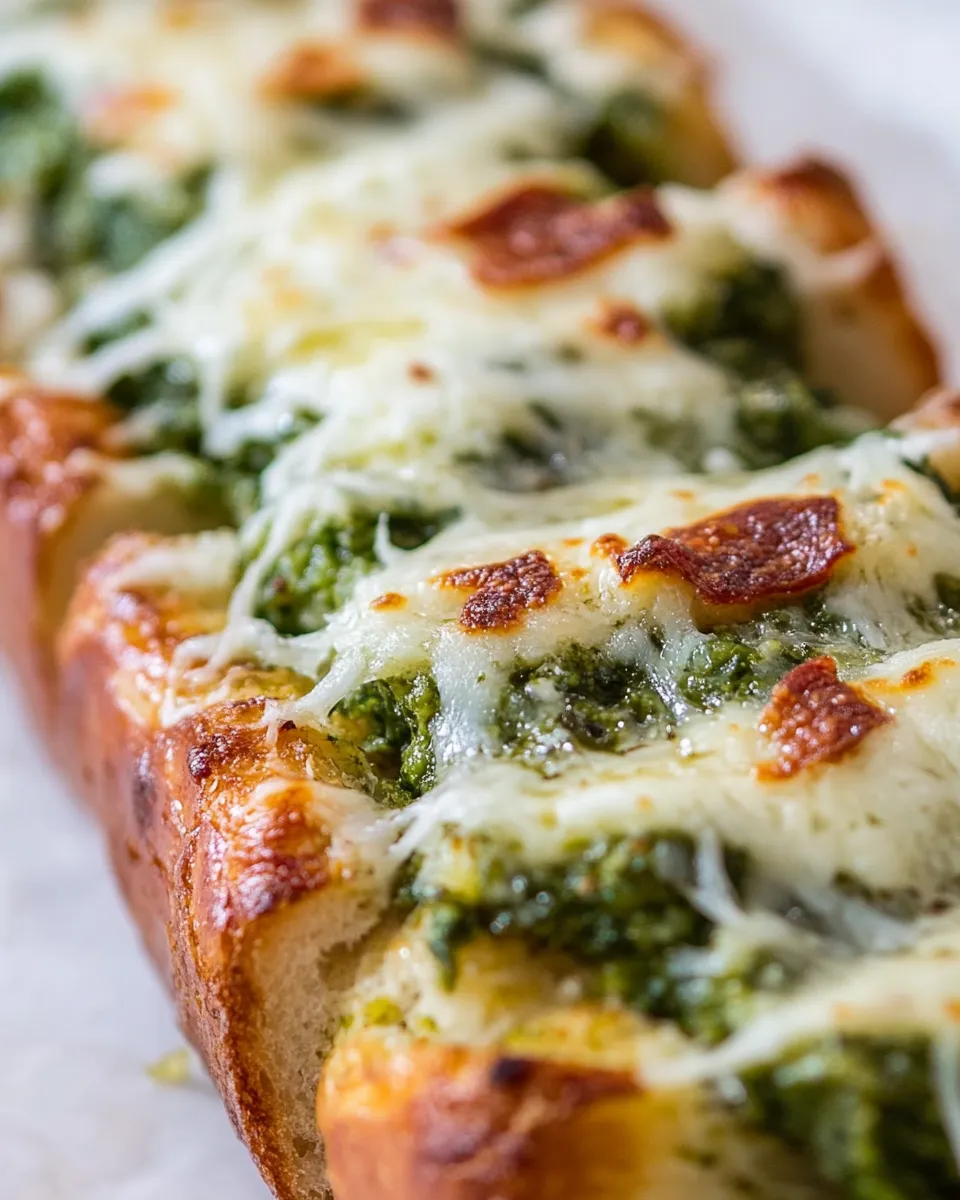
I love food that feels both comforting and a little festive, and this Cheesy Pesto Garlic Bread does exactly that. It’s the kind of thing you bring to a casual dinner or serve with a bowl of soup and watch everyone quietly go from polite to very pleased. The combination of fragrant basil pesto and gooey mozzarella tucked into each slice is reliably satisfying.
This recipe is straightforward and forgiving. You make a quick pesto, slice into two loaves, spoon the pesto into the cuts, stuff with cheese, and bake until bubbling. The method is practical and repeatable, and it rewards a little patience with an impressive result.
Below you’ll find the exact ingredient list and step-by-step method, followed by tips for success, variations, storage, and answers to common questions. If you want a crowd-pleaser that’s easy to scale, this one’s a keeper.
What You’ll Need
- 1-1/2cups packed fresh basil leaves — the aromatic backbone of the pesto; pack them lightly.
- 1/3cup grated Parmesan cheese — adds savory umami and helps thicken the pesto.
- 2tablespoons pine nuts — for texture and a buttery, nutty note.
- 4cloves garlic — sharpness and depth; adjust if you prefer milder garlic.
- 1teaspoon Kosher salt — seasons the pesto; adjust to taste if using table salt.
- 1/2teaspoon Black pepper — brightens the flavor and adds a little warmth.
- 1tablespoon lemon juice — balances the oil and cheese with bright acidity.
- 1/4cup olive oil — the emulsifying fat; choose good quality but not extra-virgin if it’s very peppery.
- 1/4cup water — thins the pesto to a spreadable consistency without diluting flavor.
- 2(8-inch) bread loaves, I used an Italian bread — choose loaves with a sturdy crust and soft crumb for best results.
- 2cups shredded mozzarella cheese — melty, stretchy, and mild; whole-milk mozzarella gives the best texture.
Method: Cheesy Pesto Garlic Bread
- Place the basil, Parmesan, pine nuts, garlic, kosher salt, black pepper, and lemon juice in a blender or food processor. Pulse a few times to begin breaking down the basil and nuts.
- With the machine running, drizzle in the olive oil and blend until the ingredients are combined.
- Stop the machine, scrape down the sides with a spatula, then run it again and drizzle in the water until the pesto reaches a spreadable consistency. Set the pesto aside.
- Preheat the oven to 350°F (175°C). Line a sheet pan with a silicone liner or parchment paper.
- Place one loaf on a cutting board. Make cuts about 3/4 inch apart across the loaf, slicing down almost to the bottom crust but not cutting through the bottom. Repeat with the second loaf.
- Using a small spoon or knife, spread pesto into each cut so the inside of the loaf is coated. Work the pesto into the openings for even distribution.
- Push shredded mozzarella into the gaps between the slices so each pocket contains some cheese.
- Spread any remaining pesto over the top of each loaf and press the remaining shredded mozzarella on top to cover the loaves.
- Transfer the loaves to the prepared sheet pan and tent them loosely with foil (do not wrap tightly).
- Bake for 15 minutes, then remove the foil and bake an additional 5 minutes, or until the interior cheese is melted and the top is lightly browned.
- Remove from the oven and let the loaves rest 4–5 minutes before slicing and serving.
Why It Works Every Time
The technique here is simple and effective. Making a loose pesto first guarantees bright, evenly seasoned pockets of flavor that penetrate the bread when you work the paste into each cut. Adding a small amount of water to the pesto brings it to a spreadable consistency without diluting the flavor too much; the oil gives shine and mouthfeel while the cheese and lemon balance richness.
Slicing the loaves without cutting through the bottom creates pockets that hold the pesto and cheese. That controlled stuffing prevents the filling from spilling out and ensures each slice has both herbaceous pesto and molten cheese. Tent the loaves with foil for the first bake so the interior heats and the cheese melts fully; removing the foil at the end lets the top brown and develop a slightly crisp crust without drying the crumb.
Flavor-Forward Alternatives
- Different nuts: Swap pine nuts for toasted walnuts or almonds for a more rustic, slightly bitter edge.
- Cheese swaps: Try a mix of mozzarella and provolone for extra flavor, or add a sprinkle of smoked cheese for depth.
- Herb twists: Replace half the basil with arugula or spinach for a peppery or milder green note; increase lemon to brighten.
- Garlic variations: Roast the garlic before blending if you want a softer, sweeter garlic presence.
- Spicy kick: Add a pinch of red pepper flakes into the pesto for heat, or layer sliced calabrian chiles between the pockets.
Cook’s Kit
- Blender or food processor — to make a smooth, cohesive pesto quickly.
- Sharp bread knife — for clean, even slices that don’t tear the loaf.
- Small spoon or offset knife — to work the pesto into each cut.
- Baking sheet lined with parchment or silicone — easy cleanup and prevents sticking.
- Aluminum foil — to tent the bread so the cheese melts fully without over-browning the top.
Pitfalls & How to Prevent Them
Overly wet pesto: If your pesto is too loose, it can make the crumb soggy. Prevent this by pulsing the basil and nuts first, and add oil slowly. Use the 1/4 cup water sparingly; you only need enough to reach spreadable consistency.
Slices falling apart: If you cut all the way through the loaf, the structure collapses. Stop your cuts just above the bottom crust. If the loaf is too soft, chill it briefly before slicing to firm the crumb.
Uneven melting: If you don’t tent the loaves, the top may brown before the interior cheese melts. Tent loosely with foil for the first 15 minutes, then remove the foil for the final 5 minutes to brown.
Burned top: Ovens vary. If the top is browning too quickly, lower the oven temperature by 25°F (about 15°C) and increase overall bake time by a few minutes, keeping the tent on longer if needed.
Better-for-You Options
- Whole-grain or seeded loaves: Use whole-grain Italian-style loaves to add fiber and nutrients.
- Less cheese: Reduce the mozzarella to 1–1/2 cups and add 1/2 cup of finely grated part-skim mozzarella to keep melty texture with less fat.
- Light olive oil: Use a lighter-tasting olive oil or reduce oil slightly and substitute a tablespoon of water to keep the pesto spreadable.
- Low-sodium option: Cut the kosher salt in half in the pesto, then taste before filling the bread.
Author’s Commentary
I started making a version of this years ago when I wanted something a little more special than plain garlic bread. The first time I tried stuffing pesto into the cuts, my family circled the oven and we ate the whole loaf that night. I usually make two loaves because one never seems to be enough. The method is forgiving—if the pesto is brighter one day or the loaf denser the next, the cheese and heat pull everything together.
Small touches make a difference: using just enough water to loosen the pesto, toasting the pine nuts briefly, and letting the loaves rest a few minutes after baking so the cheese settles. Those minutes are worth the wait.
Storage & Reheat Guide
Cooling: Let loaves cool to room temperature before wrapping. Do not leave them out more than two hours at room temperature if you used fresh cheese and pesto.
Short-term storage: Wrap tightly in foil or place in an airtight container and refrigerate for up to 3 days. Slice before storing if you plan to reheat individual portions.
Freezing: You can freeze fully baked loaves wrapped well in foil and placed in a freezer bag for up to 2 months. Thaw in the refrigerator overnight before reheating.
Reheating: Preheat the oven to 350°F (175°C). Place wrapped loaf in the oven for 10–15 minutes, or until heated through. For a crisper top, unwrap for the last 3–5 minutes. Microwaving will heat quickly but sacrifice crispness; if you must microwave, zap single slices for 20–30 seconds then crisp under a hot broiler for a minute if desired.
Helpful Q&A
- Can I make the pesto ahead? Yes. Homemade pesto keeps in the fridge for up to 3 days in an airtight container and can be frozen for up to 3 months. If refrigerating, press a thin layer of olive oil on top to slow browning.
- What breads work best? Crusty loaves with a sturdy bottom and soft interior work best—Italian, sourdough, or a rustic country loaf. Avoid very thin sandwich loaves; they won’t hold the filling well.
- Can I use pre-made pesto? Absolutely. Use a good-quality jarred pesto if you’re short on time; you may want to thin it slightly with water or a touch of olive oil to make it easier to spread into the cuts.
- Is it okay to add fresh tomatoes? Yes, but slice them thin and pat dry to reduce excess moisture. Tuck them between pockets sparingly so the bread doesn’t become soggy.
- How do I prevent the bottom from getting soggy? Bake on a sheet pan and avoid piling any excess wet ingredients directly under the loaf. A brief tent with foil and then finishing uncovered helps evaporate some moisture so the bottom stays pleasant.
The Last Word
This Cheesy Pesto Garlic Bread is one of those simple, impressive dishes you’ll return to whenever you want something that feels a little special but doesn’t take all day. It’s adaptable, forgiving, and shares well. Follow the steps as written for best results, and then make small swaps to match your pantry or mood. Happy baking, and enjoy every melty, herby slice.
Cheesy Pesto Garlic Bread
Ingredients
Equipment
Method
- Place the basil, Parmesan, pine nuts, garlic, kosher salt, black pepper, and lemon juice in a blender or food processor. Pulse a few times to begin breaking down the basil and nuts.
- With the machine running, drizzle in the olive oil and blend until the ingredients are combined.
- Stop the machine, scrape down the sides with a spatula, then run it again and drizzle in the water until the pesto reaches a spreadable consistency. Set the pesto aside.
- Preheat the oven to 350°F (175°C). Line a sheet pan with a silicone liner or parchment paper.
- Place one loaf on a cutting board. Make cuts about 3/4 inch apart across the loaf, slicing down almost to the bottom crust but not cutting through the bottom. Repeat with the second loaf.
- Using a small spoon or knife, spread pesto into each cut so the inside of the loaf is coated. Work the pesto into the openings for even distribution.
- Push shredded mozzarella into the gaps between the slices so each pocket contains some cheese.
- Spread any remaining pesto over the top of each loaf and press the remaining shredded mozzarella on top to cover the loaves.
- Transfer the loaves to the prepared sheet pan and tent them loosely with foil (do not wrap tightly).
- Bake for 15 minutes, then remove the foil and bake an additional 5 minutes, or until the interior cheese is melted and the top is lightly browned.
- Remove from the oven and let the loaves rest 4–5 minutes before slicing and serving.