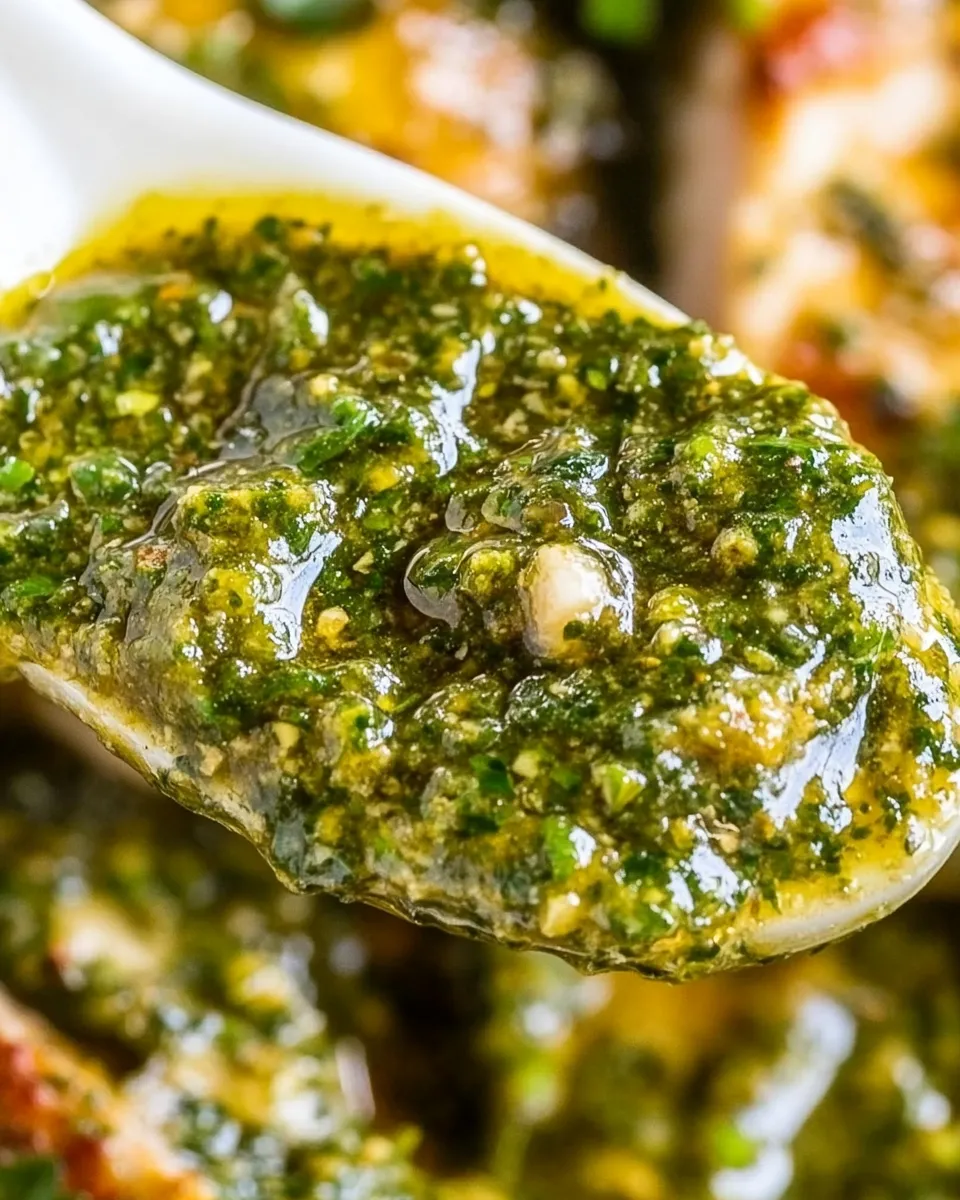
Chermoula Sauce
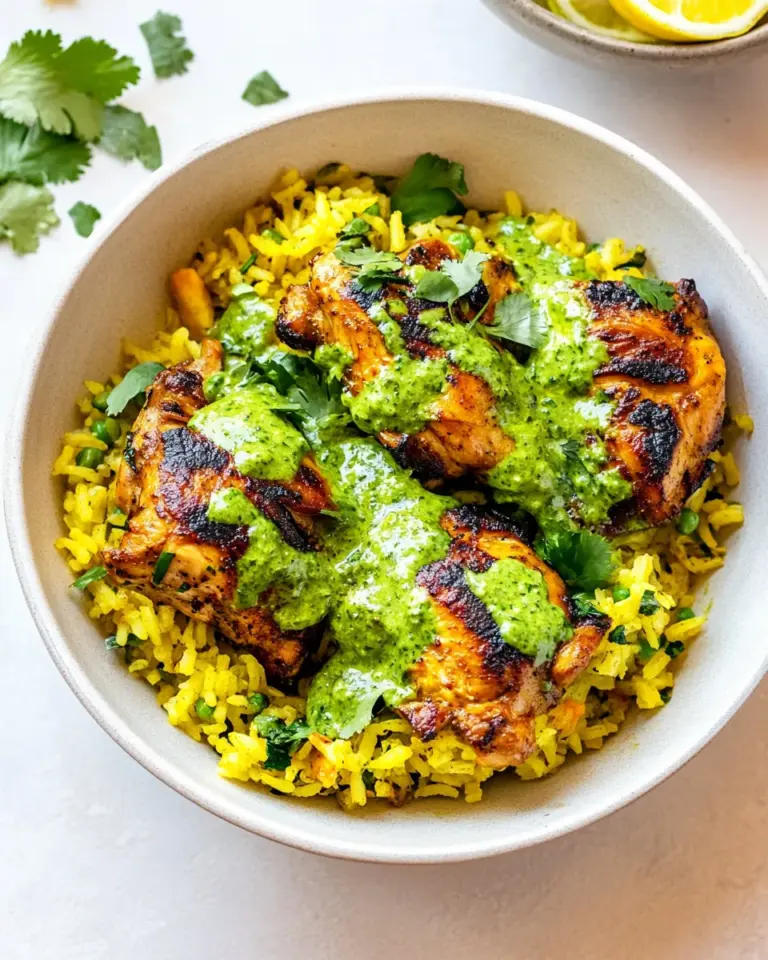
I love chermoula because it’s one of those sauces that transforms plain ingredients into something electric. Bright herbs, bright lemon, and a little toasted spice make a sauce that wakes up fish, chicken, roasted vegetables, and even a neglected bowl of grains. It’s fast to make and easy to tweak, which is why it lives in my fridge most weeks.
This recipe keeps things focused: toast the spices, blend with herbs and oil, taste, and adjust. No fuss, no long lists of weird pantry items. If you cook at home, you’ll find it’s forgiving — and more useful than you expect.
Below you’ll find everything you need: the exact ingredients, step-by-step directions, troubleshooting tips, storage notes, and ways to adjust the sauce to your needs. Make a batch and use it liberally. Chermoula is meant to brighten, not hide, the food it meets.
Gather These Ingredients
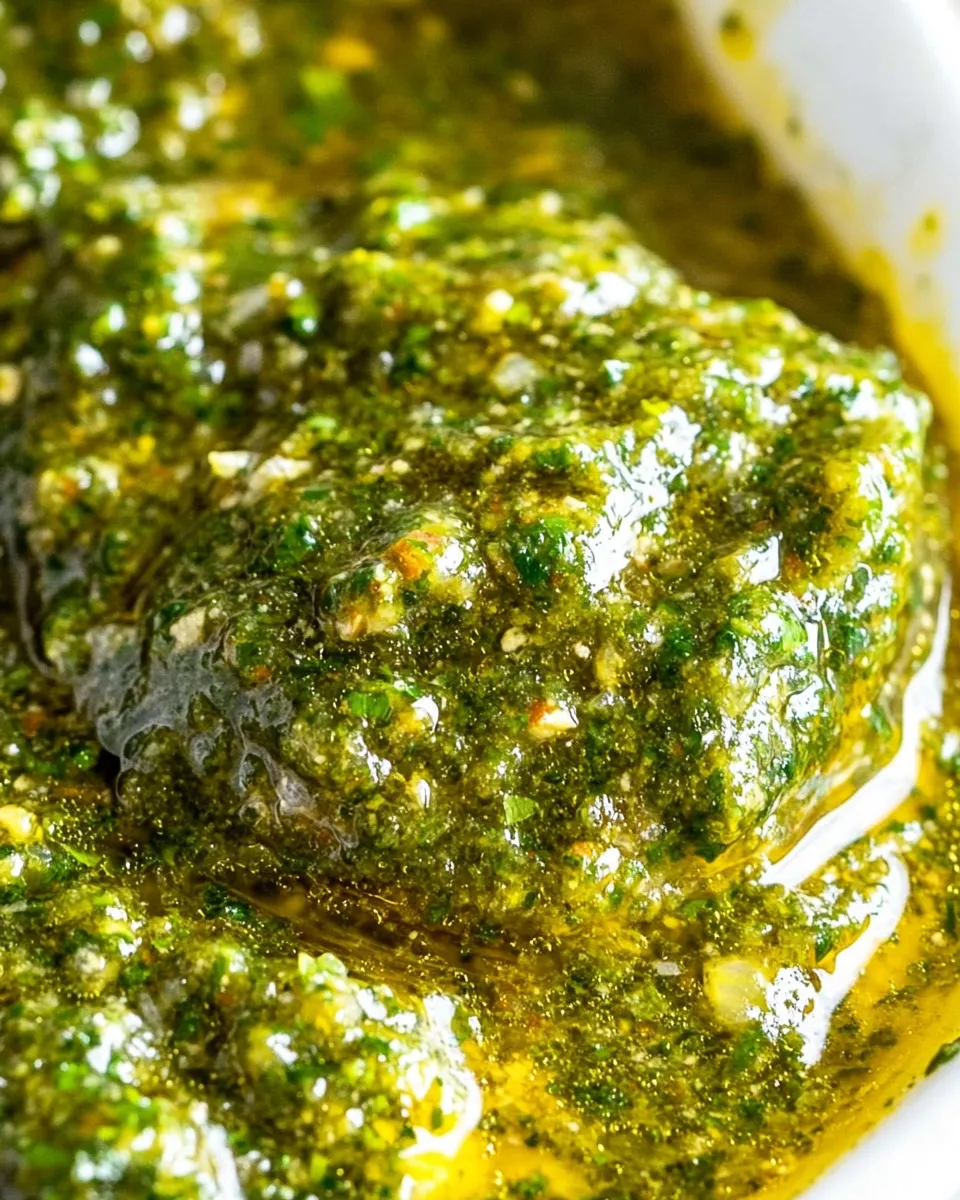
- 3 tsp ground cumin — Toasting deepens the flavor; this is the backbone of the spice profile.
- ½ tsp ground coriander — Adds a citrusy, floral note to balance the cumin.
- 2 tsp paprika — Gives color and mild sweetness; use smoked paprika for a smoky edge if you like.
- 1 cup chopped fresh cilantro — Freshness and bright green aroma; one of the two herb pillars here.
- 1 cup chopped fresh parsley — Brings body and balance to cilantro’s brightness; keeps the sauce vivid and green.
- ½ cup extra virgin olive oil — Emulsifies and carries flavor; use a good, fruity oil for best results.
- ¼ cup freshly squeezed lemon juice — Provides acidity and lift; don’t skip it unless you’re intentionally reducing acid.
- 4 garlic cloves, chopped — Adds punch and savory depth; chopping first helps them blend evenly.
- ½ tsp salt — Essential for seasoning; start here and adjust to taste after blending.
- a pinch cayenne pepper or to taste — A controlled hit of heat; add more if you want it spicy.
Build Chermoula Sauce Step by Step
- Heat a dry frying pan or skillet over medium heat. Add 3 tsp ground cumin, ½ tsp ground coriander, and 2 tsp paprika and cook, stirring constantly, for 30–60 seconds, until the spices are fragrant and do not burn.
- Transfer the toasted spices to a small plate and let them cool for about 1 minute.
- In a food processor, combine the toasted spices with 1 cup chopped fresh cilantro, 1 cup chopped fresh parsley, ½ cup extra virgin olive oil, ¼ cup freshly squeezed lemon juice, 4 garlic cloves (chopped), ½ tsp salt, and a pinch cayenne pepper (or to taste).
- Pulse the mixture until smooth, stopping to scrape down the sides of the bowl as needed, until you reach the desired consistency (about 30–60 seconds of processing).
- Taste and, if desired, adjust seasoning by adding more salt or cayenne pepper to taste.
Why This Recipe Belongs in Your Rotation
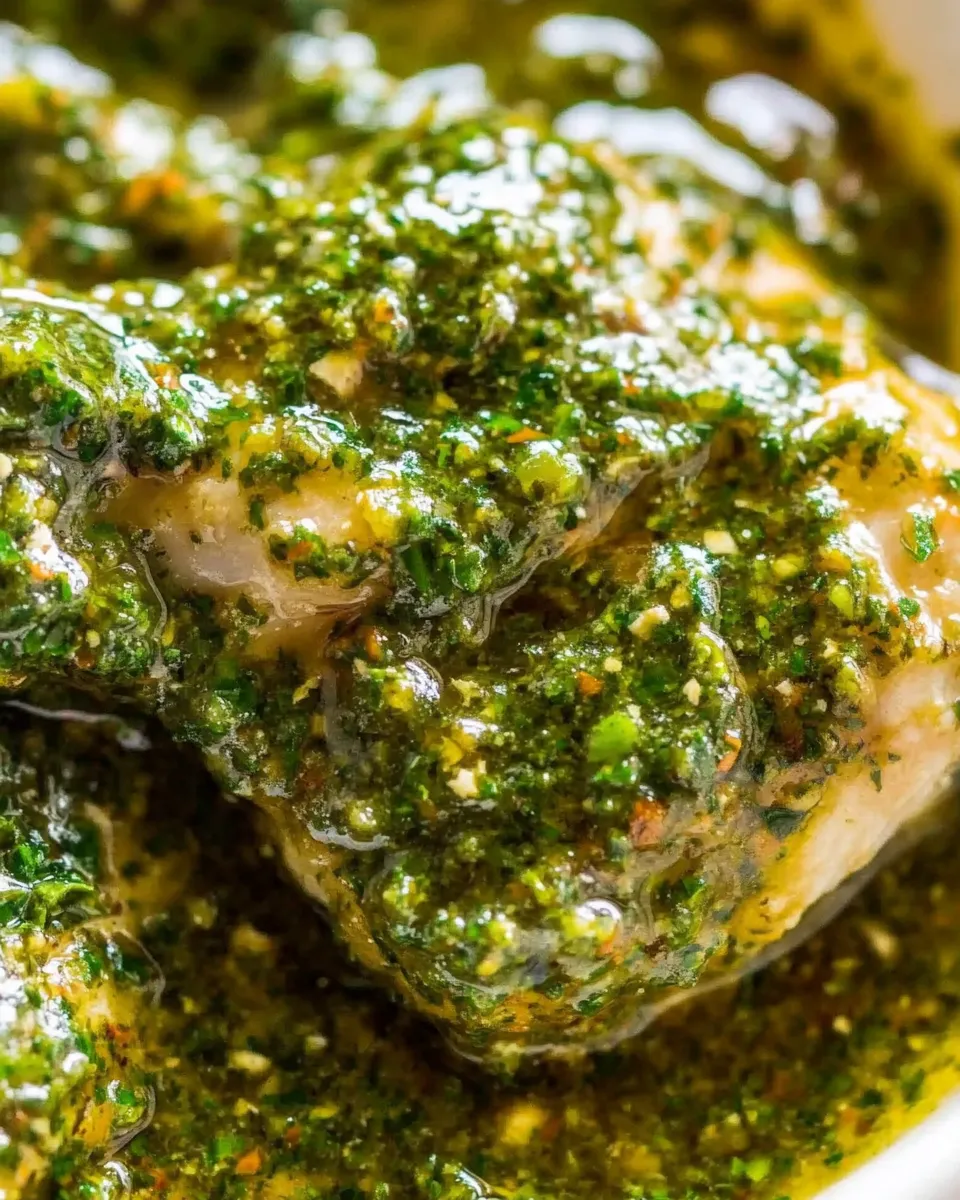
Chermoula is a humble powerhouse. It takes minutes to assemble and lifts everything it touches. Use it as a marinade, a finishing sauce, a vinaigrette base, or a dip. It brightens fatty fish and anchors roasted root vegetables. That kind of flexibility means you’ll find reasons to make it again and again.
It also scales well. Make a single batch for dinner, or double it to keep in the fridge for several meals. Because the core components are herbs, oil, lemon, and a touch of heat, it sits comfortably in many dietary patterns. Finally, the toasted spices give deeper flavor than raw blends, so even a small amount packs big punch.
Allergy-Friendly Substitutes
- If you react to cilantro — use more parsley. Doubling the parsley will keep the herb-forward freshness without introducing new ingredients.
- If parsley is a problem — increase the cilantro slightly to maintain volume and freshness.
- If garlic bothers you — omit the garlic and make up the mouthfeel with an extra splash of lemon juice and a touch more olive oil; increase salt cautiously and taste as you go.
- If you need less heat — leave out the cayenne entirely. The sauce will still be vivid and aromatic.
- If you need to lower salt — reduce the ½ tsp salt and rely on lemon juice and fresh herbs for bright flavor; add a tiny extra pinch only if needed when tasting.
Gear Checklist
- Dry frying pan or skillet — for toasting the spices evenly.
- Small plate — to cool the toasted spices briefly and avoid residual heat in the blender.
- Food processor — the quickest way to reach a smooth, emulsified texture; a blender also works.
- Measuring spoons and cups — for accurate spice and liquid ratios.
- Rubber spatula — to scrape down the sides of the processor bowl during pulsing.
- Sharp knife and cutting board — for chopping the herbs and garlic before processing.
Frequent Missteps to Avoid
- Burning the spices — keep the heat at medium and stir constantly. Spices can go from fragrant to bitter in seconds.
- Processing too long without scraping — herbs can stick to the bowl; scrape and finish so everything blends evenly.
- Using old or stale spices — fresh ground cumin and coriander make a meaningful difference; if spices lack aroma, the sauce will taste flat.
- Under-salting — salt brings out brightness. Taste and adjust, especially after blending.
- Expecting one texture — this recipe works from coarse to silky. Be intentional: pulse briefly for a chunkier relish or process longer for a smooth sauce.
Tailor It to Your Diet
Chermoula is naturally plant-based and works on many eating plans. It’s vegan and vegetarian as written. For low-carb or keto diets, the oil provides fat and the herbs add negligible carbs, so it fits easily. If you follow a low-FODMAP approach, garlic can be a problem; omit or reduce it and compensate with extra lemon and salt.
If you’re watching sodium, reduce the salt and rely on lemon juice and fresh herbs for brightness. For a lighter option, use slightly less oil and add a teaspoon of water when blending to keep the emulsion flowing. The sauce’s essence is bright herbs and toasted spices — those are the constants you can manipulate to meet your diet.
Method to the Madness
The technique is simple but purposeful. Toasting whole ground spices for 30–60 seconds wakes up volatile oils and creates a warm, rounded flavor base. You don’t want to char them; remove as soon as you can smell them.
Processing follows: chopped herbs and garlic go in with lemon and oil to form an emulsion. The oil carries flavors and smooths the mouthfeel; the lemon cuts through that richness. Pulse in short bursts. Stop and scrape a couple times. That keeps the texture even and prevents overheating the herbs, which can turn bitter.
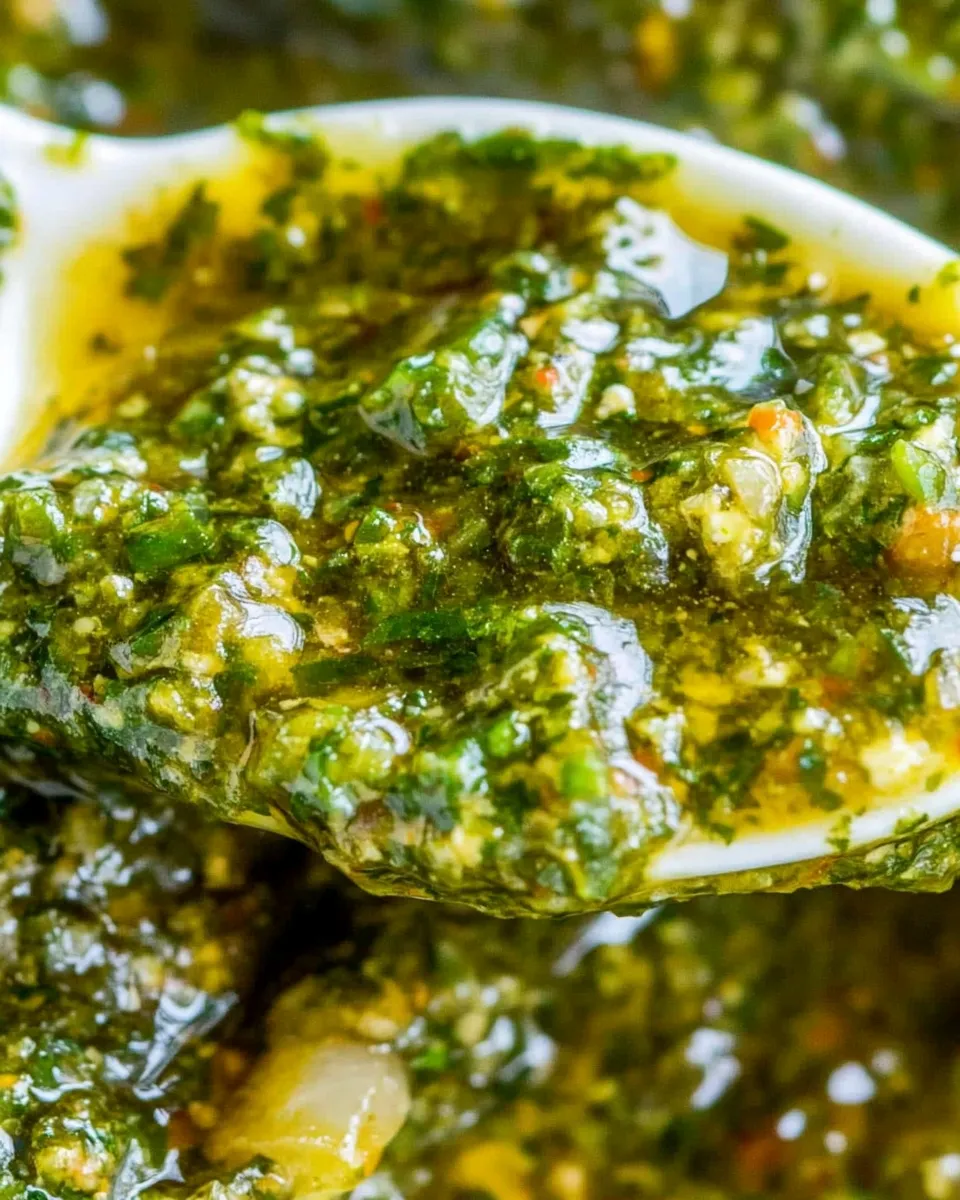
If you like a chunkier sauce for topping grilled fish, process in short bursts and stop when you still see flecks of herb. If you want a silky sauce for drizzling, blend longer until smooth. Taste after processing and adjust salt or cayenne gradually — heat concentrates as it sits.
Cooling, Storing & Rewarming
Chermoula keeps well chilled. Store it in an airtight container in the refrigerator for up to 5–7 days. Because it contains lemon juice and fresh herbs, flavor is best within that window; beyond it, herbs start to lose vibrancy.
For longer storage, freeze in small portions — ice cube trays work beautifully. Pop frozen cubes into a zipper bag, then thaw what you need in the fridge or at room temperature. Reheated chermoula isn’t necessary; it’s designed to be used cold or at room temperature. If you use it as a marinade, let the marinated protein come to room temperature briefly before cooking for even cooking.
Chermoula Sauce FAQs
- Can I make this ahead? Yes. It keeps in the fridge for 5–7 days. Flavors meld and can deepen a bit over the first 24 hours.
- Is it gluten-free? Yes. The recipe contains no gluten-containing ingredients.
- Can I use dried herbs instead of fresh? Fresh herbs are central to chermoula’s character. Dried herbs won’t provide the same brightness; if you must, greatly reduce the quantity and expect a different result.
- Can I use this as a marinade? Absolutely. Use it to marinate fish, chicken, or vegetables. If marinating acidic proteins for more than 30–60 minutes, be aware the acid can change texture, especially for delicate fish.
- How spicy will it be? The pinch of cayenne gives a subtle kick. Increase gradually to taste if you want more heat.
- Do I have to toast the spices? Toasting is highly recommended. It intensifies the flavor and prevents the spice blend from tasting flat.
Before You Go
Make a batch tonight and keep a little jar ready. Spoon it over roasted cauliflower, brush it on salmon before the grill, or toss it with roasted potatoes. It makes leftovers sing and weeknight dinners feel special.
If you try a twist — a chunkier texture, a little extra lemon, or a smoky paprika — note it down. Chermoula is forgiving and personal. Come back, tweak, and keep the best version for your kitchen.
Chermoula Sauce
Ingredients
Equipment
Method
- Heat a dry frying pan or skillet over medium heat. Add 3 tsp ground cumin, ½ tsp ground coriander, and 2 tsp paprika and cook, stirring constantly, for 30–60 seconds, until the spices are fragrant and do not burn.
- Transfer the toasted spices to a small plate and let them cool for about 1 minute.
- In a food processor, combine the toasted spices with 1 cup chopped fresh cilantro, 1 cup chopped fresh parsley, ½ cup extra virgin olive oil, ¼ cup freshly squeezed lemon juice, 4 garlic cloves (chopped), ½ tsp salt, and a pinch cayenne pepper (or to taste).
- Pulse the mixture until smooth, stopping to scrape down the sides of the bowl as needed, until you reach the desired consistency (about 30–60 seconds of processing).
- Taste and, if desired, adjust seasoning by adding more salt or cayenne pepper to taste.
Notes
1 serving = ⅛ cup
How long will Chermoula last in the fridge?
This wonderful sauce stores well (up to 3 weeks in the refrigerator), so you’ll have plenty of time to eat it all. Keep it in a mason jar covered with a lid.
Can Chermoula be frozen?
Chermoula Sauce can also be frozen successfully. To freeze, drop spoonfuls into an ice cube tray that has been greased with olive oil.
To find MANY serving ideas for this sauce, scroll up!