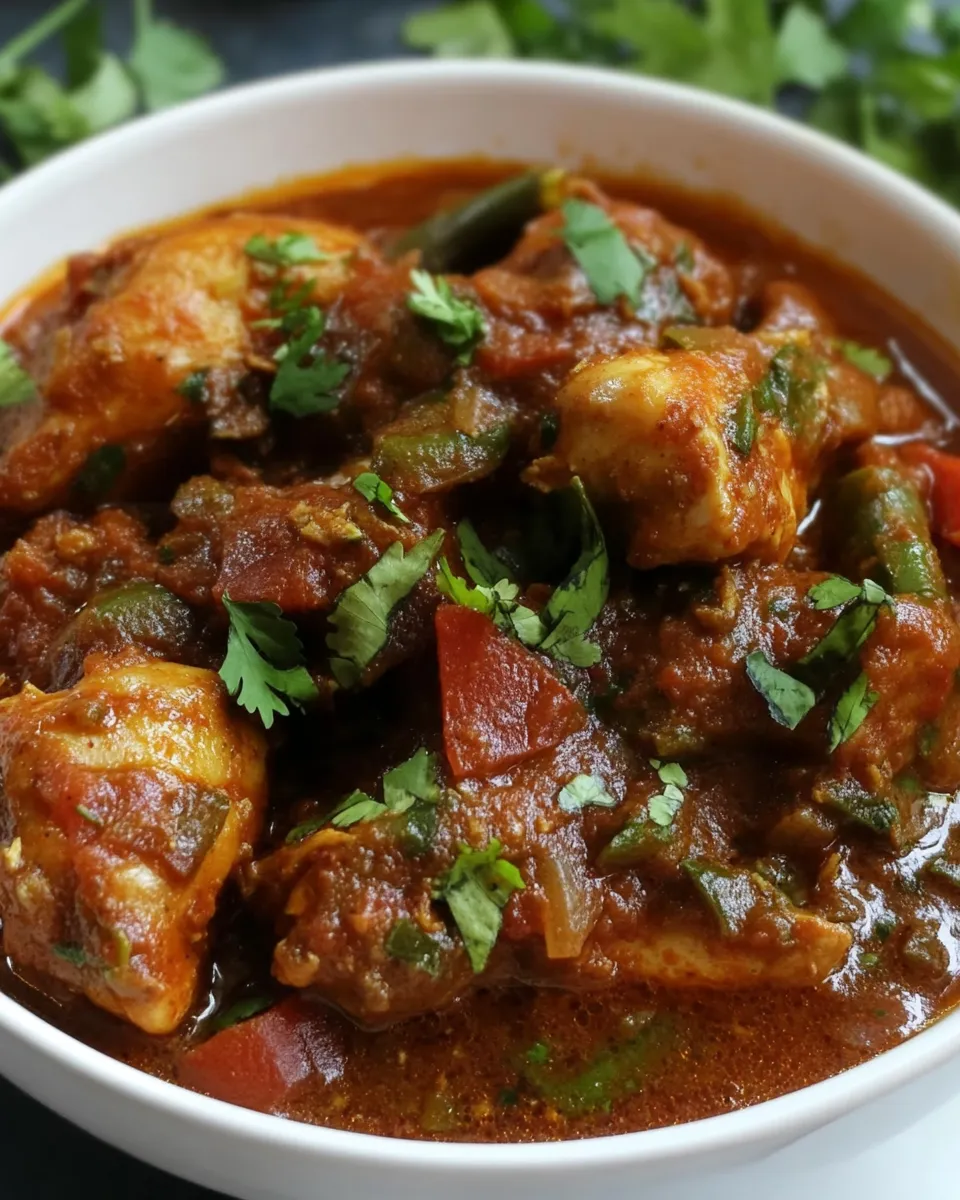
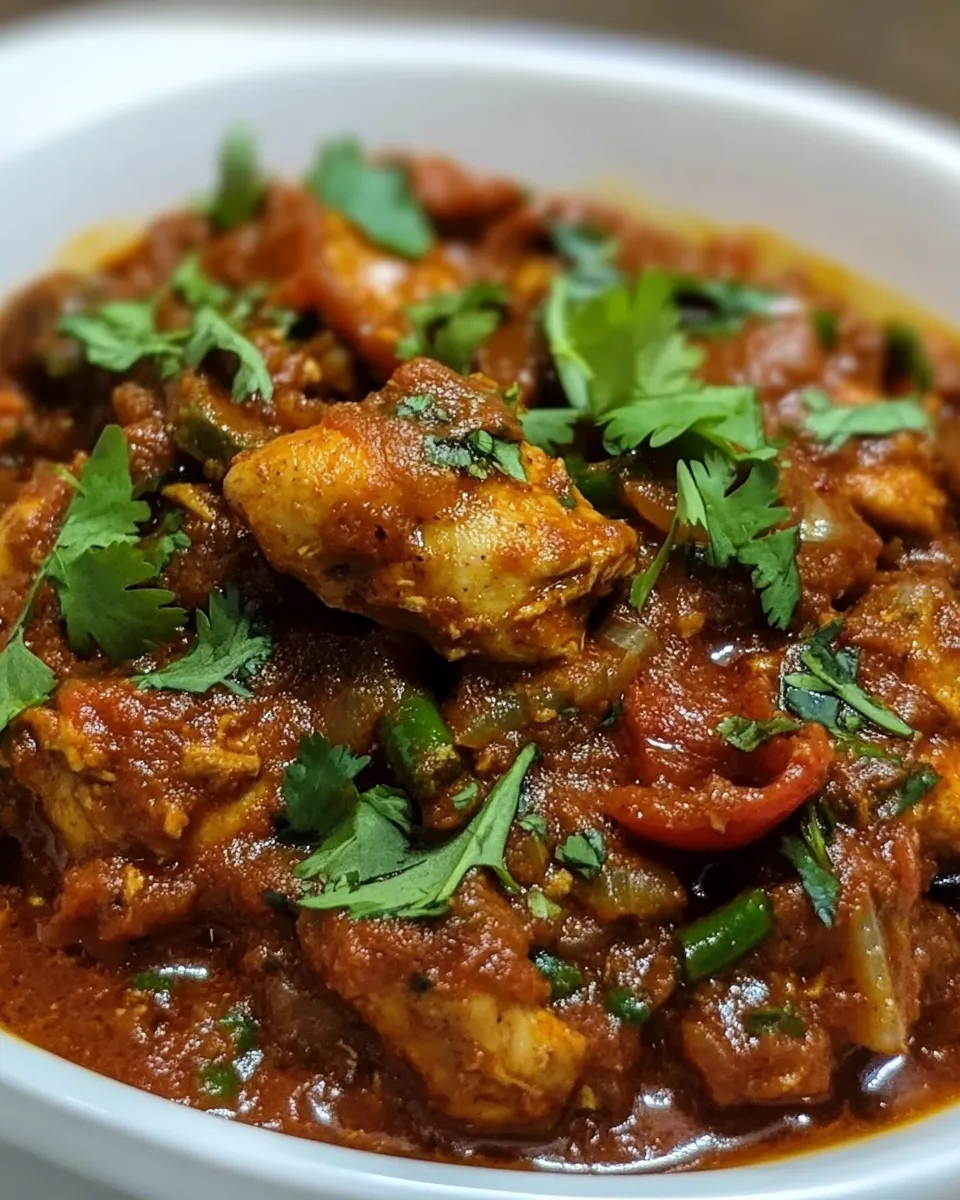
Chettinad Chicken Curry
I remember the first time I made this Chettinad Chicken Curry at home — the kitchen filled with toasted spices and coconut, and the aroma felt like a promise. It’s a dish that rewards a little patience up front: roasting whole spices and coconut makes the gravy complex, deep, and unmistakably South Indian. You don’t need fanciful ingredients to get there, just good technique and a heavy pan.
This version leans on the classic Chettinad spice profile: black pepper, coriander, cumin, fennel, cardamom, cinnamon and more, roasted with coconut. There’s a rhythm to the steps — toast, grind, build the masala, add chicken, simmer — and once you follow it, the result is a saucy, peppery curry that stands up to rice, dosas, or plain flatbreads.
I’ll walk you through the ingredients, the exact steps, and practical tips for timing, equipment, substitutions and storage. No fluff, just what works for a weeknight or a weekend meal that feels like a little celebration at the table.
Ingredient List
- 1kgchicken thighs bonelesscut into medium sized pieces — The main protein; thigh meat stays juicy and takes the spices well.
- 4tablespoonghee or oil — For tempering and sautéing; ghee adds richness, oil gives a neutral base.
- 2bay leaf — Adds a subtle background aroma during cooking.
- 2sprigs curry leaves — Fragrant and essential for authentic South Indian flavor.
- 45gginger — Grated and turned into paste; bright and slightly spicy.
- 30ggarlic — Milled into paste with ginger for depth and savoriness.
- 60ggrated coconutfresh or dry — Roasted with whole spices to build body and a toasty flavor.
- 2large onionsdiced — Sautéed until soft to form the base of the gravy.
- 4medium tomatoesdiced — Cooked down to add acidity and balance the spices.
- 2tsp — (Listed in the source; preserve as provided.)
- 250gwater for cooking — To create the sauce and carry the flavors; adjust for consistency.
- Cilantro to garnish — Fresh finishing herb to brighten the dish.
- 8dried red chili – whole Kashmiri or another variety — Roasted whole with other spices for heat and color.
- 2tspblack peppercorns — A key Chettinad element; toasted and ground for pungency.
- 2tspcumin seedsjeera — Adds an earthy, warm note when toasted.
- 4tspcoriander seeds — Brings citrusy, nutty undertones when roasted.
- 10green cardamom podselaichi — Sweet and aromatic, balanced by pepper and chilies.
- 2sticks cinnamondalchini — Warm background spice for the whole mixture.
- 8cloveslaung — Pungent spice to round out the bouquet.
- 2tbsppoppy seedskhus khus — Adds texture and a silky body when ground into the paste.
- 2tspfennel seedssaunf — Sweet, anise-like lift to the spice mix.
From Start to Finish: Chettinad Chicken Curry
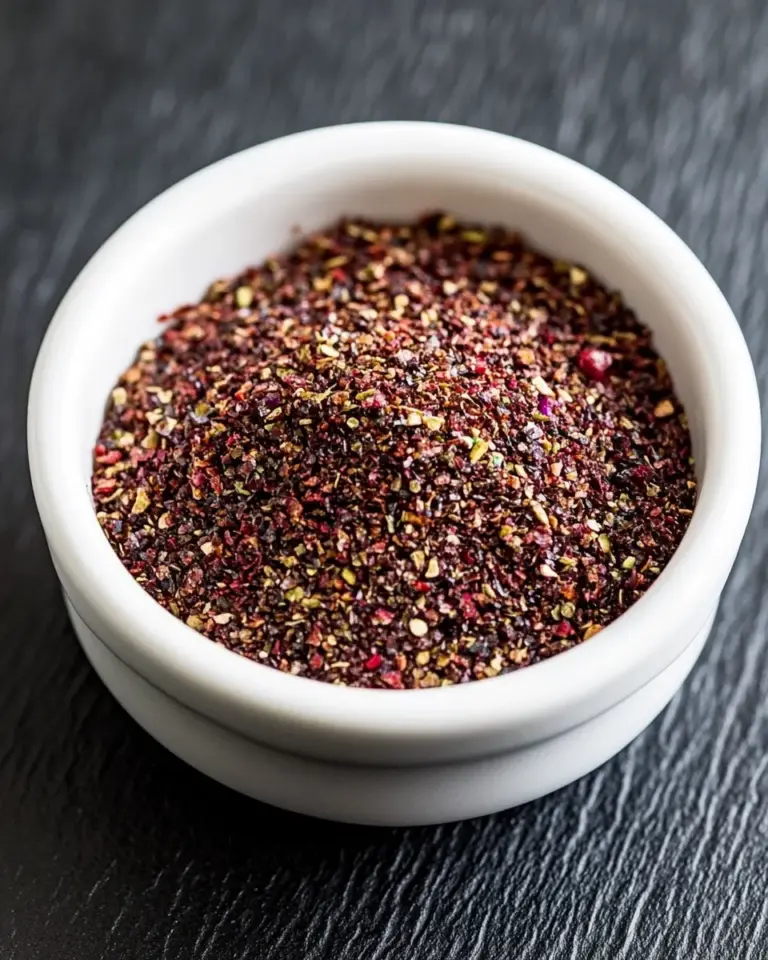
- Place a dry heavy-bottomed pan over medium heat. Add the whole spices: 8 dried red chilies, 2 tsp black peppercorns, 2 tsp cumin seeds, 4 tsp coriander seeds, 10 green cardamom pods, 2 sticks cinnamon, 8 cloves, 2 tbsp poppy seeds, and 2 tsp fennel seeds. Dry-roast, stirring, until aromatic.
- Add 60 g grated coconut to the same pan and continue to roast until the coconut is golden and fragrant. Remove the roasted spice–coconut mixture from the pan and let it cool completely.
- Grind the cooled roasted spice–coconut mixture in a spice grinder or small mixer to a coarse or smooth paste, adding a little water only if needed to bring it together. Set this paste aside.
- Grind 45 g ginger and 30 g garlic to a smooth paste in a small blender or mortar, adding a little water if needed. Set the ginger–garlic paste aside.
- Heat 4 tablespoons ghee or oil in a heavy-bottomed pan over medium heat. Add 2 bay leaves and 2 sprigs curry leaves and sauté briefly (about 30 seconds) until fragrant.
- Add 2 large diced onions and sauté until soft and translucent.
- Add the ginger–garlic paste and cook, stirring, until the raw aroma fades (about 1–2 minutes).
- Add 4 medium diced tomatoes and cook until the tomatoes soften (about 3–4 minutes).
- Stir in the ground roasted spice–coconut paste and cook for 2–3 minutes to blend the flavors.
- Add 1 kg boneless chicken thigh pieces and mix well so the chicken is evenly coated with the masala.
- Pour in 250 g water, bring to a simmer, cover, and cook on medium heat for 10 minutes, or until the chicken is cooked through and the sauce reaches your desired consistency.
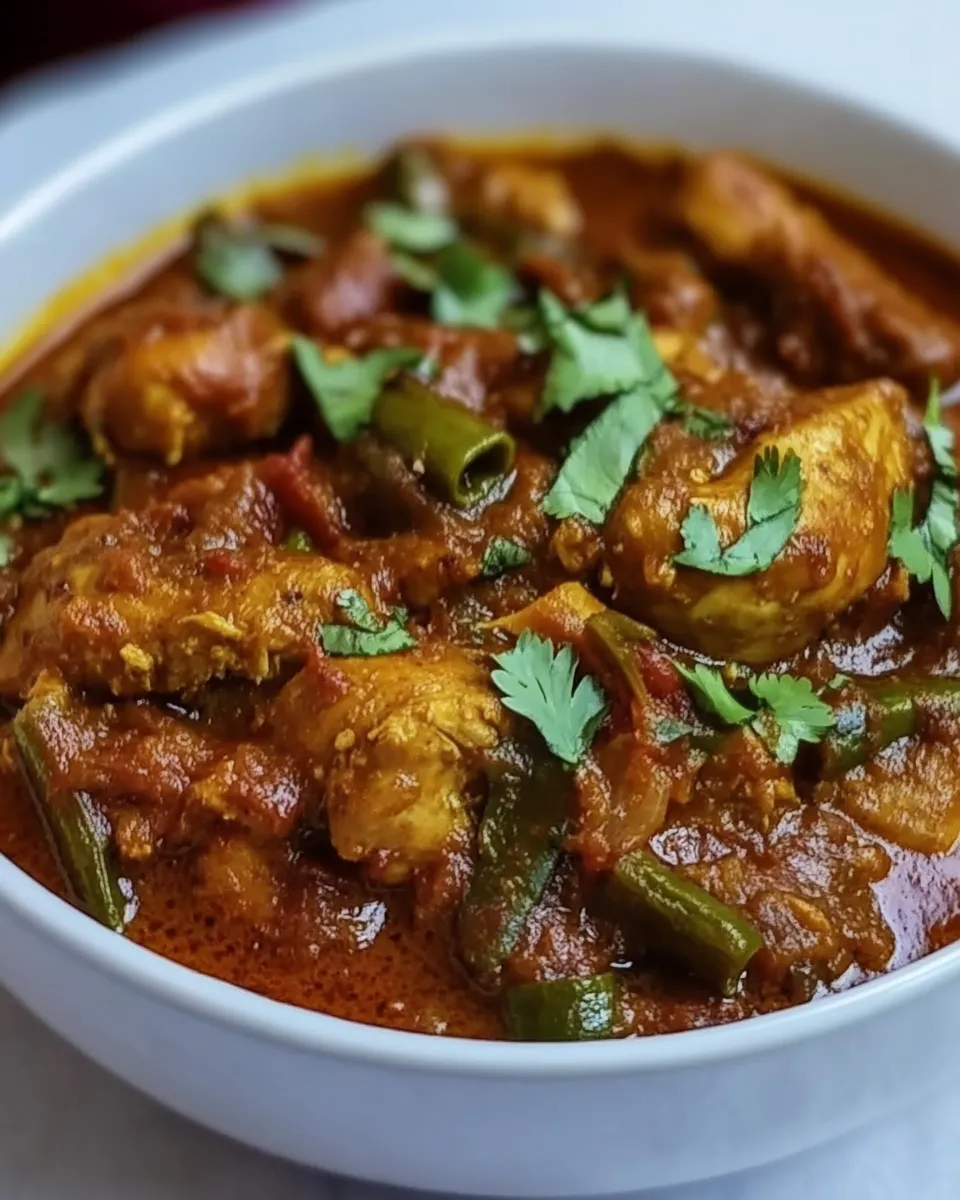
- Garnish with cilantro and serve hot.
What You’ll Love About This Recipe
- Layered aroma: dry-roasting the whole spices with coconut gives a toasty, layered fragrance you can smell from the hallway.
- Balanced heat: the black pepper and dried chilies give warmth without overpowering the chicken — classic Chettinad bite.
- Rich, silky sauce: poppy seeds and coconut help form a slightly creamy body even without cream.
- Reliable weeknight-friendly timing: while there’s an upfront step to roast and grind, the actual hands-on time after that is straightforward.
- Flexible serving options: pairs equally well with steamed rice, lemon rice, dosas, or a simple flatbread.
Flavor-Forward Alternatives
- Smokier heat: char the dried red chilies briefly over an open flame before roasting to add a smoky layer.
- Nutty richness: replace some of the poppy seeds with blanched almonds (if not avoiding nuts) for a creamier texture.
- Tang boost: add a teaspoon of tamarind paste or a squeeze of lime at the end if you prefer more acidity.
- Vegetable option: swap the chicken for firm tofu or paneer and extend simmering just enough for flavors to infuse.
Gear Up: What to Grab
- Heavy-bottomed pan or kadai — essential for even dry-roasting and for simmering the curry without hotspots.
- Small spice grinder or blender — to grind the roasted spice–coconut mix to a paste.
- Mortar and pestle or small blender — for the ginger–garlic paste if you prefer a coarser texture.
- Sharp knife and sturdy cutting board — for cleanly dicing onions and tomatoes and trimming chicken.
- Lid for the pan — to control simmering and steam while the chicken cooks.
Avoid These Traps
- Skipping the dry-roast: under-roasted spices will yield a flat-tasting curry. Roast until aromatic and the coconut is golden.
- Grinding while hot: grinding the spice–coconut mix while warm can turn oily and clump; let it cool completely first.
- Overcrowding the pan when sautéing onions: this prevents proper softening and browning — give them room and moderate heat.
- Overcooking the chicken: 10 minutes of simmering is the guideline; check the pieces so thighs remain tender and moist.
Allergy-Friendly Swaps
- Coconut allergy: this recipe relies on coconut for body, but if you must avoid it, increase the poppy seeds slightly and finish with a splash of full-fat milk or unsweetened soy milk to add body — note this changes the flavor.
- Nut allergy: the ingredient list doesn’t require nuts, so no swap needed; avoid optional almond suggestions in the flavor alternatives.
- Poppy seed sensitivity: if you cannot use poppy seeds, you can increase cumin and coriander slightly for body, though texture will differ.
- Dairy avoidance: the recipe uses ghee or oil; stick with oil to keep it dairy-free.
If You’re Curious
Why roast the whole spices and coconut? Dry-roasting activates essential oils in spices and browns the coconut, which adds a toasty, slightly sweet backbone to the curry. Grinding those roasted elements into a paste creates a concentrated masala that distributes evenly through the sauce.
Why use thigh meat? Boneless chicken thighs have more connective tissue and fat than breasts, which melts into the sauce during cooking and keeps the meat tender even with a relatively short simmer.
What about the mysterious “2tsp” in the ingredient list? It appears in the provided ingredients as-is; keep it as part of the ingredient set when following the source exactly. If you’re following your own palate, you could interpret missing entries as salt or another seasoning — but for strict adherence, the recipe above follows the source ingredients and steps exactly.
Storage & Reheat Guide
- Refrigerate: Cool the curry to room temperature, then store in an airtight container in the refrigerator for up to 3–4 days.
- Freeze: Portion into freezer-safe containers and freeze for up to 2 months. Thaw overnight in the fridge before reheating.
- Reheating on stove: Gently reheat over low to medium heat, adding a splash of water if the sauce has thickened too much. Stir occasionally to prevent sticking.
- Microwave: Reheat in a microwave-safe dish covered loosely, stirring halfway through to ensure even heat.
- Best practice: Reheat only once — repeated reheating reduces quality and safety.
Reader Q&A
- Q: Can I make the spice paste in advance?
A: Yes. The roasted spice–coconut paste stores well in the fridge for up to 3 days in an airtight container, or frozen for up to a month. Bring to room temperature before using. - Q: Can I use bone-in chicken?
A: You can, but adjust cooking time — bone-in pieces will need longer to cook through. Keep the simmer covered and check doneness with a meat thermometer or by cutting a piece. - Q: How do I adjust the heat?
A: Reduce the number of dried red chilies or opt for a milder variety. For more punch, increase black pepper slightly or add a fresh slit green chili while sautéing. - Q: My coconut burned while roasting — what now?
A: If it’s lightly browned that’s ideal. If it’s bitter or charred, discard and roast fresh coconut on gentler heat, stirring constantly to prevent burning.
Next Steps
Ready to cook? Pre-measure your whole spices and coconut, and set up your grinder so the workflow is smooth: toast, cool, grind, and then build the curry. If you’re short on time, roast the spices and make the ground pastes a day ahead. Invite a friend — this curry is generous and meant to be shared. Enjoy the process and the fragrant kitchen that follows.
Chettinad Chicken Curry
Ingredients
Equipment
Method
- Place a dry heavy-bottomed pan over medium heat. Add the whole spices: 8 dried red chilies, 2 tsp black peppercorns, 2 tsp cumin seeds, 4 tsp coriander seeds, 10 green cardamom pods, 2 sticks cinnamon, 8 cloves, 2 tbsp poppy seeds, and 2 tsp fennel seeds. Dry-roast, stirring, until aromatic.
- Add 60 g grated coconut to the same pan and continue to roast until the coconut is golden and fragrant. Remove the roasted spice–coconut mixture from the pan and let it cool completely.
- Grind the cooled roasted spice–coconut mixture in a spice grinder or small mixer to a coarse or smooth paste, adding a little water only if needed to bring it together. Set this paste aside.
- Grind 45 g ginger and 30 g garlic to a smooth paste in a small blender or mortar, adding a little water if needed. Set the ginger–garlic paste aside.
- Heat 4 tablespoons ghee or oil in a heavy-bottomed pan over medium heat. Add 2 bay leaves and 2 sprigs curry leaves and sauté briefly (about 30 seconds) until fragrant.
- Add 2 large diced onions and sauté until soft and translucent.
- Add the ginger–garlic paste and cook, stirring, until the raw aroma fades (about 1–2 minutes).
- Add 4 medium diced tomatoes and cook until the tomatoes soften (about 3–4 minutes).
- Stir in the ground roasted spice–coconut paste and cook for 2–3 minutes to blend the flavors.
- Add 1 kg boneless chicken thigh pieces and mix well so the chicken is evenly coated with the masala.
- Pour in 250 g water, bring to a simmer, cover, and cook on medium heat for 10 minutes, or until the chicken is cooked through and the sauce reaches your desired consistency.
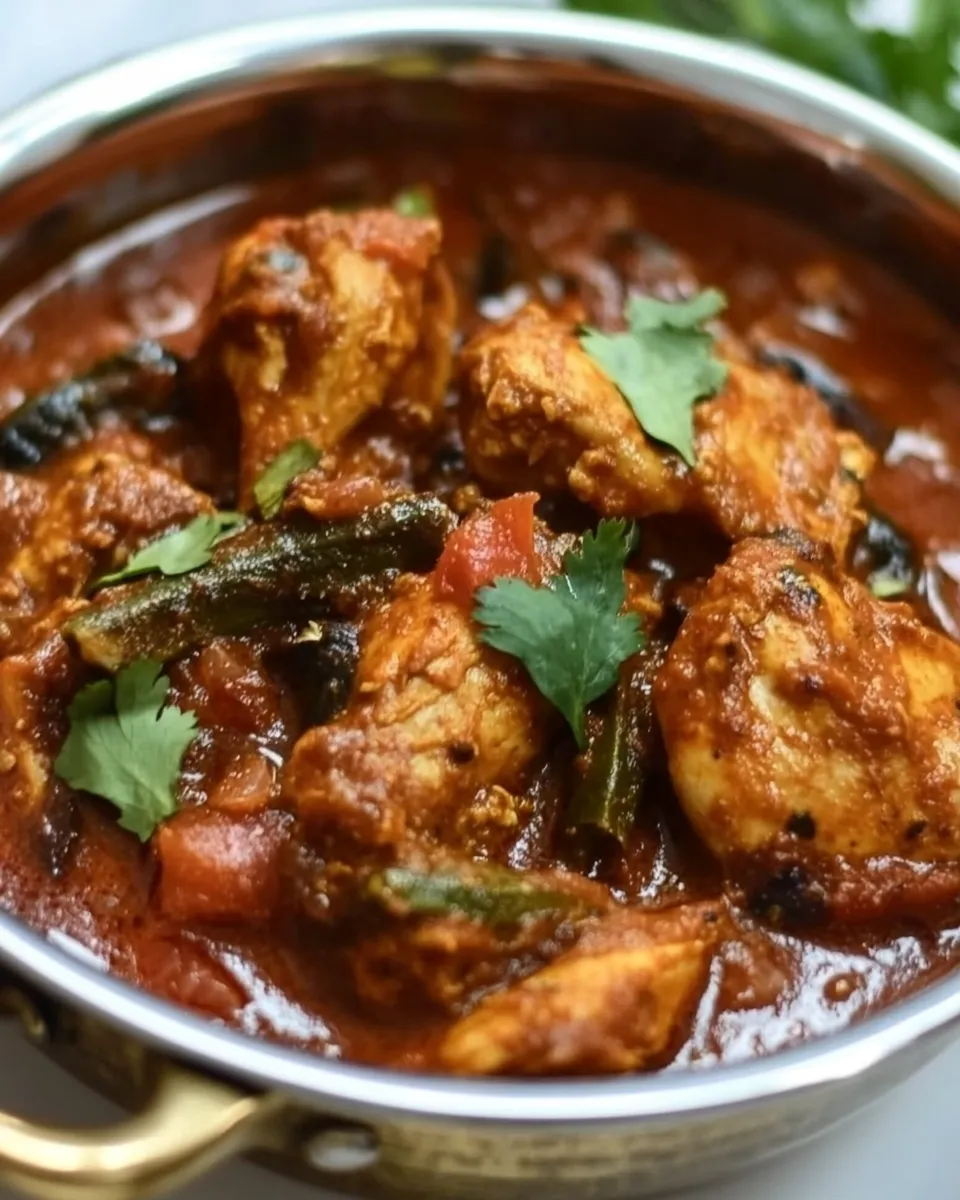
- Garnish with cilantro and serve hot.