Chicken Alfredo
I make Chicken Alfredo when I want something that feels special but comes together without drama. It’s comfort on a plate: silky cream, nutty cheese, tender chicken, and fettuccine that soaks up every bit of sauce. No complicated techniques, just good timing and a few solid moves in the pan.
This version is reliable. It uses simple pantry basics and a short, focused cooking sequence so you get the right texture—juicy chicken, a creamy sauce that clings to the pasta, and a fresh hit of garlic and shallot. If you’ve made boxed pasta dinners before, this will show you how small steps lift the dish to restaurant quality.
I’ll walk you through the exact steps, what each ingredient does, what tools make the work easier, and how to fix common hiccups. Read it once, then follow the recipe; you’ll have weeknight luxury ready in about 30–40 minutes.
Ingredient Checklist
Ingredients
- 2 10–12 ounce each boneless skinless chicken breasts — the protein; slicing into cutlets speeds cooking and keeps them tender.
- 3 tablespoons olive oil — for searing the chicken and building the base flavor in the pan.
- 2 finely minced garlic cloves — garlic gives the sauce its aromatic backbone; mince fine so it releases flavor fast.
- 1 peeled small diced shallot — softer and sweeter than onion; adds subtle sweetness to the sauce.
- 1 ½ cups heavy whipping cream — the body of the sauce; choose full-fat for the classic silky texture.
- 1 cup grated Parmigiano Reggiano — the primary savory, salty, nutty component that thickens and flavors the sauce.
- 1 pound Fettuccine pasta — wide noodles that carry cream well; cook to package instructions for best texture.
- Coarse salt and freshly cracked pepper to taste — seasoning throughout: salting water, salting chicken, and finishing the sauce.
- Pasta water — reserved starchy water used to loosen and bind the sauce to the pasta.
Chicken Alfredo: Step-by-Step Guide
- Bring a large pot of salted water to a rolling boil for the fettuccine.
- Slice each chicken breast in half horizontally (widthwise) to make thinner cutlets. Pat the cutlets dry with paper towels and season both sides with coarse salt and freshly cracked pepper.
- Heat 2 tablespoons olive oil in a large skillet or rondeau over medium-high heat until it shimmers and just begins to smoke.
- Add the chicken cutlets to the pan in a single layer. Cook undisturbed 4 to 5 minutes, then flip and cook another 4 to 5 minutes, or until browned on both sides and cooked through. Transfer the chicken to a plate and let rest.
- Add the remaining 1 tablespoon olive oil to the same pan, then add the 2 finely minced garlic cloves and the peeled, small diced shallot. Cook 30 to 45 seconds, stirring, until fragrant (do not let the garlic burn).
- Pour in 1 1/2 cups heavy whipping cream and cook over medium heat 2 to 3 minutes to heat through and begin to reduce slightly.
- Stir in 1 cup grated Parmigiano Reggiano. Reduce the heat to low–medium and stir until the cheese is fully melted and the sauce has thickened, about 3 to 4 minutes. Taste and season with coarse salt and freshly cracked pepper as needed.
- Add 1 pound fettuccine to the boiling water and cook according to the package instructions, stirring occasionally. Before draining, reserve a ladle or two of the pasta cooking water.
- Drain the pasta and add it to the pan with the sauce. Toss the pasta in the sauce to coat evenly, adding reserved pasta water a ladle at a time if the sauce needs loosening.
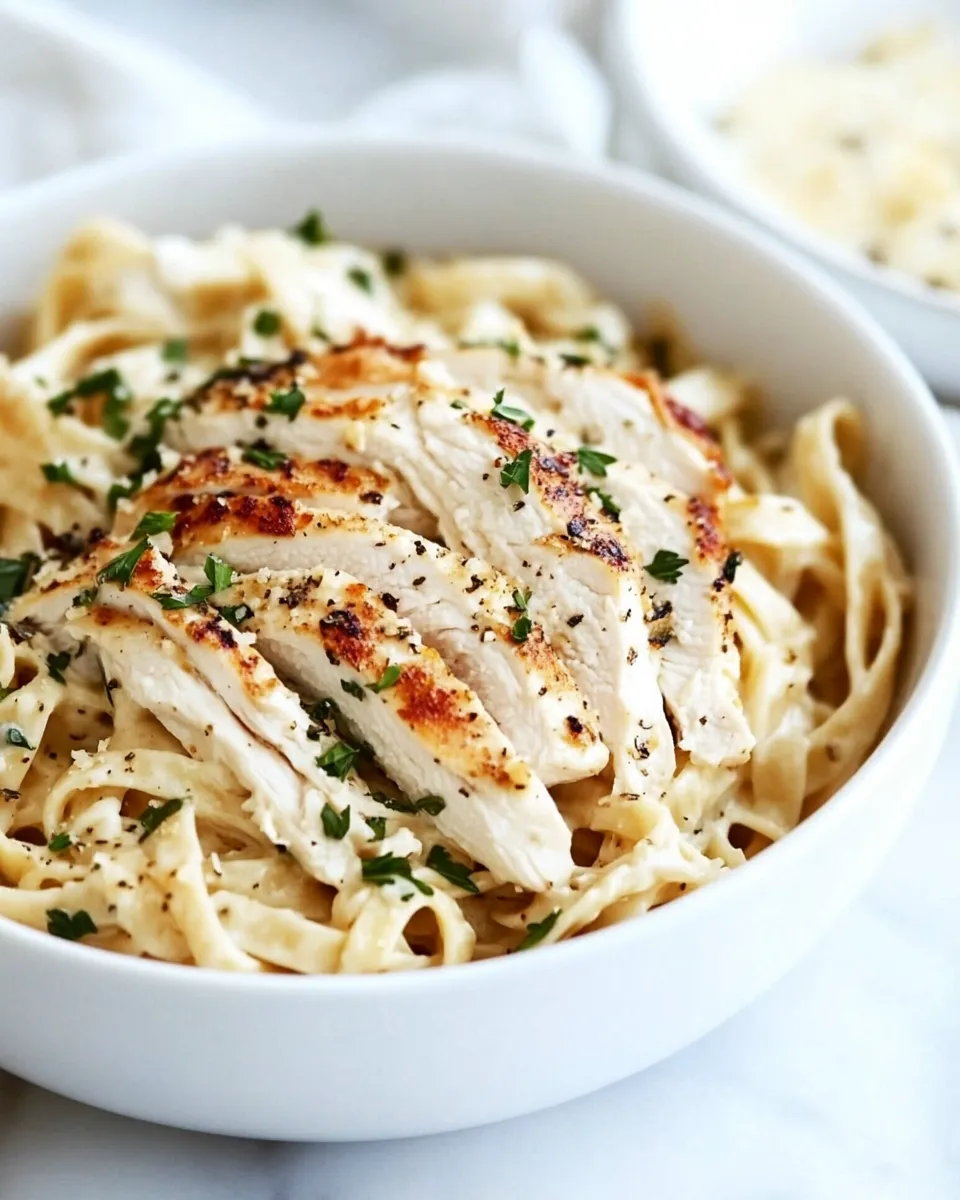
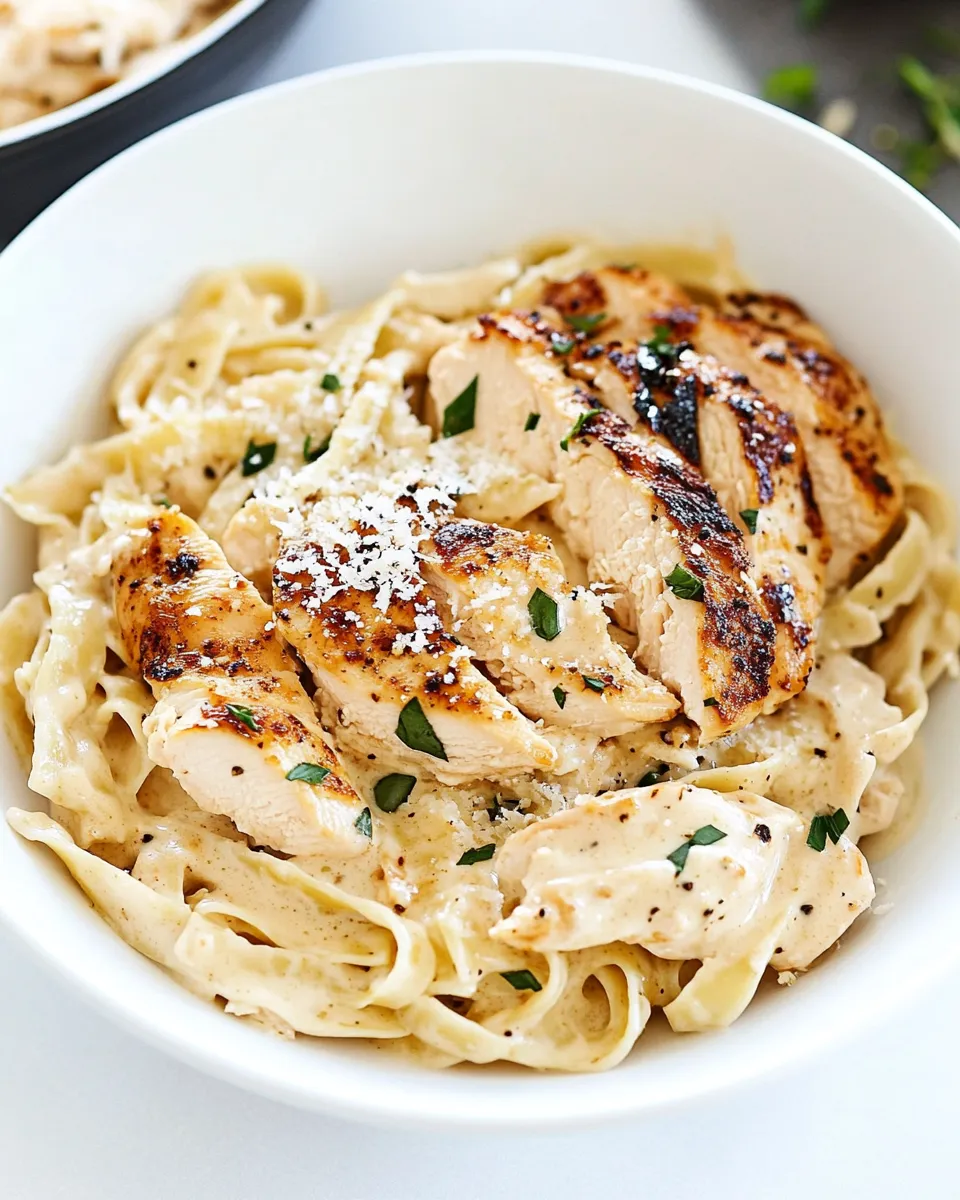
- Slice the rested chicken cutlets into strips. Toss the chicken with the sauced pasta or arrange the chicken on top. Serve immediately.
Why Cooks Rave About It
Chicken Alfredo hits a lot of comfort-food checkboxes: richness from cream and cheese, texture from perfectly cooked pasta, and the satisfying contrast of seared chicken. It’s deceptively simple; the technique matters more than fancy tricks. The real appeal is balance—the sauce is indulgent but not heavy when you manage heat and use pasta water wisely.
It’s also a very forgiving recipe. Timing is flexible: the sauce can stay warm on low for a short while while the pasta finishes, and the sliced chicken can be tucked into the sauce or placed on top for a prettier presentation. For home cooks, that means high reward for modest effort.
What to Use Instead
Want to swap elements? Here are straightforward, reliable substitutions that keep the spirit of the dish:
- Chicken substitute: shrimp or sliced turkey breast cook quickly and pair well with the sauce.
- Cheese substitute: Pecorino Romano or Grana Padano can replace Parmigiano Reggiano for a slightly sharper or saltier profile.
- Pasta swap: tagliatelle or pappardelle work similarly; spaghetti is fine in a pinch but won’t hold as much sauce.
- Dairy lighter options: half-and-half will thin the sauce slightly; to avoid separation use a gentle reduction and add a small knob of butter to finish.
Toolbox for This Recipe
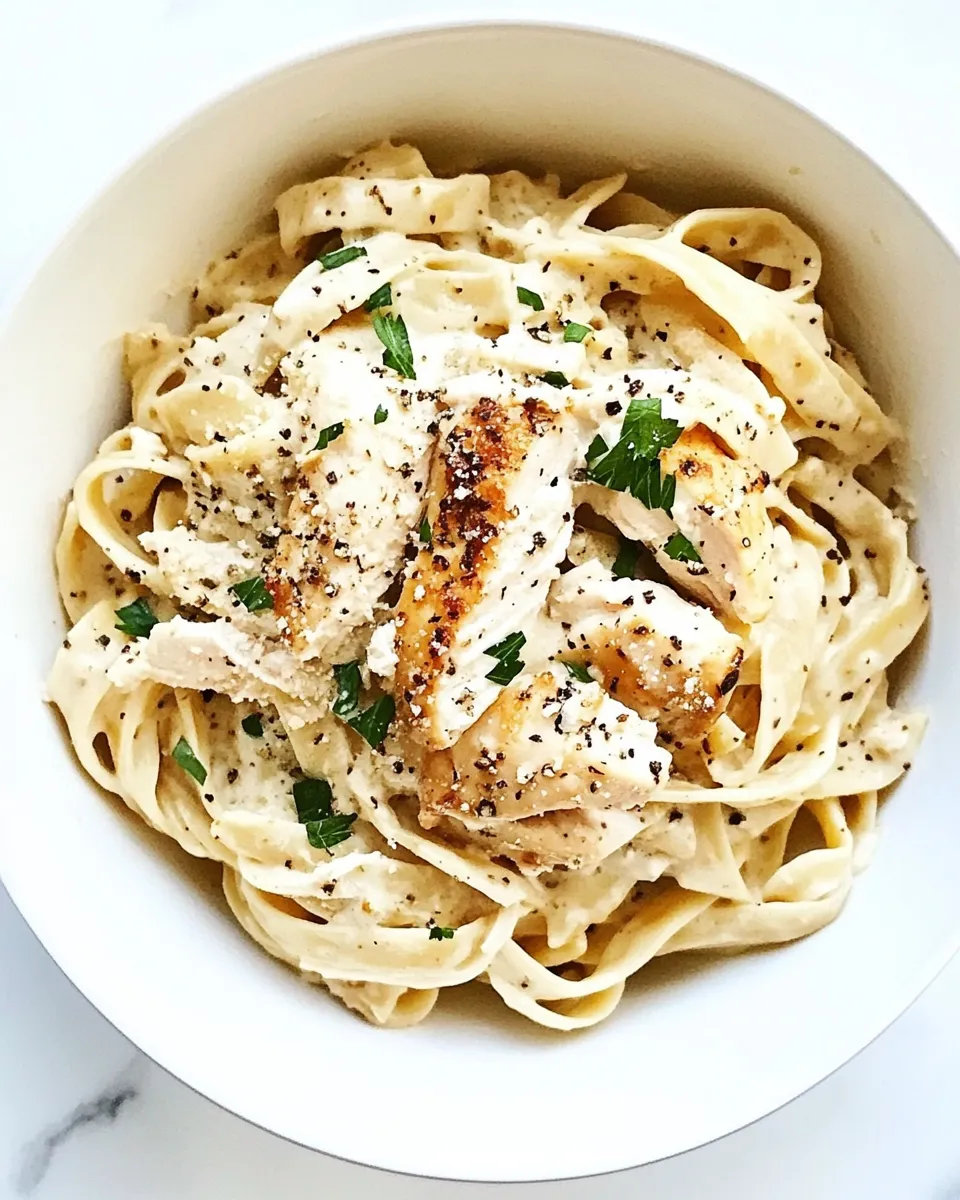
Keep these items handy to execute the recipe cleanly:
- Large pot for boiling pasta — capacity for 1 pound of pasta and plenty of water.
- Large skillet or rondeau — for searing chicken and making the sauce in the same pan.
- Tongs or pasta fork — for tossing pasta in the sauce.
- Measuring cups and spoons — for the cream and cheese.
- Sharp chef’s knife and cutting board — to slice the chicken into even cutlets and then strips.
- Ladle — to reserve and add pasta water a little at a time.
Troubleshooting Tips
Common issues and quick fixes
Sauce too thin: Simmer gently a few more minutes to reduce and thicken. If you’ve already added too much pasta water, stir in a bit more grated cheese off heat to bind it.
Sauce breaks or looks grainy: That can happen if heat is too high when the cheese is added. Reduce the heat to low–medium and stir until smooth; if it’s very separated, remove the pan from heat and whisk in a splash of reserved pasta water slowly to bring it back together.
Chicken overcooked: Slice cutlets thinner before cooking and watch the pan closely. If it’s already dry, slice thin and mix into the sauced pasta—saucing helps mask slight dryness. For future cooks, rest the chicken 5 minutes before slicing to redistribute juices.
Pasta sticking or clumping: Use plenty of well-salted boiling water and stir the pasta a few times in the first two minutes of cooking. Reserve pasta water before draining so you can loosen the sauce and separate strands while tossing.
Tailor It to Your Diet
Make this dish fit your dietary needs with small swaps that keep the technique intact.
Lower fat: Use half-and-half or a mix of milk and a small amount of butter, but reduce gently and finish with cheese to avoid a watery sauce. Consider serving smaller portions with a big green side salad to keep satisfaction high.
Gluten-free: Use a good-quality gluten-free fettuccine and follow package times. The sauce technique doesn’t change.
Vegetarian: Omit the chicken and add sautéed mushrooms, roasted cauliflower, or caramelized onions for bulk and texture.
Pro Perspective
Two small habits make a big difference: season in layers and use pasta water. Salt your pasta water generously—this is your chance to season the pasta itself. Season the chicken before searing; that initial seasoning becomes the flavor base for the whole dish. Finally, always finish the pasta in the pan with the sauce and use starchy pasta water sparingly to achieve the right consistency.
Also, don’t rush the cheese step. Add Parmigiano Reggiano off or on low heat and stir gently; intense heat can clump proteins. A little patience yields a glossy, cohesive sauce.
Save for Later: Storage Tips
Fridge: Cool leftovers quickly and store in an airtight container for up to 3 days. Keep pasta and sauce together or separate the chicken if you prefer—both approaches work.
Freezer: You can freeze the cooked chicken and sauce together, but cream-based sauces change texture after freezing. Freeze only if needed, and expect a slight change in mouthfeel when reheated. Use within 1 month.
Reheating: Reheat gently on the stove over low heat with a splash of water or milk to re-emulsify the sauce; stirring constantly prevents scorching. Microwaving works in a pinch—add a splash of liquid and heat in short bursts, stirring between intervals.
Handy Q&A
Q: Can I prepare parts ahead of time?
A: Yes. Sear the chicken and refrigerate. Reheat briefly before slicing. You can also make the sauce and keep it warm on very low heat, but it’s best finished and tossed with freshly cooked pasta.
Q: How do I get a silky sauce without using butter?
A: The cream and Parm alone create a smooth sauce if you control the heat. Add cheese slowly and stir to melt gently; if needed, add a little reserved pasta water to smooth any lumps.
Q: Is it necessary to reserve pasta water?
A: Yes. That starchy water is the secret binder. Add it a ladle at a time to get a sauce that coats the pasta instead of pooling.
The Last Word
Chicken Alfredo is one of those dishes that rewards attention to simple steps: dry the chicken, season well, control the heat, and use pasta water. With the sequence above you’ll get creamy sauce, properly cooked pasta, and juicy chicken every time. It’s a dependable crowd-pleaser—comforting, presentable, and straightforward. Make it for a weeknight, bring it to a potluck, or save the leftovers for a quick lunch. Either way, it’s a dish that feels like a win.
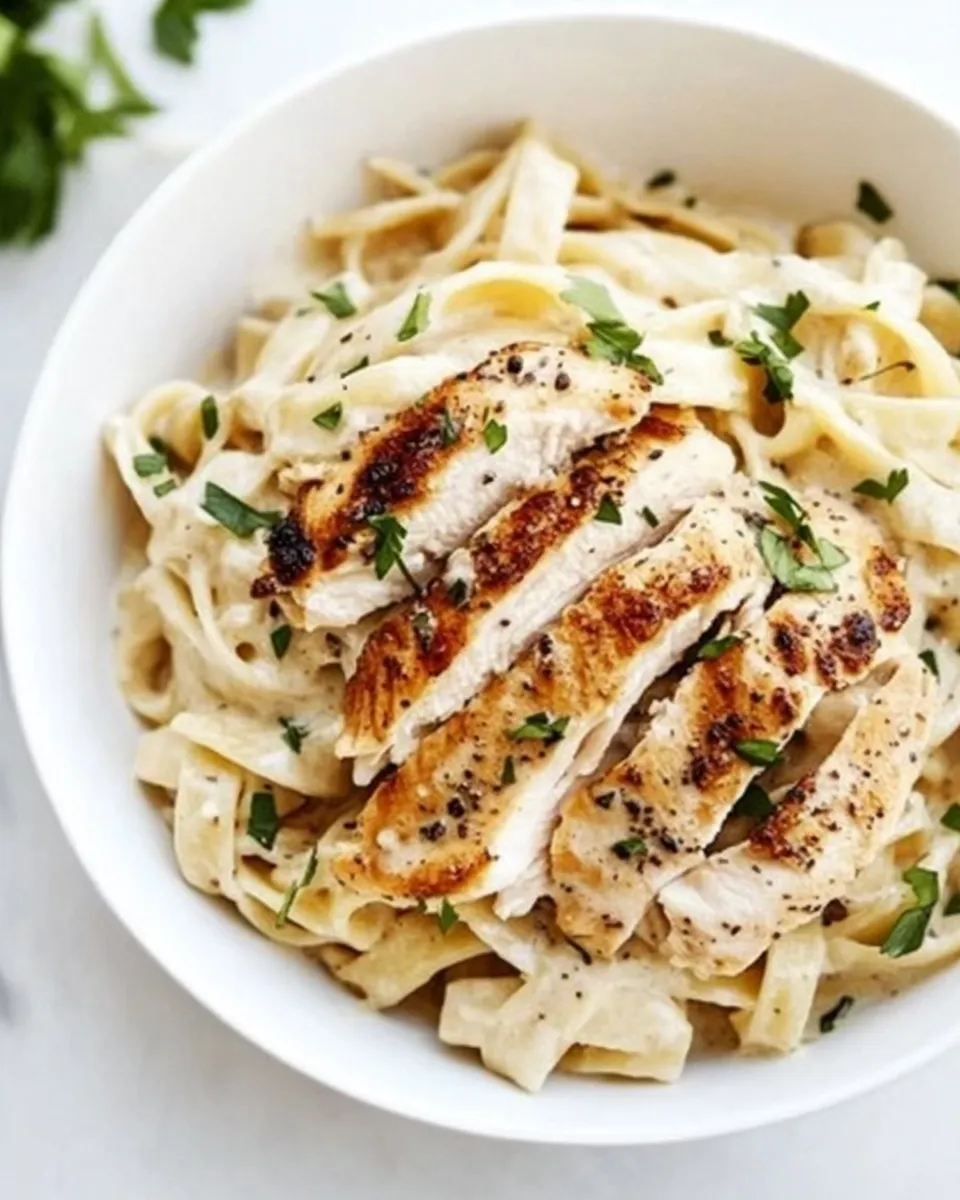
Chicken Alfredo
Ingredients
Equipment
Method
- Bring a large pot of salted water to a rolling boil for the fettuccine.
- Slice each chicken breast in half horizontally (widthwise) to make thinner cutlets. Pat the cutlets dry with paper towels and season both sides with coarse salt and freshly cracked pepper.
- Heat 2 tablespoons olive oil in a large skillet or rondeau over medium-high heat until it shimmers and just begins to smoke.
- Add the chicken cutlets to the pan in a single layer. Cook undisturbed 4 to 5 minutes, then flip and cook another 4 to 5 minutes, or until browned on both sides and cooked through. Transfer the chicken to a plate and let rest.
- Add the remaining 1 tablespoon olive oil to the same pan, then add the 2 finely minced garlic cloves and the peeled, small diced shallot. Cook 30 to 45 seconds, stirring, until fragrant (do not let the garlic burn).
- Pour in 1 1/2 cups heavy whipping cream and cook over medium heat 2 to 3 minutes to heat through and begin to reduce slightly.
- Stir in 1 cup grated Parmigiano Reggiano. Reduce the heat to low–medium and stir until the cheese is fully melted and the sauce has thickened, about 3 to 4 minutes. Taste and season with coarse salt and freshly cracked pepper as needed.
- Add 1 pound fettuccine to the boiling water and cook according to the package instructions, stirring occasionally. Before draining, reserve a ladle or two of the pasta cooking water.
- Drain the pasta and add it to the pan with the sauce. Toss the pasta in the sauce to coat evenly, adding reserved pasta water a ladle at a time if the sauce needs loosening.
- Slice the rested chicken cutlets into strips. Toss the chicken with the sauced pasta or arrange the chicken on top. Serve immediately.
Notes
Nothing can ruin pasta with chicken and alfredo sauce quite like dry, rubbery chicken, so do your best not to overcook the chicken. The key is to slice the breasts into thin cutlets to help them cook and crisp up quickly in the hot pan. Once they’re no longer pink on the inside, transfer the chicken breasts to a cutting board for 5 minutes to lock in their delicious juices and flavor.
Prevent the cheese from clumping in the sauce:
The best way to avoid a clumpy alfredo sauce is to lower the heat and gradually stir in the freshly grated parmesan rather than all at once. I don’t recommend using pre-grated parmesan as it contains anti-caking agents that prevent it from melting as nicely.
Don’t overcook the pasta
: Follow the package instructions to cook the pasta only to al dente (tender with a slight bite). The noodles will continue to cook and soften in the sauce.
Always save some of the pasta cooking water
: This starchy liquid gold is the secret to a silky smooth sauce that clings to every strand of pasta. I always save 1 to 1 ½ cups before draining the rest.
If your alfredo sauce is too thin,
let it simmer for a few extra minutes or add more parmesan to thicken it.
Make-Ahead:
The pasta is best enjoyed when tossed in the alfredo sauce and topped with chicken.
How to Store:
Cover and refrigerate the leftover pasta and chicken in an airtight container for up to 3 days. Alfredo sauce doesn’t freeze well, as it can separate and become grainy.
How to Reheat:
Reheat the pasta in a pan over low heat. Add a splash of water and stir continuously until it’s creamy and heated.