Chicken Minis
These little sandwiches are my go-to when I want something that feels indulgent but comes together with confidence. Crisp, well-seasoned fried chicken tucked into soft yeast rolls, brushed with a honey-butter glaze—simple flavors stacked in the best possible way. I make a batch whenever friends drop by or when I need a satisfying lunch that feels like a treat.
What I love about Chicken Minis is how forgiving the process is. The marinade gives the chicken tang and a touch of heat from the buffalo sauce, while the flour dredge locks in crunch. The rolls are the cozy foil to the crisp chicken, and that honey-butter finish ties everything together. You’ll get consistent results if you follow a few small timing and temperature cues.
This post walks you through the ingredients and each step precisely, includes practical swaps and troubleshooting, and covers storage so you can make these for a party or prep them ahead. Read through the notes from my test kitchen at the end — I’ll tell you what to watch for so every batch comes out golden and juicy.
Ingredients at a Glance

- 1/2 cup Buttermilk — tenderizes the chicken and mellows the spice in the buffalo sauce.
- 1/2 cup Buffalo Sauce — gives brightness and a controlled heat to the marinade.
- 1 tsp. poultry seasoning — warm, savory base note in the marinade.
- 1 tsp. garlic powder — adds savory depth and rounds out the spice blend.
- 1 tsp. onion powder — enhances overall savory flavor without fresh onion work.
- 1 tsp chili powder — contributes color, a mild smoky heat, and complexity.
- 1/2 tsp. oregano — a herbaceous lift against the other warm spices.
- salt and black pepper — essential seasoning; adjust to taste in the marinade.
- 2 cups all-purpose flour (may need less depending on how many chicken minis you are making) — creates the crispy coating; start with 2 cups and add more only if needed.
- 1 tsp. poultry seasoning — repeated in the flour dredge for consistent seasoning on the crust.
- 1 tsp. garlic powder — adds savory notes directly to the crust.
- 1 tsp. onion powder — boosts flavor in the dredge.
- 1 tsp chili powder — keeps the dredge aligned with the marinade’s spice profile.
- 1/2 tsp. oregano — herbaceous accent in the flour mix.
- 2 chicken breasts boneless, skinless – 2 inch cubes — cut into uniform 2-inch pieces for even cooking.
- vegetable oil — for frying to a golden crust; use a neutral oil with a high smoke point.
- 1 package Sister Shusters Parkhouse Style Yeast Rolls — the soft roll that holds the mini sandwich; cook according to package directions.
- 2 tbsp. butter (melted) — part of the honey-butter glaze to finish the rolls.
- 2 tbsp. honey — balances heat with sweetness in the glaze.
Stepwise Method: Chicken Minis
- Make the marinade: In a large bowl whisk together 1/2 cup Buttermilk, 1/2 cup Buffalo Sauce, 1 tsp poultry seasoning, 1 tsp garlic powder, 1 tsp onion powder, 1 tsp chili powder, and 1/2 tsp oregano. Season the marinade with salt and black pepper to taste.
- Add the chicken: Put the 2-inch cubed pieces from 2 boneless, skinless chicken breasts into the marinade and turn to coat all pieces.
- Chill: Cover the bowl and refrigerate the chicken for at least 2 hours and up to overnight.
- Prepare the flour dredge: In a separate bowl combine 2 cups all-purpose flour (may need less depending on how many chicken minis you are making), 1 tsp poultry seasoning, 1 tsp garlic powder, 1 tsp onion powder, 1 tsp chili powder, and 1/2 tsp oregano. Stir to mix evenly.
- Heat the oil: Pour vegetable oil into a large skillet to a depth of about 1 inch. Heat the oil over medium to medium-high heat until it is shimmering and hot (about 350°F if using a thermometer).
- Dredge the chicken: Working with one piece at a time, lift a chicken piece from the marinade and let excess marinade drip off. Thoroughly coat the piece on all sides with the flour mixture, pressing the flour onto the surface so it adheres. Shake off any excess flour and set the coated pieces on a plate or wire rack.
- Fry in batches: Add a few coated chicken pieces to the hot oil without crowding the pan. Fry about 4 minutes per side, turning once, until the exterior is golden brown and an instant-read thermometer inserted into the center reads 165°F. Adjust heat as needed to maintain even browning.
- Drain: Transfer cooked chicken to a paper-towel-lined plate to drain excess oil. Repeat frying with remaining chicken pieces.
- Prepare rolls: Cook 1 package Sister Shusters Parkhouse Style Yeast Rolls according to package directions. Slice each cooked roll open.
- Make honey-butter glaze: In a small bowl combine 2 tbsp butter (melted) and 2 tbsp honey; stir until blended.
- Assemble minis: Place a fried chicken piece into the bottom half of each sliced roll. Brush the top of each roll with the honey-butter mixture.
- Serve: Close the rolls and serve warm. Optional: serve with your choice of sauce on the side.
What You’ll Love About This Recipe
These Chicken Minis deliver contrast: crisp crust and tender interior, sweet honey-butter against the tang of buffalo-infused marinade, and the soft, pillowy roll to make every bite feel complete. They’re also very adaptable — make them milder or hotter, swap sauces, or scale up for a party. The assembly is quick, so you can fry the chicken while the rolls bake and have a batch ready in about an hour of active time (plus chilling).
Another big win is crowd-pleasing ease. The flavors are familiar and comforting, but the honey-butter finish elevates the sandwich above a basic fried chicken slider. Because the chicken is cut into 2-inch pieces, every mini gets an even, crisp coating and consistent cook time.
Healthier Substitutions
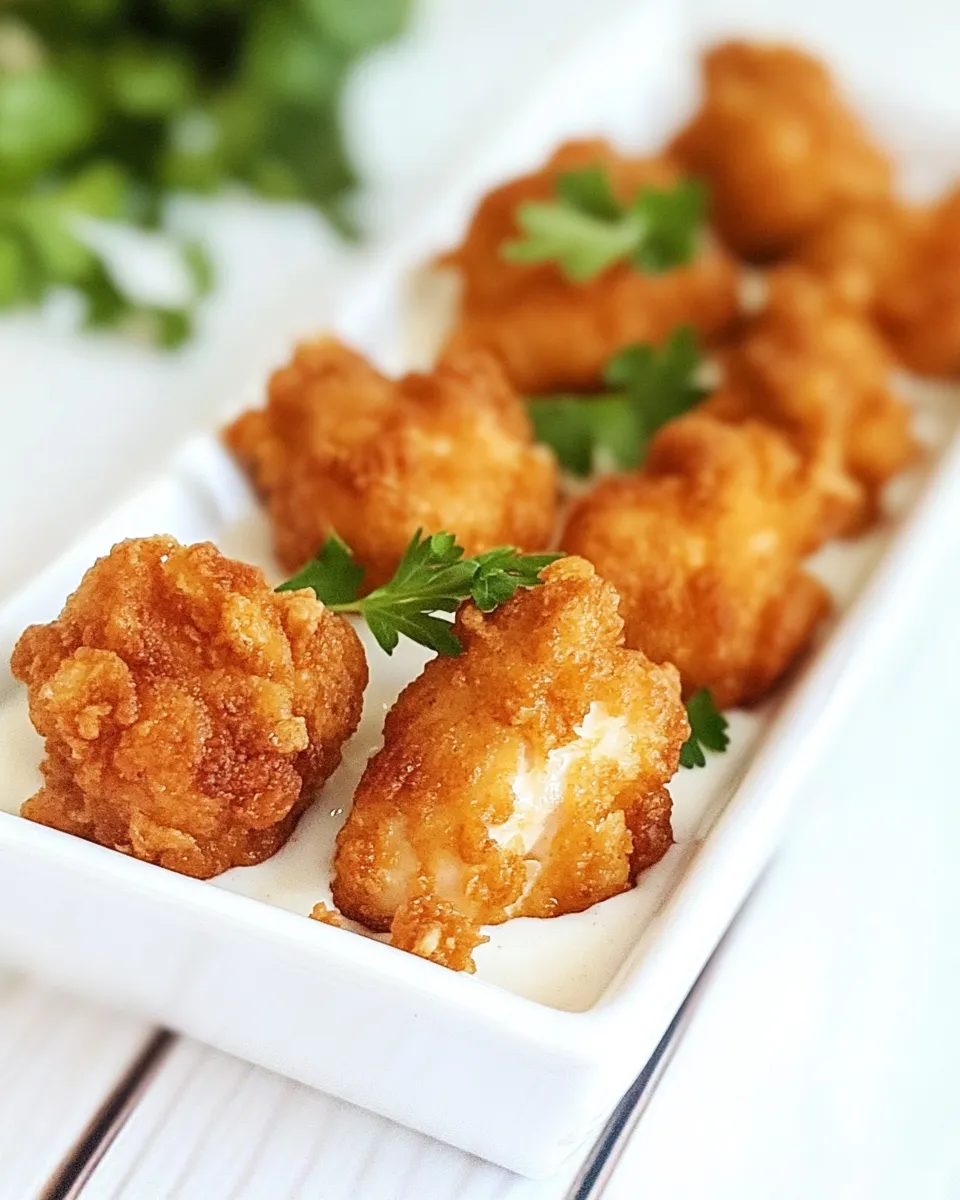
- Reduce oil absorption — after frying, transfer chicken to a wire rack rather than paper towels to keep crust crisp without additional oil pooling.
- Oven-baked option — coat and bake on a hot, oiled sheet at 425°F, turning once. You won’t get quite the same crust, but you’ll cut oil use significantly.
- Use whole-wheat or sprouted rolls — swap the yeast rolls for a whole-grain version if you want more fiber, keeping in mind the texture will be slightly denser.
- Reduce honey — brush with a thinner layer of honey-butter or substitute a sugar-free syrup if reducing sugar matters.
- Lean up the crust — mix 1 cup panko with 1 cup flour for a lighter, flakier crust that can crisp with less oil.
Setup & Equipment

Start with the right tools to make the process smooth and safe.
- Large mixing bowl — for the marinade; a wide bowl helps you coat pieces easily.
- Separate bowl for dredge — makes coating efficient and keeps things clean.
- Heavy skillet or cast-iron pan — holds steady heat for consistent frying.
- Instant-read thermometer — optional but highly recommended to verify chicken reaches 165°F without overcooking.
- Wire rack and roasting pan — for draining fried chicken (wire rack preserves crispness better than paper towels).
- Tongs and slotted spoon — for safely turning and removing pieces from hot oil.
Avoid These Traps
- Don’t overcrowd the pan. Crowding drops the oil temperature and yields soggy, greasy chicken. Fry in small batches.
- Watch your oil temperature. Too hot and the outside burns before the inside cooks; too cool and the crust soaks up oil. Aim for around 350°F and adjust as needed.
- Skip rushing the chill. The chicken benefits from at least 2 hours in the marinade. Shortchanging this step reduces flavor and tenderness.
- Don’t pile finished pieces on paper towels. Piling steams the crust. Use a single layer on a wire rack to keep them crisp.
- Be sparing with the honey-butter. It’s a finishing touch—too much will make the rolls soggy. Brush lightly and serve immediately.
Tailor It to Your Diet
These minis are easy to customize for different dietary needs. For a gluten-free approach, use a certified gluten-free flour and GF rolls; be aware the crust texture will differ. For dairy-free, swap the buttermilk in the marinade with a dairy-free yogurt or thin plain dairy-free milk with a splash of vinegar, and omit the butter in the glaze or use a plant-based spread. To lower sodium, use a low-sodium buffalo sauce and reduce added salt in the marinade and dredge.
If you want to keep things vegetarian, the technique works well with fried cauliflower florets or battered and fried tofu cubes—marinate, dredge, fry, and assemble the same way.
Notes from the Test Kitchen
I tested these across a few variations to find consistent results. Key takeaways:
- Marinade balance: The 1/2 cup buffalo sauce to 1/2 cup buttermilk ratio gives a noticeable tang and heat without overpowering. If you prefer milder, cut the buffalo sauce by a third and make up the rest with buttermilk.
- Flour mix: Mirroring the marinade spices in the flour keeps the seasoning consistent through the crust. Stir the dredge well so no pockets of a single spice remain.
- Uniform pieces: Cutting the chicken into 2-inch cubes matters. Smaller pieces cook faster and dry out; larger ones take longer and risk underbrowned centers.
- Rolls timing: Cook rolls per package directions so they’re warm and soft when you assemble. Warm rolls accept the honey-butter better and make the whole sandwich feel freshly baked.
Meal Prep & Storage Notes
These minis are friendly for short-term meal prep and party make-ahead strategies.
- Make-ahead fried chicken: Fry the coated chicken and refrigerate in a single layer for up to 2 days. Reheat in a 375°F oven on a wire rack until warmed through to preserve crispness.
- Assemble just before serving: Put chicken into rolls and brush with honey-butter right before serving so rolls don’t get soggy.
- Freezing: Cooked, cooled chicken can be frozen in a single layer on a tray, then transferred to a freezer bag for up to 1 month. Reheat from frozen in a 350°F oven until hot, then finish on a wire rack under the broiler for a minute to refresh the crust.
- Leftovers: Store unassembled components separately—chicken, rolls, and honey-butter—for up to 48 hours in the fridge. Reheat the chicken in the oven; gently warm rolls and reapply glaze before serving.
Chicken Minis Q&A
Q: Can I use thighs instead of breasts?
A: Yes. Boneless skinless thighs will be juicier and more forgiving but adjust cook time slightly if pieces are thicker; use an instant-read thermometer to confirm 165°F.
Q: How spicy will these be?
A: The buffalo sauce provides medium heat, balanced by buttermilk and honey-butter glaze. If you want milder, reduce the buffalo sauce; for more heat, add a splash of hot sauce to the marinade or sprinkle cayenne in the dredge.
Q: My crust is falling off—what went wrong?
A: The most common causes are excess marinade left on the chicken (let excess drip off before dredging) or not pressing the flour to the surface so it adheres. Also, avoid flipping too early while frying; wait until the crust sets and releases easily.
Q: Can I bake instead of fry?
A: Yes. Bake at 425°F on a greased sheet or a rack for about 18–22 minutes depending on piece size, flipping halfway. The crust will be lighter and a little less crunchy but still tasty.
Q: Any tips for making a large party batch?
A: Fry in multiple skillets or use a deep-fryer to speed up the process and keep oil temperature stable. Keep finished pieces warm in a single layer on a rack in a low oven (200–225°F) so they stay crisp until assembly.
The Takeaway
Chicken Minis are a reliable, feel-good snack or party sandwich that’s easy to scale and customize. Follow the marinade and dredge ratios, mind the oil temperature, and keep the finishing honey-butter light. With those simple checks, you’ll get golden, juicy chicken and perfectly balanced minis every time. Make them for game day, a casual gathering, or a cozy family dinner—everyone will be asking for the recipe.
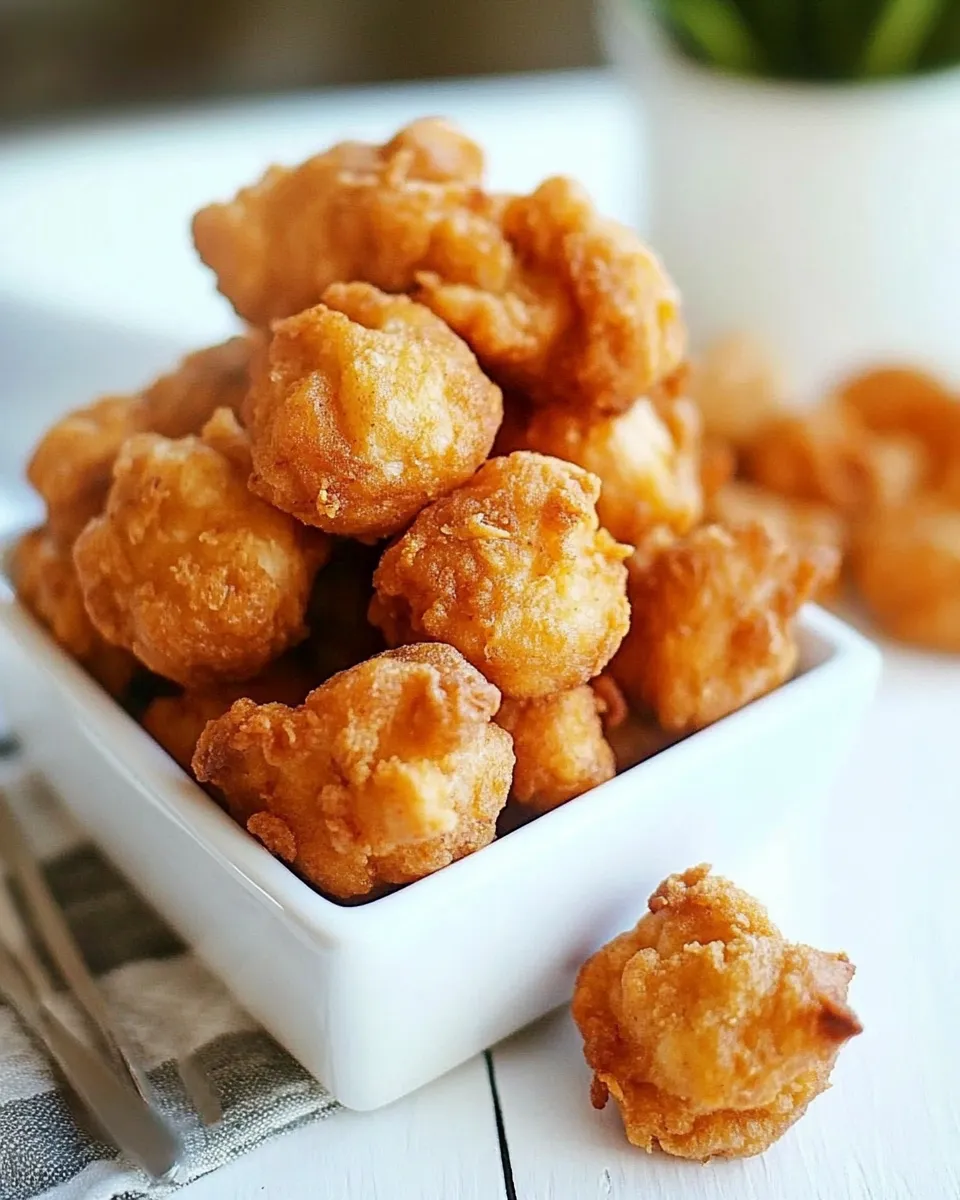
Chicken Minis
Ingredients
Equipment
Method
- Make the marinade: In a large bowl whisk together 1/2 cup Buttermilk, 1/2 cup Buffalo Sauce, 1 tsp poultry seasoning, 1 tsp garlic powder, 1 tsp onion powder, 1 tsp chili powder, and 1/2 tsp oregano. Season the marinade with salt and black pepper to taste.
- Add the chicken: Put the 2-inch cubed pieces from 2 boneless, skinless chicken breasts into the marinade and turn to coat all pieces.
- Chill: Cover the bowl and refrigerate the chicken for at least 2 hours and up to overnight.
- Prepare the flour dredge: In a separate bowl combine 2 cups all-purpose flour (may need less depending on how many chicken minis you are making), 1 tsp poultry seasoning, 1 tsp garlic powder, 1 tsp onion powder, 1 tsp chili powder, and 1/2 tsp oregano. Stir to mix evenly.
- Heat the oil: Pour vegetable oil into a large skillet to a depth of about 1 inch. Heat the oil over medium to medium-high heat until it is shimmering and hot (about 350°F if using a thermometer).
- Dredge the chicken: Working with one piece at a time, lift a chicken piece from the marinade and let excess marinade drip off. Thoroughly coat the piece on all sides with the flour mixture, pressing the flour onto the surface so it adheres. Shake off any excess flour and set the coated pieces on a plate or wire rack.
- Fry in batches: Add a few coated chicken pieces to the hot oil without crowding the pan. Fry about 4 minutes per side, turning once, until the exterior is golden brown and an instant-read thermometer inserted into the center reads 165°F. Adjust heat as needed to maintain even browning.
- Drain: Transfer cooked chicken to a paper-towel-lined plate to drain excess oil. Repeat frying with remaining chicken pieces.
- Prepare rolls: Cook 1 package Sister Shusters Parkhouse Style Yeast Rolls according to package directions. Slice each cooked roll open.
- Make honey-butter glaze: In a small bowl combine 2 tbsp butter (melted) and 2 tbsp honey; stir until blended.
- Assemble minis: Place a fried chicken piece into the bottom half of each sliced roll. Brush the top of each roll with the honey-butter mixture.
- Serve: Close the rolls and serve warm. Optional: serve with your choice of sauce on the side.
Notes
Please note that the time the chicken needs to cook depends entirely on the oil’s heat and the chicken’s thickness. Our 2-inch chunks of chicken took approximately 4 minutes on each side (8 minutes total).
To prevent undercooking or over-cooking chicken, use a meat thermometer.