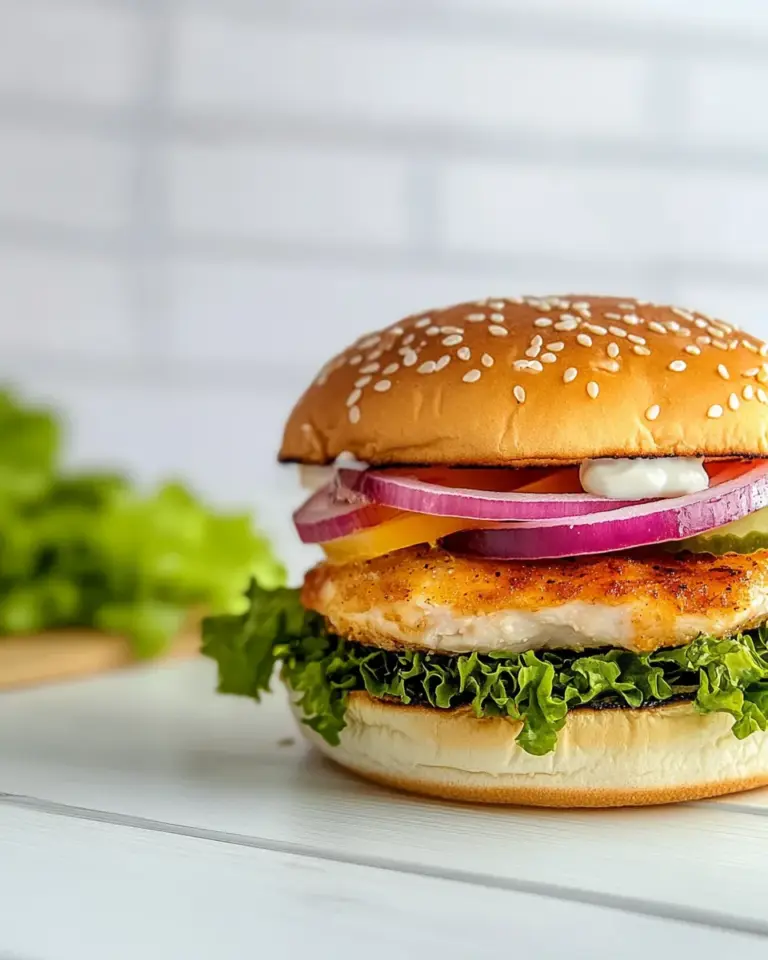
Chimichurri Sauce Recipe
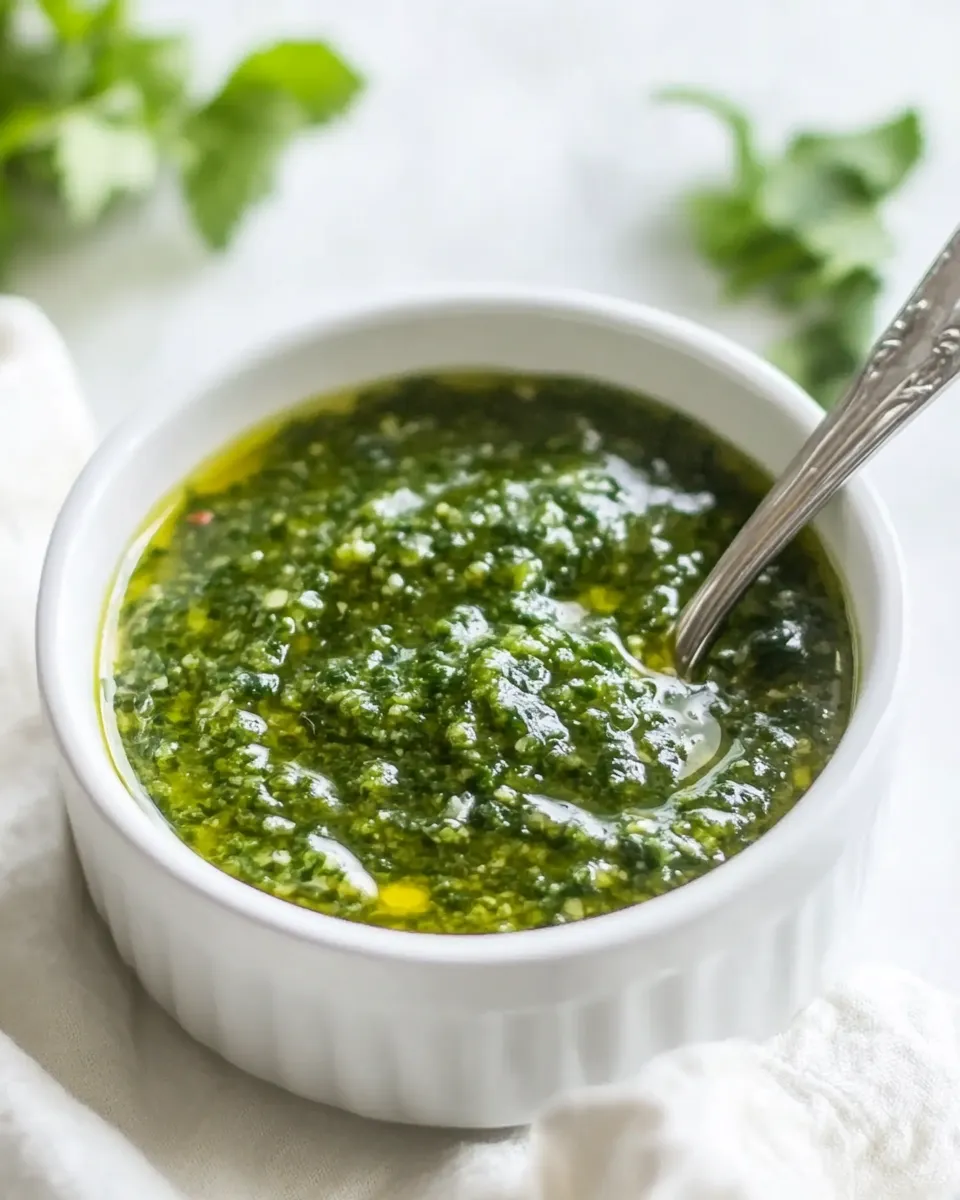
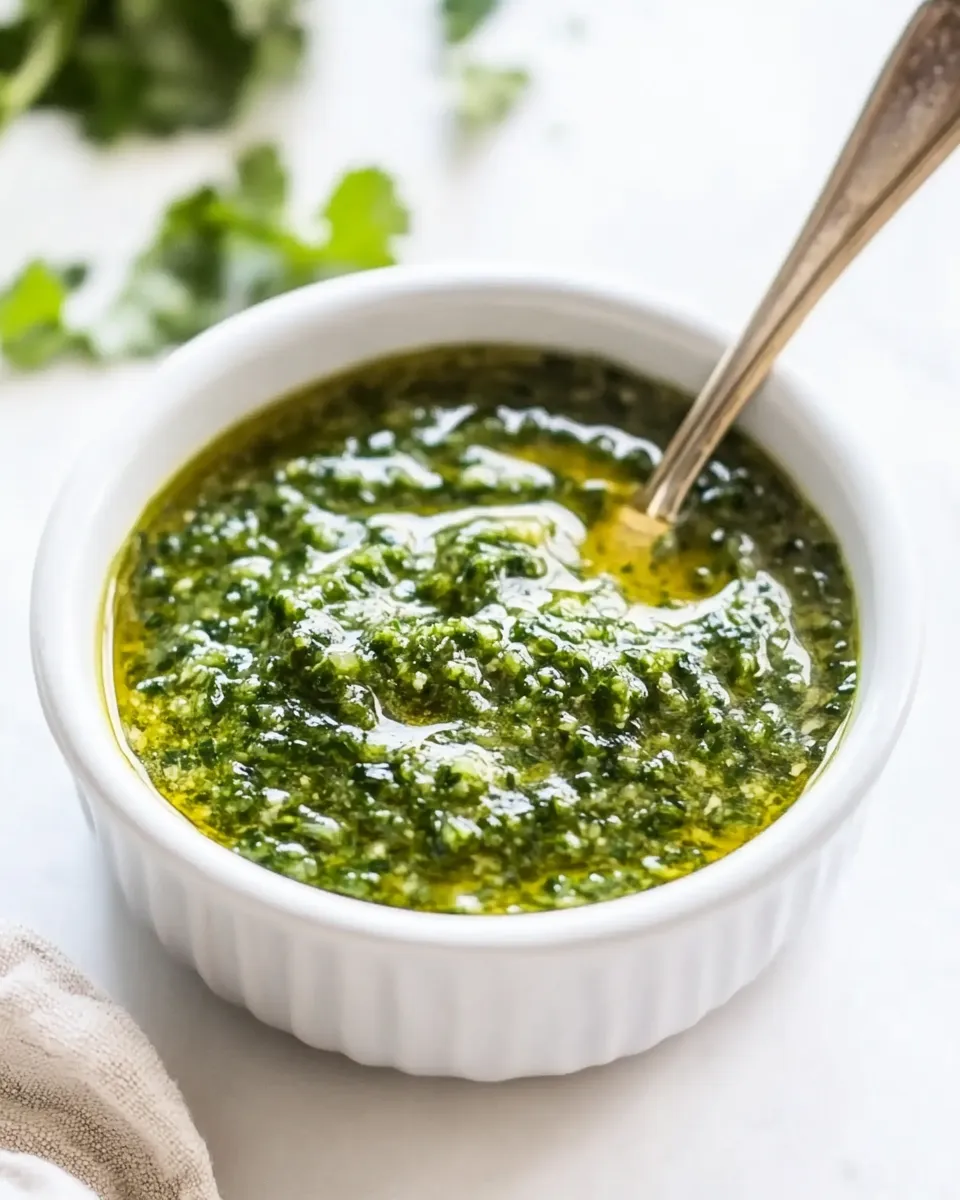
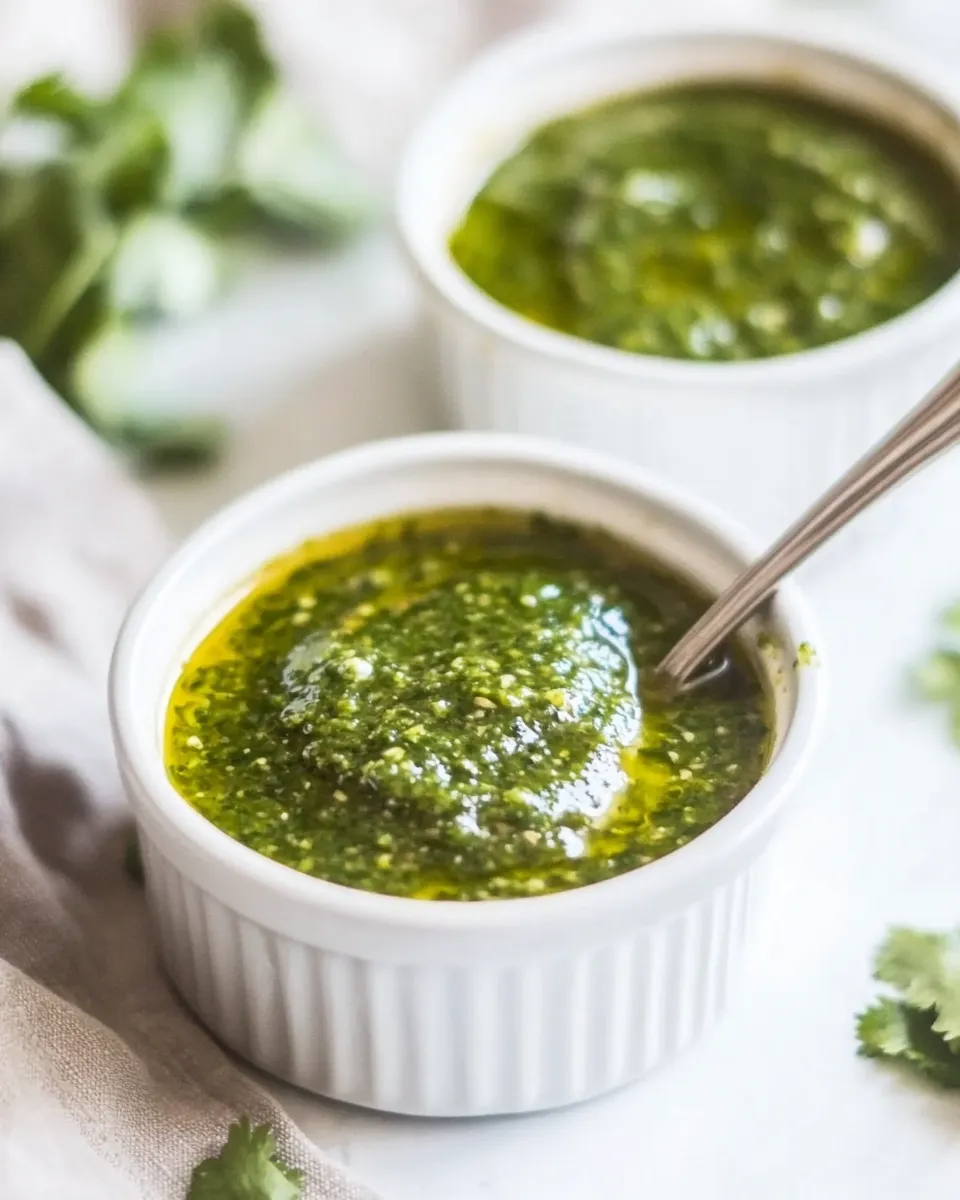
I make this chimichurri at least once a week during grilling season. It’s bright, herbal, and surprisingly flexible — a big spoonful wakes up roasted vegetables, steak, grilled fish, or even a simple bowl of rice. The texture is fresh and slightly chunky, not a paste; it’s meant to sit on top of food and mingle with juices.
There are versions that are oily and loose, and ones that are more finely chopped. This recipe sits in the middle: vibrant herbs, garlic that brings backbone, lime for brightness, and a cup of olive oil to emulsify. It comes together fast in a blender or food processor, and a few small steps make the difference between a flat sauce and one that sings.
Below you’ll find the ingredient list exactly as written, clear step-by-step instructions from start to finish, practical tips, and storage notes so your chimichurri keeps its color and flavor. Read through once, then set up the ingredients and blitz it — you’ll be impressed at how quickly it livens a meal.
Gather These Ingredients
Ingredients
- 2 cups flat-leaf parsley, tightly packed — the sauce’s green backbone; fresh parsley keeps the flavor bright.
- 1 cup kale leaves, tightly packed — adds body and a deeper green note; remove tough stems first.
- 1/2 cup fresh oregano leaves, loosely packed — oregano gives the herbal, slightly peppery edge.
- 5 cloves garlic, roughly chopped — provides pungent heat and classic chimichurri character.
- Zest of 1 lime — concentrated citrus oils for aromatic lift.
- 1 tablespoon fresh lime juice — brightens and balances the oil.
- 1 tablespoon white vinegar — acid that helps preserve and sharpen flavor.
- 3/4 teaspoon salt — essential for seasoning; start here and adjust after blending.
- 1/4 teaspoon black pepper — background heat and complexity.
- 1/4 teaspoon red pepper flakes, optional — for a touch of chili warmth if you like a bit of heat.
- 1 cup olive oil — the emulsifier and flavor carrier; pour slowly when processing.
From Start to Finish: Chimichurri Sauce
- Prepare the herbs and aromatics: remove and discard any tough stems from the parsley, kale, and oregano; measure 2 cups tightly packed parsley, 1 cup tightly packed kale leaves, and 1/2 cup loosely packed oregano leaves. Zest 1 lime, then juice enough lime to yield 1 tablespoon. Roughly chop 5 garlic cloves.
- Add to a blender or food processor: the parsley, kale, oregano, garlic, lime zest, 1 tablespoon fresh lime juice, 1 tablespoon white vinegar, 3/4 teaspoon salt, 1/4 teaspoon black pepper, and 1/4 teaspoon red pepper flakes (optional).
- Pulse several times, then run the machine on low speed until the herbs and garlic are coarsely chopped and beginning to come together. Stop once or twice to scrape down the sides with a spatula if needed.
- With the machine running on low, slowly pour in the 1 cup olive oil in a thin, steady stream until the mixture is fully combined and reaches your desired consistency. Process briefly (a few seconds) more to finish emulsifying.
- Taste and, if desired, adjust seasoning using the same listed seasonings (salt, black pepper, or red pepper flakes).
- Serve the chimichurri immediately, or transfer it to a jar or airtight container for storage.
Why Cooks Rave About It
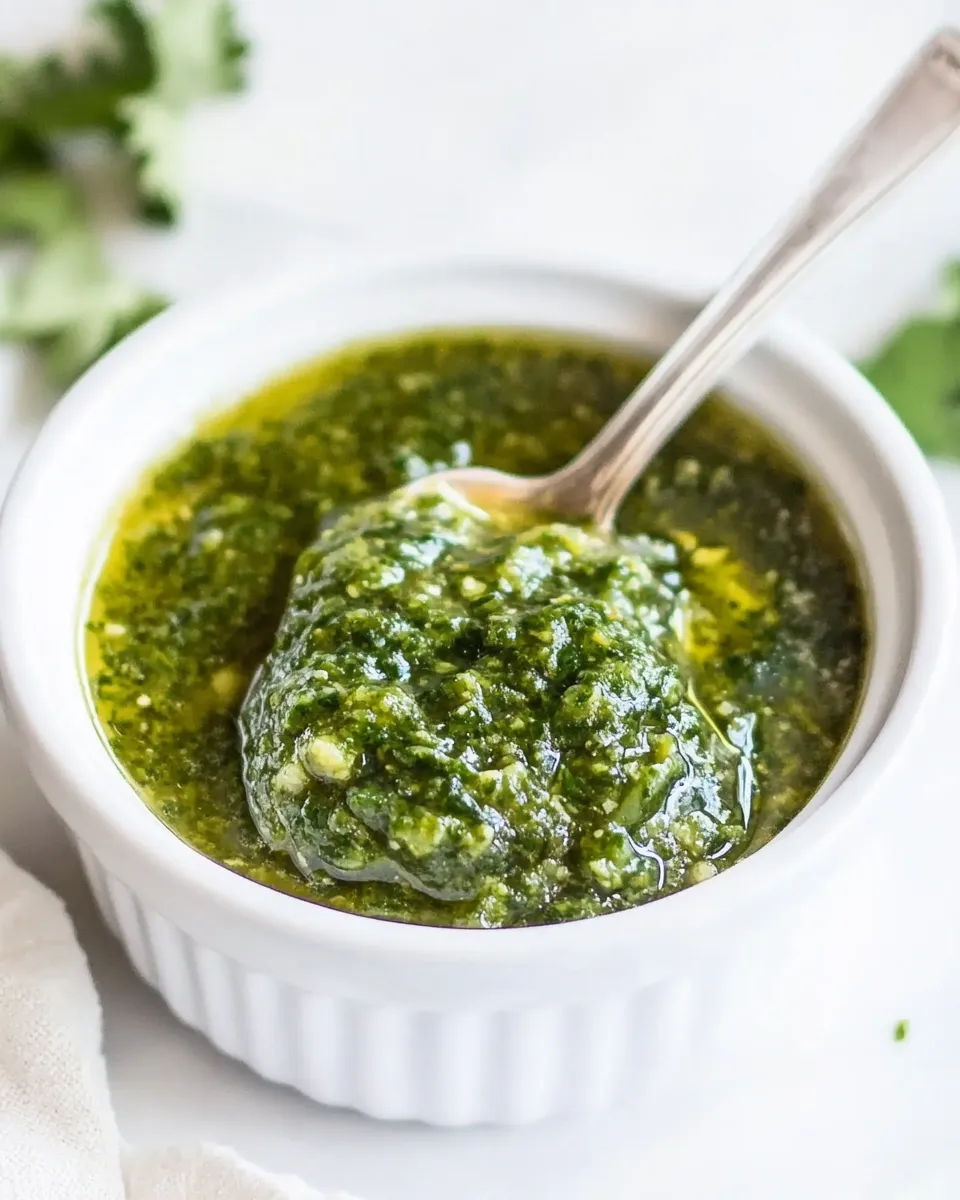
This chimichurri is a shortcut to big, fresh flavor. It’s herb-forward, garlicky, and balanced with acid and oil so it can both flavor and gently preserve. Home cooks love it because it requires minimal prep: remove stems, toss things in the processor, and you’re done. The lime zest and vinegar keep it lively while the olive oil smooths and carries the flavors across whatever you pair it with.
It’s flexible in texture and purpose. Use it as a finishing sauce spooned over grilled proteins, a marinade component, or a bright condiment for roasted vegetables. The immediate payoff — bright, herbal, and garlicky — is what gets most people hooked. And because it holds up in the fridge for several days, it becomes an easy, go-to flavor builder for weeknight dinners.
Low-Carb/Keto Alternatives
This recipe is already low in carbohydrates and fits naturally into low-carb and keto meal plans. The ingredients are primarily herbs, oil, and low-carb aromatics. If you track macros, note that the olive oil is the main source of calories and fats, which is ideal for a high-fat, low-carb approach.
When using the chimichurri with protein, prioritize fattier cuts or add it as a finishing sauce to boost fat content while keeping carbs negligible. No substitutions to the ingredient list are necessary from a carb perspective.
Recommended Tools
- Blender or food processor — the recipe is written for either; a processor gives more control over texture.
- Microplane or zester — for the lime zest to get fine aromatic oils.
- Measuring spoons and cups — to follow the quantities exactly for consistent results.
- Spatula — to scrape down the sides during processing for an even mix.
- Glass jar or airtight container — for storing leftovers and letting flavors meld.
Easy-to-Miss Gotchas
Remove tough stems from parsley, kale, and oregano. Those stems are bitter and fibrous; leaving them in will change the texture and introduce unpleasant chew. The directions explicitly call for stem removal — don’t skip it.
When you process the herbs, pulse first and then run on low. Over-processing will make the sauce too smooth and reduce the fresh, leafy texture chimichurri is known for. Aim for a coarse chop that still shows flecks of green.
Pour the olive oil in a thin, steady stream with the machine running. Adding it too fast prevents proper emulsification and can leave the mixture greasy or separated. Slow and steady yields a cohesive sauce.
Seasonal Twists
Work with what’s at its peak. In late spring and summer, fresh parsley and oregano will be the most vibrant — keep the herbs very fresh for the clearest green color and most intense aroma. In cooler months, let the sauce rest a bit in the refrigerator before serving; chilled chimichurri tightens in flavor and often tastes better after a couple of hours as the acid and oil meld.
If your parsley is overly peppery or flat, reduce the kale slightly, which will open the sauce to the parsley’s brightness. Small adjustments to the herb ratio change the personality of the sauce without altering any listed quantities in the core recipe steps.
Author’s Commentary
I prefer this chimichurri slightly rustic — not pureed into oblivion. The stems gone, the garlic assertive but not raw-by-bite, and the oil integrated so it glistens rather than pools. The lime zest is a small detail that matters; it lifts the whole sauce and keeps it from tasting one-note.
I often make a batch before guests arrive and let it sit for 20–30 minutes so the flavors marry. If I have leftovers, they become the quick fix for lunches: a drizzle over roasted vegetables, a smear on toasted bread, or folded into a grain bowl.
Refrigerate, Freeze, Reheat
Refrigerate: Transfer chimichurri to a clean jar and press a piece of plastic wrap directly on the surface before sealing to limit air exposure. Stored this way, it keeps for about 4–5 days while staying quite green and flavorful.
Freeze: Chimichurri can be frozen in small portions. Use an ice cube tray or small freezer-safe containers so you can thaw just what you need. Frozen portions are convenient for quick meals; thaw overnight in the fridge.
Reheat: This sauce is best served at room temperature or slightly chilled. If you remove it from the refrigerator, let it sit at room temperature for 15–20 minutes so the oil loosens. Do not “reheat” over direct heat — high temperatures will dull the fresh herbal notes and change the texture.
Chimichurri Sauce FAQs
- Can I make this without a blender or food processor? — It’s possible by finely chopping everything by hand, but the texture will be denser and it will take more time. The recipe steps assume a motorized appliance for speed and consistency.
- How do I know when the texture is right? — Look for coarsely chopped herbs that are starting to come together. You should still see distinct flecks of green rather than a smooth paste.
- Is the red pepper flakes optional? — Yes. The amount listed is optional; add it if you want a mild chili kick, or omit to keep the sauce purely herbal and citrusy.
- Can I replace the olive oil? — The recipe specifies 1 cup olive oil. Different oils will change the flavor profile; if you must substitute, do so knowing the taste will shift. The directions require pouring 1 cup of whatever oil you use slowly into the processor.
- Will the sauce brown? — Over a few days, the surface can darken slightly from oxidation. Pressing plastic wrap on the surface and keeping it cold slows this. Fresh is brightest; use within the recommended refrigeration time for best color.
Bring It Home
This Chimichurri Sauce is a small, concentrated effort with a big payoff: five minutes of prep, a few pulses and a slow pour of oil, and you’ve unlocked a fridge-ready flavor multiplier. Keep the steps close — remove stems, pulse and then process, pour the oil slowly — and you’ll get a lively, balanced chimichurri every time. Spoon it over grilled meats, roasted vegetables, or anything in need of fresh green energy. Make a batch, taste it, and let it become the shortcut to better weeknight dinners.
Chimichurri Sauce Recipe
Ingredients
Equipment
Method
- Prepare the herbs and aromatics: remove and discard any tough stems from the parsley, kale, and oregano; measure 2 cups tightly packed parsley, 1 cup tightly packed kale leaves, and 1/2 cup loosely packed oregano leaves. Zest 1 lime, then juice enough lime to yield 1 tablespoon. Roughly chop 5 garlic cloves.
- Add to a blender or food processor: the parsley, kale, oregano, garlic, lime zest, 1 tablespoon fresh lime juice, 1 tablespoon white vinegar, 3/4 teaspoon salt, 1/4 teaspoon black pepper, and 1/4 teaspoon red pepper flakes (optional).
- Pulse several times, then run the machine on low speed until the herbs and garlic are coarsely chopped and beginning to come together. Stop once or twice to scrape down the sides with a spatula if needed.
- With the machine running on low, slowly pour in the 1 cup olive oil in a thin, steady stream until the mixture is fully combined and reaches your desired consistency. Process briefly (a few seconds) more to finish emulsifying.
- Taste and, if desired, adjust seasoning using the same listed seasonings (salt, black pepper, or red pepper flakes).
- Serve the chimichurri immediately, or transfer it to a jar or airtight container for storage.
Notes
This sauce is perfect for steak, fajitas, salads, burgers etc.