Chinese Mandarin Chicken
This is the kind of weeknight dinner I return to when I want something bright, fast, and reliably comforting. Chinese Mandarin Chicken is deceptively simple: two chicken breasts, a handful of pantry staples, and a quick pan sauce that glazes the meat with sweet-salty citrus notes. It feels thoughtful without taking over your evening.
I love that this recipe leans on technique more than a long ingredient list. A hot skillet, a properly dried piece of chicken, and a pit stop on the cutting board make all the difference. The sauce comes together in minutes, and that ginger slice does a quiet but powerful job of infusing flavor before you discard it.
Serve it with plain rice, a leafy salad, or quick stir-fried greens. It’s approachable for cooks of any level. Below I break down the ingredients, step-by-step instructions, troubleshooting tips, and small swaps so you can make this your go-to Mandarin-style chicken without guesswork.
What’s in the Bowl
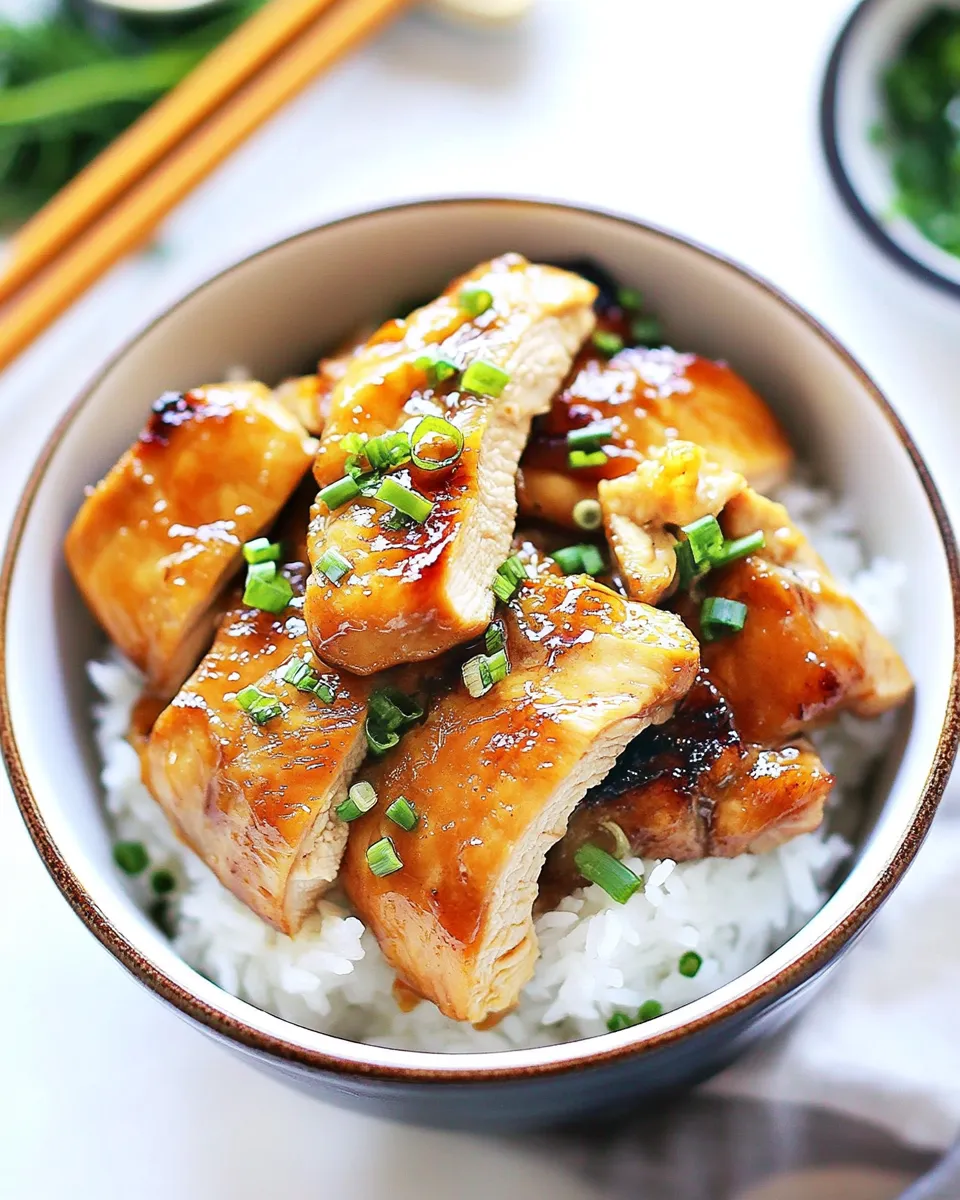
Before you start, gather everything so the cooking goes smoothly. This dish relies on a balance: salty soy, bright lemon, and just enough sugar to form a glossy glaze. The ginger and scallion give it that familiar, fresh edge.
Ingredients
- 2 skinless and boneless chicken breasts — the main protein; pat dry for a good sear and even cooking.
- oil, for pan-frying — use a neutral oil to coat the skillet so the chicken browns evenly.
- scallion, chopped , for garnishing — adds color and a mild oniony finish; slice thinly and scatter on top.
- 4 tablespoons soy sauce — the salty backbone of the sauce; gives umami and depth.
- 1 tablespoon lemon juice — brightens the sauce and cuts through the richness.
- 2 tablespoons sugar — sweetens and helps the sauce develop a glossy finish.
- 3 slices ginger, peeled — infuses warm, spicy aroma while the sauce simmers; remove before serving.
How to Prepare (Chinese Mandarin Chicken)
- Pat the 2 skinless, boneless chicken breasts dry. Heat a skillet over medium-high heat and add oil to coat the pan. When the oil is hot, add the chicken and pan-fry until browned and cooked through, about 5–7 minutes per side (or until an instant-read thermometer registers 165°F / 74°C). Transfer the chicken to a plate and let rest for 3–5 minutes. (If you prefer, you can grill the chicken instead.)
- While the chicken is cooking or resting, make the sauce: in a small saucepan combine 4 tablespoons soy sauce, 1 tablespoon lemon juice, 2 tablespoons sugar, and the 3 peeled ginger slices. Heat over medium, stirring occasionally, until the sugar dissolves and the sauce slightly thickens, about 3–5 minutes.
- Remove and discard the ginger slices from the sauce.
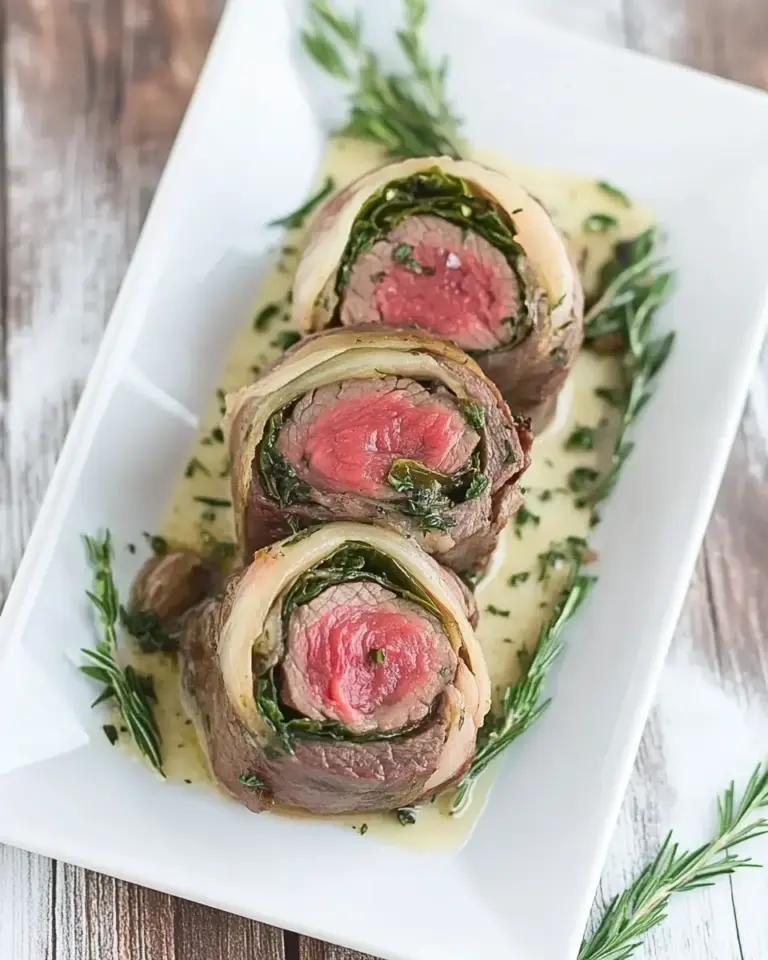
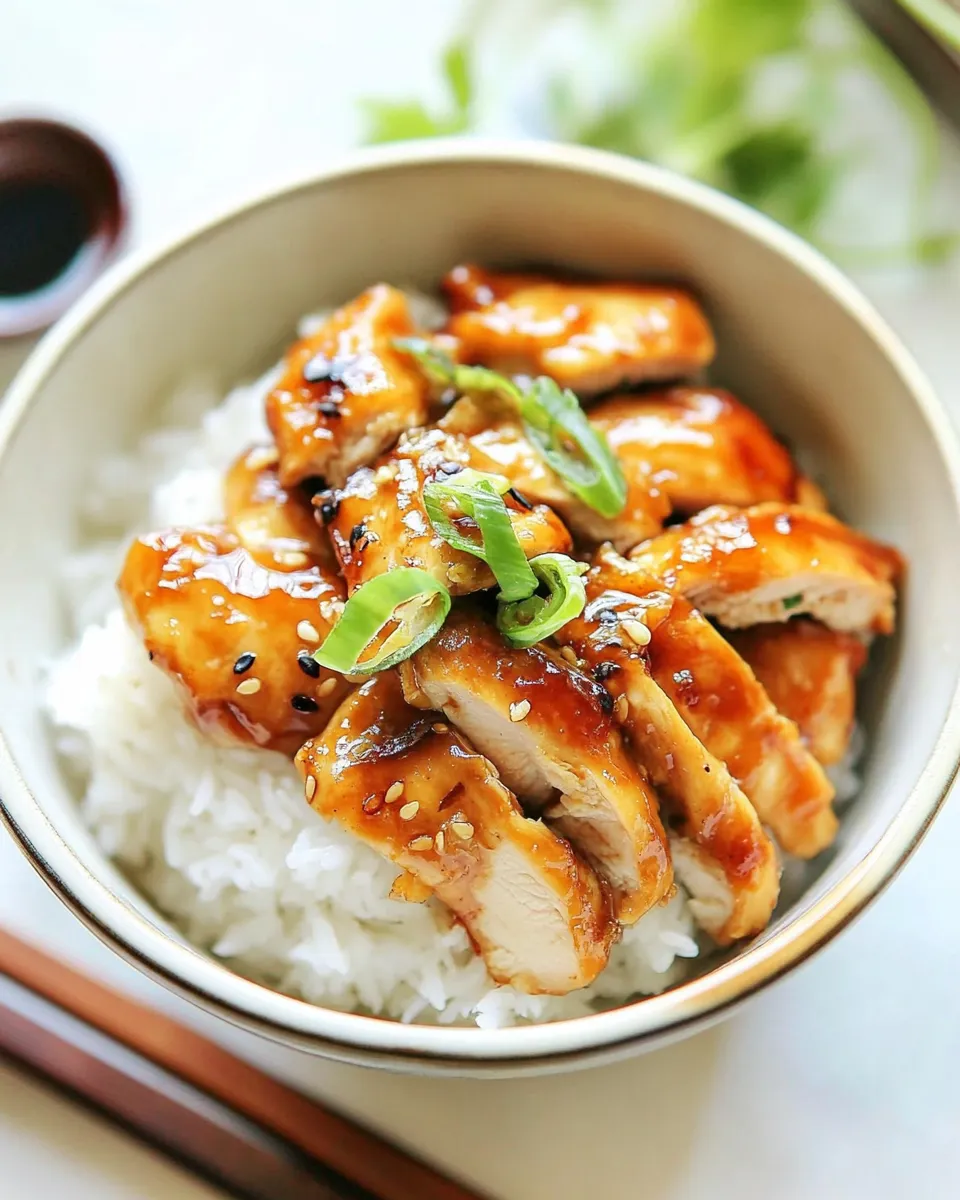
- Slice the rested chicken into pieces. Arrange the sliced chicken on a serving plate, drizzle the sauce over the chicken, and garnish with the chopped scallion. Serve immediately.
Why This Recipe Is Reliable
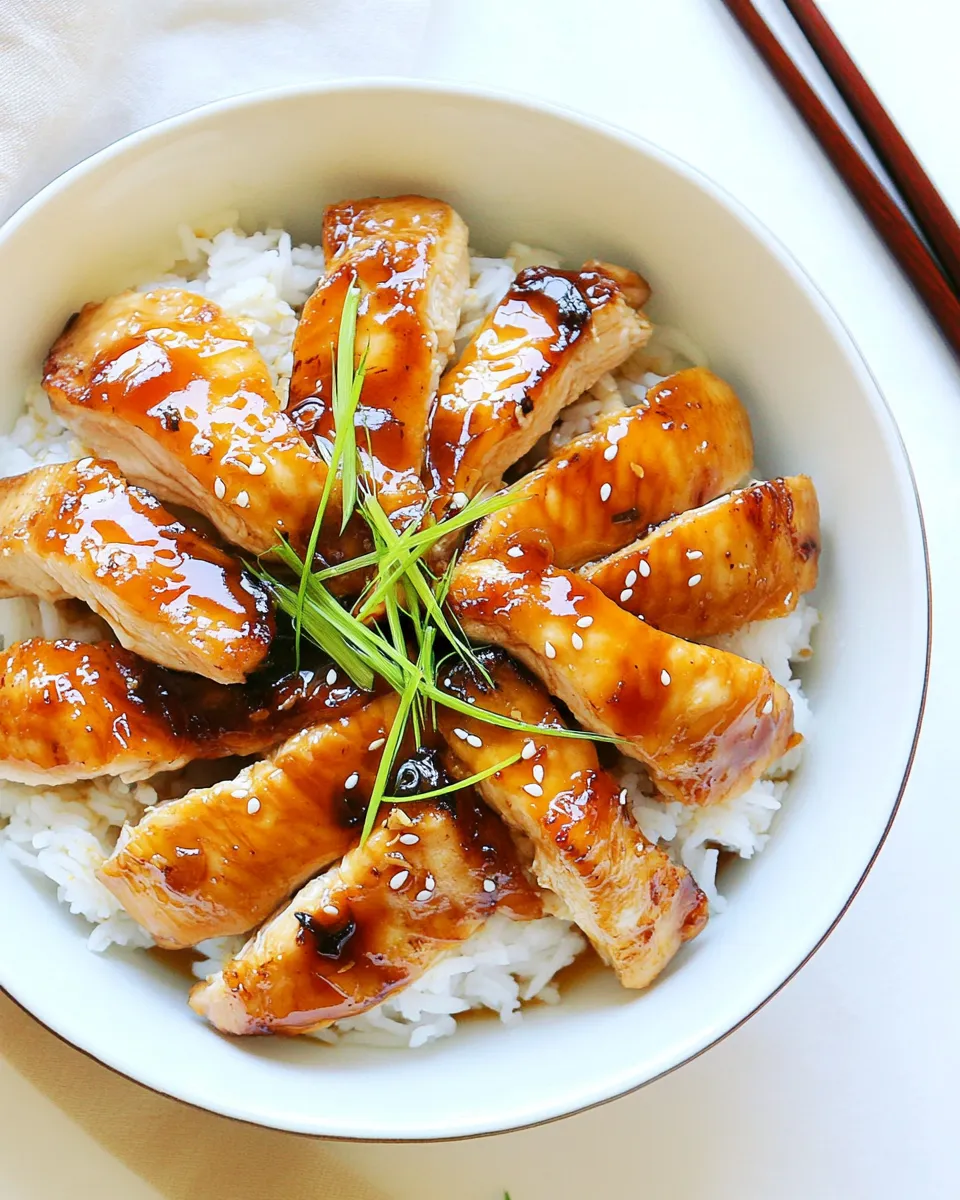
There are no fussy steps and no rare ingredients, which is the core of reliability. The method hinges on two dependable techniques: getting a good sear and reducing a simple sauce. Both are repeatable once you know the cues—hot pan, golden crust, and a sauce that goes from thin to glossy in a few minutes.
The recipe gives explicit cook times and the internal temperature target (165°F / 74°C). That removes a lot of guesswork, especially for cooks who are still learning to tell doneness by sight. The short sauce simmer concentrates flavor without requiring thickening agents, so you avoid gummy outcomes.
What to Use Instead
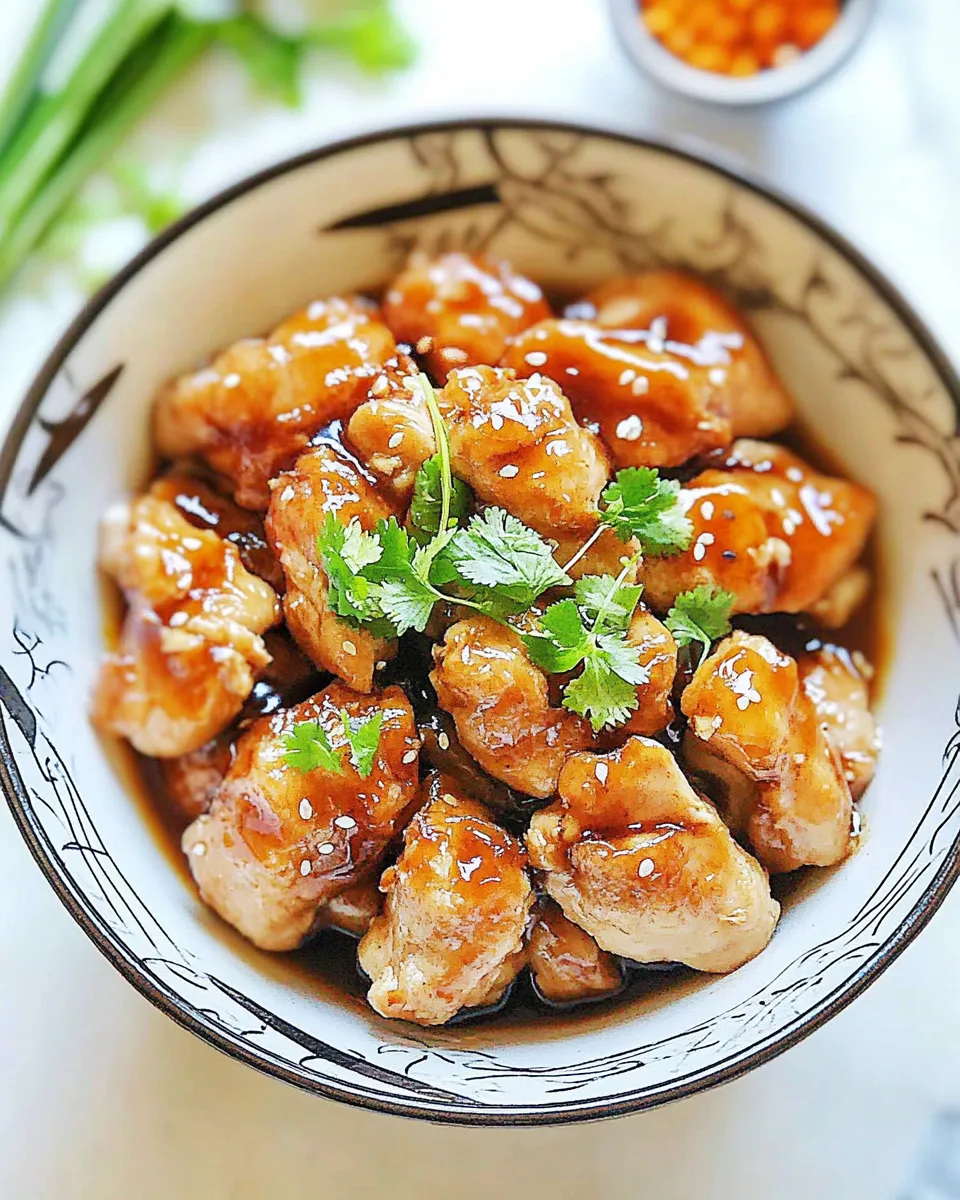
If you want to change something without breaking the recipe, pick swaps that respect the balance of salt, acid, and sweet.
- Chicken cut: Boneless, skinless chicken thighs can replace breasts for juicier results; adjust cooking time slightly if they’re thicker.
- Soy sauce: Low-sodium soy sauce reduces salt; a gluten-free tamari works for those avoiding gluten.
- Fat for frying: Any neutral oil with a high smoke point is fine (canola, vegetable, grapeseed).
- Citrus: If you prefer a slightly different brightness, a touch of rice vinegar can stand in for lemon juice, used sparingly.
Appliances & Accessories
Use good tools and the cooking time shrinks and becomes more predictable.
- Heavy skillet (cast iron or stainless steel) — gives steady heat and a uniform sear.
- Small saucepan — for the sauce so you can control and reduce it quickly.
- Instant-read thermometer — invaluable for checking the chicken reaches 165°F / 74°C without overcooking.
- Tongs and a sharp knife — tongs for turning the chicken, a sharp knife for clean slices against the grain.
Pitfalls & How to Prevent Them
Common mistakes are easy to avoid with a little attention.
- Chicken steams instead of browns: Pat the chicken very dry and don’t overcrowd the pan. If the pan is crowded, remove chicken and finish in batches.
- Dry chicken: Cook to 165°F but no higher. Rest the chicken for 3–5 minutes before slicing so juices redistribute.
- Sauce too thin: Simmer a little longer to concentrate and slightly thicken it. Watch closely; it can go from syrupy to too reduced quickly.
- Sauce too salty: Use low-sodium soy sauce or reduce the amount slightly. Adding a bit more lemon juice or a pinch of sugar can also balance salt if needed.
- Burning sugar or sauce: Keep heat at medium. Stir occasionally and remove from heat once it reaches a glossy sheen.
Customize for Your Needs
This recipe is a great base to personalize. Keep the core proportions of soy, acid, and sugar, and tweak to your taste.
- Less sweet: Reduce the sugar by half and taste the sauce as it warms; you can always add a touch back if needed.
- Lower sodium: Swap to low-sodium soy and taste before finishing the sauce.
- Spicier: Add thin slices of fresh chili to the sauce while it simmers or sprinkle chili flakes on the finished dish.
- Bigger batch: Double the sauce ingredients and keep the simmer time similar; cook chicken in a single layer or in batches so everything browns well.
Insider Tips
Small moves that make a difference
These are the little habits I follow that consistently improve the final dish.
- Dry before you sear: Always pat the chicken breasts dry with paper towels. Moisture is the enemy of a good crust.
- Hot pan, then chicken: Heat the skillet first, add oil, wait until it shimmers, then add the chicken. That first contact creates the Maillard crust that tastes like effort.
- Resting matters: Give the chicken a brief rest on a plate or cutting board before slicing. It keeps the slices moist.
- Strain if you want a clear sauce: If you prefer a perfectly smooth glaze, strain the sauce after removing the ginger slices.
Make-Ahead & Storage
This dish stores well, which makes it practical for leftovers or meal prep.
- Refrigerate: Store sliced chicken and sauce in separate airtight containers for up to 3–4 days. Keeping them separate prevents the chicken from becoming soggy.
- Reheat: Gently reheat the sauce in a small saucepan and toss the chicken in the warmed sauce for a minute until heated through. Alternatively, microwave short bursts and finish with the sauce.
- Freezing: You can freeze the cooked chicken (without garnishes) for up to 2 months. Thaw overnight in the refrigerator and reheat gently.
Common Questions
Below are answers to questions I get from readers who try this at home.
- Can I grill the chicken instead of pan-frying? Yes. The recipe notes grilling as an option. Grill over medium-high heat until the internal temperature reaches 165°F / 74°C, then rest and slice.
- Why are we discarding the ginger slices? The slices infuse flavor while the sauce reduces, then they’re removed because they’ve given up their aroma and can be fibrous or overpowering to bite into.
- How do I get a glossy sauce without cornstarch? Simmering the sauce until it reduces slightly concentrates the sugars and proteins, producing a natural gloss. Watch it closely so it doesn’t over-reduce.
- Is this an authentic Mandarin recipe? This is a home-style, Mandarin-inspired preparation that uses familiar Chinese flavor elements. It’s a simplified, approachable version for everyday cooking rather than a restaurant reproduction.
Wrap-Up
Chinese Mandarin Chicken is a reliable, weeknight-friendly recipe that rewards a small amount of attention: dry the chicken, get a good sear, and reduce the sauce until it’s glossy. The result is simple, flavorful food that looks and tastes like you spent more time than you did.
Make it tonight when you want comfort without complication. Keep the sauce and chicken separate if you need leftovers, and don’t be afraid to tweak the sweet or salty levels to suit your family. Small changes—lower-sodium soy, a touch less sugar, or swapping thighs—keep the bones of the recipe intact while letting you own it.
Chinese Mandarin Chicken
Ingredients
Equipment
Method
- Pat the 2 skinless, boneless chicken breasts dry. Heat a skillet over medium-high heat and add oil to coat the pan. When the oil is hot, add the chicken and pan-fry until browned and cooked through, about 5–7 minutes per side (or until an instant-read thermometer registers 165°F / 74°C). Transfer the chicken to a plate and let rest for 3–5 minutes. (If you prefer, you can grill the chicken instead.)
- While the chicken is cooking or resting, make the sauce: in a small saucepan combine 4 tablespoons soy sauce, 1 tablespoon lemon juice, 2 tablespoons sugar, and the 3 peeled ginger slices. Heat over medium, stirring occasionally, until the sugar dissolves and the sauce slightly thickens, about 3–5 minutes.
- Remove and discard the ginger slices from the sauce.
- Slice the rested chicken into pieces. Arrange the sliced chicken on a serving plate, drizzle the sauce over the chicken, and garnish with the chopped scallion. Serve immediately.