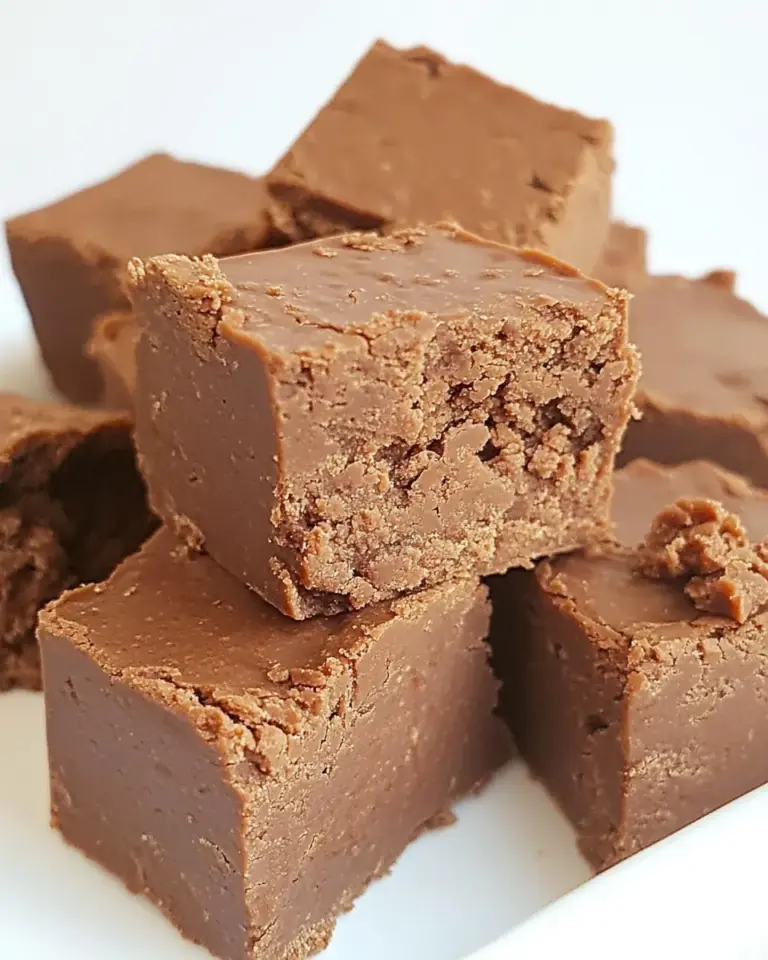
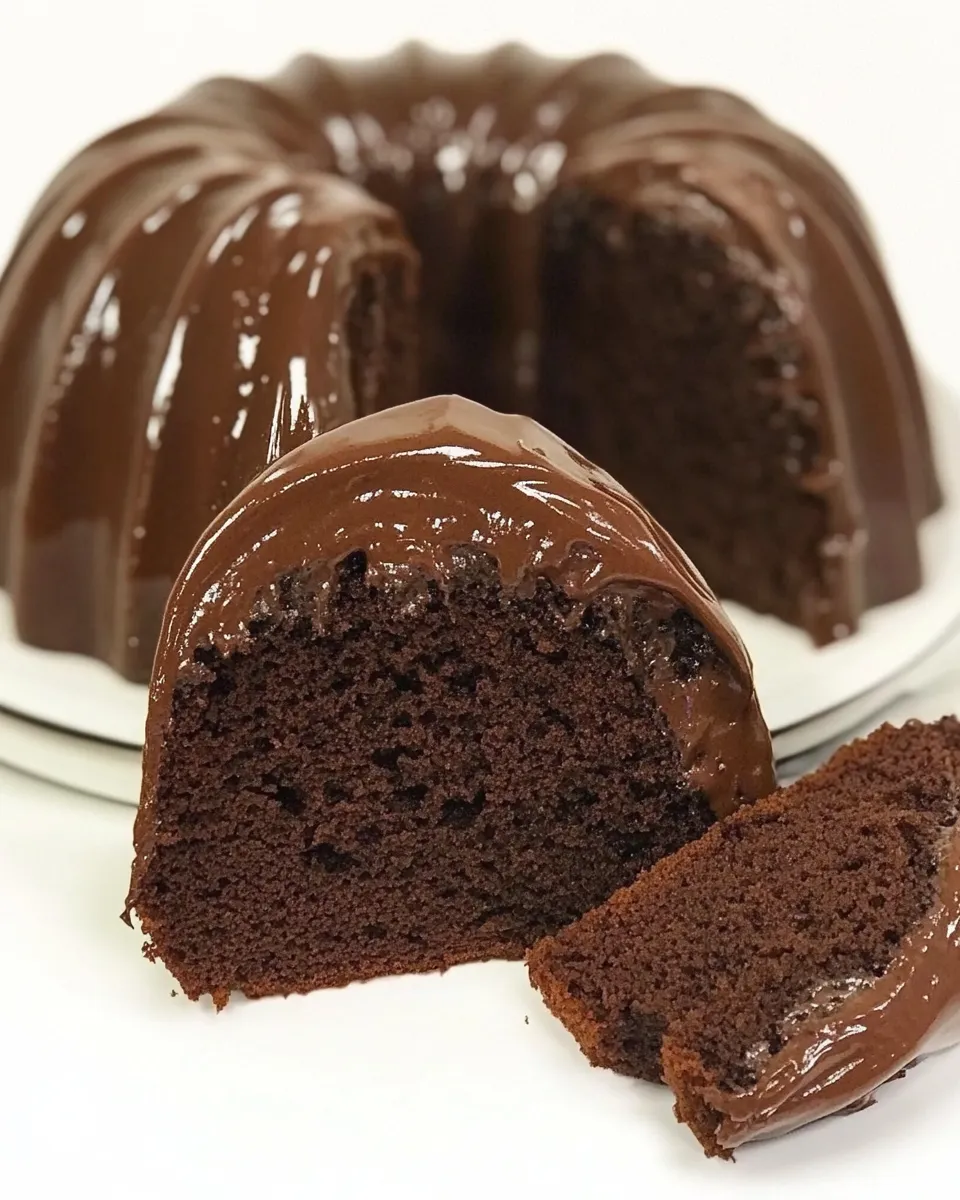
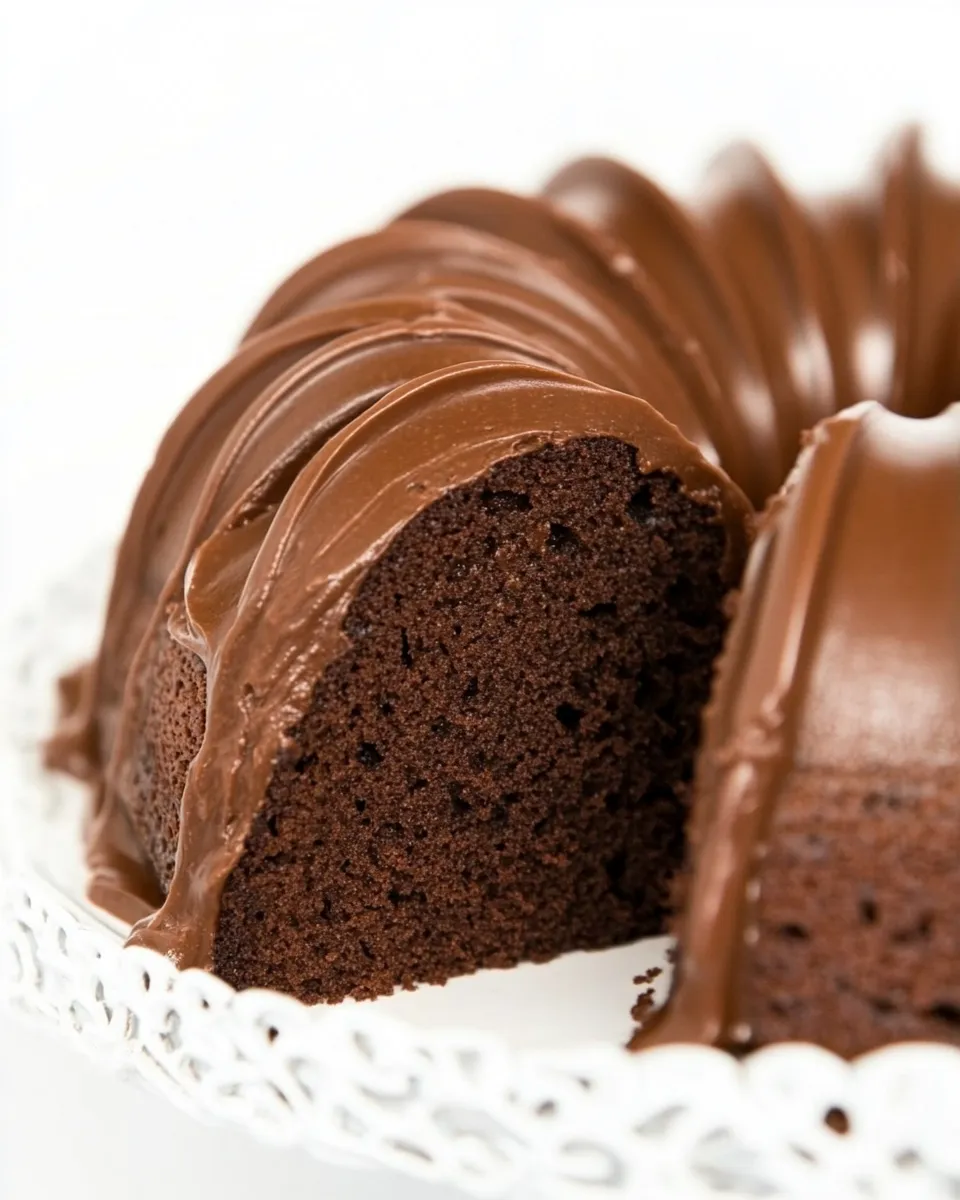
Chocolate Bundt Cake with Chocolate Fudge Icing
This is the kind of cake I make when I want to impress with minimal drama. It uses straightforward techniques but rewards you with deep chocolate flavor and a fudgy, glossy icing that sets just enough to slice cleanly. The crumb is tender and moist thanks to the sour cream and melted chocolate in the batter, and the Bundt shape gives it instant visual appeal with very little effort.
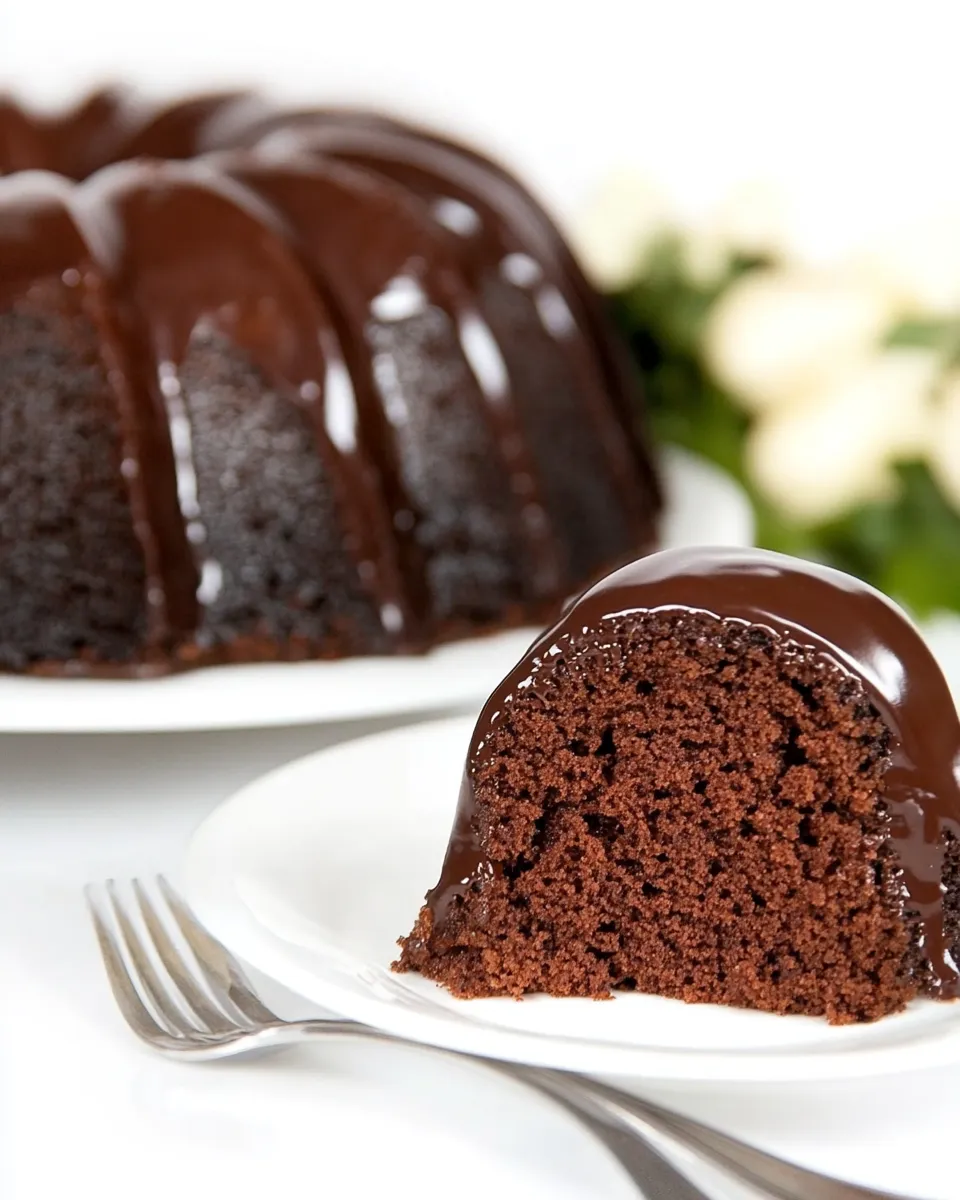
I test this one whenever I need a reliable crowd-pleaser for birthdays, potlucks, or a weekday treat. The icing comes together on the stovetop in minutes, and pouring it while warm gives a beautiful finish that clings to ridges and pools in the center. Expect a rich, chocolate-forward dessert that keeps well at room temperature for a few days.
Your Shopping Guide
Before you start, glance at the ingredient list and gather everything. This cake depends on precise textures: melted chocolate and cocoa give depth, sour cream keeps it moist, and a good-quality bittersweet chocolate really lifts the finished cake. If possible, bring eggs and sour cream to room temperature before you begin—it makes for a smoother batter and better volume when you beat the eggs into the butter and sugar.
Lay out your pans and tools first. You want the Bundt pan prepped and ready so you can pour batter straight away. The icing sets quickly, so have your wire rack and a tray to catch drips close by before you start heating the icing.
Ingredients
- 1 tablespoon butter, melted — used to grease the pan and help the cocoa powder stick for release.
- 1 tablespoon cocoa powder — mixed with melted butter to coat the pan; adds flavor and prevents sticking.
- ¾ cup (64.5 g) natural unsweetened cocoa powder — the backbone of the chocolate flavor in the batter.
- 6 ounces (170.1 g) bittersweet chocolate, 60% cacao, finely chopped — melted into the cocoa for depth and glossy texture.
- 1 teaspoon instant espresso powder, optional — amplifies chocolate notes; leave out if you prefer no coffee flavor.
- ¾ cup (187.5 ml) boiling water — blooms the cocoa and melts the chocolate into a smooth base.
- 1 cup (230 ml) sour cream, at room temperature — adds moisture and a tender crumb.
- 1¾ cups (218.75 g) all-purpose flour — structure for the cake; measured and set aside with leavening.
- 1 teaspoon baking soda — provides lift and helps the cake rise evenly.
- 1 teaspoon salt — balances sweetness and enhances chocolate flavor.
- ¾ cup (170.25 g) unsalted butter, at room temperature — creamed with brown sugar for a light, tender cake.
- 2 cups (440 g) light brown sugar — gives moisture and a slight caramel undertone.
- 1 tablespoon vanilla extract — rounds the chocolate flavor in the batter.
- 5 eggs, at room temperature — beaten in one at a time for structure and richness.
- ½ cup (113.5 g) unsalted butter — used in the icing for richness and sheen.
- ½ cup (43 g) cocoa powder — used in the icing for chocolate intensity.
- 6 tablespoons evaporated milk — thins the icing to a pourable consistency while giving body.
- 3¾ cups (450 g) powdered sugar — sweetens and helps the icing set.
- 1 teaspoon vanilla extract — added to the icing for balance.
- ¼ teaspoon (0.25 teaspoon) salt — brings out chocolate flavor in the icing.
Directions: (Chocolate Bundt Cake with Chocolate Fudge Icing)
- Preheat the oven to 350°F (177°C) and place a rack in the lower-middle position.
- Prepare the Bundt pan: stir together 1 tablespoon melted butter and 1 tablespoon cocoa powder until smooth. Using a pastry brush, coat the entire interior of a standard 12-cup Bundt pan with the mixture. Set the pan aside.
- Make the chocolate base: in a medium heatproof bowl combine 3/4 cup (64.5 g) natural unsweetened cocoa powder, 6 ounces (170.1 g) finely chopped bittersweet chocolate, and 1 teaspoon instant espresso powder (optional). Pour 3/4 cup (187.5 ml) boiling water over the mixture and whisk until fully melted and smooth. Set the bowl aside to cool to room temperature.
- When the chocolate mixture is at room temperature, whisk in 1 cup (230 ml) sour cream until smooth.
- In a separate medium bowl whisk together 1 3/4 cups (218.75 g) all-purpose flour, 1 teaspoon baking soda, and 1 teaspoon salt. Set this dry mixture aside.
- In the bowl of an electric mixer (or using a handheld mixer), beat 3/4 cup (170.25 g) unsalted butter, 2 cups (440 g) light brown sugar, and 1 tablespoon vanilla extract on medium-high speed until light and fluffy, about 3 minutes.
- Reduce the mixer speed to medium and add the 5 eggs one at a time, beating well after each addition and scraping down the sides of the bowl as needed.
- Prepare to combine: divide the dry flour mixture into three equal portions, and divide the cooled chocolate-sour cream mixture into two equal portions.
- With the mixer on medium-low, add the first third of the flour mixture and mix just until beginning to incorporate. Add half of the chocolate mixture and mix until just combined. Scrape the sides of the bowl.
- Add the second third of the flour mixture and mix until just combined. Add the remaining half of the chocolate mixture and mix until just combined. Scrape the bowl again.
- Add the final third of the flour mixture and mix until just incorporated. Scrape the sides and bottom of the bowl and beat on medium-low for about 30 seconds to fully combine the batter without overmixing.
- Pour the batter evenly into the prepared Bundt pan, smooth the top if needed, and bake on the lower-middle rack for 45 to 50 minutes, or until a skewer inserted into the center comes out with just a few moist crumbs attached.
- Remove the pan from the oven and place it on a wire cooling rack. Let the cake cool in the pan for 10 minutes. Then invert the pan onto the rack to release the cake and cool the cake completely to room temperature, about 3 hours.
- Make the icing: place 1/2 cup (113.5 g) unsalted butter, 1/2 cup (43 g) cocoa powder, and 6 tablespoons evaporated milk in a medium saucepan over medium-high heat. Whisk occasionally and bring the mixture to a boil.
- Once boiling, add 3 3/4 cups (450 g) powdered sugar, 1 teaspoon vanilla extract, and 1/4 teaspoon salt. Whisk continuously until the icing is smooth, about 30 seconds. Immediately remove the pan from the heat.
- Place the cooled cake on a wire rack set over a tray or baking sheet to catch drips. Pour the warm icing over the top of the cake, starting in the center and allowing it to drip down the sides. Work quickly—the icing begins to set as it cools.
- Let the icing set. Store the cake in an airtight container or wrapped in plastic wrap at room temperature for up to 3 days.
Why This Recipe is a Keeper
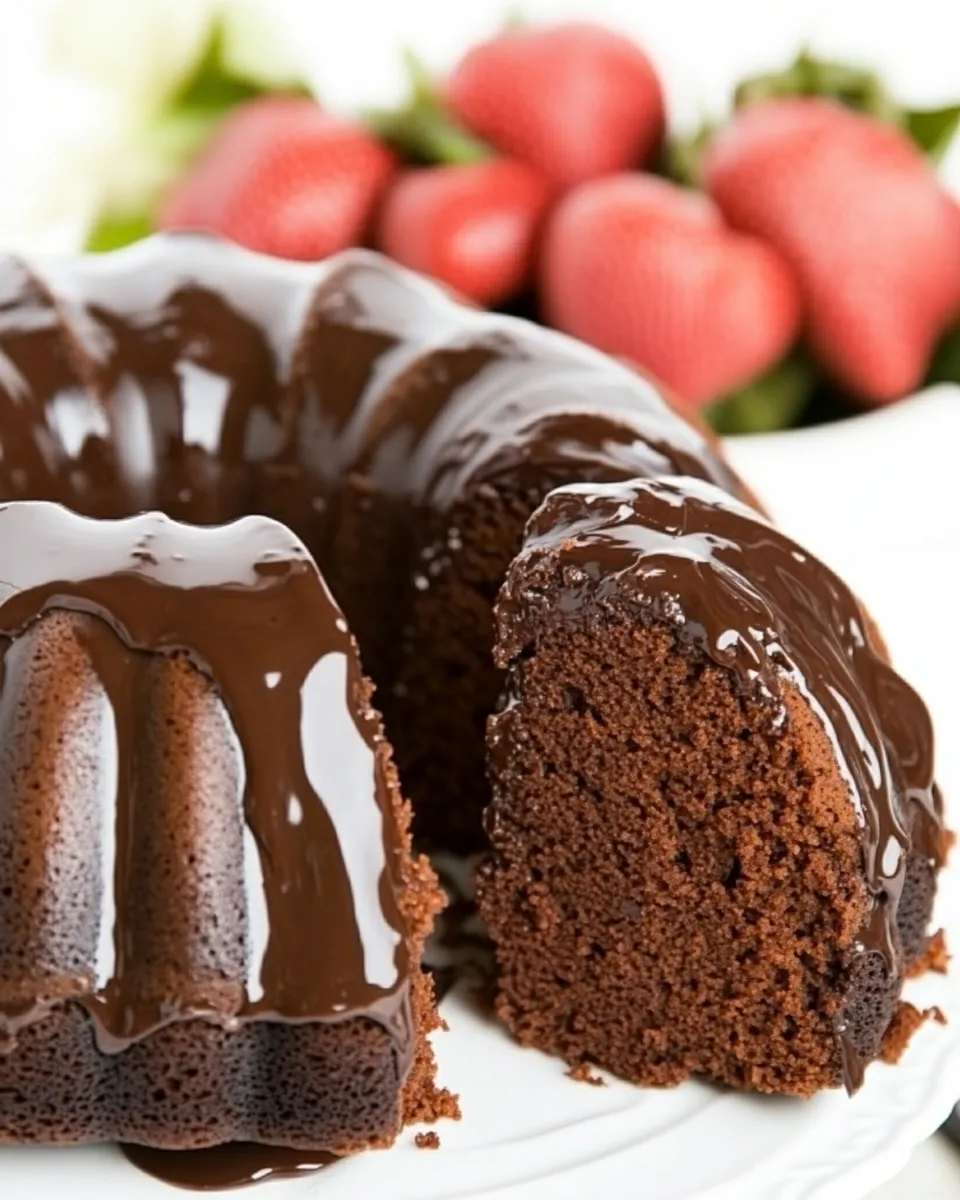
Texture and flavor are both intentionally balanced here. The sour cream contributes moisture without weighing the cake down. The melted bittersweet chocolate plus generous cocoa ensure a deep chocolate profile, while the brown sugar supplies a gentle caramel note that plays well with the bittersweet edge.
It’s also forgiving. The batter comes together in stages so you don’t overwork it, and the Bundt shape hides small imperfections while delivering a dramatic presentation. The stovetop icing is quick and glossy—no tempering or complicated timing required. For those reasons, this cake reliably satisfies everyone from casual chocolate lovers to serious enthusiasts.
No-Store Runs Needed
Look through your pantry for these staples: flour, sugar, cocoa powder, eggs, butter, salt. If you already bake regularly you likely have everything. The only ingredients that might require a quick trip are the bittersweet chocolate or evaporated milk, but both keep well and are handy to have on hand for future desserts.
If you’re short on time, you can prep the chocolate base and measure the dry ingredients ahead of time; the batter comes together quickly once the mixer is charged up.
Tools & Equipment Needed
- Standard 12-cup Bundt pan — necessary for the shape and even baking.
- Pastry brush — for coating the pan with the butter-cocoa mixture.
- Heatproof bowl — to melt chocolate and combine with boiling water.
- Electric mixer (stand or handheld) — gives the batter the right lift and texture.
- Wire cooling rack and baking sheet/tray — for cooling and catching icing drips.
- Medium saucepan — for making the icing.
- Measuring cups and kitchen scale (optional) — the recipe lists gram weights; a scale improves consistency.
Pitfalls & How to Prevent Them
Overmixing the batter is the most common mistake. Follow the stepwise additions: add flour in thirds and the chocolate mixture in halves. Mix only until just combined to avoid a dense cake.
Undercooking or overcooking can both happen. Start checking at 45 minutes with a skewer. You’re looking for a few moist crumbs—not a wet batter. Oven temperatures vary; a reliable oven thermometer helps.
Sticking to the pan: coat the Bundt thoroughly with the melted butter/cocoa mix and allow the pan to sit briefly. Let the cake cool 10 minutes in the pan before inverting; too soon and it may break, too long and it can be hard to release cleanly.
Icing setting too fast: the icing begins to thicken quickly as it cools. Position your rack and tray beforehand and pour the icing while it’s warm. Work quickly and steadily—if it begins to set, you can briefly warm it again over low heat for a few seconds while stirring.
Nutrition-Minded Tweaks
If you want a slightly lighter serving without changing the recipe, slice thinner pieces and pair each slice with fresh fruit which adds natural sweetness and reduces the perceived need for a large slice. The cake stores well, so serving modest portions over a few days keeps waste low.
For a less-sweet finish, consider drizzling less icing or reserving some to serve on the side. The cake itself is rich and chocolate-forward, so you can often get away with a lighter coating without losing the indulgent experience.
Insider Tips
Temperature matters
Bring eggs and sour cream to room temperature before you begin. It helps the batter emulsify and gives you a smoother, more evenly textured cake.
Work in stages
Divide-and-conquer: splitting the dry ingredients and chocolate-sour-cream mixture as the recipe instructs prevents overmixing and ensures an even batter. Scrape the bowl often so no streaks hide in the folds.
Finishing flourish
If you want an extra glossy finish, pour the icing in two passes: a thin initial coat to adhere to every ridge, then a second pour to add shine and thickness. Temperatures will dictate timing—don’t wait too long between pours.
Storing, Freezing & Reheating
Store the iced cake in an airtight container or wrapped tightly in plastic at room temperature for up to 3 days, as the recipe instructs. Keep it away from direct sunlight or heat sources to prevent the icing from softening excessively.
Freezing is possible though the icing may change texture slightly: flash-freeze the uncut cake on a tray until firm, then wrap tightly in plastic and again in foil. Thaw in the refrigerator overnight and bring to room temperature before serving. For best texture, you can refresh slices in a low 300°F (150°C) oven for 8–10 minutes to revive warmth and texture—watch closely so it doesn’t dry out.
Your Top Questions
Can I use Dutch-process cocoa instead of natural? The recipe calls for natural unsweetened cocoa powder, which reacts with baking soda for lift. If you only have Dutch-process cocoa (alkalized), the cake can still be made, but expect slightly different rise and a subtler acidity; using a small adjustment to leavening would be ideal, though many home bakers use what they have with good results.
Is the espresso powder required? No—it’s optional. It brightens chocolate flavor without tasting like coffee, but omit it entirely if you prefer.
Can I make this in a different pan? A 12-cup Bundt gives the ideal surface area and baking time. If you switch to a different pan, expect changes in bake time and possibly texture.
Wrap-Up
This Chocolate Bundt Cake with Chocolate Fudge Icing is practical, reliable, and rewards a small amount of attention with outstanding results. Follow the stepwise method, watch your bake time, and pour the icing while it’s warm. Keep slices modest if you want to make it last—the richness means a little goes a long way. Bake it once and you’ll find plenty of reasons to make it again.
Chocolate Bundt Cake with Chocolate Fudge Icing
Ingredients
Equipment
Method
- Preheat the oven to 350°F (177°C) and place a rack in the lower-middle position.
- Prepare the Bundt pan: stir together 1 tablespoon melted butter and 1 tablespoon cocoa powder until smooth. Using a pastry brush, coat the entire interior of a standard 12-cup Bundt pan with the mixture. Set the pan aside.
- Make the chocolate base: in a medium heatproof bowl combine 3/4 cup (64.5 g) natural unsweetened cocoa powder, 6 ounces (170.1 g) finely chopped bittersweet chocolate, and 1 teaspoon instant espresso powder (optional). Pour 3/4 cup (187.5 ml) boiling water over the mixture and whisk until fully melted and smooth. Set the bowl aside to cool to room temperature.
- When the chocolate mixture is at room temperature, whisk in 1 cup (230 ml) sour cream until smooth.
- In a separate medium bowl whisk together 1 3/4 cups (218.75 g) all-purpose flour, 1 teaspoon baking soda, and 1 teaspoon salt. Set this dry mixture aside.
- In the bowl of an electric mixer (or using a handheld mixer), beat 3/4 cup (170.25 g) unsalted butter, 2 cups (440 g) light brown sugar, and 1 tablespoon vanilla extract on medium-high speed until light and fluffy, about 3 minutes.
- Reduce the mixer speed to medium and add the 5 eggs one at a time, beating well after each addition and scraping down the sides of the bowl as needed.
- Prepare to combine: divide the dry flour mixture into three equal portions, and divide the cooled chocolate-sour cream mixture into two equal portions.
- With the mixer on medium-low, add the first third of the flour mixture and mix just until beginning to incorporate. Add half of the chocolate mixture and mix until just combined. Scrape the sides of the bowl.
- Add the second third of the flour mixture and mix until just combined. Add the remaining half of the chocolate mixture and mix until just combined. Scrape the bowl again.
- Add the final third of the flour mixture and mix until just incorporated. Scrape the sides and bottom of the bowl and beat on medium-low for about 30 seconds to fully combine the batter without overmixing.
- Pour the batter evenly into the prepared Bundt pan, smooth the top if needed, and bake on the lower-middle rack for 45 to 50 minutes, or until a skewer inserted into the center comes out with just a few moist crumbs attached.
- Remove the pan from the oven and place it on a wire cooling rack. Let the cake cool in the pan for 10 minutes. Then invert the pan onto the rack to release the cake and cool the cake completely to room temperature, about 3 hours.
- Make the icing: place 1/2 cup (113.5 g) unsalted butter, 1/2 cup (43 g) cocoa powder, and 6 tablespoons evaporated milk in a medium saucepan over medium-high heat. Whisk occasionally and bring the mixture to a boil.
- Once boiling, add 3 3/4 cups (450 g) powdered sugar, 1 teaspoon vanilla extract, and 1/4 teaspoon salt. Whisk continuously until the icing is smooth, about 30 seconds. Immediately remove the pan from the heat.
- Place the cooled cake on a wire rack set over a tray or baking sheet to catch drips. Pour the warm icing over the top of the cake, starting in the center and allowing it to drip down the sides. Work quickly—the icing begins to set as it cools.
- Let the icing set. Store the cake in an airtight container or wrapped in plastic wrap at room temperature for up to 3 days.
Notes
Nutritional values are based on one serving