Chocolate Macarons
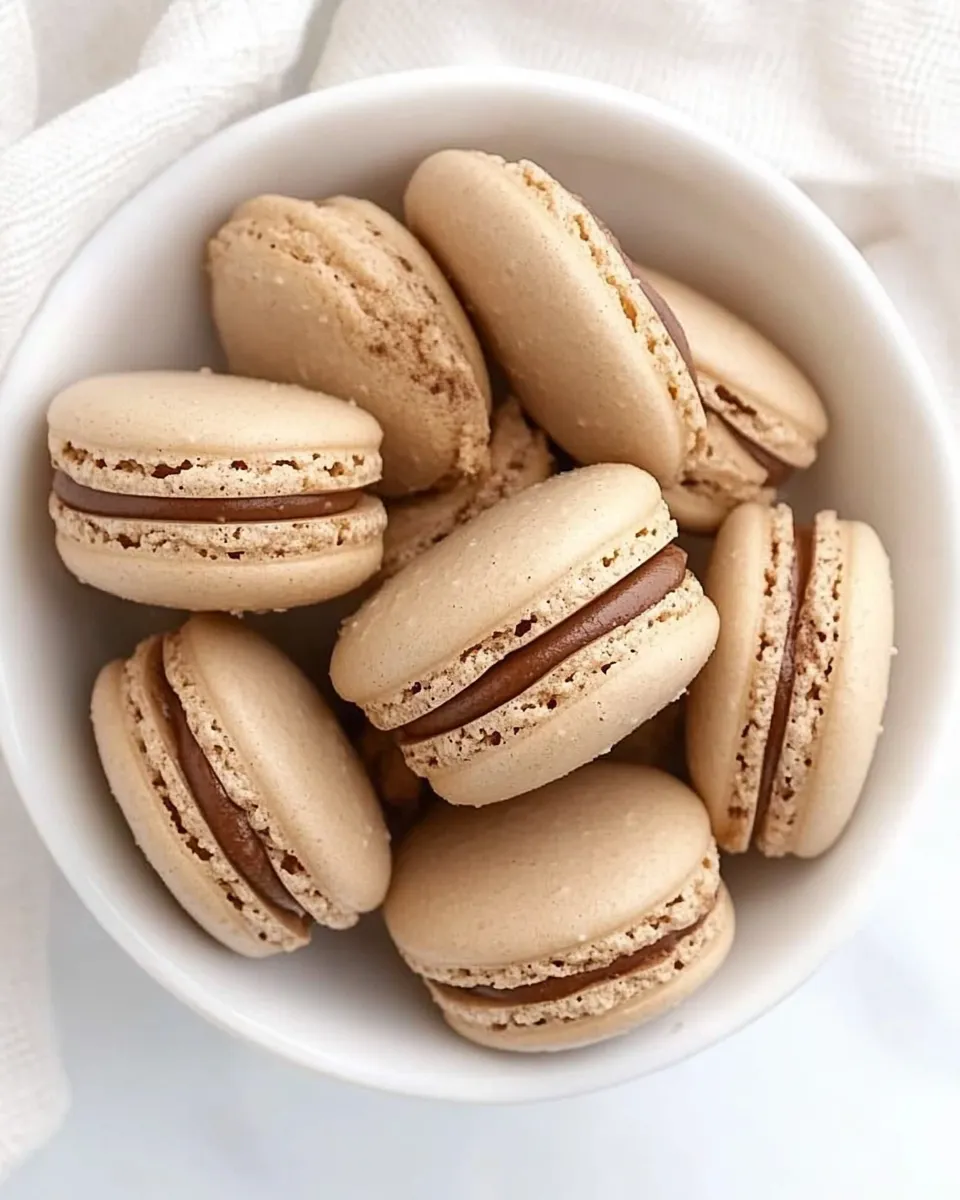
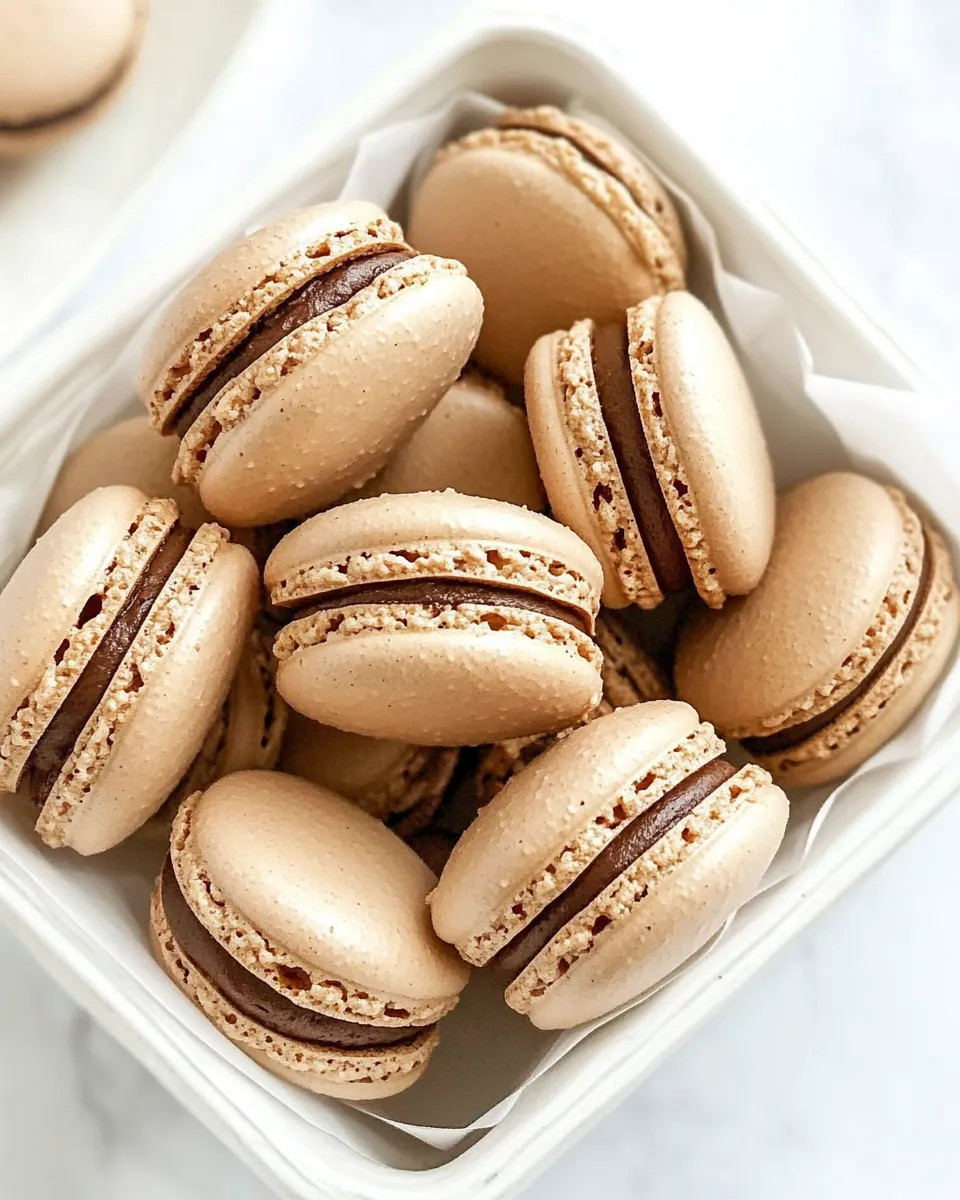
When I set out to make chocolate macarons, I wanted the shells to be glossy, delicate, and just sturdy enough to hold a generous swirl of Nutella buttercream. These take a bit of attention—especially at the folding stage—but once you understand the texture you’re aiming for, the process becomes predictable. I like to think of macaron-making as controlled patience: precise steps, small wins, and a delicious payoff.
This recipe balances almond and cocoa in the shells and pairs them with a silky Nutella buttercream and a semisweet chocolate drizzle. I’ll keep the instructions practical and the tips immediate—what to watch for, where people usually go wrong, and simple ways to get consistent results. If you’ve had mixed luck with macarons before, read the troubleshooting and “little things” sections closely; they’ll save you time and frustration.
Packaged into the sections below you’ll find the ingredient list (with short notes), step-by-step directions exactly as written, and focused advice on gear, storage, allergies, and small details that matter. Follow the steps and respect the sensory cues—texture, look, and timing—and you’ll pull together a tray of impressive Chocolate Macarons.
Ingredient Rundown
Ingredients
- 130 grams almond flour — provides the base texture and nutty flavor; use finely ground for smooth shells.
- 120 grams powdered sugar — sweetens and helps create the shell’s smooth surface when combined with almond flour.
- 10 grams good quality unsweetened cocoa powder, dutch process or natural — adds chocolate flavor and color; sift well with the other dry ingredients.
- 100 grams egg whites at room temperature (around 3 large egg whites) — the structure for your meringue; room temperature whites whip more easily.
- ¼ teaspoon cream of tartar — stabilizes the egg whites and helps build volume.
- 90 grams granulated sugar — sweetens the meringue; caster sugar works well if you have it.
- ½ cup unsalted butter, softened to room temperature — base for the Nutella buttercream; should be soft but not melted.
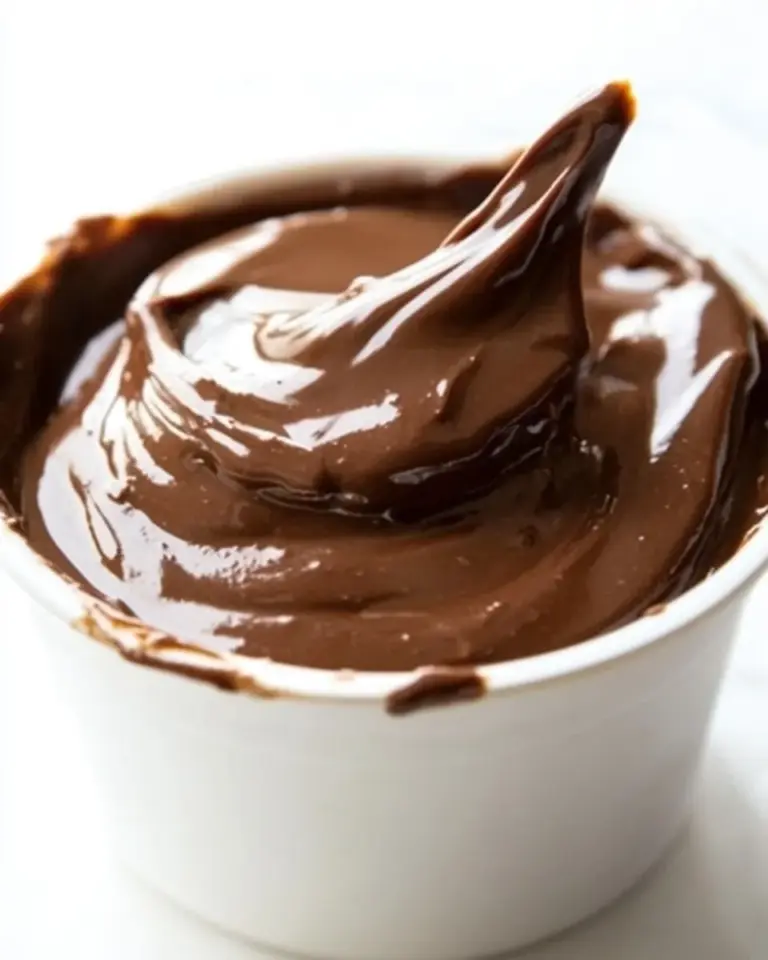
- ½ cup Nutella — gives the buttercream its signature chocolate-hazelnut flavor and richness.
- 1 cup powdered sugar — sweetens and stabilizes the buttercream; add gradually to control texture.
- 2 tablespoons heavy whipping cream — loosens and lightens the filling; adjust a touch if needed for piping consistency.
- 1 teaspoon pure vanilla extract — deepens flavor in the filling; use good-quality vanilla.
- pinch salt — balances sweetness in the buttercream and enhances chocolate notes.
- ½ cup semisweet chocolate chips, melted — for drizzling and decoration; melt gently to avoid seizing.
- crushed hazelnuts — optional garnish for the drizzled shells; adds crunch and contrast.
How to Prepare (Chocolate Macarons)
- Line baking sheets with parchment paper or silicone mats (a macaron template is optional). Preheat nothing yet.
- In a food processor combine 130 grams almond flour, 120 grams powdered sugar, and 10 grams unsweetened cocoa powder. Pulse (blitz) about 16 times to combine.
- Sift the processed dry mixture into a bowl. Discard any coarse bits left in the sifter. Set the sifted dry mixture aside.
- Ensure your glass or metal mixing bowl and beaters are completely dry and grease-free. Put 100 grams room-temperature egg whites (about 3 large egg whites) and 1/4 teaspoon cream of tartar into the bowl.
- Using a hand mixer on high speed, beat the egg whites and cream of tartar until frothy, about 1 minute.
- With the mixer running on high, slowly add 90 grams granulated sugar. Continue beating on high until you reach stiff peaks (when you lift the beater the peaks stand straight up and do not fold over). Do not overbeat.
- Fold one-half of the sifted dry mixture into the meringue: use a flexible spatula to cut around the outside of the bowl and fold through the center. Continue folding until no dry streaks remain.
- Add the remaining sifted dry mixture and continue folding. Work until the batter reaches a molten-lava consistency: it should be smooth and flow slowly off the spatula, and you should be able to draw a figure-8 that does not break apart. Stop folding as soon as you reach this stage to avoid overmixing.
- Transfer the batter to a pastry bag fitted with a large round tip (for example Wilton 2A). Tap the bag to remove air.
- Pipe 1 1/2–2 inch (3.8–5 cm) even circles onto the prepared baking sheets, spacing them about 1 inch (2.5 cm) apart.
- Gently tap the bottom of each baking sheet on the counter 5–6 times to release large air bubbles. Pop any remaining large bubbles on the surface with a toothpick (move the toothpick in a circular motion to drag the bubble out).
- Let the piped macarons rest at room temperature for 45 minutes to 1 hour until they develop a skin: the tops should no longer be sticky and should feel firm to the touch (no batter should come off on your finger).
- Preheat the oven to 320°F (160°C) while the shells finish drying.
- Bake the macarons, one sheet at a time if necessary, for 15–17 minutes. The macarons are done when the tops are set and you can gently touch the top without the shell moving on the feet.
- Remove the baking sheet from the oven and allow the macarons to cool completely on the sheet before trying to remove them.
- While the shells are cooling, make the filling: in the bowl of a stand mixer fitted with the paddle (or using a hand mixer), beat 1/2 cup softened unsalted butter and 1/2 cup Nutella on high speed for 3–4 minutes until smooth.
- With the mixer on low, gradually add 1 cup powdered sugar until just combined, then add 2 tablespoons heavy whipping cream, 1 teaspoon pure vanilla extract, and a pinch of salt.
- Increase the mixer speed to high and beat the filling for 3–4 minutes until light and whipped in texture. Transfer the buttercream to a pastry bag fitted with a large round tip.
- Melt 1/2 cup semisweet chocolate chips until smooth (microwave in short bursts, stirring between intervals, or use a double boiler). Transfer the melted chocolate to a small resealable bag or piping bag and snip a small corner for drizzling.
- To decorate half of the macaron shells: flip those shells over so the flat side is up, drizzle melted chocolate over each, and, if desired, sprinkle with crushed hazelnuts. Let the drizzle set.
- Assemble the macarons: flip the remaining (non-drizzled) shells over so the flat sides face up. Pipe a generous circle of Nutella buttercream onto each non-drizzled shell, then top with a drizzled shell to form sandwiches.
- Chill assembled macarons for at least 24 hours in an airtight container if possible for best texture, or serve after the filling has set. Store finished macarons in an airtight container in the refrigerator.
Why It’s Crowd-Pleasing
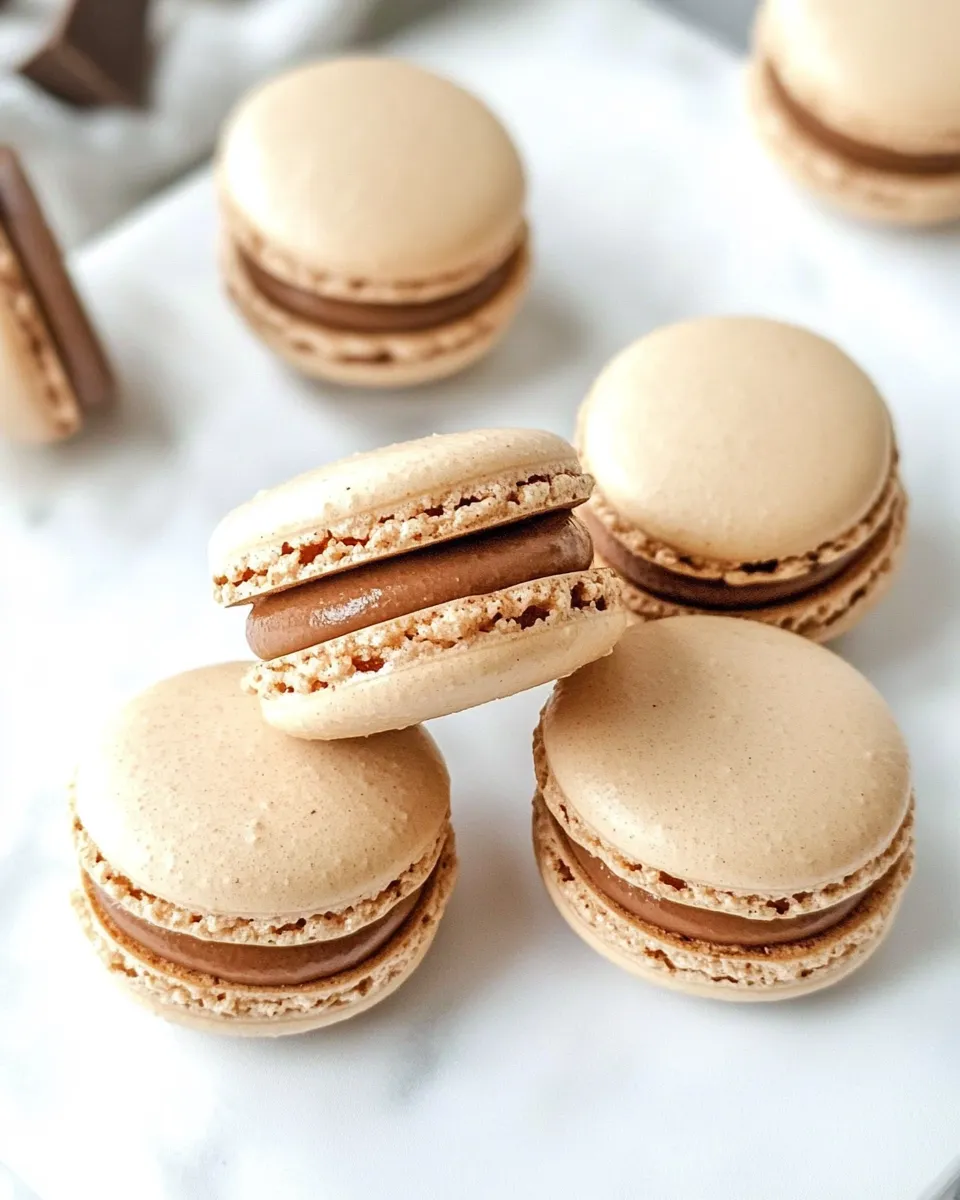
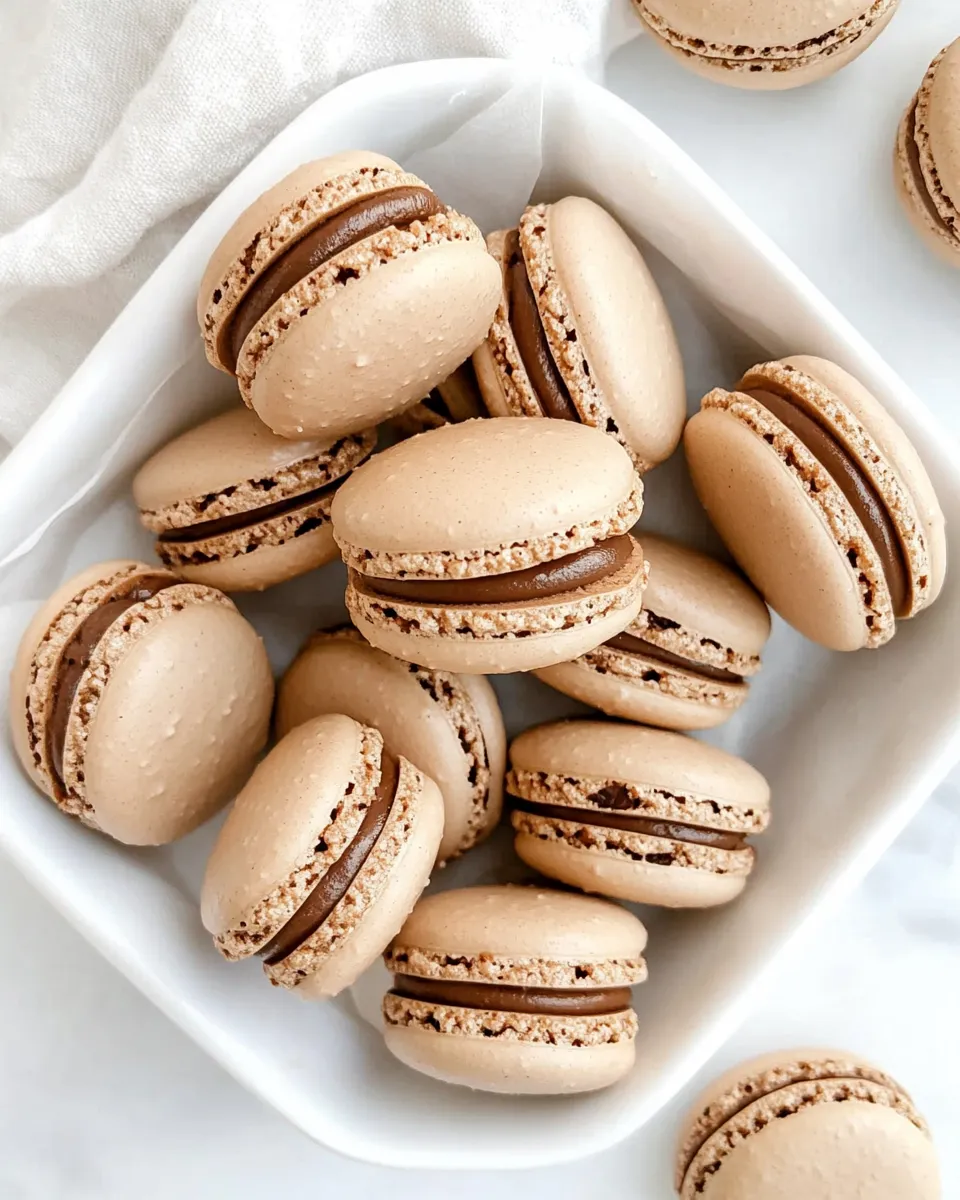
Chocolate Macarons hit multiple pleasure points: they’re visually elegant, bite-sized, and offer a satisfying contrast between a crisp shell and a soft, flavorful interior. The chocolate in the shell lifts the Nutella filling, so the whole flavor profile stays cohesive and not overly sweet. People respond to macarons because they feel special—perfect for gifts, parties, or a small indulgence with coffee.
Texture is the real draw. When the feet are present and the shell separates cleanly from the backing paper, you get that delicate snap followed by a chewy center. That combination feels sophisticated but approachable, which is why these work at both formal and casual gatherings.
Allergy-Friendly Substitutes
Macarons are almond-based, so they’re not naturally nut-free. If you need a nut-free alternative, these shells won’t translate directly, but you can explore aquafaba macarons (using chickpea brine) and substitute a neutral protein powder in place of almond flour with careful testing. For dairy-free filling, swap the butter for a stable dairy-free spread and use a dairy-free chocolate and non-dairy cream to adjust texture.
For less sugar: powdered sugar is essential to shell texture and smoothness, so reduce sparingly. In the filling you can cut the powdered sugar slightly and increase Nutella or use a chocolate-hazelnut paste with less sugar. Keep in mind small changes will alter texture and stability.
Gear Checklist
- Food processor — to pulse the dry ingredients to a fine, even texture.
- Sifter or fine-mesh sieve — to remove any coarse bits and ensure smooth shells.
- Large glass or metal mixing bowl — for whipping egg whites; must be dry and grease-free.
- Hand mixer or stand mixer — needed for stiff meringue and for buttercream.
- Flexible spatula — for folding without deflating the batter excessively.
- Pastry bags and large round tips (e.g., Wilton 2A) — for even piping of shells and filling.
- Baking sheets and parchment or silicone mats — for baking; a macaron template is optional.
- Small resealable bag or piping bag — for the chocolate drizzle.
Learn from These Mistakes
- Overbeating the meringue. If the peaks are dry and granular, the shells lose elasticity and can crack or lack feet. Stop at stiff peaks—smooth, glossy, and not grainy.
- Undermixing or overmixing the batter. Undermixed batter shows dry streaks and won’t form feet; overmixed batter becomes thin and won’t hold shape. Aim for that molten-lava figure-8 description and stop folding when it’s reached.
- Skipping the rest for a skin. If the piped shells aren’t allowed to form a skin, they won’t develop feet and can crack. Rest for 45–60 minutes, depending on humidity.
- Baking too many sheets at once. Hot spots and uneven airflow cause inconsistent rise. Bake one sheet at a time if your oven runs hot.
- Removing shells too soon. If the shells are warm, they may stick to the paper. Cool completely on the sheet for easy removal.
Nutrition-Minded Tweaks
If you’re watching calories or sugar, these are treats rather than everyday snacks. To reduce sugar slightly, cut the filling powdered sugar by a couple of tablespoons and compensate with a touch more Nutella or a stronger vanilla to keep flavor. Be cautious—changing sugar in the shells can affect structure.
For a slightly lighter filling, try halving the butter and bulking with a high-quality hazelnut spread (though texture will change). Another approach: make smaller 1-inch shells to reduce portion size without altering the recipe ratios.
Little Things that Matter
Temperature and humidity impact macarons more than other cookies. On humid days, shells take longer to dry; in very dry climates they may form a skin faster. Watch the surface—not the clock. The skin should not be sticky to the touch.
Use room-temperature egg whites and make sure bowls are grease-free. Even a trace of oil can prevent whites from reaching full volume. Also, gently tapping the sheet to release big bubbles and using a toothpick to pop remaining ones makes the surface smooth and prevents holes in the baked shells.
Best Ways to Store
For best texture, assemble and then chill the macarons in an airtight container for at least 24 hours—this allows flavors to meld and the interior to soften slightly. Store assembled macarons in the refrigerator for up to 5 days. For longer storage, freeze in an airtight container for up to 1 month; thaw in the fridge before serving.
If you need to hold shells before filling, keep them in a single layer in an airtight container at room temperature for 2–3 days, or freeze and thaw gently before filling.
Quick Questions
- Q: My shells cracked in the oven — what happened?
A: Cracking usually means the shells didn’t form a proper skin or the oven temperature was too high. Make sure they rested until tops are not sticky and check your oven temperature with an oven thermometer. - Q: No feet — why?
A: Either the batter was too loose (overmixed) or too stiff (undermixed). Also ensure your meringue reached stiff peaks before folding. - Q: Can I make these ahead?
A: Yes. Shells can be baked ahead and frozen. Assembled macarons are best after chilling 24 hours; they’ll keep in the fridge for up to 5 days. - Q: Can I use a different filling?
A: Absolutely. You can swap Nutella buttercream for ganache or plain buttercream, but keep in mind the texture and sweetness will change.
Time to Try It
Chocolate Macarons reward practice. The first batch may be an experiment in temperament, but the second will feel familiar. Work methodically: measure, pulse, sift, whip, fold to the right consistency, rest, and bake. Keep notes—what oven rack you used, how long shells rested, and how the batter looked at the lava stage. Those small records help you repeat success.
When you pull a tray from the oven with perfect feet and smooth tops, you’ll know the effort was worth it. Share them, savor one with coffee, and enjoy the quiet satisfaction of getting macarons right. If you try the recipe, come back and note what worked for you—I love swapping tips with fellow bakers.
Chocolate Macarons
Ingredients
Equipment
Method
- Line baking sheets with parchment paper or silicone mats (a macaron template is optional). Preheat nothing yet.
- In a food processor combine 130 grams almond flour, 120 grams powdered sugar, and 10 grams unsweetened cocoa powder. Pulse (blitz) about 16 times to combine.
- Sift the processed dry mixture into a bowl. Discard any coarse bits left in the sifter. Set the sifted dry mixture aside.
- Ensure your glass or metal mixing bowl and beaters are completely dry and grease-free. Put 100 grams room-temperature egg whites (about 3 large egg whites) and 1/4 teaspoon cream of tartar into the bowl.
- Using a hand mixer on high speed, beat the egg whites and cream of tartar until frothy, about 1 minute.
- With the mixer running on high, slowly add 90 grams granulated sugar. Continue beating on high until you reach stiff peaks (when you lift the beater the peaks stand straight up and do not fold over). Do not overbeat.
- Fold one-half of the sifted dry mixture into the meringue: use a flexible spatula to cut around the outside of the bowl and fold through the center. Continue folding until no dry streaks remain.
- Add the remaining sifted dry mixture and continue folding. Work until the batter reaches a molten-lava consistency: it should be smooth and flow slowly off the spatula, and you should be able to draw a figure-8 that does not break apart. Stop folding as soon as you reach this stage to avoid overmixing.
- Transfer the batter to a pastry bag fitted with a large round tip (for example Wilton 2A). Tap the bag to remove air.
- Pipe 1 1/2–2 inch (3.8–5 cm) even circles onto the prepared baking sheets, spacing them about 1 inch (2.5 cm) apart.
- Gently tap the bottom of each baking sheet on the counter 5–6 times to release large air bubbles. Pop any remaining large bubbles on the surface with a toothpick (move the toothpick in a circular motion to drag the bubble out).
- Let the piped macarons rest at room temperature for 45 minutes to 1 hour until they develop a skin: the tops should no longer be sticky and should feel firm to the touch (no batter should come off on your finger).
- Preheat the oven to 320°F (160°C) while the shells finish drying.
- Bake the macarons, one sheet at a time if necessary, for 15–17 minutes. The macarons are done when the tops are set and you can gently touch the top without the shell moving on the feet.
- Remove the baking sheet from the oven and allow the macarons to cool completely on the sheet before trying to remove them.
- While the shells are cooling, make the filling: in the bowl of a stand mixer fitted with the paddle (or using a hand mixer), beat 1/2 cup softened unsalted butter and 1/2 cup Nutella on high speed for 3–4 minutes until smooth.
- With the mixer on low, gradually add 1 cup powdered sugar until just combined, then add 2 tablespoons heavy whipping cream, 1 teaspoon pure vanilla extract, and a pinch of salt.
- Increase the mixer speed to high and beat the filling for 3–4 minutes until light and whipped in texture. Transfer the buttercream to a pastry bag fitted with a large round tip.
- Melt 1/2 cup semisweet chocolate chips until smooth (microwave in short bursts, stirring between intervals, or use a double boiler). Transfer the melted chocolate to a small resealable bag or piping bag and snip a small corner for drizzling.
- To decorate half of the macaron shells: flip those shells over so the flat side is up, drizzle melted chocolate over each, and, if desired, sprinkle with crushed hazelnuts. Let the drizzle set.
- Assemble the macarons: flip the remaining (non-drizzled) shells over so the flat sides face up. Pipe a generous circle of Nutella buttercream onto each non-drizzled shell, then top with a drizzled shell to form sandwiches.
- Chill assembled macarons for at least 24 hours in an airtight container if possible for best texture, or serve after the filling has set. Store finished macarons in an airtight container in the refrigerator.
Notes
Storing: Place the macarons in an airtight container and place in the refrigerator for at least 24 hours for best results. Bring to room temperature before serving.
Avoid making macarons on humid days. Cool and dry weather will help you get the best results.
It is essential to use a kitchen scale when making macarons. While you can use measuring cups, but you won’t get perfect results every time so I strongly recommend weighing all of your ingredients before beginning.
Be careful not to overbeat the egg whites! As soon as you reach stiff peaks, stop the mixer. Overbeating will result in hollow macaron shells.
Do NOT bake the macarons before the shells dry, I always leave them to set over the countertop for at least 45 minutes to 1 hour, then touch the tops to make sure they’re no longer sticky and are ready to be baked.
Nutrition: A rough estimate is calculated per full macaron cookie with filling, without the chocolate drizzle.
Do NOT open the oven as the macarons are being baked, only open after 14 minutes and check.