Chocolate Madeleines
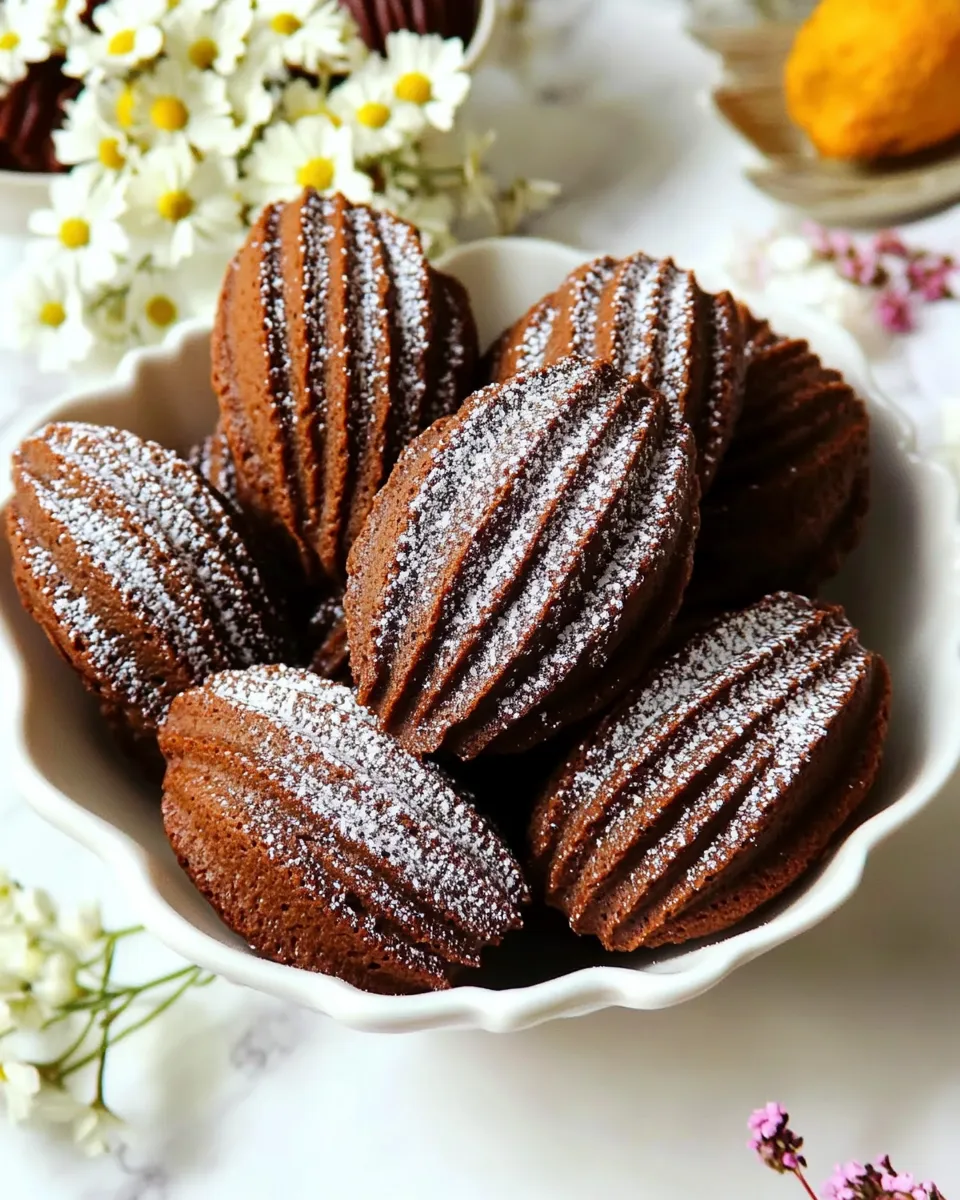
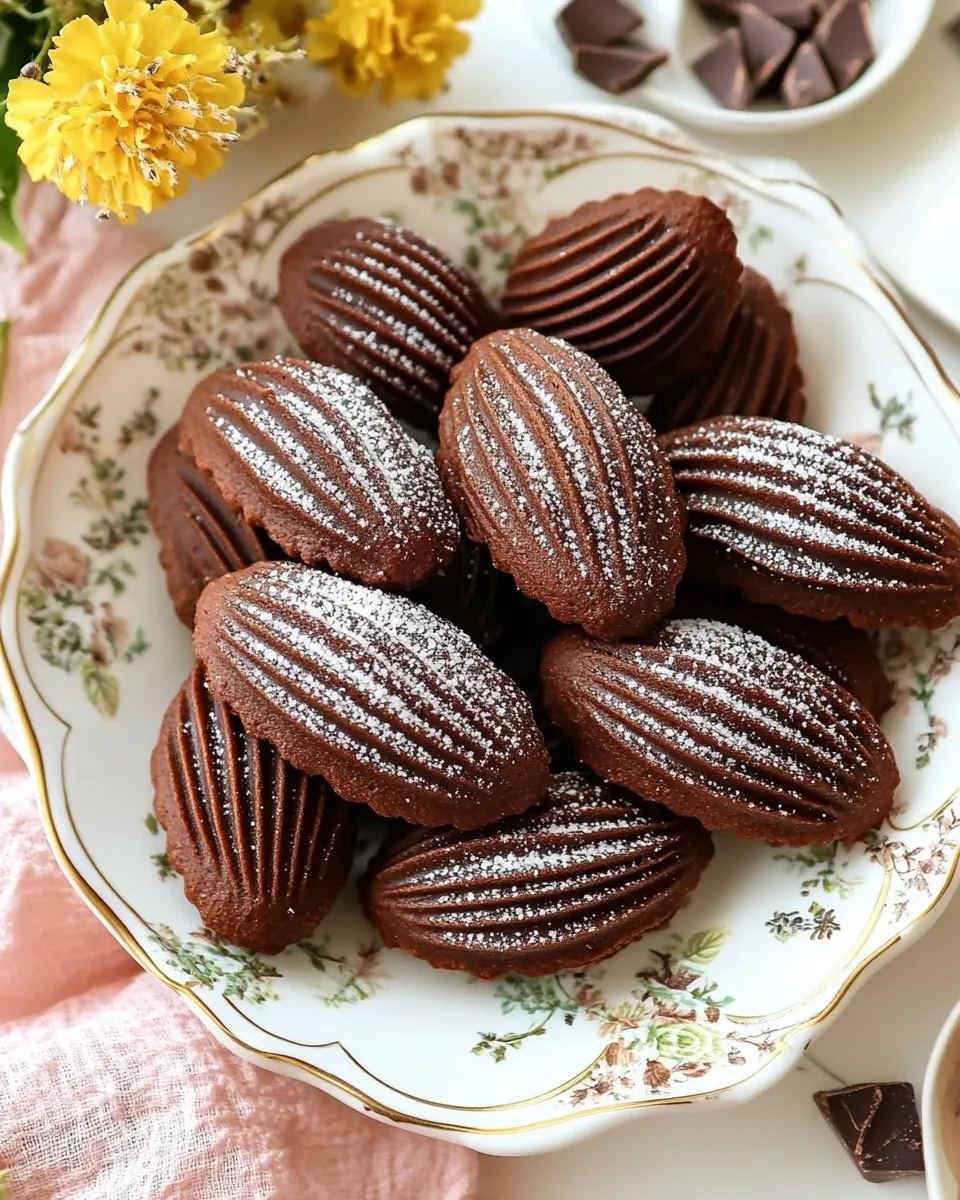
These chocolate madeleines are a small, reliable joy — crisp at the edges, tender and slightly springy inside, with a clean chocolate note. They bake fast, clean up quickly, and reward you with something impressive enough to bring to brunch or to keep beside the afternoon coffee. No fuss dessert, just a few clear steps and a good oven.
I test recipes the way I live: practical, repeatable, and forgiving when life gets in the way. This one tolerates a muffin tin if you don’t own a madeleine pan, and it asks only for ingredients you likely already have on hand. Follow the sequence and the small temperature cues and you will get the classic shell-shaped bump or a lovely cupcake-like top if using muffin cups.
Below you’ll find the ingredient list with short tips, the exact step-by-step instructions to follow, and helping sections: tools, common mistakes, freezer notes, and simple holiday-friendly ideas that keep the recipe approachable. Read the instructions once, assemble the mise en place, and the rest moves quickly.
Ingredient List
- 3 eggs — provide structure and lift; room-temperature eggs mix more evenly with the butter.
- 100 g melted chocolate — the primary chocolate flavor; melt gently and cool to warm so it doesn’t cook the eggs.
- 1 tbsp vanilla extract — rounds and brightens the chocolate; add with the eggs for even distribution.
- 10 g baking powder — the leavening agent; helps the madeleines spring up and form their characteristic hump.
- 100 g butter at room temperature — adds richness and tenderness; beat until pale and creamy for better aeration.
- 100 g sugar — sweetness and structure; creamed with the butter to incorporate air.
- 150 g flour — the base of the batter; whisk with baking powder for even lift.
- A pinch of salt — balances and enhances the chocolate and sweetness.
How to Prepare (Chocolate Madeleines)
- Preheat the oven to 180 °C (356 °F) and place a rack in the center. Lightly grease madeleine molds or muffin cups with a little of the room-temperature butter; if you like, dust the greased molds lightly with a pinch of the flour.
- If your chocolate is not already melted, melt the 100 g chocolate gently (microwave in short bursts or over a double boiler) and let it cool until warm but not hot (too-hot chocolate can cook the eggs).
- In a large bowl, beat the 100 g room-temperature butter and 100 g sugar together on medium speed until pale and creamy, about 2–3 minutes.
- Add the 3 eggs one at a time, beating after each addition until fully incorporated. Add the 1 tbsp vanilla extract and mix briefly to combine.
- With the mixer on low, pour in the warm melted chocolate and mix until evenly combined.
- In a separate bowl, whisk together the 150 g flour, 10 g baking powder, and the pinch of salt.
- Fold the dry ingredients into the wet mixture gently with a spatula until just combined and the batter is smooth and slightly airy. Do not overmix.
- Spoon the batter into the prepared madeleine molds or muffin cups, filling each about two-thirds full to leave room for rising.
- Bake for 10–15 minutes (madeleines) or longer if using muffin cups, until the tops are golden and a toothpick inserted into the center comes out with a few moist crumbs.
- Remove from the oven, let the cakes rest in the pan for 1–2 minutes, then transfer them to a wire rack to cool. Cool completely before serving.
Why I Love This Recipe
This recipe wins because it strikes a fine balance between speed and quality. The batter comes together quickly; you don’t need long rests or tempering tricks. Yet the final texture is delicate and satisfying — not heavy, not cakey. Chocolate is integrated into the batter, so every bite is evenly flavored instead of just having a glaze or a chip here and there.
It’s also versatile. Use the madeleine pan for the classic look, or muffin cups when you want to make a larger batch with what you already own. The method teaches an important habit: melt the chocolate gently and cool it before mixing with eggs. That single step preserves a tender crumb and avoids the grainy, curdled textures that can happen if the chocolate is too hot.
No-Store Runs Needed
One of the best practical things about these madeleines is that they lean on pantry staples. If you’re looking at your counter wondering what you can skip buying, the answer is almost nothing: eggs, butter, sugar, flour, baking powder, salt, vanilla, and chocolate. Those are common in most kitchens.
If you don’t have a madeleine pan, use muffin cups — the recipe explicitly accommodates that option. If your chocolate bar is the only thing missing, check for chocolate chips, a chocolate spread that can be melted, or even a small baking chocolate stash tucked away. The method still works with any solid chocolate that melts smoothly.
Essential Tools for Success
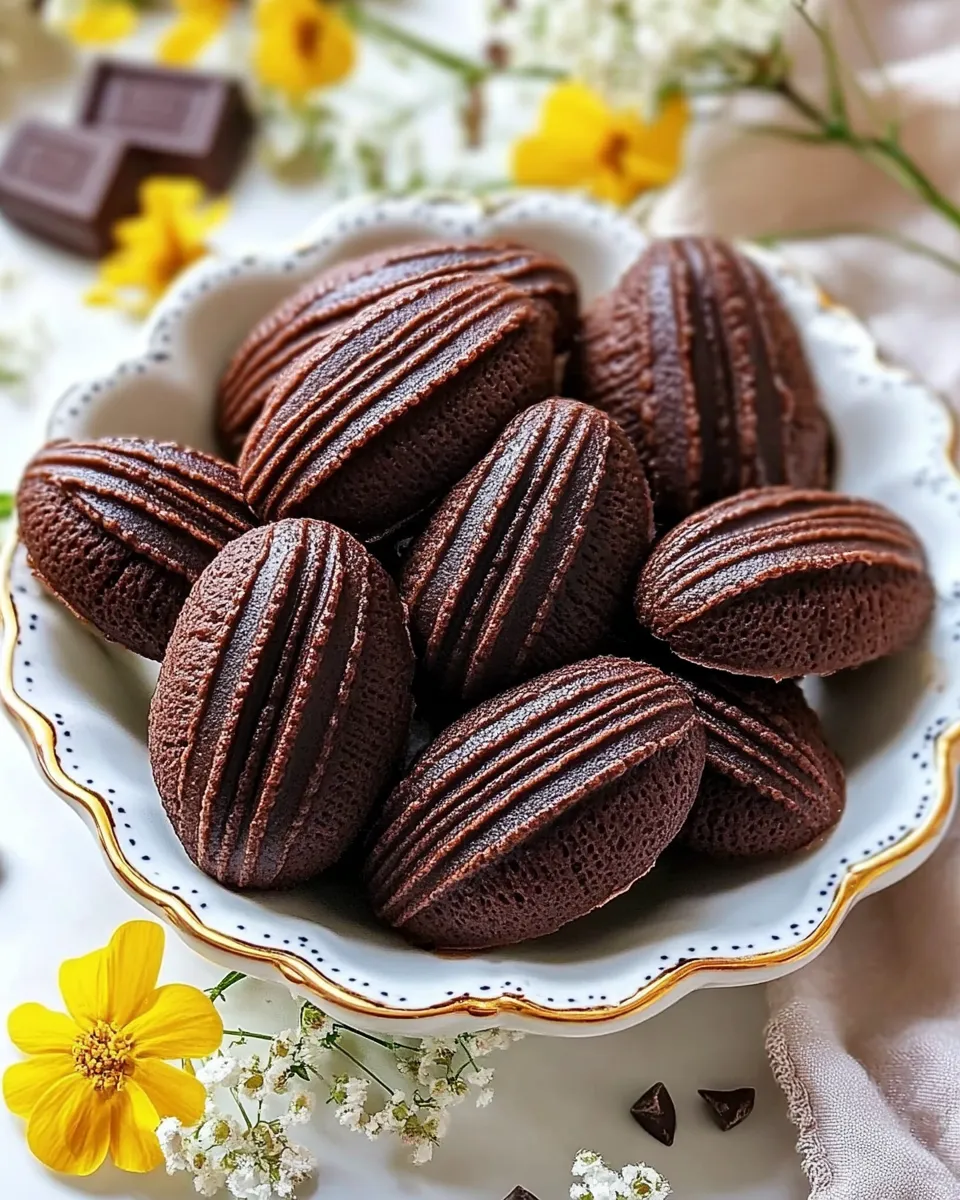
- Madeleine pan or muffin tin — for shape and portion control.
- Electric mixer or sturdy whisk — to cream butter and sugar until pale and airy.
- Heatproof bowl or double boiler / microwave-safe bowl — to melt the 100 g chocolate gently.
- Spatula — for folding the dry ingredients without overworking the batter.
- Sifter or whisk — to blend flour with baking powder and salt evenly.
- Wire rack — to cool the madeleines quickly and avoid sogginess from residual steam.
- Measuring scale or precise spoons — the recipe uses gram measurements; accurate measuring makes repeatable cupcakes and madeleines.
Avoid These Mistakes
- Mixing the chocolate in while it’s too hot — it can cook the eggs and make the batter grainy. Let the chocolate cool until warm, not hot.
- Overmixing after adding the flour — folding gently keeps the batter light and prevents dense cakes.
- Overfilling molds — fill about two-thirds full; too much batter leads to overflow and uneven baking.
- Skipping the brief rest in the pan — removing them immediately can cause them to break; a 1–2 minute rest helps them set enough to come out cleanly.
- Not preheating the oven properly — the initial blast of heat helps the madeleine hump form; a consistent 180 °C ensures reliable timing and texture.
Holiday-Friendly Variations
You don’t need a long ingredient list to make these feel festive. Keep the base recipe and tweak the finish or the size. Use the madeleine pan for small elegant bites as party finger food. Bake in muffin cups for a cozier, brunch-style presentation.
If you want a slightly more luxurious finish, reserve a small portion of melted chocolate and dip half of each madeleine after they cool completely. Let the chocolate set at room temperature or in a cool spot, then arrange on a serving platter. That keeps the ingredient list unchanged while adding a refined look.
Little Things that Matter
Small techniques make a big difference here. First, bring the butter and eggs to room temperature. They emulsify better and give the batter a silkier texture. Second, when creaming butter and sugar, aim for a pale, ribbon-like consistency — that adds air and improves the crumb.
Third, when you fold flour into the batter, do it gently and stop as soon as there are no streaks of flour left. Overworking develops gluten, which makes the madeleines tough. Finally, timing matters: keep the baking time as a guide and test with a toothpick toward the shorter end if you prefer a moister center.
Freezer-Friendly Notes
These madeleines freeze and reheat well. Cool them completely on a wire rack, then freeze them in a single layer on a tray for an hour to firm up. Once solid, transfer into an airtight container or resealable bag and store for up to 2 months. They thaw at room temperature in 10–20 minutes, depending on size.
If you want to serve them warm from frozen, pop them into a 150–160 °C oven for about 5–7 minutes — watch closely so they don’t dry out. Avoid freezing with any chocolate dip already applied; instead, dip after thawing and cool briefly for the best finish.
Quick Q&A
- Can I use a muffin tin instead of madeleine molds? Yes. The recipe notes that baking time will be longer if you use muffin cups. Watch for a golden top and the toothpick test.
- Why must the chocolate be warm, not hot? Too-hot chocolate will cook the eggs when mixed, which affects texture. Warm chocolate blends smoothly and keeps the batter tender.
- Can I make the batter ahead? You can prepare the batter and chill it briefly, but for best lift, bake soon after assembling. If you refrigerate the batter, allow it to come to room temperature before baking.
- How do I know when they’re done? Tops should be golden and a toothpick inserted into the center should come out with a few moist crumbs, not wet batter.
Bring It to the Table
Serve the madeleines at room temperature for the best texture. If you dipped a few in melted chocolate, let them set fully before arranging. They pair beautifully with coffee, tea, or a small cup of espresso if you want contrast. For a casual brunch, place them on a tiered stand; for a simple afternoon treat, serve three to four on a small saucer.
Store leftovers in an airtight container at room temperature for up to two days or freeze as described above. Reheat briefly if you prefer them warm. The recipe is straightforward, forgiving, and reliably delicious — a small investment of time that yields consistently satisfying results.
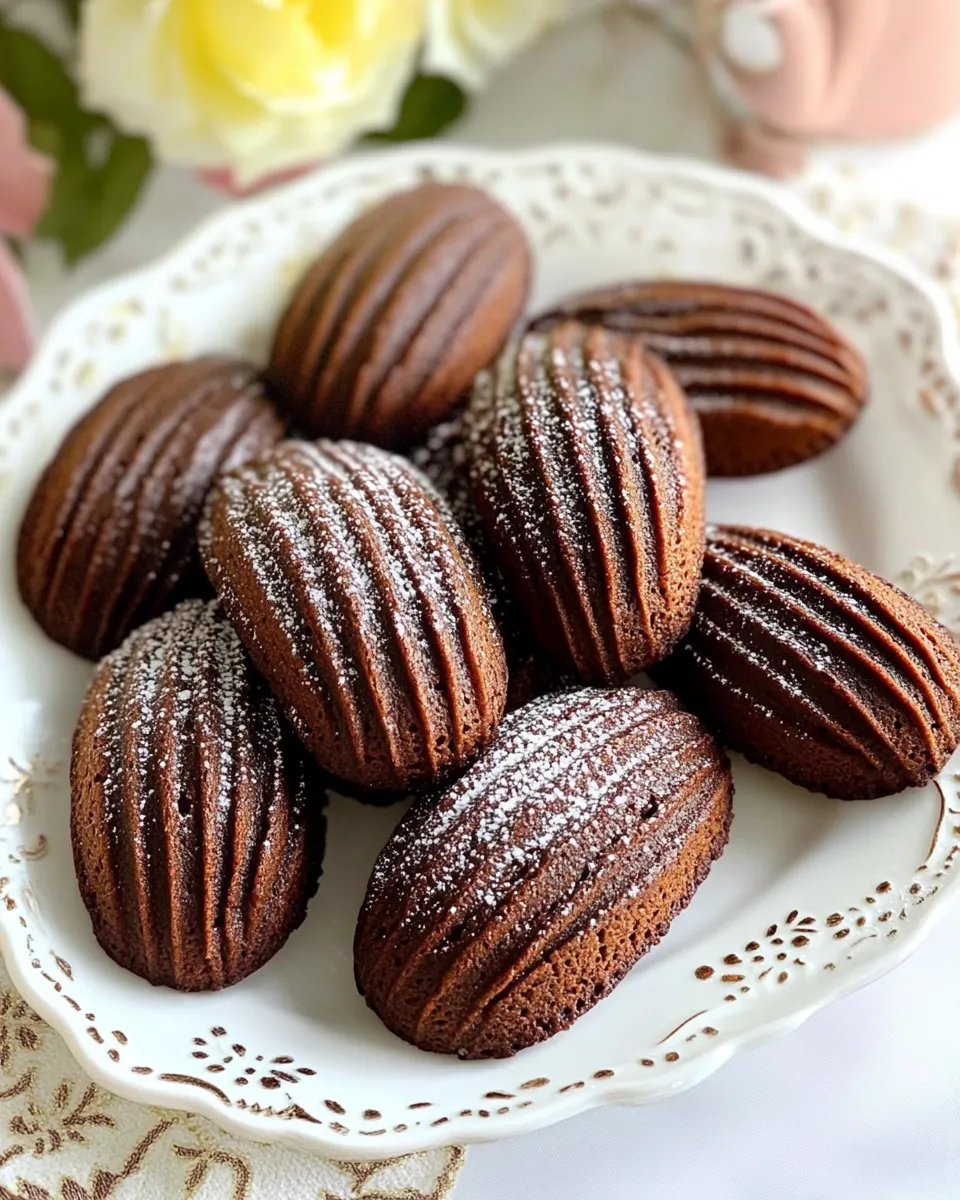
Chocolate Madeleines
Ingredients
Equipment
Method
- Preheat the oven to 180 °C (356 °F) and place a rack in the center. Lightly grease madeleine molds or muffin cups with a little of the room-temperature butter; if you like, dust the greased molds lightly with a pinch of the flour.
- If your chocolate is not already melted, melt the 100 g chocolate gently (microwave in short bursts or over a double boiler) and let it cool until warm but not hot (too-hot chocolate can cook the eggs).
- In a large bowl, beat the 100 g room-temperature butter and 100 g sugar together on medium speed until pale and creamy, about 2–3 minutes.
- Add the 3 eggs one at a time, beating after each addition until fully incorporated. Add the 1 tbsp vanilla extract and mix briefly to combine.
- With the mixer on low, pour in the warm melted chocolate and mix until evenly combined.
- In a separate bowl, whisk together the 150 g flour, 10 g baking powder, and the pinch of salt.
- Fold the dry ingredients into the wet mixture gently with a spatula until just combined and the batter is smooth and slightly airy. Do not overmix.
- Spoon the batter into the prepared madeleine molds or muffin cups, filling each about two-thirds full to leave room for rising.
- Bake for 10–15 minutes (madeleines) or longer if using muffin cups, until the tops are golden and a toothpick inserted into the center comes out with a few moist crumbs.
- Remove from the oven, let the cakes rest in the pan for 1–2 minutes, then transfer them to a wire rack to cool. Cool completely before serving.