Chocolate Quinoa Cookies
These Chocolate Quinoa Cookies balance chewy chocolate, toasty coconut, and a pleasantly nutty quinoa flour base. They’re not a dense health bar disguised as a cookie — they’re honest, chocolate-forward cookies with a subtle toasted coconut crunch and a clean ingredient list. I make a batch when I want something that feels a little special but doesn’t require babysitting in the kitchen.
The method is straightforward: toast the coconut, mix the dry flours and cocoa, whisk a simple wet mixture, fold everything together, chill, shape, coat in coconut, and bake. The refrigeration step gives the cookies structure and helps them hold shape during a quick bake, producing tender insides and crackled tops.
Below you’ll find precise ingredient notes, the exact step-by-step directions, swaps for common pantry situations, troubleshooting tips, and storage guidance. Read through once, then tackle the recipe — it rewards attention and produces reliably good results.
Ingredient Notes
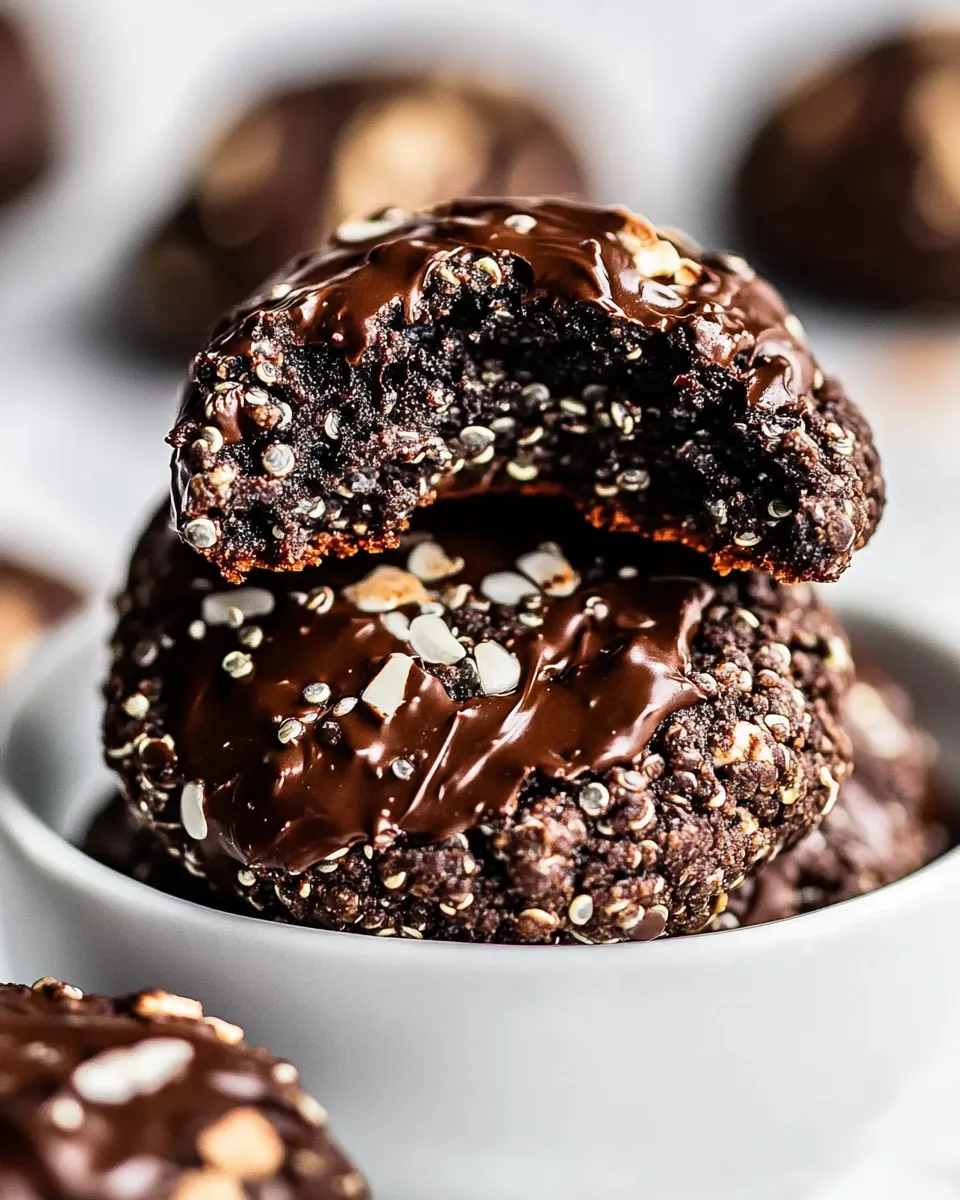
Short notes on the ingredients before you start: some items are flexible (sugar types, extract), others are essential to the cookie’s texture (oat flour, toasted quinoa flour, melted coconut oil). Toasting the coconut is a small step that pays off in aroma and crunch — don’t skip it. Measure flours properly; quinoa flour is the flavor backbone here.
Ingredients
- 2 cups unsweetened coconut flakes, divided — you’ll toast all of it, use half in the dough and reserve half for coating the formed cookies.
- 1 1/2 cups oat flour — adds tenderness and a mild, slightly sweet oat flavor; measure by spooning into the cup and leveling.
- 1 1/2 cups toasted quinoa flour — provides nutty depth and structure; toasted quinoa flour is important for flavor.
- 1/2 cup Dutch-processed cocoa powder, sifted if lumpy — gives the cookies a rich chocolate profile and dark color; sift if it’s clumpy for an even mix.
- 3/4 teaspoon baking soda — the leavening that gives a slight lift and helps the tops crackle.
- 1/2 teaspoon salt — balances sweetness and sharpens the chocolate flavor.
- 1 cup light-brown sugar (or raw sugar or coconut sugar) — brown sugar brings moisture and a subtle molasses note; other listed sugars are acceptable swaps.
- 2/3 cup coconut oil, melted — provides fat and coconut flavor; melt and cool slightly before combining with eggs.
- 2 large eggs, room temperature — binders that also contribute tenderness; bring to room temp for even mixing.
- 6 tablespoons honey — adds chewiness and a hint of floral sweetness; helps with browning.
- 1 teaspoon coconut extract or vanilla extract — coconut extract emphasizes the coconut; vanilla works if you prefer a more classic chocolate cookie.
- 2 tablespoons water — small amount to adjust dough consistency and hydrate dry ingredients.
- 1 cup semi-sweet chocolate chips — the melty pockets of chocolate; fold in last so they stay intact through chilling.
How to Prepare Chocolate Quinoa Cookies
- Preheat oven to 350°F (use only when indicated below). Line a rimmed baking sheet with parchment paper for toasting the coconut.
- Spread all 2 cups unsweetened coconut flakes in an even layer on the prepared baking sheet. Toast in the oven for 3 minutes, stir, then continue toasting 1 to 3 more minutes if needed until the coconut is light golden brown. Watch closely — it browns quickly.
- Remove the baking sheet from the oven and let the toasted coconut cool on the sheet for about 5 minutes, or until no longer hot. Measure out 1 cup toasted coconut flakes for the dough and leave the remaining 1 cup on the baking sheet for coating.
- In a medium mixing bowl, stir together 1 cup toasted coconut flakes, 1 1/2 cups oat flour, 1 1/2 cups toasted quinoa flour, 1/2 cup Dutch-processed cocoa powder (sift first if lumpy), 3/4 teaspoon baking soda, and 1/2 teaspoon salt. Set this dry mixture aside.
- In a large mixing bowl, whisk together 1 cup light-brown sugar (or raw sugar or coconut sugar), 2/3 cup melted coconut oil, 2 large eggs (room temperature), 6 tablespoons honey, 1 teaspoon coconut extract or vanilla extract (as listed), and 2 tablespoons water until smooth and fully combined.
- Add the dry mixture to the wet mixture and stir until just combined. Fold in 1 cup semi-sweet chocolate chips.
- Turn the dough onto plastic wrap, shape it into a log, wrap tightly, and refrigerate for at least 30 minutes, or until the dough is firm and no longer sticky.
- When the dough has chilled, remove it from the refrigerator. Preheat the oven to 350°F (if not already preheated) and line one or two baking trays with parchment paper. Position an oven rack in the center of the oven.
- Using a rounded tablespoon, portion the chilled dough into 35 equal pieces. Place the portions on a clean plate or the lined baking sheet and let them rest at room temperature for 10 minutes to soften slightly.
- After resting, form each portion into a ball and roll each ball in the remaining 1 cup toasted coconut flakes to coat.
- Place the coated cookie balls on the prepared baking sheet(s) about 2 inches apart.
- Bake on the center rack for 6 to 9 minutes, or until the tops are no longer wet-looking. They may crackle slightly.
- Let the cookies sit on the baking sheet for 2 to 5 minutes to firm up, then transfer them to a wire rack to cool completely.
Why This Recipe Works
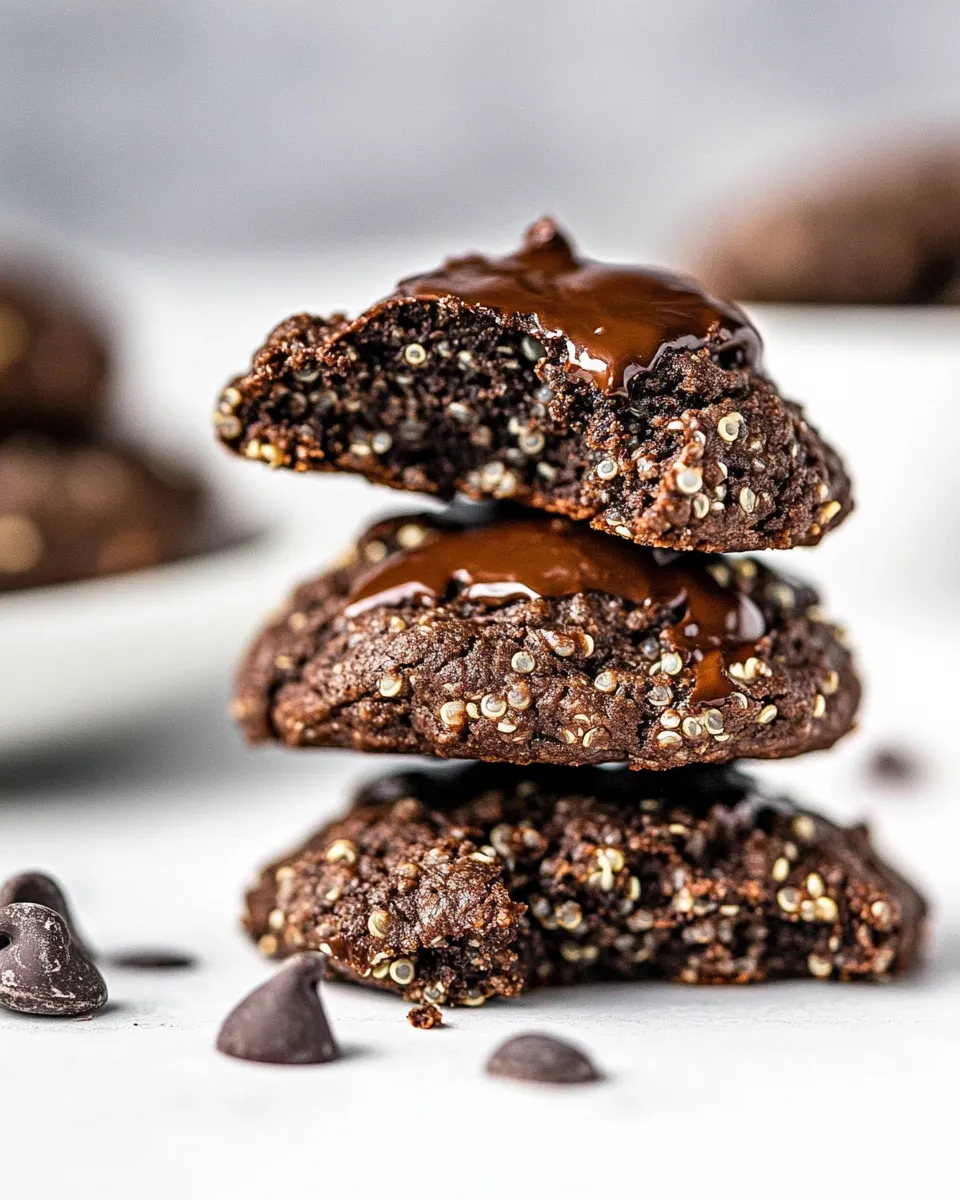
Three details keep these cookies successful: texture balance, flavor concentration, and timing. Toasted quinoa flour gives a deep, nutty backbone without being gritty; combined with oat flour it yields a tender crumb that still holds together. Dutch-processed cocoa provides rich, mellow chocolate without the bright acidity of natural cocoa — it pairs cleanly with toasted coconut.
The chilled dough is vital. Because of the higher coconut oil content and the mix of flours, the dough benefits from firming up so cookies don’t spread too much during a short, hot bake. The short bake time preserves a slightly soft center while allowing the tops to set and crackle, producing that ideal cookie contrast.
Ingredient Swaps & Substitutions
- Sugar: Light-brown sugar can be swapped with raw sugar or coconut sugar as noted; expect minor differences in moisture and flavor. Brown sugar yields a moister, slightly chewier result.
- Extract: If you don’t have coconut extract, use vanilla extract — it makes the cookie more classically chocolate-forward.
- Oat flour: If you must, grind rolled oats to make oat flour at home fine enough to measure. Don’t substitute regular wheat flour without adjusting liquid; the texture will change.
- Quinoa flour: Toasted quinoa flour is significant for flavor. If you only have plain quinoa flour, toast it gently in a dry skillet until fragrant to mimic the flavor profile.
- Coconut oil: Solid butter will work but it will alter the coconut flavor; melt butter and use the same volume, then chill appropriately before shaping.
- Sweeteners: If you’re avoiding honey, a neutral syrup like maple or agave can replace it 1:1, though flavor notes will shift.
Must-Have Equipment
- Rimmed baking sheet: For toasting coconut and baking cookies — rimmed is safer to prevent spills while stirring.
- Parchment paper: For even toasting and easy cookie release.
- Mixing bowls: One medium for dry ingredients, one large for wet.
- Measuring cups and spoons: Accurate measuring matters for flour and leavening.
- Plastic wrap: To shape and chill the dough log tightly.
- Wire rack: For cooling without steaming the bottoms.
- Rounded tablespoon scoop: For consistent cookie portions (or a small cookie scoop).
Common Errors (and Fixes)
- Cookies spread too much: Likely dough was too warm. Chill longer until firm and make sure coconut oil hadn’t been over-heated when melted. Refrigerate trays briefly before baking if your kitchen is warm.
- Dry, crumbly cookies: Possibly overmeasured flour or insufficient honey/oil. Check measuring technique (spoon and level for flours) and don’t skip the honey. If dough seems dry, add 1 teaspoon water at a time until it holds together before chilling.
- Coconut burned during toasting: Coconut browns quickly. Follow the short bake and watch closely during the final minutes; remove at light golden, not deep brown.
- Tops remain wet after baking: Bake a minute or two longer, but watch closely. Oven temperatures vary; check at the upper end of the 6–9 minute range and adjust next batch accordingly.
Seasonal Twists
Turn these cookies into a seasonal treat with small, thoughtful additions. In fall, fold in 1/2 teaspoon ground cinnamon and a pinch of ground cloves to the dry mix for warm spice notes. For winter holidays, substitute half the chocolate chips with chopped toasted walnuts and add a pinch of orange zest for a festive lift. In summer, mix in 1/2 cup dried cherries in place of some chocolate chips for bright, tart contrast.
Behind the Recipe
I developed this recipe to use toasted quinoa flour and coconut without creating a dense, gluten-free loaf. The goal was a cookie with chocolate as the star, but with a unique texture and flavor profile: coconut’s toasty sweetness, quinoa’s nuttiness, and a quick bake to keep interiors tender. The chilling step came from testing: when the dough rested, cookies kept shape and had a better balance of chew and structure.
Storage & Reheat Guide
Store cooled cookies in an airtight container at room temperature for up to 3 days. To keep them a bit softer, place a slice of apple or an orange wedge in the container (discard after a day). For longer storage, freeze in a single layer on a tray until firm, then transfer to a freezer-safe bag for up to 3 months.
To reheat from frozen, unwrap and place on a baking sheet at 300°F for 6–8 minutes until warm through; from room-temp storage, 30 seconds in the microwave will soften them, or 3–5 minutes at 300°F will refresh the exterior without overbaking.
Your Questions, Answered
Q: Can I make the dough a day ahead? A: Yes — you can refrigerate the tightly wrapped log for up to 24 hours before portioning and coating. If chilling longer, freeze the log and slice partially frozen to maintain shape.
Q: Will these cookies be gluten-free? A: They can be if your oat flour and toasted quinoa flour are certified gluten-free. Always check labels if you need strict gluten-free baking.
Q: Can I skip toasting the coconut? A: The cookies will still work, but toasting adds aroma and a toasty crunch that lifts the overall flavor. It’s worth the extra step.
Time to Try It
Read the recipe through once, preheat your oven for the coconut toast step, and set out the measured ingredients. Toast the coconut first — that small, fragrant step rewards you through the entire bake. Chill the dough long enough; the payoff is worth the wait: evenly shaped cookies with tender centers and a lovely coconut crust.
Make a batch, share some (or don’t — I won’t judge), and note how your oven and ingredient brands behave. Small adjustments to bake time or chilling can make this recipe consistently excellent in your kitchen. Happy baking.
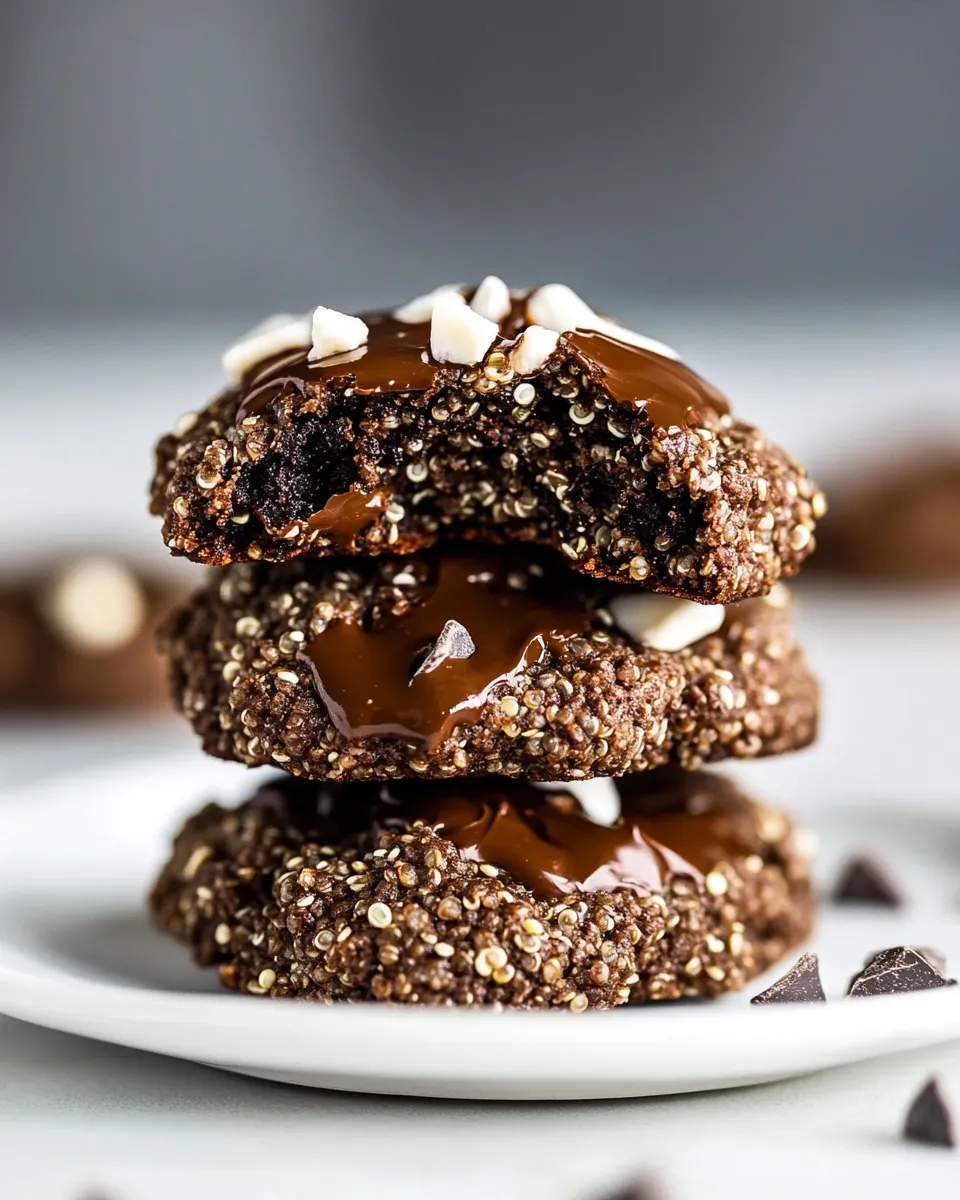
Chocolate Quinoa Cookies
Ingredients
Equipment
Method
- Preheat oven to 350°F (use only when indicated below). Line a rimmed baking sheet with parchment paper for toasting the coconut.
- Spread all 2 cups unsweetened coconut flakes in an even layer on the prepared baking sheet. Toast in the oven for 3 minutes, stir, then continue toasting 1 to 3 more minutes if needed until the coconut is light golden brown. Watch closely — it browns quickly.
- Remove the baking sheet from the oven and let the toasted coconut cool on the sheet for about 5 minutes, or until no longer hot. Measure out 1 cup toasted coconut flakes for the dough and leave the remaining 1 cup on the baking sheet for coating.
- In a medium mixing bowl, stir together 1 cup toasted coconut flakes, 1 1/2 cups oat flour, 1 1/2 cups toasted quinoa flour, 1/2 cup Dutch-processed cocoa powder (sift first if lumpy), 3/4 teaspoon baking soda, and 1/2 teaspoon salt. Set this dry mixture aside.
- In a large mixing bowl, whisk together 1 cup light-brown sugar (or raw sugar or coconut sugar), 2/3 cup melted coconut oil, 2 large eggs (room temperature), 6 tablespoons honey, 1 teaspoon coconut extract or vanilla extract (as listed), and 2 tablespoons water until smooth and fully combined.
- Add the dry mixture to the wet mixture and stir until just combined. Fold in 1 cup semi-sweet chocolate chips.
- Turn the dough onto plastic wrap, shape it into a log, wrap tightly, and refrigerate for at least 30 minutes, or until the dough is firm and no longer sticky.
- When the dough has chilled, remove it from the refrigerator. Preheat the oven to 350°F (if not already preheated) and line one or two baking trays with parchment paper. Position an oven rack in the center of the oven.
- Using a rounded tablespoon, portion the chilled dough into 35 equal pieces. Place the portions on a clean plate or the lined baking sheet and let them rest at room temperature for 10 minutes to soften slightly.
- After resting, form each portion into a ball and roll each ball in the remaining 1 cup toasted coconut flakes to coat.
- Place the coated cookie balls on the prepared baking sheet(s) about 2 inches apart.
- Bake on the center rack for 6 to 9 minutes, or until the tops are no longer wet-looking. They may crackle slightly.
- Let the cookies sit on the baking sheet for 2 to 5 minutes to firm up, then transfer them to a wire rack to cool completely.
Notes
Recipe from “The Sweet Side of Ancient Grains” by Erin Dooner