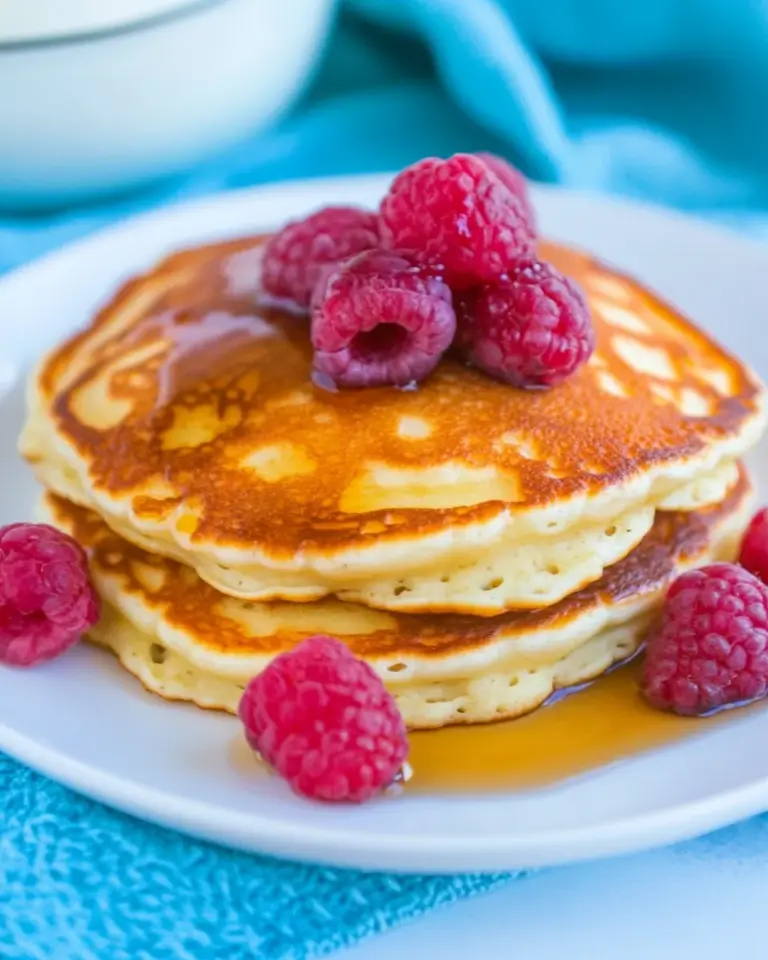
Cinnamon Raisin Pancakes
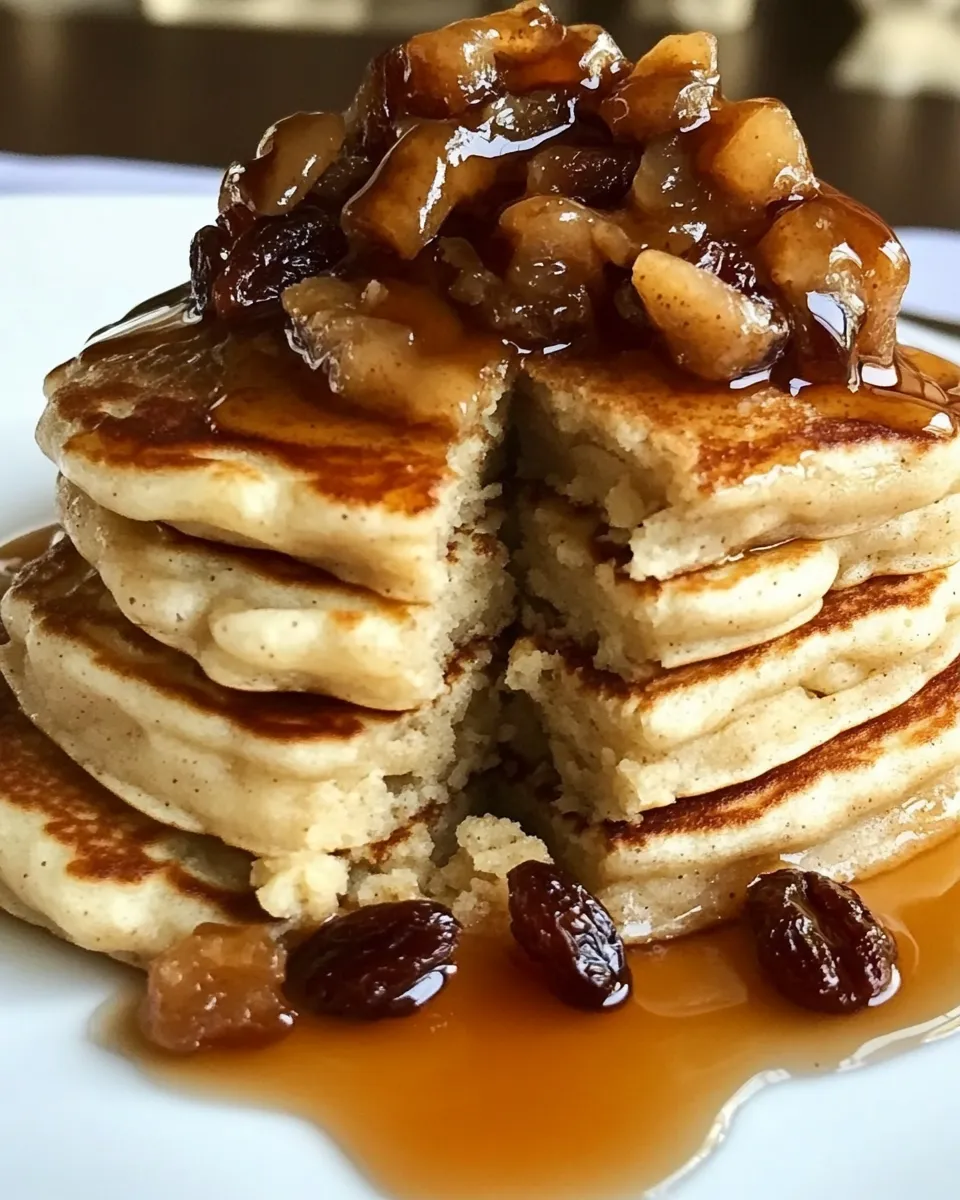
I make these Cinnamon Raisin Pancakes whenever the weekend asks for something cozy but not complicated. They’re forgiving, quick to pull together, and they smell like a small kitchen bakery as they cook. The batter is slightly lumpy on purpose; that’s how you keep the pancakes tender and light.
What I love most is the balance: warm spice from cinnamon, tiny pockets of sweetness from the sultanas or raisins, and a tender crumb that’s not too rich. The recipe leans on pantry staples and a couple of small swaps so you can make it work with what you already have. No elaborate technique, no specialty equipment — just attention to temperature and timing.
Read through once, assemble your bowls, and you’ll be flipping golden rounds in no time. Below I walk through the ingredients, the exact steps, sensible substitutions, and common pitfalls so you get consistent results every time.
Ingredient Rundown
Ingredients
- 1 cup all purpose flour or substitute flour of choice — provides structure for the pancakes; use a level cup when measuring for consistent results.
- 1 teaspoon baking powder — the leavening agent that gives lift and a light texture; check it’s fresh for best rise.
- ¼ cup natural sweetener or substitute sugar of choice — sweetens the batter; adjust slightly if you prefer more or less sweetness.
- 2 tablespoons light butter or coconut oil — fat for tenderness and flavor; a neutral fat keeps the batter tender without heaviness.
- 1 large egg — binds the batter and contributes to structure and browning; room temperature egg mixes more evenly.
- 1 teaspoon vanilla extract — lifts the overall flavor and rounds the spices.
- ½ teaspoon ground cinnamon — provides warm spice; if you like a stronger cinnamon note, you can increase slightly.
- ¾ cups unsweetened almond milk — the liquid component; unsweetened keeps the sugar balance predictable.
- 1 oz sultanas or raisins — little bursts of chewy sweetness; distribute them evenly through the batter so every bite gets some.
Step-by-Step: Cinnamon Raisin Pancakes
- In a medium bowl, whisk together 1 cup all purpose flour, 1 teaspoon baking powder, ½ teaspoon ground cinnamon, and ¼ cup natural sweetener until evenly combined.
- Melt 2 tablespoons light butter (or coconut oil) in a small bowl or saucepan. Reserve about 1 teaspoon of the melted butter for greasing the pan and set it aside.
- In a separate bowl, whisk 1 large egg and 1 teaspoon vanilla extract. Whisk in the remaining melted butter and ¾ cup unsweetened almond milk until combined.
- Pour the wet mixture into the dry ingredients and stir gently until just combined (batter should be slightly lumpy). Fold in 1 oz sultanas or raisins.
- Heat a nonstick pan or griddle over low–medium heat until hot (a drop of batter should sizzle slowly). Lightly grease the surface with the reserved butter.
- Pour ¼ cup of batter per pancake onto the pan, leaving space between pancakes. Cook until bubbles form on the surface and the edges look set, about 2–3 minutes.
- Flip each pancake and cook until golden and cooked through, about 1–2 minutes more.
- Transfer cooked pancakes to a plate and keep warm while you cook the remaining batter. Serve warm.
What Makes This Recipe Special
There’s an economy to this recipe that I appreciate: straightforward ingredients, clear steps, and a texture that’s consistently tender. The use of a light butter or coconut oil keeps the pancakes from feeling greasy while still offering some richness. Unsweetened almond milk keeps the batter light and allows the natural sweetener and sultanas to provide the sweetness rather than a heavy syrupy base.
The cinnamon and vanilla pairing is simple but effective — it creates depth without masking the lightness of the pancake. Folding the sultanas or raisins in at the end keeps them from dissolving into the batter, so they stay plump and provide little bursts of caramelized flavor when the pancakes hit the griddle.
Substitutions by Category
Flour
- 1 cup all purpose flour or substitute flour of choice — keep volume the same. Different flours absorb liquid differently, so expect small texture changes but no need to alter other amounts.
Sweetener
- ¼ cup natural sweetener or substitute sugar of choice — swap for your preferred granulated sweetener at the same volume if needed. Taste the batter and adjust slightly if you prefer it sweeter.
Fat
- 2 tablespoons light butter or coconut oil — either option works in the same quantity. Use the reserved teaspoon for greasing to prevent sticking.
Milk
- ¾ cups unsweetened almond milk — this liquid gives the batter its body. If you choose a different milk alternative, keep the same volume.
Add-ins
- 1 oz sultanas or raisins — you can stick to these or use a similar dried fruit option that you already have on hand in the same weight.
Tools of the Trade
- Medium mixing bowl — to combine dry ingredients comfortably.
- Small bowl or saucepan — to melt the butter or coconut oil safely.
- Whisk or fork — for smooth mixing of wet and dry components.
- Nonstick pan or griddle — ensures even browning without sticking.
- Measuring cups and spoons — precise amounts matter for consistent texture.
- Spatula — for gentle flipping without deflating pancakes.
- Plate and a low oven (optional) — to keep pancakes warm while finishing the batch.
Avoid These Traps
- Overmixing the batter — stirring until smooth creates tough pancakes. Stop when the batter is just combined and still slightly lumpy.
- Pan too hot — if it’s on high heat, the outside will brown before the center cooks. Aim for a low–medium setting and test with a small drop of batter.
- Using too much reserved butter for greasing — a thin smear is enough. Excess fat will fry the edges and make pancakes greasy.
- Dropping all batter at once — give each pancake enough space. Crowding cools the pan and causes uneven cooking.
- Forgetting to reserve a little melted fat — that teaspoon used to grease the pan prevents sticking without adding too much oil.
Seasonal Flavor Boosts
Since this recipe already centers on cinnamon and sweet dried fruit, seasonal adjustments can be subtle and effective without changing the core recipe. In cooler months I increase the cinnamon by a small pinch for warmth. During brighter seasons I focus on serving: a light topping and a squeeze of warm flavor balance the pancakes without altering the batter.
If you want a slightly more pronounced spice profile, increase the ground cinnamon a touch and make sure your vanilla is present to carry the flavor. For fruit-forward months, serve the pancakes alongside fresh seasonal fruit so the contrast highlights both the cinnamon and the raisins.
Method to the Madness
Every step has a reason. Whisking dry ingredients first distributes the baking powder and cinnamon evenly so every pancake rises the same. Melting the butter and reserving a teaspoon for the pan allows you to sauté the pancakes lightly without adding too much fat into the batter, which keeps them tender but not oily.
Whisking the egg with vanilla and then incorporating the remaining melted butter and almond milk creates a smooth emulsion that integrates with the dry mix. Pouring wet into dry and stirring gently prevents gluten overdevelopment. The low–medium heat gives the batter time to set through while creating attractive golden color.
Folding in the sultanas or raisins last keeps them from bleeding into the batter and concentrates their chewy texture. Cooking by the bubbles-and-set-edges rule is a dependable visual cue: it tells you the interior is ready to finish on the flip without being raw.
Shelf Life & Storage
- Room temperature — Best served immediately, but you can keep cooked pancakes covered on a plate for up to 2 hours without losing too much texture.
- Refrigerator — Store in an airtight container for up to 3 days. Reheat gently in a low oven or in a hot pan to restore some crispness to the edges.
- Freezer — Lay cooled pancakes flat on a tray to flash-freeze, then transfer to a container or bag. They freeze well for up to 1 month. Reheat from frozen in a toaster or in a low oven until warmed through.
FAQ
Can I make the batter ahead?
Yes. You can mix the dry ingredients and store them separately. If you mix wet and dry together, the batter is best used within a couple hours; the baking powder starts to lose its immediate lift as it sits. For the most reliable rise, cook shortly after mixing.
Can I make these dairy-free?
Yes. The recipe already includes unsweetened almond milk and offers coconut oil as an alternative to light butter. Use the coconut oil in the same quantity and reserve a teaspoon for greasing the pan.
What if my pancakes are flat?
Flat pancakes usually point to old baking powder or a batter that sat too long before cooking. Check freshness and cook soon after mixing.
How do I keep them from sticking?
Use a good nonstick surface, heat it to the right temp (a drop of batter should sizzle slowly), and use only the reserved teaspoon of butter or oil to grease between batches.
Ready, Set, Cook
Gather your ingredients and warm the pan: those small steps cut the work time down and make the whole process smoother. Follow the step-by-step directions exactly for dependable results, and use the troubleshooting tips if something goes off-track. This recipe makes a comforting batch of pancakes that are easy to scale up for company or keep cozy for two.
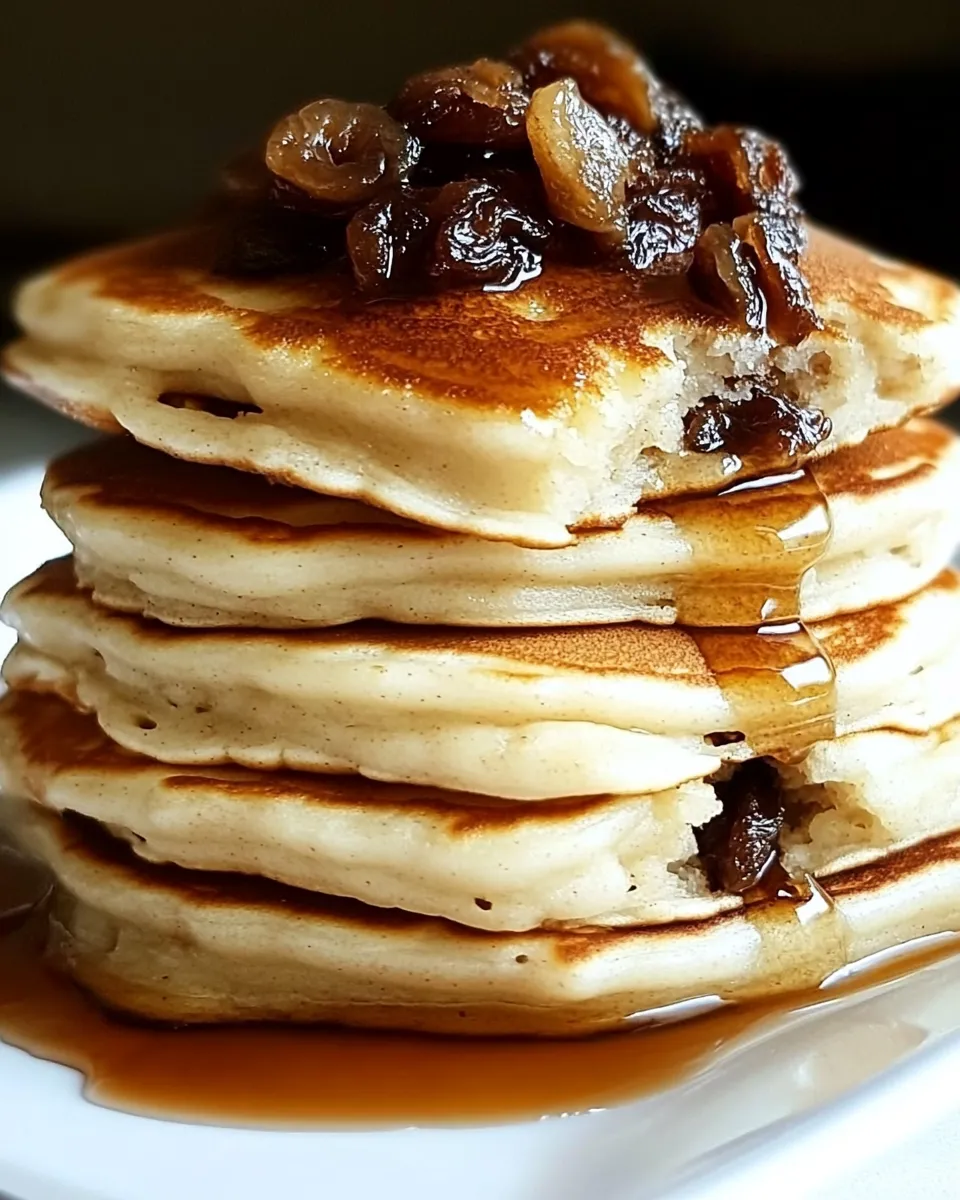
Serve warm, stack them, and enjoy the cinnamon-scented comfort. Happy cooking — and enjoy every golden, raisin-studded bite.
Cinnamon Raisin Pancakes
Ingredients
Method
- In a medium bowl, whisk together 1 cup all purpose flour, 1 teaspoon baking powder, ½ teaspoon ground cinnamon, and ¼ cup natural sweetener until evenly combined.
- Melt 2 tablespoons light butter (or coconut oil) in a small bowl or saucepan. Reserve about 1 teaspoon of the melted butter for greasing the pan and set it aside.
- In a separate bowl, whisk 1 large egg and 1 teaspoon vanilla extract. Whisk in the remaining melted butter and ¾ cup unsweetened almond milk until combined.
- Pour the wet mixture into the dry ingredients and stir gently until just combined (batter should be slightly lumpy). Fold in 1 oz sultanas or raisins.
- Heat a nonstick pan or griddle over low–medium heat until hot (a drop of batter should sizzle slowly). Lightly grease the surface with the reserved butter.
- Pour ¼ cup of batter per pancake onto the pan, leaving space between pancakes. Cook until bubbles form on the surface and the edges look set, about 2–3 minutes.
- Flip each pancake and cook until golden and cooked through, about 1–2 minutes more.
- Transfer cooked pancakes to a plate and keep warm while you cook the remaining batter. Serve warm.
Notes
Batter can be made ahead of time and kept in the fridge for up to 2 days.