Cinnamon Rolls
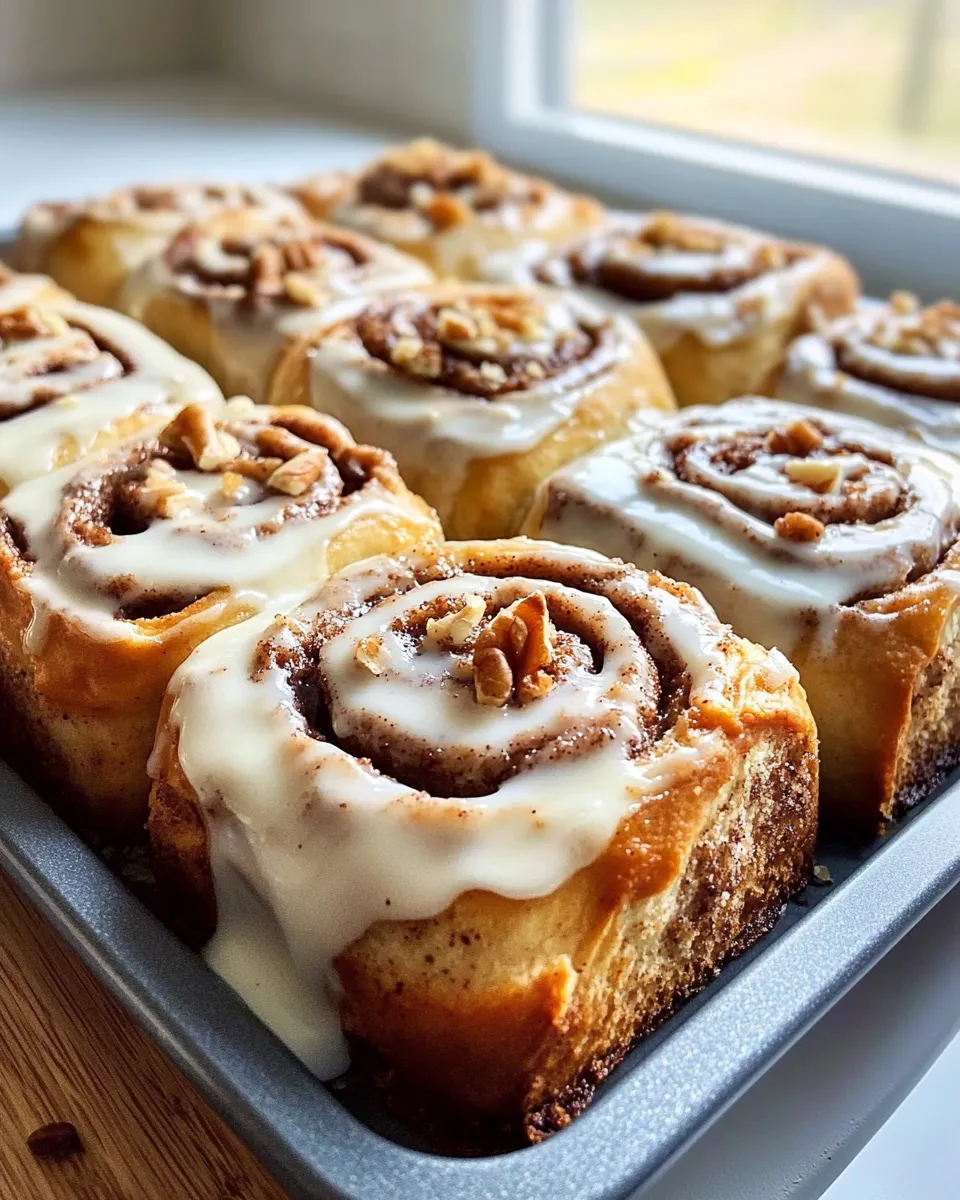
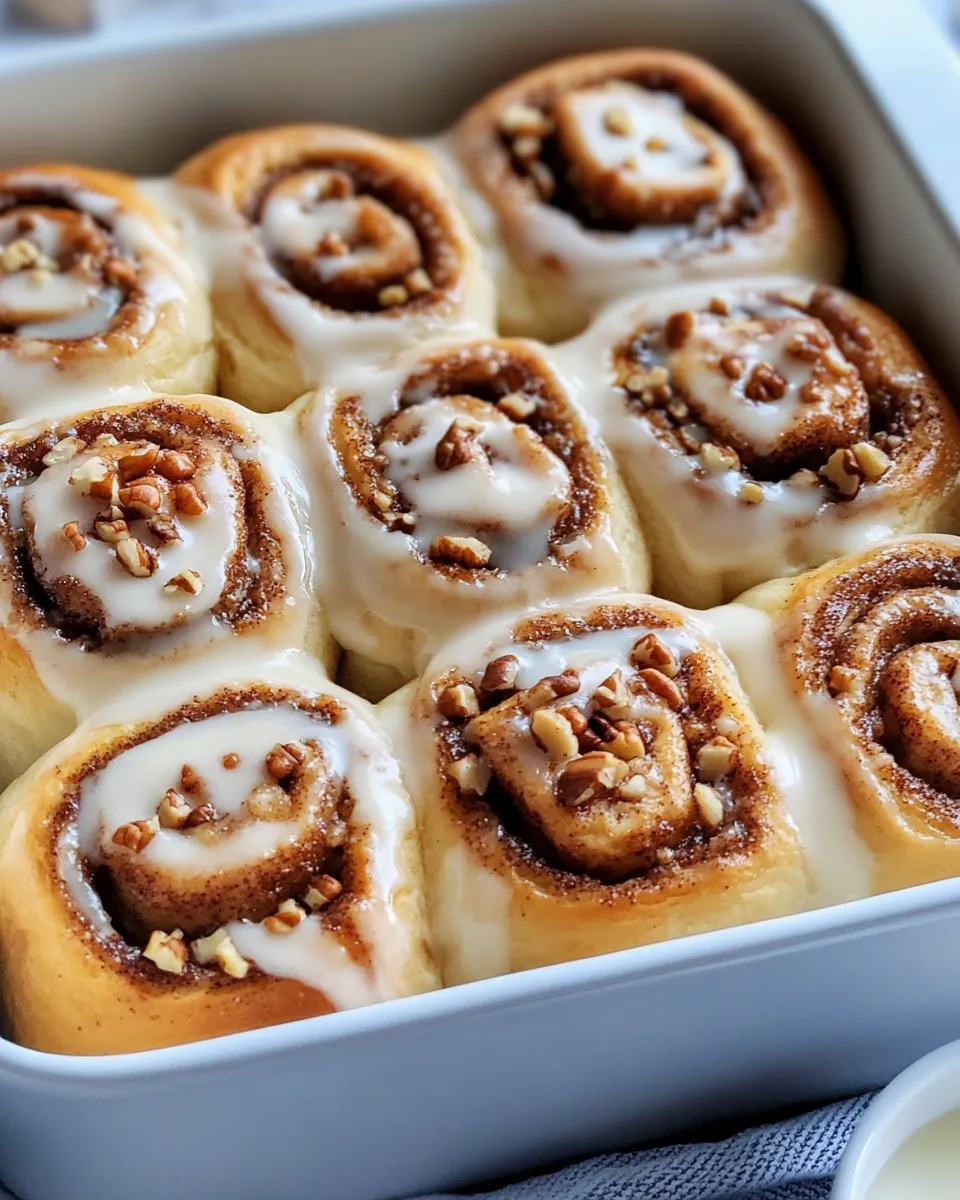
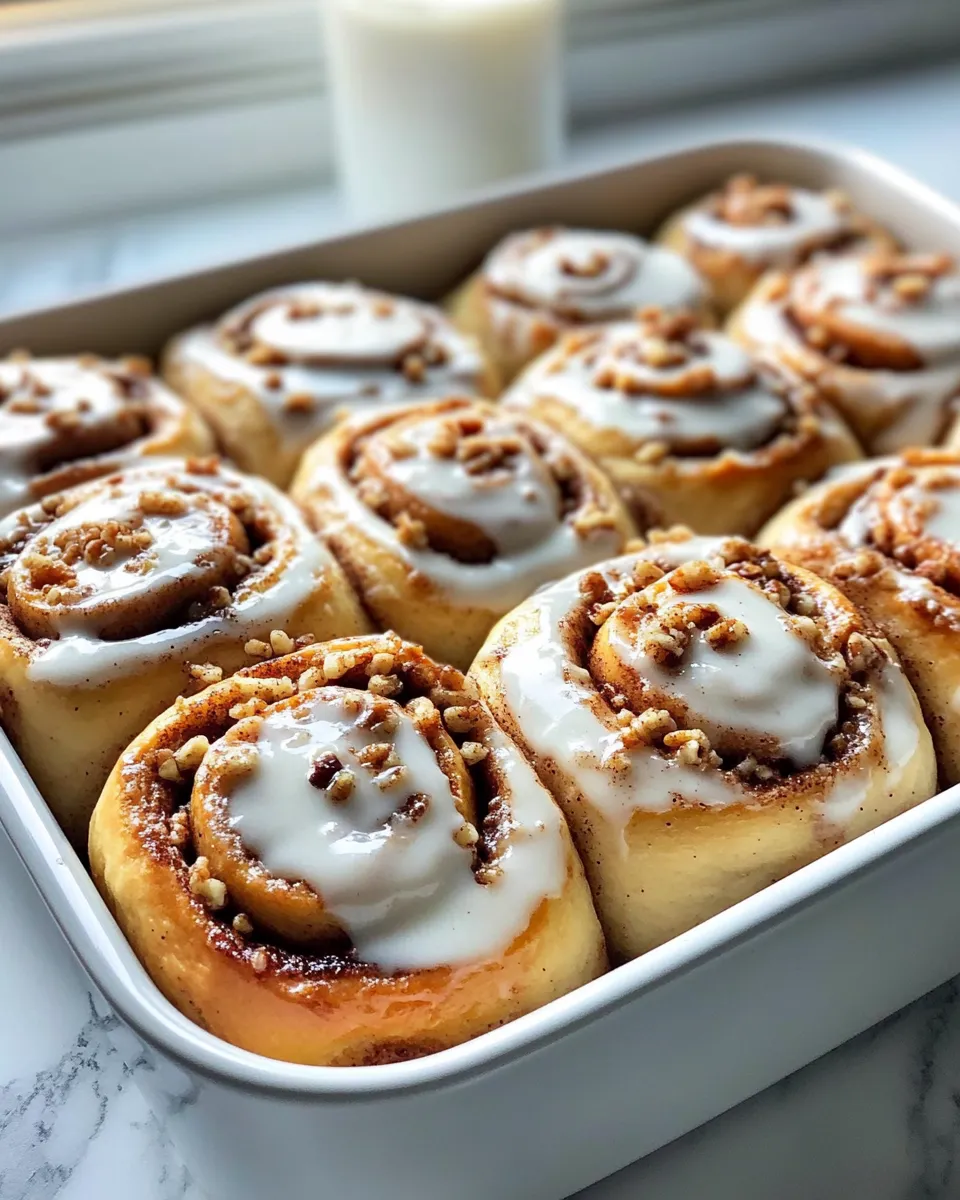
These cinnamon rolls are the kind I reach for when I want a weekend project that pays off all week. The dough rests overnight, which makes the process feel effortless the next morning. The result is tender, pillowy rolls with a creamy pastry center and a classic cinnamon-sugar swirl. They’re not fussy, but they do reward attention to detail.
I focus on technique and timing in this recipe so you can get consistent results. The pastry cream inside gives these rolls a custardy richness that sets them apart from plain cinnamon rolls. If you follow the steps in order and respect proofing times, you’ll get a bakery-style tray of rolls that hold their shape and stay moist.
Below I’ll walk you through exactly what you need, how the dough and pastry cream come together, and common pitfalls to avoid. There are also swaps and storage tips so you can make these work for your kitchen, schedule, and taste preferences.
Gather These Ingredients
Ingredients
- 2(0.25-ounce) packages active dry yeast — provides the lift and airy texture; make sure the yeast is fresh for a reliable rise.
- 6tablespoons(72 grams) granulated sugar, divided — sweetens the dough; some is used in the starter to kickstart fermentation.
- 1½cupswarm milk(100° to 110°) — activates the yeast; temperature should be warm to the touch, not hot.
- 1large egg — adds richness and structure to the dough.
- 6tablespoons(90 grams) unsalted butter, softened — enriches the dough and contributes tenderness.
- 5cups(700 grams) all-purpose flour, divided — the main structure; divided to control dough consistency as you mix.
- 1½teaspoons(4.5 grams) salt — balances sweetness and strengthens gluten.
- 2cupswhole milk — used for the pastry cream; whole milk gives creaminess.
- ¼cupplus 5 tablespoons(112 grams) granulated sugar, divided — for the pastry cream; part goes into the milk and part into the egg mixture.
- 3large egg yolks — build body and color in the pastry cream.
- 1large egg — combined with yolks to stabilize the pastry cream.
- 3tablespoons(27 grams) cornstarch — thickens the pastry cream without a floury taste.
- ¼teaspoonsalt — enhances flavor in the pastry cream.
- ¼cup(58 grams) unsalted butter — folded into the hot pastry cream for silkiness and shine.
- 1teaspoonvanilla extract — flavoring for the pastry cream; adds warmth and depth.
- 1cup(185 grams) granulated sugar — for the cinnamon-sugar filling; mixes with cinnamon to create the swirl.
- 2tablespoonscinnamon — the spice that defines the flavor profile.
- ½teaspoonsalt — helps balance the cinnamon-sugar filling.
- 2½cups(334 grams) confectioners’ sugar — for the glaze; creates a smooth, pourable finish.
- 3 to 4tablespoonswhole milk — adjusts glaze consistency; add gradually to reach a pourable texture.
- 1large egg, lightly beaten — used to brush the seam of the rolled log to help seal the rolls.
Method: Cinnamon Rolls
- Make the dough starter: In the bowl of a stand mixer fitted with the paddle attachment, combine 2 (0.25-ounce) packages active dry yeast and 3 tablespoons granulated sugar. Add 1½ cups warm milk (100° to 110°F). Let sit until foamy, about 10 minutes.
- Mix the dough: Add 1 large egg and 6 tablespoons softened unsalted butter to the foamy yeast mixture. Beat at medium speed until creamy, about 1 minute.
- Add flour and salt: Beat in one-third of the 5 cups all-purpose flour (flour is divided) until combined. Add 1½ teaspoons salt and the remaining 3 tablespoons granulated sugar; beat to combine. Gradually beat in the remaining two-thirds of the flour until incorporated.
- Knead the dough: Switch to the dough hook attachment and knead at low speed until the dough is smooth and elastic, about 4 minutes.
- Chill the dough: Lightly spray a large bowl with cooking spray. Place the dough in the bowl and turn it once to grease the top. Cover tightly with plastic wrap and refrigerate overnight.
- Make the pastry cream: In a medium heavy-bottomed saucepan, bring 2 cups whole milk and 5 tablespoons granulated sugar to a boil over medium-high heat. Remove from heat.
- Prepare the egg mixture: In a medium bowl, whisk together 3 large egg yolks, 1 large whole egg, 3 tablespoons cornstarch, 1/4 teaspoon salt, and the remaining 1/4 cup granulated sugar until smooth.
- Temper and cook the pastry cream: Whisk a small amount of the hot milk into the egg mixture to temper it, then continue adding the hot milk in small additions, whisking constantly, until you have added enough hot milk to warm and thin the egg mixture (about an equal volume to the egg mixture). Return the tempered egg-milk mixture to the saucepan and cook over medium-high heat, whisking constantly, until it thickens and begins to bubble (reduce heat to medium if it starts to stick).
- Finish and chill the pastry cream: Remove from heat and whisk in 1/4 cup (58 g) unsalted butter and 1 teaspoon vanilla extract. Transfer the pastry cream to a heatproof bowl set in a larger bowl filled with crushed ice and whisk occasionally until cool. Press plastic wrap directly onto the surface of the pastry cream and refrigerate. (Can be refrigerated up to 3 days.)
- Make the cinnamon-sugar filling: In a small bowl, whisk together 1 cup granulated sugar, 2 tablespoons cinnamon, and 1/2 teaspoon salt until combined.
- Make the glaze: In a medium bowl, whisk together 2½ cups confectioners’ sugar and 3 to 4 tablespoons whole milk until you reach the desired pouring consistency. Set aside.
- Prepare for assembly: Line a rimmed baking sheet with parchment paper. Lightly flour a clean work surface.
- Roll the dough: On the lightly floured surface, roll the chilled dough into an 18 x 13-inch rectangle.
- Fill the dough: Spread a thin, even layer of the chilled pastry cream over the dough, leaving a 1-inch border on all sides. Sprinkle the cinnamon-sugar mixture evenly over the pastry cream.
- Roll and seal: Starting at one long side, roll the dough up tightly into a log (jelly-roll style). Brush the long seam with the 1 large egg (lightly beaten) and press to seal. Trim the uneven ends and discard or reserve.
- Cut the rolls: Using a serrated knife, cut the log into 2-inch sections and place the cut rolls, cut-side up, on the prepared baking sheet.
- Proof the rolls: Cover the rolls loosely with a thin dish towel and let them stand in a warm, draft-free place (about 85°F) until doubled in size, about 1 hour.
- Bake: Preheat the oven to 350°F. Bake the rolls for 25 minutes, rotating the pan halfway through baking for even browning.
- Finish and serve: Remove the rolls from the oven and let them cool slightly while covered with a thin dish towel. Spoon the prepared glaze over the warm rolls and serve slightly warm.
Why This Cinnamon Rolls Stands Out
These Cinnamon Rolls are elevated by two elements that make a measurable difference: an overnight-chilled dough and a pastry cream filling. The overnight rest improves flavor and gluten development without any extra hands-on time. It makes the dough easier to roll and yields a softer crumb.
The pastry cream adds a custardy texture that stays moist after baking. Many cinnamon roll recipes rely solely on butter and sugar for richness; the pastry cream brings a silkier mouthfeel and a restrained sweetness so the cinnamon swirl and glaze still shine.
Easy Ingredient Swaps
Keep in mind the structure and chemistry when swapping. For the milk in dough or pastry cream, 2% will work in a pinch but reduces creaminess in the pastry cream. If you need to skip whole milk for dietary reasons, a full-fat non-dairy milk can be used for the dough, but pastry cream texture will differ.
Unsalted butter is recommended so you control salt levels; if you only have salted butter, reduce added salt slightly in the dough and filling. For the all-purpose flour, a high-protein bread flour will give chewier rolls; use it only if you prefer that texture.
Tools of the Trade
- Stand mixer with paddle and dough hook — speeds mixing and gives consistent kneading.
- Medium heavy-bottomed saucepan — even heat for the pastry cream so it doesn’t scorch.
- Serrated knife — cleaner cuts when cutting the rolled log into sections.
- Rimmed baking sheet lined with parchment — contains spills and promotes even baking.
- Kitchen thermometer — optional but helpful for confirming milk temperature for yeast activation.
Avoid These Mistakes
1) Using milk that’s too hot on the yeast starter. Keep it 100°–110°F; hotter kills yeast and colder won’t activate it. 2) Skipping the overnight chill. The dough will be harder to roll and the texture won’t be as tender. 3) Overcooking the pastry cream. Once it bubbles and thickens, remove from heat promptly and finish with butter to stop cooking.
4) Cutting rolls with a dull knife. A serrated knife gives a cleaner edge; pressing too hard squashes the spiral. 5) Baking before rolls double in size. Underproofed rolls cheerlessly dense; give them the full hour in a warm, draft-free spot.
Year-Round Variations
Spring/Summer: Fold in a light smear of lemon curd under the pastry cream for brightness, or top with fresh berries after glazing. Fall/Winter: Add a pinch of cardamom or ground cloves to the cinnamon-sugar for warming spice. For the holidays, a handful of finely chopped toasted nuts sprinkled over the filling adds crunch.
For a chocolate twist, swap half the cinnamon with cocoa powder and add chocolate chips on the pastry cream layer. Keep proportions moderate so the log still seals easily and bakes through.
Testing Timeline
Plan ahead. Night before: mix and knead the dough, refrigerate overnight. Morning of baking: make and cool the pastry cream (can be made up to 3 days ahead), roll and assemble the rolls, proof for about 1 hour, bake for 25 minutes, then glaze and serve. Active hands-on time is primarily mixing, rolling, and assembly—about 45–60 minutes total on the day of baking.
Meal Prep & Storage Notes

Make-ahead: The pastry cream keeps up to 3 days refrigerated with plastic pressed to the surface. The dough can be refrigerated overnight as directed. Assembled, unproofed rolls can be covered and refrigerated for a few hours before proofing and baking if you need a tighter schedule; they may require extra proofing time after refrigeration.
Storage: Store baked rolls in an airtight container at room temperature for 1–2 days. For longer storage, freeze cooled, unglazed rolls in a single layer on a tray, then transfer to a freezer bag for up to 1 month. Reheat from frozen in a low oven (300°F) until warm, then spoon on glaze.
Quick Questions
Can I make these without a stand mixer?
Yes. You can mix by hand and knead on a floured surface for longer—expect 8–10 minutes of kneading to reach the same elasticity the dough hook provides.
What if my rolls aren’t rising?
Check yeast freshness and milk temperature. If the room is cool, proof in a slightly warmed oven (turned off) or near a warm stove. Also ensure dough wasn’t overfloured; a too-stiff dough rises slowly.
How do I fix lumpy pastry cream?
Strain the finished pastry cream through a fine-mesh sieve into a bowl to remove any curdled bits, then cool and press plastic wrap onto the surface to prevent a skin.
Serve & Enjoy
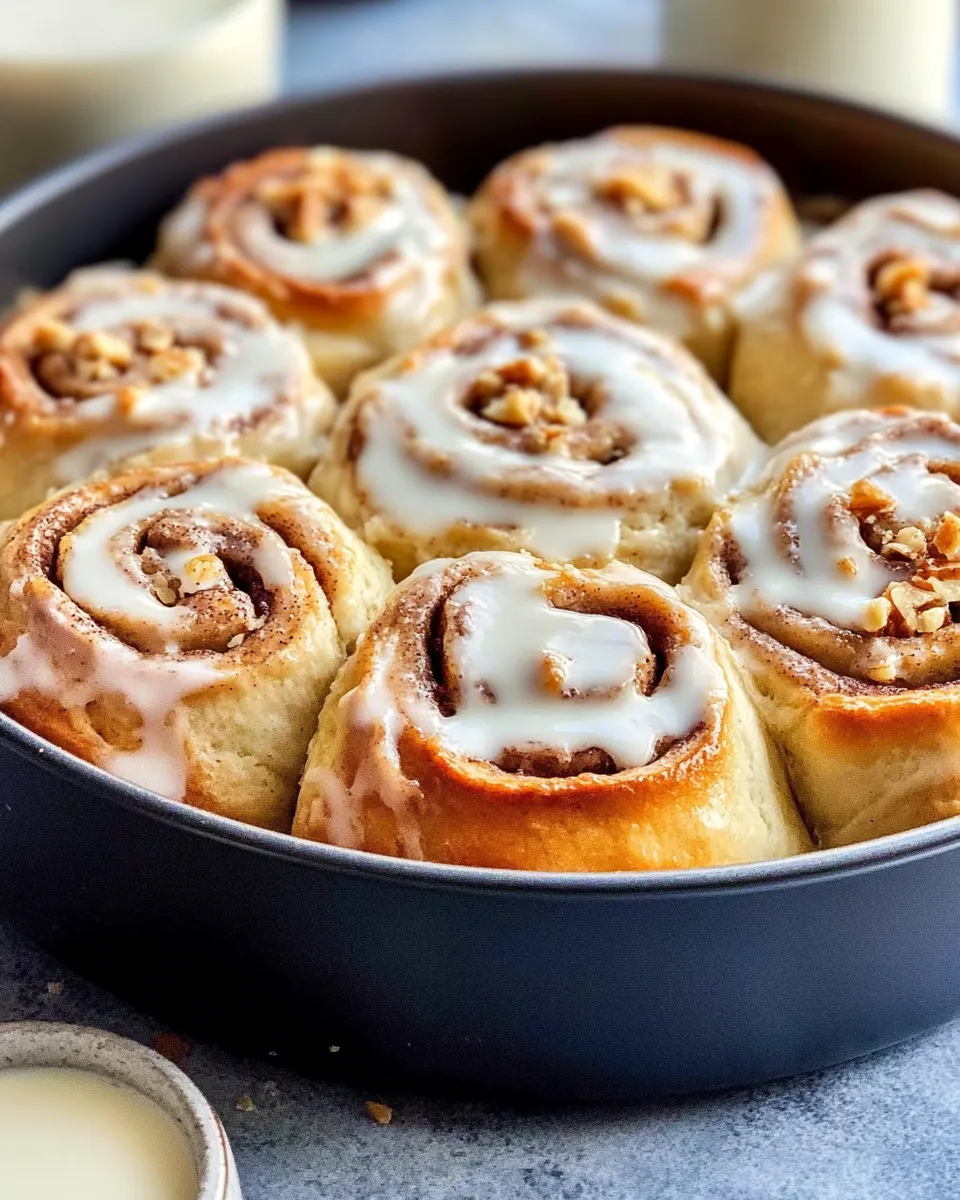
Serve these Cinnamon Rolls slightly warm so the glaze settles glossy and the pastry cream is soft but not runny. They pair beautifully with strong coffee or a full-bodied tea. Slice while warm or reheat gently—these rolls are at their best the day they’re made, but store-bought quality can be preserved with proper refrigeration and gentle reheating.
Make a batch, share with neighbors, and enjoy the quiet reward of a reproducible, comforting pastry that feels like a treat any morning of the week.
Cinnamon Rolls
Ingredients
Equipment
Method
- Make the dough starter: In the bowl of a stand mixer fitted with the paddle attachment, combine 2 (0.25-ounce) packages active dry yeast and 3 tablespoons granulated sugar. Add 1½ cups warm milk (100° to 110°F). Let sit until foamy, about 10 minutes.
- Mix the dough: Add 1 large egg and 6 tablespoons softened unsalted butter to the foamy yeast mixture. Beat at medium speed until creamy, about 1 minute.
- Add flour and salt: Beat in one-third of the 5 cups all-purpose flour (flour is divided) until combined. Add 1½ teaspoons salt and the remaining 3 tablespoons granulated sugar; beat to combine. Gradually beat in the remaining two-thirds of the flour until incorporated.
- Knead the dough: Switch to the dough hook attachment and knead at low speed until the dough is smooth and elastic, about 4 minutes.
- Chill the dough: Lightly spray a large bowl with cooking spray. Place the dough in the bowl and turn it once to grease the top. Cover tightly with plastic wrap and refrigerate overnight.
- Make the pastry cream: In a medium heavy-bottomed saucepan, bring 2 cups whole milk and 5 tablespoons granulated sugar to a boil over medium-high heat. Remove from heat.
- Prepare the egg mixture: In a medium bowl, whisk together 3 large egg yolks, 1 large whole egg, 3 tablespoons cornstarch, 1/4 teaspoon salt, and the remaining 1/4 cup granulated sugar until smooth.
- Temper and cook the pastry cream: Whisk a small amount of the hot milk into the egg mixture to temper it, then continue adding the hot milk in small additions, whisking constantly, until you have added enough hot milk to warm and thin the egg mixture (about an equal volume to the egg mixture). Return the tempered egg-milk mixture to the saucepan and cook over medium-high heat, whisking constantly, until it thickens and begins to bubble (reduce heat to medium if it starts to stick).
- Finish and chill the pastry cream: Remove from heat and whisk in 1/4 cup (58 g) unsalted butter and 1 teaspoon vanilla extract. Transfer the pastry cream to a heatproof bowl set in a larger bowl filled with crushed ice and whisk occasionally until cool. Press plastic wrap directly onto the surface of the pastry cream and refrigerate. (Can be refrigerated up to 3 days.)
- Make the cinnamon-sugar filling: In a small bowl, whisk together 1 cup granulated sugar, 2 tablespoons cinnamon, and 1/2 teaspoon salt until combined.
- Make the glaze: In a medium bowl, whisk together 2½ cups confectioners’ sugar and 3 to 4 tablespoons whole milk until you reach the desired pouring consistency. Set aside.
- Prepare for assembly: Line a rimmed baking sheet with parchment paper. Lightly flour a clean work surface.
- Roll the dough: On the lightly floured surface, roll the chilled dough into an 18 x 13-inch rectangle.
- Fill the dough: Spread a thin, even layer of the chilled pastry cream over the dough, leaving a 1-inch border on all sides. Sprinkle the cinnamon-sugar mixture evenly over the pastry cream.
- Roll and seal: Starting at one long side, roll the dough up tightly into a log (jelly-roll style). Brush the long seam with the 1 large egg (lightly beaten) and press to seal. Trim the uneven ends and discard or reserve.
- Cut the rolls: Using a serrated knife, cut the log into 2-inch sections and place the cut rolls, cut-side up, on the prepared baking sheet.
- Proof the rolls: Cover the rolls loosely with a thin dish towel and let them stand in a warm, draft-free place (about 85°F) until doubled in size, about 1 hour.
- Bake: Preheat the oven to 350°F. Bake the rolls for 25 minutes, rotating the pan halfway through baking for even browning.
- Finish and serve: Remove the rolls from the oven and let them cool slightly while covered with a thin dish towel. Spoon the prepared glaze over the warm rolls and serve slightly warm.
Notes
Using a serrated utility knife with a gentle sawing motion ensures even, smooth slices. To double the yield (rolls will be smaller), cut one inch slices and adjust baking time.
Adapted from Kelly Fields from Willa Jean