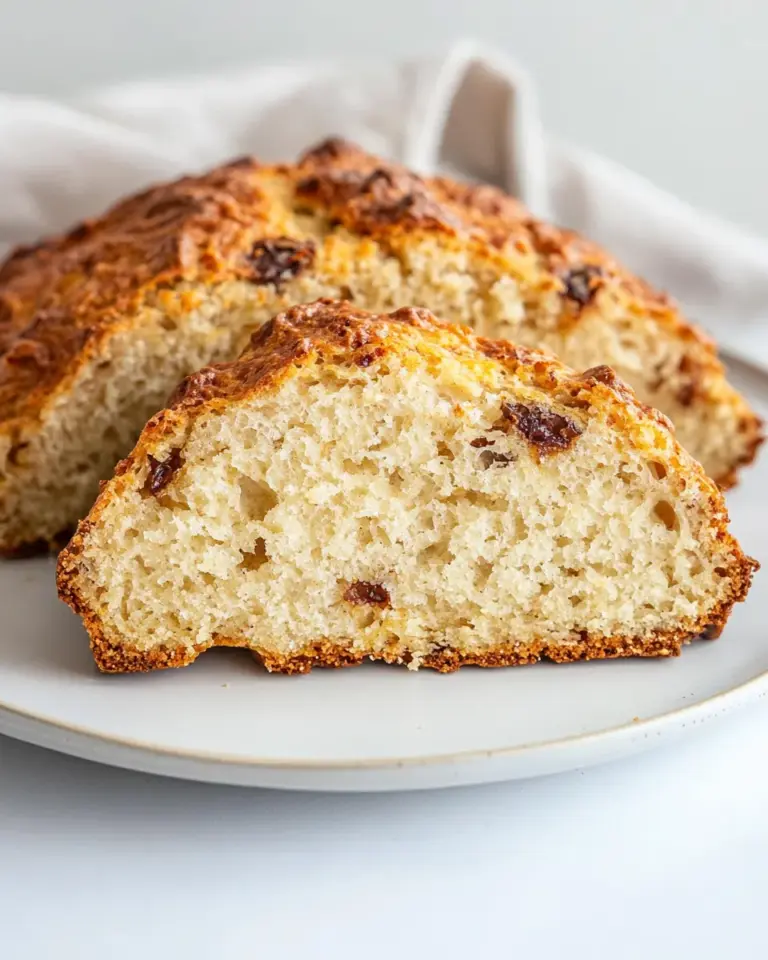
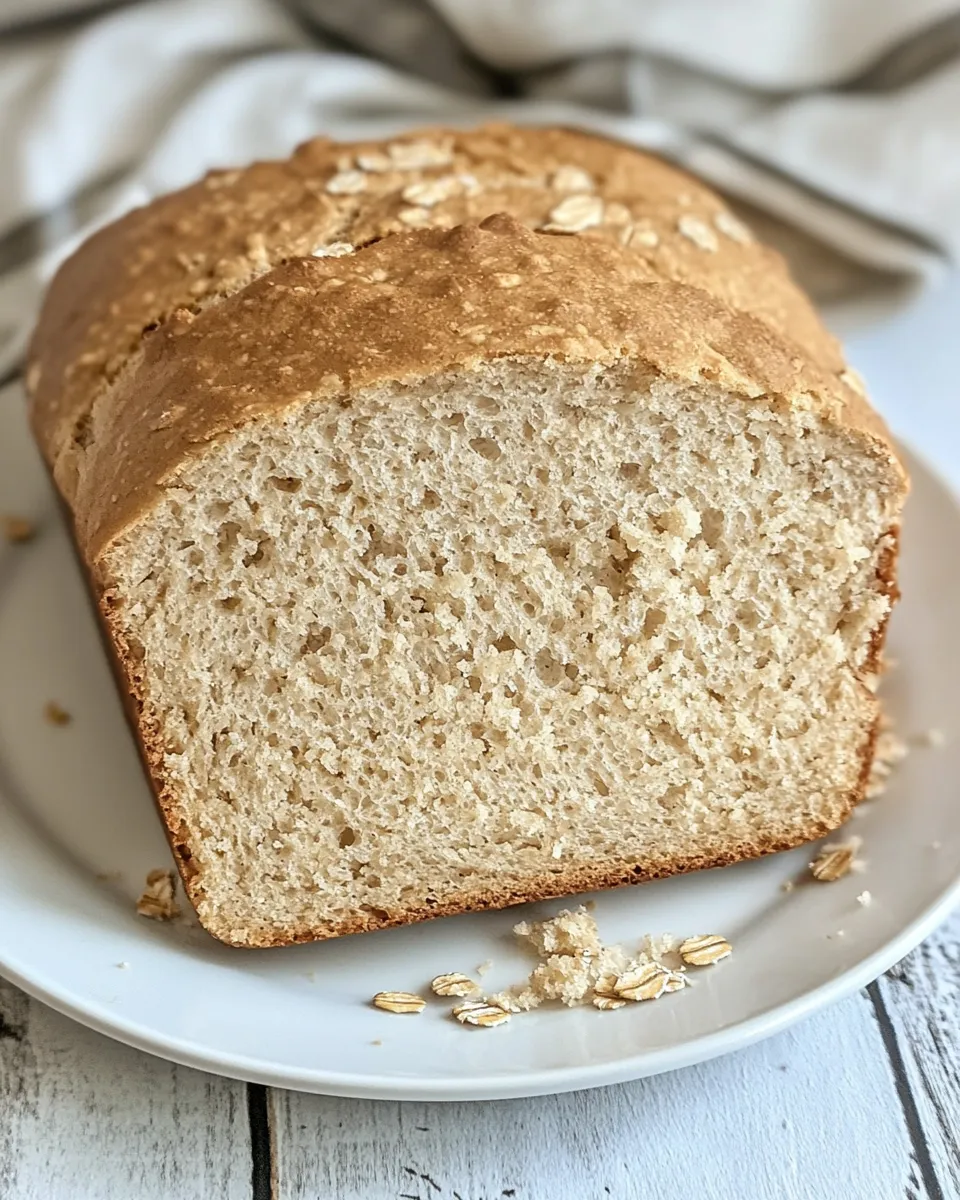
Classic Oatmeal Bread
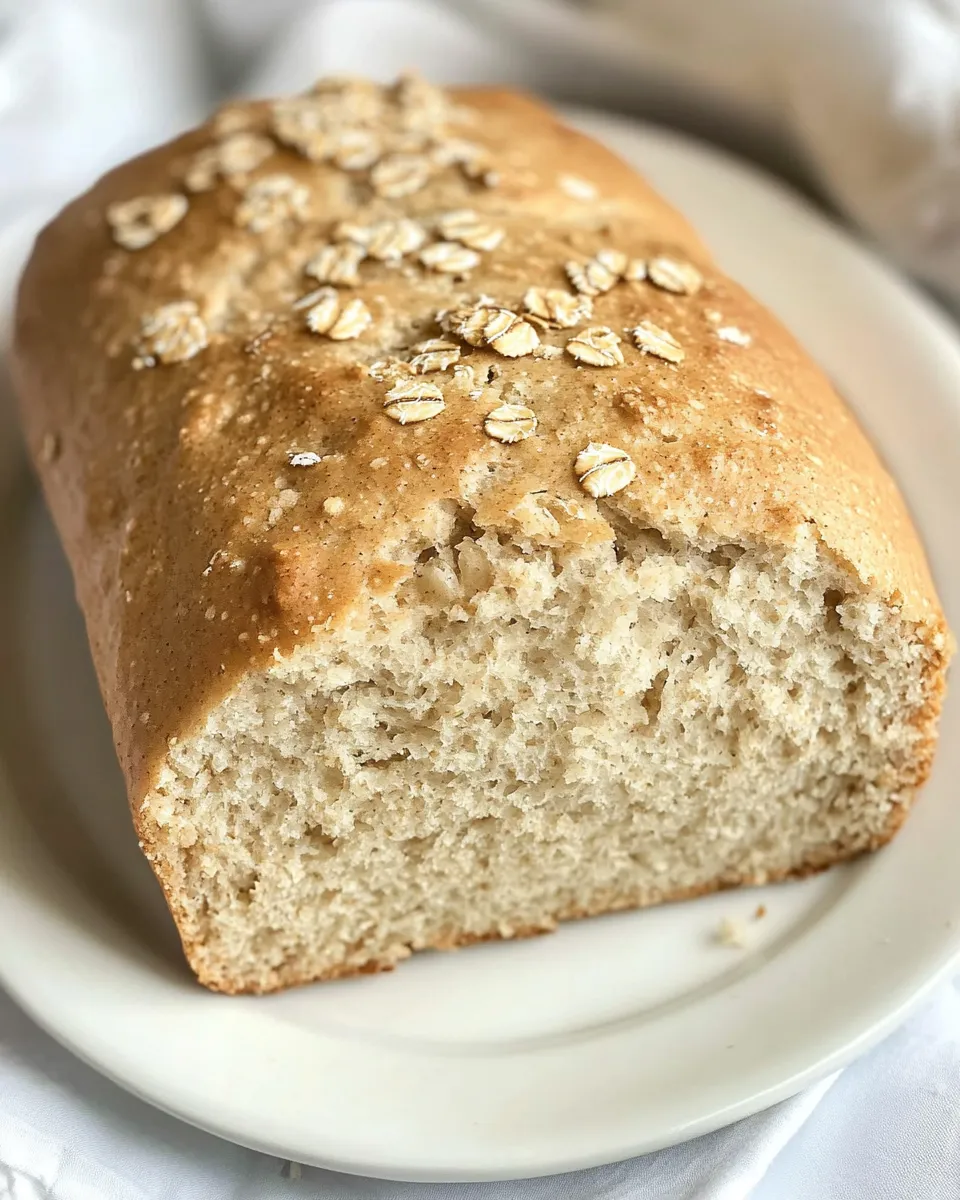
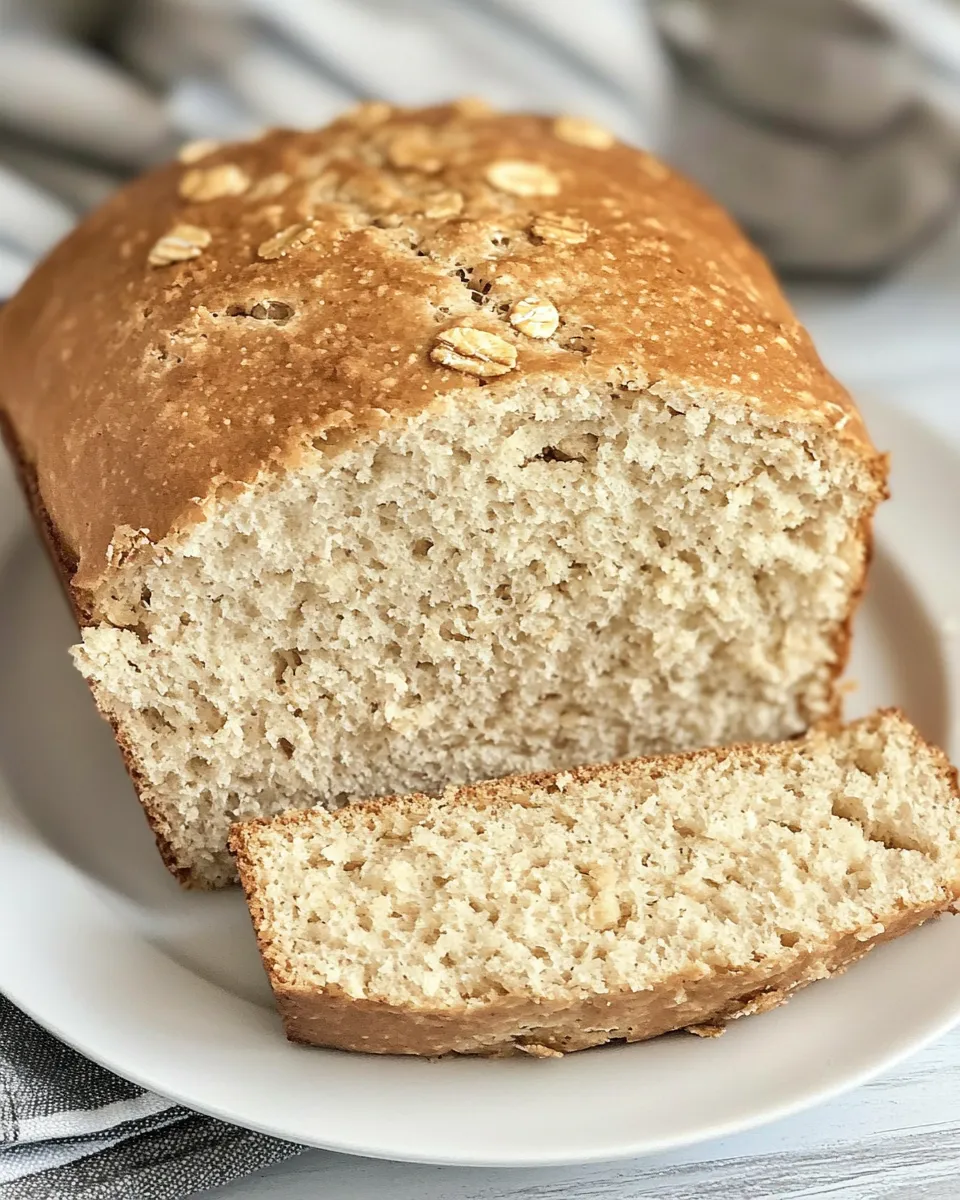
This is the loaf I turn to when I want bread that feels wholesome without fuss. It’s soft, slightly sweet, and the oats give it a gentle chew and a comforting crumb. The dough is forgiving, and the recipe fits neatly into a day’s rhythm: a rise, a shape, a second rise while the oven preheats, then a warm loaf that keeps well.
I like to keep this recipe in rotation because it’s practical: pantry-friendly ingredients, simple technique, and a reliable result. You don’t need special flour or equipment to get a beautiful loaf—just a bit of patience and the right order of steps. The loaf is great for toasting, sandwiches, or slicing thick with butter.
Below you’ll find a clear shopping guide, the exact ingredient list, the step-by-step directions straight from the tested method, and notes for troubleshooting, storing, and serving. Read all the way through once, then bake with confidence.
Your Shopping Guide
Buy regular rolled oats (not quick oats) for texture and soakability. Quick oats will turn too mushy when poured over with boiling water; rolled oats hold some shape and build a nice structure in the crumb.
Choose an active dry yeast—one envelope usually equals 2 ¼ teaspoons. If you prefer instant yeast, note that hydration timing can shift slightly; this recipe is written for active dry. For butter, use unsalted so you can control the salt level; if your butter is salted, reduce any other salt additions in other recipes, but here the salt is already measured.
Standard all-purpose flour works well. If you buy flour in bulk, keep it cool and dry. Brown sugar adds a mild molasses note and helps with color; dark or light brown sugar both work, but the flavor will vary slightly.
Classic Oatmeal Bread: Step-by-Step Guide
Ingredients
- 1 cup oatmeal (regular, not quick oats) — provides texture and a nutty flavor; do not substitute with quick oats.
- 1 cup boiling water — used to soak the oats and cool to room temperature; this hydrates the oats and softens the crumb.
- ½ cup warm water (about 110º) — activates the yeast; too hot will kill the yeast, too cool will slow it down.
- 2 ¼ teaspoons dry active yeast (1 envelope) — the leavening agent; check the expiration for reliable rising.
- 2 ½ cups all-purpose flour — the structure for the loaf; spoon and level when measuring for accuracy.
- 2 tablespoons brown sugar — adds mild sweetness and helps with crust color.
- 1 teaspoon salt — balances flavor; don’t skip.
- 2 tablespoons butter, cut into about 12 pieces, plus more for greasing the bowl and pan — folded into the dough for tenderness and flavor; extra for greasing keeps the dough from sticking.
- Grease an 8 ½ x 4 ¼ inch loaf pan with butter and set aside.
- In a heatproof bowl, pour 1 cup boiling water over 1 cup oatmeal (regular, not quick oats). Stir and set aside to cool to room temperature.
- In a small bowl, combine ½ cup warm water (about 110ºF) and 2 ¼ teaspoons active dry yeast. Stir and set aside until the yeast is foamy, about 5–10 minutes.
- In the bowl of a stand mixer, whisk together 2 ½ cups all-purpose flour, 2 tablespoons brown sugar, and 1 teaspoon salt.
- Fit the mixer with the dough hook. Add the cooled oatmeal, the yeast mixture, and 2 tablespoons butter (cut into about 12 pieces) to the flour mixture.
- Knead on low speed for about 5 minutes, or until the dough is smooth and elastic.
- Lightly grease a large bowl with butter. Place the dough in the greased bowl, turn it a couple of times so all sides are coated with butter, then cover the bowl with lightly greased plastic wrap.
- Let the dough rise in a warm, draft-free place until it has doubled in bulk, about 1 hour.
- Turn the dough out onto a lightly floured surface and gently deflate it with the palm of your hand.
- Shape the dough into a rectangle slightly longer than the pan. Fold the long sides in so the dough becomes slightly shorter than the pan, then roll the dough tightly into a cylinder. Pinch or seal the seam; if the dough does not stick to itself, dab a little water on the seam to help it adhere.
- Place the rolled loaf seam side down into the prepared pan. Cover with lightly greased plastic wrap and let rise in a warm place until doubled in size, about 1 hour. During the last part of this rise, preheat the oven to 375ºF.
- When the loaf has risen, remove the plastic wrap, put the pan in the oven, and immediately reduce the oven temperature to 350ºF.
- Bake for 30–40 minutes, until the loaf is brown and sounds hollow when tapped on the bottom and/or the internal temperature reaches 210ºF.
- Remove the loaf from the pan and transfer it to a cooling rack. Allow to cool completely before slicing.
Why This Recipe Works
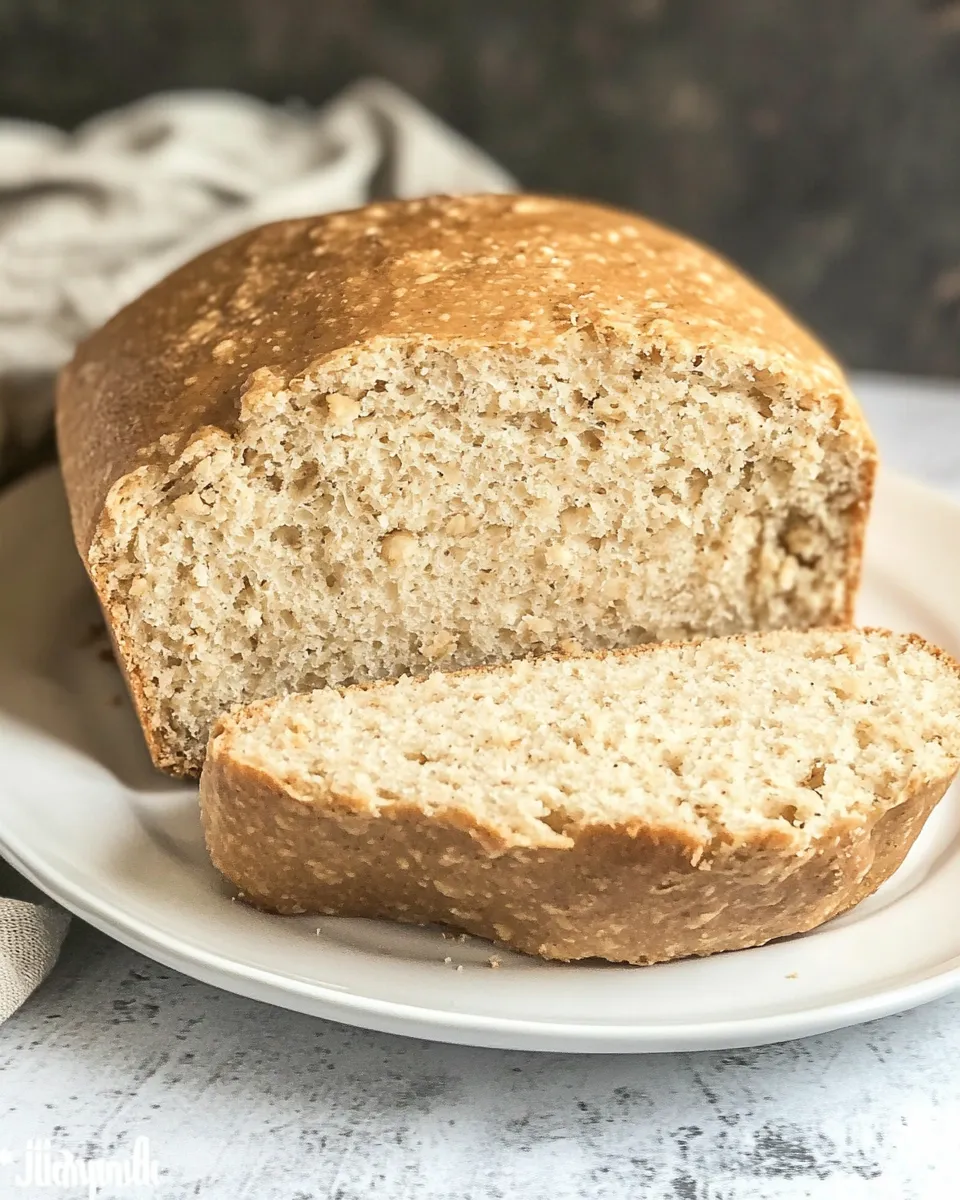
Soaking the oats in boiling water early softens them without turning the dough gummy. That soaking step also cools the mixture to a temperature that won’t shock the yeast when you combine them. The small amount of brown sugar provides food for the yeast and encourages browning without making the loaf sweet.
The short knead time in a mixer develops enough gluten for a good rise while keeping the crumb tender. Two rises—one bulk rise and one in the pan—create a fine, even texture and a neat loaf shape. The oven temperature trick—starting the loaf in the oven at a higher temperature then lowering it—helps the initial oven spring without over-browning the crust.
What to Use Instead
If you don’t have brown sugar, a small amount (try 2 tablespoons) of honey or maple syrup can work, but those will change the flavor and browning. The recipe is written for regular rolled oats; finely ground oat flour or quick oats will alter the hydration and texture. If you must use instant yeast, reduce the initial proof time slightly and skip the extra proofing patience—instant yeast can cut the first rise time but keep an eye on dough volume.
For a softer crumb, you can use half bread flour and half all-purpose flour, but that’s optional. If you only have salted butter, the recipe will still work; just be aware the salt level will be slightly higher.
Gear Checklist
- 8 ½ x 4 ¼ inch loaf pan — the specified size keeps the loaf proportions correct.
- Stand mixer with dough hook — makes kneading quick; you can knead by hand for about 8–10 minutes if needed.
- Heatproof bowl — for pouring boiling water over the oats.
- Small bowl — to proof the yeast.
- Instant-read thermometer — helpful for checking the oven temperature and loaf doneness (210ºF internal is ideal).
- Cooling rack — important so the bottom doesn’t get soggy as the loaf cools.
Common Errors (and Fixes)
Yeast doesn’t foam
If the yeast mixture doesn’t become foamy within 10 minutes, your yeast may be old or the water temperature was too hot or cold. Discard and start again with fresh yeast and water at about 110ºF.
Dough won’t rise
Check the room temperature. Yeast prefers a warm, draft-free environment. Move the covered bowl to a slightly warmed oven (turn the oven to 200ºF for 1–2 minutes, then turn it off and place the bowl inside with the light on) or place it on top of a warm appliance.
Dense crumb
Under-kneaded dough or insufficient rise time will yield a heavy loaf. Make sure the dough becomes smooth and elastic during the 5-minute knead. If your mixer is slower or your dough feels sticky, add a small dusting of flour—sparingly—while kneading.
Burned top, raw center
That’s usually an oven temperature issue. Calibrate with an oven thermometer. Also check that your loaf pan isn’t too small or too big for the volume of dough; proper shaping and proofing so the dough fills the pan appropriately are key.
Make It Year-Round
In winter, proof the dough in a warm spot—near a heating vent or inside an oven with just the light on. In summer, proof on the counter but keep an eye on timing; dough will rise faster in warm weather. Oatmeal bread is versatile: make the base recipe and add seasonal touches on top (for example, toasted seeds before baking in fall) without changing the core ingredients.
Because ingredients are pantry-friendly, this loaf transitions smoothly from season to season. Store extra loaves in a cool place for immediate use, or freeze slices for longer-term convenience.
Behind the Recipe
This is a straightforward, tested approach to adding oats to a classic sandwich loaf. The combination of soaked oats and a modest amount of butter yields a bread that’s slightly softer than straight white bread but still slices cleanly. The method focuses on technique rather than fancy additions—so you learn how the dough behaves and can trust the result.
I appreciate recipes like this because they teach the fundamentals: hydrate ingredients in the right order, measure temperatures, and give the dough time. Once you’ve made this loaf a couple of times, you’ll instinctively notice small changes—how the dough looks when it’s ready, how quickly it proofs, and what slight tweaks improve it in your kitchen.
Store, Freeze & Reheat
Cool the loaf completely before storing. For short-term use, keep it in a bread box or loosely wrapped in a tea towel at room temperature for 2–3 days. To keep longer, slice and freeze in an airtight bag for up to 3 months. Toast slices from frozen or let them thaw on the counter for 30–60 minutes and reheat briefly in a 350ºF oven for about 10 minutes for a just-baked texture.
Your Top Questions
Can I use quick oats instead?
This recipe calls for regular rolled oats. Quick oats will absorb water differently and can make the crumb gummy. Stick with regular rolled oats for best texture.
What if I don’t have a stand mixer?
You can knead by hand on a floured surface for 8–10 minutes until the dough is smooth and elastic. It will take a little more effort but the result is the same.
How do I know when the loaf is done?
It should be a deep golden brown and sound hollow when tapped on the bottom. An internal temperature of 210ºF is a reliable indicator for this enriched oat loaf.
Can I add seeds or nuts?
Yes—fold in a small handful (1/3 to 1/2 cup) during the final minute of kneading. Too much inclusion can weigh the dough down, so keep additions modest.
Bring It to the Table
Serve slices toasted with butter and a sprinkle of sea salt, or use thick slices for rustic sandwiches. The loaf pairs beautifully with strong cheeses, jam, or a simple slice of ham and mustard. For breakfasts, toast and top with mashed avocado and a squeeze of lemon for a quick, satisfying start to the day.
Make this loaf on a weekend or when you have an hour for two rises. It’s straightforward, dependable, and the kind of bread that earns its place in a weekly rotation—sliceable, spreadable, and quietly satisfying.
Classic Oatmeal Bread
Ingredients
Equipment
Method
- Grease an 8 ½ x 4 ¼ inch loaf pan with butter and set aside.
- In a heatproof bowl, pour 1 cup boiling water over 1 cup oatmeal (regular, not quick oats). Stir and set aside to cool to room temperature.
- In a small bowl, combine ½ cup warm water (about 110ºF) and 2 ¼ teaspoons active dry yeast. Stir and set aside until the yeast is foamy, about 5–10 minutes.
- In the bowl of a stand mixer, whisk together 2 ½ cups all-purpose flour, 2 tablespoons brown sugar, and 1 teaspoon salt.
- Fit the mixer with the dough hook. Add the cooled oatmeal, the yeast mixture, and 2 tablespoons butter (cut into about 12 pieces) to the flour mixture.
- Knead on low speed for about 5 minutes, or until the dough is smooth and elastic.
- Lightly grease a large bowl with butter. Place the dough in the greased bowl, turn it a couple of times so all sides are coated with butter, then cover the bowl with lightly greased plastic wrap.
- Let the dough rise in a warm, draft-free place until it has doubled in bulk, about 1 hour.
- Turn the dough out onto a lightly floured surface and gently deflate it with the palm of your hand.
- Shape the dough into a rectangle slightly longer than the pan. Fold the long sides in so the dough becomes slightly shorter than the pan, then roll the dough tightly into a cylinder. Pinch or seal the seam; if the dough does not stick to itself, dab a little water on the seam to help it adhere.
- Place the rolled loaf seam side down into the prepared pan. Cover with lightly greased plastic wrap and let rise in a warm place until doubled in size, about 1 hour. During the last part of this rise, preheat the oven to 375ºF.
- When the loaf has risen, remove the plastic wrap, put the pan in the oven, and immediately reduce the oven temperature to 350ºF.
- Bake for 30–40 minutes, until the loaf is brown and sounds hollow when tapped on the bottom and/or the internal temperature reaches 210ºF.
- Remove the loaf from the pan and transfer it to a cooling rack. Allow to cool completely before slicing.