Classic Pastry Cream Recipe
Pastry cream is one of those foundational things that makes a good pastry great. It’s rich, silky, and surprisingly simple when you follow a few clear rules. Once you master this Classic Pastry Cream Recipe, you’ll reach for it whenever a tart needs a filling or a profiterole begs for something lush inside.
This post walks you through the ingredients, the exact steps, common pitfalls, and how to store what you make. No fluff. Just practical tips you can use the first time and the fiftieth time you make it. Keep your tools ready and your whisk at hand.
Measure carefully, temper gently, and chill thoroughly. Those three moves are the difference between curdled eggs and mirror-smooth cream. Let’s get to the notes, the ingredients, and the method you can rely on every time.
Ingredient Notes
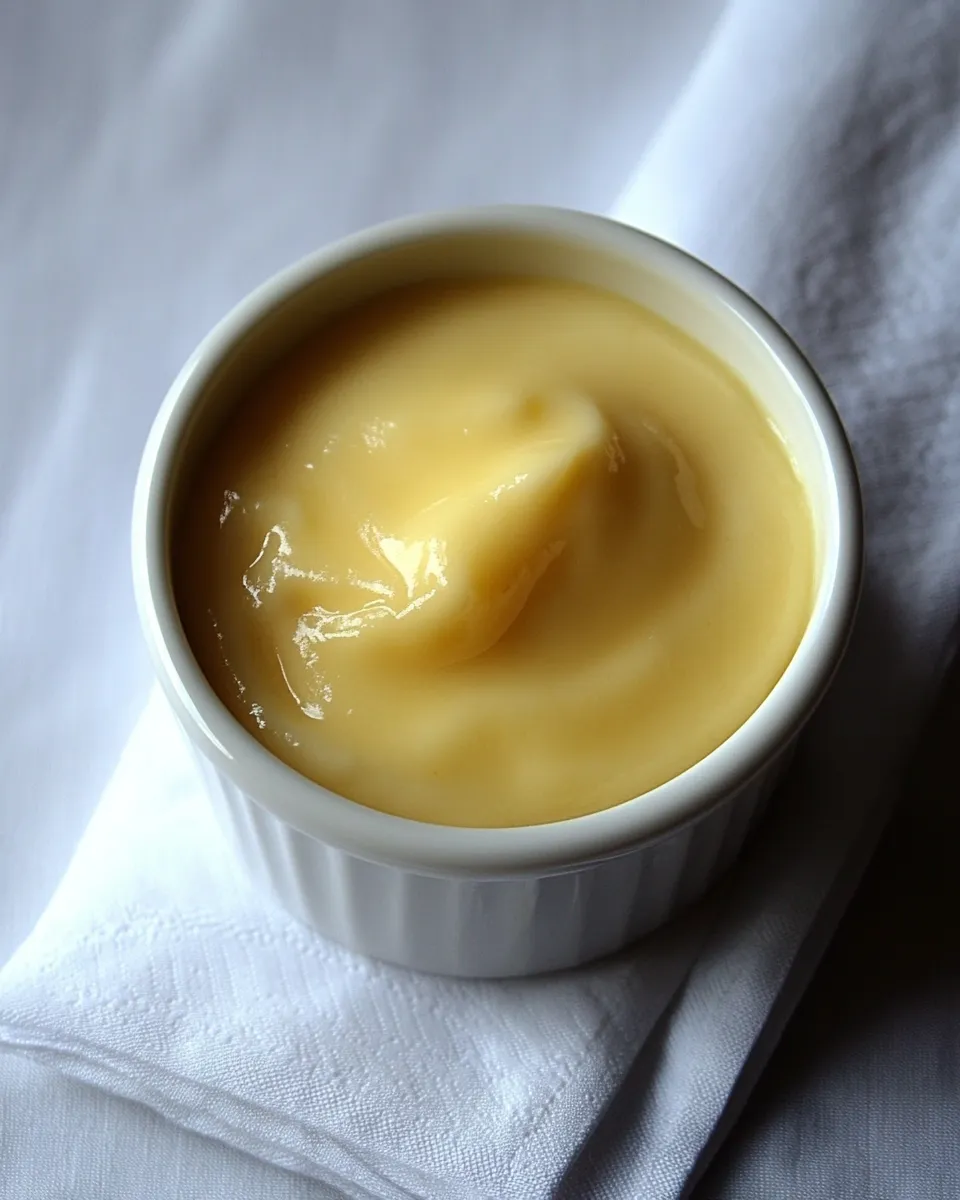
Before you start, a few quick notes on the ingredients and why they matter. The recipe gives you options for the dairy — milk, half-and-half, or heavy cream — and each choice affects richness and mouthfeel. The sugar is divided to help prevent graininess and to control sweetness during cooking. Cornstarch is the thickener here; it gives stability and a clean, glossy finish when fully cooked. Tempering the eggs matters: warm the eggs slowly so they thicken without scrambling. Finally, butter and vanilla finish the pastry cream, smoothing the texture and adding flavor. Keep these roles in mind as you move through the steps.
Ingredients
- 2 cups milk (or half and half or heavy cream) — choice affects richness; milk gives a lighter cream, half-and-half adds more body, heavy cream makes it very rich.
- 1 cup granulated sugar, divided — sugar is split so some sweetens the milk while the rest blends smoothly with the eggs and cornstarch.
- 3 eggs — provide structure and richness; temper them so they don’t scramble when added to hot milk.
- 1/4 cup cornstarch — the thickener; gives a stable, glossy pastry cream when fully cooked.
- 2 tablespoons butter — melted into the hot cream at the end to enrich and smooth the texture.
- 1 1/2 teaspoons vanilla extract — adds the warm, familiar vanilla aroma; stir in off the heat to preserve its aroma.
Classic Pastry Cream Recipe: How It’s Done
- Put 2 cups milk (or half-and-half or heavy cream) and 1/4 cup of the granulated sugar in a heavy saucepan. Heat over medium, stirring occasionally, until the milk reaches a gentle simmer (small bubbles at the edge and steam rising). Do not let it boil.
- While the milk heats, in a medium bowl whisk together 3 eggs, the remaining 3/4 cup granulated sugar, and 1/4 cup cornstarch until completely smooth and free of lumps.
- When the milk is simmering, remove the pan briefly from the heat. Ladle out about 1/2 cup of the hot milk and very slowly whisk it into the egg mixture to temper the eggs (this warms the eggs so they won’t scramble).
- With the saucepan back on medium-low, slowly pour the tempered egg mixture into the remaining milk in a thin, steady stream while whisking constantly.
- Continue to cook over medium-low, whisking constantly, until the mixture thickens and comes to a gentle boil. Once it boils, keep whisking and cook for about 1 minute more to fully activate the cornstarch.
- Remove the pan from the heat and immediately whisk in 2 tablespoons butter and 1 1/2 teaspoons vanilla extract until the butter is fully melted and the mixture is smooth.
- Pour the pastry cream through a wire-mesh strainer into a heatproof, airtight container to remove any cooked egg bits or lumps.
- Press a piece of plastic wrap directly onto the surface of the pastry cream to prevent a skin from forming.
- Chill in the refrigerator until cold, at least 2 hours or overnight. Keep refrigerated and use within a few days.
Why Cooks Rave About It
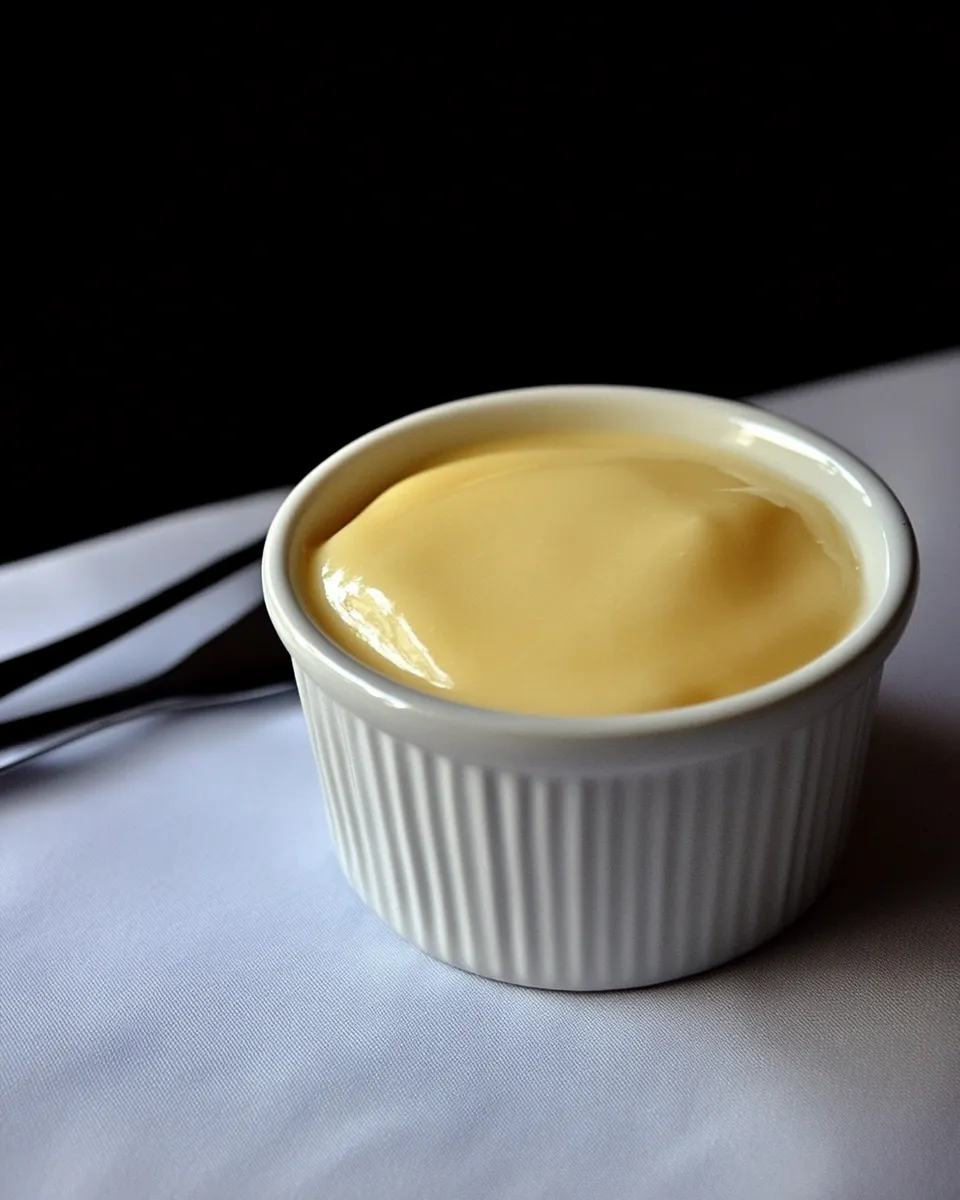
Pastry cream is one of those versatile components that lifts a dessert instantly. It’s both a filling and a flavor carrier. Use it in tarts, between cake layers, inside profiteroles, or spooned over fruit. The texture is dense enough to hold its shape but smooth and tender on the palate.
Because this version uses cornstarch, it sets reliably and stays stable in pastries. That makes it forgiving for home bakers: the cornstarch reduces the risk of a runny filling and helps the cream hold up under glazes and toppings. It’s a dependable, classic approach that’s been used in pastry kitchens for decades.
If You’re Out Of…
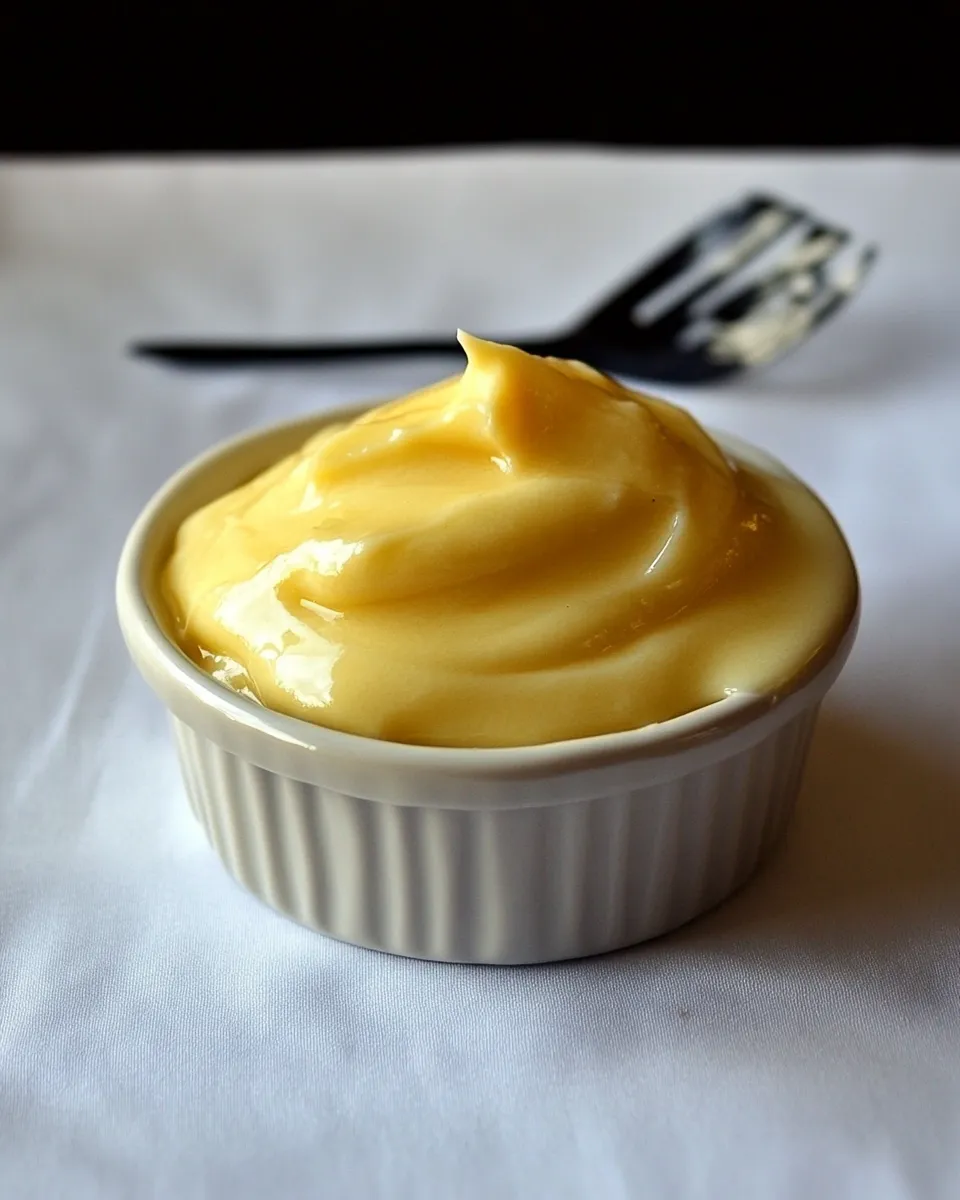
If you don’t have regular milk, the recipe explicitly allows half-and-half or heavy cream — both listed in the ingredient line. Use half-and-half for a creamier finish than milk, or heavy cream if you want something especially rich and indulgent. The dairy choice is the only substitution called for in the ingredients provided; keep the other quantities and ingredients the same for predictable results.
Equipment & Tools
- Heavy saucepan — provides even heat and reduces the chance of scorching the milk.
- Whisk — essential for smoothing the egg mixture and for keeping the cream lump-free during cooking.
- Medium bowl — for whisking eggs, sugar, and cornstarch together.
- Ladle or measuring cup — to transfer the hot milk when tempering the eggs.
- Wire-mesh strainer — removes any small cooked bits of egg and ensures ultra-smooth texture.
- Heatproof airtight container — for chilling and storage; plastic or glass both work.
- Plastic wrap — pressed onto the surface to stop a skin from forming as it cools.
Troubles You Can Avoid
Several issues can sneak up on you, but each has a straightforward fix.
- Curdled eggs / scrambled texture: That happens when eggs hit milk that’s too hot. Temper the eggs carefully by adding the hot milk slowly, whisking constantly. If you do see small cooked bits, strain the cream immediately.
- Lumpy pastry cream: Always whisk the egg-sugar-cornstarch mix until smooth before adding any liquid. Straining at the end removes lumps that may have formed despite careful whisking.
- Too thin: If the mixture hasn’t fully boiled after thickening, the cornstarch won’t be activated. Keep whisking and bring to a gentle boil for about a minute as directed.
- Skin on top: Press plastic wrap directly onto the surface as soon as the cream is in its container. That stops skin formation altogether.
- Scorched flavor: Use medium to medium-low heat and a heavy-bottomed pan. Stir occasionally while heating the milk and whisk constantly once the egg mix is added.
Seasonal Adaptations
Pastry cream itself is neutral and pairs beautifully with seasonal fruit or flavors. In spring and summer, serve it with fresh berries or stone fruit. In fall, spoon it into tart shells and top with thinly sliced pears or apples; a light dusting of cinnamon or a brown-butter drizzle complements the cream. In winter, fold in a thin layer of melted chocolate or serve alongside candied citrus zest for brightness.
Keep additions light and complementary. Pastry cream is a base, not a competing flavor. Let seasonal produce shine on top, and use the cream to anchor the overall dessert.
Chef’s Notes
Small practices that produce big differences:
- Whisk the cornstarch into the eggs and sugar thoroughly. No clumps. No exceptions.
- When boiling to activate cornstarch, a gentle, rolling bubble around the sides is enough. Keep whisking for the full minute to eliminate any raw starch taste.
- Butter should be whisked in off the heat. It smooths the texture and adds gloss; don’t skip it unless you have a specific dietary reason.
- Vanilla is best added after removing the pan from the heat so the aroma stays bright.
- If you need the cream sooner, chill it in a shallow pan for faster cooling, covering the surface with plastic wrap as soon as it’s cool enough to touch.
Storing, Freezing & Reheating
Store pastry cream in an airtight container with plastic wrap pressed onto the surface to prevent a skin. Refrigerate and use within a few days. The recipe itself instructs chilling until cold, at least 2 hours or overnight, and to keep refrigerated and use within a few days — follow that guidance for best texture and safety.
Freezing pastry cream is possible, but the texture can change; it may become slightly grainy or lose some creaminess after thawing. If you plan to freeze, do so in an airtight container, leaving a little headspace for expansion, and expect to fold or whisk it gently after thawing to improve texture. Thaw overnight in the refrigerator.
To reheat, warm gently over a double boiler and whisk constantly until smooth. Do not microwave aggressively; the cream can split or scramble. If it looks thin after reheating, whisk in a small amount of cornstarch slurry warmed first, and then cook briefly to reactivate thickening — but this is an advanced fix and typically unnecessary if stored properly.
Reader Questions
Q: Can I skip the butter or vanilla?
A: You can omit the butter if needed, but the cream will be less glossy and slightly less rich. Vanilla is recommended for flavor; leave it out only if you plan to flavor the cream in another way.
Q: Can I use this as an injection filling for éclairs?
A: Yes. Strain and chill the pastry cream until firm, then transfer to a piping bag for injecting or filling choux. For a lighter filling, fold in whipped cream to make a diplomat cream just before filling.
Q: What’s the best dairy choice?
A: For everyday use, whole milk is reliable. Half-and-half gives a creamier mouthfeel. Heavy cream makes it very rich. The recipe lists all three; pick based on how indulgent you want the final dessert to be.
Next Steps
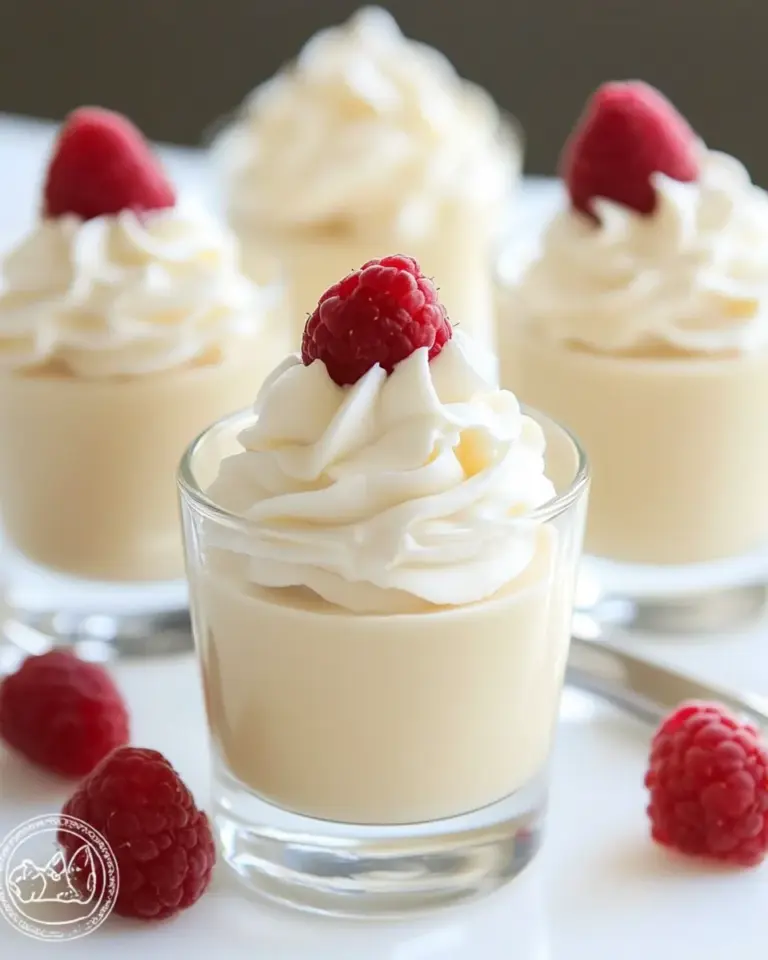
Now that you have this Classic Pastry Cream Recipe in your toolkit, try these quick applications: fill tart shells and top with glazed fruit, pipe into chouquettes or éclairs, use as a layer in sponge cakes, or spoon over warm fruit with a crumble for a simple, elevated dessert.
Make a batch, taste it cold, and then imagine it warmed with poached pears or tucked under a shiny fruit glaze. The more you use it, the more you’ll find the small adjustments that match your style. Happy baking — and trust the recipe: temper, whisk, strain, and chill.
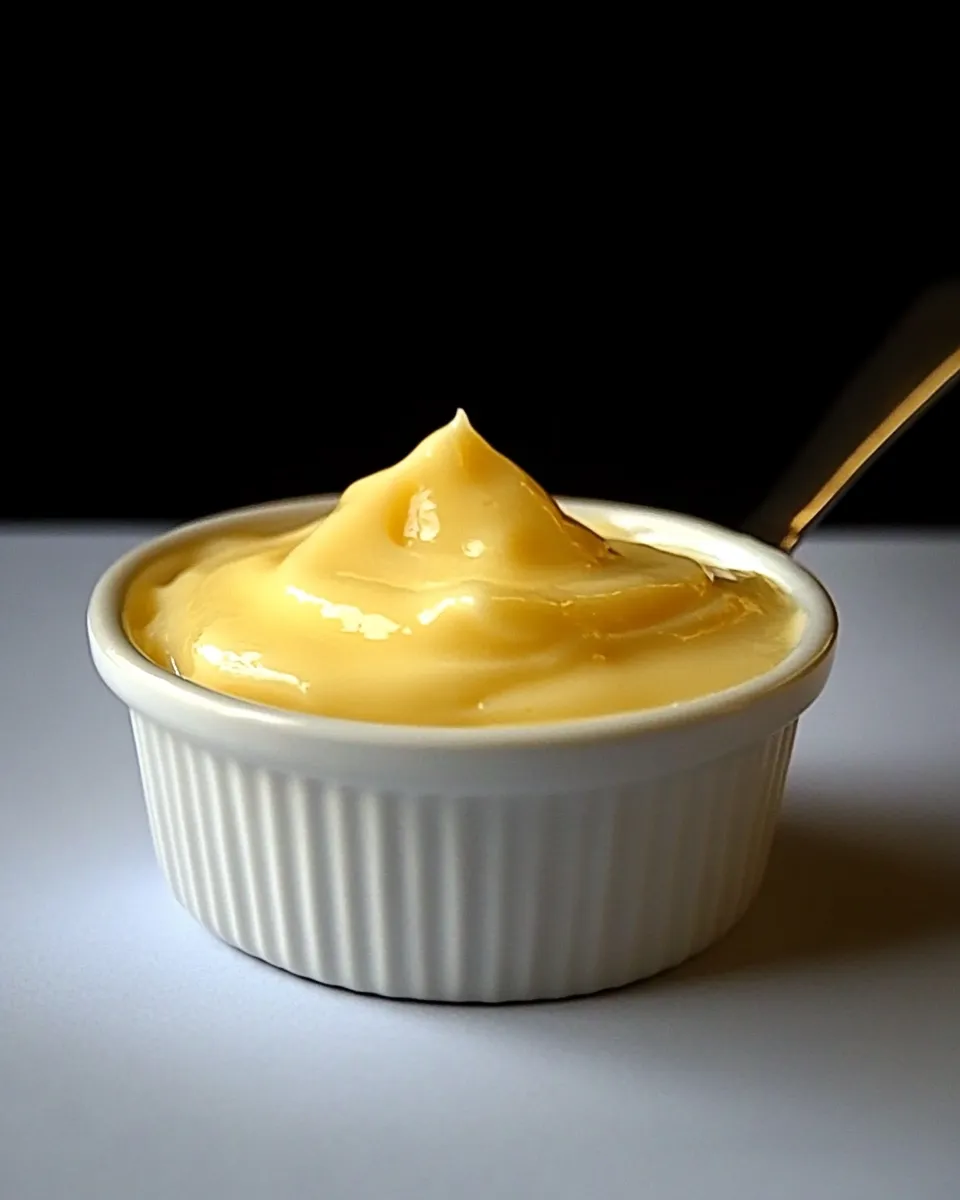
Classic Pastry Cream Recipe
Ingredients
Equipment
Method
- Put 2 cups milk (or half-and-half or heavy cream) and 1/4 cup of the granulated sugar in a heavy saucepan. Heat over medium, stirring occasionally, until the milk reaches a gentle simmer (small bubbles at the edge and steam rising). Do not let it boil.
- While the milk heats, in a medium bowl whisk together 3 eggs, the remaining 3/4 cup granulated sugar, and 1/4 cup cornstarch until completely smooth and free of lumps.
- When the milk is simmering, remove the pan briefly from the heat. Ladle out about 1/2 cup of the hot milk and very slowly whisk it into the egg mixture to temper the eggs (this warms the eggs so they won’t scramble).
- With the saucepan back on medium-low, slowly pour the tempered egg mixture into the remaining milk in a thin, steady stream while whisking constantly.
- Continue to cook over medium-low, whisking constantly, until the mixture thickens and comes to a gentle boil. Once it boils, keep whisking and cook for about 1 minute more to fully activate the cornstarch.
- Remove the pan from the heat and immediately whisk in 2 tablespoons butter and 1 1/2 teaspoons vanilla extract until the butter is fully melted and the mixture is smooth.
- Pour the pastry cream through a wire-mesh strainer into a heatproof, airtight container to remove any cooked egg bits or lumps.
- Press a piece of plastic wrap directly onto the surface of the pastry cream to prevent a skin from forming.
- Chill in the refrigerator until cold, at least 2 hours or overnight. Keep refrigerated and use within a few days.
Notes
Makes about 2 1/2 cups.
Nutrition information is for 1/2 cup serving.