Classic Waffle Recipe
There’s a quiet pleasure in making waffles from scratch: the simple batter, the steady hiss of steam, and the ritual of flipping a golden grid onto a platter. This is the recipe I turn to when I want reliable texture and flavor without fuss. It’s forgiving, fast, and made with pantry staples.
I wrote this post to give you the exact steps and practical notes I use at home, plus solutions for the little problems that can turn breakfast into a hassle. Read straight through for the method, or jump to the sections that matter to you—replacements, gear, or storage. Either way, you’ll have crisp, tender waffles that hold syrup and toppings like a dream.
Ingredient Notes
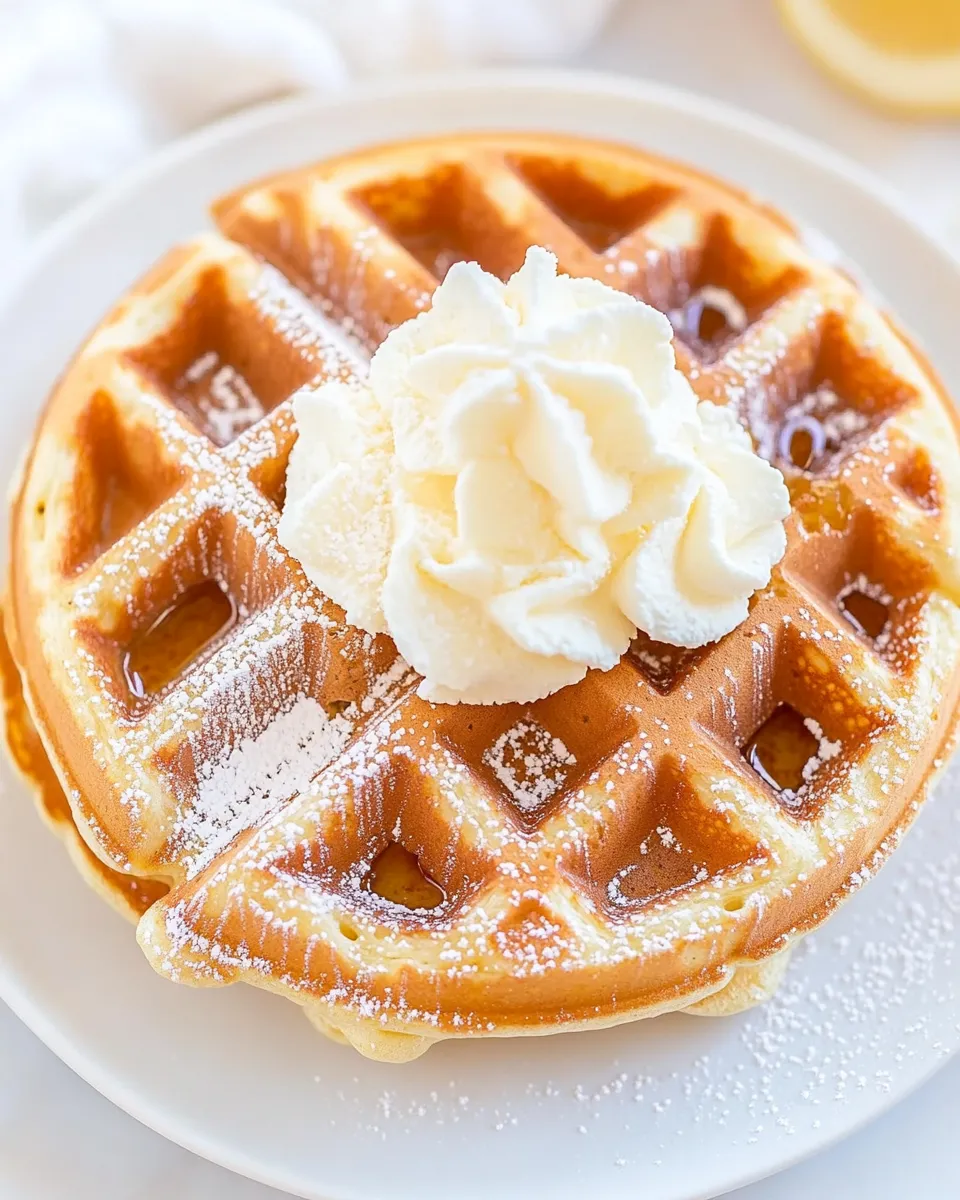
Before you mix, a few quick notes that make a big difference: measure the flour by spooning it into the cup and leveling it off rather than scooping; warm milk speeds mixing and helps fat integrate without cooking the eggs; and don’t overmix the batter—those tiny lumps are okay and keep the waffles light.
Ingredients
- 2 cups all-purpose flour — provides structure; measure lightly for tender waffles.
- 2 tablespoons sugar — adds a touch of sweetness and helps browning.
- 4 teaspoons baking powder — the leavening that makes waffles lift and become airy.
- ½ teaspoon salt — balances flavor; reduce slightly if using salted butter.
- 2 eggs — binders that add richness and help crisp the exterior.
- 1 1/2 cups milk — thins the batter; warm it slightly to avoid chilling the batter and to combine more smoothly.
- 6 tablespoons butter, melted (see notes if using salted butter) — adds flavor and keeps waffles crisp; if using salted butter, omit or cut back on additional salt to taste.
- 1 teaspoon vanilla extract — gentle aromatics that round out the flavor.
The Method for Classic Waffle Recipe
- Preheat your waffle iron according to the manufacturer’s instructions until it is hot and ready to cook.
- In a large bowl, whisk together the 2 cups all-purpose flour, 2 tablespoons sugar, 4 teaspoons baking powder, and 1/2 teaspoon salt until evenly combined.
- Warm the 1 1/2 cups milk until slightly warm (about 1 minute in the microwave or gently on the stovetop). Do not heat so hot that it cooks the eggs.
- In a separate small bowl, whisk the 2 eggs until blended.
- Stir the warm milk, 6 tablespoons melted butter, and 1 teaspoon vanilla extract into the whisked eggs until combined.
- Pour the wet ingredients into the bowl with the dry ingredients and whisk gently until just blended; a few small lumps are fine—do not overmix.
- If your waffle iron is not nonstick, lightly brush or spray it according to the manufacturer’s recommendations.
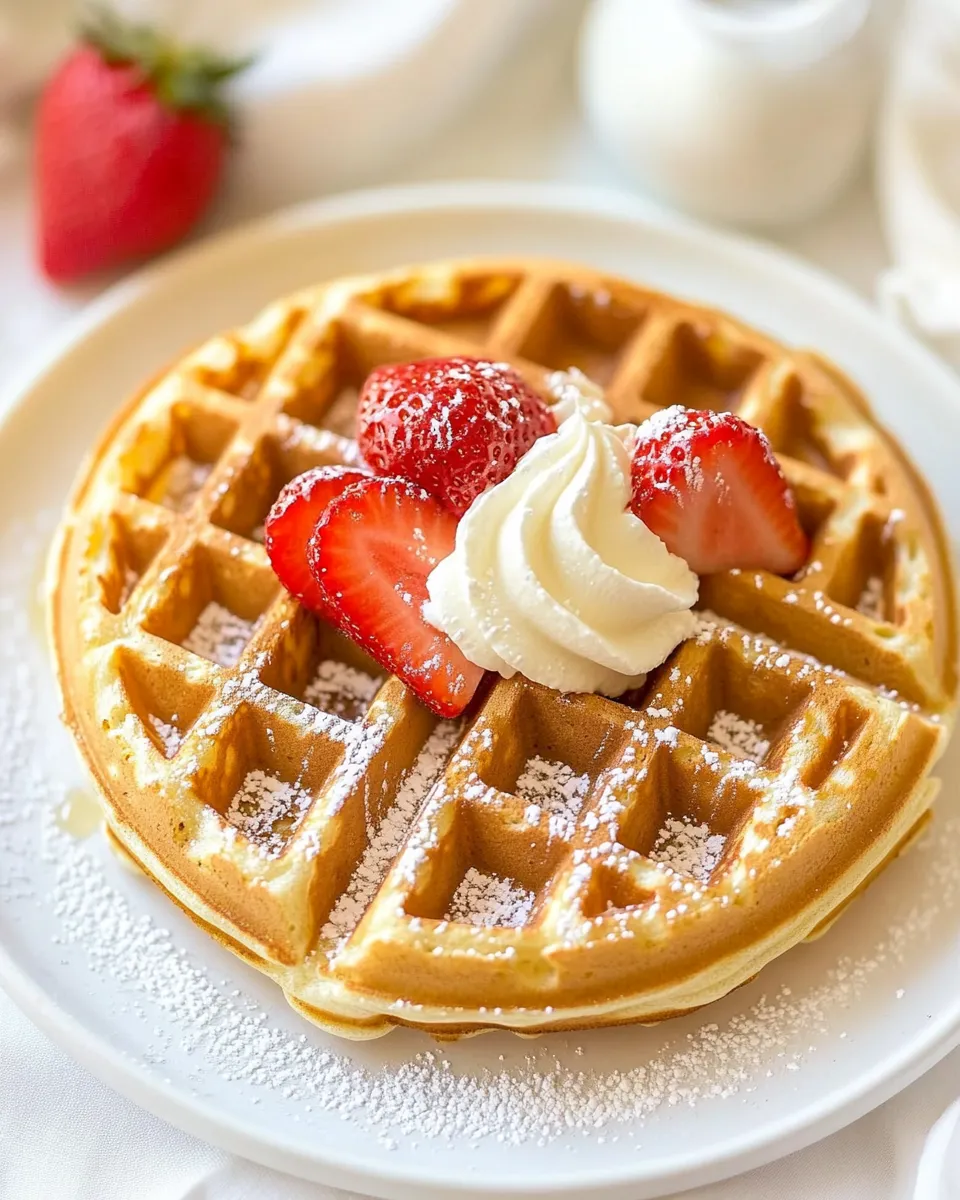
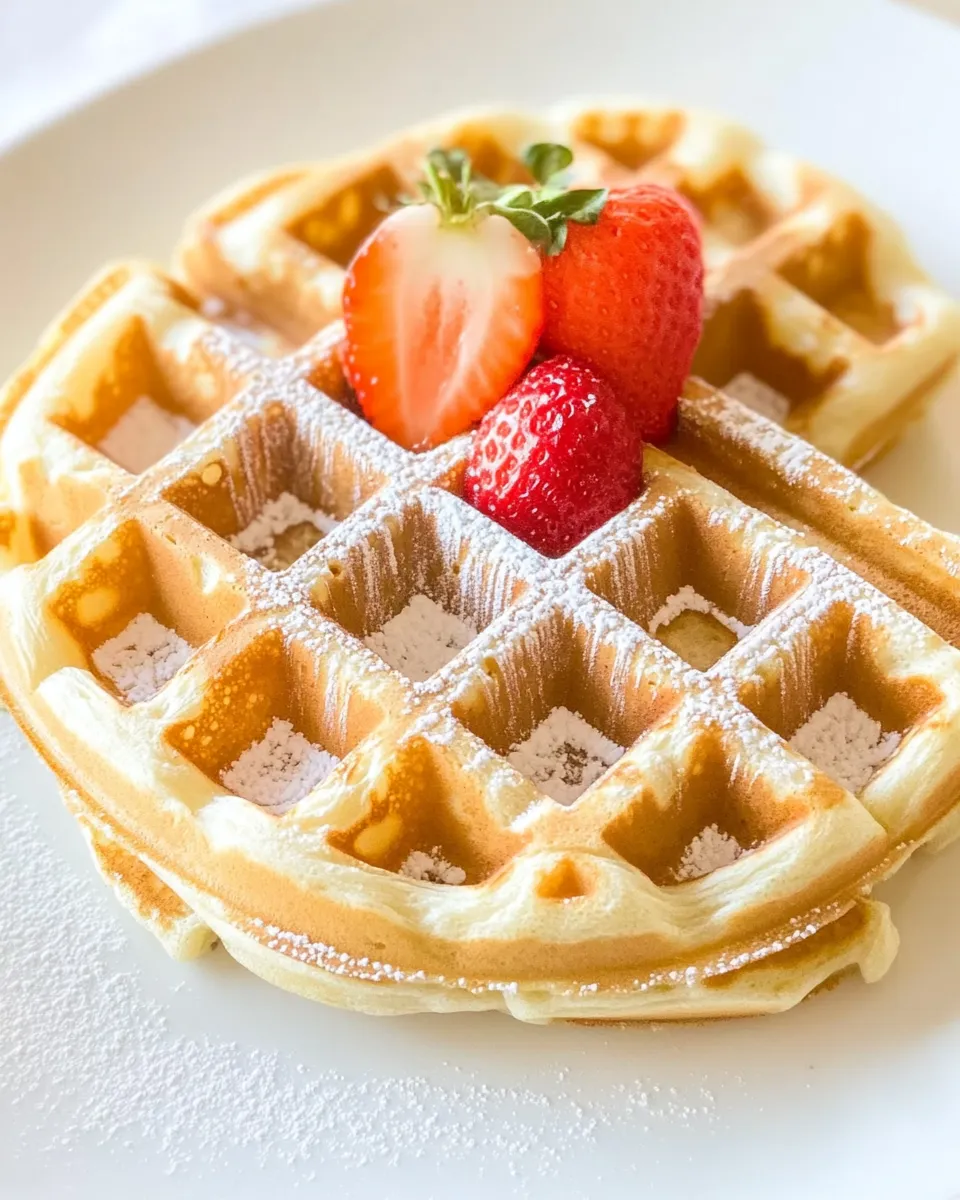
- Scoop batter onto the preheated waffle iron (amount per waffle depends on your iron) and cook until the waffles are golden brown and crisp and the steam has mostly stopped, following your waffle iron’s cook-time guidance.
- Transfer cooked waffles to a cooling rack to keep them crisp and serve immediately, or cool completely and store in zip-close bags in the freezer.
Reasons to Love Classic Waffle Recipe
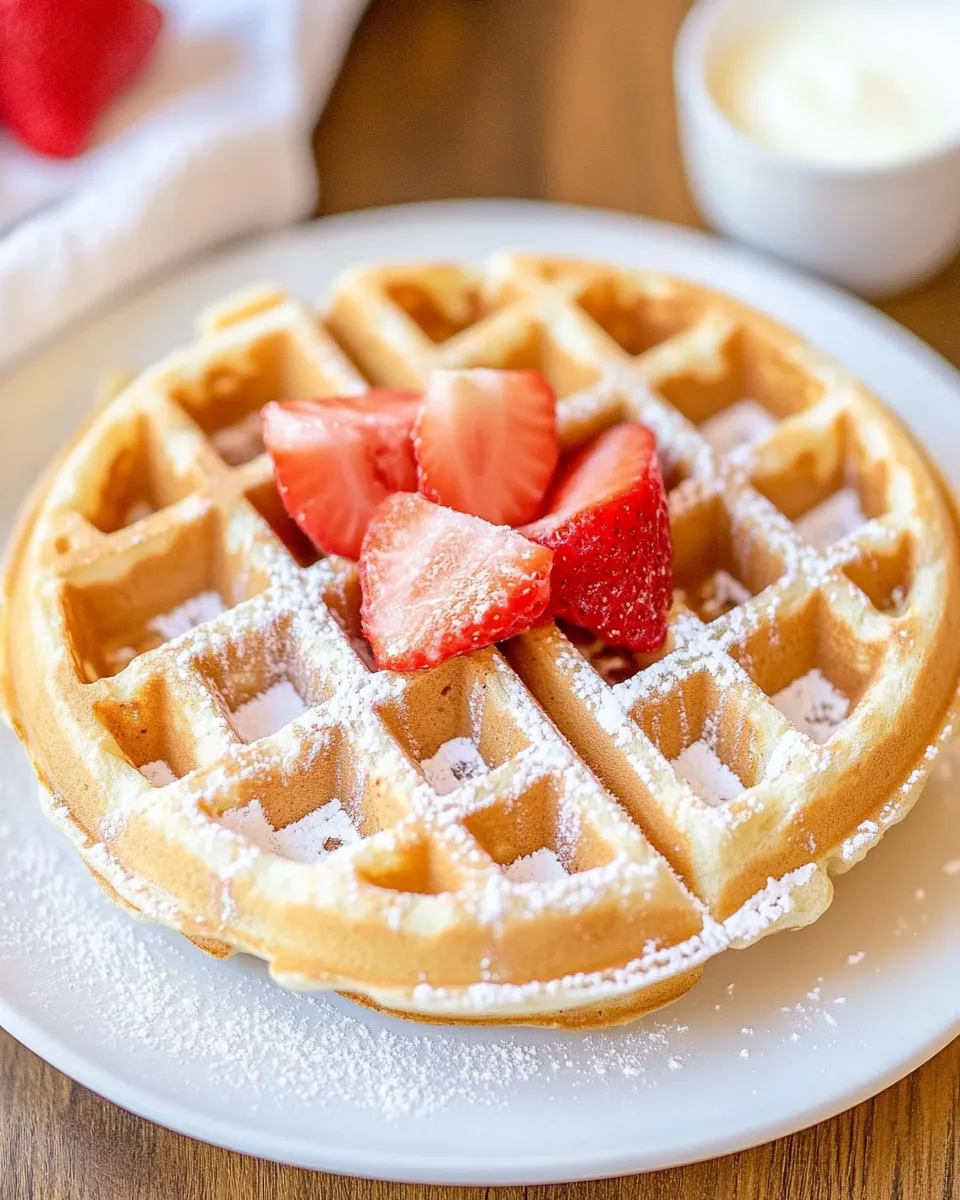
This is the kind of waffle recipe that reliably produces a crisp exterior and tender interior without needing special ingredients. It uses pantry basics and a straightforward method, so you can get great results whether you’re rushed or taking your time. The batter is forgiving: a few small lumps are normal and helpful.
Because the recipe calls for melted butter and warm milk, the batter mixes smoothly and bakes up with even browning. The amount of baking powder here ensures good lift, creating deep pockets that catch syrup, butter, or whatever you like on top. Finally, these waffles freeze and reheat cleanly, which makes them ideal for weekday breakfasts or make-ahead brunches.
Quick Replacement Ideas
- Milk — swap with the same amount of unsweetened dairy alternative (almond, oat, or soy) if needed; note that flavor and browning will vary slightly.
- Butter — you can use equal-part neutral oil (vegetable or canola) if you prefer, though butter gives richer flavor and better browning.
- Vanilla extract — omit if you don’t have it; you can add a pinch of cinnamon instead for a warm note.
- Eggs — for an egg-free option, replace each egg with 1/4 cup unsweetened applesauce or a commercial egg replacer; texture will be slightly different.
Gear Checklist
- Waffle iron — any style works: Belgian (deeper pockets) or standard. Know the recommended batter amount for your model.
- Mixing bowls — one large for dry ingredients and one small for wet ingredients.
- Whisk — for combining dry and wet elements quickly.
- Measuring cups and spoons — accurate measuring keeps batter consistent.
- Scoop or ladle — for portioning batter onto the iron without making a mess.
- Cooling rack — lifts waffles off a hot surface so steam doesn’t soften them.
Troubles You Can Avoid
Waffles Turned Soggy
Cause: Trapping steam by stacking waffles. Fix: Transfer waffles to a cooling rack in a single layer. If you must stack, place a paper towel between layers and serve immediately.
Uneven Browning or Sticking
Cause: Insufficient preheating or a nonstick surface that needs oil. Fix: Preheat fully until the iron signals ready; lightly brush or spray the plates if they aren’t nonstick. Use the iron’s recommended amount of batter; overfilling can cause uneven cooking.
Tough or Dense Waffles
Cause: Overmixing the batter or packing the flour. Fix: Fold wet into dry until just blended—small lumps are fine—and fluff flour into your measuring cup rather than scooping directly from the bag.
Seasonal Adaptations
Spring and summer: Fold minced fresh strawberries or blueberries into the batter sparingly for pockets of fruit—add them just before cooking to avoid coloring the whole batter. Top with a dollop of yogurt and fresh fruit for a lighter finish.
Fall and winter: Add a pinch of ground cinnamon and nutmeg to the dry mix, or stir in 1 tablespoon pureed pumpkin to the wet mix for a seasonal twist—expect a slightly denser waffle. Serve with warm maple syrup and a scatter of toasted pecans.
If You’re Curious
Why warm the milk? Warm milk won’t chill the beaten eggs, so the melted butter stays liquid and integrates smoothly. This small step speeds up cooking and encourages an even rise. Why not beat the egg whites separately? You can for an extra-airy waffle: whip the whites to soft peaks and fold them in at the end, but the recipe works very well without that extra step.
Can you make the batter ahead? You can prepare the dry mix in advance and keep it sealed. Combined batter is best used within a couple of hours; if you refrigerate it, expect a minor change in lift from the baking powder over time.
Prep Ahead & Store
Make-ahead strategy: Cook waffles completely, cool on a rack, then arrange in a single layer on a tray and freeze until firm. Transfer frozen waffles into zip-close bags for long-term storage. Reheat directly from frozen in a toaster or oven (350°F) until crisp—toaster reheating is the fastest and keeps the exterior crisp.
Storing fresh batter: If you must hold the mixed batter, refrigerate for up to 24 hours. Note that baking powder’s lift can diminish slightly, so expect marginally less rise if you wait. For best texture, cook within a couple of hours.
Your Top Questions
Q: Can I make this without a waffle iron?
A: This recipe is formulated for a waffle iron. You can adapt the batter for a griddle or skillet to make pancakes, but timing and texture will differ.
Q: My waffles stick even on a nonstick iron—what gives?
A: Residue from previous batches can build up. Wipe the plates when cool and lightly oil before the next batch. If sticking persists, check your iron’s temperature; too-low heat can cause sticking and sogginess.
Q: How do I get deep pockets for syrup?
A: Use a Belgian-style waffle iron or one with deeper grids. Also, don’t overfill the iron: use the manufacturer’s recommended batter amount so the batter rises into the pockets rather than spilling over.
Q: Can I double the recipe?
A: Yes. Use a larger bowl and mix gently. Cook waffles in batches, keeping finished ones on a cooling rack so they stay crisp.
Save & Share
If you found this helpful, save the recipe to your favorites and bookmark this page for busy mornings. Share a photo of your first batch—mention what you topped them with and whether you used a Belgian or classic iron. I love seeing how folks personalize a simple recipe.
Final practical note: measure carefully, warm the milk, and resist overmixing. Those three steps will take you from decent waffles to reliably great ones. Enjoy.
Classic Waffle Recipe
Ingredients
Equipment
Method
- Preheat your waffle iron according to the manufacturer's instructions until it is hot and ready to cook.
- In a large bowl, whisk together the 2 cups all-purpose flour, 2 tablespoons sugar, 4 teaspoons baking powder, and 1/2 teaspoon salt until evenly combined.
- Warm the 1 1/2 cups milk until slightly warm (about 1 minute in the microwave or gently on the stovetop). Do not heat so hot that it cooks the eggs.
- In a separate small bowl, whisk the 2 eggs until blended.
- Stir the warm milk, 6 tablespoons melted butter, and 1 teaspoon vanilla extract into the whisked eggs until combined.
- Pour the wet ingredients into the bowl with the dry ingredients and whisk gently until just blended; a few small lumps are fine—do not overmix.
- If your waffle iron is not nonstick, lightly brush or spray it according to the manufacturer's recommendations.
- Scoop batter onto the preheated waffle iron (amount per waffle depends on your iron) and cook until the waffles are golden brown and crisp and the steam has mostly stopped, following your waffle iron's cook-time guidance.
- Transfer cooked waffles to a cooling rack to keep them crisp and serve immediately, or cool completely and store in zip-close bags in the freezer.
Notes
*To reheat waffles, place frozen waffle in toaster and cook until heated through and crisp on the outside.
If using salted butter, reduce the salt in recipe to just 1/4 tsp.