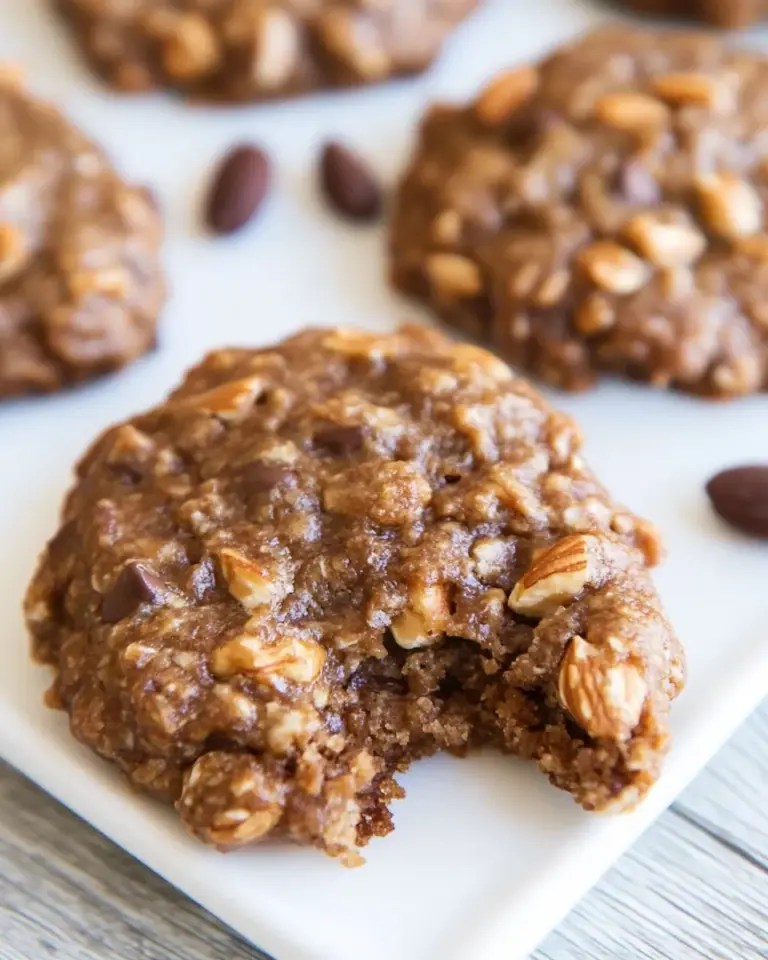
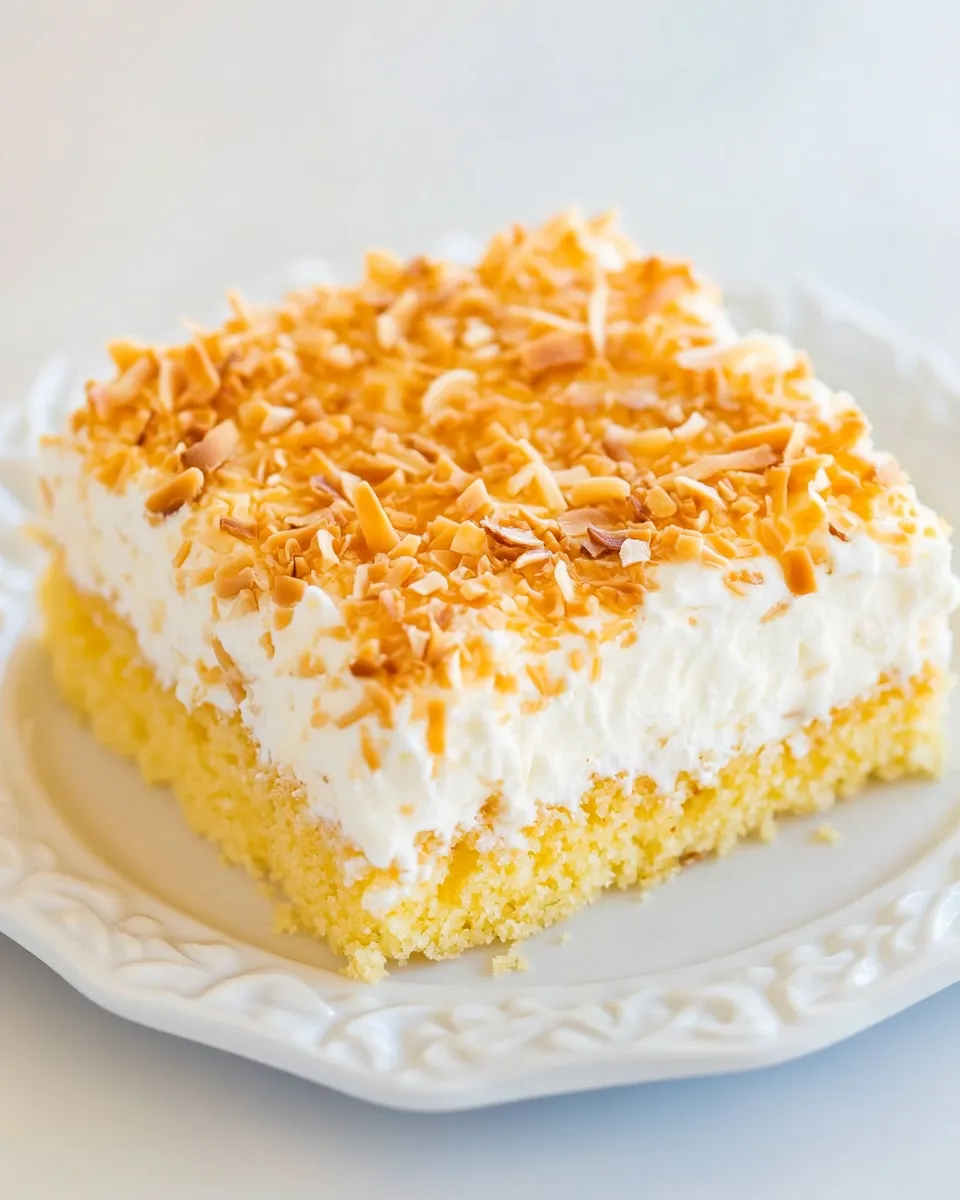
Coconut Caramel Poke Cake
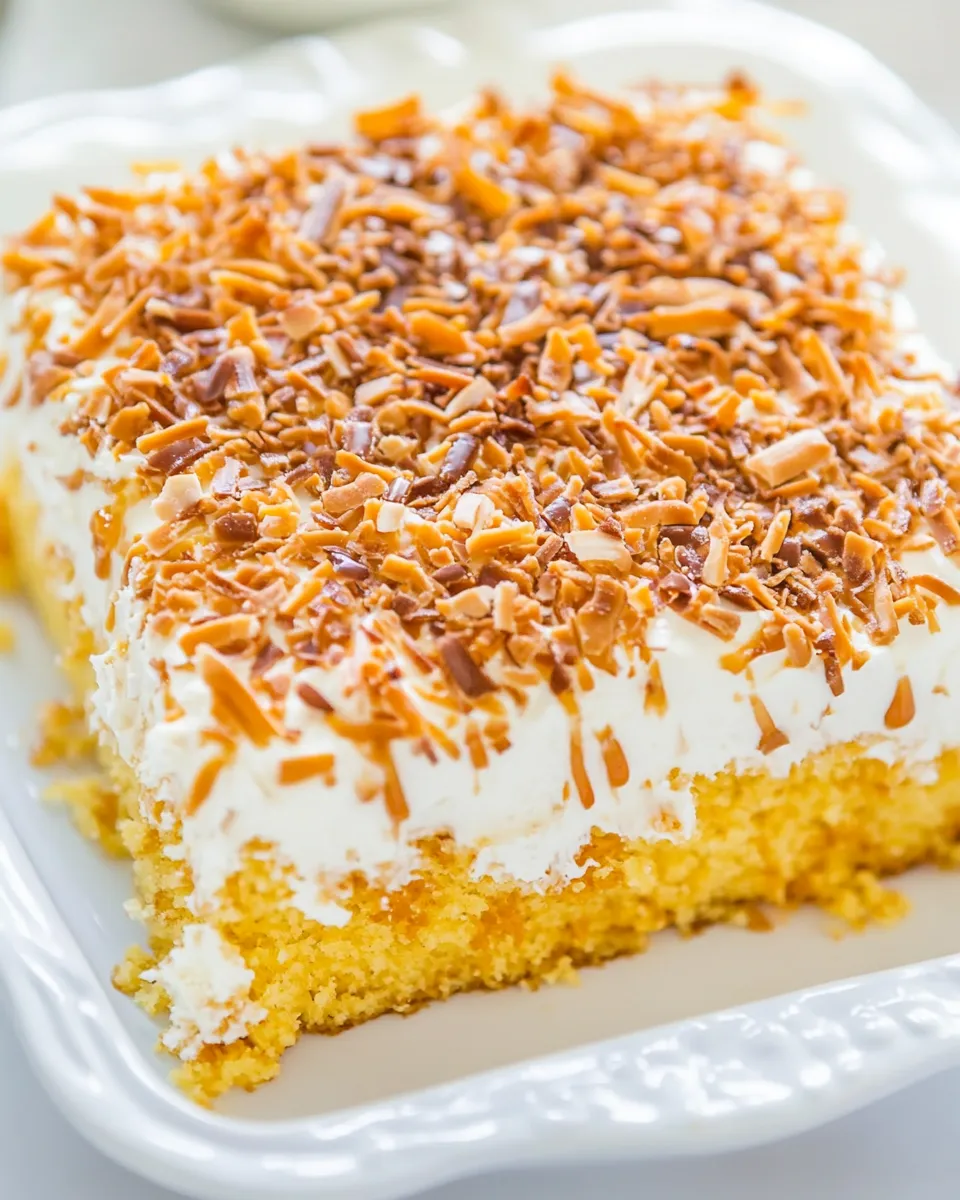
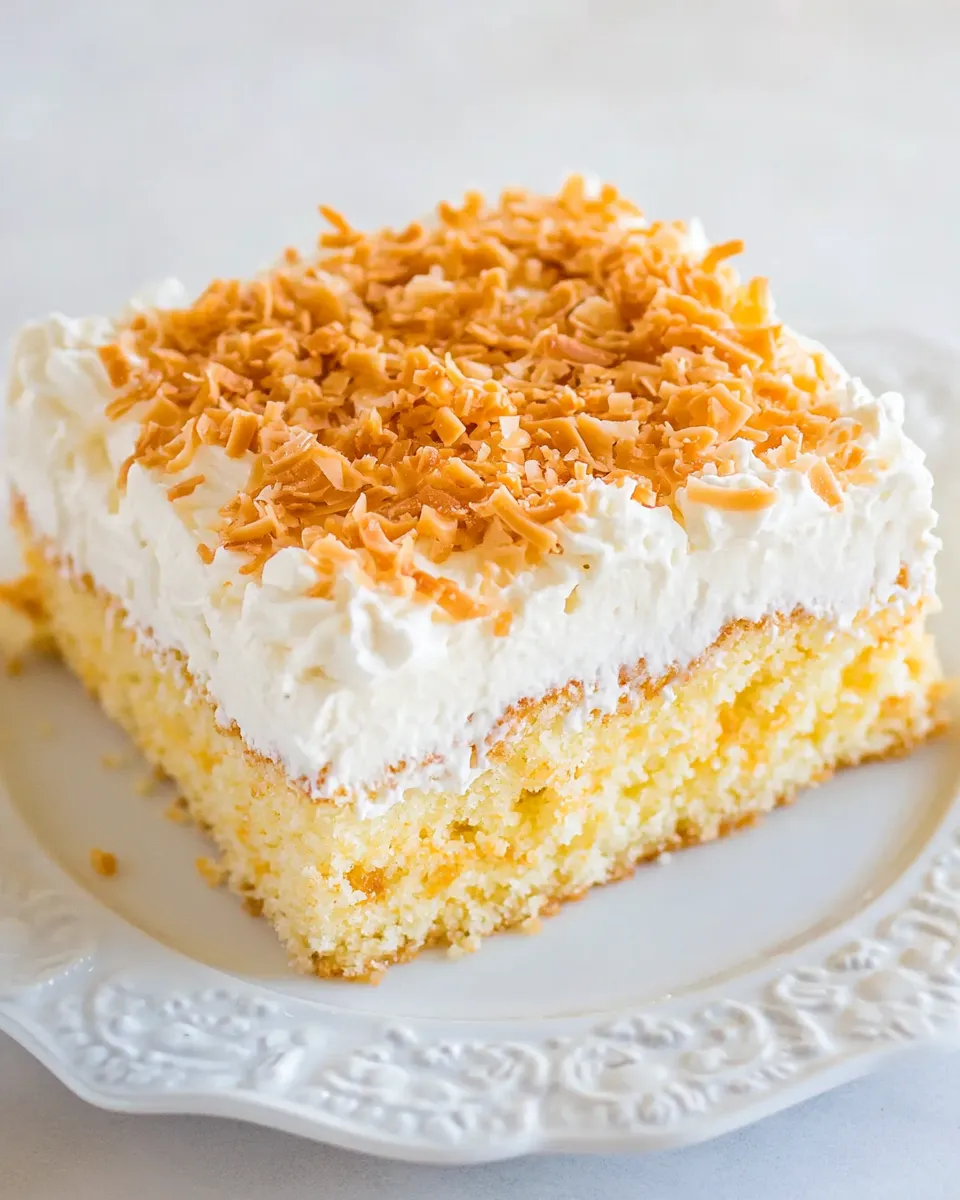
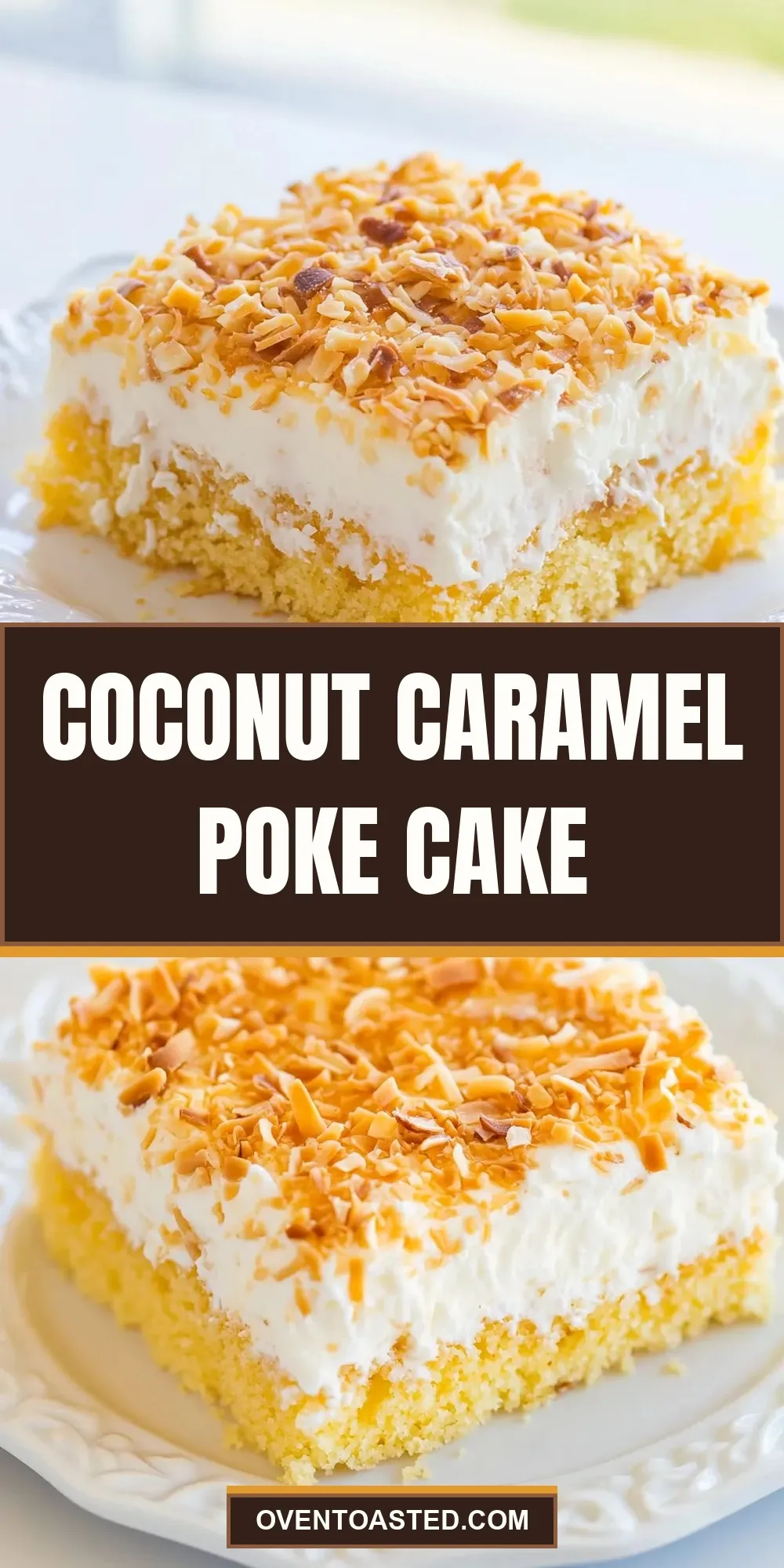
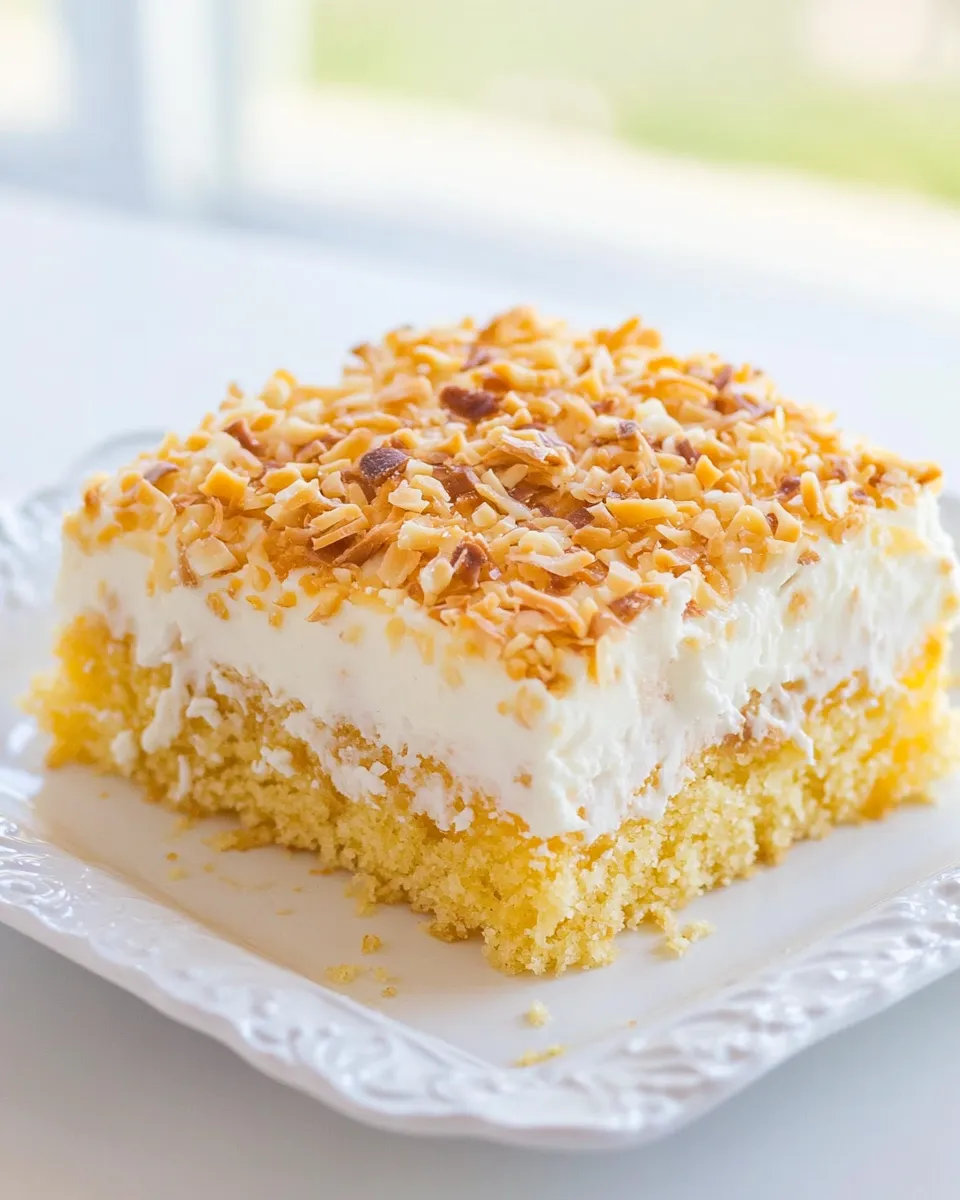
I fell for this cake the first time I needed a quick dessert that felt indulgent without a ton of effort. It’s one of those recipes I bring out when people start asking for something that tastes like a bakery but comes together in less time than a drive-thru line. The texture — moist cake, sweet caramel-soaked pockets, cool whipped topping and toasted coconut — is impossible to argue with.
There’s no need to fuss with layers or complicated fillings. You use a box cake mix as the foundation, poke it after baking, then let a sweetened condensed milk–caramel mix do the heavy lifting for flavor and moisture. Chill, top, toast the coconut and you’re done. It’s reliable, forgiving, and crowd-pleasing.
I’ll walk you through the ingredients, exact steps, what tripped me up in testing, and sensible swaps so you can customize without wrecking the outcome. Practical tips and a few small habits will keep this cake tasting fresh and effortless every time.
Ingredient List
- one 15.25-ounce box French vanilla cake mix — the base of the cake; French vanilla adds a richer vanilla note. White or yellow cake mix may be substituted.
- 1 to 2 teaspoons coconut extract — optional; adds a coconut aroma if you want to amplify that flavor. Add after combining eggs, water, and oil.
- one 14-ounce can sweetened condensed milk — provides the rich, milky sweetness that soaks into the holes and keeps the cake tender.
- 6 ounces caramel sundae topping — adds caramel flavor and body to the soak; the recipe calls for 6 ounces (about half a 12-ounce jar if you eyeball it).
- one 8-ounce container whipped topping, thawed — a quick, stable topping; use whatever thawed container whipped topping you prefer.
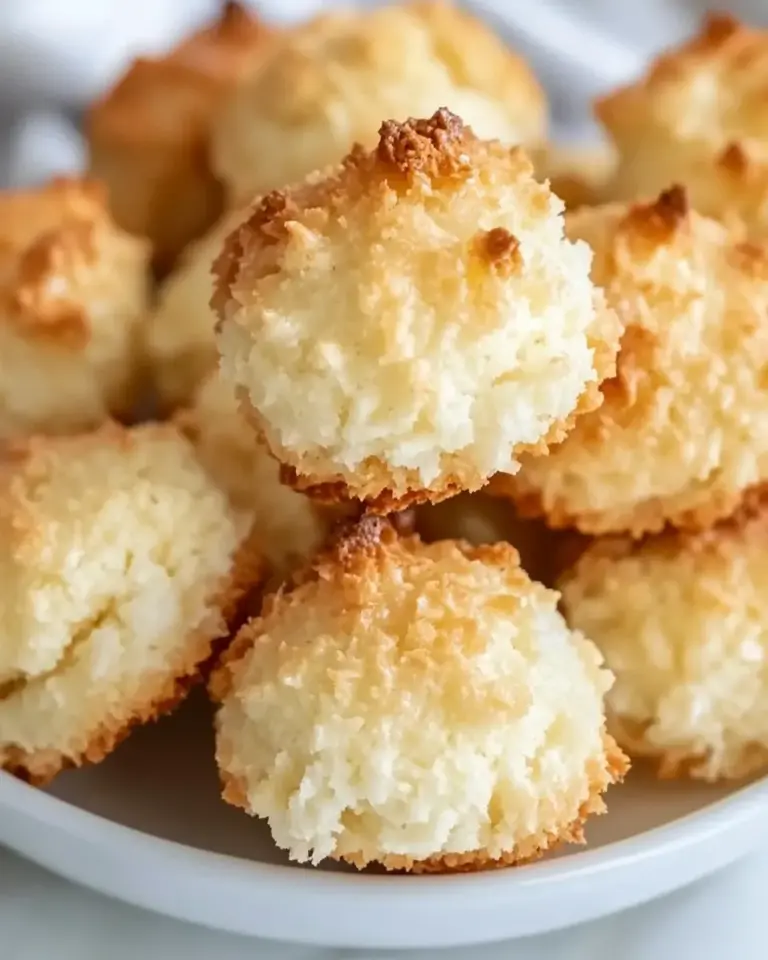
- 1 to 1 1/2 cups sweetened shredded coconut — toasted on top for texture and that toasty coconut flavor; the amount gives you room to taste.
Coconut Caramel Poke Cake Cooking Guide
- Preheat oven to 350°F. Line a 9×13-inch pan with aluminum foil (for easier cleanup) and spray the foil with cooking spray; set pan aside.
- Make the cake batter according to the package directions for the 15.25-ounce cake mix (add the eggs, water, and oil the box calls for). If using the optional coconut extract (1 to 2 teaspoons), add it to the batter after you combine the eggs, water, and oil.
- Pour the batter into the prepared 9×13-inch pan and bake according to the cake mix package directions.
- While the cake bakes, combine the 14-ounce can sweetened condensed milk and 6 ounces caramel sundae topping in a bowl and whisk until smooth; set aside.
- When the cake is done, remove it from the oven and use a fork to poke holes evenly across the top of the cake (about 1/2-inch apart so the mixture can soak in).
- Slowly pour the sweetened condensed milk–caramel mixture over the warm cake, pouring gradually and allowing the liquid to sink into the holes and distribute evenly.
- Place the cake in the refrigerator for about 15 minutes to cool slightly before adding the whipped topping so the topping does not melt.
- Remove the cake from the refrigerator and spread the thawed 8-ounce container of whipped topping evenly over the surface. Cover the cake and refrigerate for at least 2 hours (overnight is best) to set.
- Just before serving, toast 1 to 1 1/2 cups sweetened shredded coconut in a small dry nonstick skillet over medium heat, stirring nearly constantly and watching closely, about 2–3 minutes, until golden. Transfer the toasted coconut to a bowl to cool.
- Evenly sprinkle the cooled toasted coconut over the chilled cake, remove the foil if used, slice, and serve.
Why It Works Every Time
This recipe leans on three reliable principles: structure, soak, and contrast. The boxed cake provides a consistent structure that rises predictably. Poking holes and pouring a sweetened condensed milk–caramel mixture guarantees even distribution of moisture and flavor so no slice is dry. Finally, the cold whipped topping and warm toasted coconut give textural and temperature contrast — creamy and cool against a lightly crunchy, toasty finish.
Sweetened condensed milk is key. It’s dense, syrupy, and clings to the interior of the holes so the cake stays tender for days. The caramel topping lifts the flavor away from plain sweetness into richer territory. Because the cake is chilled before serving, flavors settle and gains depth — which is why I always recommend at least two hours in the fridge, and preferably overnight.
Substitutions by Category
Cake base
- Boxed mixes — the recipe calls for a 15.25-ounce French vanilla mix. You can use a white or yellow mix as noted in the ingredient list if you prefer a lighter vanilla profile.
Flavor boosts
- Coconut extract — optional in the original recipe (1 to 2 teaspoons). If you skip it, the toasted coconut still gives you strong coconut flavor.
Toppings
- Whipped topping — the recipe uses an 8-ounce container of thawed whipped topping. If you prefer, a stabilized fresh whipped cream can work; it will change the texture slightly but still be delicious.
- Shredded coconut — the recipe specifies sweetened shredded coconut. If you want less sweetness or a more pronounced coconut flavor, unsweetened shredded coconut can be used instead.
Caramel and sweeteners
- Caramel sundae topping — the recipe uses 6 ounces. If you have a jar of dulce de leche or a different caramel sauce, it will function the same way; aim for a similar viscosity so it mixes smoothly with the sweetened condensed milk.
Equipment Breakdown
9×13-inch pan — Essential. The recipe is scaled to this size; a different pan will change bake time and depth.
Aluminum foil and cooking spray — Lining with foil makes cleanup trivial and lets you lift the cake out for cleaner slicing.
Fork or skewer — For poking holes. A fork is recommended because it makes appropriately sized holes without tearing the crumb.
Small nonstick skillet — For toasting the coconut. You want a small pan so the coconut heats evenly and you can watch it closely.
Whisk and bowl — For mixing the sweetened condensed milk with the caramel; whisking ensures a smooth, pourable mixture that won’t clog the holes.
Things That Go Wrong
Underbaked center: If the cake is undercooked, the holes will collapse when you poke them and the texture will be gummy. Always test the cake with a toothpick in the center before removing it from the oven; it should come out mostly clean with a few crumbs.
Soak pooling on top: Pour the condensed milk–caramel mix slowly. If you rush, liquid may sit on top and not absorb. Pour gradually and allow time for the mixture to sink into the holes. If you still see pooling, wait a few minutes and tilt the pan slightly to encourage even distribution.
Whipped topping melting: If you spread the topping while the cake is too warm, it will thin and slide. Follow the step that refrigerates the cake about 15 minutes before adding the topping. If your kitchen is hot, chill the cake a bit longer.
Burnt toasted coconut: Coconut goes from golden to burnt within seconds. Toast over medium heat, stir constantly and remove the coconut from the skillet the instant it reaches light golden. Transfer to a cool bowl immediately to stop cooking.
Health-Conscious Tweaks
Lower sugar: You can slightly reduce the total sweetness by using unsweetened shredded coconut. The soak itself relies on sweetened condensed milk and caramel, so changing those components significantly will alter texture and stability.
Lower fat: The original recipe uses a boxed cake mix and whipped topping. Choose a light or fat-free boxed mix if available, and the recipe’s author used fat-free whipped topping in testing. Keep in mind that fat-free options can affect mouthfeel.
Portion control: Slice the cake into smaller pieces and serve with fresh fruit to balance the richness. A modest slice goes a long way because the cake is dense and sweet.
Notes from the Test Kitchen
Timing matters more than you expect. Bake time should follow the box, but plan to be present for the moment you pour the soak — warm cake absorbs best, but not piping hot. In trials, chilling the cake overnight produced the cleanest slices and deepest flavor. The toasted coconut is non-negotiable. It adds texture and reduces the perceived sweetness.
Measure the caramel by sight if you must, but the recipe’s 6 ounces works well. I often use roughly half a 12-ounce jar and whisk it into the sweetened condensed milk until smooth; that ratio gives you enough caramel presence without making the soak too thick to absorb.
If you want to impress visually, drain any excess liquid that pools at the sides, remove the foil cleanly, and use a long, sharp knife warmed under hot water, wiped dry, for slicing. You’ll get cleaner edges.
Storing, Freezing & Reheating
Storing: Cover the cake and keep it refrigerated. It stays best for up to 3 days. The whipped topping and the condensed milk soak hold moisture in, so the cake remains soft. After about three days the coconut may soften and the textures start to merge.
Freezing: You can freeze the cake, but I recommend freezing before adding the whipped topping and toasted coconut. Wrap the foil-lined pan tightly in plastic wrap and foil. Thaw in the refrigerator overnight, then add the whipped topping and toasted coconut before serving.
Reheating: This cake is meant to be served chilled. If you prefer a slightly warmer slice, bring an individual piece to room temperature for 15–20 minutes before serving. Do not microwave with the whipped topping on — it will collapse.
Frequently Asked Questions
- Can I make this without a boxed mix? — Yes, but the recipe timing and texture depend on the 15.25-ounce boxed mix. If you use a scratch cake, bake time and crumb density may change; adjust by ensuring a firm, set cake before poking and soaking.
- What if I don’t have caramel sundae topping? — A similar caramel sauce or dulce de leche will work. The key is a pourable caramel that mixes smoothly with sweetened condensed milk.
- Can I use fresh coconut instead of shredded? — Fresh coconut has a different texture and moisture content. Shredded coconut (sweetened or unsweetened) toasts quickly and evenly, which is what you want for topping.
- Is it okay to skip the coconut extract? — Absolutely. The toasted shredded coconut contributes most of the coconut flavor. The extract is optional for an extra boost.
- How early can I make it? — You can assemble it a day ahead and keep it refrigerated. Overnight chilling often improves the flavor and makes slicing neater.
That’s a Wrap
Coconut Caramel Poke Cake is a dependable, showy dessert that doesn’t demand advanced baking skills. Follow the simple steps, respect the chill time, and don’t rush the coconut toasting. You’ll end up with a cake that looks like it came from a pastry case but was made in your kitchen with minimal fuss.
Make it for a weeknight potluck or save it for weekend company. Either way, it’s the kind of dessert that disappears fast and gets asked for again.
Coconut Caramel Poke Cake
Ingredients
Equipment
Method
- Preheat oven to 350°F. Line a 9×13-inch pan with aluminum foil (for easier cleanup) and spray the foil with cooking spray; set pan aside.
- Make the cake batter according to the package directions for the 15.25-ounce cake mix (add the eggs, water, and oil the box calls for). If using the optional coconut extract (1 to 2 teaspoons), add it to the batter after you combine the eggs, water, and oil.
- Pour the batter into the prepared 9×13-inch pan and bake according to the cake mix package directions.
- While the cake bakes, combine the 14-ounce can sweetened condensed milk and 6 ounces caramel sundae topping in a bowl and whisk until smooth; set aside.
- When the cake is done, remove it from the oven and use a fork to poke holes evenly across the top of the cake (about 1/2-inch apart so the mixture can soak in).
- Slowly pour the sweetened condensed milk–caramel mixture over the warm cake, pouring gradually and allowing the liquid to sink into the holes and distribute evenly.
- Place the cake in the refrigerator for about 15 minutes to cool slightly before adding the whipped topping so the topping does not melt.
- Remove the cake from the refrigerator and spread the thawed 8-ounce container of whipped topping evenly over the surface. Cover the cake and refrigerate for at least 2 hours (overnight is best) to set.
- Just before serving, toast 1 to 1 1/2 cups sweetened shredded coconut in a small dry nonstick skillet over medium heat, stirring nearly constantly and watching closely, about 2–3 minutes, until golden. Transfer the toasted coconut to a bowl to cool.
- Evenly sprinkle the cooled toasted coconut over the chilled cake, remove the foil if used, slice, and serve.
Notes
Adapted fromCaramel Cream Poke Cake.