Coconut Curry Recipe
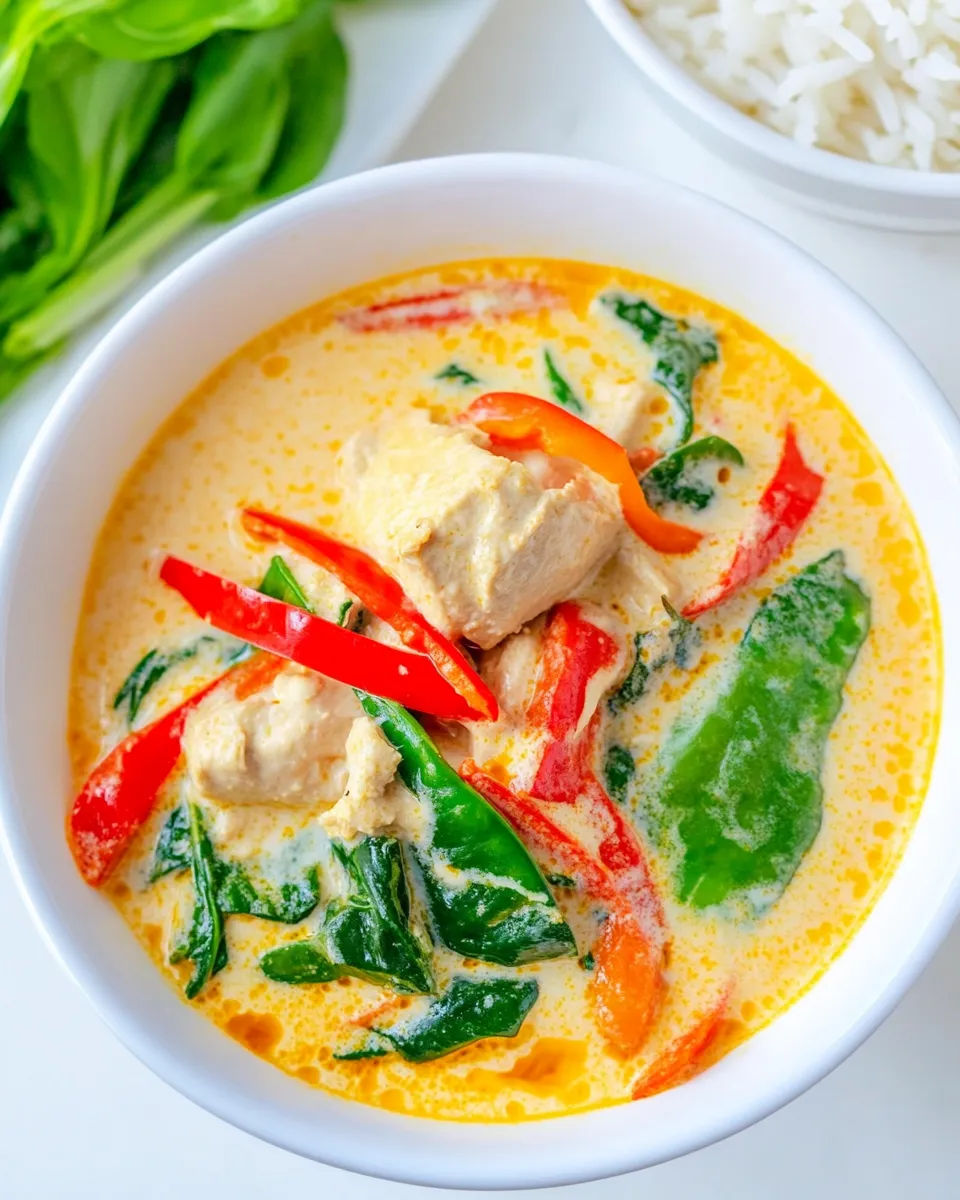
I love a curry that feels effortless and generous at the same time. This Coconut Curry Recipe is exactly that — creamy coconut milk, bright aromatics, and an easy structure that lets you use whatever vegetables and optional proteins you have on hand. I turn to it when I want a dinner that’s comforting, adaptable, and ready with minimal fuss.
There are two reliable methods here: a quick stovetop approach if you want dinner within 30 minutes, and a crockpot option that frees up your afternoon and deepens the flavors. Both paths lead to the same result: a gently spiced, slightly sweet coconut sauce that coats tender vegetables and any optional additions you choose.
Below you’ll find a clear ingredients list and a step-by-step method I follow in my kitchen. I keep the seasoning simple so the coconut, ginger, and turmeric can do the heavy lifting, then use small additions — curry paste, peanut butter, or Thai basil — to steer the final flavor toward green, red, or nutty notes.
What Goes In
- 1 onion — provides the savory base; peel and dice so it melts into the sauce.
- 2 chopped carrots — adds sweetness and body; chop to a size that will cook through in 15–25 minutes on stovetop.
- 2 sliced bell peppers — give color and a mild sweetness; slice so they soften but keep a little bite.
- 1 cup vegetables of choice — examples: green beans, snow peas, chopped broccoli, or diced sweet potato; a flexible container for whatever’s seasonal.
- 1 can coconut milk (13.5 oz) — the sauce’s backbone; full-fat gives the creamiest result, light works if you prefer.
- 1 tbsp sugar or sweetener of choice — balances acidity and rounds the flavors; start with this and adjust to taste.
- 1 tsp minced ginger or 1/4 tsp powdered — fresh minced ginger brightens the curry; powdered is fine in a pinch.
- 1/2 tsp salt — essential for lifting flavors; add more to taste after cooking.
- 1/4 tsp ground turmeric — adds warm color and a gentle earthy note.
- optional protein like cubed tofu or black beans — an easy plant-protein option; tofu soaks up sauce, beans add heartiness.
- optional 2 tbsp green or red curry paste — boosts heat and complexity; add now for a stronger curry flavor.
- optional handful Thai basil — adds a fragrant, peppery finish when stirred in at the end.
- optional 1/2 cup chopped pineapple — gives a bright, tangy-sweet contrast if you like a fruit element.
- optional 4 tbsp peanut butter or handful of cashews — peanut butter lends creaminess and a nutty depth; cashews are nice as a garnish or stirred in near the end.
Method: Coconut Curry Recipe
- Prepare ingredients: peel and dice the 1 onion; chop the 2 carrots; slice the 2 bell peppers; measure 1 cup of your chosen vegetables; open the 1 can (13.5 oz) coconut milk; have 1 tbsp sugar (or sweetener), 1 tsp minced ginger (or 1/4 tsp powdered), 1/2 tsp salt, and 1/4 tsp ground turmeric ready; prepare any optional items (cube tofu or drain/rinse black beans; measure 2 tbsp curry paste if using; chop pineapple if using; measure 4 tbsp peanut butter or a handful of cashews; pick a handful of Thai basil if using).
- Choose stovetop or crockpot method before cooking.
- For stovetop: place a medium pot or large skillet on medium heat. Add the diced onion and cook until softened (browning is optional). Do not add other ingredients yet.
- Add the chopped carrots, sliced bell peppers, and the 1 cup of additional vegetables to the pot with the onion.
- Pour in the entire can of coconut milk, then stir in 1 tbsp sugar, 1 tsp minced ginger (or 1/4 tsp powdered), 1/2 tsp salt, and 1/4 tsp ground turmeric. If using, stir in the optional 2 tbsp green or red curry paste now.
- If using optional protein (cubed tofu or black beans) or optional chopped pineapple, add them to the pot now.
- Bring the mixture to a gentle simmer over medium heat, then reduce heat slightly to maintain a low simmer. Stir occasionally and cook until the carrots and other vegetables are tender and the sauce has thickened to your liking (about 15–25 minutes, depending on vegetable size).
- If using optional peanut butter, stir the 4 tbsp in during the last 5 minutes of cooking until evenly incorporated. If using optional cashews, add them near the end or use as a garnish.
- Stir in optional handful of Thai basil off the heat or in the last minute of cooking. Taste and serve.
- For crockpot: combine the onion, carrots, bell peppers, the 1 cup of additional vegetables, the entire can of coconut milk, 1 tbsp sugar, 1 tsp minced ginger (or 1/4 tsp powdered), 1/2 tsp salt, 1/4 tsp turmeric, and any optional curry paste, protein, pineapple, or peanut butter (if using peanut butter, plan to stir it in again at the end if it separates) in the slow cooker. Cook on LOW for 6 hours or until vegetables are soft.
- For crockpot finish: if using peanut butter, stir it in during the last 10 minutes; add cashews and Thai basil at the end before serving.
Why It Works Every Time
This Coconut Curry Recipe is built on a few dependable principles. First, coconut milk provides a neutral, creamy canvas that carries the aromatics and spices without overpowering them. Second, ginger and turmeric add fresh, warming notes while a touch of sugar rounds any sharper edges. Finally, cooking the vegetables until just tender but not mushy preserves texture and prevents a one-note, stewed result.
Keeping the seasoning simple makes the dish forgiving. The recipe gives you optional boosts — curry paste for instant depth, peanut butter for richness, pineapple for brightness — but you don’t need all of them to get a balanced, delicious curry. The two cooking methods (stovetop or crockpot) let you choose intensity: a stovetop simmer concentrates flavors faster; a slow cooker produces soft, melded flavors with less hands-on time.
Ingredient Swaps & Substitutions
This recipe is intentionally flexible. Below are swaps that follow the original ingredient list and keep the dish balanced.
- Vegetable choices — use green beans, snow peas, chopped broccoli, or diced sweet potato as suggested. If you want more bite, choose green beans or snow peas; for heartiness, use diced sweet potato.
- Protein — cubed tofu soaks up the sauce and holds shape; black beans add a creamy, earthy texture. Both are listed as optional; pick one based on preference.
- Ginger — fresh minced ginger is brighter; the 1/4 tsp powdered option works when fresh isn’t available.
- Sweetener — the recipe lists 1 tbsp sugar or a sweetener of choice; use your preferred sweetener but start with the amount given.
- Peanut options — 4 tbsp peanut butter makes the curry silkier and nuttier; a handful of cashews works as garnish or stirred in near the end for crunch.
- Heat and depth — 2 tbsp green or red curry paste will shift the curry toward classic Thai profiles. It’s optional, so omit for a milder, more coconut-forward result.
What You’ll Need (Gear)
- Medium pot or large skillet — for the stovetop method; choose based on how much curry you’re making.
- Slow cooker (crockpot) — if you prefer the hands-off option.
- Cutting board and a good chef’s knife — for quick, even chopping.
- Measuring spoons and a tablespoon — to keep the balance of ginger, sugar, salt, and turmeric consistent.
- Can opener and wooden spoon or spatula — for stirring and finishing the sauce.
- Colander (if using canned black beans) — to drain and rinse quickly.
Watch Outs & How to Fix
Here are the common issues you might meet, and easy fixes I use.
- Too thin a sauce — simmer a little longer on the stovetop to reduce and thicken. For crockpot batches, finish briefly on the stovetop to evaporate excess liquid.
- Sauce splits when reheating — coconut milk can separate if cooked too hot or reheated quickly. Reheat gently over low heat and whisk or stir to recombine. If using peanut butter, stir it in at the end (per the instructions) to help stabilize the texture.
- Vegetables limp or overcooked — cut them slightly larger if you like bite. On stovetop, check at 15 minutes and adjust cooking time based on size.
- Not flavorful enough — taste and adjust with a pinch more salt, an extra 1/2 tsp sugar, or a tablespoon more curry paste if you used any. Small adjustments make a big difference.
Seasonal Serving Ideas
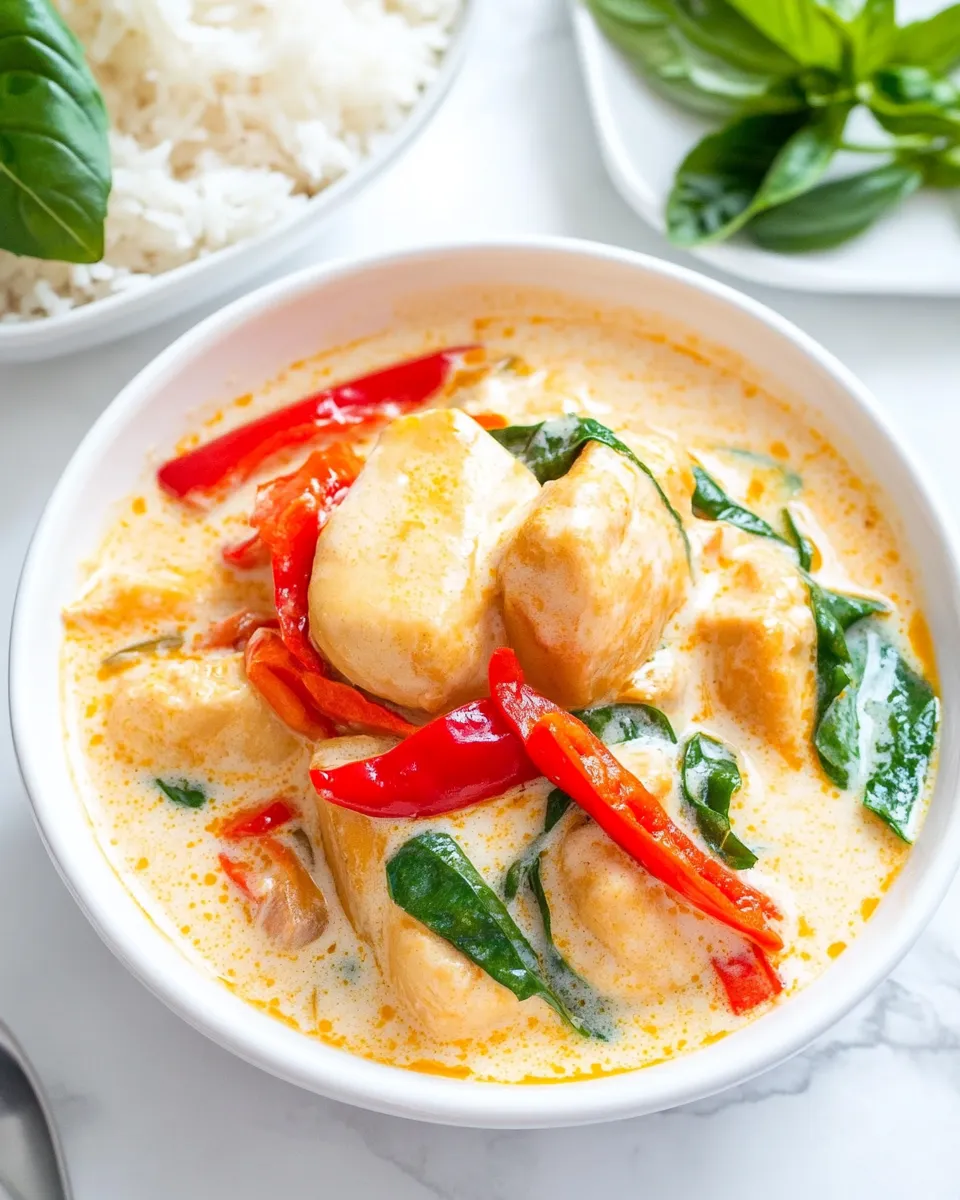
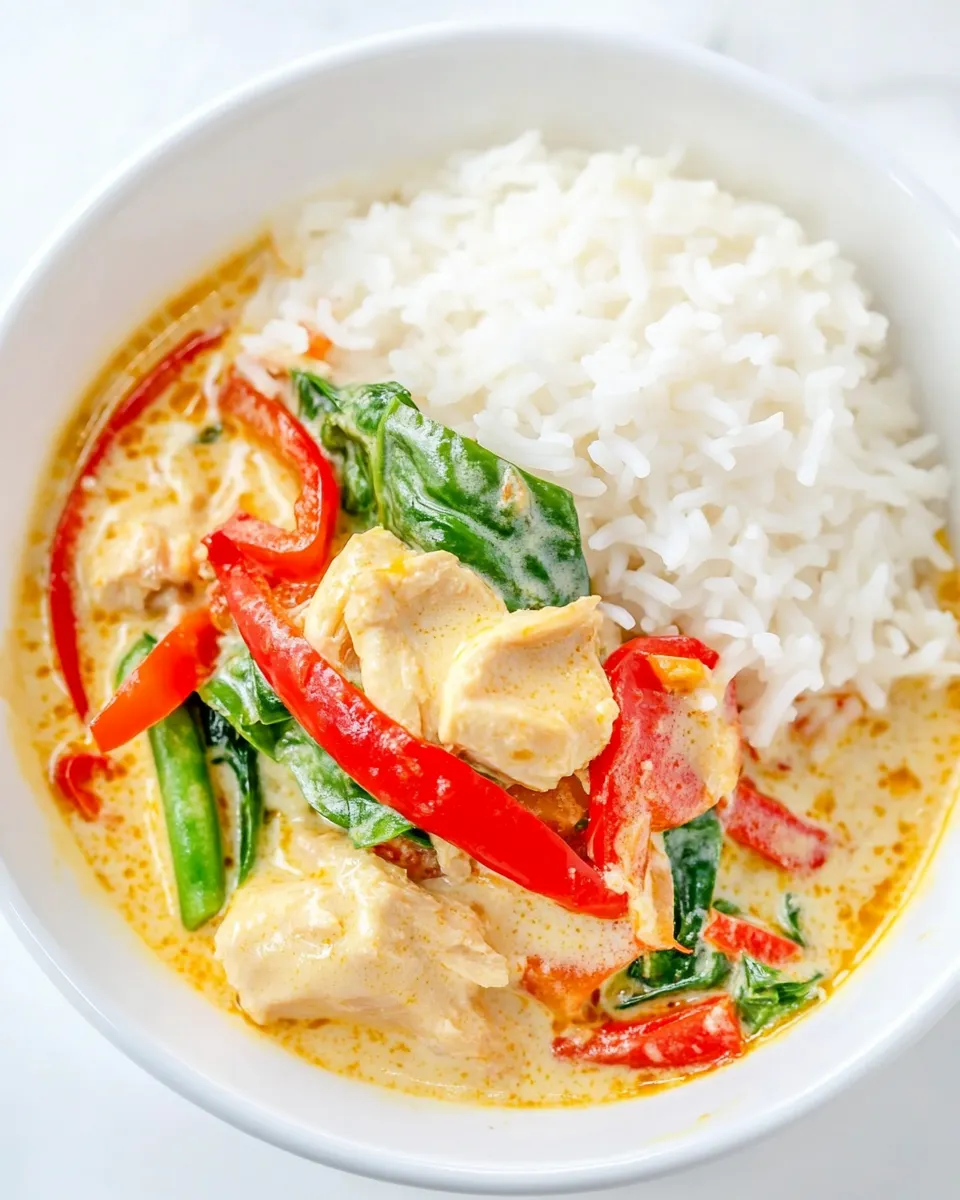
Serve this curry simply over steamed jasmine or brown rice for a weeknight meal. In warmer months, lighten it up by serving the curry alongside a crisp green salad and lime wedges to brighten each bite. If you add chopped pineapple (optional in the recipe), it’s especially nice in summer when the fruit is sweet and juicy.
In cooler months, stir the curry into cooked grains, ladle over roasted root vegetables, or spoon it over baked potatoes for a comforting bowl. Finish with handfuls of Thai basil or a scatter of cashews for texture and freshness.
Notes from the Test Kitchen
I tested this recipe both ways: stovetop for speed, crockpot for set-and-forget convenience. On the stovetop I start tasting at the 15-minute mark; the carrots usually become tender by 15–20 minutes depending on dice size. The crockpot method yields soft, melded vegetables after about 6 hours on LOW and benefits from a final seasoning check before serving.
When I include peanut butter, I add it toward the end. It blends into the sauce and deepens the mouthfeel without masking the coconut. Thai basil added off the heat gives a bright, peppery lift that contrasts nicely with richer elements like peanut butter or curry paste.
Cooling, Storing & Rewarming
Let the curry cool to room temperature for no more than two hours, then transfer to airtight containers. Refrigerate for up to 4 days. For longer storage, freeze in airtight containers for up to 2 months; leave some headspace because liquids expand when frozen.
Reheat gently on the stovetop over low heat, stirring occasionally. If frozen, thaw overnight in the refrigerator before reheating. If the sauce looks separated after reheating, whisk in a spoonful of coconut milk or a splash of water and heat slowly until it comes back together.
Helpful Q&A
Can I make this completely vegan? Yes. Use the optional tofu or skip any animal products — everything listed here is plant-forward.
Is the curry spicy? Not by default. The base recipe is mild; add the optional 2 tbsp green or red curry paste for heat and complexity.
Can I double the recipe? Yes. Use a larger pot or slow cooker and keep the same ratios for seasoning, then adjust salt and sugar to taste near the end.
What if I don’t like peanut butter? Skip it and use cashews as a garnish or omit nuts entirely — the curry will still be creamy from the coconut milk.
Let’s Eat
This Coconut Curry Recipe is one of those dishes you can lean on when you want flavor without a long ingredient list. It’s forgiving, quick when you need it to be, and endlessly adaptable to pantry and seasonal produce. I hope it becomes a regular in your rotation the way it is in mine.
Serve it hot with rice, scatter a few cashews on top, add a handful of Thai basil, and dig in. If you try it, tell me what vegetables and optional additions you used — I always love hearing variations and small wins from the kitchen.
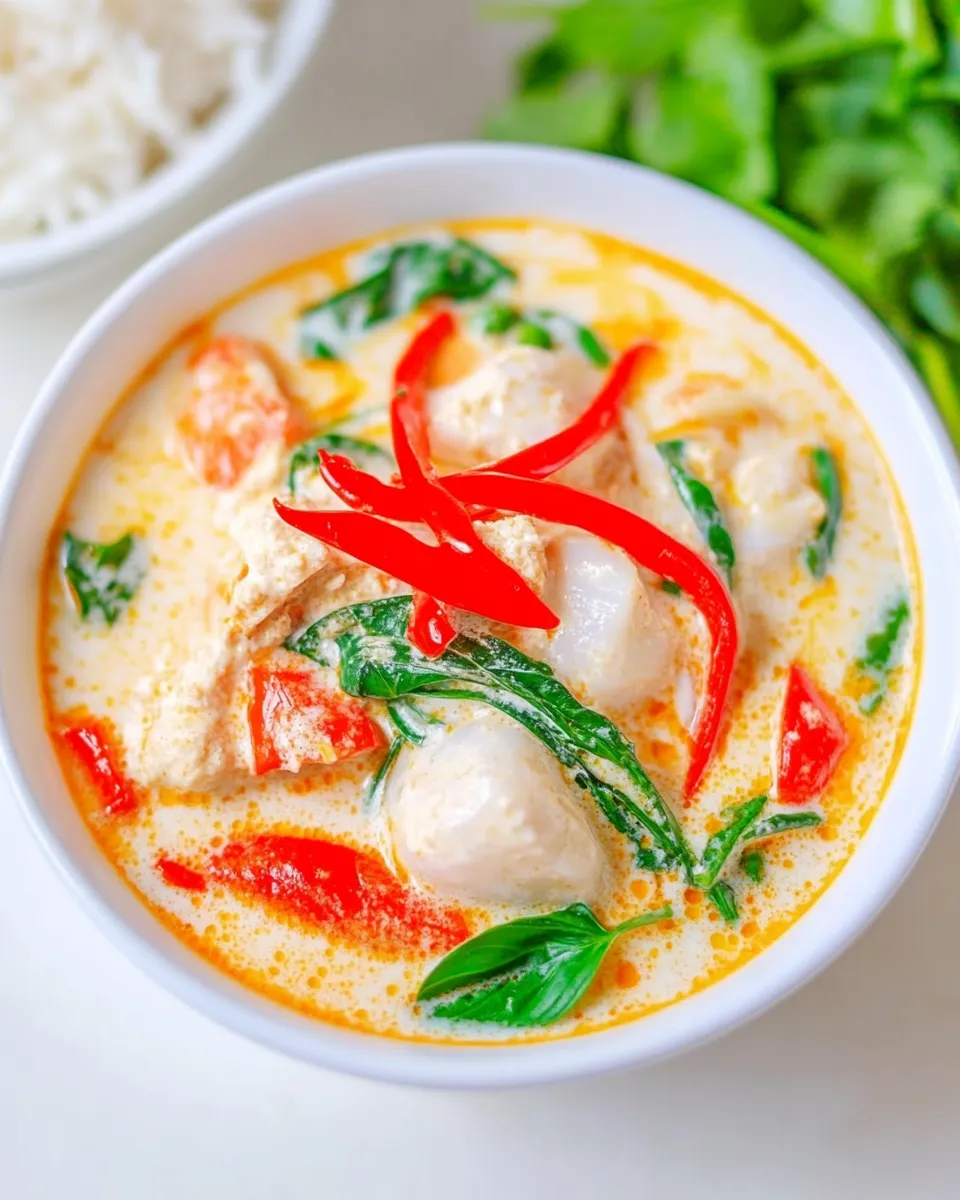
Coconut Curry Recipe
Ingredients
Equipment
Method
- Prepare ingredients: peel and dice the 1 onion; chop the 2 carrots; slice the 2 bell peppers; measure 1 cup of your chosen vegetables; open the 1 can (13.5 oz) coconut milk; have 1 tbsp sugar (or sweetener), 1 tsp minced ginger (or 1/4 tsp powdered), 1/2 tsp salt, and 1/4 tsp ground turmeric ready; prepare any optional items (cube tofu or drain/rinse black beans; measure 2 tbsp curry paste if using; chop pineapple if using; measure 4 tbsp peanut butter or a handful of cashews; pick a handful of Thai basil if using).
- Choose stovetop or crockpot method before cooking.
- For stovetop: place a medium pot or large skillet on medium heat. Add the diced onion and cook until softened (browning is optional). Do not add other ingredients yet.
- Add the chopped carrots, sliced bell peppers, and the 1 cup of additional vegetables to the pot with the onion.
- Pour in the entire can of coconut milk, then stir in 1 tbsp sugar, 1 tsp minced ginger (or 1/4 tsp powdered), 1/2 tsp salt, and 1/4 tsp ground turmeric. If using, stir in the optional 2 tbsp green or red curry paste now.
- If using optional protein (cubed tofu or black beans) or optional chopped pineapple, add them to the pot now.
- Bring the mixture to a gentle simmer over medium heat, then reduce heat slightly to maintain a low simmer. Stir occasionally and cook until the carrots and other vegetables are tender and the sauce has thickened to your liking (about 15–25 minutes, depending on vegetable size).
- If using optional peanut butter, stir the 4 tbsp in during the last 5 minutes of cooking until evenly incorporated. If using optional cashews, add them near the end or use as a garnish.
- Stir in optional handful of Thai basil off the heat or in the last minute of cooking. Taste and serve.
- For crockpot: combine the onion, carrots, bell peppers, the 1 cup of additional vegetables, the entire can of coconut milk, 1 tbsp sugar, 1 tsp minced ginger (or 1/4 tsp powdered), 1/2 tsp salt, 1/4 tsp turmeric, and any optional curry paste, protein, pineapple, or peanut butter (if using peanut butter, plan to stir it in again at the end if it separates) in the slow cooker. Cook on LOW for 6 hours or until vegetables are soft.
- For crockpot finish: if using peanut butter, stir it in during the last 10 minutes; add cashews and Thai basil at the end before serving.
Notes
For dessert, make this homemade
Coconut Ice Cream
.