Crab Rangoon Recipe
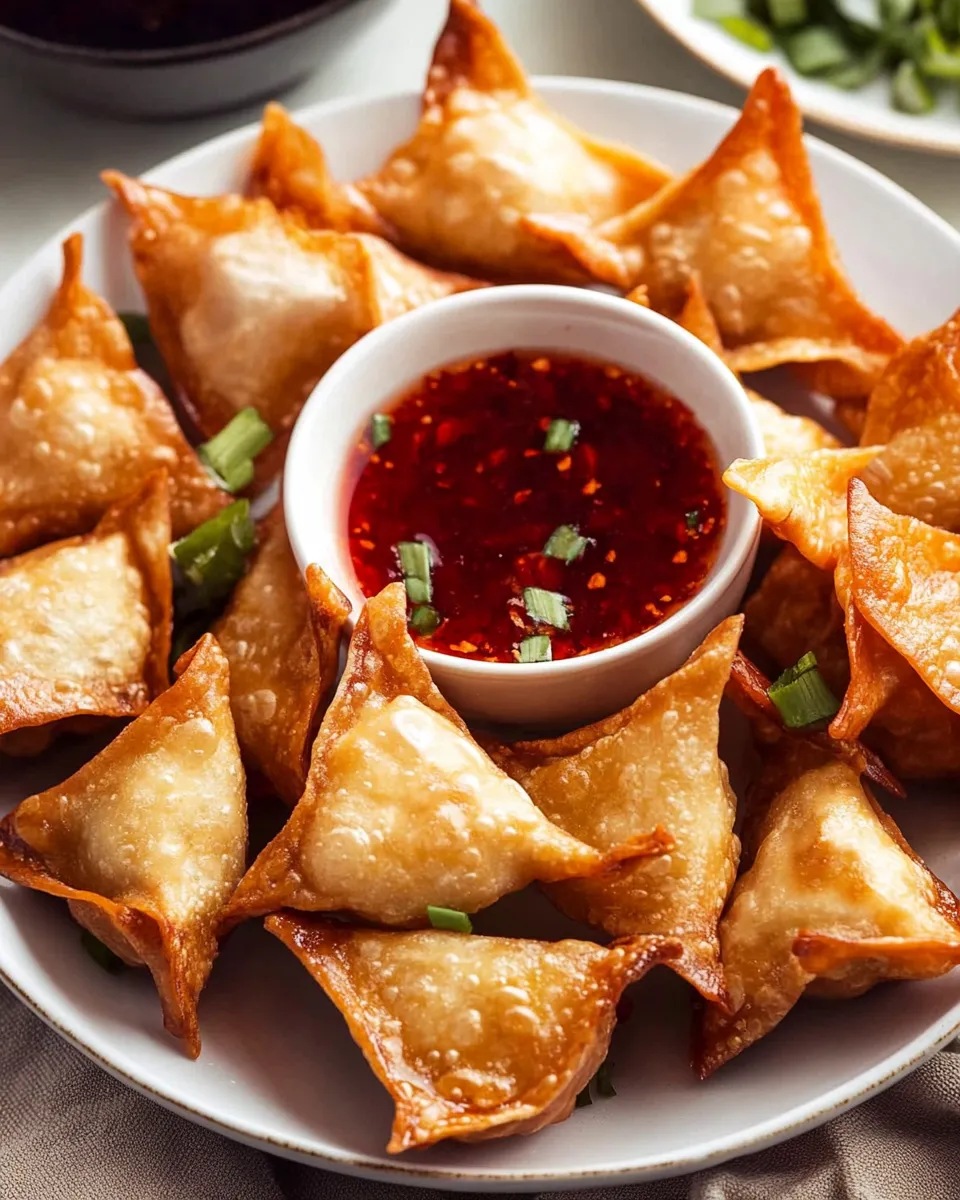
These crispy little purses are the kind of appetizer I turn to when I want something impressive but not complicated. A creamy, savory filling wrapped in a thin wonton and fried until golden — they come together faster than you’d expect and disappear even faster. They’re a classic for a reason: contrast of texture, a hit of umami, and that satisfying pop of warm, molten filling when you bite in.
I wrote this recipe to be practical: clear steps, honest tips, and reliable timing. You don’t need specialist technique or rare ingredients. With a few simple pieces of equipment and the right temperature for the oil, you’ll get consistent results every time. The directions below follow a straightforward order from prep to frying so you can work efficiently.
Treat the intro here as a roadmap. Read the ingredient notes, pick over the crabmeat carefully, keep your wrappers covered, and heat the oil to the stated range. I’ll walk you through swaps, storage, and common pitfalls so you can make a batch that’s crisp, creamy, and exactly what you want for a party, weeknight treat, or late-night snack.
Ingredient List
- 8 ounces block-style cream cheese, softened — the base of the filling; use block-style for predictable texture and easier mixing.
- 6 ounces crabmeat (1 cup), picked over for cartilage and drained well — the star; pick over to remove shells and drain so the filling isn’t watery.
- 1 teaspoon toasted sesame oil — adds a toasty, nutty note that lifts the creamy filling.
- 1 teaspoon light soy sauce — provides salty umami without overpowering the crab.
- 1-1/2 teaspoons Worcestershire sauce — deepens the savory profile with a tangy edge.
- 1 clove garlic, minced — a little garlic goes a long way to brighten the filling.
- ¼ cup thinly-sliced scallions — freshness and crunch; slice thin so they fold easily into the filling.
- pinch ground white pepper — a gentle warmth and subtle heat that doesn’t show as black specks.
- 36 wonton wrappers — thin wrappers fry up crisp; keep them covered while you work so they don’t dry out.
- vegetable oil or peanut oil, for frying** — neutral oils with a high smoke point work best for even browning.
- sweet and sour sauce, duck sauce, plum sauce, or Chinese hot mustard, for dipping — choose one or offer a few; the sweet/sour contrast is what many people love with Crab Rangoon.
Crab Rangoon: From Prep to Plate
- Pick over the crabmeat for cartilage and drain well; pat lightly with paper towels if needed.
- In a bowl, stir together the softened cream cheese, sesame oil, soy sauce, Worcestershire sauce, and ground white pepper until smooth. Fold in the minced garlic, thinly sliced scallions, and the drained crabmeat until evenly combined.
- Place a stack of wonton wrappers on a plate and cover with a lightly dampened towel to keep them from drying while you work.
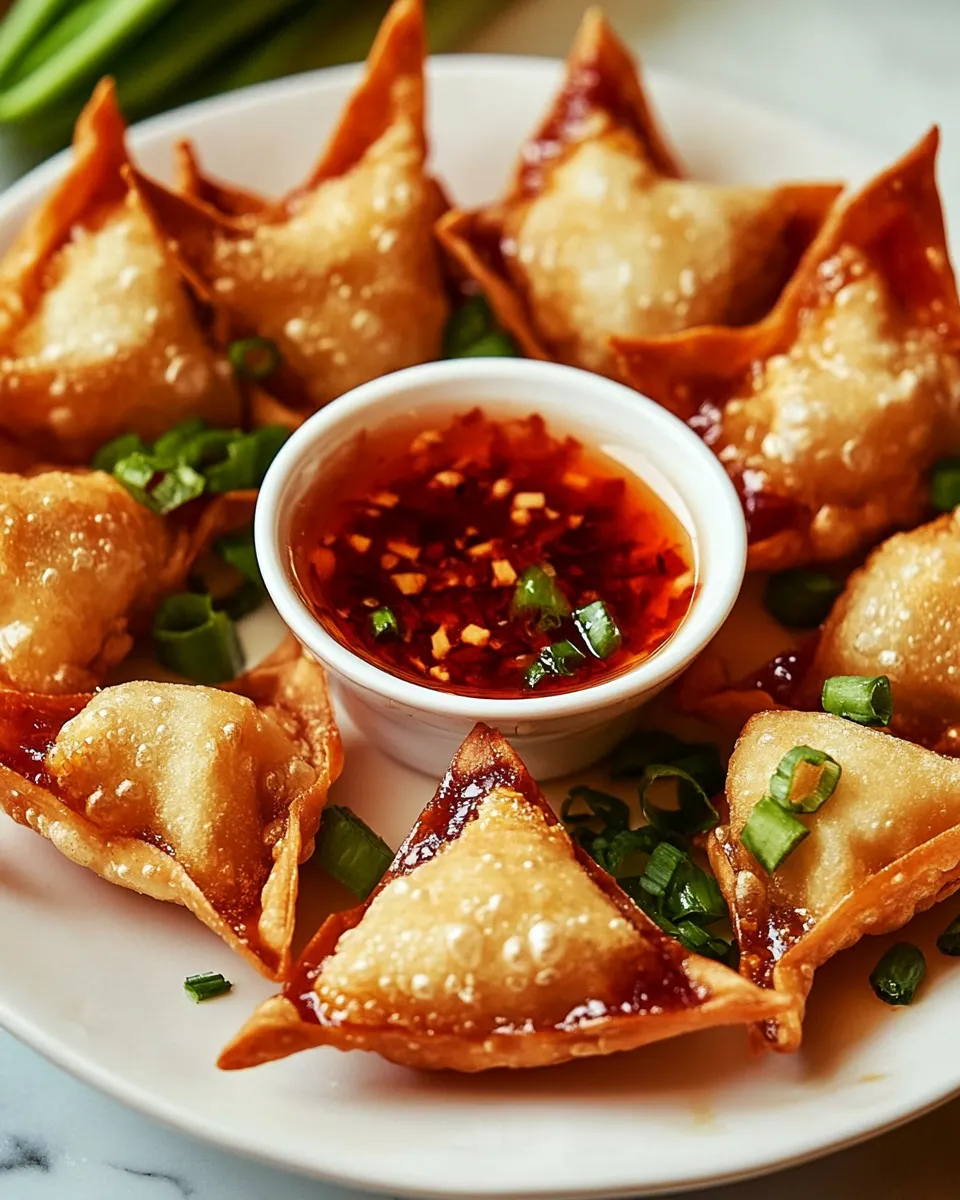
- Working one wrapper at a time, place 1-1/2 teaspoons of filling in the center of a wonton wrapper. Lightly dampen the perimeter of the wrapper with water. Fold the bottom-left corner up over the filling to meet the top-right corner. Fold the two remaining corners toward the center to form a small purse, pressing out any trapped air and sealing all edges firmly. Keep assembled wontons covered with the damp towel.
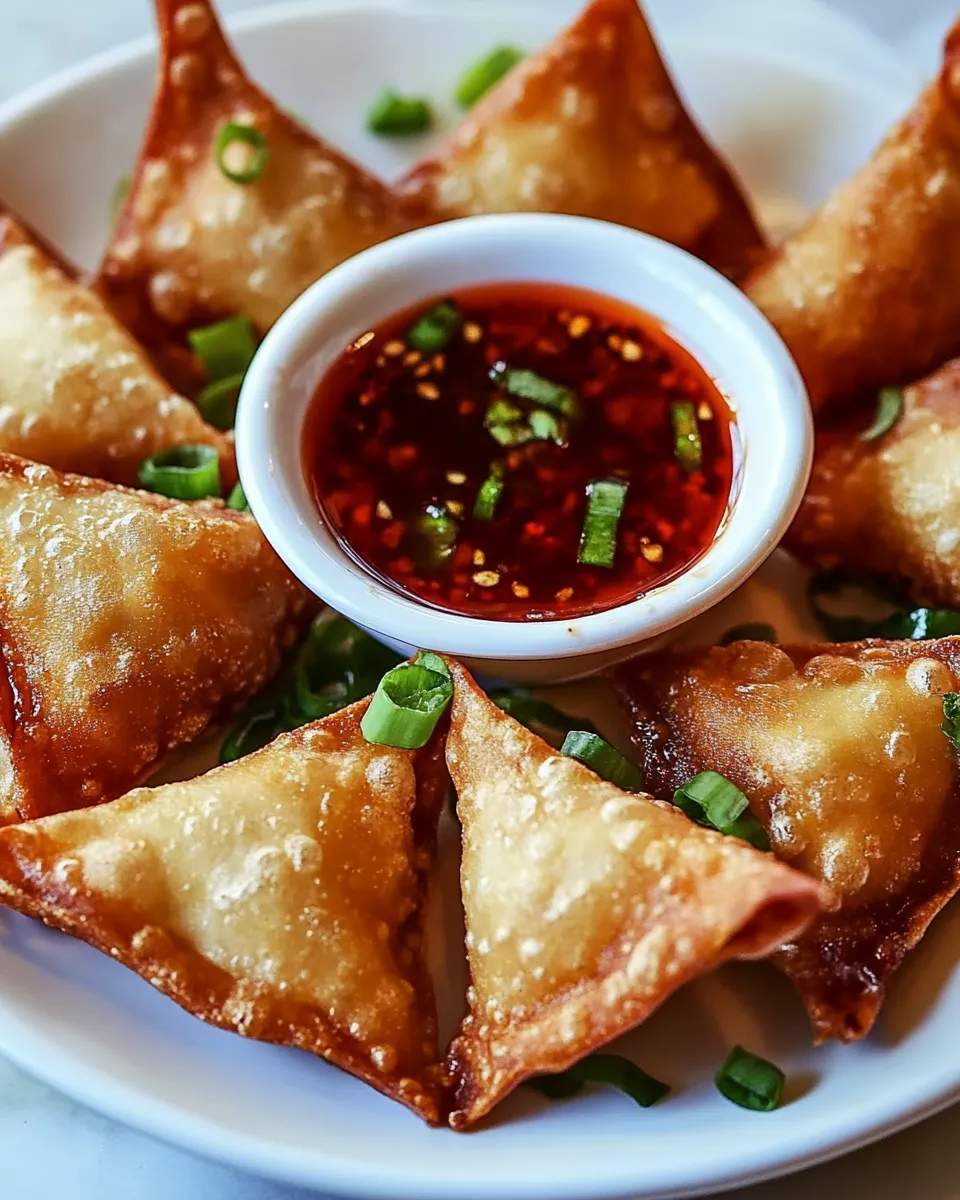
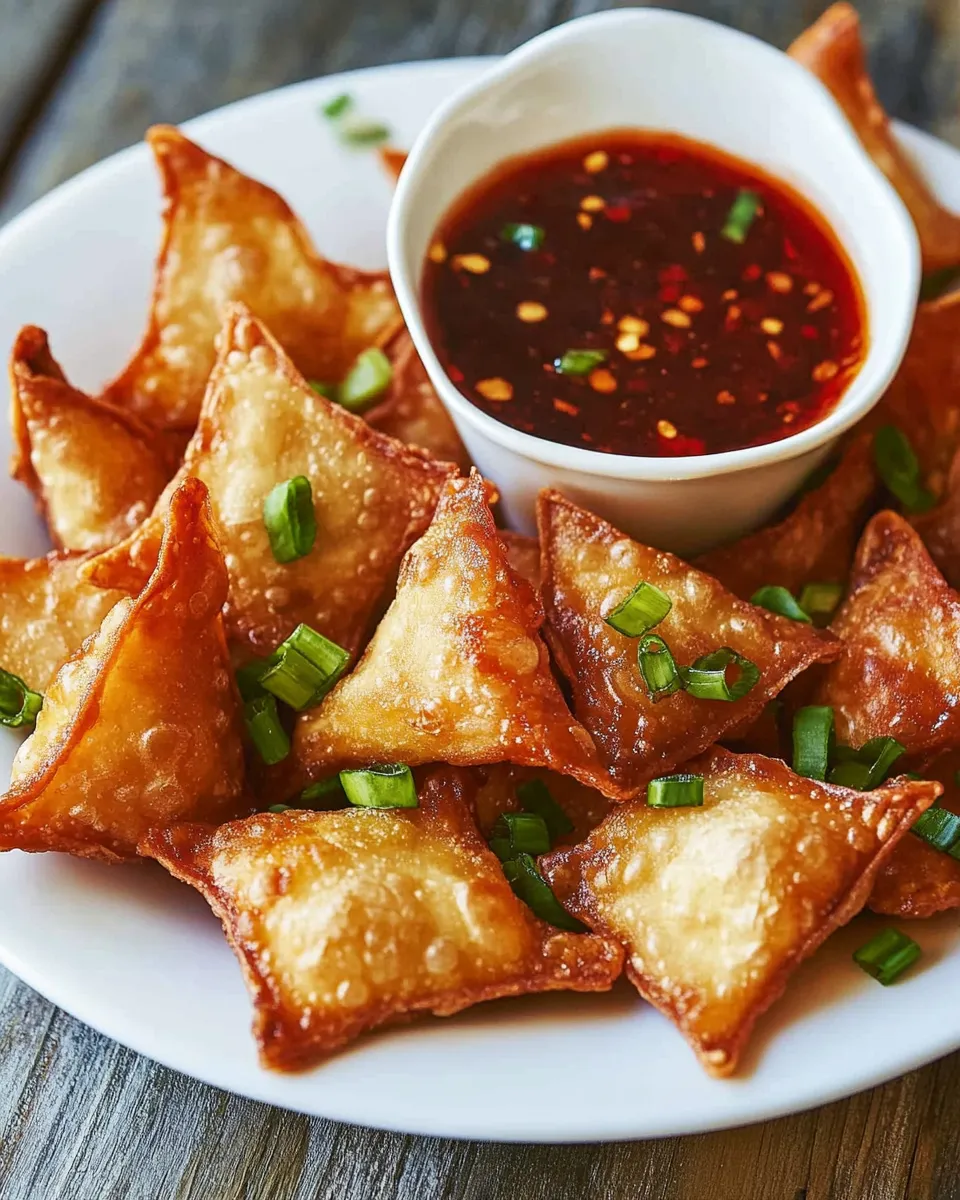
- Pour vegetable oil or peanut oil into a large, deep pot and heat to 350–360°F. Fry the wontons in small batches (4–6 at a time), avoiding crowding the pot. Move them occasionally with a slotted spoon or spider and fry until golden brown, about 3-4 minutes.
- Remove the wontons to a paper-towel-lined plate to drain briefly. Serve warm with sweet and sour sauce, duck sauce, plum sauce, or Chinese hot mustard for dipping.
Why This Recipe is a Keeper
Simple math: creamy filling + crisp wrapper + hot oil = addictive bites. The flavors are layered without being fussy: cream cheese gives body and richness, crabmeat keeps it seafood-forward, and sesame oil plus Worcestershire and soy add depth and balance. The technique is forgiving. If you follow the order — pick the crab, combine the filling, keep wrappers covered, work steadily into the oil — you’ll be rewarded with even frying and a consistent bite every time.
It’s also endlessly adaptable. Make them for a crowd because they scale easily, or make just a few for a cozy snack. They travel well to parties if you keep them in a warm oven (low heat) and serve with small bowls of sauce. And the assembly is partly repetitive and partly meditative — once you find your folding rhythm, they come together quickly.
Dairy-Free/Gluten-Free Swaps
Dairy-free: swap the cream cheese for a firm plant-based cream cheese that’s meant for spreading and baking. The texture needs to be similar to block-style cream cheese so the filling binds and pipes or spoon-fills easily. Taste and adjust seasonings since some vegan cream cheeses are tangier or less salty.
Gluten-free: use gluten-free wonton wrappers if you can source them. Alternatively, rice paper wrappers can be used as a pan-fried or baked option — they crisp differently and need a light oil brushing or a hot skillet rather than deep frying. If you’re avoiding gluten in dipping sauces, check labels for soy sauce (use tamari for gluten-free soy flavor).
Equipment Breakdown
Must-haves
- Large, deep pot or a heavy-duty deep fryer — enough capacity to hold several wontons without crowding and allow circulation of hot oil.
- Candy/deep-fry thermometer — crucial for keeping the oil at 350–360°F so the outside crisps before the filling heats through.
- Slotted spoon or spider — for moving and draining wontons without splashing.
- Mixing bowl and spoon — to blend the filling until smooth.
- Paper towels and a plate — to drain the fried wontons briefly and keep them crisp.
Nice-to-haves
- Small disposable piping bag or plastic bag with corner snipped — for neater filling placement if you want to speed assembly.
- Metal cooling rack set over a sheet pan — to keep finished wontons crisp while you finish frying batches.
- Kitchen scale — if you prefer measuring crabmeat by weight for consistency.
Steer Clear of These
Too much moisture in the crabmeat is the quickest way to a soggy filling and wrappers that won’t crisp. Pat the crab dry and drain well — the recipe emphasizes this for a reason. Overfilling each wrapper leads to leaks and bursts while frying, so stick to the 1-1/2 teaspoon guideline until you master the fold. Not sealing the edges firmly invites oil to seep in; a quick press and a rim of water to glue the edges is all you need.
Another common mistake is frying too many at once. Crowding drops the oil temperature and yields greasy, unevenly browned wontons. Keep batches to 4–6 at a time as instructed, monitor oil temperature, and let it recover between batches. Finally, if your oil is too hot, you’ll brown the outside before the filling warms through — the 350–360°F window balances those two needs.
Season-by-Season Upgrades
Spring: increase the scallions slightly and add a few finely chopped chives or a tiny pinch of lemon zest in the filling for a bright, fresh lift.
Summer: serve with a chilled sweet chili dipping sauce or a mango-plum dipping sauce to echo seasonal fruit flavors; keep the filling cool and make just before guests arrive so the texture stays perfect.
Fall: fold in a few toasted sesame seeds into the filling or sprinkle toasted sesame seeds on the finished wontons for nutty warmth; a small dusting of smoked paprika on the dipping sauce adds a cozy note.
Winter: switch to a warm, spiced plum sauce for dipping and serve the wontons right from a low oven to keep them hot for guests. A tiny pinch of cayenne in the filling adds a subtle heat that warms up colder evenings.
Flavor Logic
Understanding why each ingredient is included helps you tweak the recipe without breaking it. Cream cheese supplies fat and structure; it melts slightly when fried, creating that molten interior. Crabmeat is the delicate protein — avoid overpowering it. Sesame oil is aromatic and should be used sparingly because it’s potent. Light soy sauce and Worcestershire add salty, earthy, and tangy umami that rounds out the mild cream cheese and crab. Garlic and scallions bring aromatics and freshness, and white pepper offers gentle heat without visual specks that change the appearance of the filling.
The wonton wrapper is a neutral canvas but is essential for texture contrast. Frying at the correct temperature seals the wrapper’s surface quickly so the filling heats through without the exterior absorbing oil. The dipping sauce completes the bite by introducing acidity or sweetness to cut the richness.
Best Ways to Store
Make-ahead options depend on whether you want to fry now or later. You can assemble the wontons and store them on a tray lined with parchment in a single layer, covered with plastic wrap, in the refrigerator for up to 24 hours before frying. If you plan to freeze, arrange assembled wontons on a tray in a single layer, freeze until solid, then transfer to a sealed freezer bag; fry from frozen — add an extra 30–60 seconds to the frying time and monitor browning closely.
Leftover fried wontons will keep in the refrigerator for 2 days. Re-crisp them in a 350°F oven on a wire rack set over a sheet pan for about 8–10 minutes. Avoid microwaving, which softens the wrapper and makes them soggy. Sauces should be stored separately in airtight containers in the fridge and served at room temperature or slightly warmed depending on the sauce.
Your Top Questions
- Can I bake these instead of frying? — Yes. Brush or spray with oil and bake at 400°F until golden, watching carefully; they’ll be lighter and less oily but not quite as deep-fried crisp.
- Can I use imitation crab? — You can, but real lump crab has a flakier texture and cleaner flavor. If using imitation, drain and pat well and taste the filling — you may want to tweak seasonings.
- How long will filling keep in the fridge? — If stored separately, the filling will keep 24–48 hours. If mixed with crab, use sooner for best texture and safety.
- What if my wontons burst while frying? — The usual causes are overfilling, trapped air, or inadequate sealing. Press out air, use a small amount of filling, and seal edges firmly with water.
See You at the Table
Make a batch and notice how quickly people gather. The rhythm of assembly, the steady scent of frying oil, and the first golden bite are why this recipe keeps showing up in my weeknight rotation and at parties. Keep the ingredients simple, respect the oil temperature, and don’t rush the seal — your results will reward that care.
If you try the recipe, tell me how you served them and which dipping sauces were the hit of the night. I love tweaks and variations — but I also appreciate a classic done well. Enjoy the crunch and the warm, creamy center. See you at the table.
Crab Rangoon Recipe
Ingredients
Equipment
Method
- Pick over the crabmeat for cartilage and drain well; pat lightly with paper towels if needed.
- In a bowl, stir together the softened cream cheese, sesame oil, soy sauce, Worcestershire sauce, and ground white pepper until smooth. Fold in the minced garlic, thinly sliced scallions, and the drained crabmeat until evenly combined.
- Place a stack of wonton wrappers on a plate and cover with a lightly dampened towel to keep them from drying while you work.
- Working one wrapper at a time, place 1-1/2 teaspoons of filling in the center of a wonton wrapper. Lightly dampen the perimeter of the wrapper with water. Fold the bottom-left corner up over the filling to meet the top-right corner. Fold the two remaining corners toward the center to form a small purse, pressing out any trapped air and sealing all edges firmly. Keep assembled wontons covered with the damp towel.
- Pour vegetable oil or peanut oil into a large, deep pot and heat to 350–360°F. Fry the wontons in small batches (4–6 at a time), avoiding crowding the pot. Move them occasionally with a slotted spoon or spider and fry until golden brown, about 3–4 minutes.
- Remove the wontons to a paper-towel-lined plate to drain briefly. Serve warm with sweet and sour sauce, duck sauce, plum sauce, or Chinese hot mustard for dipping.
Notes
*Proper sealing of the wontons and removal of air is essential--wontons that split during deep frying can cause dangerous oil splatter.
**If using peanut oil, read my
allergen notes
here. I always like to tell guests when I've used peanut oil.
To Bake:
Preheat oven to 400 degrees F. Place filled and folded wontons on a parchment-lined baking sheet and spray them with cooking spray. Bake for 8-12 minutes, until golden.
To Airfry:
Preheat airfryer to 350 degrees F. Lightly spray both airfryer basket and wontons with cooking spray. (You can also brush the wontons with oil.) Airfry in small batches (single layer) for 8-10 minutes, until crispy, gently shaking the basket halfway through.
(Airfryer models can vary significantly in terms of cooking times. Watch the first batch closely and adjust the time for your specific model.)
Note that baked or airfried wontons will not be as puffy and blistered or uniformly golden as those that have been deep fried. The texture is different, but they're a delicious, lighter alternative!