Creamed Spinach
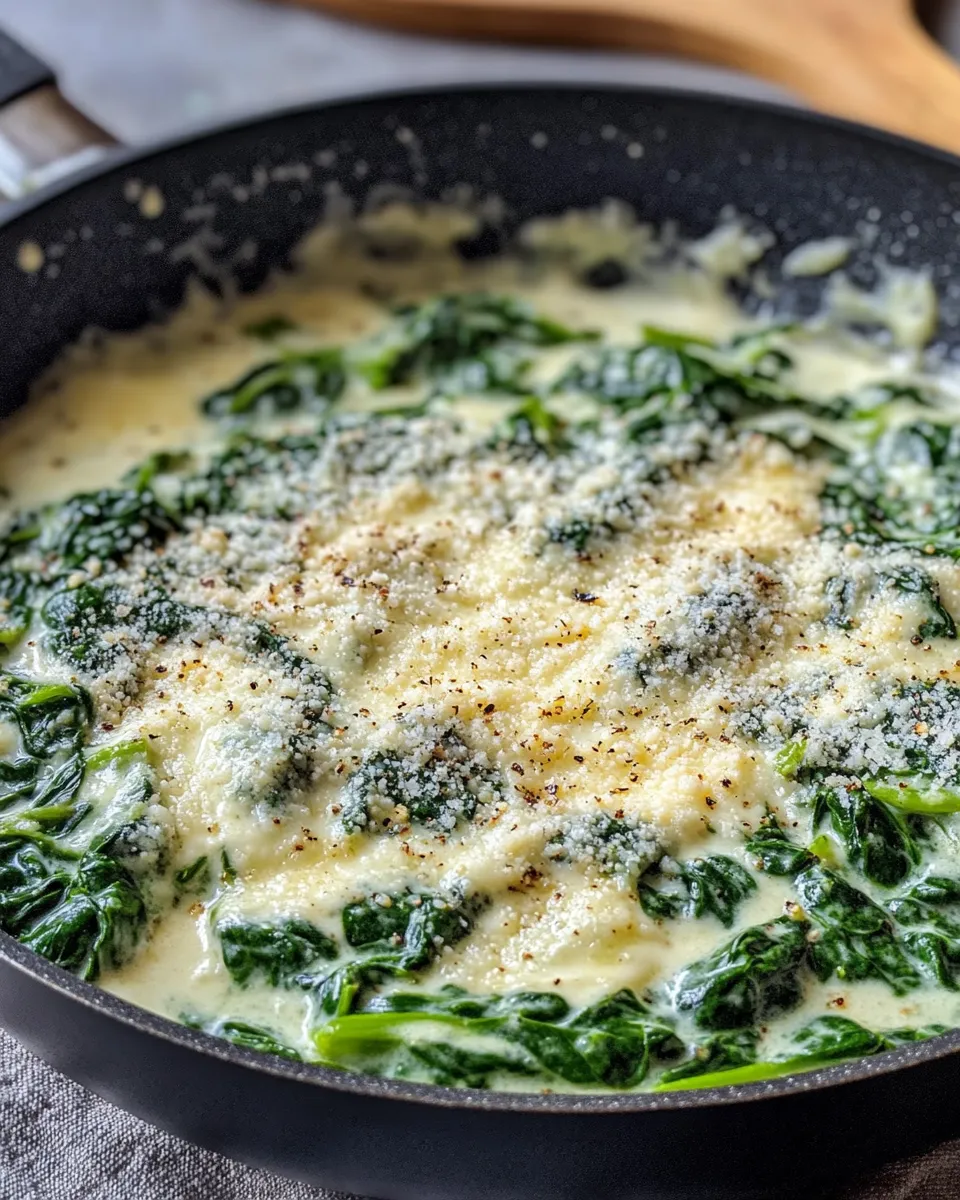
There are few sides as quietly indulgent as creamed spinach. It’s rich but not fussy, a good bridge between a roast or a steak and a plate of simple vegetables. When done right it feels comforting and intentional: cream reduced to a silky sauce, a whisper of nutmeg, and spinach leaves that still hold their shape.
I make this version when I want something that reads special but comes together without drama. The technique focuses on patience — reducing the cream and wilting the spinach in batches so every leaf is coated. That patience pays off with a sauce that clings, not pools, and spinach that keeps a bright, tender texture.
Below you’ll find the exact ingredients and an ordered method I follow every time. I’ll also explain why each step matters, what to watch for, and how to adjust the flavors without changing the measurements you already trust.
What You’ll Need
Ingredients
- 2tablespoonsunsalted butter — melts to start the flavor base; use unsalted so you control seasoning.
- 1clovegarlic, pressed or minced — adds aromatic depth; press for a gentler hit, mince for more direct flavor.
- 1cupheavy cream — the body of the sauce; reducing it concentrates richness and texture.
- ¼teaspoonkosher salt and freshly ground pepper — basic seasoning; add gradually and taste as the sauce reduces.
- ¼teaspoonfreshly grated nutmeg — a small amount lifts and balances the cream’s richness.
- 1poundsfresh spinach leaves — the star green; working in batches prevents steaming and overcooking.
- ½cupfreshly grated Parmesan cheese — provides savory, salty umami and helps the sauce cling to the leaves.
Make Creamed Spinach: A Simple Method
- In a large sauté pan, melt 2 tablespoons unsalted butter over medium heat.
- Add 1 clove garlic (pressed or minced) and cook, stirring, about 30 seconds until fragrant (do not brown).
- Add 1 cup heavy cream and bring it to a boil.
- Lower the heat to maintain a gentle simmer and cook the cream, stirring occasionally, until it has thickened and reduced by half, about 25 minutes.
- Stir in ¼ teaspoon kosher salt, freshly ground pepper (to taste), and ¼ teaspoon freshly grated nutmeg.
- Working in batches, add the 1 pound fresh spinach leaves: add a handful, toss to coat with the cream sauce and let it wilt before adding the next handful. Repeat until all the spinach is incorporated and the last batch is just barely wilted.
- Add ½ cup freshly grated Parmesan cheese and toss with the spinach until the cheese is melted and the leaves are evenly coated.
- Remove from the heat (the spinach will continue to cook slightly) and serve warm.
What Makes This Recipe Special
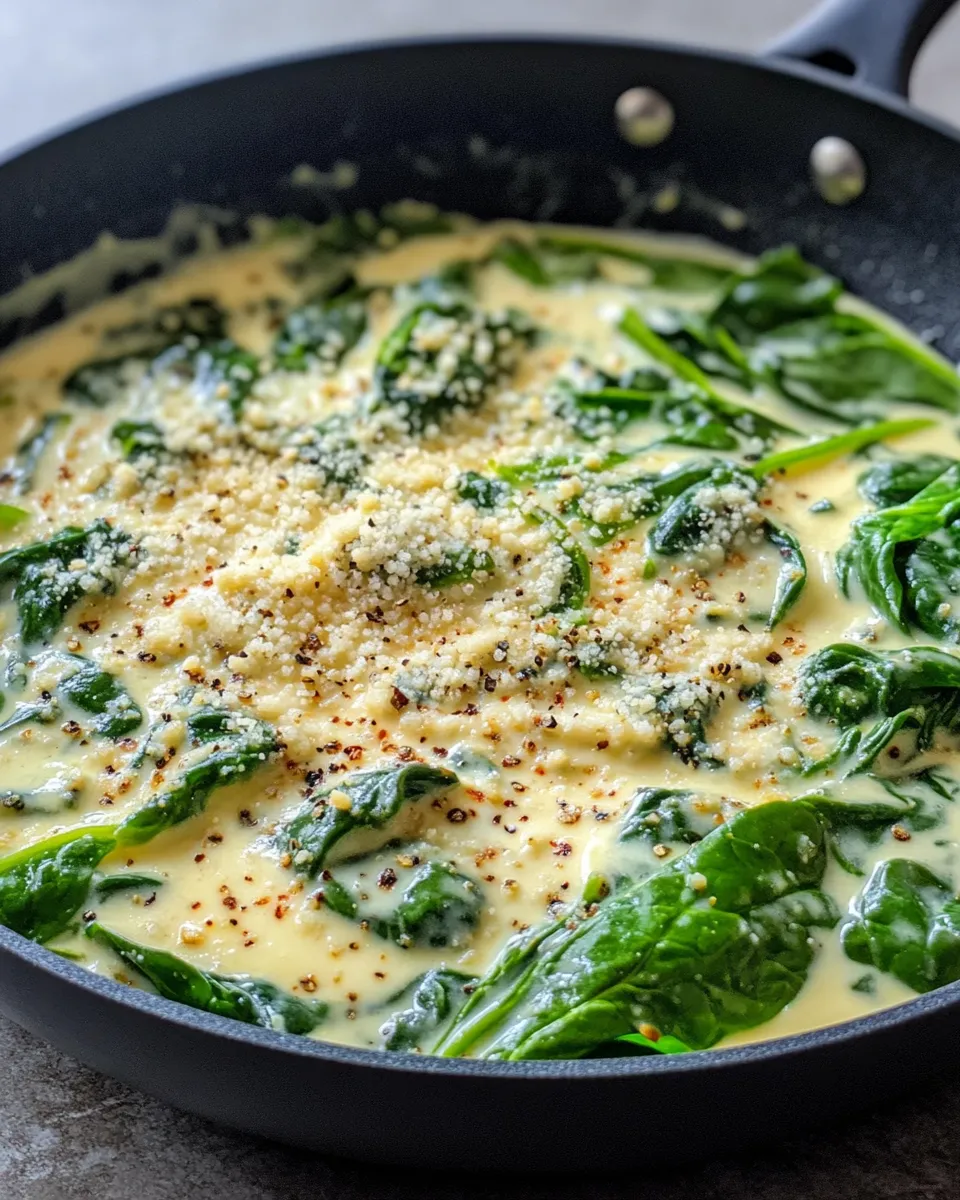
This recipe is built around two deliberate choices: a slow reduction of the cream and wilting in batches. Reducing the cream concentrates flavor and thickens without adding thickeners. The result is a sauce that clings to each leaf instead of sitting at the bottom of the pan.
Wilting the spinach in handfuls prevents steaming. If you dump all the leaves in at once they release water, cool the pan, and can turn the result watery or gummy. The batch method keeps the temperature steady and gives you a bright, tender texture.
Finally, the Parmesan and nutmeg are small but decisive accents. The cheese binds and seasons, while the nutmeg cuts through the richness and adds a warm, aromatic lift you’ll notice more than you’ll be able to name.
Flavor-Forward Alternatives
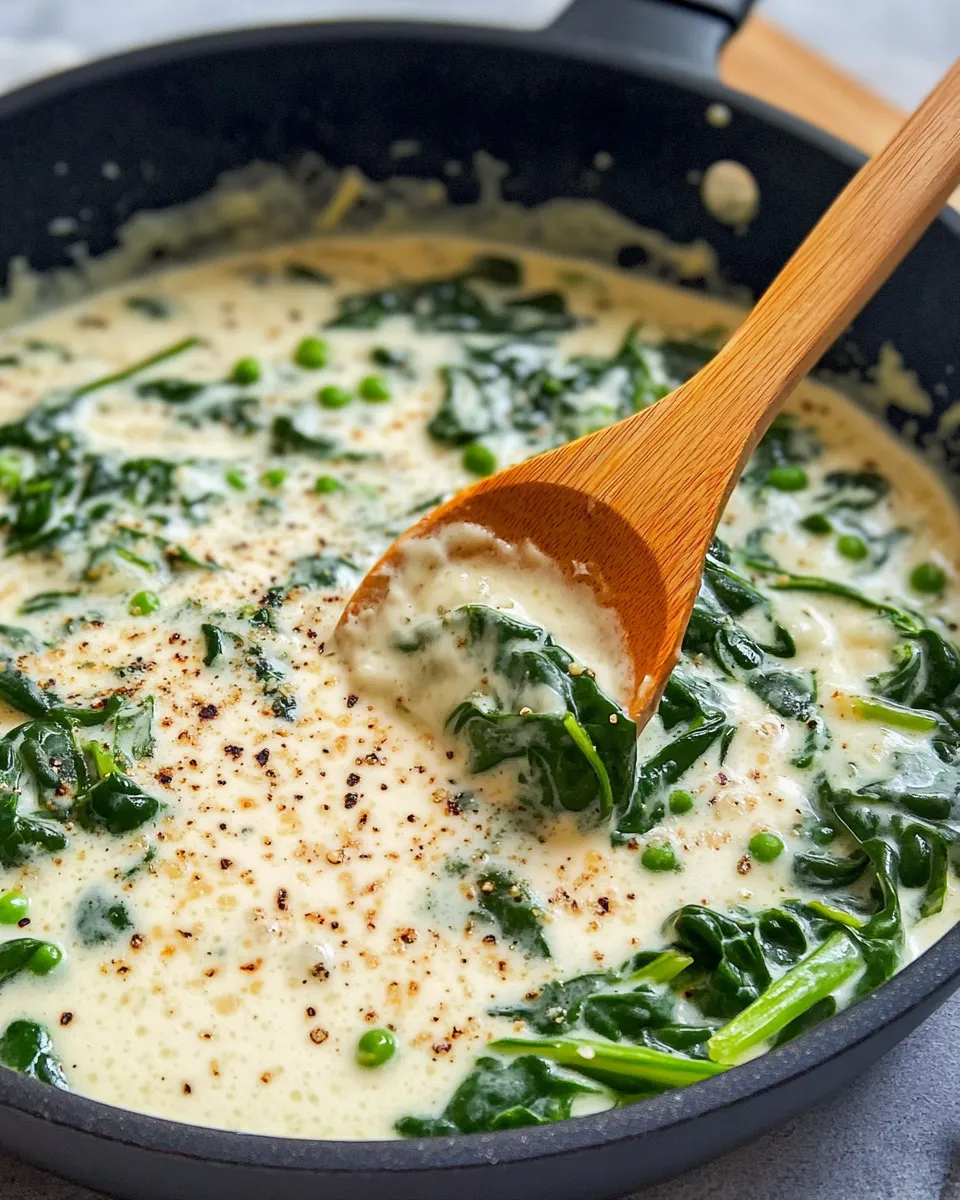
You can nudge this dish in different directions using only the ingredients already on the list. For a brighter finish, increase the freshly grated Parmesan at the end—more cheese means more salty, savory bite. If you prefer a slightly earthier profile, add a touch more freshly grated nutmeg, but keep it subtle: nutmeg multiplies quickly.
For a more assertive garlic presence, press the 1 clove garlic and let it sit in the melted butter for the full 30 seconds, or add it toward the end to keep it fresher. If you find the finished dish too loose, simmer the cream a minute or two longer before adding the seasoning and spinach; that concentrates the sauce without changing any ingredients or quantities.
What You’ll Need (Gear)
- Large sauté pan — wide surface helps reduce the cream evenly and gives room to toss spinach.
- Spoon or spatula — for stirring and folding; a tongs helps when adding spinach by the handful.
- Microplane or fine grater — for that freshly grated nutmeg and Parmesan.
- Measuring tools — for the butter and cream so reduction math stays precise.
Slip-Ups to Skip
Don’t rush the cream reduction. Turning up the heat to speed it up risks scorching and an off flavor. Maintain a gentle simmer, and stir occasionally to keep the bottom of the pan clear.
Don’t let the garlic brown. It should be fragrant and soft, not bitter. If you smell browning or see bits turning brown, lower the heat immediately and remove the pan from the hottest spot.
Don’t add all the spinach at once. That’s the quickest way to a watery outcome and unevenly cooked leaves. Add handfuls, toss, and wait for each to wilt before continuing.
Make It Year-Round
To enjoy this comfort side any season, stick to the technique rather than the produce schedule. When fresh spinach is at its peak, the dish is bright and tender. Outside of peak months, lean on timing: wilt the leaves more gently and consider a slightly longer cream reduction to lift the sauce’s flavor concentration.
Leftovers freeze well if stored properly. Portion into shallow containers, freeze, and pull out to reheat on the stove slowly so the sauce re-emulsifies and the texture remains pleasant. Reheating from chilled in a low-simmer pan with a splash of liquid (no new ingredients needed) helps revive the cream.
Chef’s Rationale

Every step in this method has a reason. Melting the butter first and cooking the garlic briefly builds the aromatic base and flavors the fat that will later coat the spinach. Bringing the cream to a boil and then reducing it slowly concentrates milk solids, creating a natural, glossy sauce without needing flour, cornstarch, or eggs.
Seasoning after reduction gives you control. Salt and pepper added to a concentrated cream can taste very different from when they’re added to a diluted base. The nutmeg is added at that point to distribute evenly without burning it in the initial sauté.
Batch-wilting the spinach is the technique that protects texture. If you’ve ever had creamed spinach that looks like a uniform lump, it’s usually because the greens were steamed into oblivion. Slow wilt preserves leaf integrity and makes the final toss with Parmesan feel like a deliberate coating, not a short-term rescue.
Storing Tips & Timelines
Refrigerator: Cool to room temperature for no more than two hours, then transfer to an airtight container. Use within 3–4 days. The texture will soften a bit, but reheating gently on the stove brings it back.
Freezer: Cool completely, portion into shallow airtight containers, and freeze for up to 2 months. Thaw overnight in the refrigerator before reheating for best texture. Expect slight cream separation; reheat slowly and stir to recombine.
Reheating: Use a low flame and stir frequently. If the sauce tightens too much, add a teaspoon of water at a time to loosen it; the goal is to bring it back to a silky consistency without making it runny.
Helpful Q&A
Why does my sauce separate when I reheat it?
High heat can cause dairy to break. Reheat gently over low heat, stirring often. If the sauce does separate, a slow stir with a small splash of water can help bring it back together.
My spinach is watery—what went wrong?
Usually that means too much spinach was added at once and the leaves steamed instead of wilting. Next time add the spinach in handfuls and wait for each batch to collapse before adding more.
Can I skip the nutmeg?
Yes, but it does add a subtle warmth that balances the cream. If you skip it, consider tasting carefully and adjusting the pepper and Parmesan to keep the dish balanced.
Is freshly grated Parmesan important?
Freshly grated Parmesan melts and binds better than pre-grated varieties because it lacks anti-caking agents. It gives a cleaner, silkier finish when tossed into warm spinach.
The Last Word
This creamed spinach is straightforward because it relies on technique over trickery: patient reduction, measured seasoning, and careful wilting. Follow the steps, respect the timing, and you’ll get a dependable side that complements ambitious mains and quiet weeknight meals alike. It’s a little rich, very satisfying, and forgiving enough to make often.
Make it, taste it, and adjust with small nudges rather than big swaps. The formula—butter, garlic, cream, seasoning, spinach, Parmesan—works because each piece has a purpose. If you remember that, you’ll end up with a dish that tastes like it took longer than it actually did.
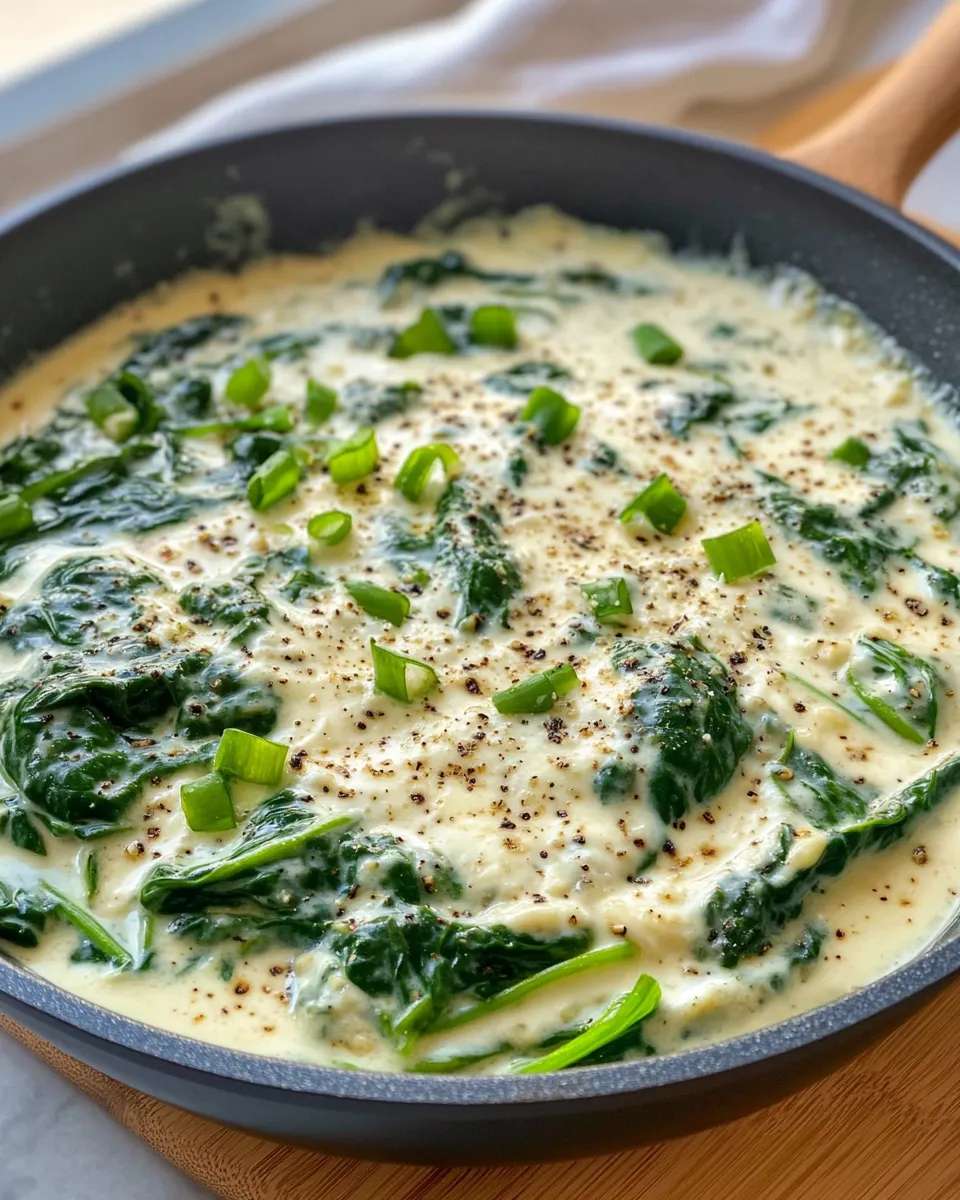
Creamed Spinach
Ingredients
Equipment
Method
- In a large sauté pan, melt 2 tablespoons unsalted butter over medium heat.
- Add 1 clove garlic (pressed or minced) and cook, stirring, about 30 seconds until fragrant (do not brown).
- Add 1 cup heavy cream and bring it to a boil.
- Lower the heat to maintain a gentle simmer and cook the cream, stirring occasionally, until it has thickened and reduced by half, about 25 minutes.
- Stir in ¼ teaspoon kosher salt, freshly ground pepper (to taste), and ¼ teaspoon freshly grated nutmeg.
- Working in batches, add the 1 pound fresh spinach leaves: add a handful, toss to coat with the cream sauce and let it wilt before adding the next handful. Repeat until all the spinach is incorporated and the last batch is just barely wilted.
- Add ½ cup freshly grated Parmesan cheese and toss with the spinach until the cheese is melted and the leaves are evenly coated.
- Remove from the heat (the spinach will continue to cook slightly) and serve warm.