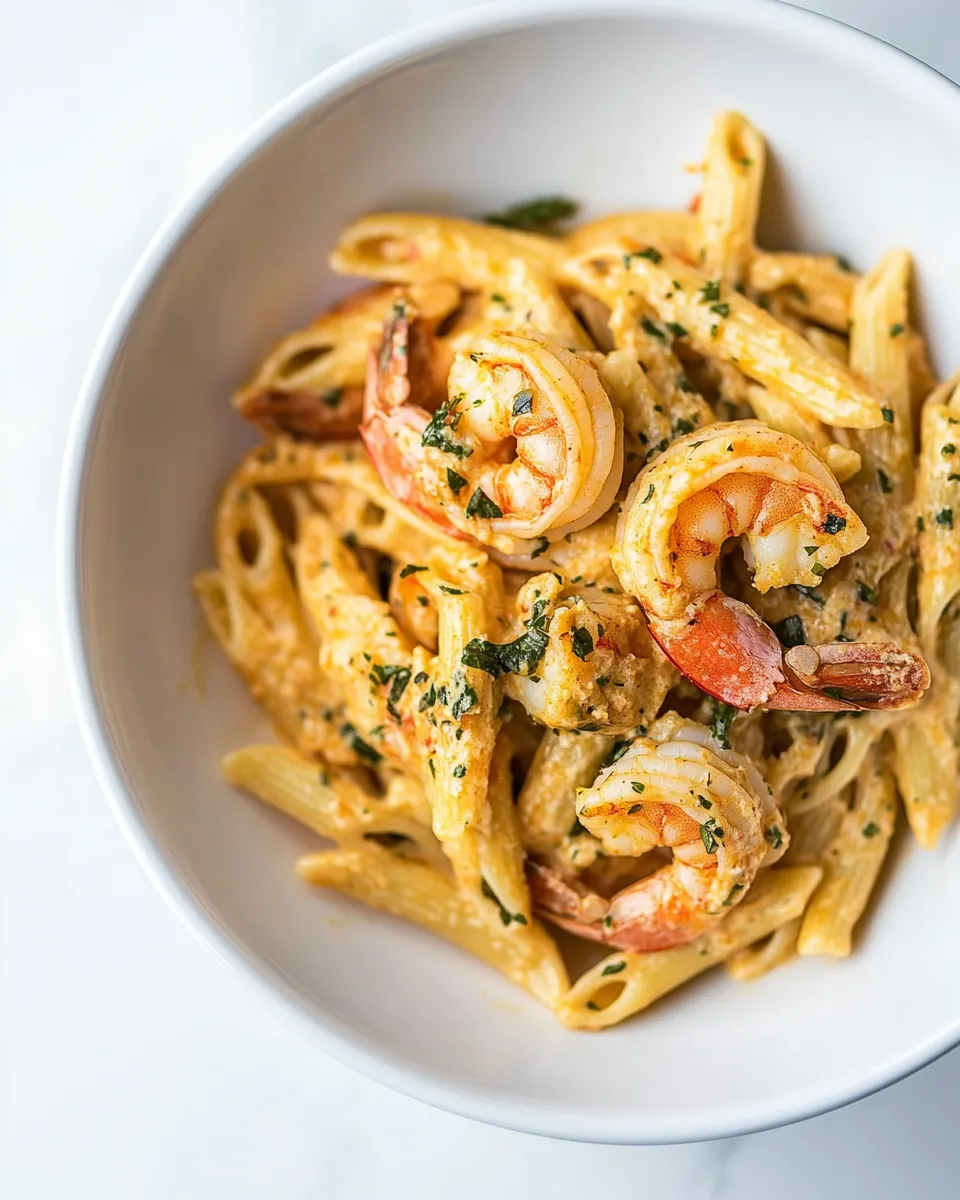
Creamy Cajun Shrimp Pasta
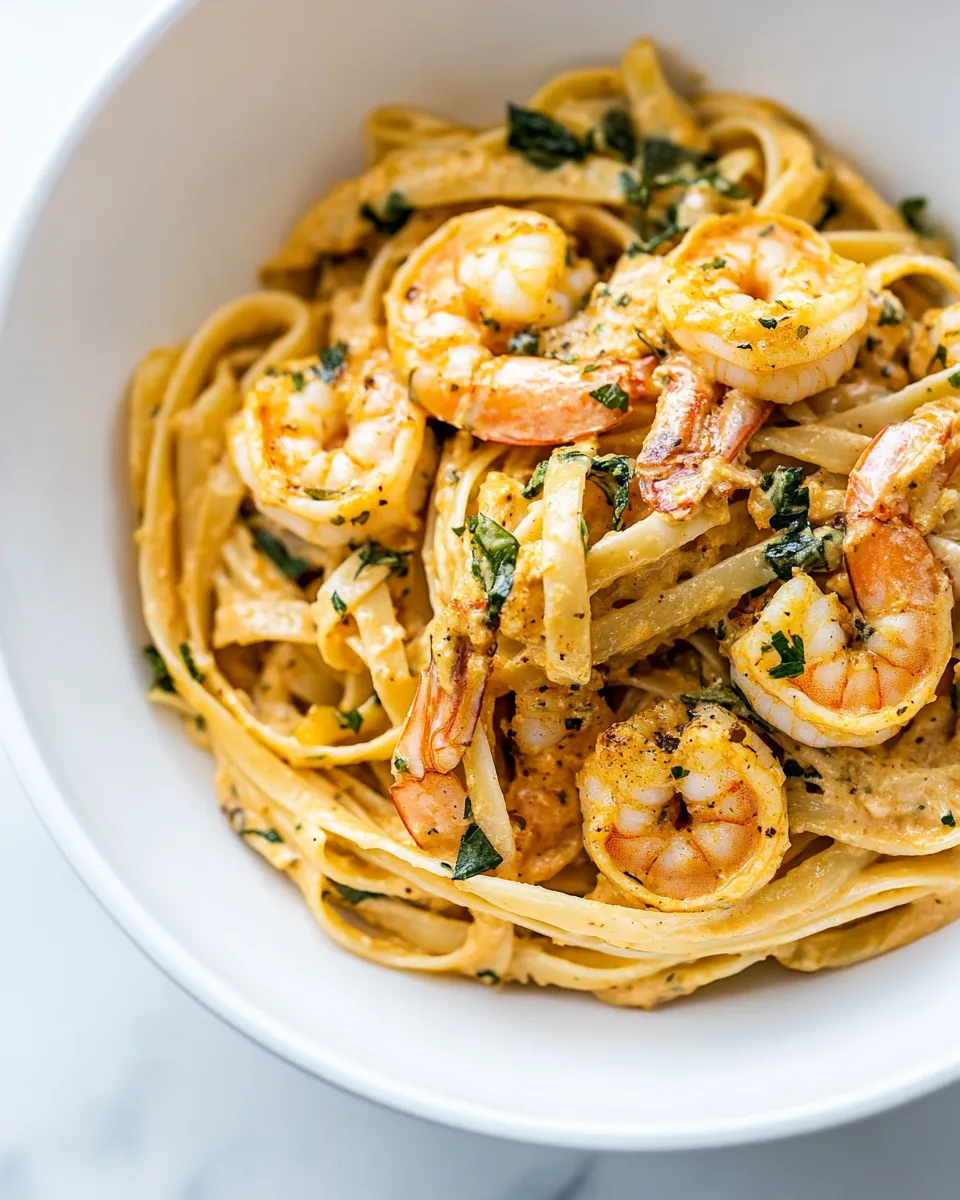
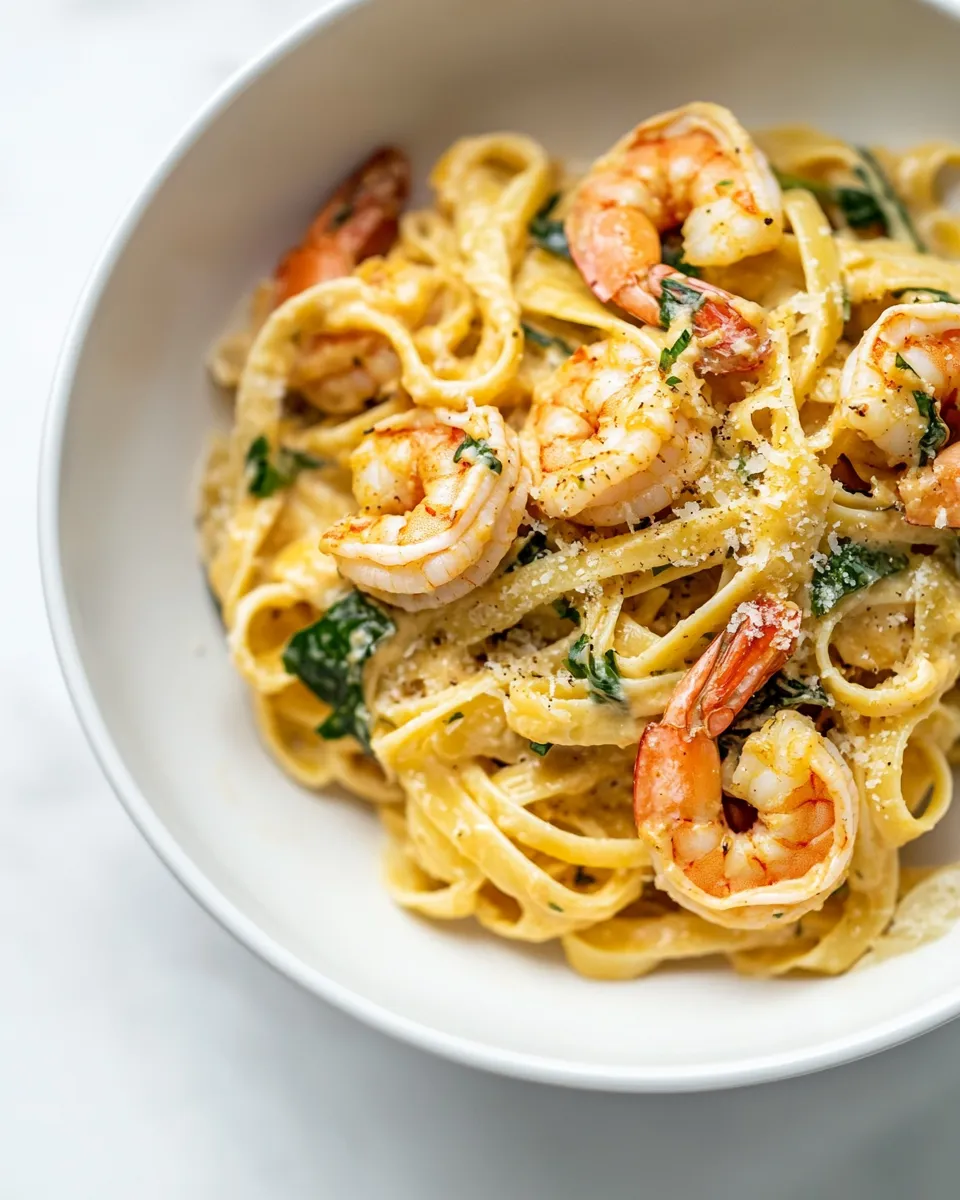
This is the kind of weeknight dinner that looks like effort but comes together fast. It’s rich, peppery, and bright — a one-skillet sauce studded with shrimp and basil, tossed with pasta for a satisfying, saucy plate. The Cajun seasoning gives the cream a serious kick without drowning the shrimp, and the sun-dried tomatoes add a concentrated tomato-sweetness that cuts through the richness.
I finish the dish with torn basil and freshly grated Parmesan so every forkful has a herb note and just enough umami. It’s forgiving: the sauce can be loosened with a splash of reserved pasta water, and the shrimp cook quickly so timing is the main thing to watch. If you want a reliably tasty dinner with pantry-friendly ingredients, this is a keeper.
Below you’ll find the exact ingredients and step-by-step instructions I use, plus practical swaps, troubleshooting, and make-ahead ideas. Read through once, gather your mise en place, and you’ll be plating this in under 30 minutes.
What We’re Using
Simple components, bold outcome. The recipe relies on a few core techniques: properly salted pasta water, building a cream sauce from sautéed aromatics, and finishing with basil and Parmesan. Keep the quantities on hand and bring everything together at the end so the pasta absorbs the sauce evenly.
Ingredients
- 8 ounces uncooked pasta — the starch base; linguine, fettuccine, or penne work well.
- 3/4 pound medium shrimp thawed & peeled — the protein; deveined if possible for the cleanest texture.
- 1 tablespoon butter — builds richness and helps the aromatics soften without burning.
- 1 tablespoon olive oil — raises the smoke point and complements the butter for sautéing.
- 1/4 small onion chopped finely — aromatic base; chop small so it melts into the sauce.
- 1 teaspoon Dijon mustard — brightens and helps emulsify the cream for a silkier sauce.
- 3 tablespoons sun-dried tomatoes julienned — concentrated tomato flavor; rehydrated or oil-packed both work.
- 3-4 cloves garlic minced — for fragrance; add toward the end of the sauté so it doesn’t burn.
- 1 cup heavy/whipping cream — the sauce’s backbone; creates richness and carries the Cajun spice.
- 1 tablespoon Cajun seasoning — primary seasoning; adjust next time if you want more or less heat.
- 8 large leaves basil torn — fresh herb finish; tear rather than chop to avoid bruising.
- Salt & pepper to taste — essential seasoning; salt the pasta water well so the pasta itself is seasoned.
- Freshly grated Parmesan cheese to taste — finishing umami; grate fresh for best melt and flavor.
From Start to Finish: Creamy Cajun Shrimp Pasta
- Bring a large pot of salted water to a boil. Add 8 ounces pasta and cook according to package directions until al dente. Drain pasta and set aside (reserve a small amount of the pasta cooking liquid if you wish).
- While the pasta cooks, heat a skillet over medium heat and add 1 tablespoon butter and 1 tablespoon olive oil.
- Add 1/4 small finely chopped onion to the skillet and sauté about 5 minutes, until softened and lightly browned if desired.
- Stir in 1 teaspoon Dijon mustard, 3 tablespoons julienned sun-dried tomatoes, and 3–4 cloves minced garlic. Cook about 1 minute, until fragrant.
- Pour in 1 cup heavy cream and add 1 tablespoon Cajun seasoning. Stir and simmer a few minutes until the sauce is smooth and slightly thickened.
- Add 3/4 pound thawed, peeled medium shrimp to the skillet. Cook about 4–6 minutes, stirring occasionally, until the shrimp are opaque and cooked through and the sauce has reduced to your liking.
- Season the sauce with salt and pepper to taste, then stir in 8 large torn basil leaves.
- Add the drained pasta to the skillet and toss to coat evenly with the sauce (add a splash of the reserved pasta cooking liquid if needed to loosen the sauce). Serve immediately with freshly grated Parmesan cheese to taste.
Why You’ll Keep Making It
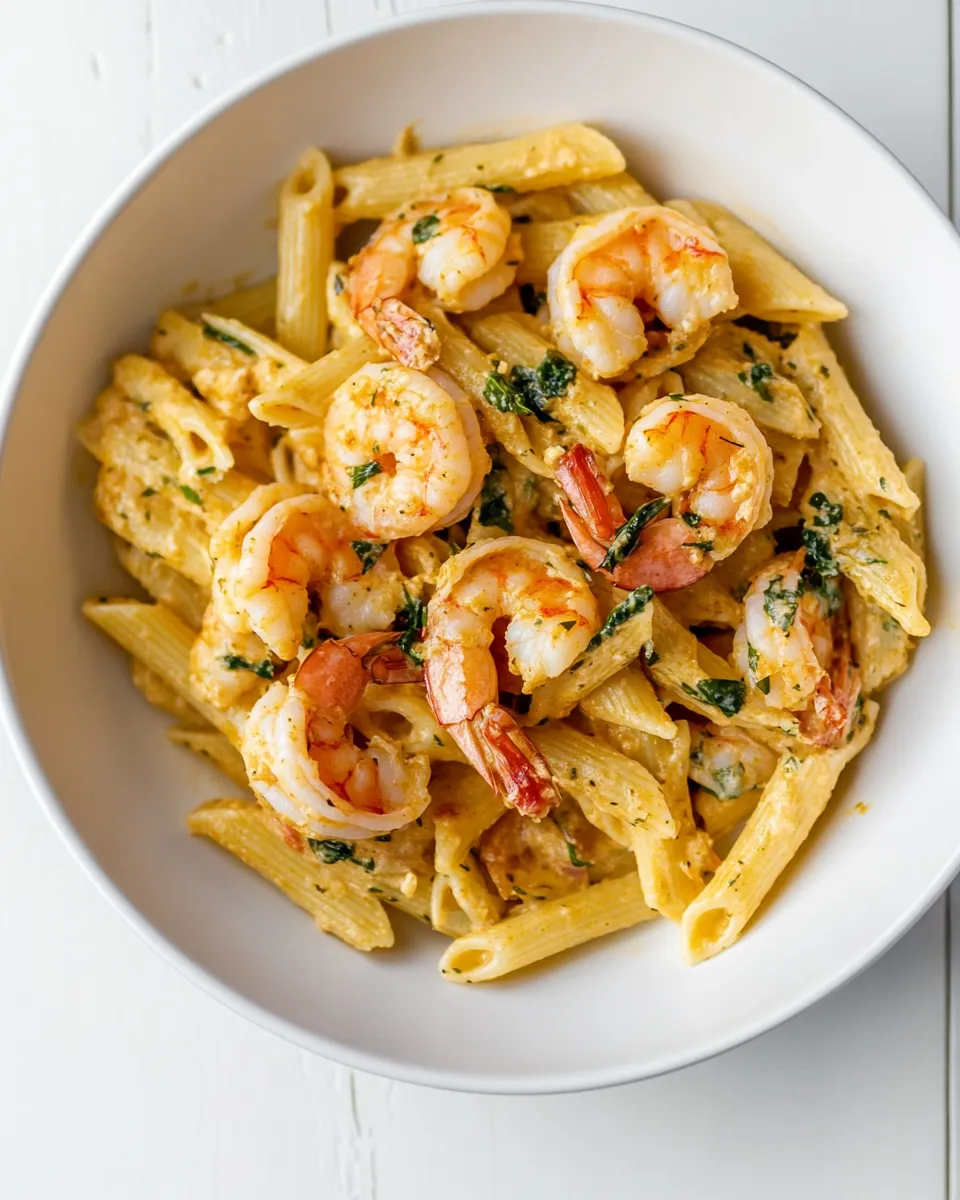
This dish hits a lot of home-run notes: fast, flavorful, and flexible. The Cajun seasoning provides warmth and complexity without needing a dozen separate spices. Shrimp cooks quickly, so this is ideal for busy evenings. The cream sauce feels indulgent but uses only a single cup of heavy cream — enough to coat the pasta and carry the flavors without being overly heavy if portioned well.
It’s also forgiving. If the sauce gets too thick, that reserved pasta water brings it back to silky. If the shrimp finish ahead of schedule, remove them and add back at the end so they don’t overcook. The timeline is straightforward, which is why it becomes a repeat: reliable steps, satisfying result.
Dairy-Free/Gluten-Free Swaps
Need to adapt? Here are practical swaps that preserve texture and flavor:
- For gluten-free: swap the 8 ounces pasta for your favorite certified gluten-free pasta. Cook according to package directions and treat the reserved cooking water the same way.
- For dairy-free: replace the 1 cup heavy cream with a thicker non-dairy cream (unsweetened coconut cream or cashew cream work best for body). The flavor shifts slightly — coconut cream has a hint of coconut — but the texture remains rich.
- For a lower-dairy option: use a mix of half heavy cream and half low-fat milk, but expect a slightly thinner sauce; thicken with a brief simmer or add a small slurry of cornstarch if needed.
Equipment at a Glance
- Large pot — for boiling the pasta in generously salted water.
- Large skillet or sauté pan — wide enough to toss pasta with sauce comfortably.
- Colander — to drain pasta, with a bowl nearby to catch reserved water if you like.
- Tongs or pasta fork — for mixing pasta into the sauce and for serving.
- Microplane or fine grater — for fresh Parmesan.
Watch Outs & How to Fix
Small missteps are easy to correct if you know what to look for. Below are the most common issues and quick fixes.
Shrimp Overcooked
- Problem: Shrimp turn rubbery and tight.
- Fix: Remove shrimp as soon as they’re opaque and curl into a loose C shape. If they cook ahead of the sauce, transfer to a plate and fold back in at the end just to heat through.
Sauce Too Thick or Grainy
- Problem: Heavy cream reduces too much or the sauce breaks.
- Fix: Add a splash of reserved pasta cooking water or a tablespoon or two of milk to smooth it. Stir over low heat until emulsified. If cream appears grainy, reduce heat and whisk gently — often it’s just high heat separating the fat.
Not Enough Heat or Flavor
- Problem: Sauce tastes flat.
- Fix: Adjust with salt and pepper first — salt brings out flavors. If you want more bite, add a pinch more Cajun seasoning or a squeeze of lemon to brighten the sauce without adding more salt.
Fit It to Your Goals
Want to make this lighter, pack it for lunch, or stretch it to feed more people? Here are practical ideas without changing the core recipe:
- To stretch the meal: add sautéed mushrooms, spinach, or white beans. They bulk the dish and pick up the sauce while keeping the shrimp as the star.
- To lighten it: use half the cream and finish with a splash of pasta water and extra basil; serve smaller portions with a side salad.
- For meal prep: cook pasta and sauce separately, store in airtight containers. Reheat gently on the stove with a splash of water to loosen; add shrimp at the end if possible.
- To serve a crowd: double the recipe and cook pasta in batches if your pot or skillet can’t handle the volume. Keep sauce warm on low and combine just before serving.
Cook’s Notes
Here are a few habits I rely on every time I make this recipe.
- Salt the pasta water generously. It should taste like the sea — that’s the most effective way to season the pasta from the inside out.
- Prep everything before you start: chop the onion, mince the garlic, julienne the sun-dried tomatoes, and have the cream measured. Shrimp finish fast and you’ll want everything ready to go.
- Use fresh basil torn by hand. Chopping can bruise it and make it dark; tearing keeps the leaves bright and aromatic.
- Keep the heat moderate when simmering the cream. High heat can cause separation or scorching; a gentle simmer is all you need to thicken the sauce slightly.
Save It for Later
Storage is straightforward:
- Refrigerator: Store leftovers in an airtight container for up to 3 days. The cream sauce will thicken in the fridge; loosen with a splash of water or milk when reheating.
- Freezer: I don’t recommend freezing this finished pasta; the cream and pasta textures suffer. If you must, freeze only the cooked shrimp or the sauce separately in a tightly sealed container for up to 1 month, and reheat gently.
- Reheating: Warm gently on the stove over low heat, stirring and adding a little water or cream to revive the sauce. Avoid the microwave for best texture, but if you must, reheat in short bursts and stir between intervals.
Quick Questions
- Can I use frozen shrimp? — Yes, as long as they’re thawed and patted dry before cooking. Extra moisture can cool the pan and make sautéing uneven.
- What type of pasta is best? — Any shape you like. Long pasta like linguine or fettuccine clings nicely to the sauce; penne or rigatoni work if you prefer bite-sized pieces.
- How spicy is 1 tablespoon of Cajun seasoning? — It varies by blend. Start with the tablespoon as written; reduce next time if you’re heat-sensitive, or add extra if you want more kick.
- Can I make the sauce ahead? — Yes. Make the sauce, cool it, and store in the fridge. Reheat gently and add freshly cooked shrimp and pasta right before serving for best texture.
Hungry for More?
If you liked this one, try it again with small twists: add sliced andouille sausage for a smoky presence, or swap sun-dried tomatoes for roasted red peppers to change the flavor profile. For lighter weeknight options, look for recipes that swap cream for a yogurt finish or use vegetables as the main course with a similar spice profile.
Bookmark this recipe for busy nights when you want something comforting, quick, and a little fancy. Keep the Cajun seasoning on hand — it’s the shortcut to big flavor here. Happy cooking, and tell me how you tweak it next time.
Creamy Cajun Shrimp Pasta
Ingredients
Equipment
Method
- Bring a large pot of salted water to a boil. Add 8 ounces pasta and cook according to package directions until al dente. Drain pasta and set aside (reserve a small amount of the pasta cooking liquid if you wish).
- While the pasta cooks, heat a skillet over medium heat and add 1 tablespoon butter and 1 tablespoon olive oil.
- Add 1/4 small finely chopped onion to the skillet and sauté about 5 minutes, until softened and lightly browned if desired.
- Stir in 1 teaspoon Dijon mustard, 3 tablespoons julienned sun-dried tomatoes, and 3–4 cloves minced garlic. Cook about 1 minute, until fragrant.
- Pour in 1 cup heavy cream and add 1 tablespoon Cajun seasoning. Stir and simmer a few minutes until the sauce is smooth and slightly thickened.
- Add 3/4 pound thawed, peeled medium shrimp to the skillet. Cook about 4–6 minutes, stirring occasionally, until the shrimp are opaque and cooked through and the sauce has reduced to your liking.
- Season the sauce with salt and pepper to taste, then stir in 8 large torn basil leaves.
- Add the drained pasta to the skillet and toss to coat evenly with the sauce (add a splash of the reserved pasta cooking liquid if needed to loosen the sauce). Serve immediately with freshly grated Parmesan cheese to taste.
Notes
If you can only find 1 lb. bags of shrimp, use that. You don’t need to be spot on 3/4 pounds (they sell 3/4 pound bags where I live).
I used the julienned (cut into strips) sun-dried tomatoes that are packed in oil and drained the oil prior to adding them to the pan.
Feel free to remove the tails of the shrimp. I leave them on for photos but usually remove them in real life. 😉
Nutritional information is provided as a courtesy only and should be construed as an estimate rather than a guarantee. Ingredients can vary and Salt & Lavender makes no guarantees to the accuracy of this information.