Creamy Lemon Salmon Pasta
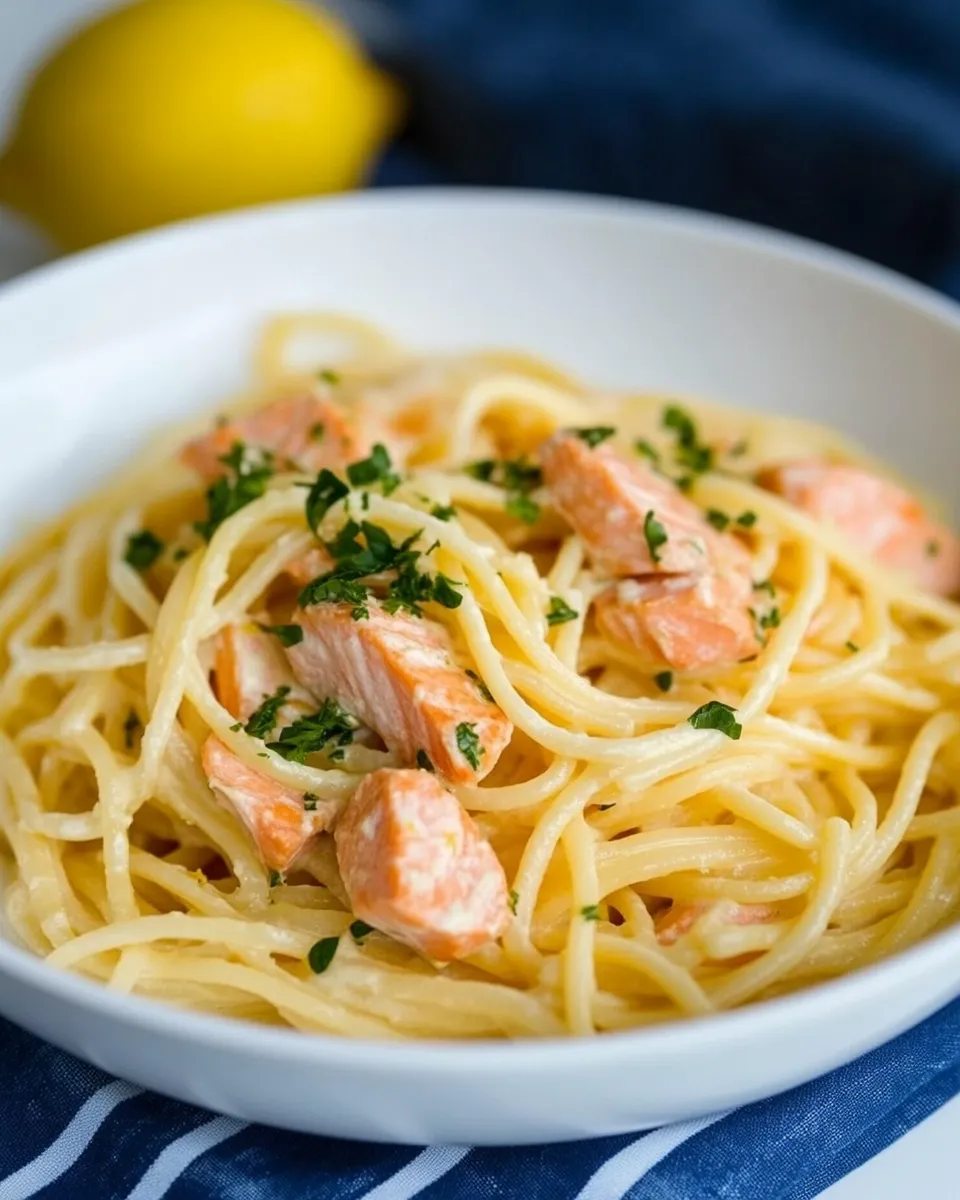
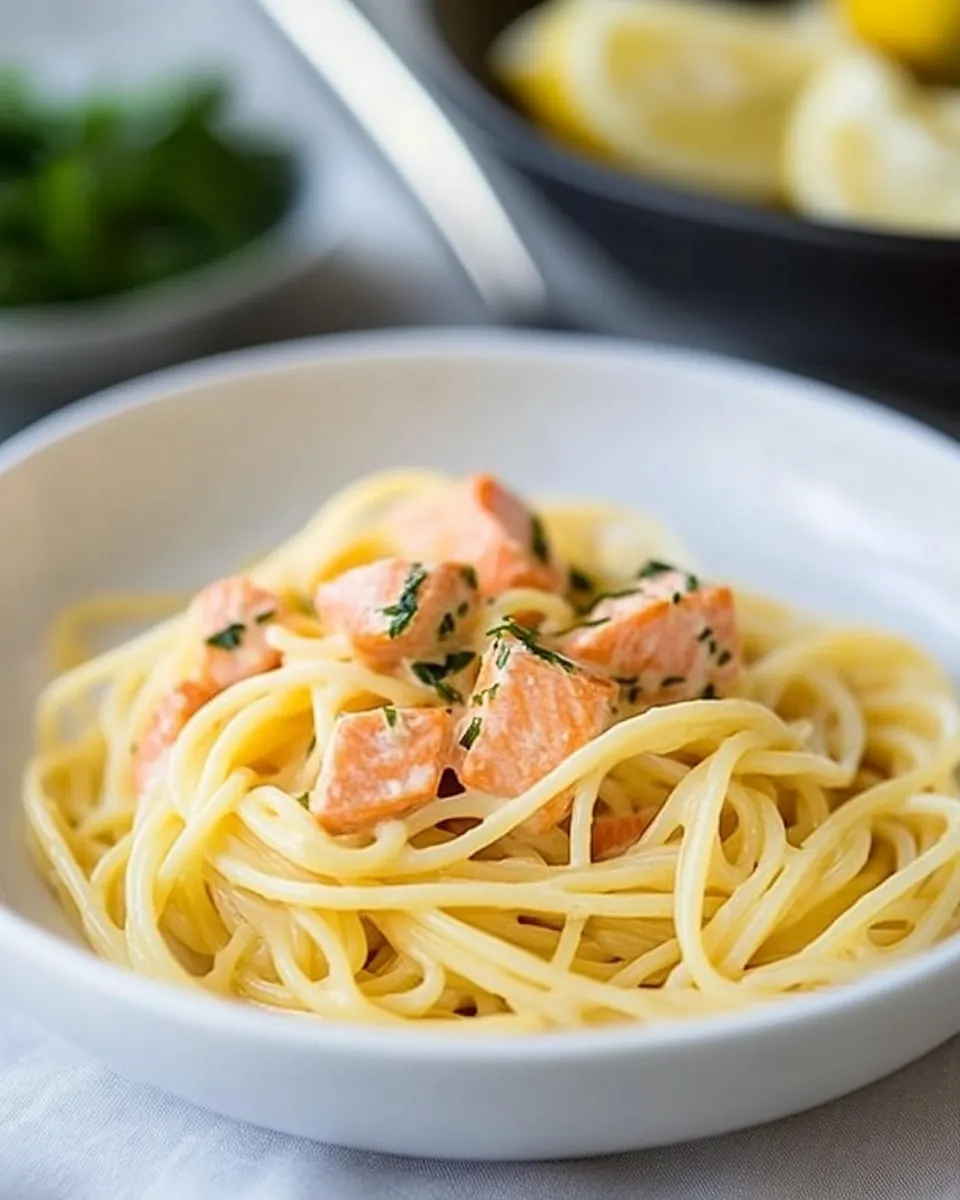
I love meals that feel special but actually come together without drama. This Creamy Lemon Salmon Pasta is exactly that: bright lemon, rich cream, and tender salmon all tucked into strands of spaghetti. It’s weeknight-friendly but pretty enough for guests, and it rewards you for paying attention to a few quick steps.
There’s no complicated sauce-making or long marinating. The sauce is built right in the skillet after searing the salmon, which keeps the fish flavorful and the pan memories working for you. Texture matters here—light crust on the salmon, silky cream sauce, pasta that still has a bite.
Below you’ll find a clear ingredients list with short tips, the exact method I follow, and practical notes for swaps, mistakes to avoid, and make-ahead options. Read the method through once, then cook; it’s straightforward and forgiving.
What You’ll Need
- 12 oz spaghetti — long pasta holds the sauce well; cook to al dente so it finishes perfectly in the skillet.
- 2 salmon fillets – boned and skinned — bite-sized pieces cook quickly and distribute flavor through the dish.
- ½ teaspoon cracked black pepper — seasons the salmon simply; the lemon and cream do the rest.
- 1 teaspoon butter — helps develop a bit of toasty flavor in the pan.
- 1 tablespoon olive oil — prevents the butter from burning at high heat and helps sear the salmon.
- 2 lemon — you’ll use both zest and juice; citrus is central to the sauce’s brightness.
- 1 cup heavy cream — creates the silky, clingy sauce; don’t substitute with water.
- ¼ teaspoon salt — seasons the sauce; you can adjust at the end if your pasta water was salty.
- 3 tablespoon coarsely chopped parsley — adds color and a fresh finish; fold in at the end to keep it bright.
The Method for Creamy Lemon Salmon Pasta
- Bring a large pot of water to a rolling boil. Add the 12 oz spaghetti and cook until al dente according to package instructions. Before draining, reserve 1 cup of the pasta cooking water, then drain the pasta and set aside.
- While the pasta is cooking, zest one lemon and set the zest aside. Cut both lemons into halves. Squeeze the juice from one half (this is ½ lemon) and set it aside for the salmon. Squeeze the juice from the remaining three halves (these equal 1½ lemons) and set that juice aside for the sauce.
- Pat the 2 salmon fillets dry with paper towels and cut them into bite-sized pieces. Season the salmon pieces with the ½ teaspoon cracked black pepper.
- Heat a large nonstick skillet over medium-high heat. Add 1 teaspoon butter and 1 tablespoon olive oil and let the butter melt and the oil heat until shimmering.
- Add the salmon pieces in a single layer and sauté over high heat for about 2 minutes, until a light crust forms and the salmon is almost cooked through. Remove the salmon to a warmed plate, squeeze the reserved ½ lemon juice over it, tent with foil, and set aside.
- Reduce the heat to medium. Pour 1 cup heavy cream into the same skillet, add the reserved lemon zest and the juice from the 1½ lemons, and bring the mixture to a gentle simmer. Cook for about 2 minutes until the sauce thickens slightly.
- Stir ¼ teaspoon salt into the sauce. Add ¼ cup of the reserved pasta cooking water to the skillet and simmer briefly to combine and loosen the sauce.
- Add the drained spaghetti to the skillet and gently toss or stir to coat the pasta with the sauce. Add more reserved pasta water a tablespoon at a time if you need a thinner sauce or to help the sauce cling to the pasta.
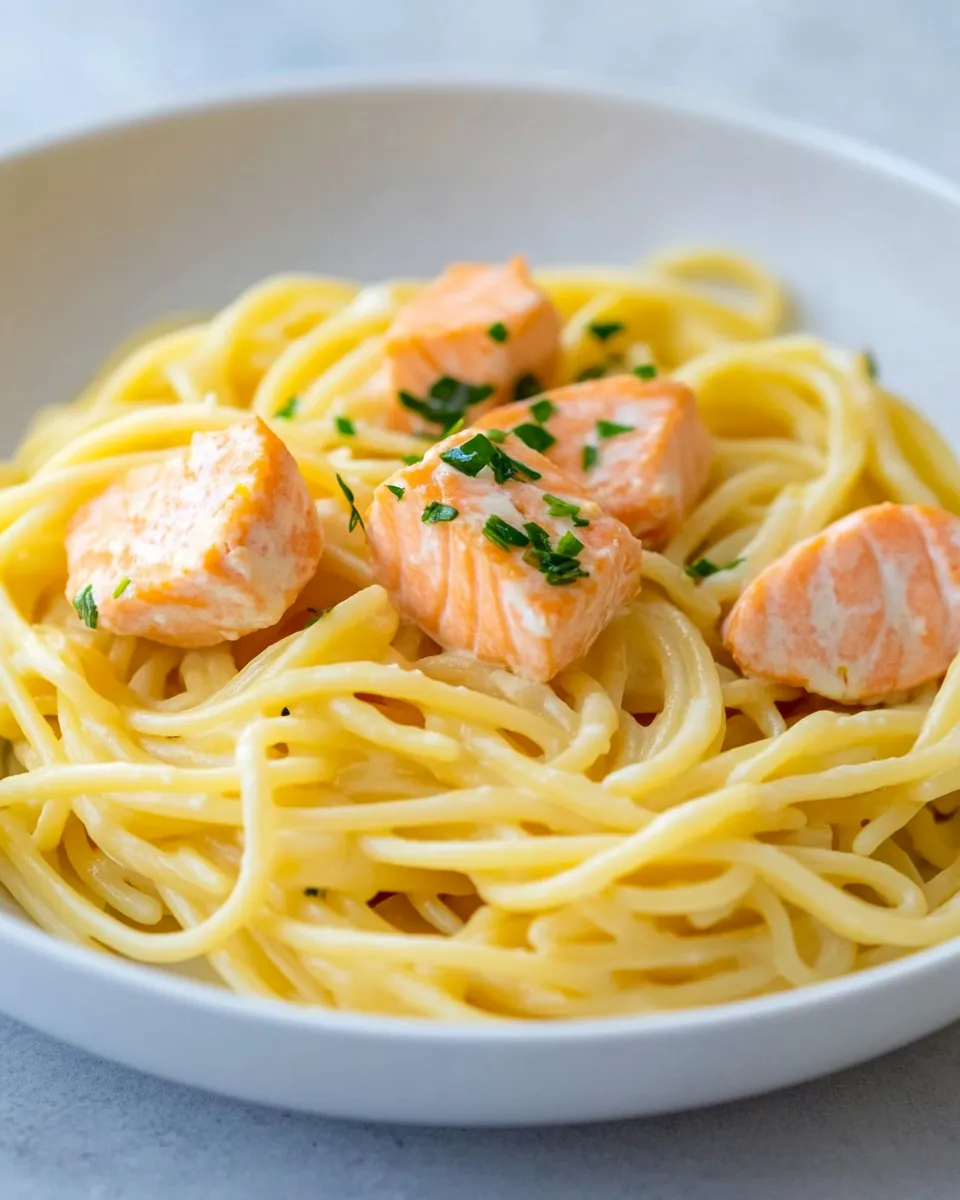
- Gently fold the cooked salmon into the pasta and sauce. Sprinkle with 3 tablespoons coarsely chopped parsley and serve immediately.
Why You’ll Keep Making It
This hits a balance that few weeknight dinners do: quick to make, impressive to serve, forgiving in technique. A couple of minutes of high heat gives the salmon a pleasant crust without drying it out. The lemon juice brightens the cream so the dish never feels heavy. And because the sauce is built right in the pan you already used for fish, every spoonful has a little extra depth from the fond.
It’s also flexible. Kids, picky eaters, and last-minute guests all tend to like it. Leftovers reheat well if you add a splash of water or cream to loosen the sauce. Finally, it’s an easy way to get quality protein and a citrusy, comforting meal on the table in under 30 minutes.
Ingredient Swaps & Substitutions
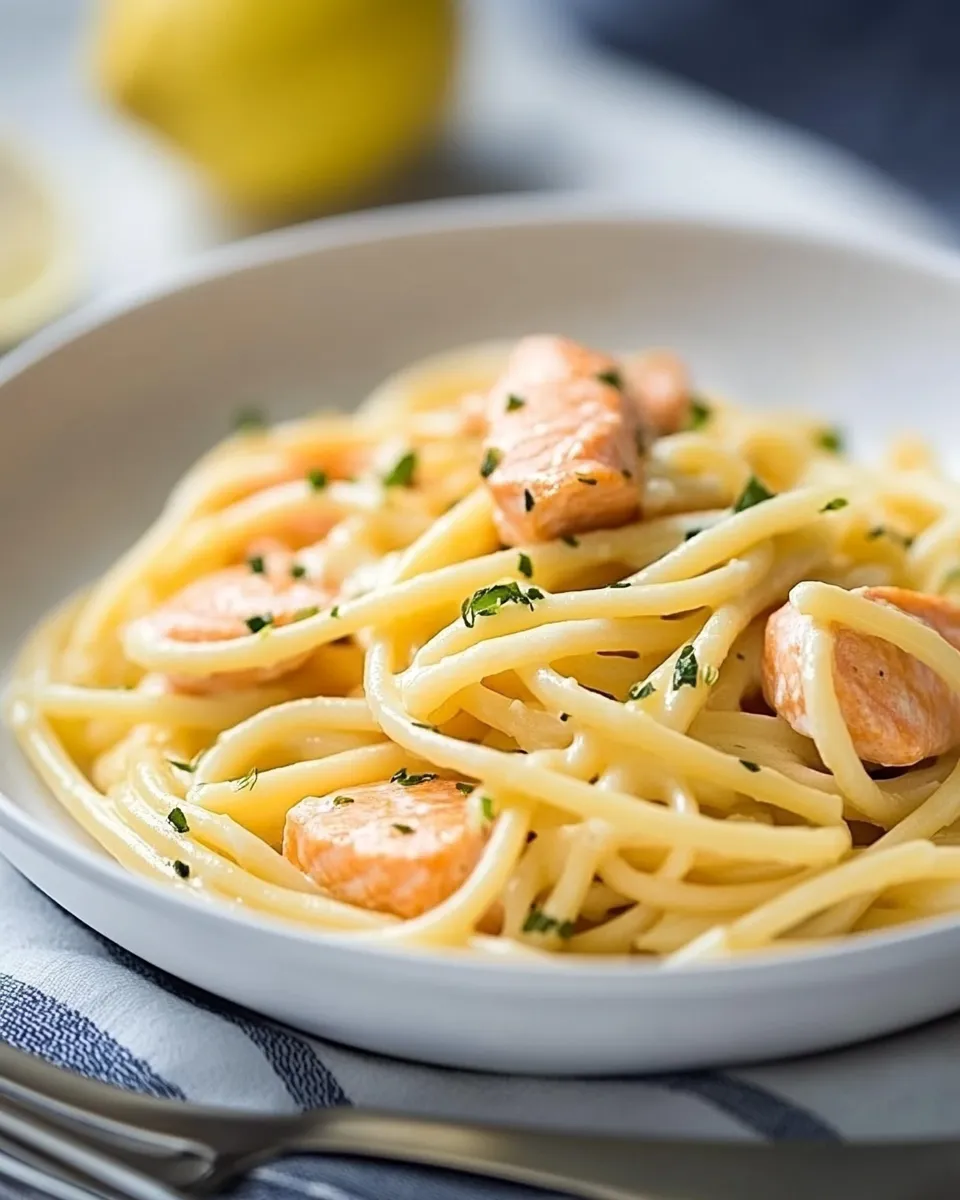
- Swap the spaghetti for another long pasta if you prefer—linguine or fettuccine work the same way and hold sauce well.
- If you want a lighter finish, use half the heavy cream and add a little of the reserved pasta water to reach the consistency you like.
- For a different herb note, substitute some or all of the parsley with fresh dill or basil (add basil right at the end so it doesn’t wilt).
- If you can’t do dairy, you can experiment with a thick plant-based cream, but the texture and flavor will change; be conservative and add it gradually.
- Increase lemon zest by a little if you want more citrus pop; zest adds aroma without extra acidity.
Before You Start: Equipment
- Large pot — for boiling the pasta and reserving cooking water without crowding the noodles.
- Large nonstick skillet — reduces sticking and makes tossing pasta with the sauce easier.
- Microplane or fine zester — for bright lemon zest without the bitter pith.
- Metal or heatproof spatula/tongs — for turning pasta and folding in the salmon gently.
Avoid These Mistakes
- Overcooking the salmon — cut into bite-sized pieces and watch for a light crust; remove when almost done because it will finish in the warm pasta.
- Dumping all the pasta water at once — reserve at least 1 cup and add a tablespoon at a time to reach the right sauce consistency.
- Letting the cream boil hard — keep it at a gentle simmer to avoid separating and to maintain a silky texture.
- Skipping the lemon elements — zest and both lemon juices are used for different roles: zest for perfume, a small splash for the salmon, and the rest for the sauce. They’re not interchangeable in quantity.
Season-by-Season Upgrades
Spring: Add a handful of fresh peas or blanched asparagus tips when you add the pasta for a pop of color and a fresh snap.
Summer: Fold in halved cherry tomatoes just before serving for sweetness and acid contrast. Fresh basil on top is ideal.
Fall: Stir in a small handful of toasted walnuts or pine nuts for crunch, or add a squeeze of orange in place of some lemon for a warmer citrus note.
Winter: Fold in a few tablespoons of grated hard cheese (such as Pecorino) at the end and finish with extra cracked pepper for a richer, cozier profile.
Author’s Commentary
I rely on this recipe when I want something that feels both simple and thoughtful. The trickiest part is timing: get the pasta and salmon to the right doneness so they meet in the pan together. I usually start the water, prep the lemons and salmon, and then focus on getting the pasta into the pot so I can use the cooking time efficiently.
One small habit that improves the final dish: always reserve pasta water. It’s the secret binder; the starch in that water helps the cream cling to the spaghetti so every bite is saucy without being greasy. Also, I like to tent the salmon with foil when it rests—this keeps it warm without steaming it into mush.
Make Ahead Like a Pro
- Prep the lemons and zest up to a day ahead and keep them refrigerated in an airtight container.
- Cook the pasta just shy of al dente, toss with a tiny drizzle of oil, cool, and refrigerate for up to one day. Reheat gently in the skillet with the sauce, adding pasta water as needed.
- Assemble the sauce and reheat gently, then fold in quickly warmed salmon pieces before serving. Avoid reheating salmon too long—heat it just enough to come back to temperature.
Ask & Learn
Q: Can I use frozen salmon?
A: Yes, if it’s fully thawed and well-drained. Pat it very dry before cutting and searing to get that light crust.
Q: Is the 1 cup heavy cream a hard rule?
A: It’s the base of this sauce’s texture. You can reduce it slightly and make up the volume with reserved pasta water for a lighter finish, but start with the full cup and adjust to taste.
Q: How do I make this less rich?
A: Reduce the cream by half and increase the reserved pasta water to achieve a looser, lighter sauce. Add extra lemon zest for brightness.
In Closing
This Creamy Lemon Salmon Pasta is a recipe I turn to when I want comfort without heaviness and a touch of elegance without fuss. It rewards small attentions—zest, a short sear, and the right splash of pasta water. Follow the method, taste as you go, and you’ll have a dinner that feels both effortless and elevated.
Creamy Lemon Salmon Pasta
Ingredients
Equipment
Method
- Bring a large pot of water to a rolling boil. Add the 12 oz spaghetti and cook until al dente according to package instructions. Before draining, reserve 1 cup of the pasta cooking water, then drain the pasta and set aside.
- While the pasta is cooking, zest one lemon and set the zest aside. Cut both lemons into halves. Squeeze the juice from one half (this is ½ lemon) and set it aside for the salmon. Squeeze the juice from the remaining three halves (these equal 1½ lemons) and set that juice aside for the sauce.
- Pat the 2 salmon fillets dry with paper towels and cut them into bite-sized pieces. Season the salmon pieces with the ½ teaspoon cracked black pepper.
- Heat a large nonstick skillet over medium-high heat. Add 1 teaspoon butter and 1 tablespoon olive oil and let the butter melt and the oil heat until shimmering.
- Add the salmon pieces in a single layer and sauté over high heat for about 2 minutes, until a light crust forms and the salmon is almost cooked through. Remove the salmon to a warmed plate, squeeze the reserved ½ lemon juice over it, tent with foil, and set aside.
- Reduce the heat to medium. Pour 1 cup heavy cream into the same skillet, add the reserved lemon zest and the juice from the 1½ lemons, and bring the mixture to a gentle simmer. Cook for about 2 minutes until the sauce thickens slightly.
- Stir ¼ teaspoon salt into the sauce. Add ¼ cup of the reserved pasta cooking water to the skillet and simmer briefly to combine and loosen the sauce.
- Add the drained spaghetti to the skillet and gently toss or stir to coat the pasta with the sauce. Add more reserved pasta water a tablespoon at a time if you need a thinner sauce or to help the sauce cling to the pasta.
- Gently fold the cooked salmon into the pasta and sauce. Sprinkle with 3 tablespoons coarsely chopped parsley and serve immediately.