Crispy Persian Rice (Tahdig) with Spiced Golden Chickpeas
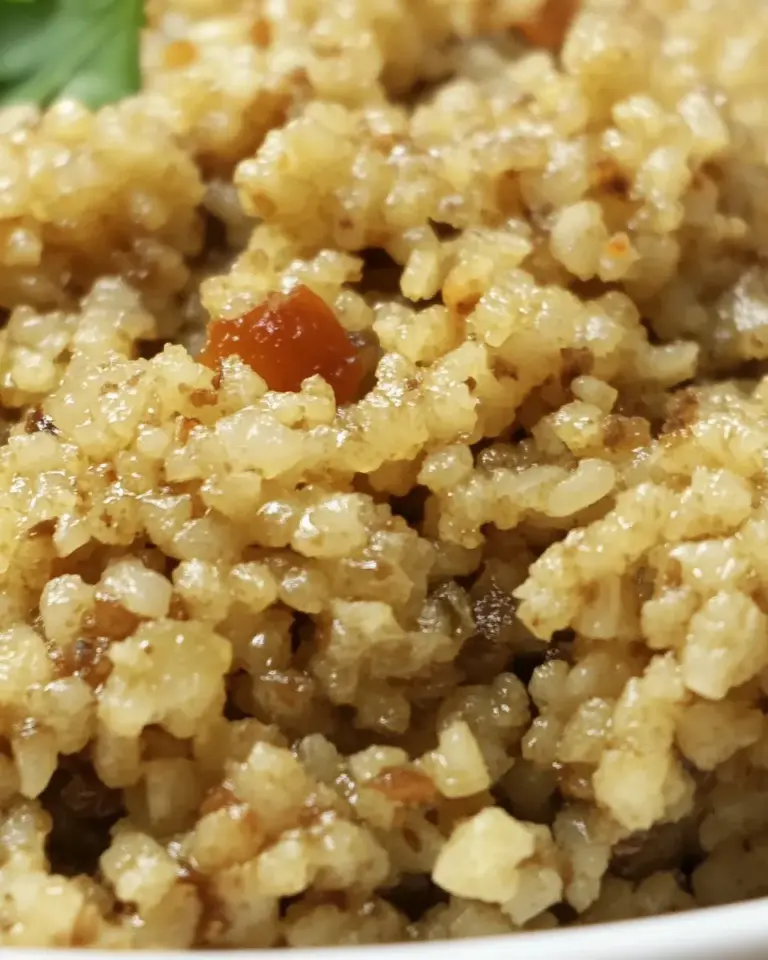
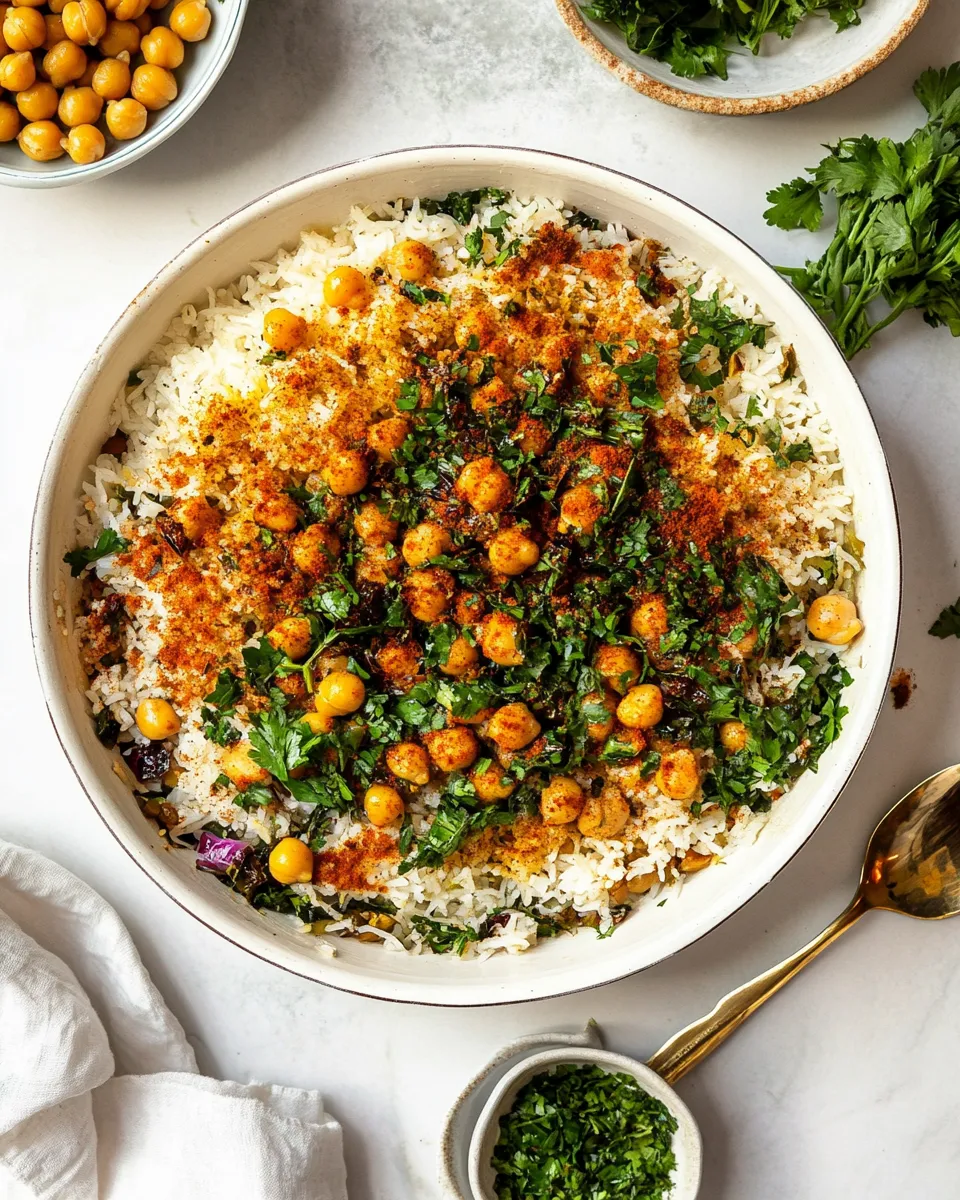
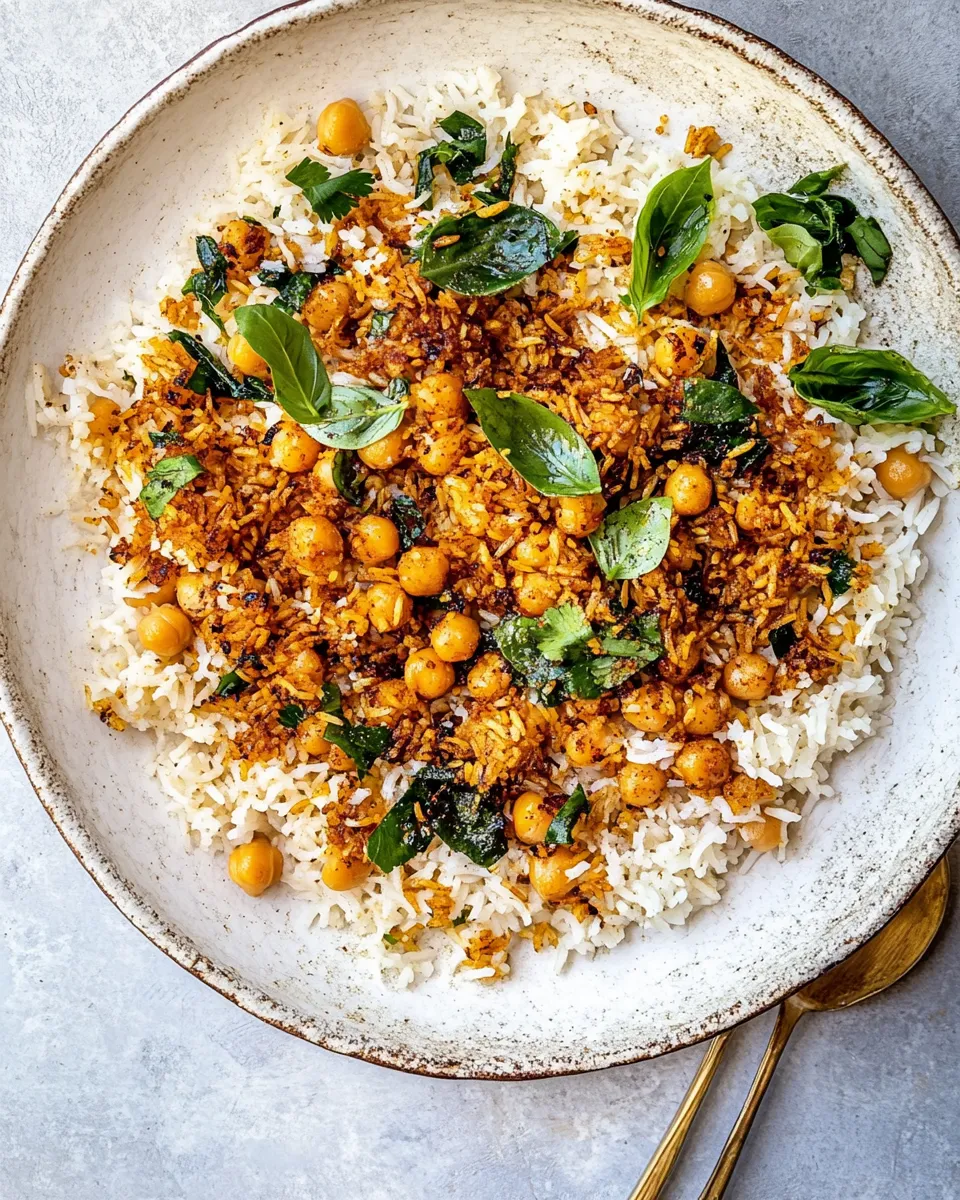
This tahdig recipe gives you that deeply golden, crunchy crust that everyone notices first — and the pillowy, fluffy rice beneath it. The chickpeas are spiced, seared, and finished with sesame and greens so each spoonful has texture, warmth, and a fresh herb finish. No fuss, just attention to timing and a few small techniques that make tahdig reliable at home.
I’ll walk you through every stage: what to prep, how to coax the crust without burning, and how to finish the chickpeas so they stay crisp and bright. If you can boil, rinse, and keep an eye on a skillet, you can make this. A few practice runs teaches you the heat levels of your stove, which is the only real variable.
Make it for a weeknight dinner, a casual gathering, or whenever you want a centerpiece that feels special without hours of hands-on work. Read everything once, prep the mise en place, and then move confidently through the steps.
What Goes In
- 2 cups basmati rice (but please use what you have on hand during this time!) — long-grain rice yields the light, separate grains tahdig needs.
- kosher salt — seasons the cooking water and the dish; add to taste.
- 3 tablespoons plain yogurt — creates the classic yogurt-smothered crust on the pan (the tahdig).
- 3 tablespoons salted butter — adds richness and helps brown the crust.
- 3 tablespoons extra virgin olive oil — used with butter to coat the pan and help crisp the tahdig.
- 1/2 cup fresh mint or cilantro — bright finish; scatter over the plated rice.
- 1/4 cup extra virgin olive oil — for cooking the chickpeas and shallots.
- 1 (16 ounce) can chickpeas, drained and patted dry — the spiced golden chickpeas that top the rice.
- 2–4 cloves garlic, thinly sliced or smashed — aromatic; adjust to your preference for garlic intensity.
- 2 shallots, thinly sliced — add sweetness and caramelized texture.
- 1 teaspoon ground turmeric — gives color and gentle earthiness to the chickpeas.
- 1 teaspoon smoked paprika — adds warmth and a faint smokiness.
- 1 pinch crushed red pepper flakes — a touch of heat; increase if you like spice.
- 2 tablespoons raw sesame seeds — toasted with the chickpeas for nutty crunch.
- 2 cups roughly torn greens, such as kale, chard, or spinach — wilted into the chickpeas for color and a little bitterness.
Crispy Persian Rice (Tahdig) with Spiced Golden Chickpeas: From Prep to Plate
- Bring 6 cups of water to a rolling boil in a large pot. Add kosher salt (to taste). While the water heats, rinse the basmati rice under cold running water until the rinse water runs clear.
- When the water is boiling, add the rinsed rice and stir. Cook, stirring occasionally, until the rice is al dente, about 6–8 minutes. Drain the rice in a fine-mesh sieve and rinse with cold water to stop the cooking; let drain well.
- In a medium bowl, combine 1 1/2 cups of the drained rice with the 3 tablespoons plain yogurt and stir to coat the grains evenly. Set aside.
- Heat a 10-inch skillet over medium heat. Add the 3 tablespoons salted butter and 3 tablespoons extra virgin olive oil and melt until the butter is sizzling.
- Spread the yogurt-coated rice in an even layer across the bottom of the skillet. Pile the remaining rice on top, mounding it toward the center. Using the handle of a wooden spoon, gently poke 5–6 holes down through the rice to the bottom of the pan to allow steam to escape. There should be visible oil around the edges; add a little more oil if you don’t see it bubbling up.
- Cook the rice over medium heat, turning the skillet a quarter turn every 5 minutes to promote even browning. After about 15 minutes you should see a golden crust forming at the edges. Reduce the heat to low, cover the skillet with a lid (or foil and lid), and continue to cook for another 15–20 minutes, until the edges and bottom are deeply golden and crisp (about 35–40 minutes total).
- While the rice cooks, make the spiced chickpeas. Heat a large, high-sided skillet over medium heat and add the 1/4 cup extra virgin olive oil. Add the drained, patted-dry chickpeas, 2–4 cloves garlic (thinly sliced or smashed), the 2 thinly sliced shallots, 1 teaspoon ground turmeric, 1 teaspoon smoked paprika, 1 pinch crushed red pepper flakes, and kosher salt to taste. Cook, stirring occasionally, until the chickpeas are crisped and the shallots are softened and browned, about 8–10 minutes.
- Add the 2 tablespoons raw sesame seeds and the 2 cups roughly torn greens to the chickpeas. Toss and cook 1–2 minutes more, until the sesame seeds are toasted and the greens are wilted. Remove from heat.
- When the rice is done, remove the skillet from the heat and run a spatula around the edges to loosen the crust. Place a large platter over the skillet and carefully invert the skillet onto the platter so the crisped tahdig is on top (let rest 1–2 minutes if needed before lifting the skillet).
- Serve the rice topped with the spiced golden chickpeas and scatter the 1/2 cup fresh mint or cilantro over the top.
Why It’s Crowd-Pleasing
Tahdig is dramatic in the best way: the crunchy golden layer is a textural contrast to the fluffy rice beneath. Guests love the ritual of lifting the skillet and revealing that perfect crust. The spiced chickpeas add snap and savory notes without overpowering the rice — they bring color, nuttiness from the sesame, and just enough heat from the red pepper flakes.
It’s also flexible. The dish reads like comfort food but looks elegant on a platter. The assembly is straightforward and most of the work happens hands-off while the rice steams and the chickpeas sear. That makes it ideal for feeding a few people without being stuck at the stove for hours.
Ingredient Swaps & Substitutions
If you need to swap something, reach for items that keep the same function in the dish. These options keep the spirit and texture intact.
- Rice: If you don’t have basmati, a long-grain white rice will still give good separation; just watch the par-cook time closely.
- Yogurt: Plain yogurt creates the classic crust; a thicker plain strained yogurt works too. Thin yogurts may make the crust less cohesive.
- Fats: The butter + olive oil combo balances flavor and browning. If you must, use more butter or more oil from what’s listed — they serve the same purpose in browning and preventing sticking.
- Herbs: The recipe already lists mint or cilantro. Use whichever you prefer; both finish the rice with a bright lift.
- Greens: Kale, chard, or spinach are all listed in the recipe; choose based on texture preference — spinach wilts fastest, kale holds its shape more.
Setup & Equipment
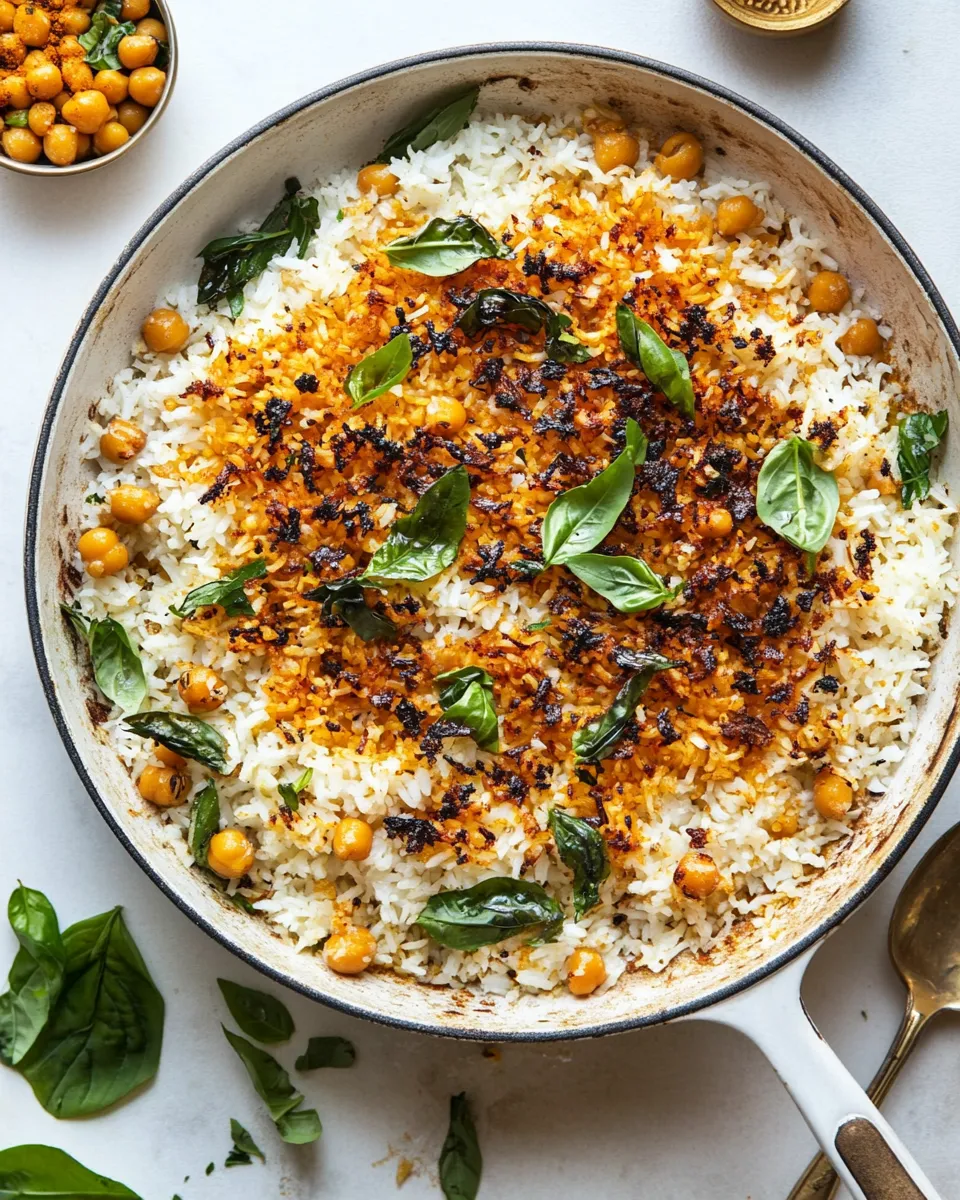
Good results come from simple, reliable tools. You don’t need specialty equipment, but a few items make the process easier:
- A large pot for boiling the rice with a lid.
- A fine-mesh sieve to drain and rinse the rice thoroughly.
- A 10-inch heavy skillet (nonstick or well-seasoned stainless) for the tahdig — even heat and a snug lid are important.
- A large, high-sided skillet for crisping the chickpeas and toasting sesame seeds.
- A platter for flipping the tahdig. Use one slightly larger than the skillet mouth so the rice inverts cleanly.
- Wooden spoon handle or chopstick for poking steam holes through the rice as instructed.
Don’t Do This
Don’t skip rinsing the rice. The rinsing removes surface starch that would otherwise yield gummy grains and a less distinct tahdig.
Don’t crank the heat to speed things up. Tahdig needs steady, moderate heat. Too hot and the crust will burn before the center of the rice finishes steaming. If you see smoke or blackening, lower the heat immediately and lift the lid to check.
Don’t skip draining and patting the chickpeas dry. Excess moisture prevents browning; you want dry chickpeas for crisping.
Dietary Customizations
This recipe is naturally vegetarian and can be made vegan with one simple swap: replace the 3 tablespoons salted butter with a neutral, plant-based fat (use the olive oil amount already in the recipe or add a bit more). The yogurt-based tahdig relies on the yogurt’s texture, so for a vegan crust, use a thick nondairy plain yogurt (unsweetened) that has comparable body.
For a lower-sodium version, reduce the kosher salt during boiling and for the chickpeas; finish with salt to taste at the table. The smokiness from the paprika helps give perception of depth even when salt is dialed back.
Behind-the-Scenes Notes
Tahdig is more technique than mystery. The yogurt-coated rice set against fat in the pan is what creates the cohesive golden crust. Poking holes through the rice before the long steam gives the heat channels it needs to cook evenly. Turning the skillet during the initial browning encourages an even crust, because most burners have hot spots.
For the chickpeas, the key is patience. Let them sit a moment between stirs so surfaces can brown. Shallots caramelize and give sweetness; garlic should be added early enough to infuse oil but watch so it doesn’t burn. The sesame seeds toast quickly—add them at the end so they crisp without charring.
Prep Ahead & Store
You can par-cook the rice and prepare the yogurt-coated portion up to a day ahead. Keep the drained rice chilled and covered; when ready, arrange it in the skillet and proceed with the butter and oil heating step. The chickpeas are best made just before serving to stay crisp, but you can cook them an hour ahead and re-crisp in a skillet over medium heat with a splash of oil if needed.
Leftovers store well. Combine rice and chickpeas in an airtight container and refrigerate for up to 3 days. Reheat gently in a skillet with a sprinkle of water to steam, or heat in the oven at 300°F (150°C) covered until warm. Note: the tahdig crisp will soften with storage but you can re-crisp it briefly in a skillet if you like.
Quick Questions
- What if my tahdig sticks? Use a spatula to loosen edges gently. If the crust is stuck in places, give it a minute off heat — residual steam can help release it. A thin metal spatula is helpful, but work carefully to avoid tearing.
- Can I use dried chickpeas? The recipe’s ingredient is a 16-ounce canned chickpeas can, drained and patted dry. If you use cooked-from-dry chickpeas, make sure they are very well drained and dry to achieve crisping.
- How do I know the rice is al dente in step 2? Bite a grain: it should be tender around the outside but still have a slight, firm center. That ensures it finishes steaming without becoming mushy.
Before You Go
Please read the steps once through before you start. Mise en place — measure, rinse, and have pans ready — keeps the process calm and predictable. This tahdig is a repeat performer: once you learn your stove’s heat, it behaves. Enjoy the reveal and the crunch. If you try it, leave a note about what worked for you — did you go mint or cilantro? More turmeric or less? The small adjustments are half the fun.
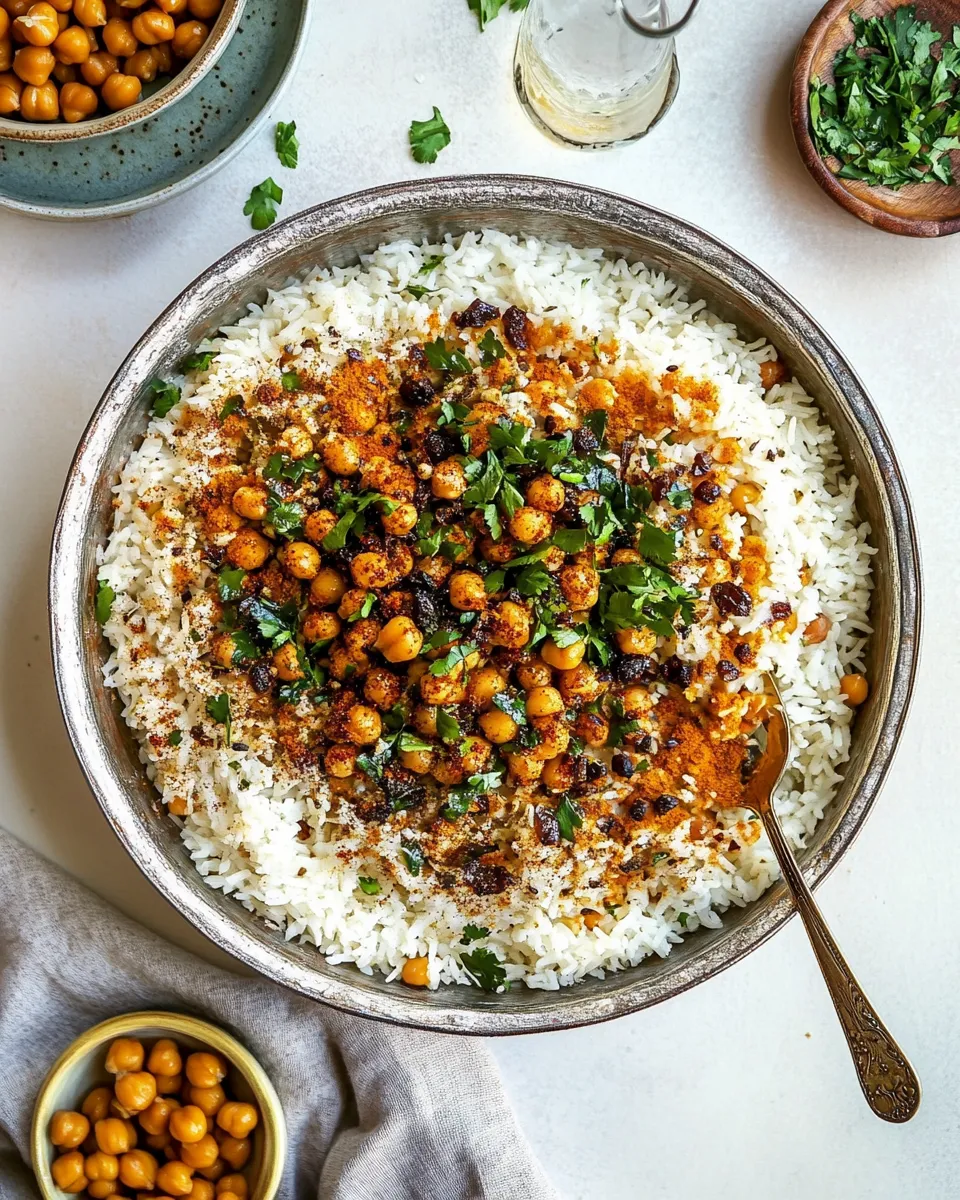
Crispy Persian Rice (Tahdig) with Spiced Golden Chickpeas
Ingredients
Equipment
Method
- Bring 6 cups of water to a rolling boil in a large pot. Add kosher salt (to taste). While the water heats, rinse the basmati rice under cold running water until the rinse water runs clear.
- When the water is boiling, add the rinsed rice and stir. Cook, stirring occasionally, until the rice is al dente, about 6–8 minutes. Drain the rice in a fine-mesh sieve and rinse with cold water to stop the cooking; let drain well.
- In a medium bowl, combine 1 1/2 cups of the drained rice with the 3 tablespoons plain yogurt and stir to coat the grains evenly. Set aside.
- Heat a 10-inch skillet over medium heat. Add the 3 tablespoons salted butter and 3 tablespoons extra virgin olive oil and melt until the butter is sizzling.
- Spread the yogurt-coated rice in an even layer across the bottom of the skillet. Pile the remaining rice on top, mounding it toward the center. Using the handle of a wooden spoon, gently poke 5–6 holes down through the rice to the bottom of the pan to allow steam to escape. There should be visible oil around the edges; add a little more oil if you don't see it bubbling up.
- Cook the rice over medium heat, turning the skillet a quarter turn every 5 minutes to promote even browning. After about 15 minutes you should see a golden crust forming at the edges. Reduce the heat to low, cover the skillet with a lid (or foil and lid), and continue to cook for another 15–20 minutes, until the edges and bottom are deeply golden and crisp (about 35–40 minutes total).
- While the rice cooks, make the spiced chickpeas. Heat a large, high-sided skillet over medium heat and add the 1/4 cup extra virgin olive oil. Add the drained, patted-dry chickpeas, 2–4 cloves garlic (thinly sliced or smashed), the 2 thinly sliced shallots, 1 teaspoon ground turmeric, 1 teaspoon smoked paprika, 1 pinch crushed red pepper flakes, and kosher salt to taste. Cook, stirring occasionally, until the chickpeas are crisped and the shallots are softened and browned, about 8–10 minutes.
- Add the 2 tablespoons raw sesame seeds and the 2 cups roughly torn greens to the chickpeas. Toss and cook 1–2 minutes more, until the sesame seeds are toasted and the greens are wilted. Remove from heat.
- When the rice is done, remove the skillet from the heat and run a spatula around the edges to loosen the crust. Place a large platter over the skillet and carefully invert the skillet onto the platter so the crisped tahdig is on top (let rest 1–2 minutes if needed before lifting the skillet).
- Serve the rice topped with the spiced golden chickpeas and scatter the 1/2 cup fresh mint or cilantro over the top.
Notes
Tip:
If your rice doesn’t come out in one piece, please do not stress, just scoop out the rice as is, and serve. It's going to be delicious no matter what.
Note:
Persian Rice adapted from
Food 52
.